






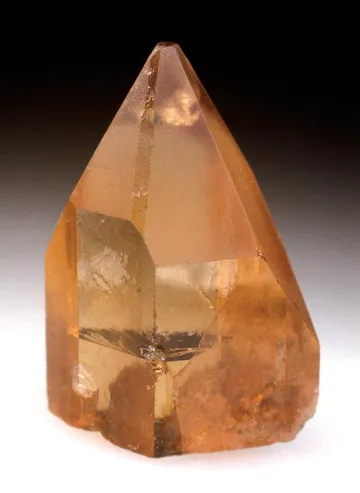
Mexico — a diverse locality with Milpillas azurite and malachite, wulfenite, mimetite, and historic districts like Taxco; prized by collectors for variety and…
Key facts
Mexico is not a single mineral locality in the ordinary sense; it is a collecting province of continental scale, and one of the few countries whose specimen reputation rests on several entirely different geological worlds. In the north, oxidized carbonate-replacement deposits in limestones and related polymetallic systems produced the classic yellow, green, orange, blue, and brown suite that defines Mexican cabinet minerals: wulfenite, mimetite, adamite, legrandite, hemimorphite, rosasite, aurichalcite, calcite, fluorite, and dozens of arsenates and vanadates on limonitic gossan. Farther west and northwest, the Laramide porphyry-copper belt of Sonora gave collectors the modern Milpillas azurites and malachite-after-azurite pseudomorphs—specimens that arrived suddenly, in abundance, and immediately entered the top rank of world copper minerals. Across Chihuahua’s volcanic country, silica-filled cavities yielded Laguna, Coyamito, Moctezuma, Gallego, and related agates, cut as blazing fortification-pattern nodules rather than displayed as crystals.
Regional View
Country View
The country’s mineral history is inseparable from its silver history. Taxco, Zacatecas, Guanajuato, Pachuca–Real del Monte, Fresnillo, Mapimí, Batopilas, Santa Eulalia, Charcas, Naica, and many other districts were not merely ore producers; they became names on specimen labels, museum drawers, and old collection cards. The result is a collector’s Mexico with several distinct visual signatures: rusty Mapimí gossan sprinkled with green mimetite and honey wulfenite; velvety dark-green Milpillas malachite pseudomorphs preserving the blades of former azurite; electric-blue azurite crystals on pale dickite, quartz, or malachite; clear to purple Veracruz amethyst crystals on basaltic matrix; and polished agate halves whose color bands seem almost too deliberate to be natural.

Photo: Wikimedia Commons

Photo: Wikimedia Commons

Photo: Wikimedia Commons
Search for specimens: View all specimens from Mexico
For mineral collectors, Mexico’s most important specimen deposits fall into several broad families. The classic lead-zinc-silver districts of northern and central Mexico are commonly carbonate-replacement, skarn-related, vein, and manto systems developed where mineralizing fluids interacted with limestone and other reactive sedimentary rocks. Their oxidation zones are the reason so many Mexican specimens are colorful: galena, sphalerite, pyrite, arsenopyrite, copper minerals, and associated sulfides weathered into lead molybdates and arsenates, zinc arsenates and silicates, copper carbonates and sulfates, iron oxides, manganese oxides, and a rich gangue suite. Ojuela at Mapimí, Los Lamentos in Chihuahua, Santa Eulalia, Naica, Charcas, Fresnillo, and Santa María del Oro all belong to this larger collecting world, though each has its own paragenesis and specimen character.
Ojuela Mine, near Mapimí in Durango, is the country’s emblematic oxidized replacement locality. It sits near the northeastern escarpment of the Sierra de Mapimí and was worked commercially for lead, zinc, silver, and related metals before its later life as a specimen mine. The mine is famous for the depth and variety of its secondary minerals: adamite in yellow, green, and violet-tinged forms; legrandite in lustrous yellow sprays and blades; paradamite, ojuelaite, mapimite, metaköttigite, lotharmeyerite, and other rare arsenates; wulfenite and mimetite in the familiar orange-on-green combinations; plattnerite, hemimorphite, rosasite, aurichalcite, scorodite, fluorite, calcite, and goethite. Its matrix is as diagnostic as its species list: porous, rusty, iron-rich gossan with cavities that once were ore, now lined with secondary crystals.
The Ojuela mine also has a remarkably long mining footprint. Mapimí was established in the late 16th century, and the district was large enough by the late 19th century to support substantial industrial development, including the famous suspension bridge that carried men and materials across the canyon to the mine. The district’s documented workings are extensive, and specimen mining became a distinct economic activity after large-scale ore extraction waned. Collecting access today is not casual rockhounding; the site is historic, touristic, locally managed, and internally hazardous, with specimen recovery handled through established local mining and collecting channels rather than open public digging.
Milpillas, in northern Sonora near the Cananea district, represents the opposite kind of Mexican classic: a modern copper mine that became famous in real time. The deposit is part of the great porphyry-copper province of northern Mexico, with economic copper mineralization and a spectacular secondary copper assemblage developed in brecciated volcanic rocks and related zones. Azurite and malachite specimens began appearing on the international market in the mid-2000s, and by the 2008 Tucson and Denver seasons the locality was already being treated as a contemporary classic. The best Milpillas azurites are deep royal blue to nearly black-blue, with mirror luster, striated faces, and thick tabular to lenticular crystals; many sit on pale dickite or quartz, or show malachite alteration. Later pockets and levels yielded superb malachite pseudomorphs after azurite, shattuckite, plancheite, brochantite, volborthite, cuprite, and other copper species. Because Milpillas was an operating industrial mine rather than a collecting claim, specimen availability has always depended on mine production, authorized recovery, and the movement of material through dealers and miners; older labels, pocket designations, and levels matter.
Chihuahua’s agate country is a third pillar of Mexican collecting. The famous agate belt south of Villa Ahumada includes Laguna, Coyamito, Gallego, Moctezuma, Agua Nueva, and related deposits in volcanic rocks. These are not vuggy ore minerals but nodular chalcedony bodies, commonly cut and polished to reveal fortification banding, tubes, eyes, shadow banding, sagenitic inclusions, plume-like structures, and red, orange, pink, purple, yellow, white, and gray color zones. Laguna is the best known for tight, vividly colored fortification patterns and strong “shadow” effects; Coyamito is prized for smaller nodules with intensely patterned interiors; Moctezuma often supplies softer pastels and delicate banding. Quality depends almost entirely on the cut face: color saturation, band tightness, balance, translucency, absence of saw marks or fractures, and whether the nodule keeps enough natural rind to prove its form.
Other Mexican districts remain essential to a complete locality picture. Los Lamentos produced some of the most desirable orange to caramel wulfenite from an oxidized lead-zinc manto system, with a mineralogical distinction between upper Erupción material rich in anglesite-related assemblages and lower Ahumada workings that produced the wulfenites collectors prize. Santa Eulalia is famed for calcite, smithsonite, hemimorphite, wulfenite, mimetite, and fine oxidized lead-zinc minerals from one of Chihuahua’s great carbonate-replacement districts. Naica is known to collectors for selenite and calcite and to the broader world for its giant gypsum crystals. Las Vigas in Veracruz is the source of delicate, lustrous amethyst crystals on basaltic matrix. Sierra de Cruces in Coahuila produced distinctive red grossular. Zacatecas and Fresnillo carry deep historical and specimen importance, especially for silver and associated sulfides, sulfosalts, and secondary minerals.
Mexican agate is most strongly associated with the volcanic agate belt of Chihuahua, especially Laguna, Coyamito, Gallego, Moctezuma, Agua Nueva, and related deposits south of Villa Ahumada and around the Sierra del Gallego region. The material occurs as nodules rather than free-standing crystals, and its value is revealed at the saw: Laguna pieces are famous for tight fortification banding, red-orange-pink-purple color, parallax or shadow banding, and sharply nested centers, while Coyamito nodules are commonly smaller but can show superb red, yellow, lavender, and tube-filled interiors. Good pieces from Mexico are not merely bright; they have crisp banding, balanced pattern, translucency, depth, clean polish, and little fracturing. Ordinary pieces may have pleasant color but weak structure, muddy centers, broken rind, or saw-cut faces that fail to capture the eye of the nodule.
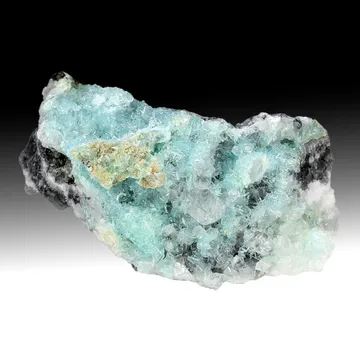
Mexico’s premier azurite locality is the Milpillas Mine in Sonora, where specimens from the oxidized portions of a modern copper system began reaching collectors in 2006 and quickly joined the world’s elite azurite suite. The finest examples are intensely lustrous, deep royal to midnight-blue crystals, commonly flattened, tabular, lenticular, bladed, or stacked into sculptural clusters; individual crystals on documented specimens reach centimeter scale, and cabinet specimens from named levels and pockets can be visually spectacular. Associations include malachite, quartz, dickite, brochantite, chrysocolla, plancheite, shattuckite, baryte, goethite, and other secondary copper minerals. Milpillas quality is judged by luster, crystal sharpness, saturation of blue, freedom from bruised edges, open display on matrix, and credible provenance, because detached or repaired crystals and vague “Mexico” labels are not equivalent to well-documented Milpillas material.
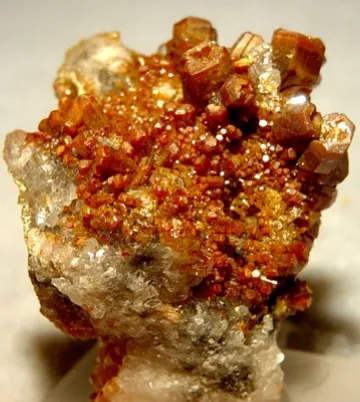
Wulfenite is one of Mexico’s signature collector minerals, with Ojuela in Durango and Los Lamentos in Chihuahua supplying two of the country’s classic looks. Ojuela wulfenite ranges from yellow and honey-orange prismatic crystals to tabular and “sandwich” styles, often perched on limonite with green to yellow-green mimetite, calcite, mottramite, goethite, or other oxidized species. Los Lamentos wulfenite is typically remembered for thicker, lustrous orange to caramel crystals, often isolated or in groups on pale calcite or oxidized matrix, with a strong old-collection aura. The best Mexican wulfenites have intact edges, sharp terminations, bright glassy faces, good color zoning where present, and a matrix that enhances rather than hides the crystals; chipped tablets, contacted edges, and loose crystals without convincing locality history are much less desirable.
Mexican malachite reaches its highest specimen importance at Milpillas, where dark green, velvety malachite pseudomorphs after azurite preserve bladed, tabular, and clustered azurite forms in a way that is instantly recognizable. A famous 2008 pocket zone yielded sharp malachite pseudocrystals to centimeter scale and large clusters, and later Milpillas material included partial replacements where blue azurite remains on or within green malachite. Associations may include azurite, chrysocolla, plancheite, quartz, dickite, brochantite, baryte, goethite, and shattuckite. The best pieces retain crisp azurite morphology, strong green color, velvety surface, sculptural spacing, and minimal bruising; weaker examples are massive, abraded, too dark to read, or so completely coated that the original pseudomorph form is lost.
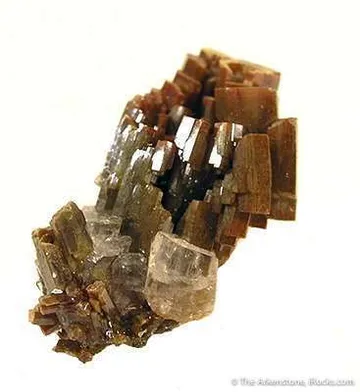
Mexico’s most familiar mimetite for collectors is the Ojuela style: green, yellow-green, olive, orange-yellow, or yellow botryoidal and drusy Pb5(AsO4)3Cl on rusty gossan, commonly accompanied by orange to honey wulfenite. Ojuela mimetite forms rounded balls, mammillary crusts, sparkling carpets, and compact aggregates, and its best combinations create the classic Mapimí contrast of soft green arsenate against geometric molybdate crystals. Chihuahua’s San Pedro Corralitos is also important, with bright yellow mimetite pockets documented from the old San Pedro Mine section. Superior Mexican mimetite shows fresh color, crisp rounded relief, complete coverage without muddy iron staining, and well-placed associated crystals; ordinary examples are flat crusts, dull druses, or scraped green coatings lacking three-dimensional form.
Beyond these five, Mexico’s collector mineralogy is exceptionally deep. Ojuela alone is a type locality for paradamite, lotharmeyerite, metaköttigite, mapimite, and ojuelaite, and a co-type locality for scrutinyite; it has also produced world-class adamite, legrandite, hemimorphite, rosasite, aurichalcite, scorodite, plattnerite, calcite, fluorite, goethite, and rare arsenates that keep micromounters busy for a lifetime. Flor de Peña in Nuevo León is historically tied to legrandite’s discovery, while Ojuela supplied the display specimens that made the species famous. Las Vigas amethyst, Naica gypsum and selenite, Santa Eulalia calcite and oxidized zinc-lead minerals, Sierra de Cruces red grossular, Batopilas native silver, Zacatecas silver minerals, and Sonoran copper rarities all belong in the same national cabinet.
Mexico is a rewarding but label-sensitive field. A specimen marked simply “Mexico” is often too broad for serious collecting unless the piece is unmistakable—Milpillas azurite, Ojuela wulfenite with green mimetite, Laguna agate, or Veracruz amethyst can usually be recognized by style, but important value still depends on a precise mine, district, state, and preferably a pocket, level, date, or dealer history. Older “Mapimí” labels usually mean Ojuela Mine unless another Mapimí-district locality is stated, but that should be preserved as historical wording rather than silently modernized. “Los Lamentos” wulfenite labels may refer broadly to the Erupción/Ahumada mine system; where possible, note that the wulfenite-producing material is most precisely tied to the Ahumada workings in the lower levels.
The best-documented modern fakery concern is blue hemimorphite attributed to Ojuela. In 2020, vivid electric-blue hemimorphite specimens from the mine were challenged by dealers and collectors; laboratory work reported Raman evidence for the synthetic organic pigment Phthalocyanine Blue BN as a surface colorant on questioned material. Because this dye can be difficult to detect by casual solvent tests and may mislead simple elemental analysis, high-value “blue hemimorphite from Ojuela” deserves strong skepticism unless supported by serious analytical documentation and trustworthy provenance. Naturally blue-green Ojuela rosasite, aurichalcite, chrysocolla, or mixed copper-zinc minerals do exist, but they should not be used as a blanket defense for implausibly uniform blue hemimorphite.
Milpillas azurite and malachite require a different kind of caution. Many pieces are naturally contacted or repaired because the crystals can occur in tight pocket aggregates and fragile breccia zones; look closely for glued breaks, reattached crystals, filled cracks, oiling or surface enhancement, and matrix trimming that hides damage. Very thin azurite coatings over malachite-after-azurite pseudomorphs can give a vivid blue appearance, so buyers should understand whether a specimen is true azurite, malachite after azurite, azurite-coated pseudomorph, or mixed replacement. Chalcocite-coated pyrite from Milpillas has also caused identification confusion: very thin chalcocite skins over pyrite can look like something else entirely, and analytical confirmation is preferable for expensive sulfide specimens.
Condition is central across Mexican material. Wulfenite edges chip easily, and Los Lamentos crystals often show bruised corners from old mining and transport. Mimetite and malachite surfaces can be rubbed smooth; this is particularly damaging on specimens whose beauty depends on velvety texture. Ojuela gossan can shed dust and tiny crystals if overhandled, and many pieces include arsenates or lead minerals, so wash hands after handling and avoid creating dust while trimming or cleaning. Azurite is soft enough to scratch and can be light-sensitive over very long exposure, especially if heated or kept in harsh display conditions; keep Milpillas specimens dry, stable, and out of direct sunlight. Agates are physically durable, but value is hurt by poor polish, flat uninspired cuts, epoxy fills, and misrepresented locality names; Laguna, Coyamito, Moctezuma, and Agua Nueva are not interchangeable labels.
Market availability varies sharply. Ojuela material remains available in quantity because the mine has a long specimen-mining history, but top legrandite, sharp old adamite, exceptional wulfenite-mimetite combinations, and rare type-locality arsenates are not common. Milpillas azurite and malachite were abundant enough to build a market, but the best documented pocket pieces, especially from earlier finds and published specimens, now trade as modern classics. Laguna and Coyamito agate are still seen regularly as cut halves, slabs, and polished nodules, but the finest high-contrast fortification pieces with strong shadow banding are selectively retained and priced well above ordinary Mexican agate.
At Ojuela, the first thing a collector remembers is not a crystal but a crossing. The suspension bridge spans the canyon between the old camp and the mine, a piece of late-19th-century mining engineering that turned a dangerous gap into an ore route. Local histories describe the bridge as hundreds of meters long, narrow enough to feel intimate underfoot, and suspended high above the ravine. For collectors, it has become the symbolic threshold of Mapimí: on one side, the desert, ruins, and tourist approach; on the other, the workings that yielded yellow legrandite, green mimetite, violet-tinged adamite, and the type minerals that made Ojuela a name far larger than the mine’s ore record.
Ojuela’s specimen life is also unusual because it did not end when industrial mining faded. The old mine became, in effect, a mineral locality worked for crystals, not merely an abandoned ore body scavenged by weekend collectors. Published notes describe nearly 450 km of workings and a period when the Mapimí district was significant enough to account for a notable share of Mexico’s mine production. That scale matters when looking at a small cabinet specimen: a 5 cm plate of wulfenite and mimetite is the visible remnant of an immense underground oxidation laboratory, where ore, water, air, arsenic, lead, zinc, molybdenum, iron, and time built mineral textures that no hand specimen can fully explain.
Los Lamentos has a more austere story. The old Erupción/Ahumada system in Chihuahua is remembered for the mineralogical break around the 500-foot level. Above that horizon, the notable specimens were anglesite and anglesite pseudomorphs after cerussite in a matrix of native sulfur and gypsum; below it, the wulfenite became the important collector prize. Old accounts note that water eventually became too much of an obstacle for specimen mining, even while good wulfenite was still being produced. That detail explains the rarity of truly fine pieces: the mine did not stop giving crystals because the collector market lost interest; it stopped because the ground itself became harder to hold back.
Milpillas entered mineral collecting like a lightning strike. In 2006, outstanding azurite and malachite-after-azurite began to appear from a new underground copper mine in Sonora. By mid-June 2008, a large pocket zone yielded a bonanza of sharp, velvety, dark-green malachite pseudomorphs after azurite, with bladed pseudocrystals to about 2.5 cm and clusters reported to extraordinary cabinet scale. A few years later, the Watercourse Pocket on the 1280 level yielded azurite specimens documented from the 2013–2014 period, including pieces large enough and fine enough to be published in the 2021 Milpillas monograph. Collectors who watched the market during those years saw a locality being canonized in real time: not rediscovered from old labels, but carried out of an active mine and into Tucson cases almost immediately.
Even the agates have field stories. Coyamito material has been described from multiple deposits on Rancho Coyamito, about thirty miles north of the Laguna deposits, with the best strongly colored agates concentrated in named areas such as Los Alamos and La Sonoreña. The Los Alamos deposits were described as two deposits about 500 yards apart and roughly two miles west of the ranch house, originally under the La Fortuna claim name. Those practical details are easy to overlook after a nodule has been sawn, polished, and placed under lights, but they are the reason two small halves in a drawer can differ so much: one pocket may give red and yellow tubes, another tight fortifications, another pale centers with only a rim of color.
_6_(32405066430).jpg)

