Guide

6,284 for sale · $20–$655,000 USD
7,815 in the gallery
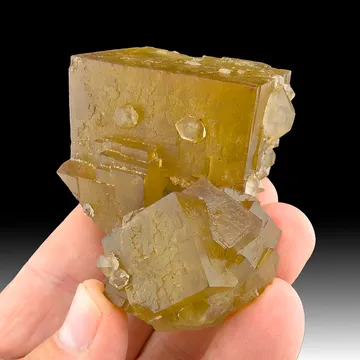
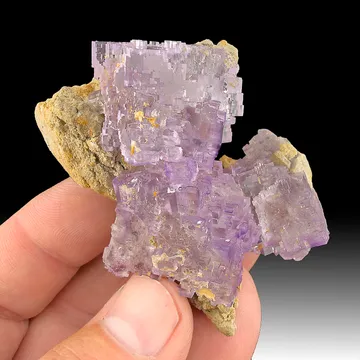
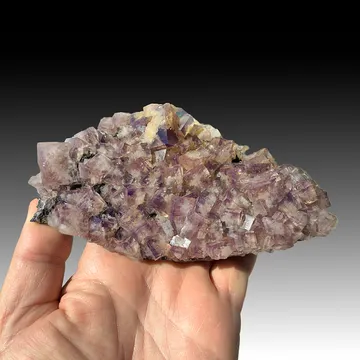
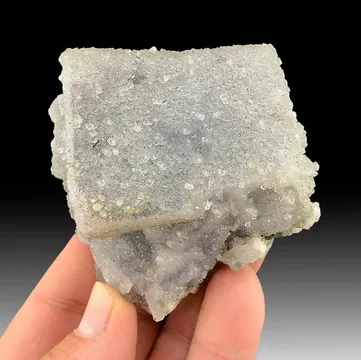
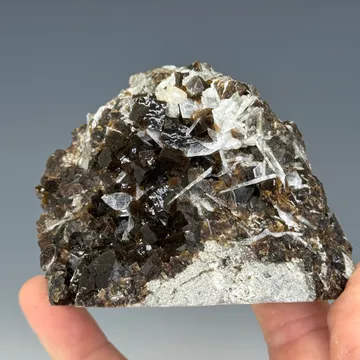
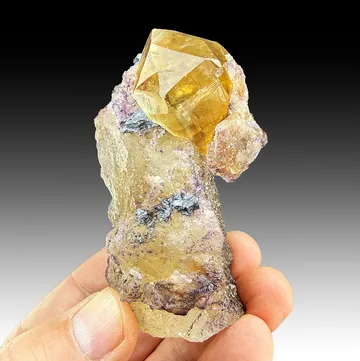
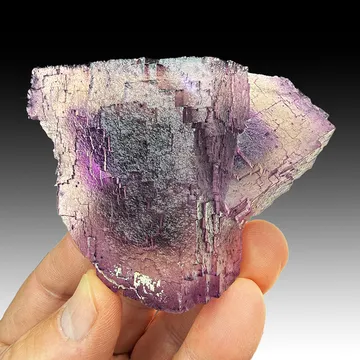
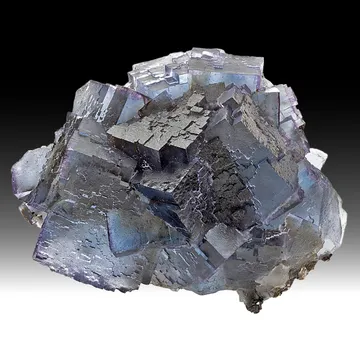
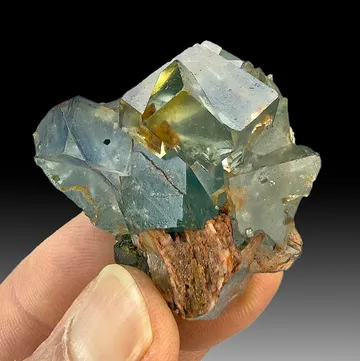
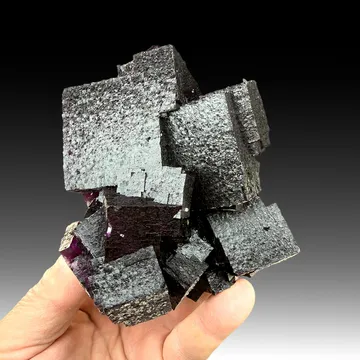
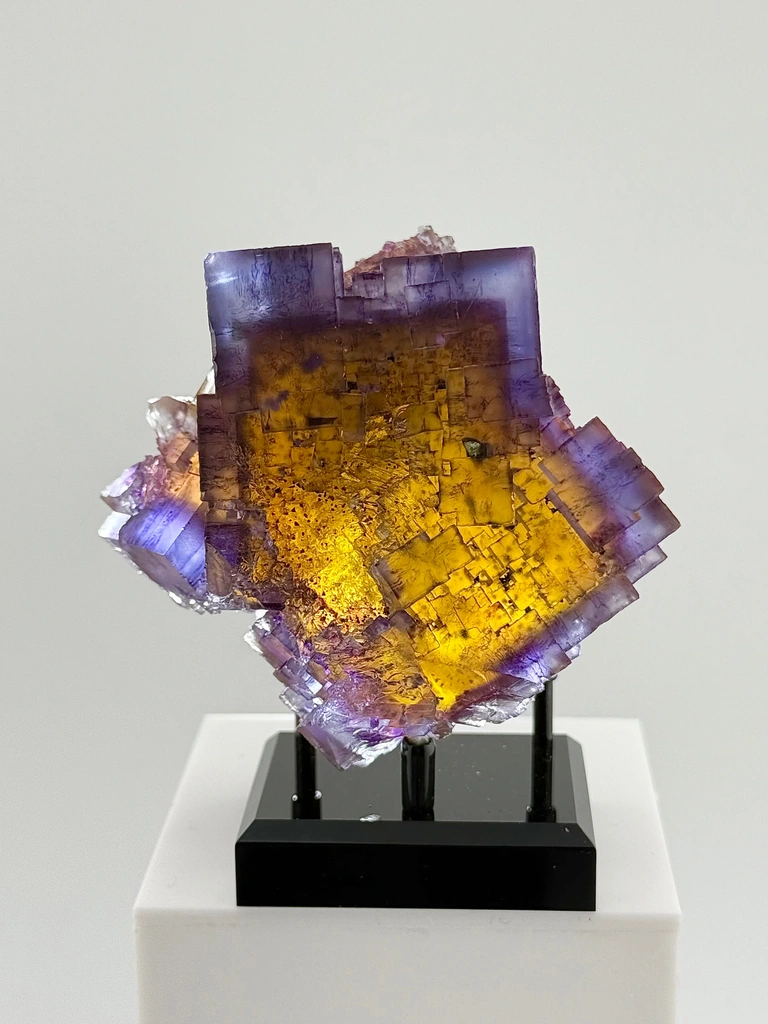
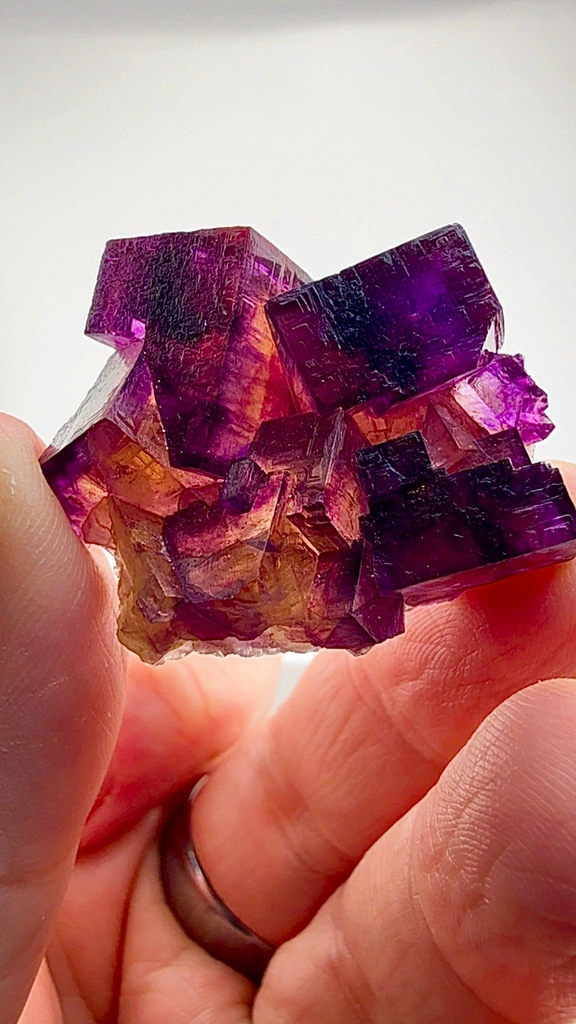
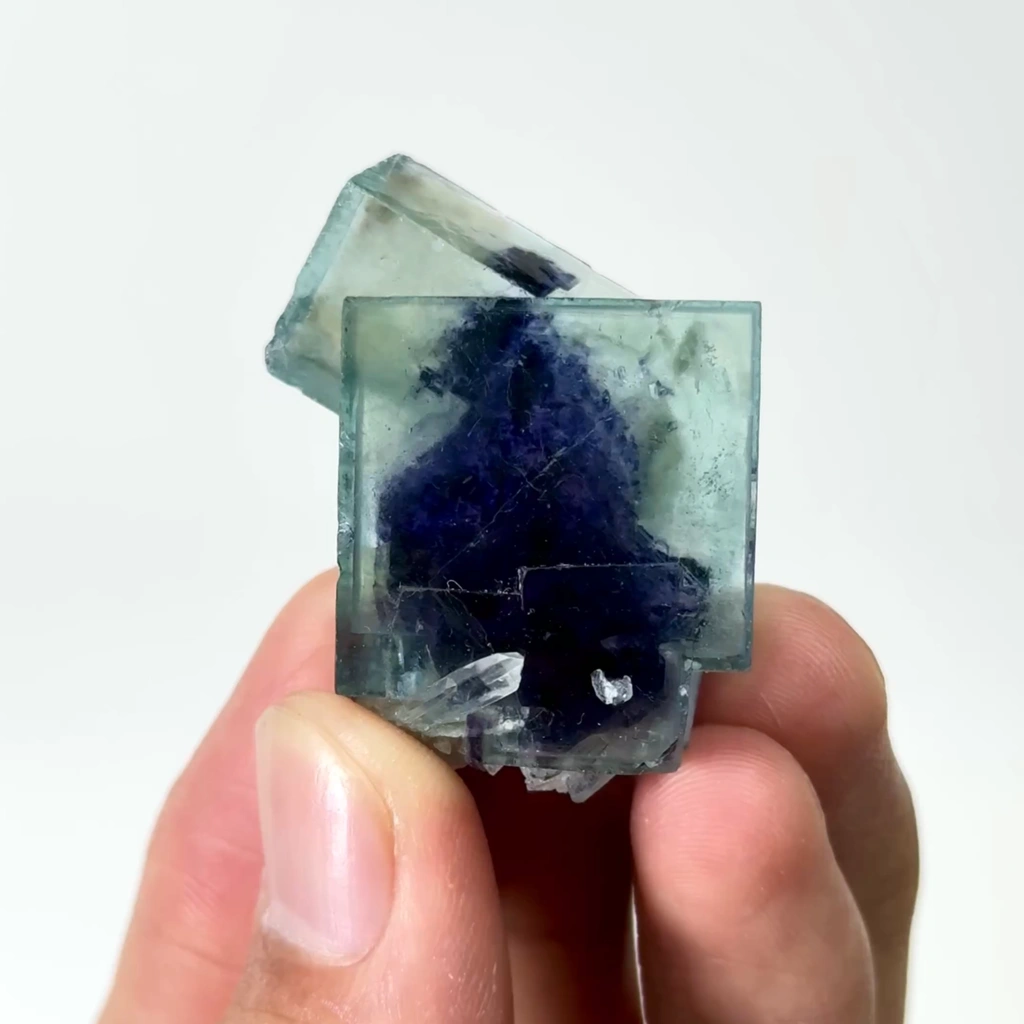
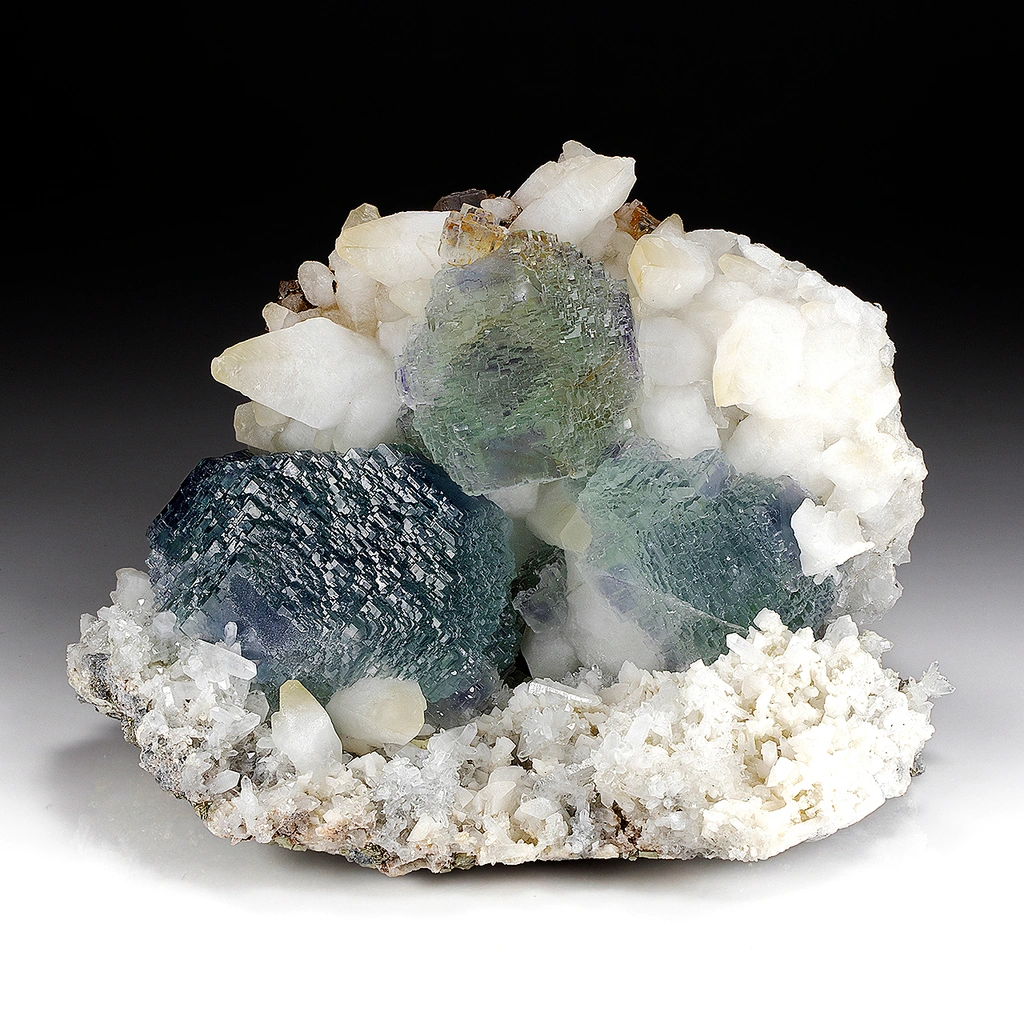
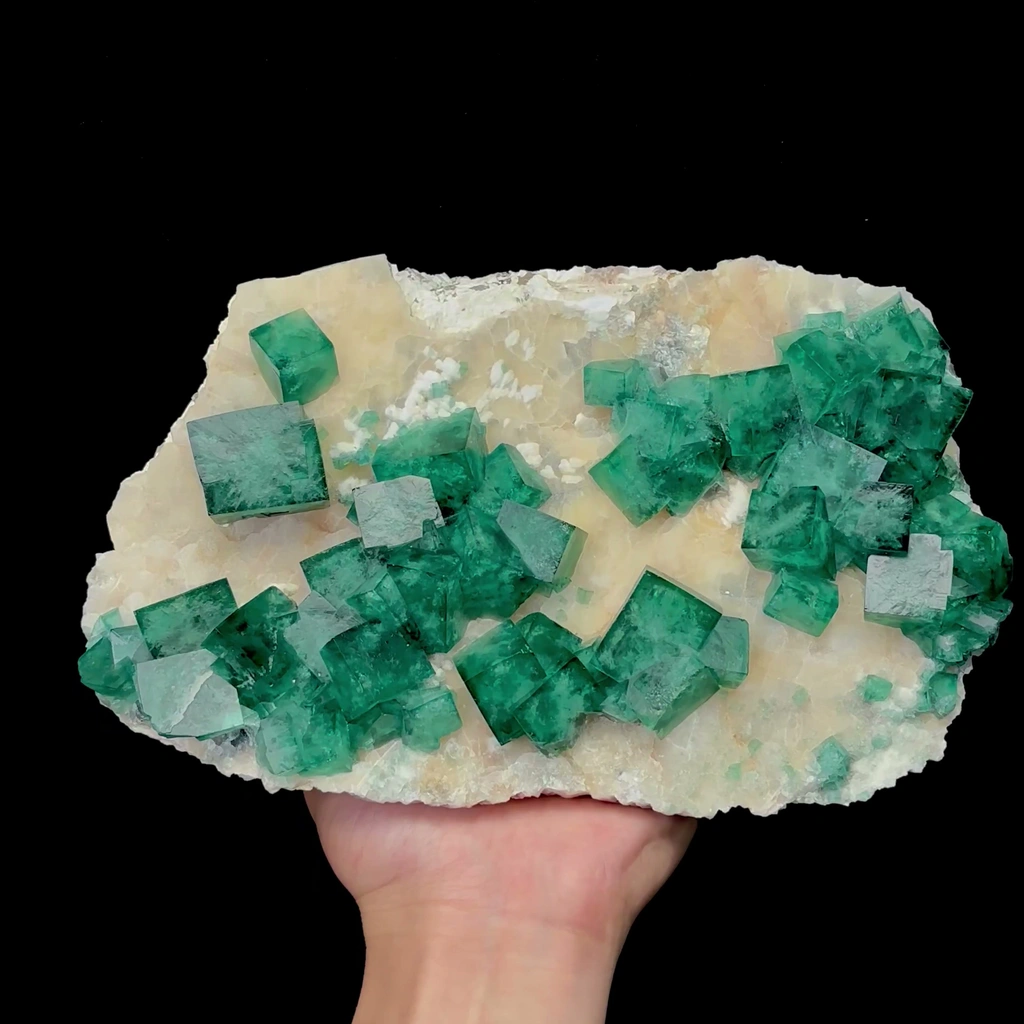
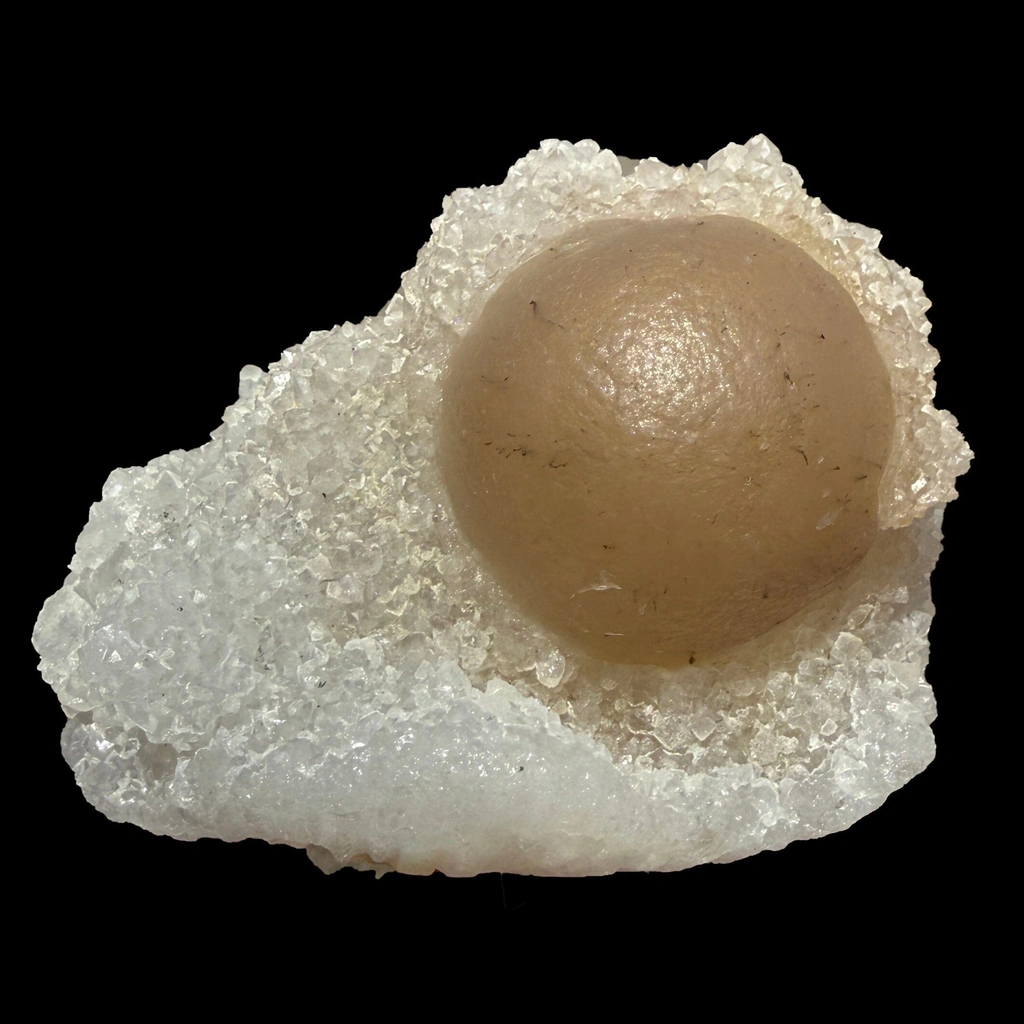
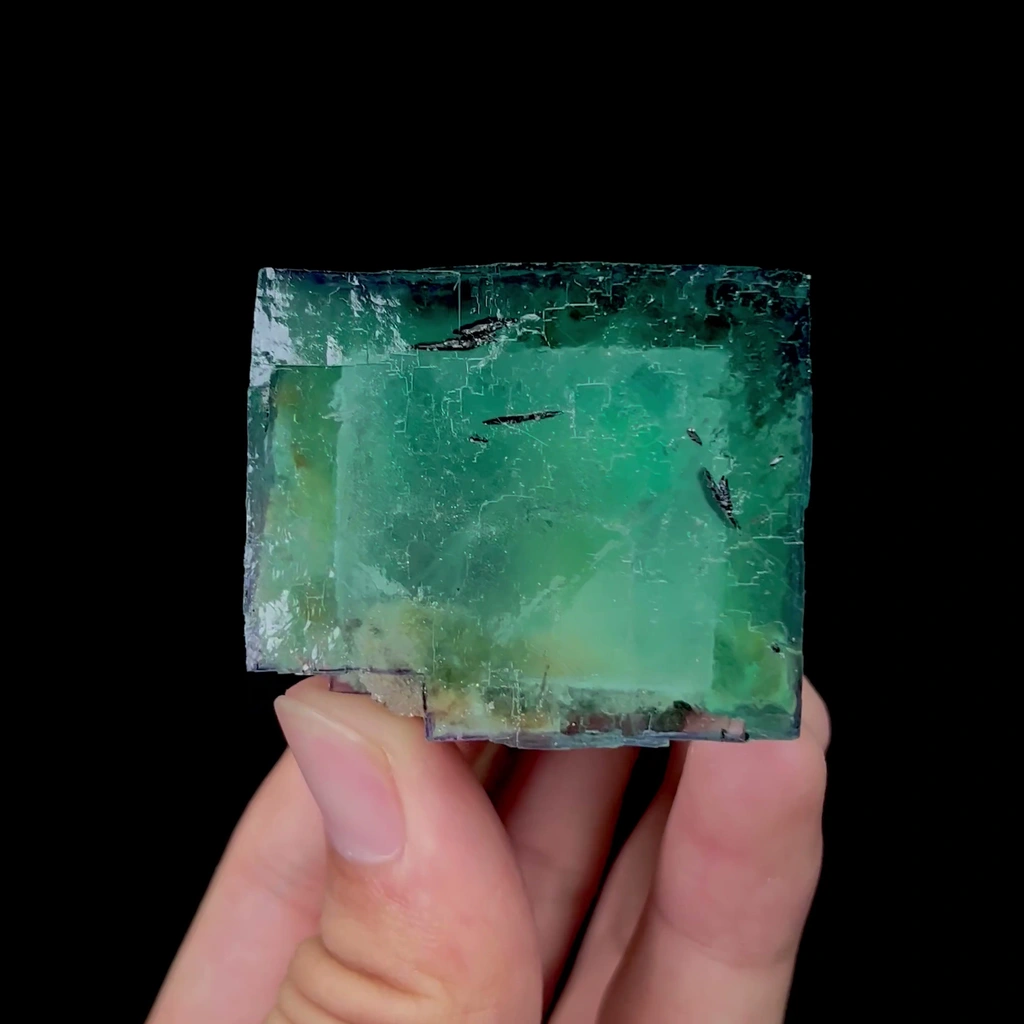
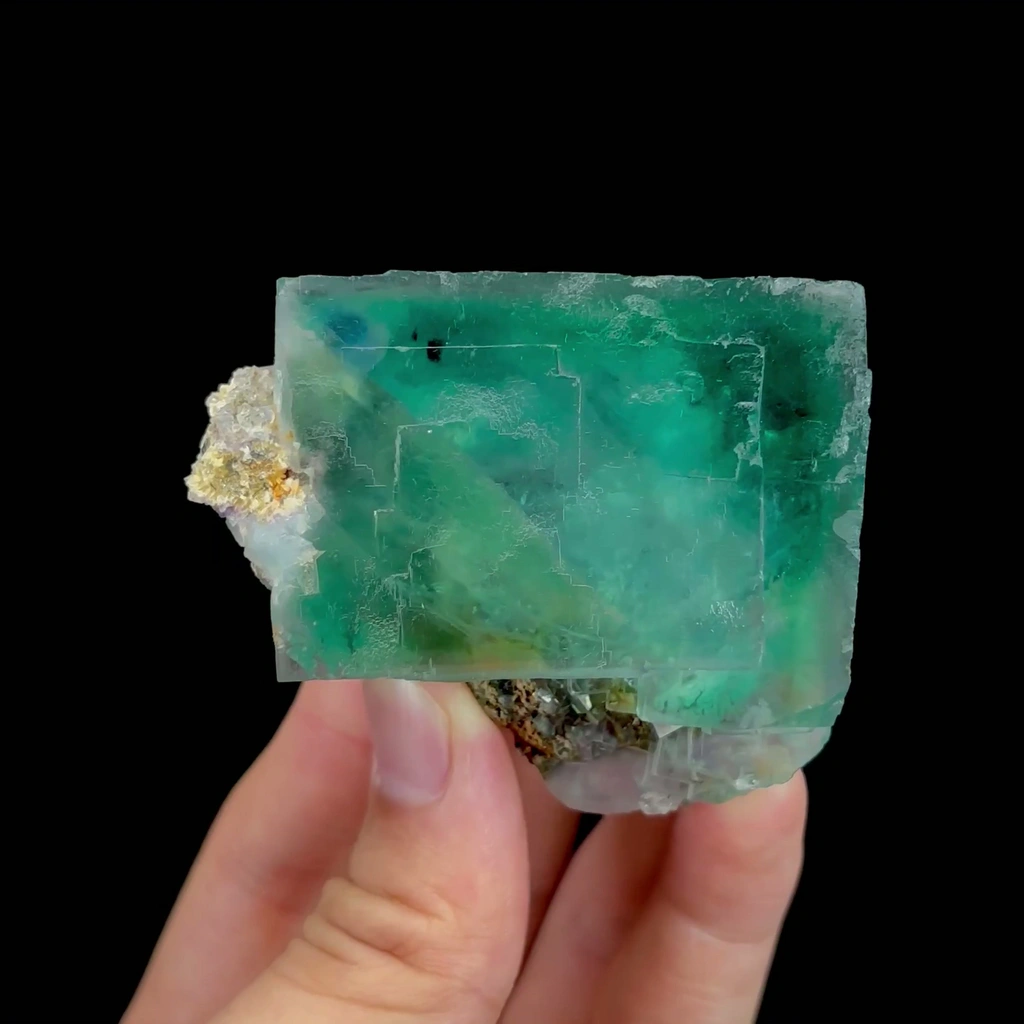
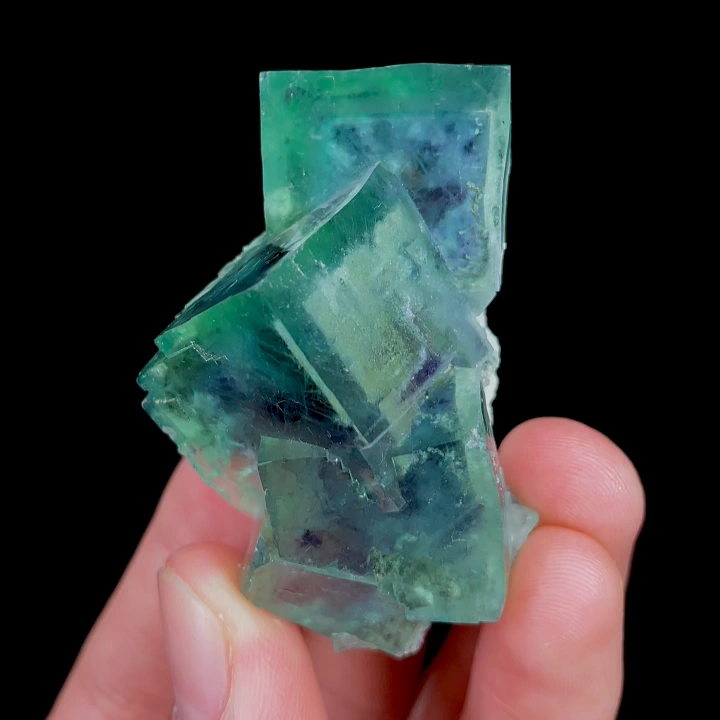
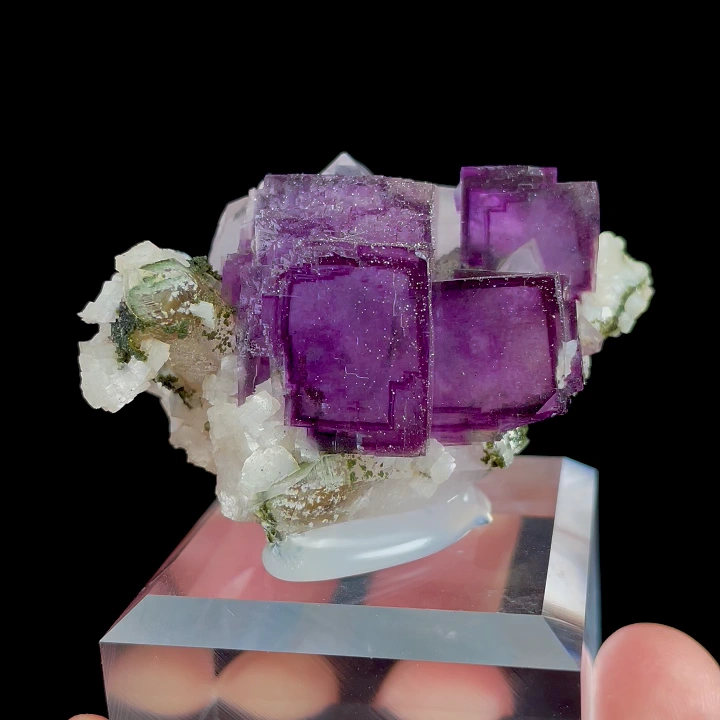
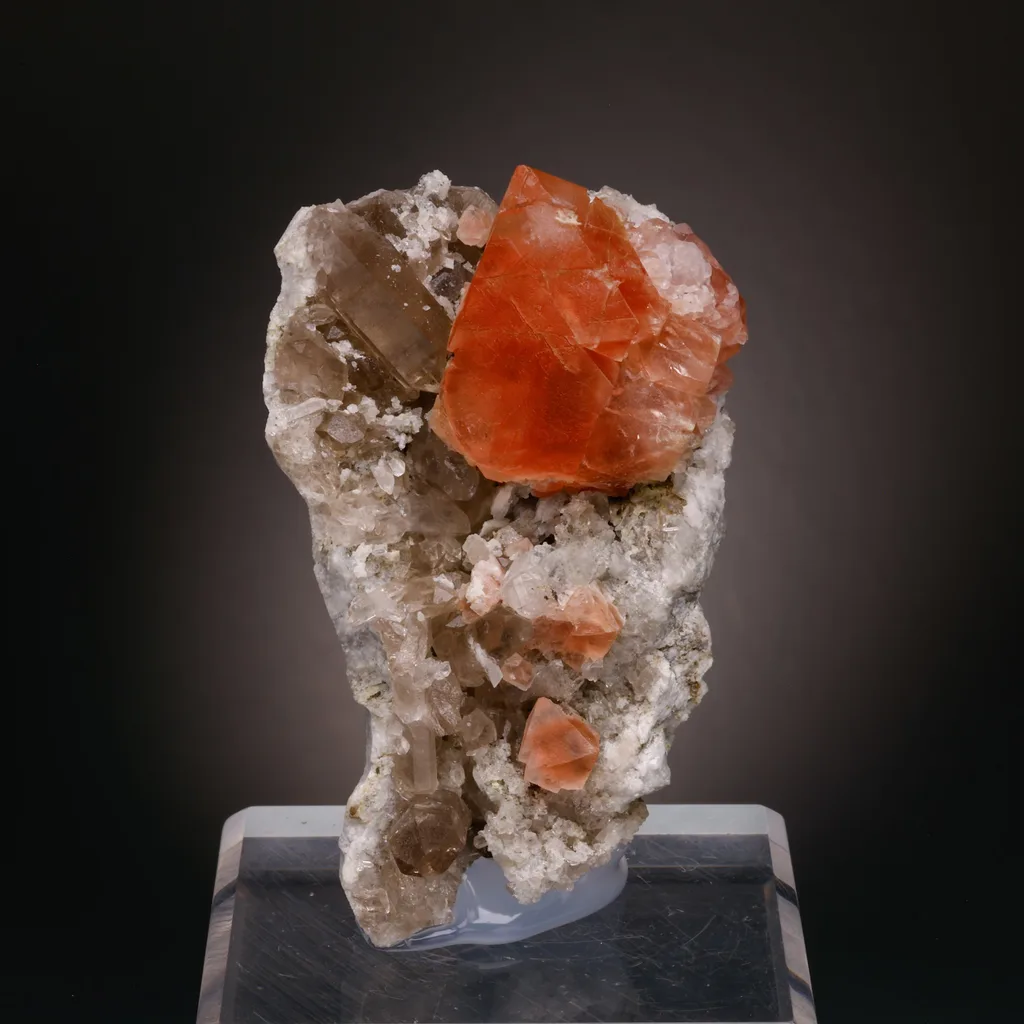
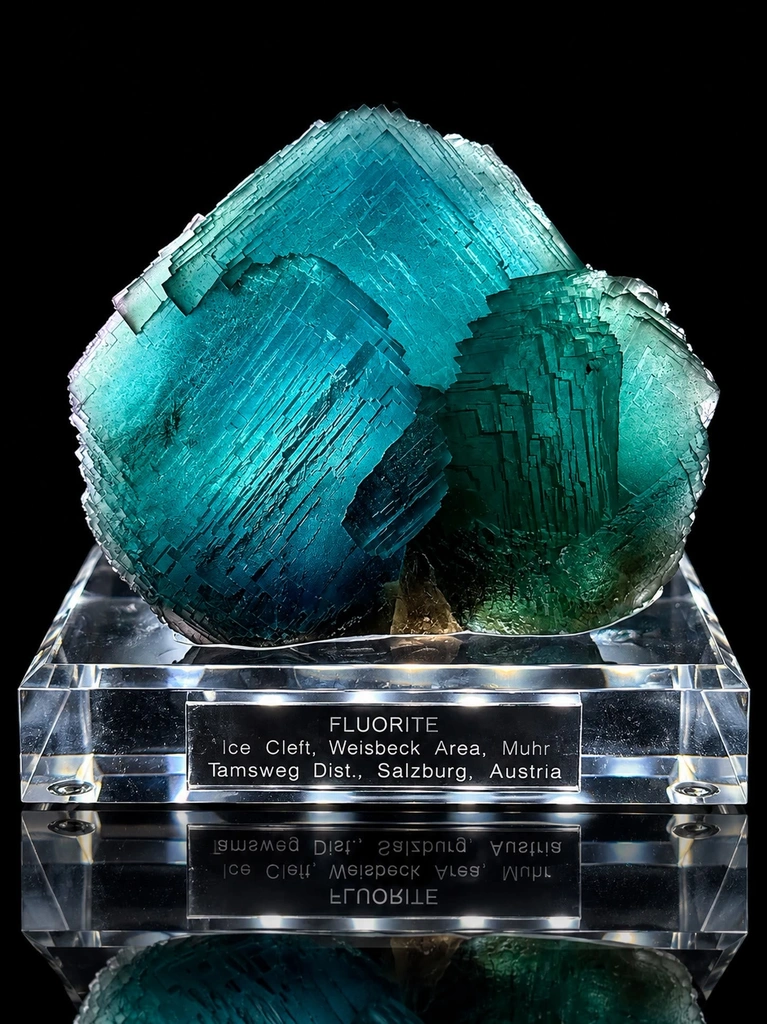
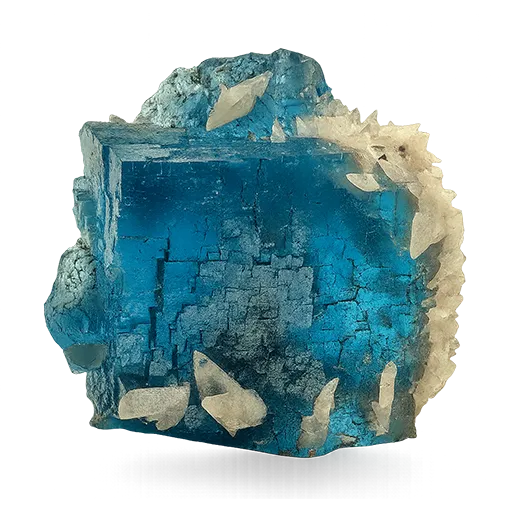
Fluorite is a halide mineral of calcium fluoride, typically forming isometric or cubic crystals that can show vivid color zoning in greens, purples, blues, and yellows. The mineral often occurs in transparent to translucent crystals with a vitreous to adamantine luster and may appear in tabular or well-formed cube habits, sometimes fluorescing under ultraviolet light. Notable specimens come from a range of classic fluorite locales, including mines in the United States, China, the United Kingdom, Namibia, and Mexico, where color banding and crystal clarity are highly prized by collectors.
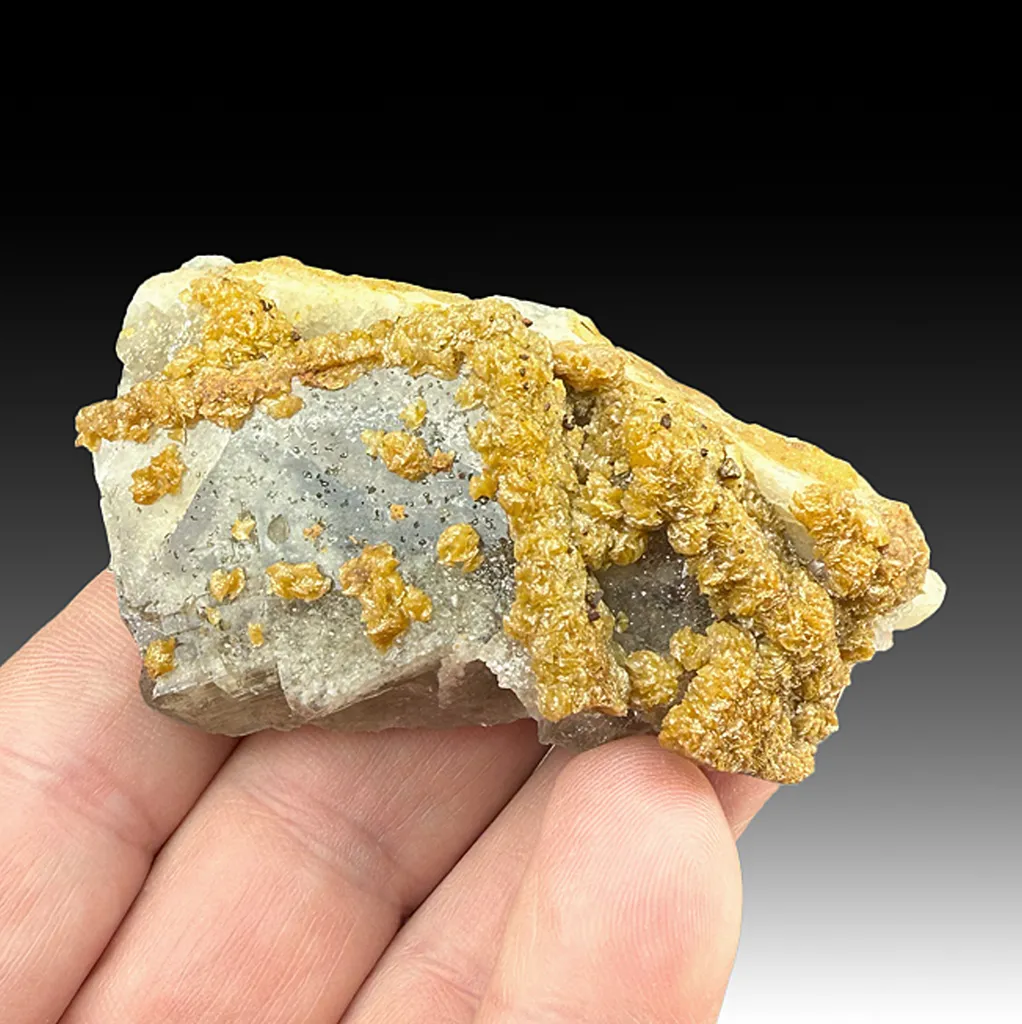
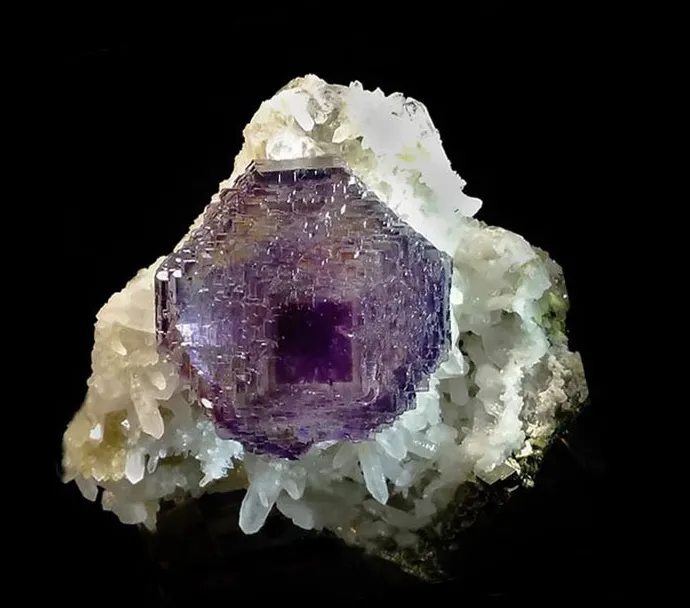
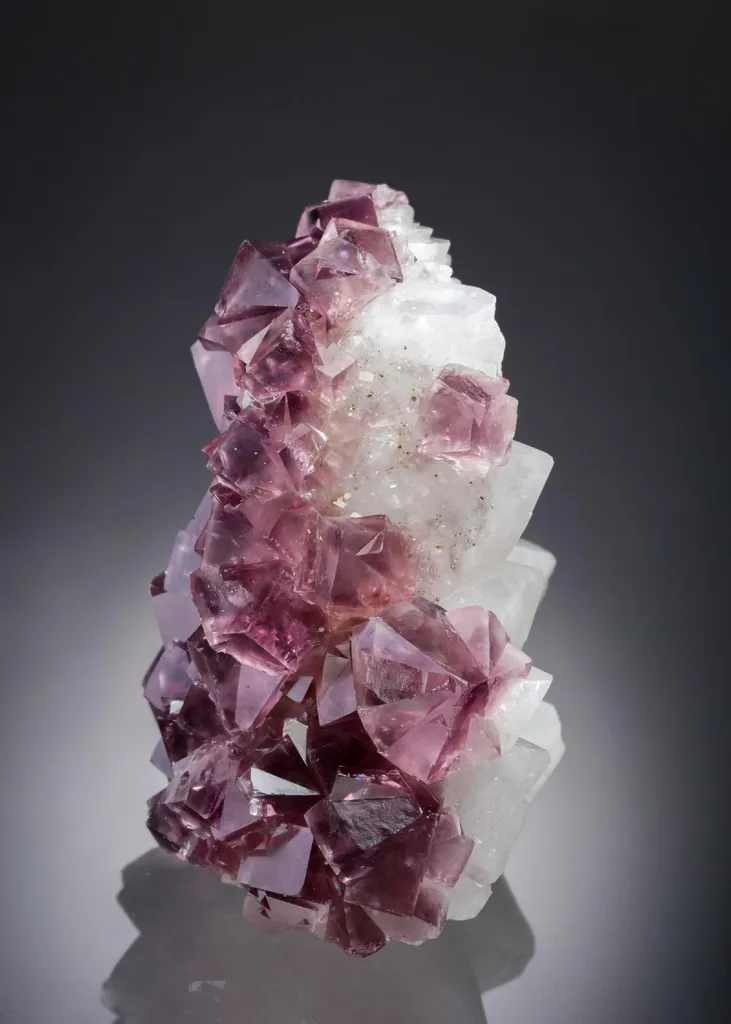
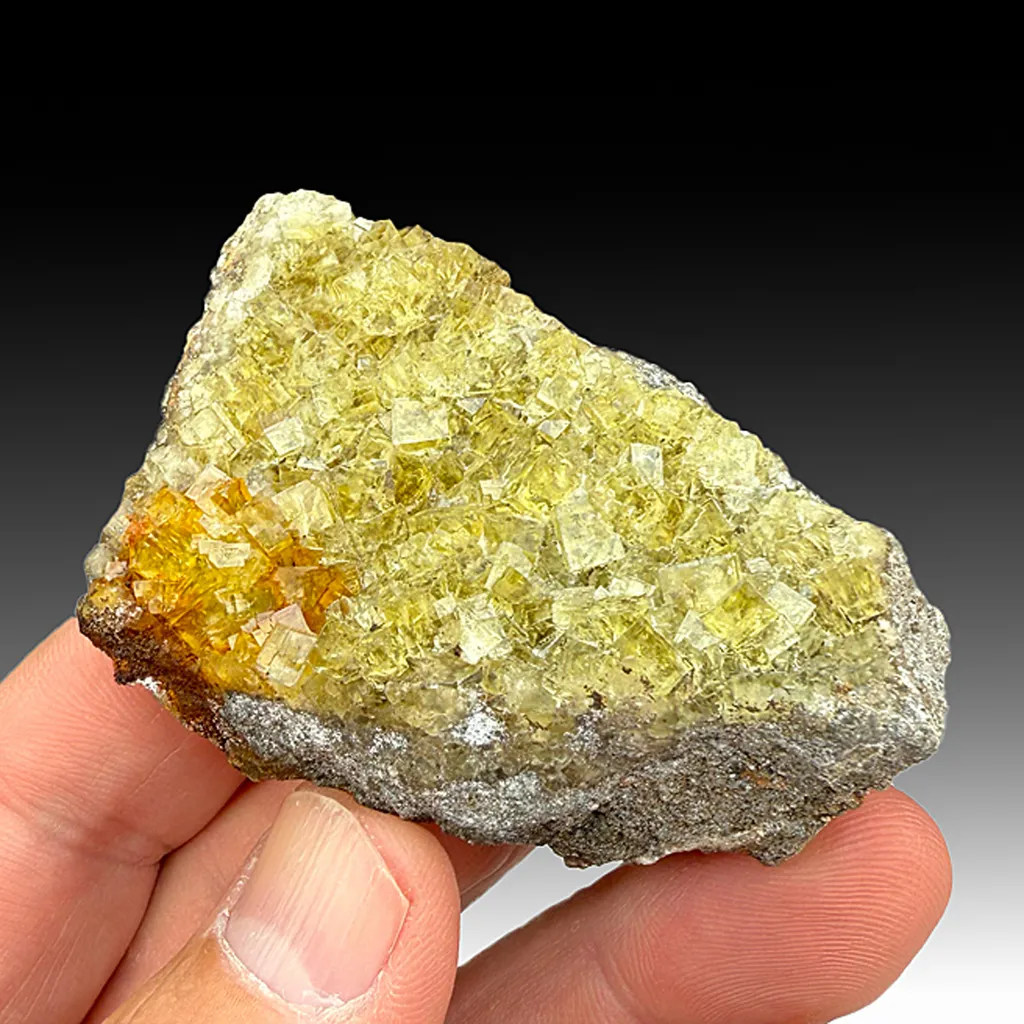
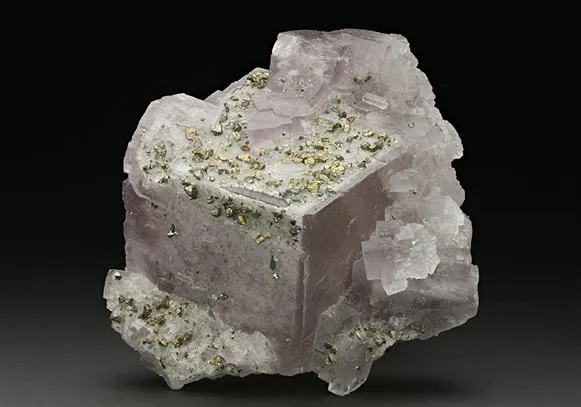
Collectors prize fluorite for its wide color palette, multiplicity of colors within a single specimen, and the rarity of perfectly terminated cubes. Fluorite commonly occurs alongside accompanying minerals such as quartz, calcite, and sphalerite, which can enhance display value when carborundum borders or contrasting matrix are present. Its relative softness (Mohs hardness about 4) makes specimen choice and care important, but its availability from diverse localities supports a broad collecting spectrum.