What Is This Mineral? How to Get an ID From a Photo
A photo shows color and shape, the two properties most likely to mislead. Here is how to photograph an unknown mineral, what details to add, and where to ask so other collectors can actually identify it. By EarthWonders Team · Nov 25, 2026
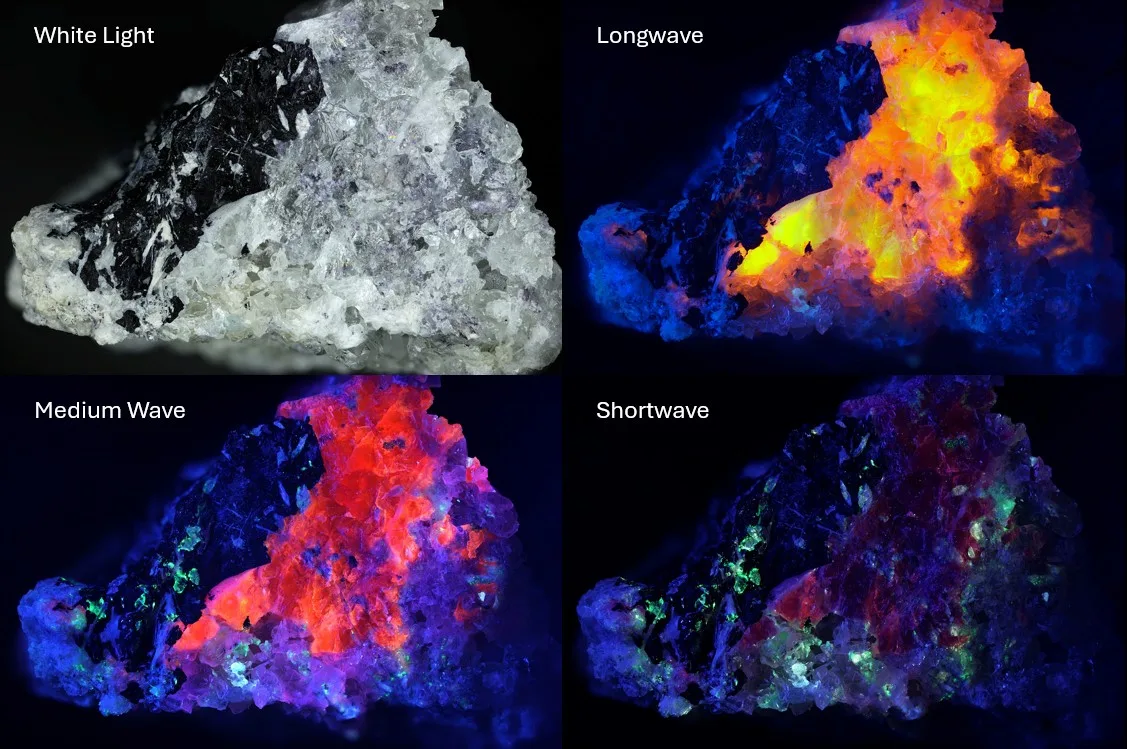
Anatomy of a Mineral Specimen - Götzenite
By Steve Sorrell · Nov 23, 2026 Thumbnail, Miniature, Cabinet: What Mineral Listing Terms Mean
TN floater, DT, ex. collection, no repairs: collectors use these words constantly and rarely define them. Here is what each one means, including the size ranges EarthWonders uses and how to read a listing's dimensions line.By EarthWonders Team · Nov 19, 2026 How to Keep Toxic and Radioactive Minerals at Home (And What Actually Needs Care)
Most "dangerous" minerals are safe to own. The real risks are dust, radon from uranium minerals and true asbestos fibers, not touching a cinnabar crystal or keeping a small eudialyte. Here's which species need care, how to store radioactive pieces, why arfvedsonite usually isn't asbestos, and what never goes in an aquarium.By EarthWonders Team · Nov 17, 2026 Introducing Ask an Expert, Plus a Special Report From the Munich Show - Newsletter #25
Introducing Ask an Expert, where you can put your questions about minerals, crystals, geology and collecting to our panel of experts. Plus a collector spotlight on Freddy Marty from France, a feature from moderator Tom Zhang, how to post your latest find, and a special report on the Munich show by collector Matthew Parshchikov.By EarthWonders Team · Nov 15, 2026 Restoring and preserving a Coquimbite and Krausite specimen
By desibourc@comcast.net · Nov 15, 2026 Fake, Dyed or Lab-Grown? A Collector's Guide to Treated and Imitation Crystals
Most fake crystals are one of three things: a real mineral that has been treated, an imitation made of glass, resin or a cheaper stone, or a lab-grown synthetic. None is a problem when it's disclosed. Here's how each group looks, a few quick checks, and which guides go deeper.By EarthWonders Team · Nov 09, 2026 Is Your Citrine Heat-Treated Amethyst?
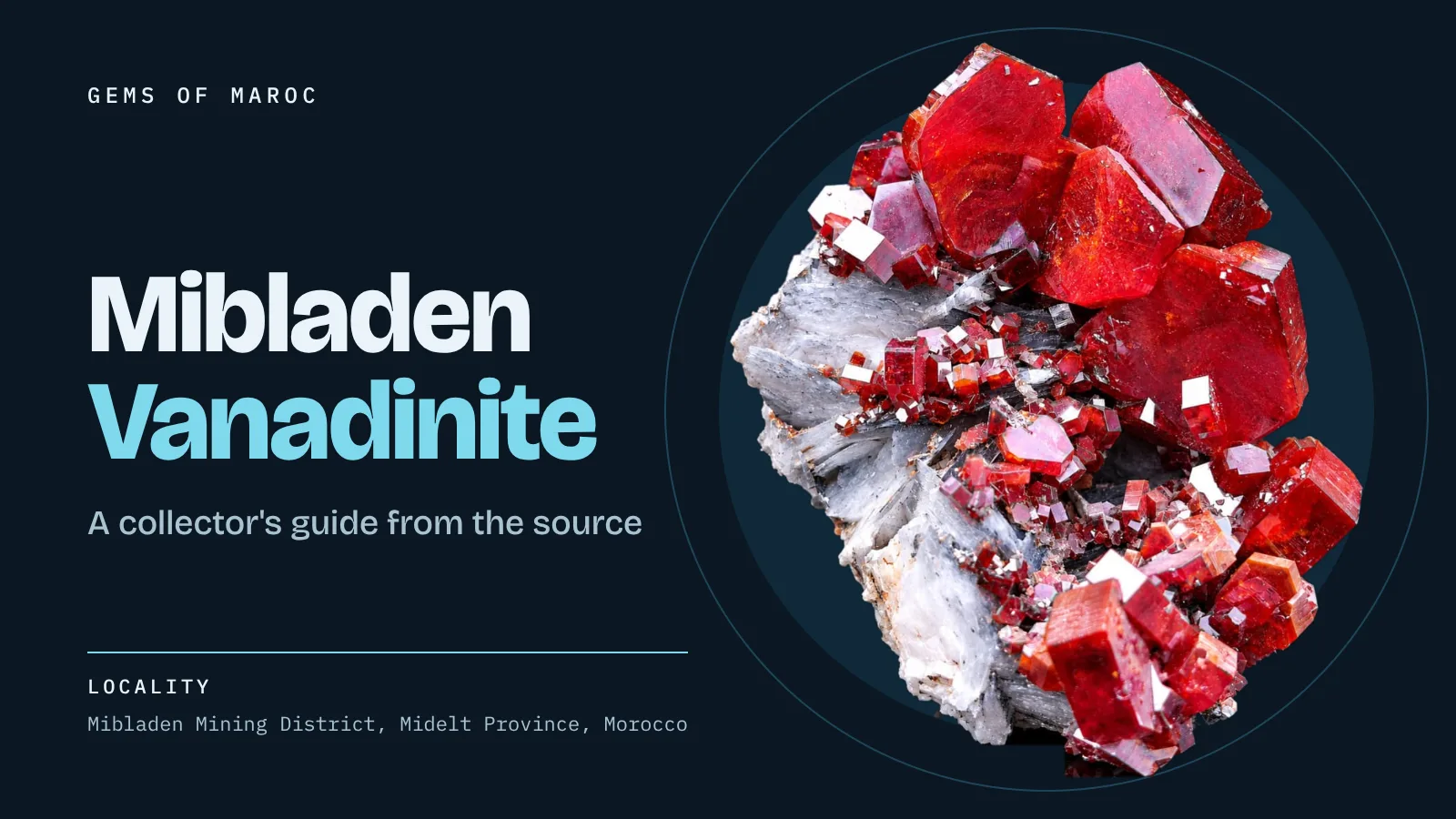
By EarthWonders Team · Oct 21, 2026 Mibladen Vanadinite: A Collector's Guide from the Source
By terraspecimen · Oct 12, 2026 How to Stop Pyrite Decay (Before Your Pyrite Turns to Dust)
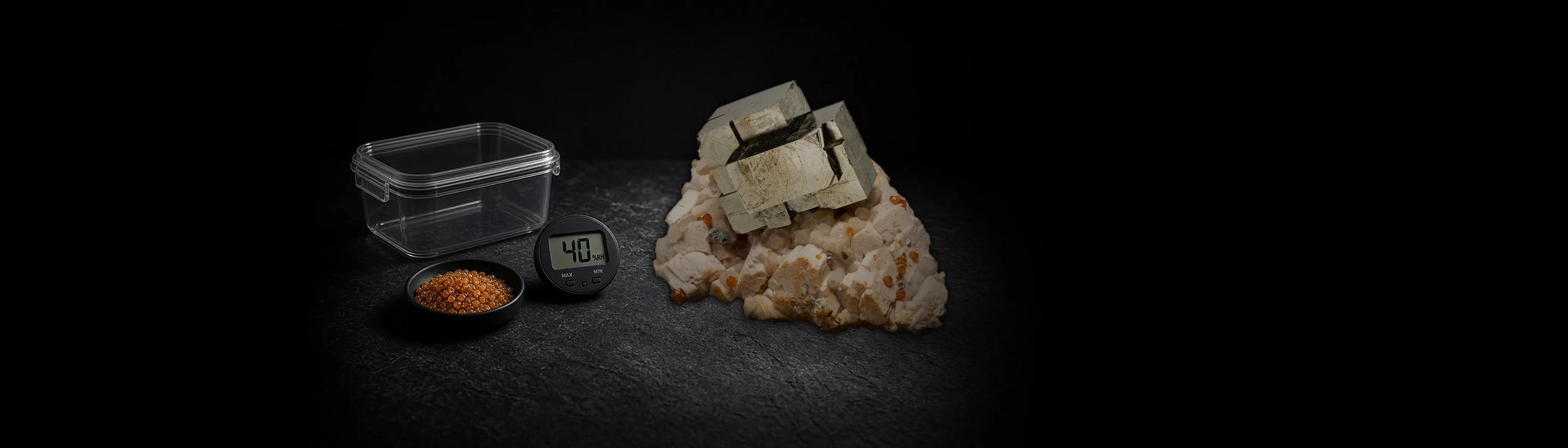
White powder, a whiff of sulfur, a crack that wasn't there last year: pyrite decay is a chemical reaction with oxygen and moisture, not a disease. Caught early and stored correctly, most specimens can be saved. Here's how to recognise it, what to do first, what museums do, and how to make sure it never starts.By EarthWonders Team · Oct 08, 2026