Guide
620 for sale · $50–$25,000 USD
2,816 in the gallery
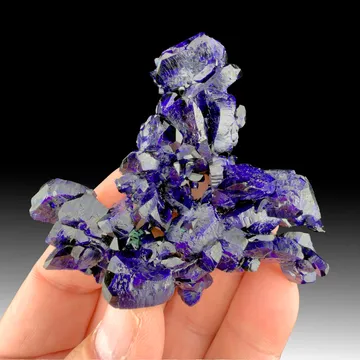
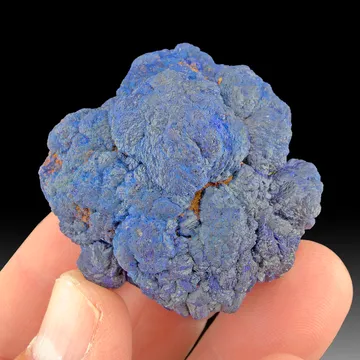
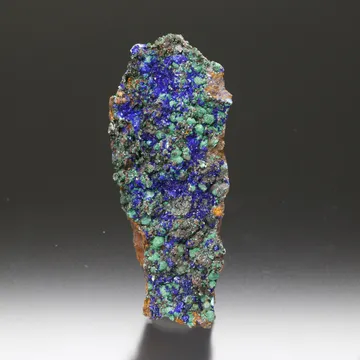
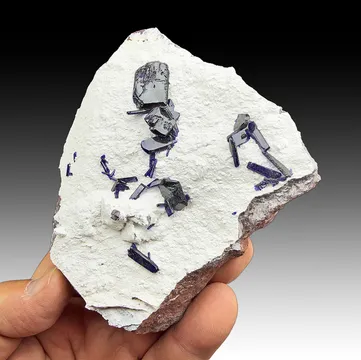
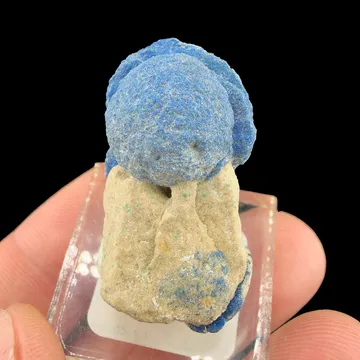
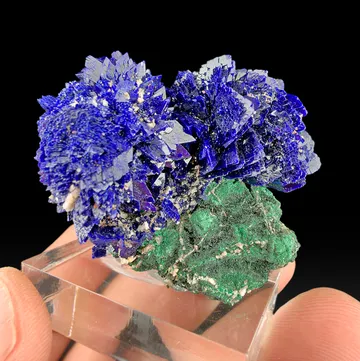
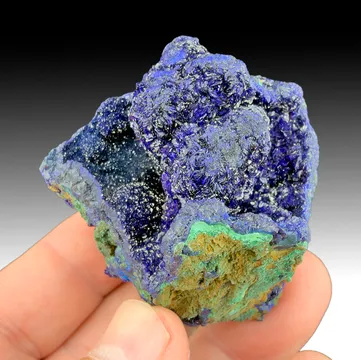
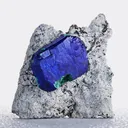
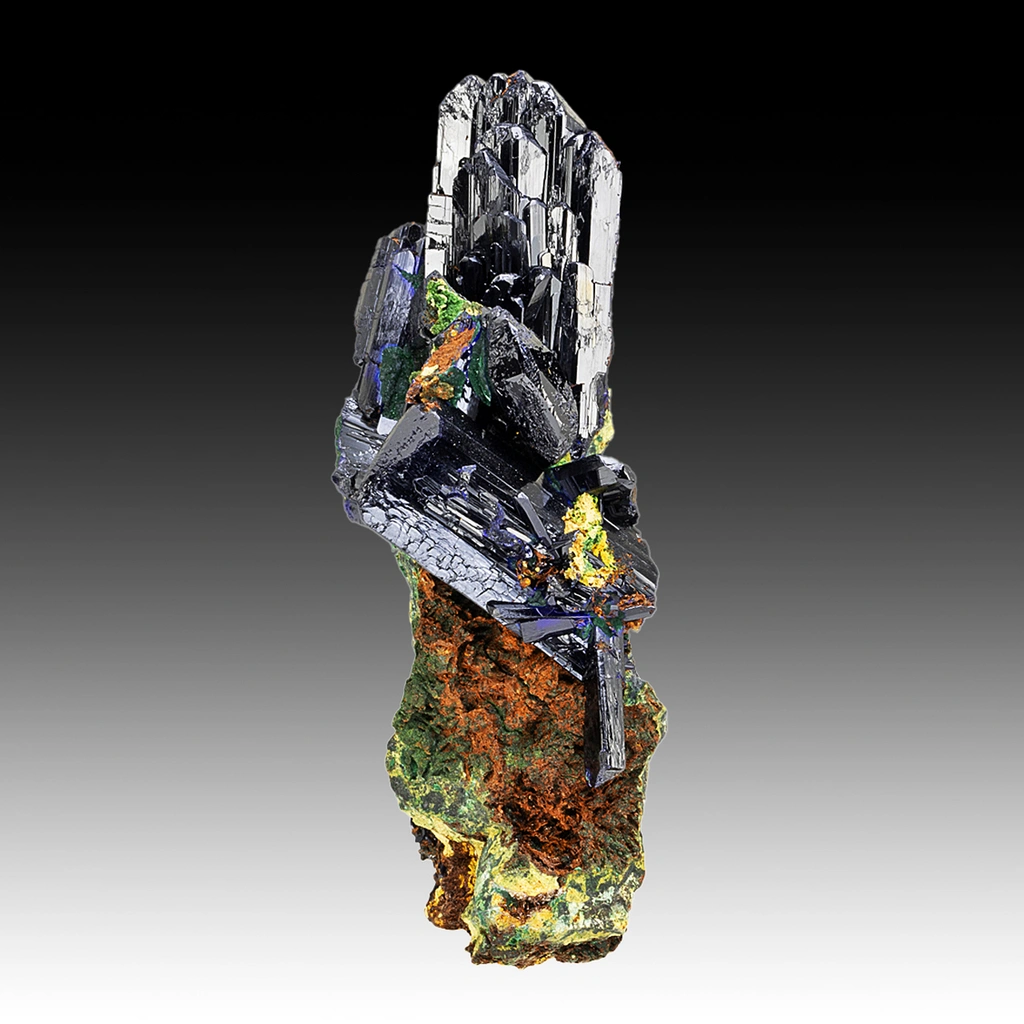
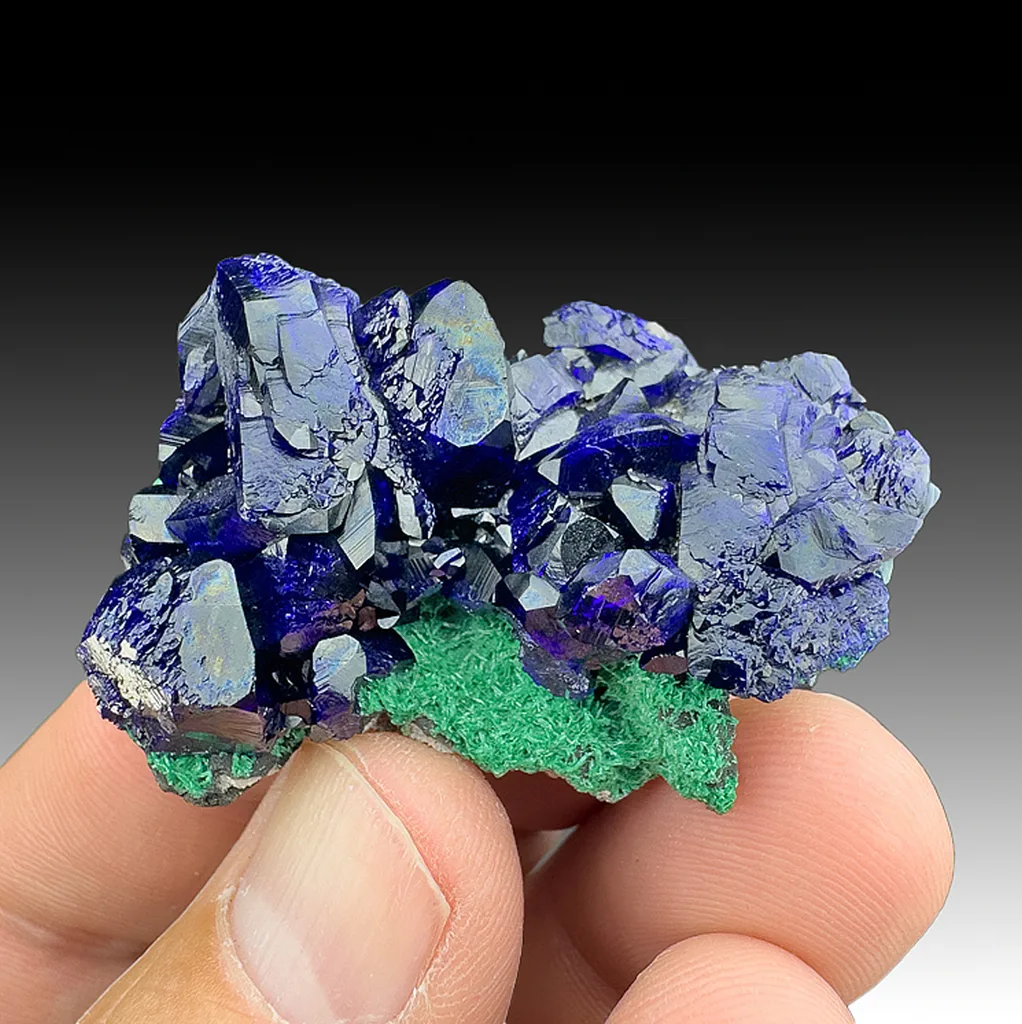
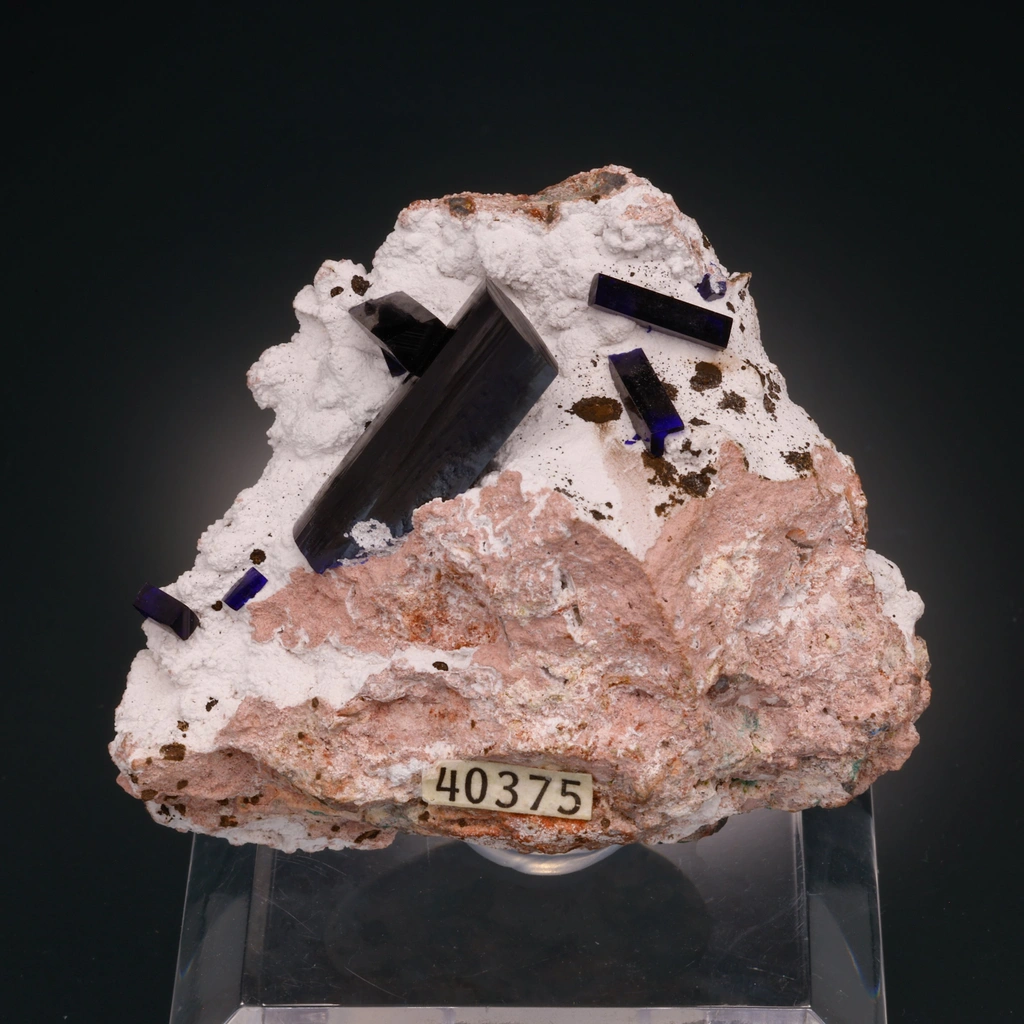
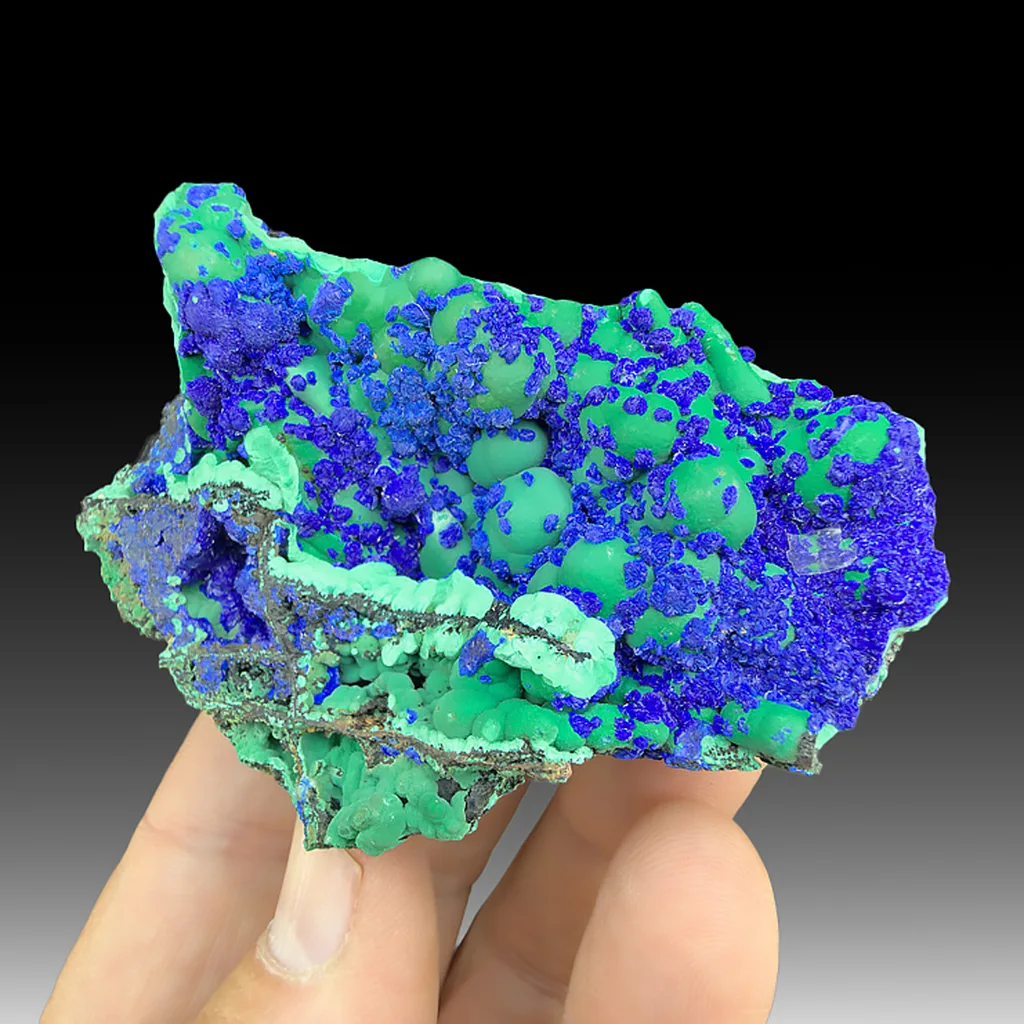
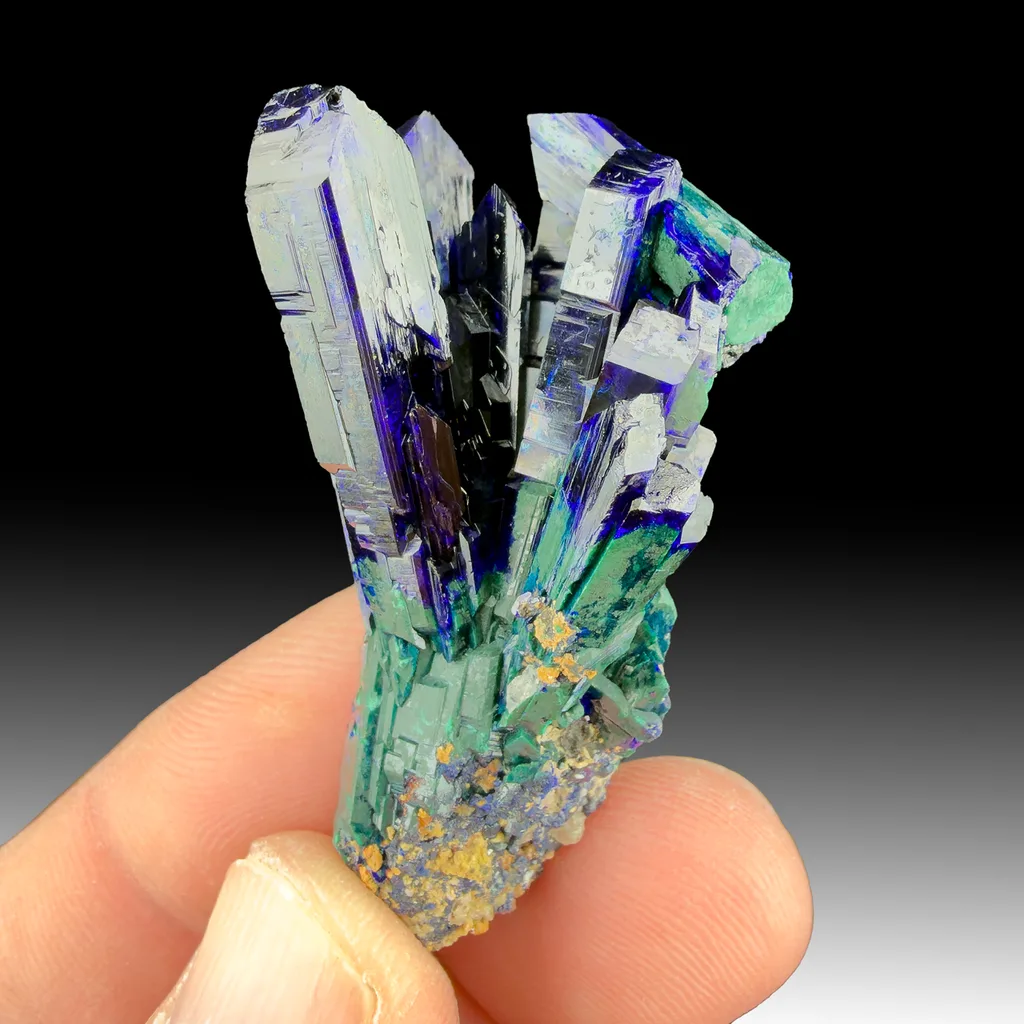
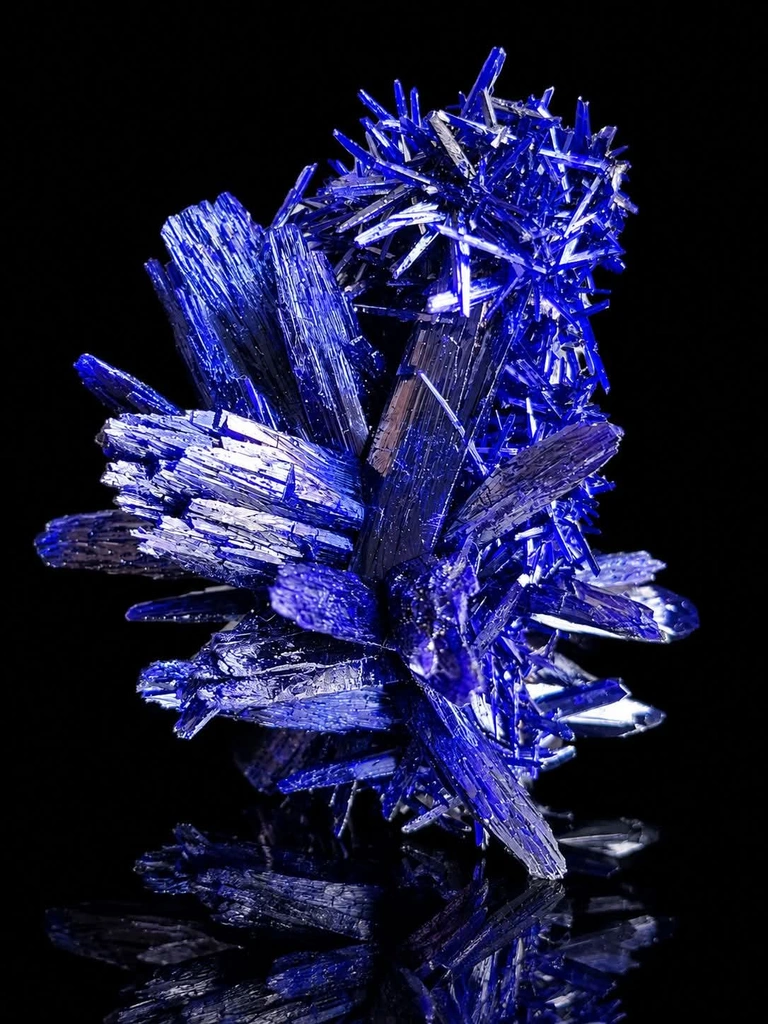
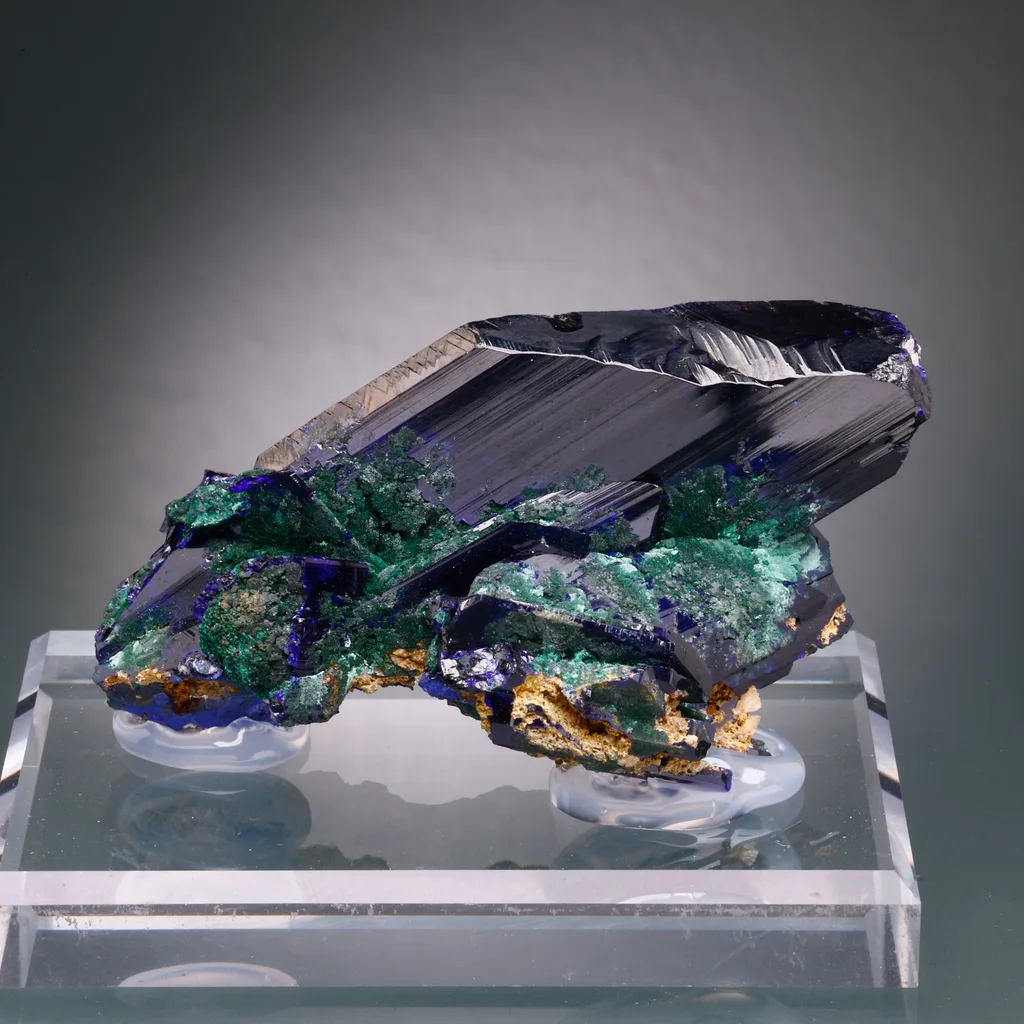
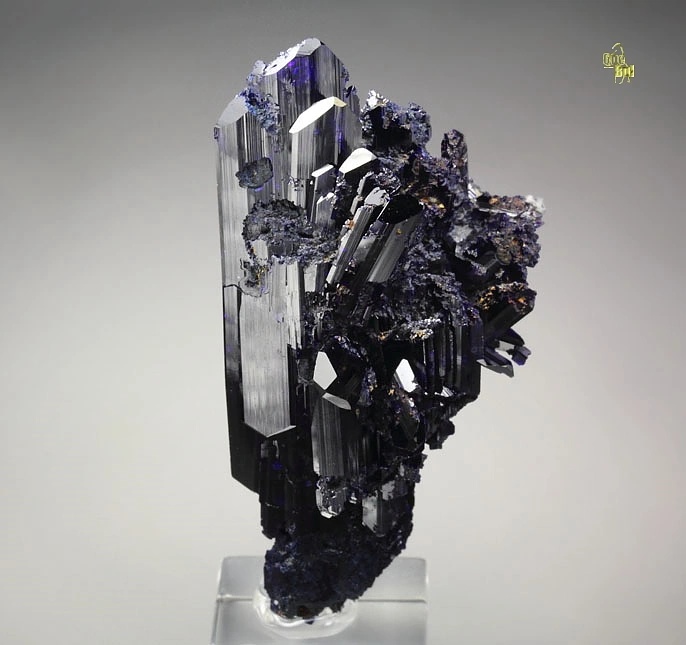
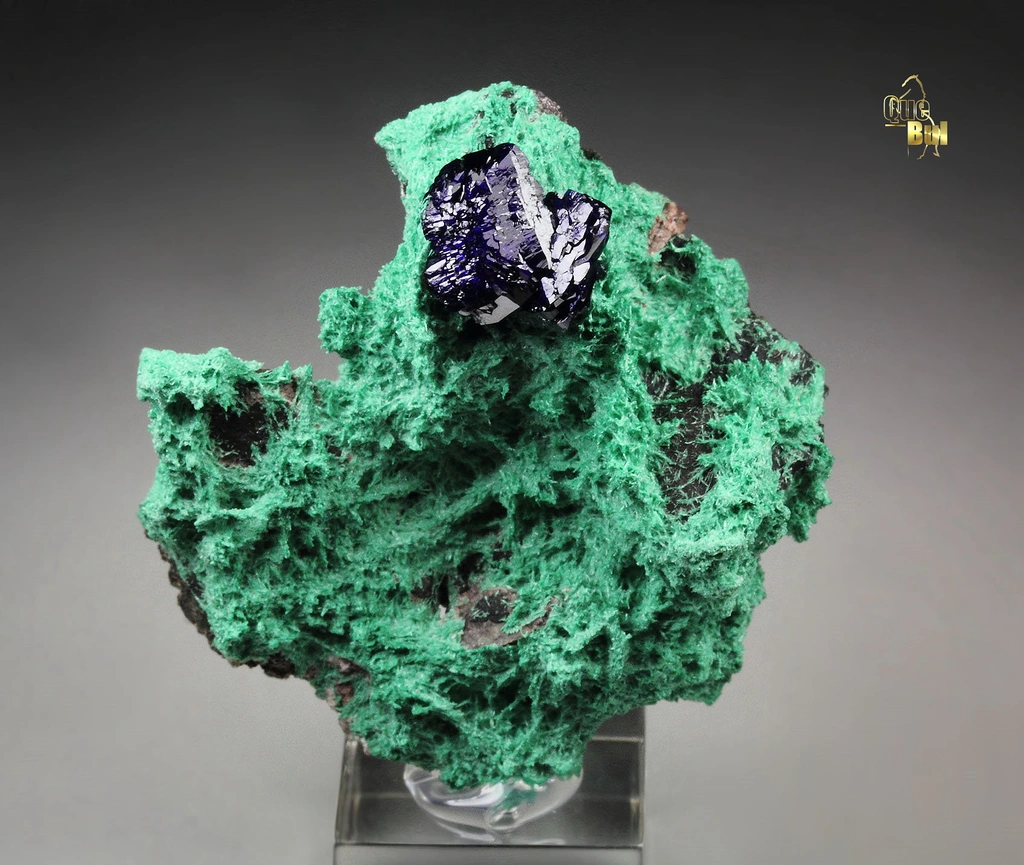
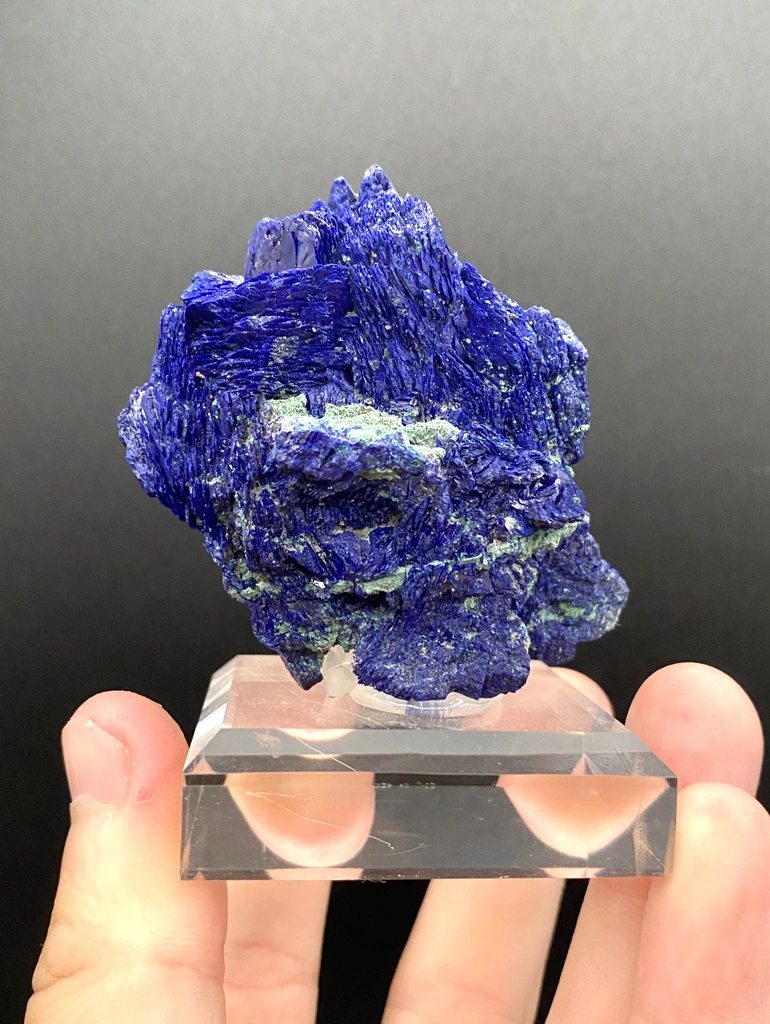
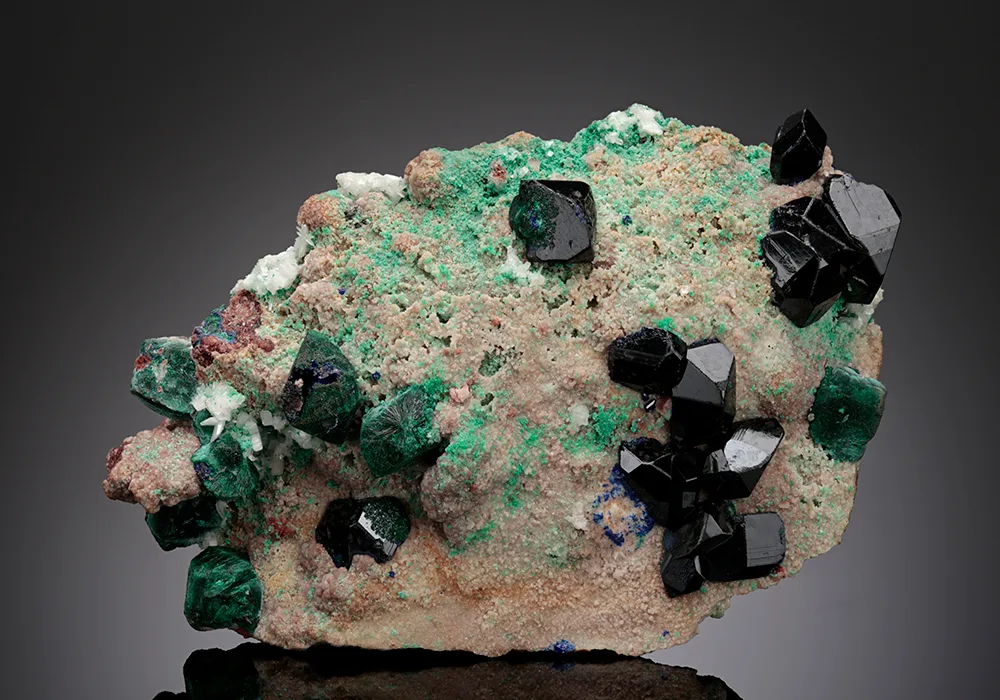
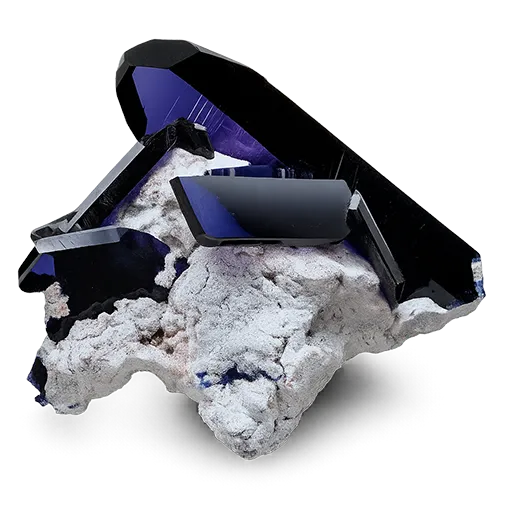
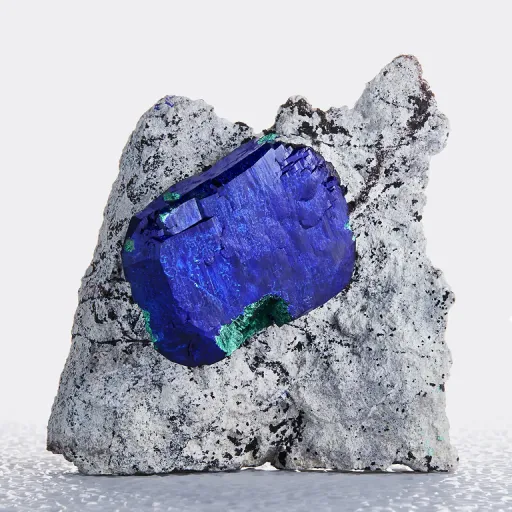
Azurite is a copper carbonate mineral that forms as deep blue secondary crystals and masses. It often appears as vibrant indigo to royal blue specimens with a vitreous to pearly luster, and can occur in tabular or prismatic habits, sometimes coating other minerals or forming nodular aggregates. Ideal locality pieces come from classic copper-rich deposits where oxidation has concentrated copper carbonates, and notable examples include classic recoveries from the United States, Namibia, Mexico, and Morocco, among others.
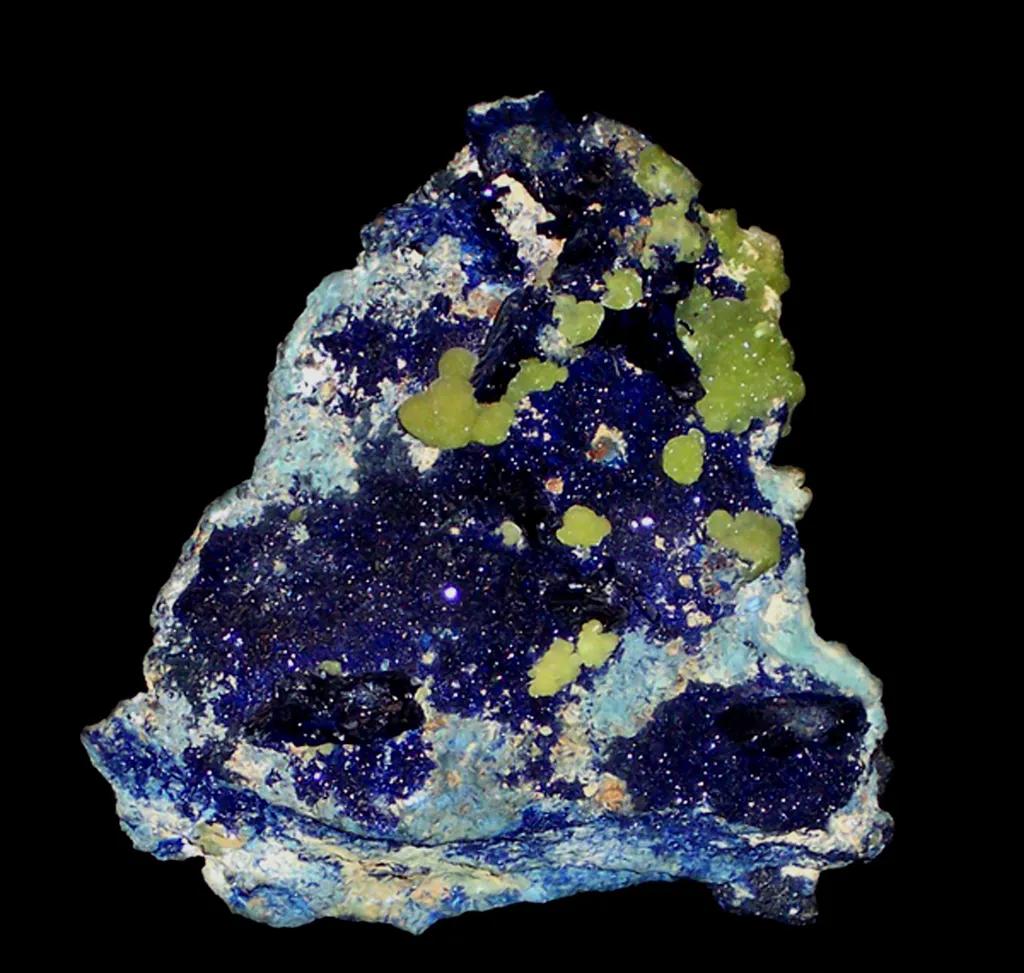
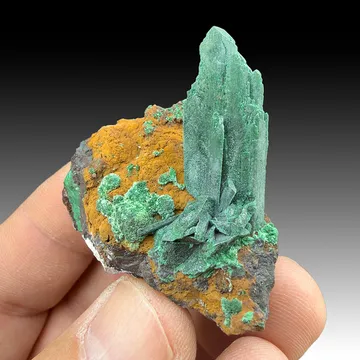
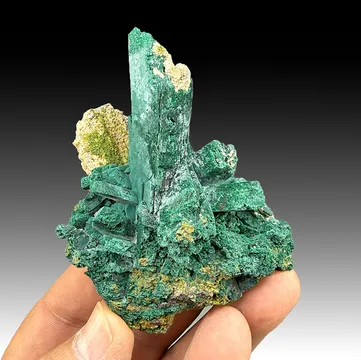
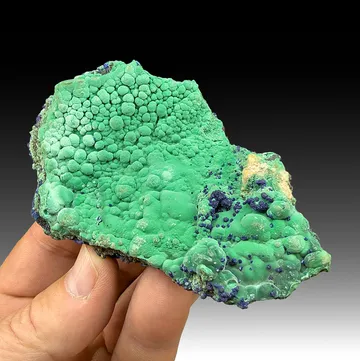
Collectors prize azurite for its intense color, rarity of particularly large or well-formed crystals, and the way it can contrast with accompanying malachite or chrysocolla. Many specimens are studio-worthy for display due to their rich blue hues and situational texture, whether as delicate crystals or sculptural botryoidal forms. While often found in association with malachite, azurite by itself remains a staple for color-focused collections, appreciated for its historical significance in copper mining districts and its distinctive appearance under natural or enhanced lighting.