Guide
449 for sale · $30–$18,000 USD
2,134 in the gallery
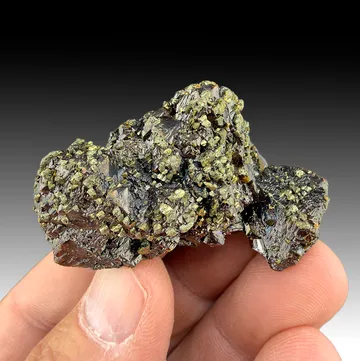
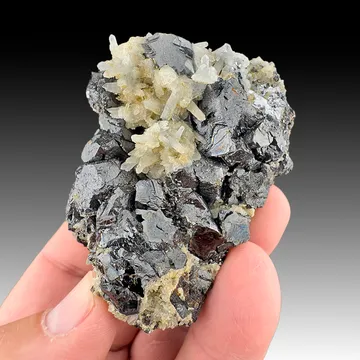
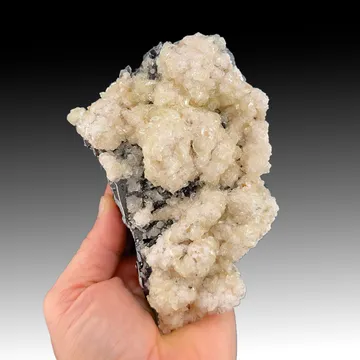
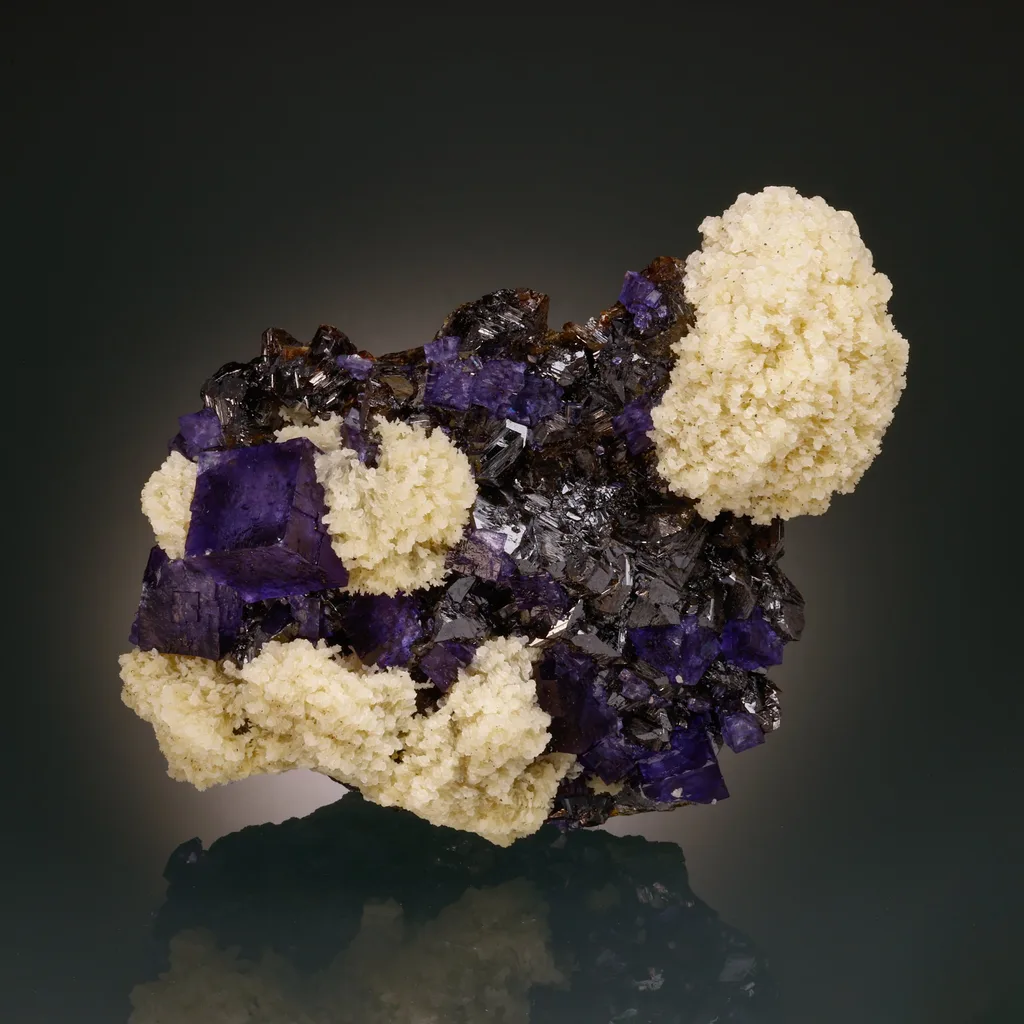
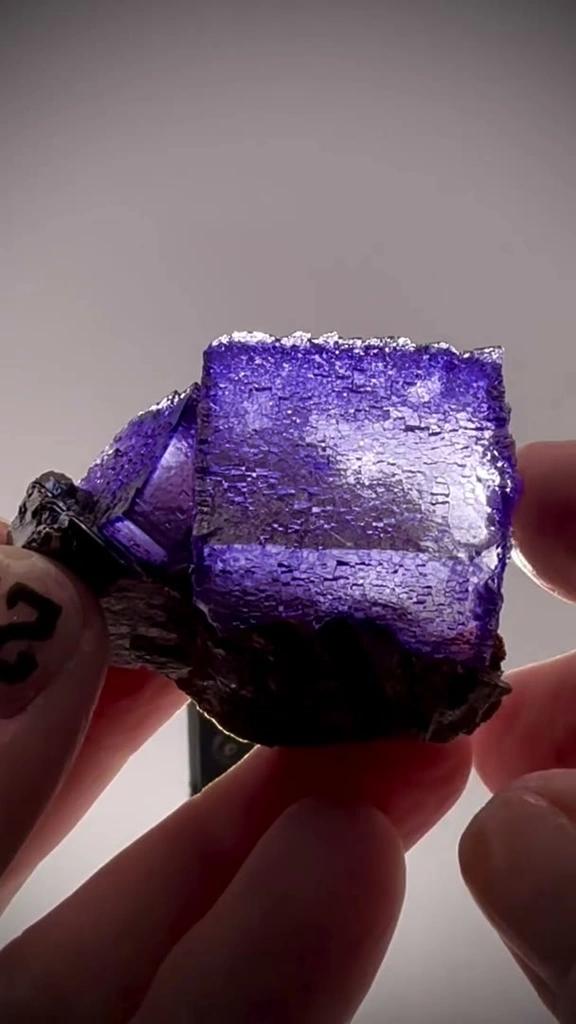
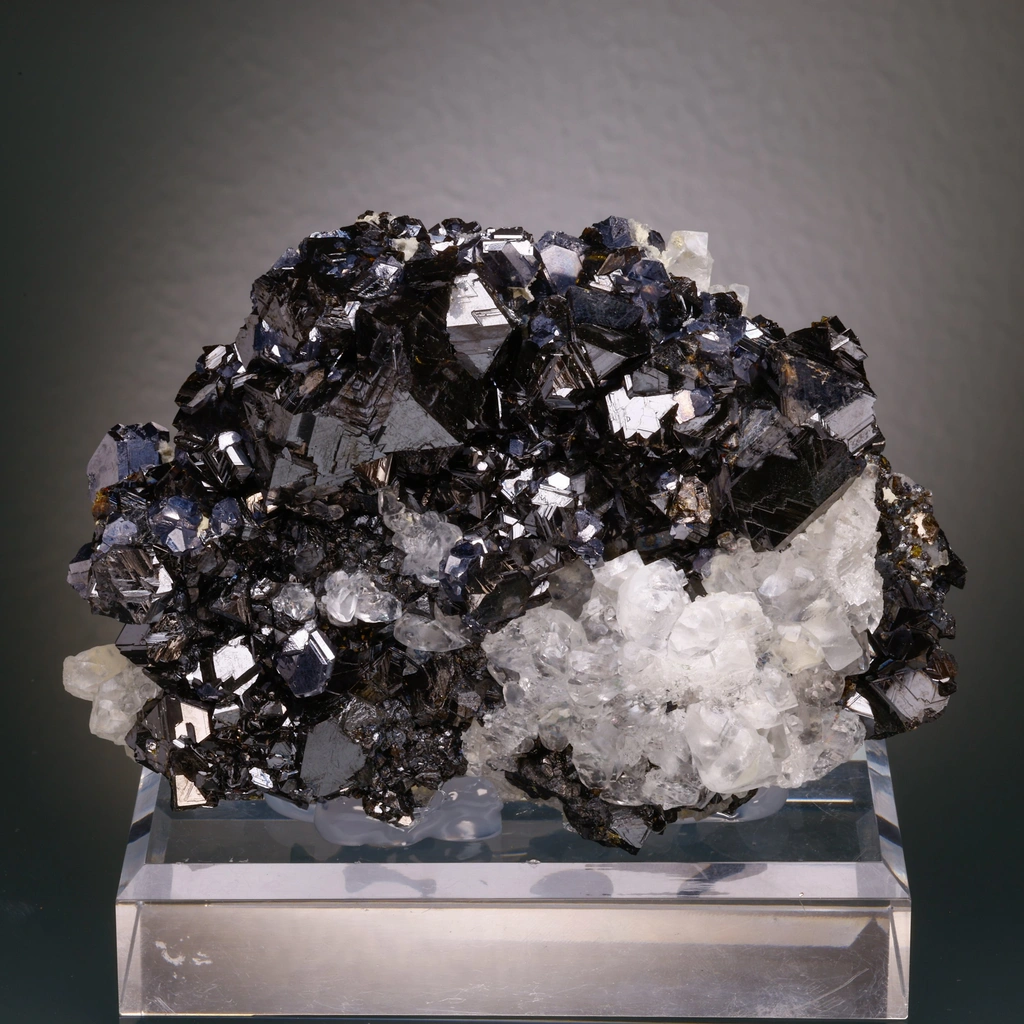
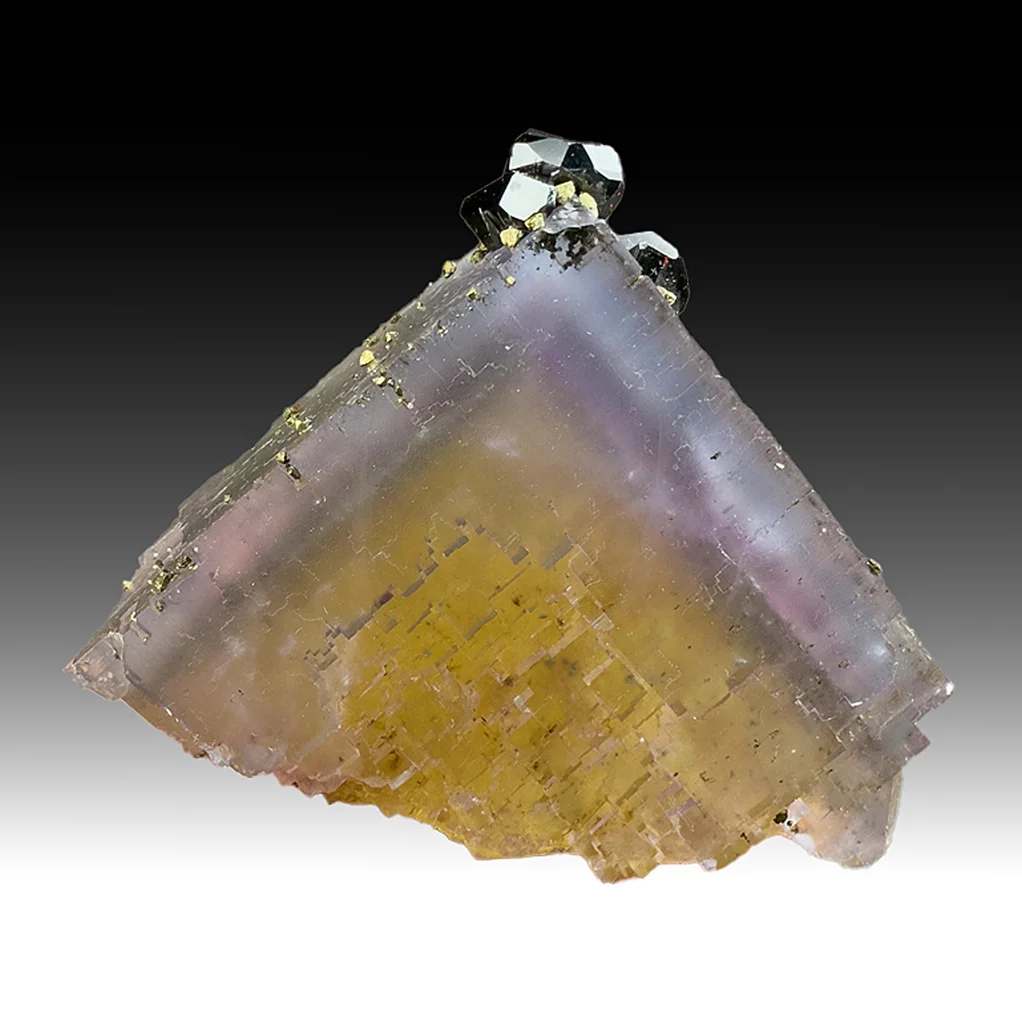
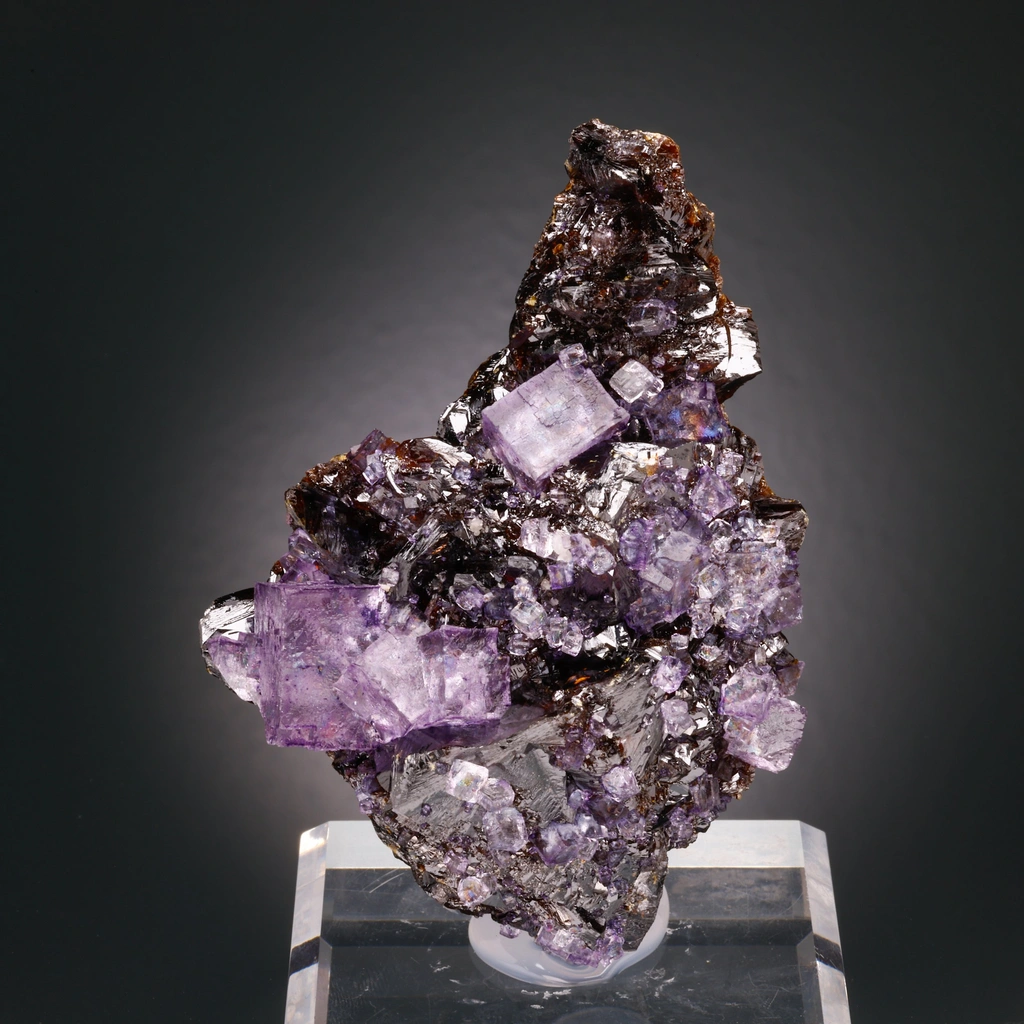
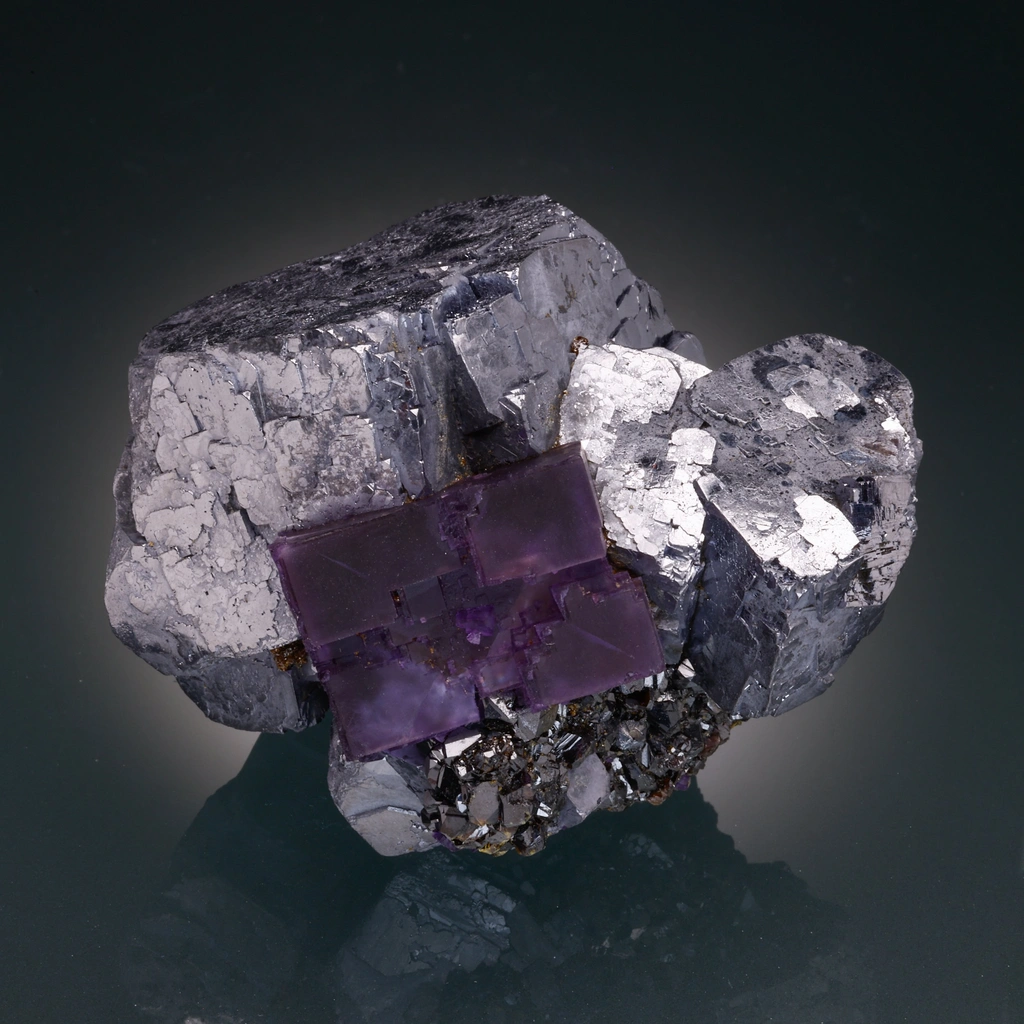
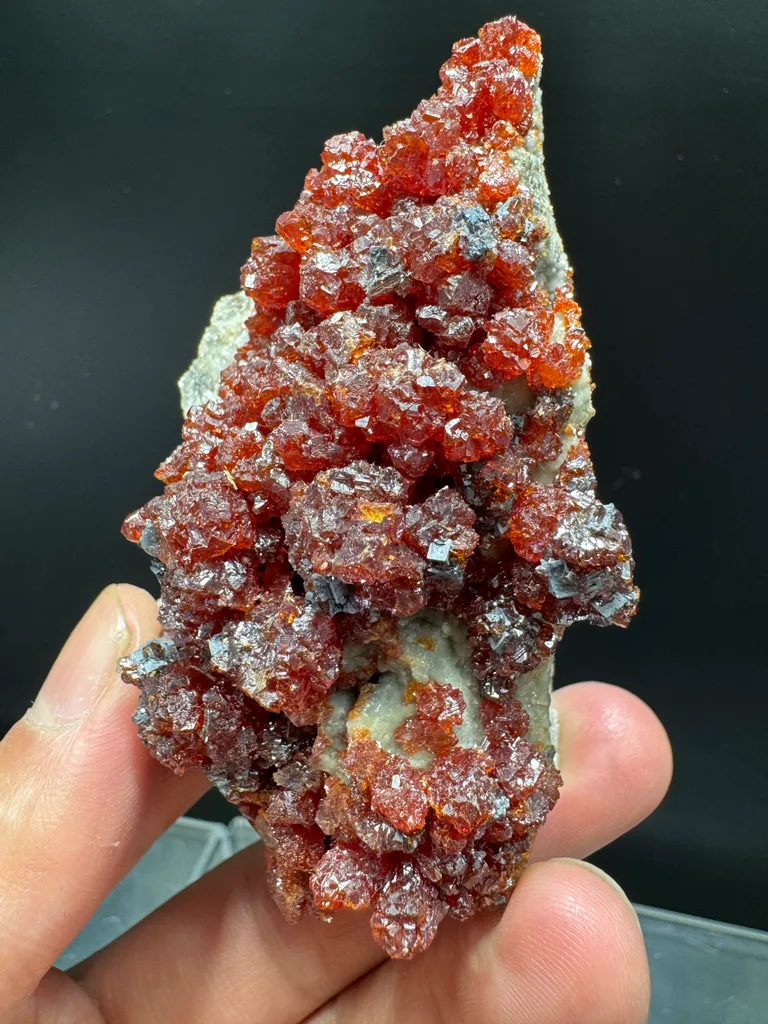
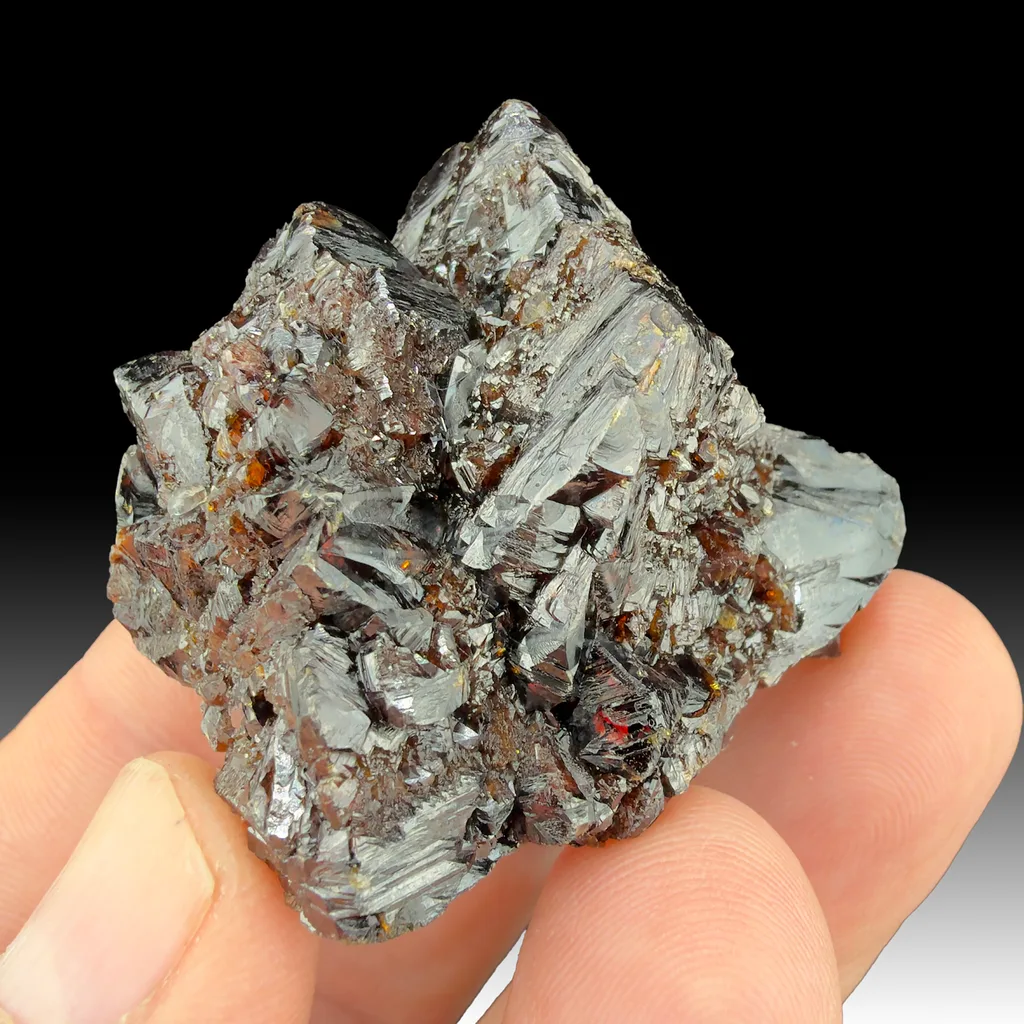
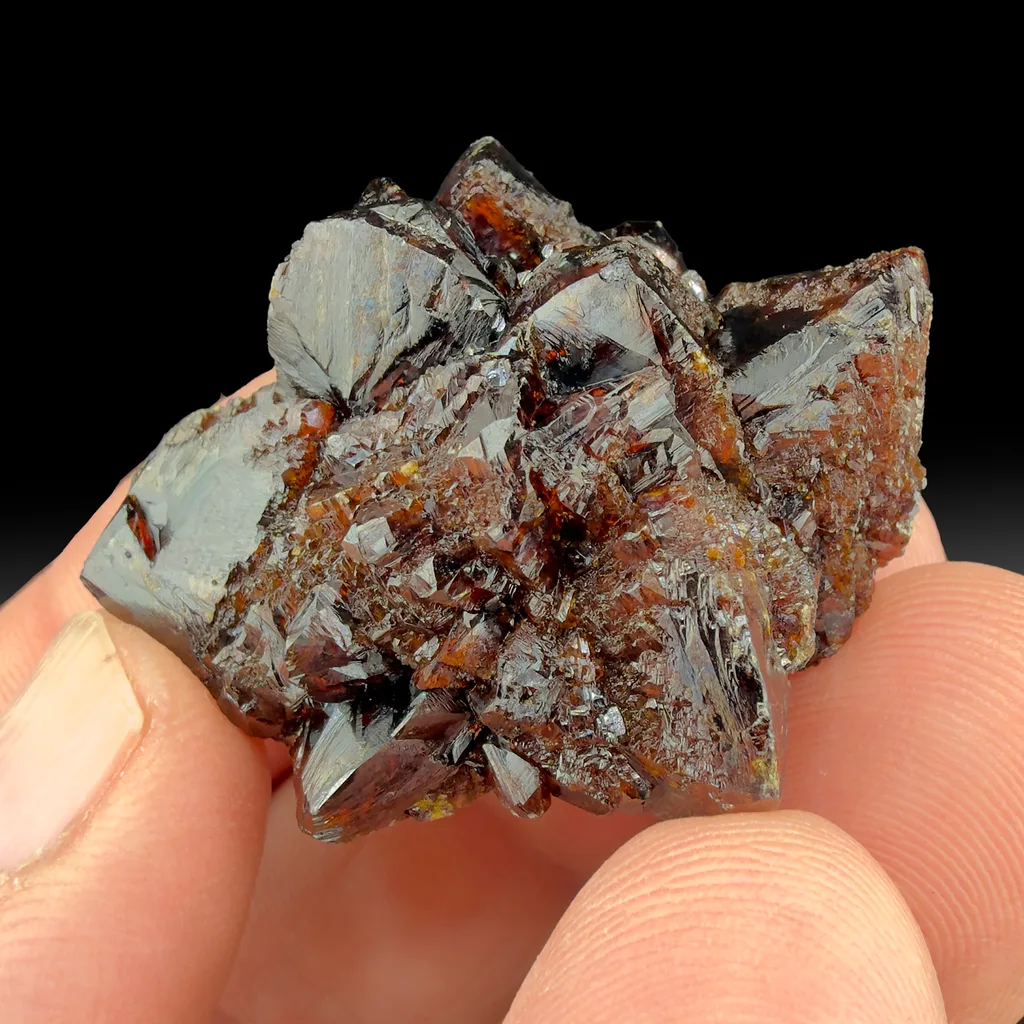
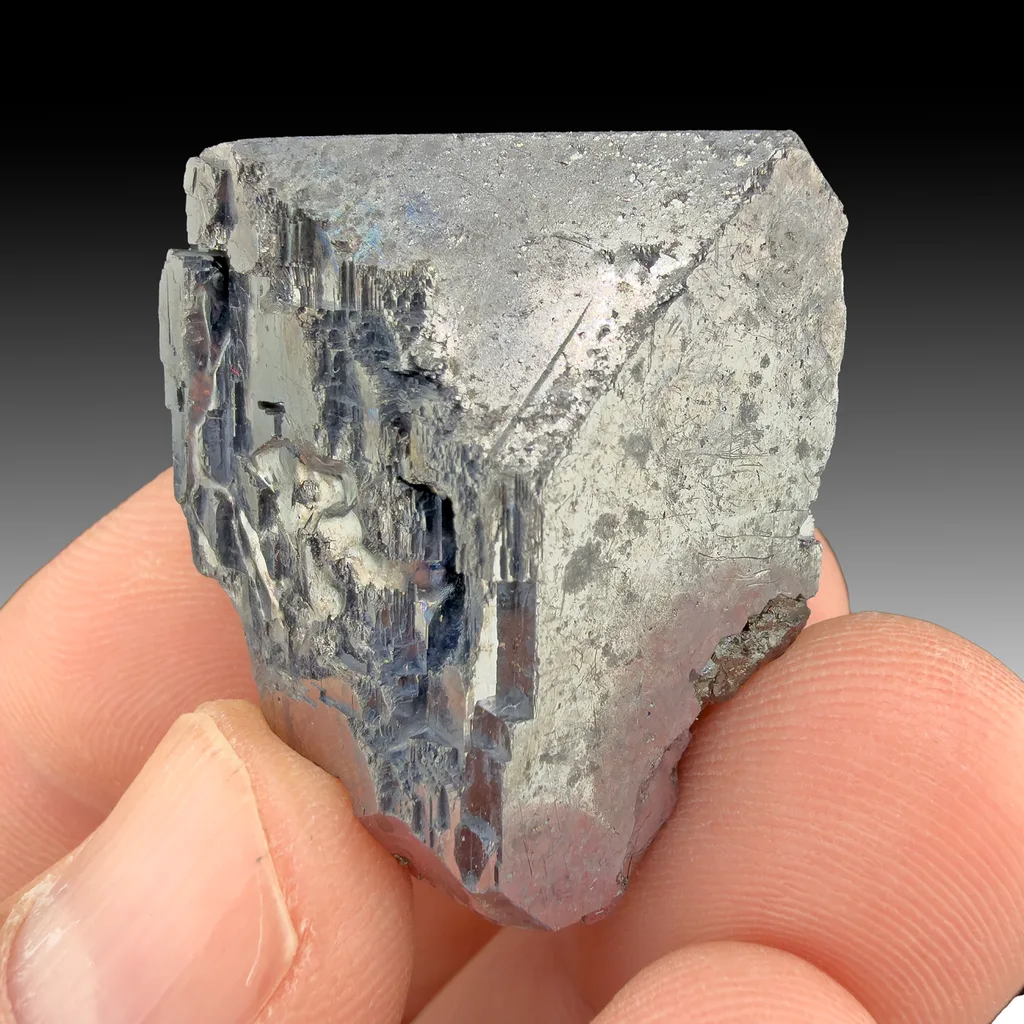
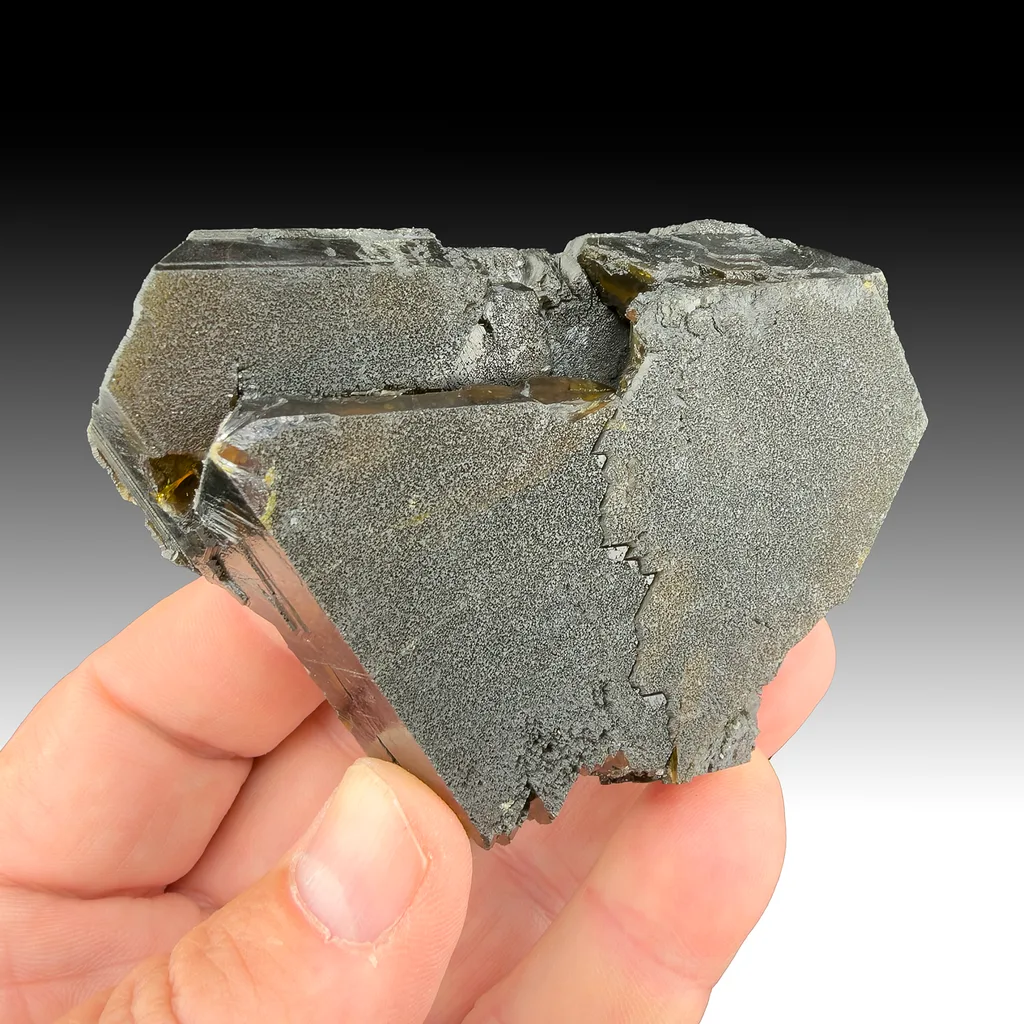
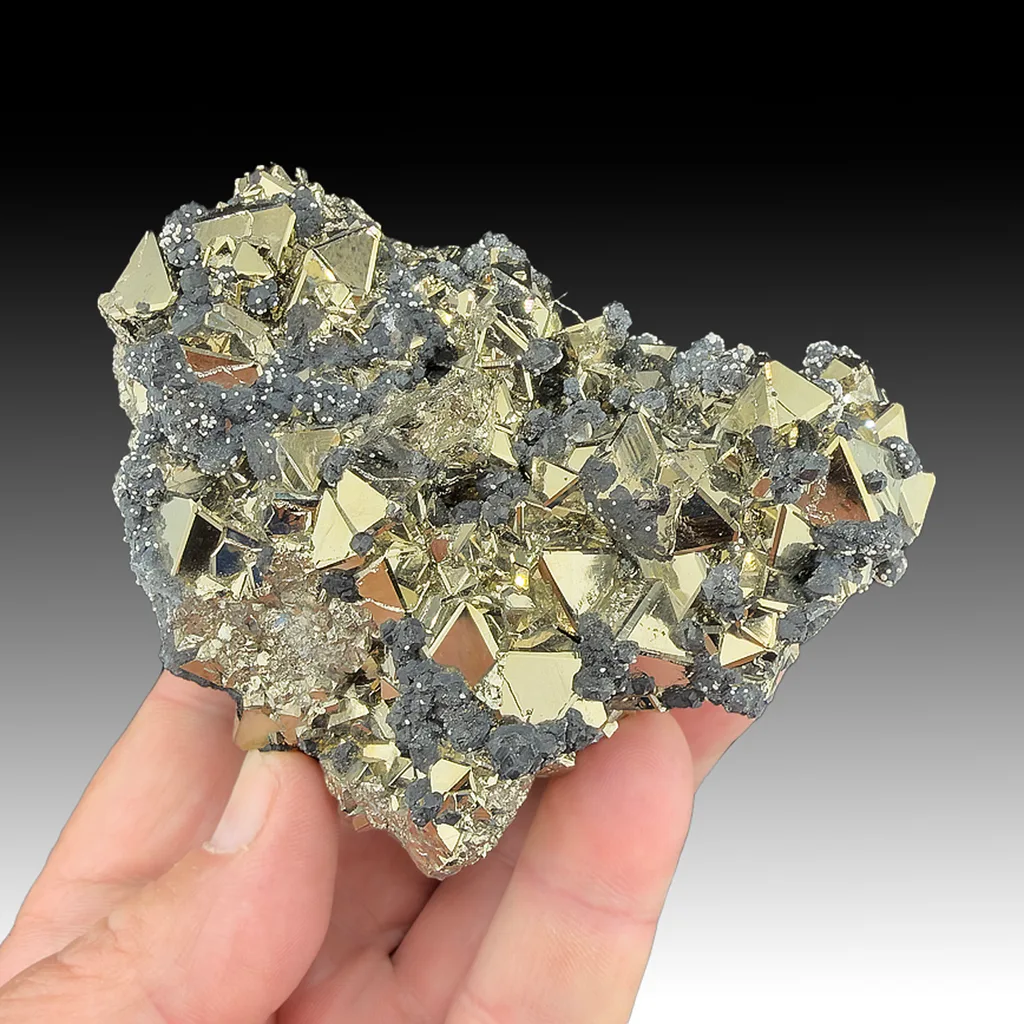
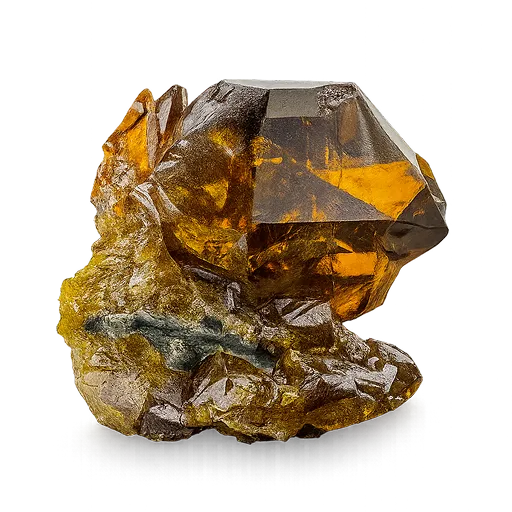
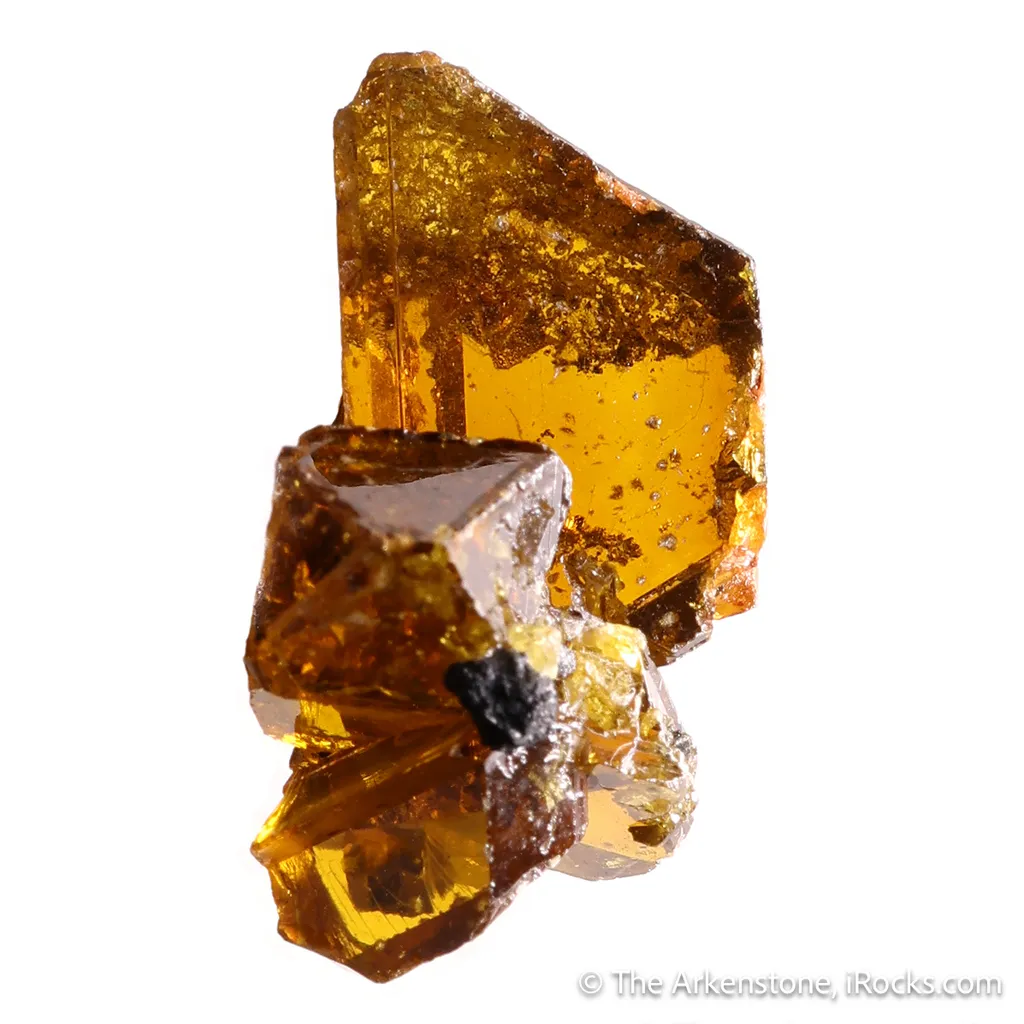
Sphalerite is the zinc sulfide mineral that forms in a variety of crystal habits, from sharp, well-formed tetrahedra to more massive, smoky masses. Its color ranges across black, brown, yellow, and shades in between, often showing a resinous to adamantine luster that makes clean faces glow in reflected light. Crystals can be transparent to translucent and may occur in geodes, sulfide-rich veins, or hydrothermal deposits, frequently replacing or coexisting with other sulfide minerals.
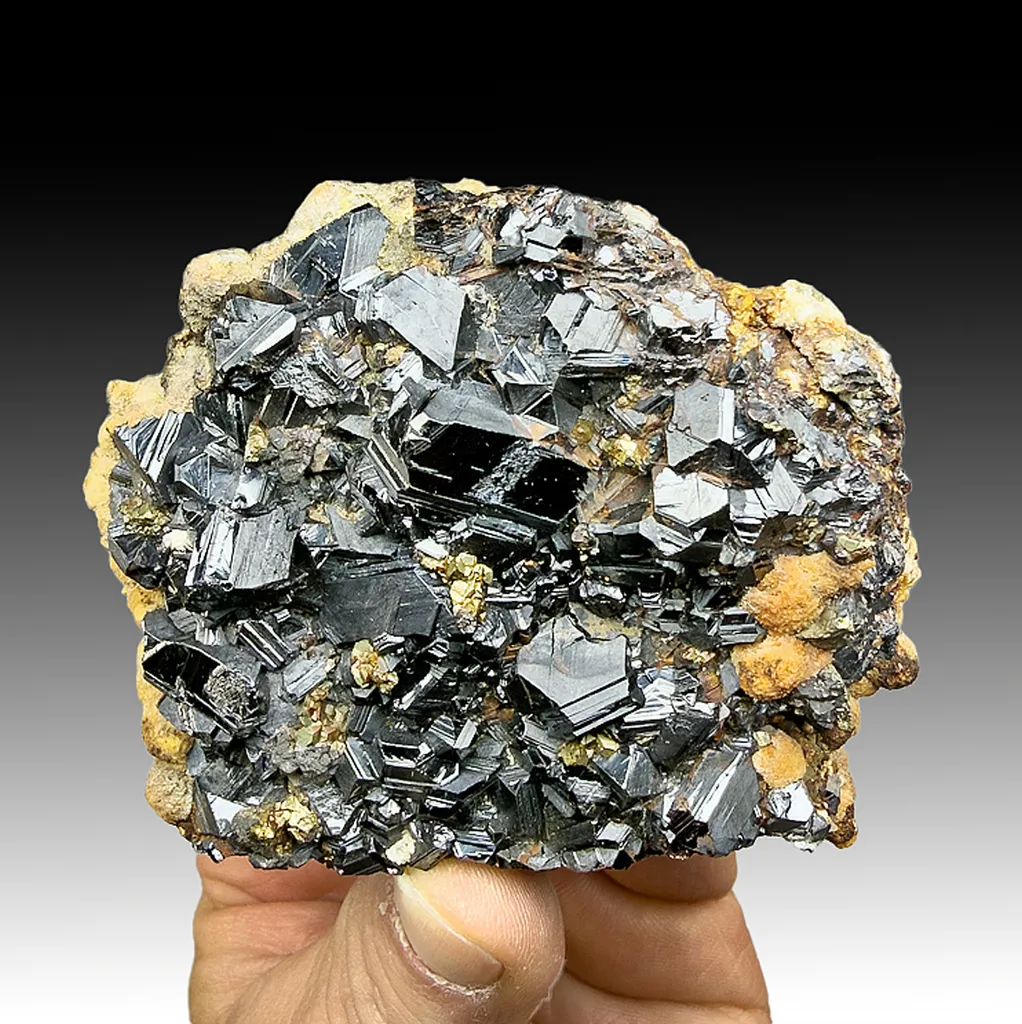
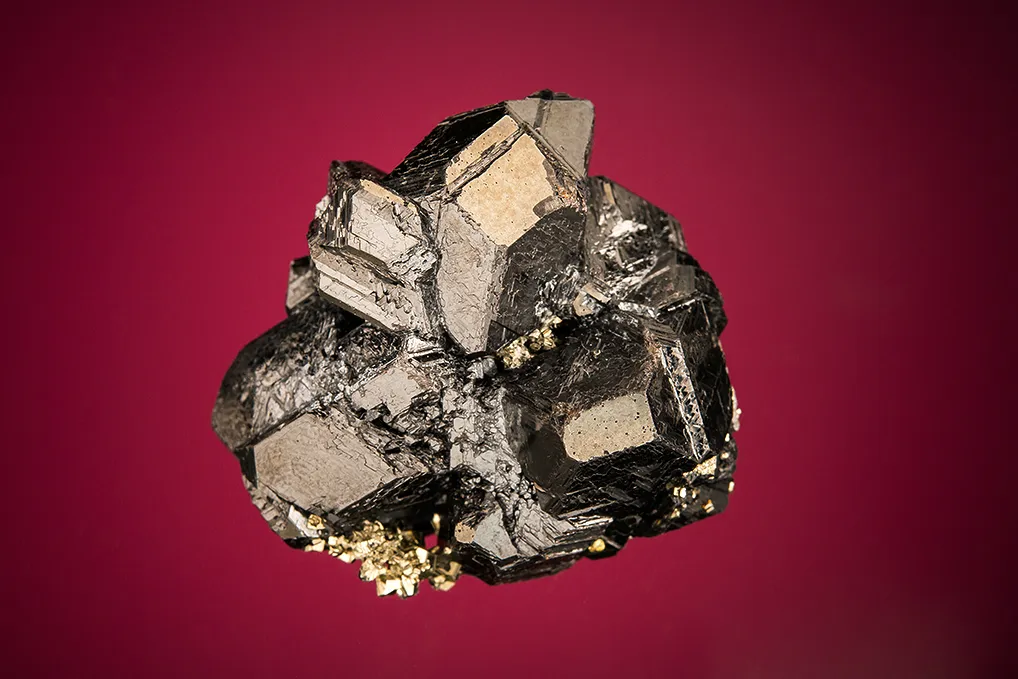
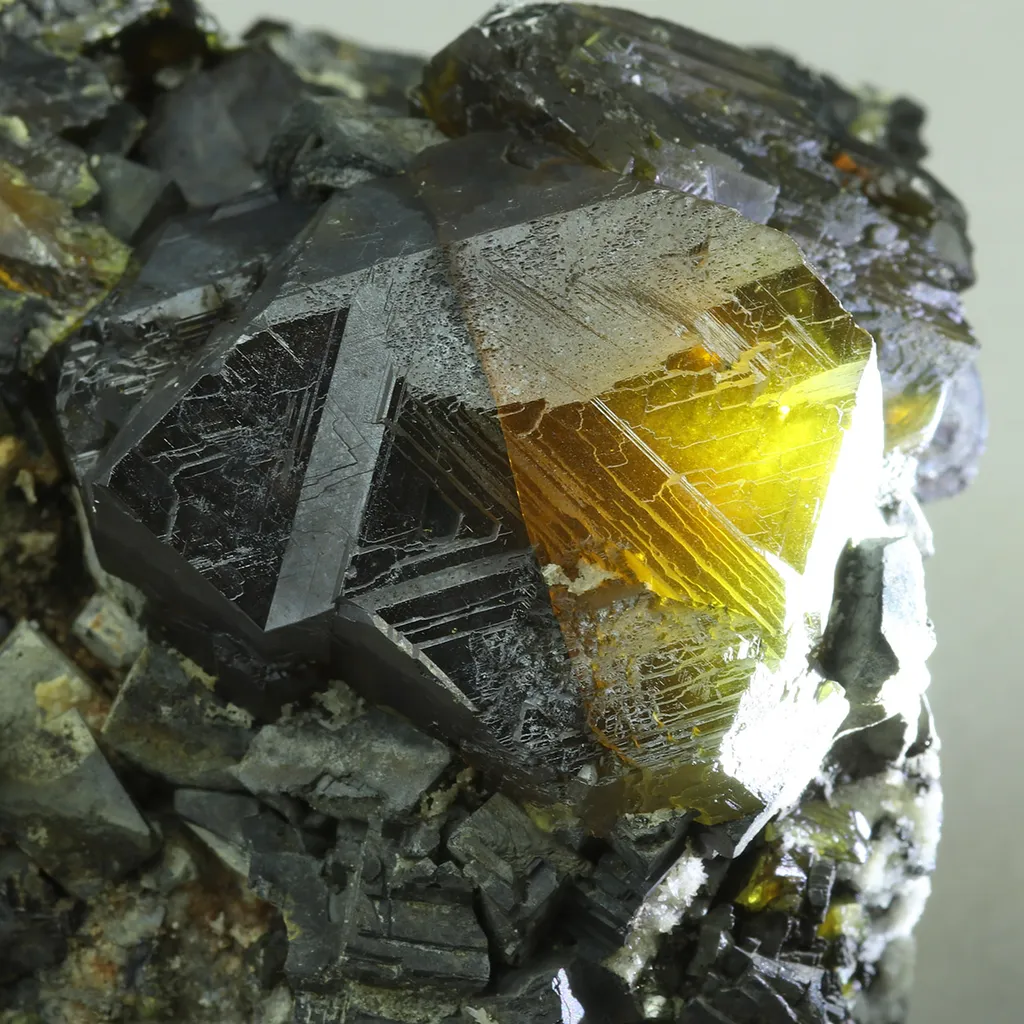
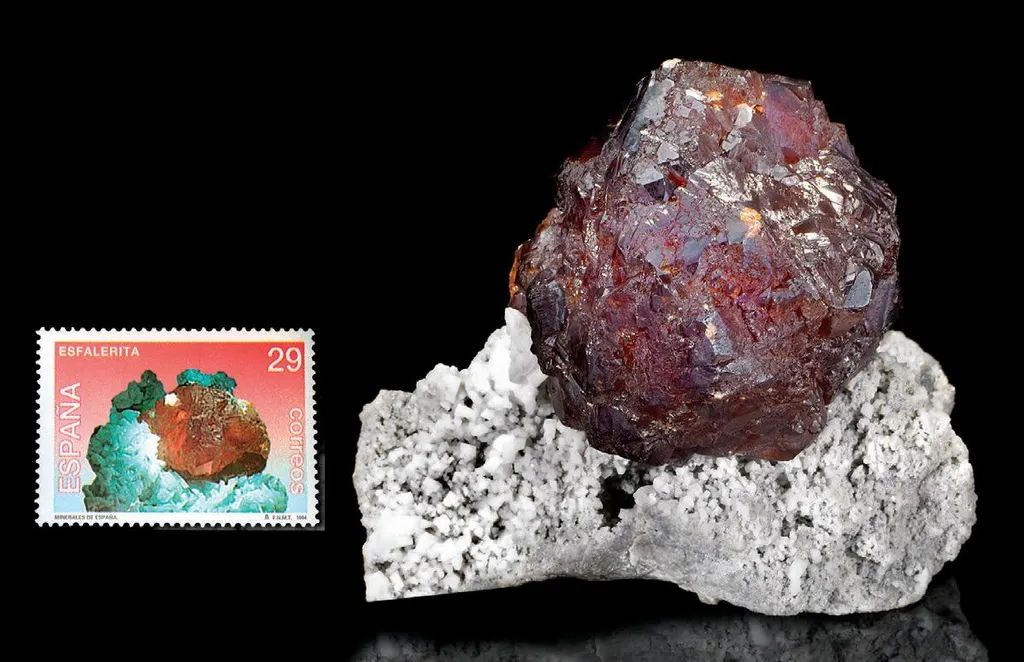
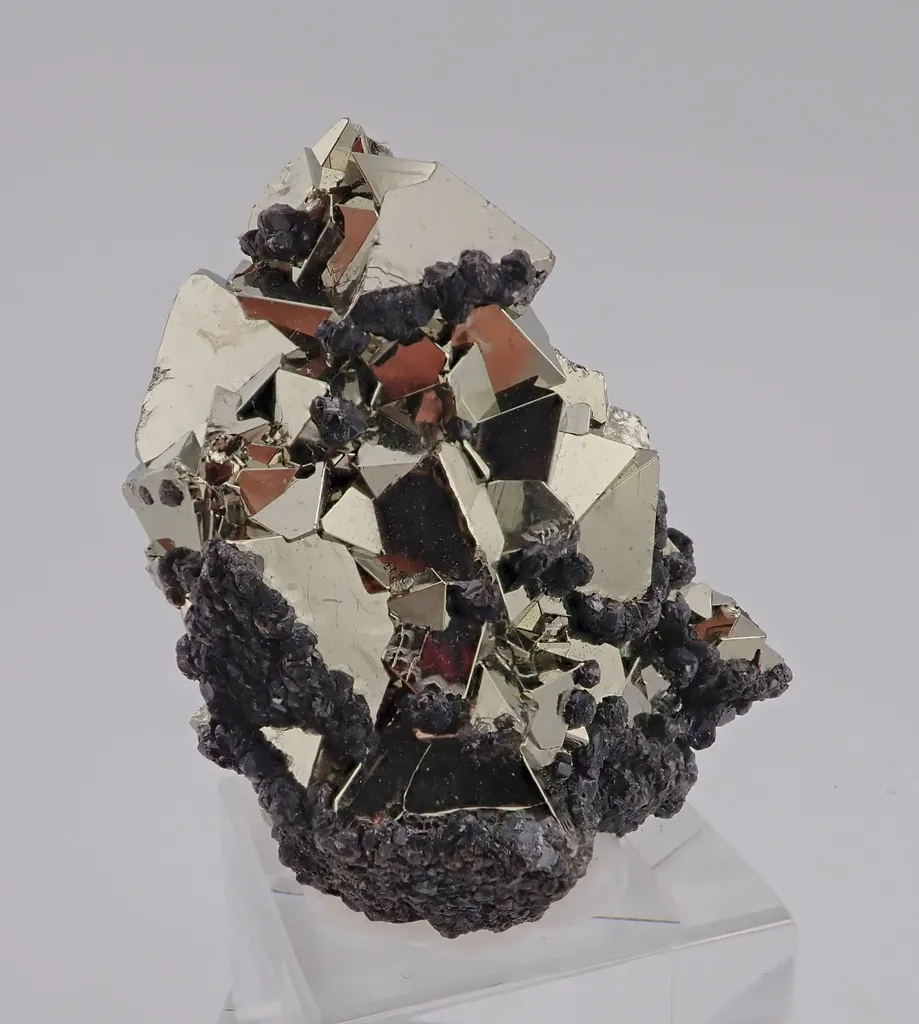
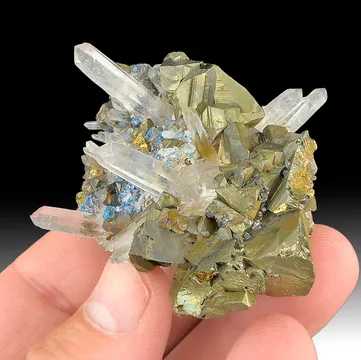
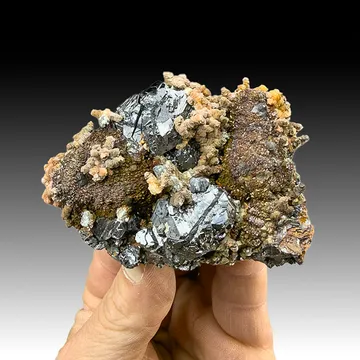
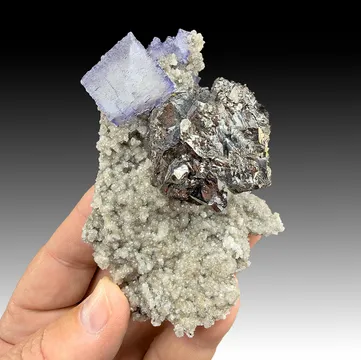
Notable specimens come from classic mining districts in the United States, Bulgaria, Mexico, the United Kingdom, and Peru, where sphalerite can occur with galena, pyrite, and chalcopyrite. Some locales produce color-zoned or highly lustrous crystals that collectors seek for display and study, while massive crystalline masses are valued for their density and brio in a cabinet. Collectors prize sphalerite for its range of hues, its brightness under incident light, and the insight it provides into ore-forming environments.