
Barite specimens for sale
1,225 for sale · $50–$277,000 USD
1,433 in the gallery
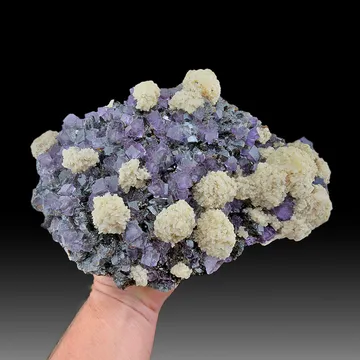
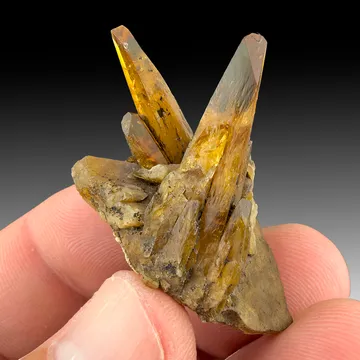
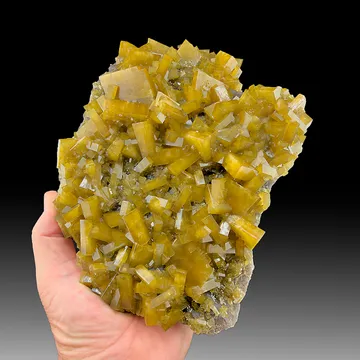
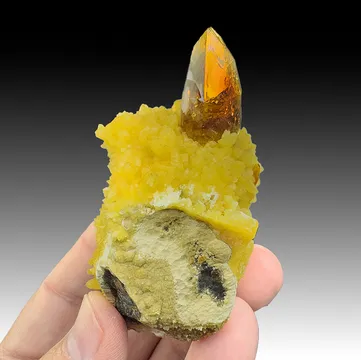
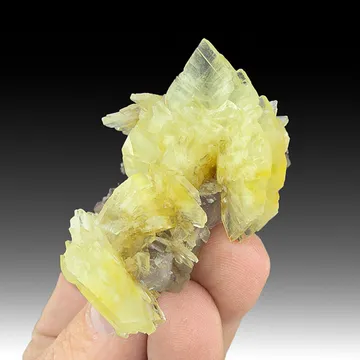
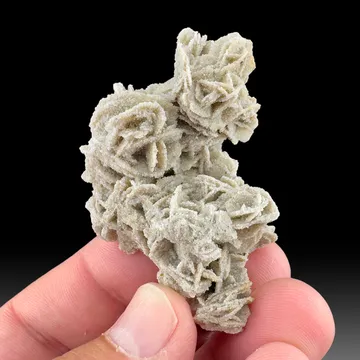
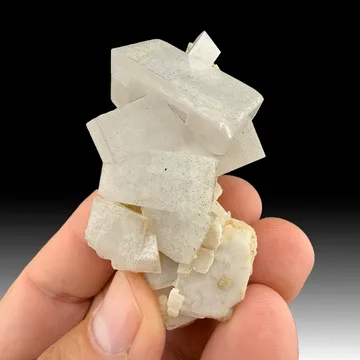
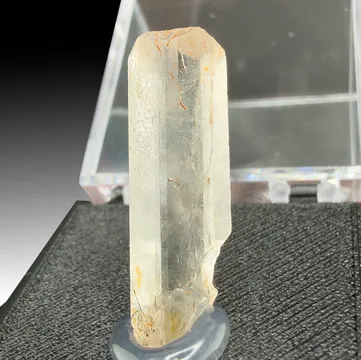
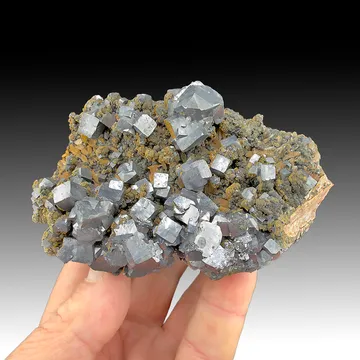
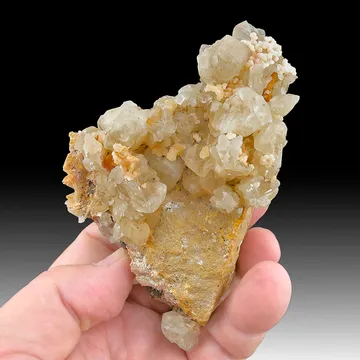
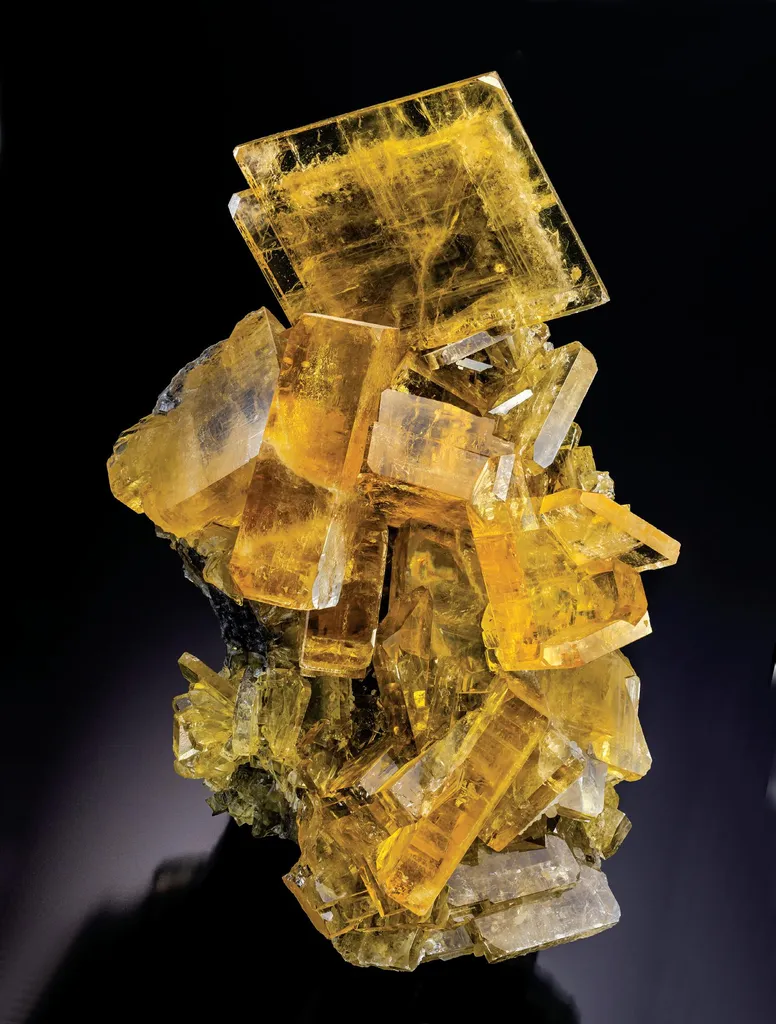
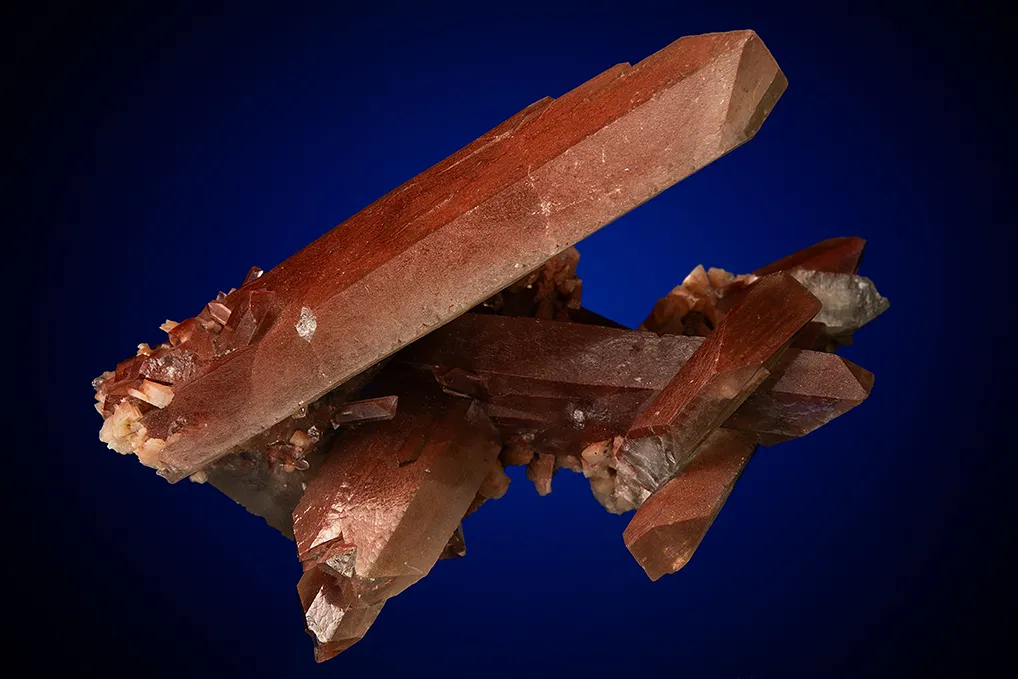
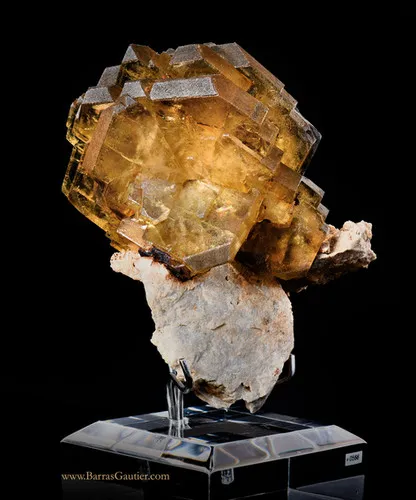
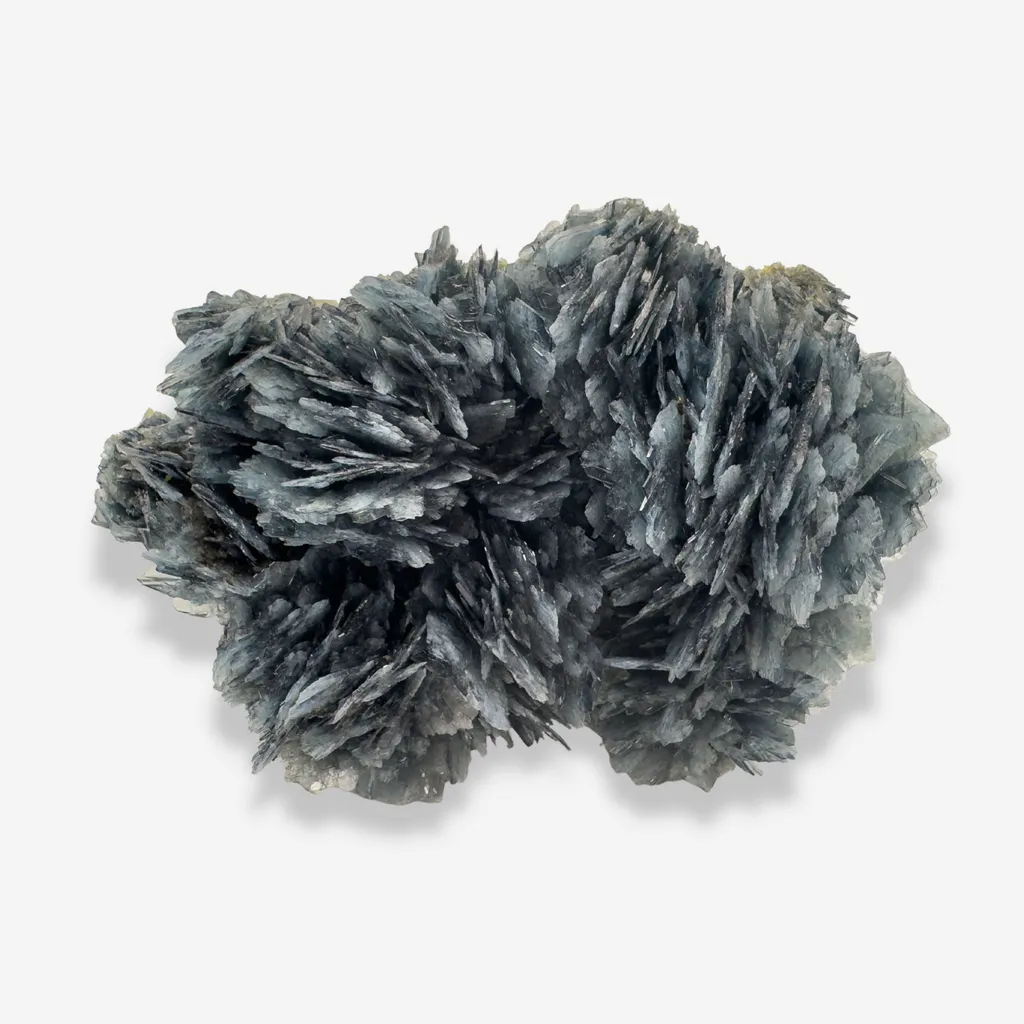
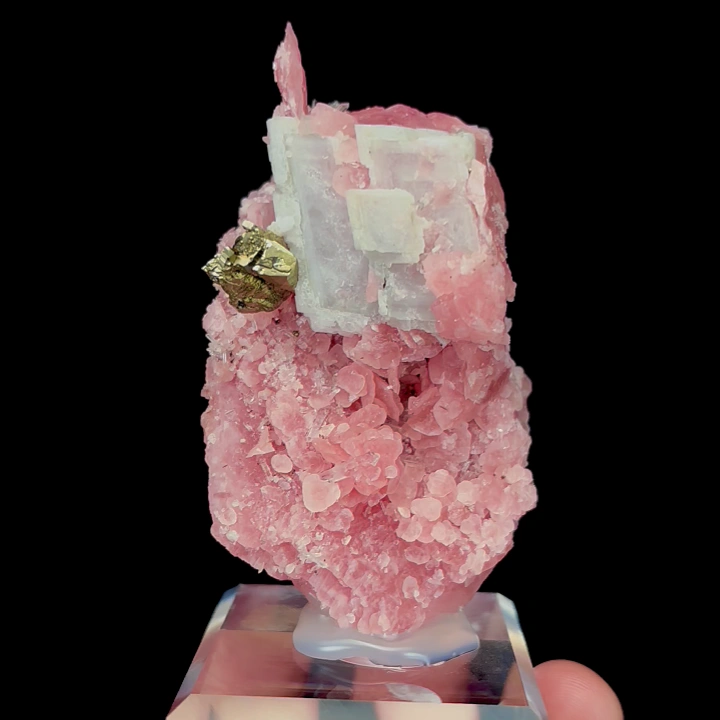
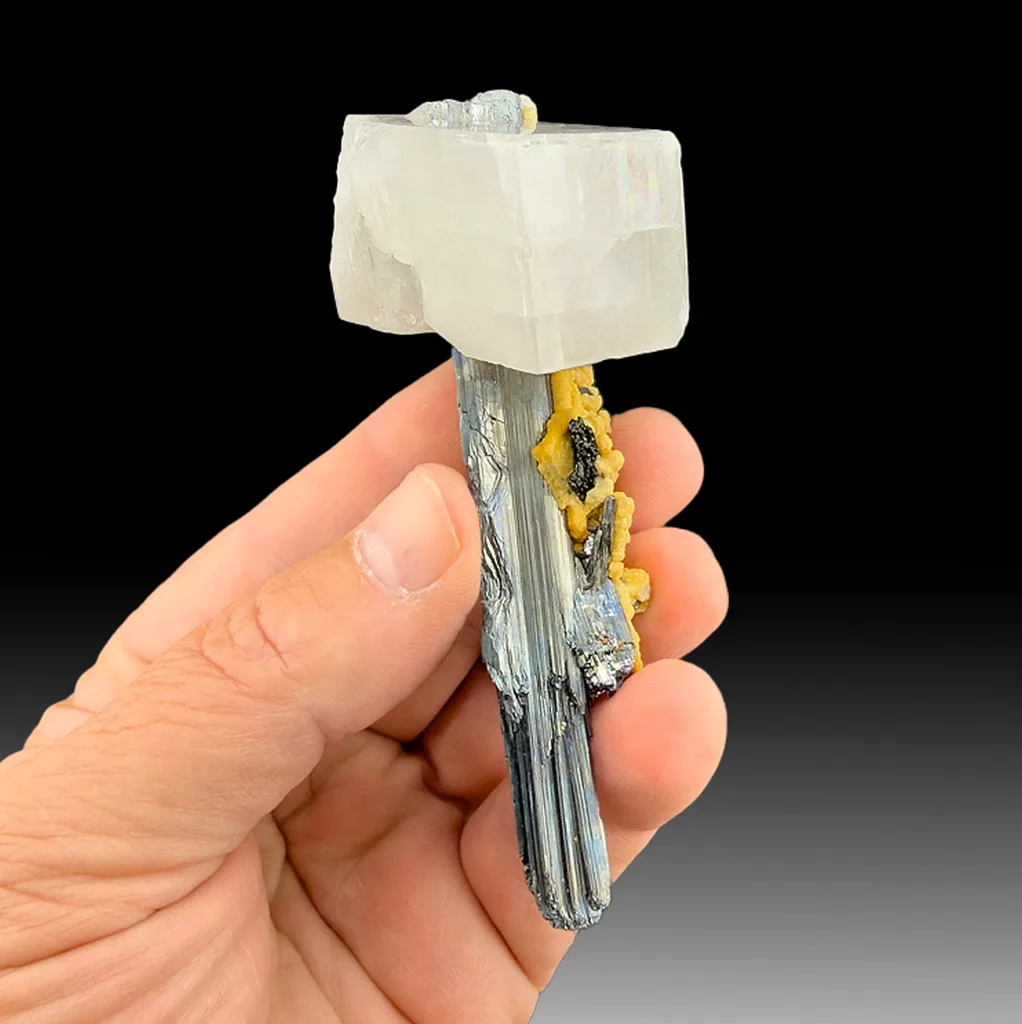
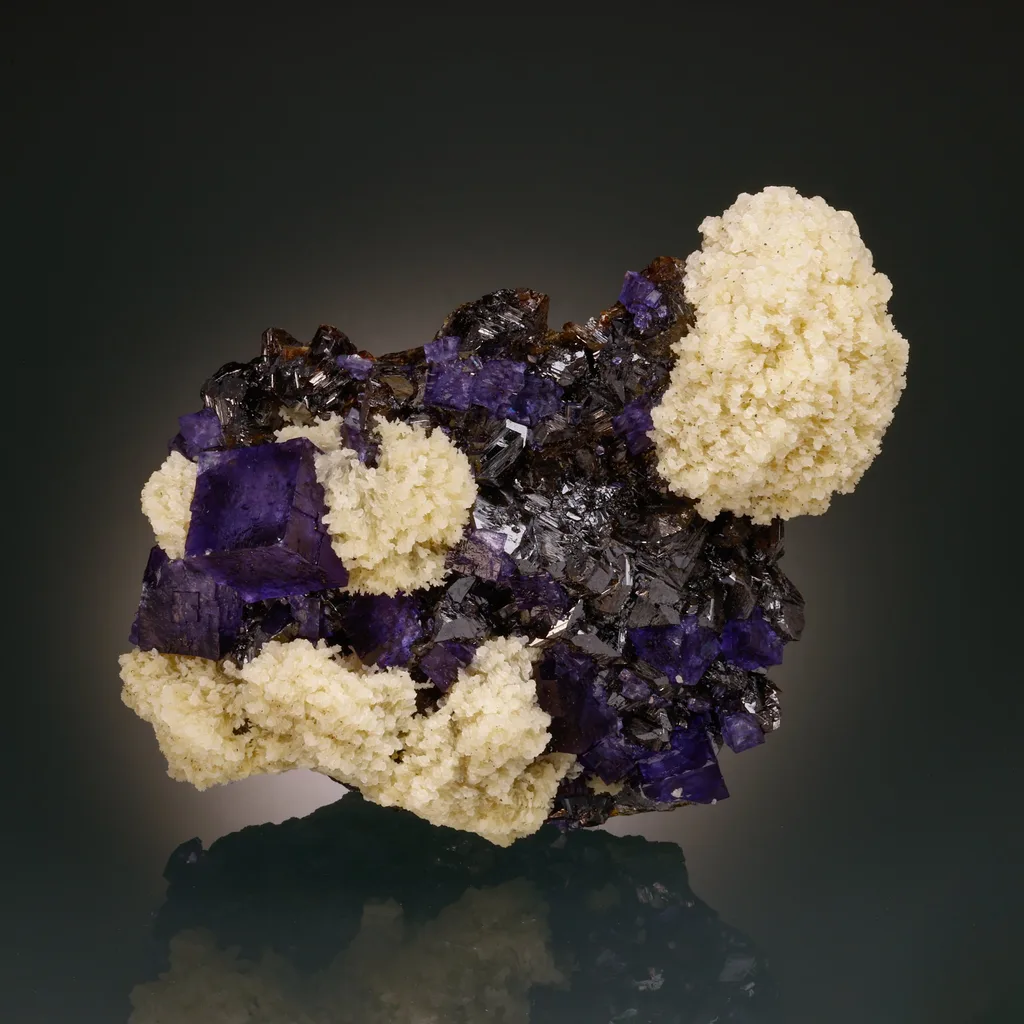
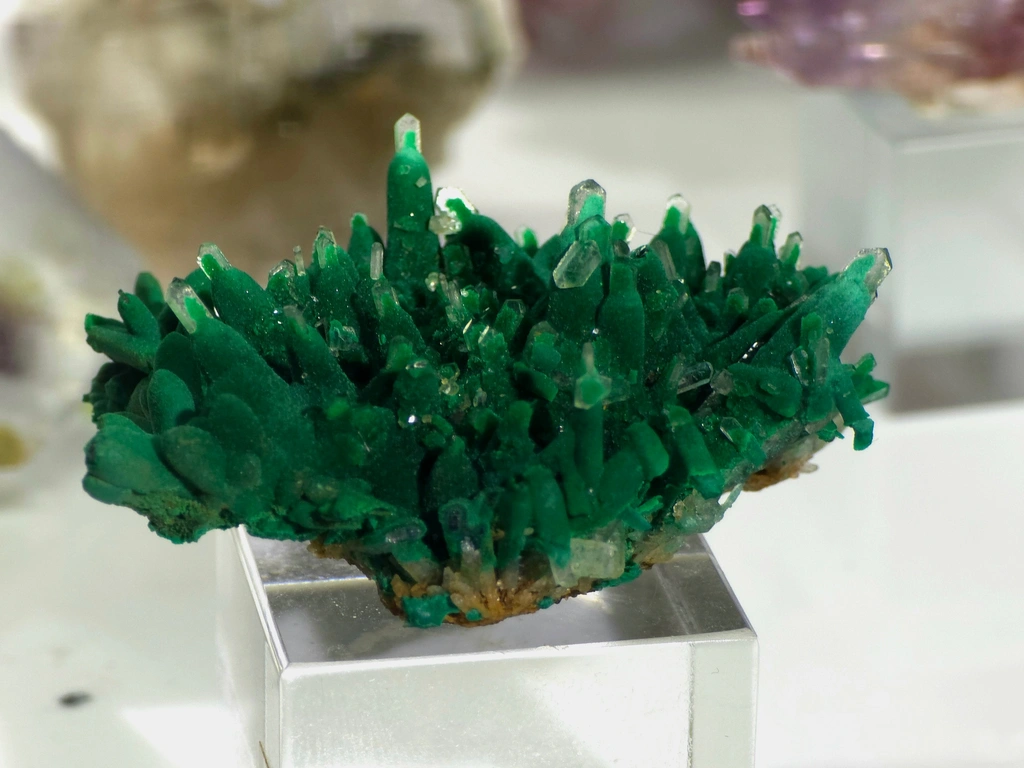
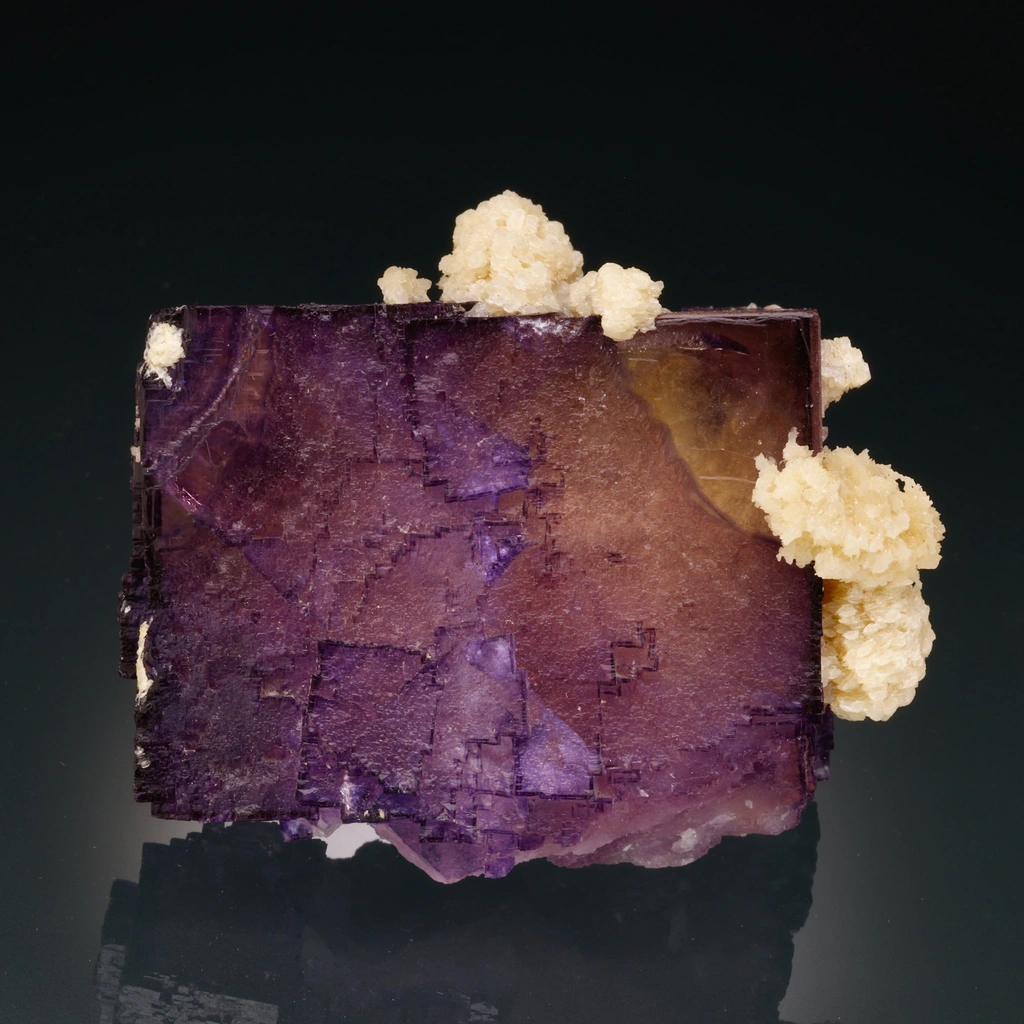
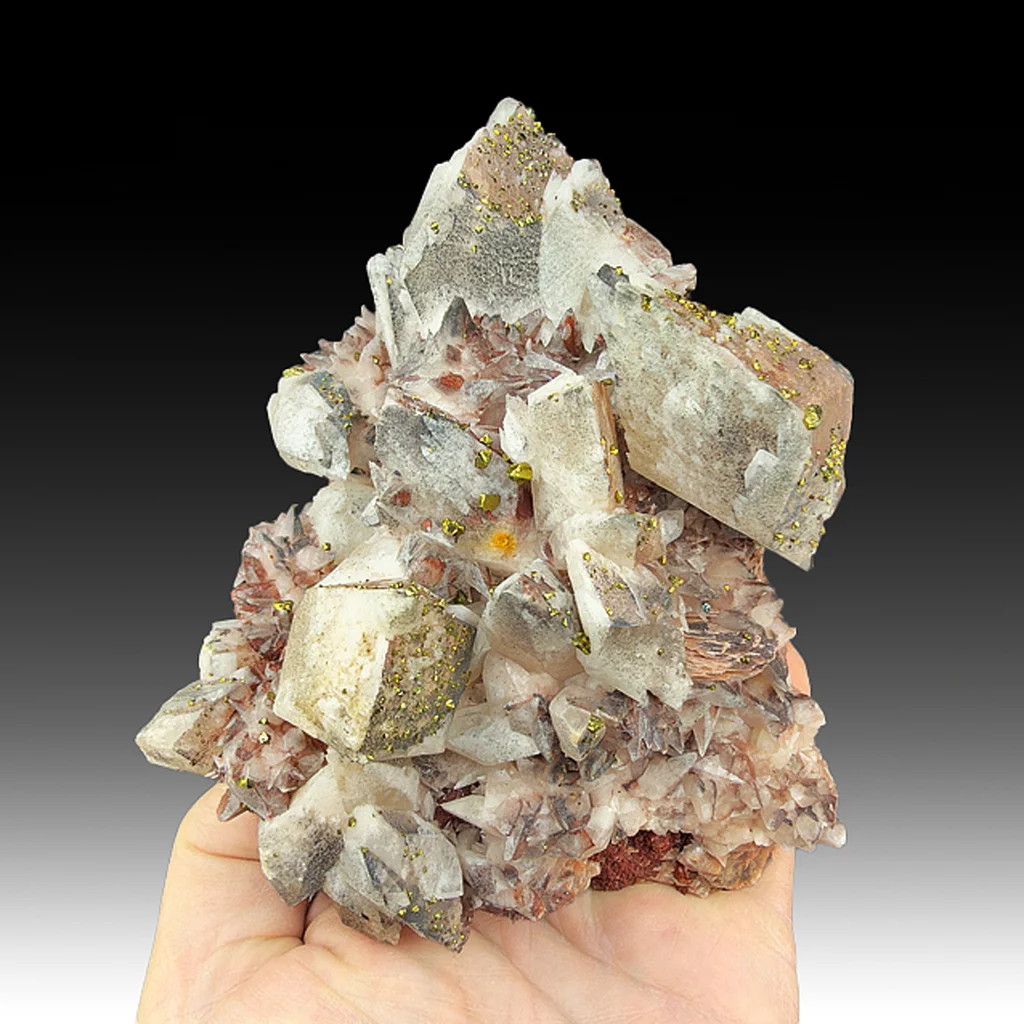
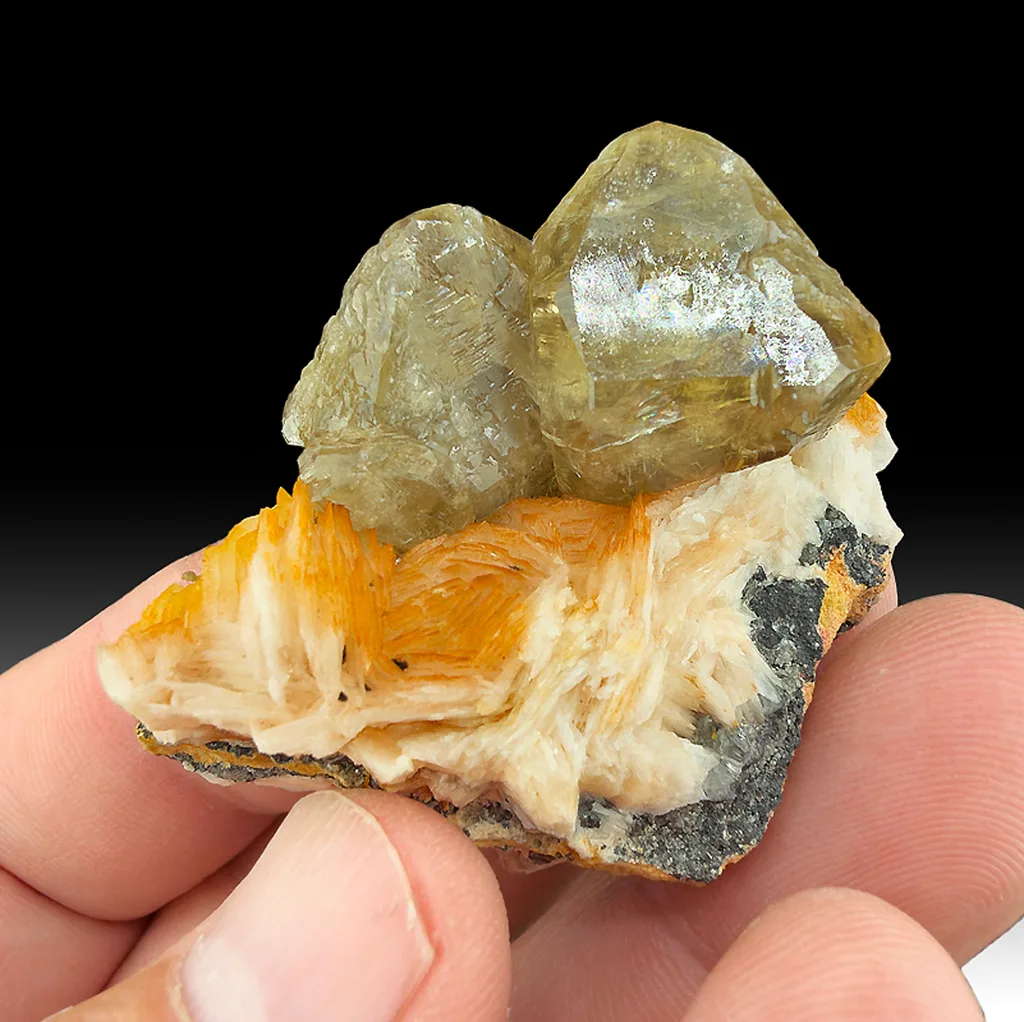
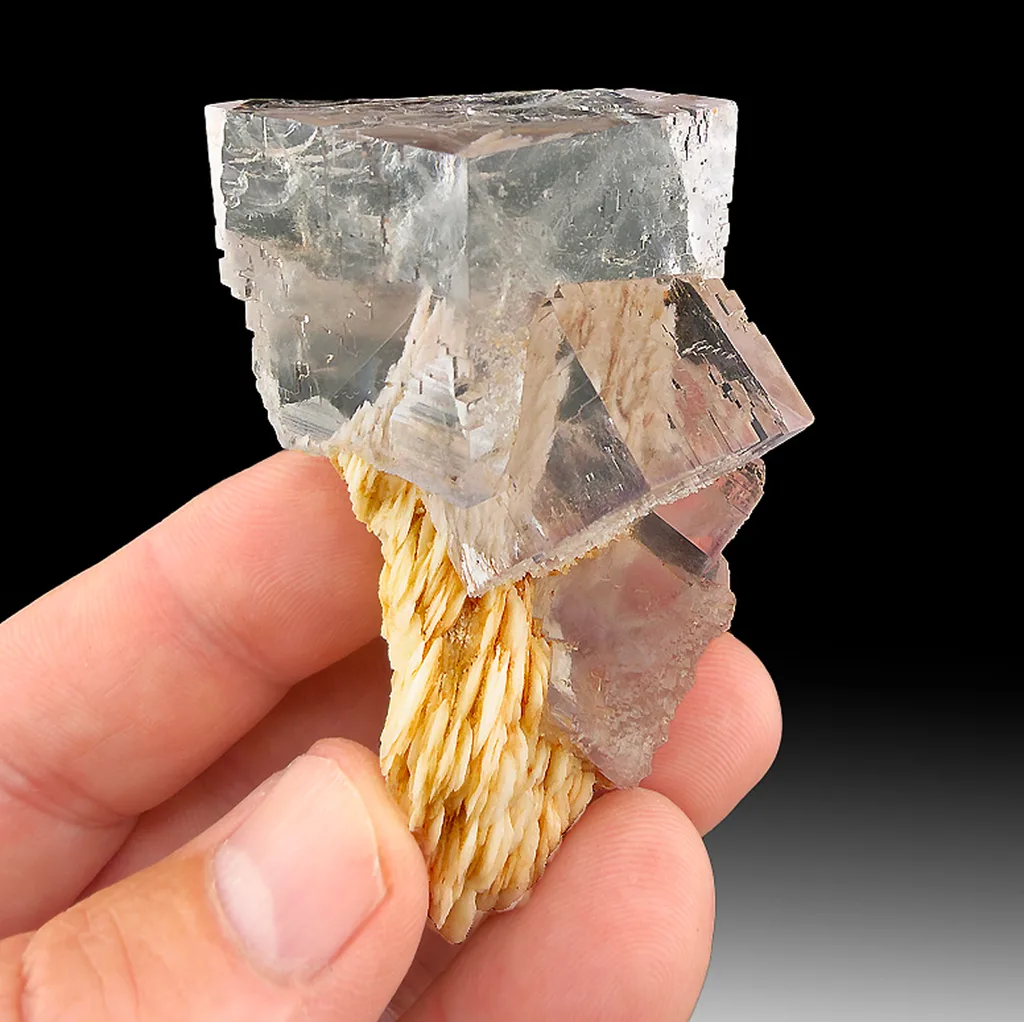
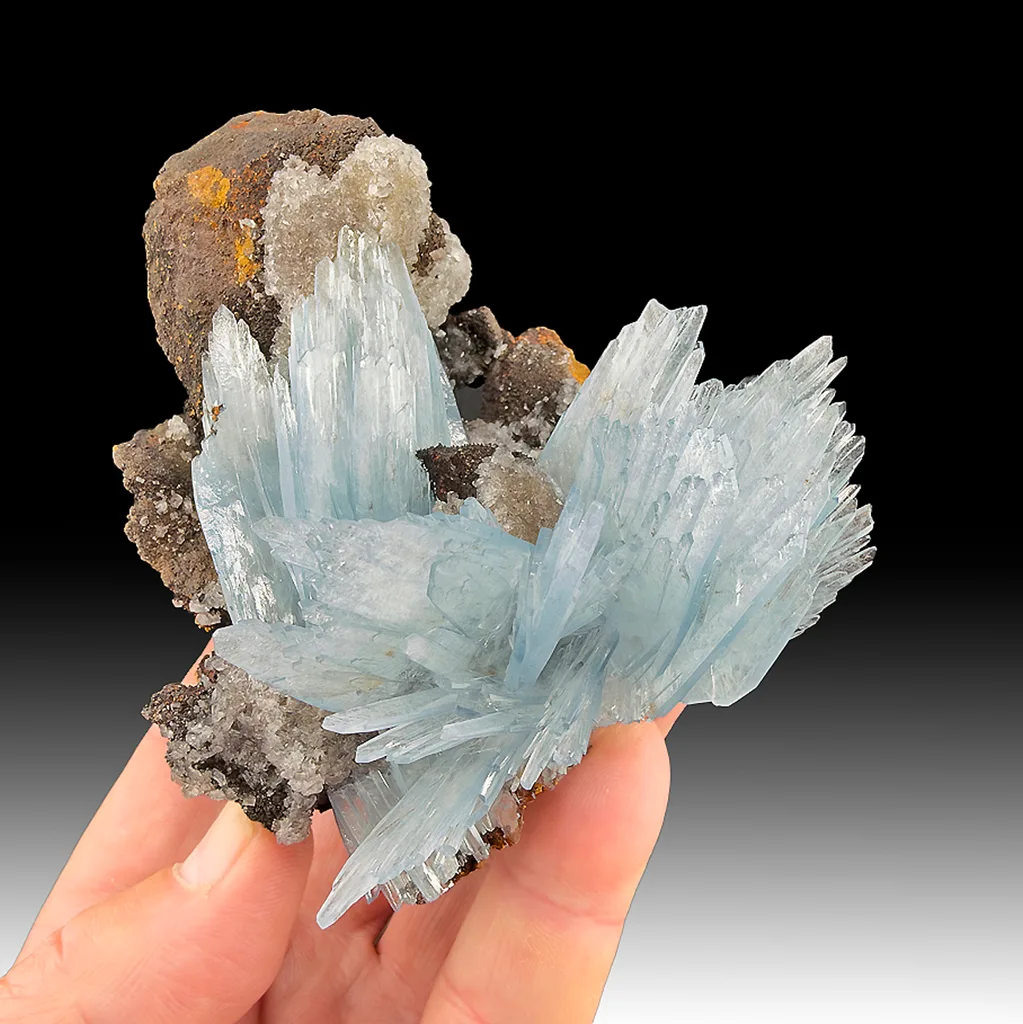
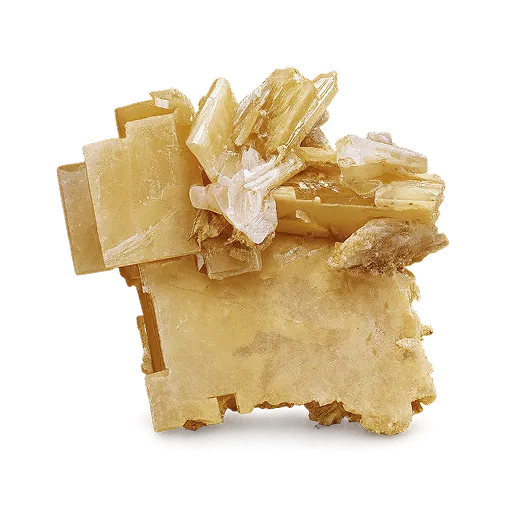
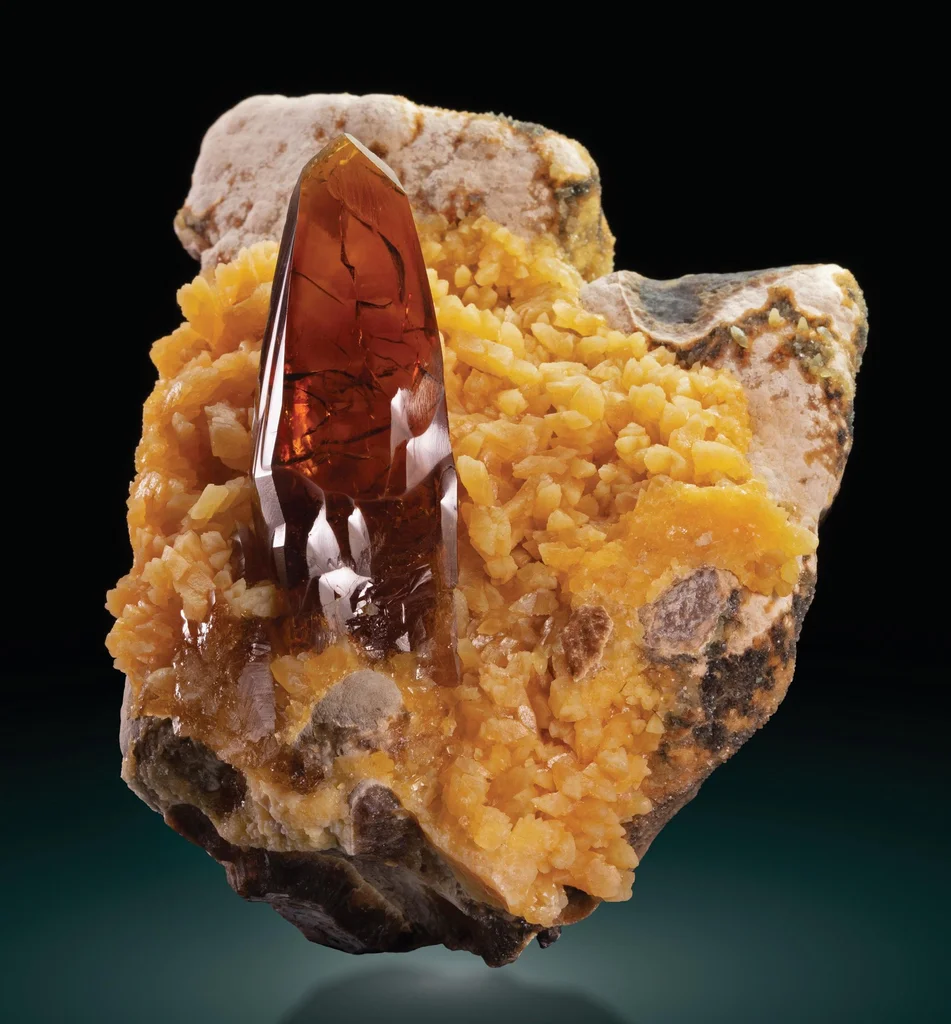
Barite is a barium sulfate mineral that forms as colorless to white crystals, often with a vitreous luster. It commonly occurs in tabular or prismatic habits and can show a range of colors from colorless to yellow, blue, or brown due to impurities. Locally, notable specimens come from classic locales such as the Mary Ann mine region and other carbonate-rich deposits, with excellent examples reported from several well-known collecting sites around the world.
- Formula
- BaSO4
- Rarity
- Common
- Stability
- Stable
- Collector interest
- High Interest
- Classification notes
- Sulfates; Strunz: 07.GA.05
Buy Barite specimens
View all 1225Where Barite is found
Guides
All guides


Barite from Pöhla-Tellerhäuser Mine, Germany
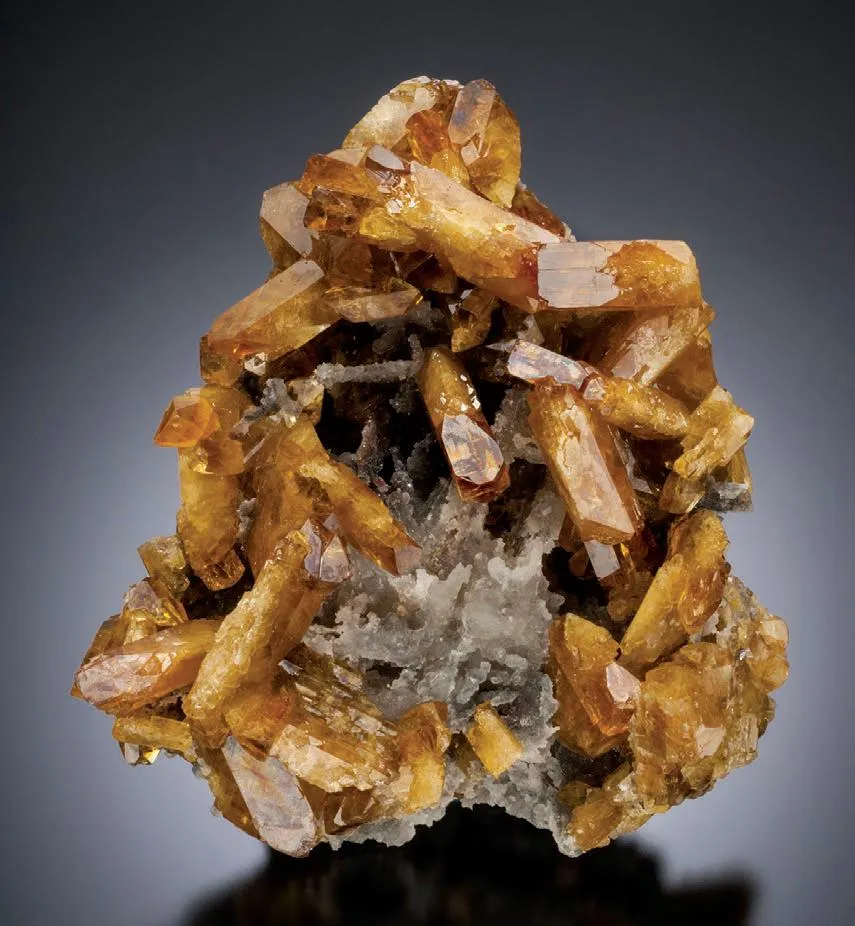
Barite from Pöhla-Tellerhäuser Mine, Germany: golden honey-yellow orthorhombic crystals on quartz/fluorite, prized for color, form, and classic pedigree.Read guide
Barite from Meikle Mine, Nevada, USA
Meikle Mine barite - high-grade lemon-yellow to amber crystals with glassy faces from a Carlin-type system; prized for color, luster, and standout locality.Read guide
Barite from Frizington Mine, Cumbria, England
Frizington Barite, Cumbria: pale blue to blue-green tabular crystals, often doubly terminated with hematite; prized for color, form, and historic locality.Read guide
Barite from Cerro Warihuyn, Peru
Barite, Cerro Warihuyn, Peru — famed locality with glassy honey-yellow to smoky-blue tabular crystals on pink dolomite, prized for clarity, form, and rarity.Read guide
Barite from Cavnic Mine, Romania
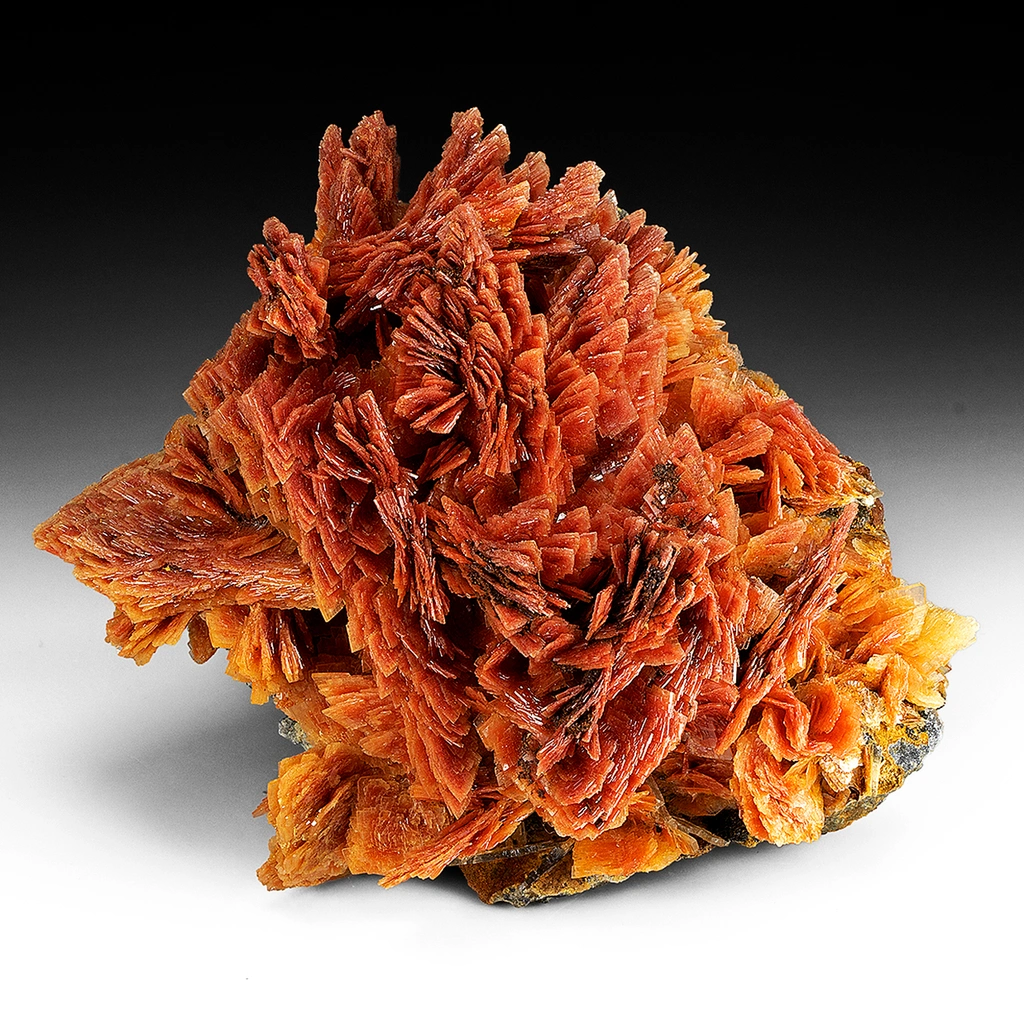
Barite from Cavnic Mine, Romania — blue to orange-red tabular crystals in rosettes, prized for translucency and Cavnic's famed vein system for collectors.Read guideAbout Barite
Collectors prize Barite for its clarity in transparent crystals and its substantial, often oversized crystals that can display well-formed faces and sharp growth. Many specimens are appreciated for their size, impressive luster, and the way light plays through transparent forms, making them standout display pieces. Its association with fluorite, sphalerite, or anglesite can also add context to a cabinet of minerals, signaling a classic hydrothermal or sedimentary assemblage. Barite’s relative softness and its stable, non-reactive nature help make it a practical and enduring addition to a collection.