
Smithsonite specimens for sale
1,143 for sale · $50–$22,500 USD
630 in the gallery
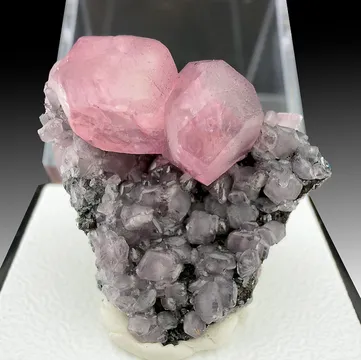
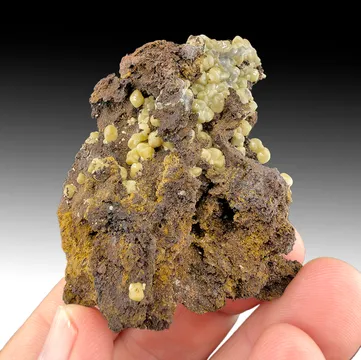
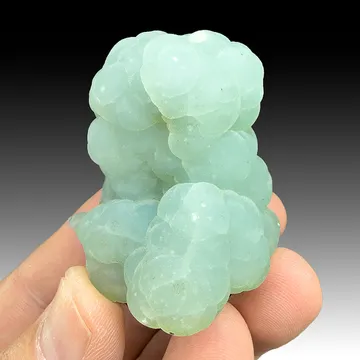
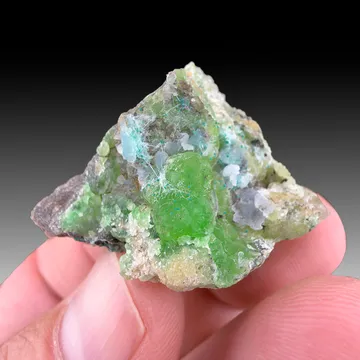
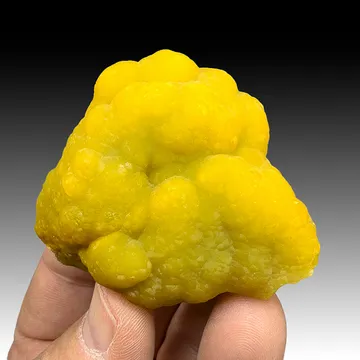
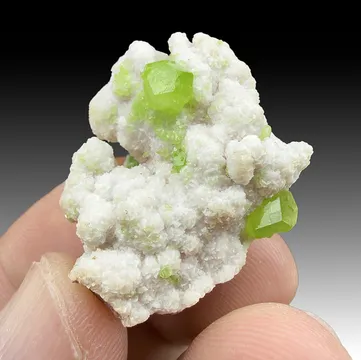
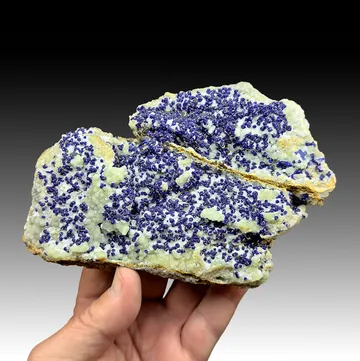
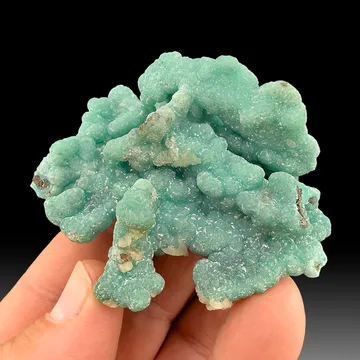
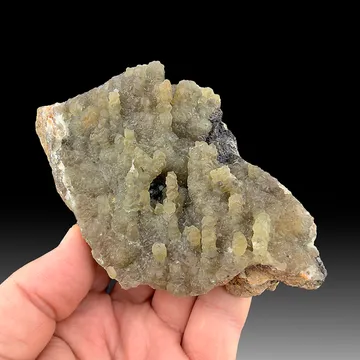
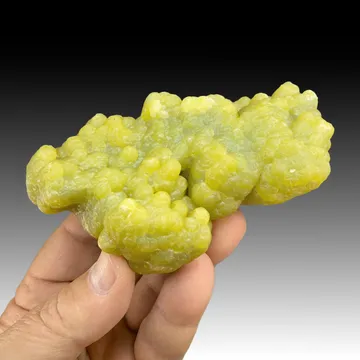
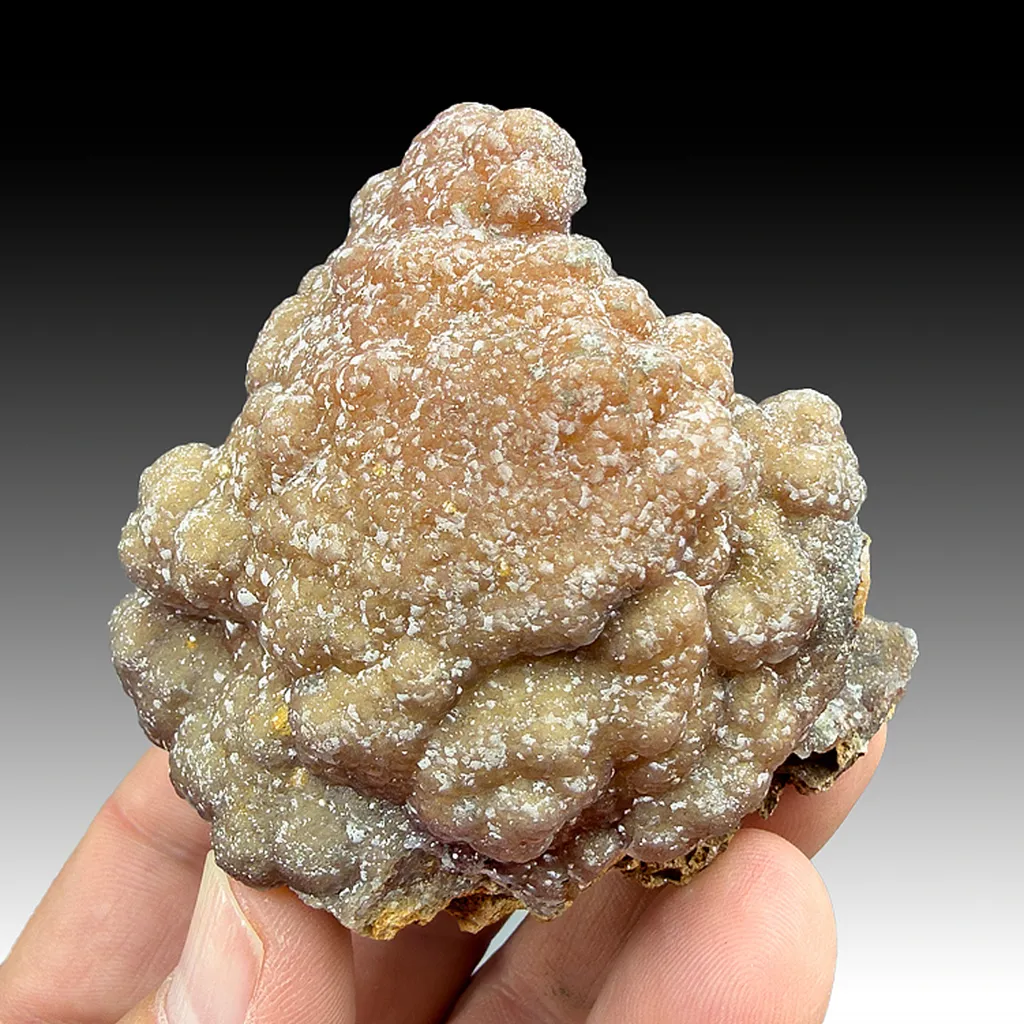
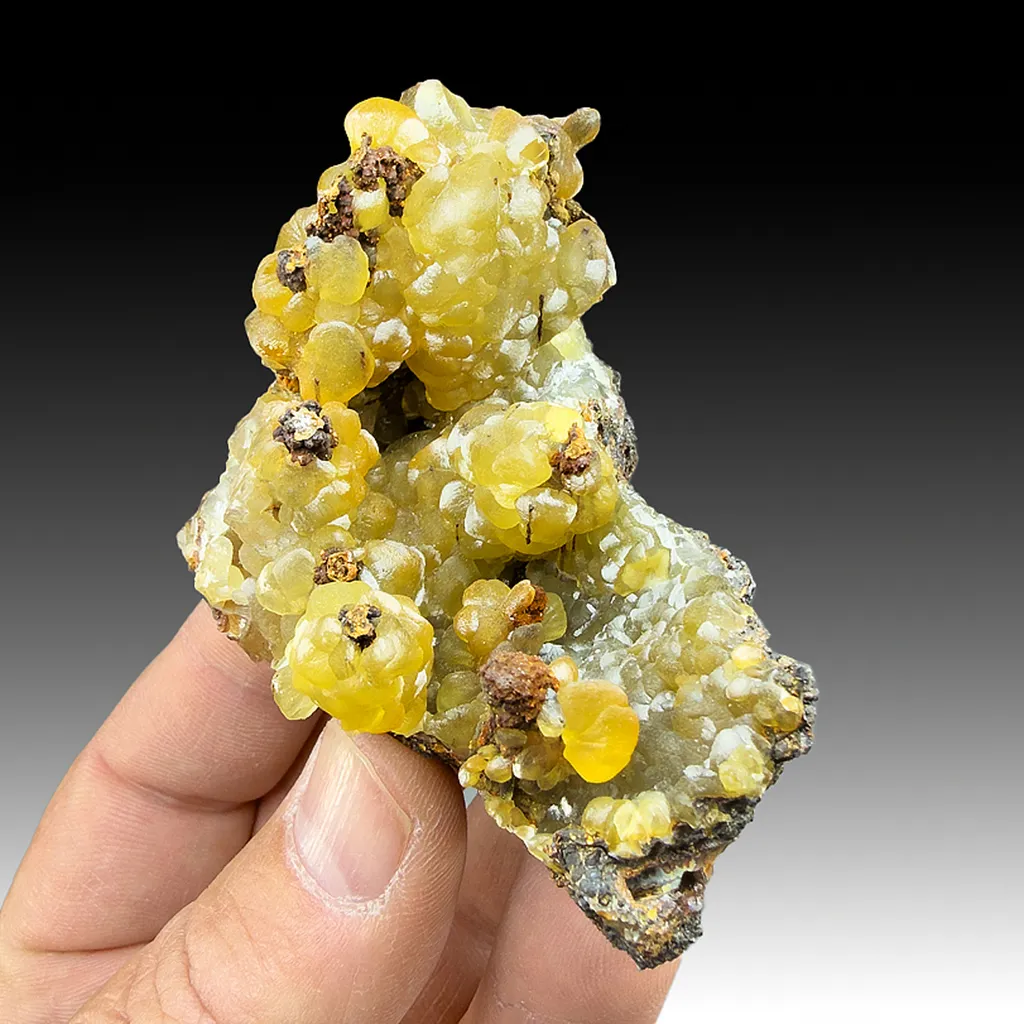
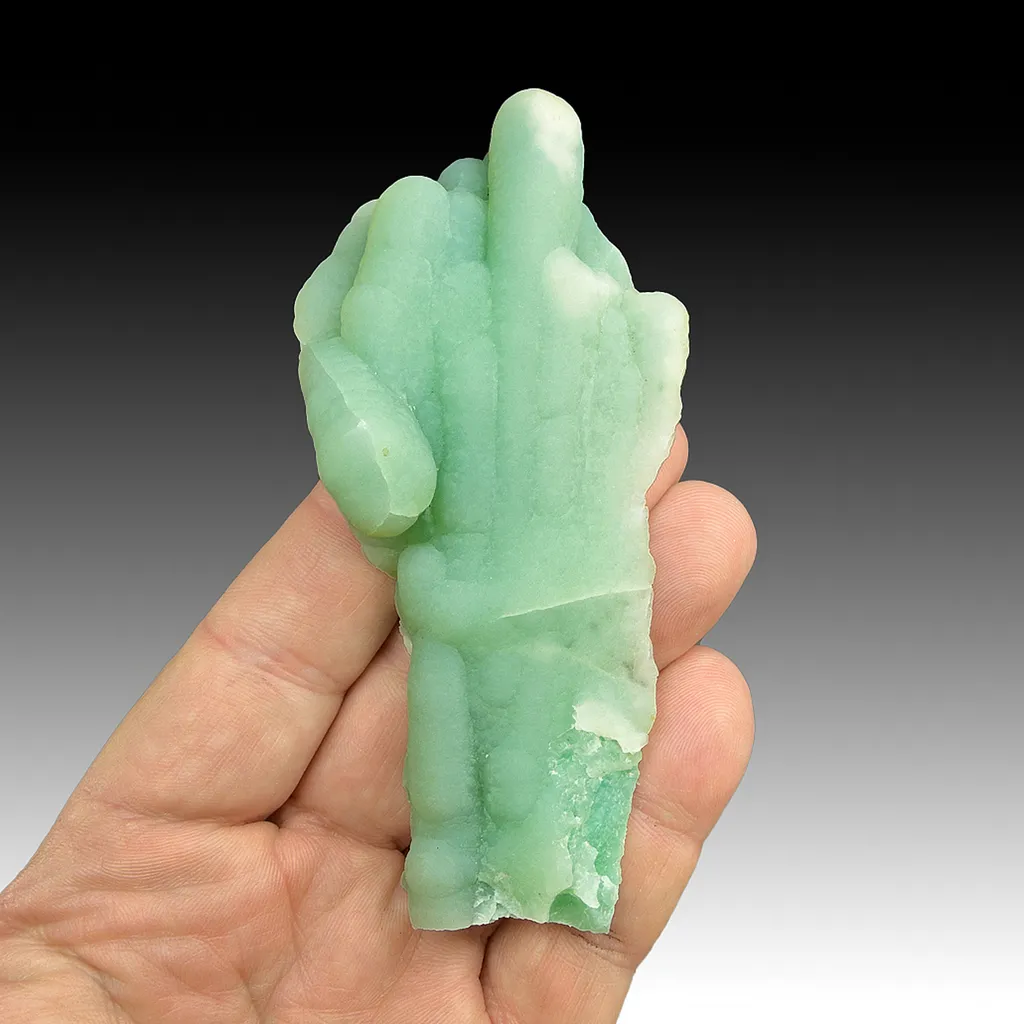
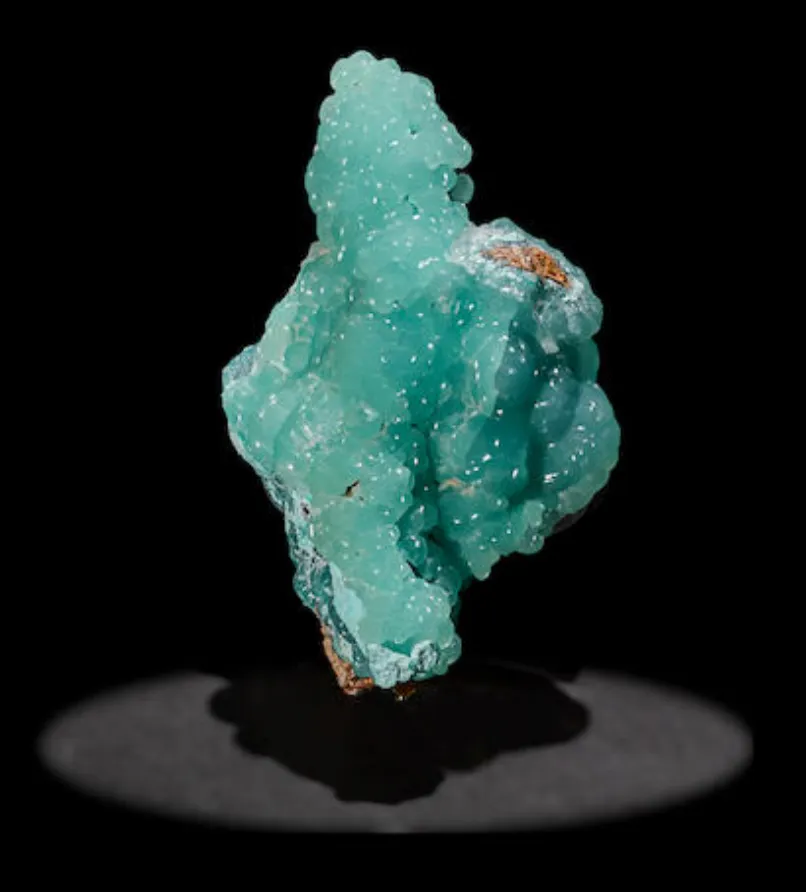
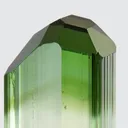
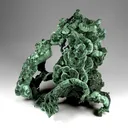
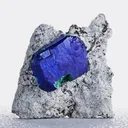
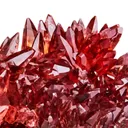
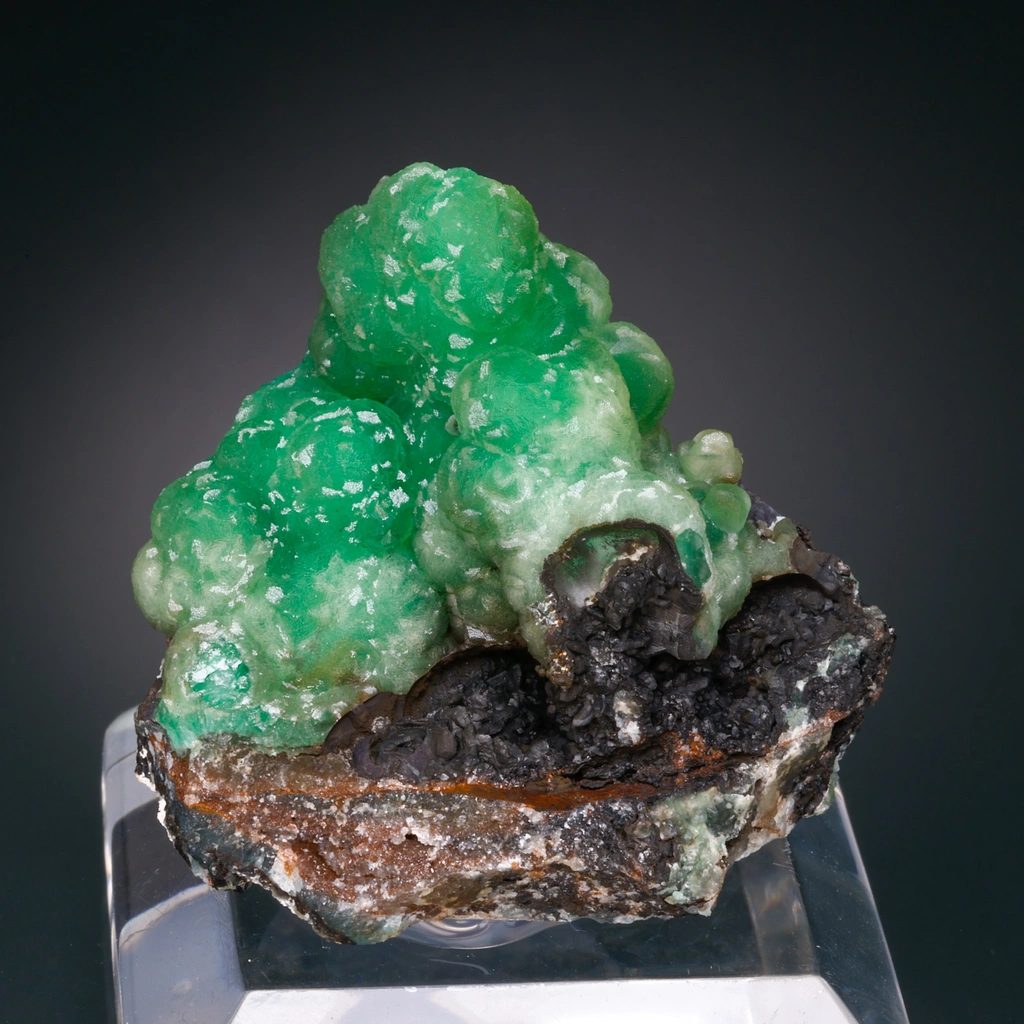
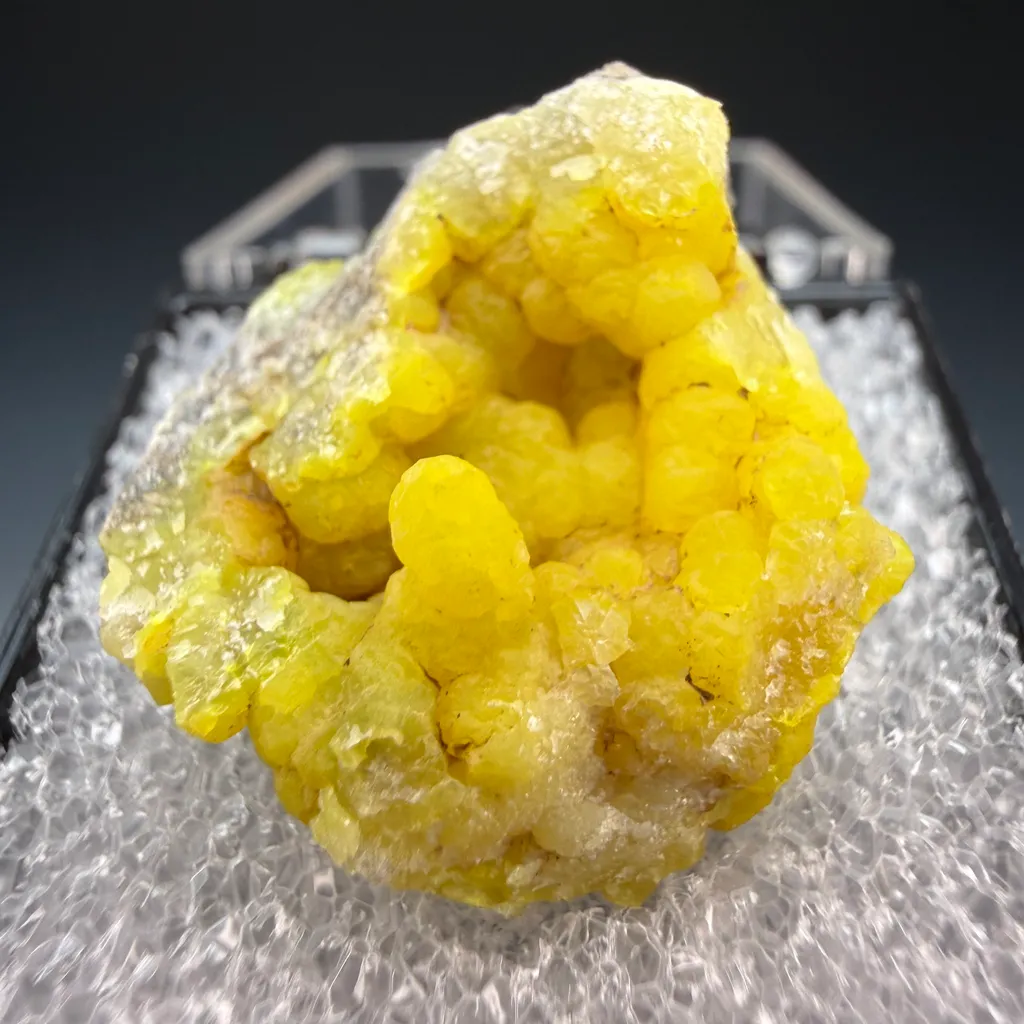
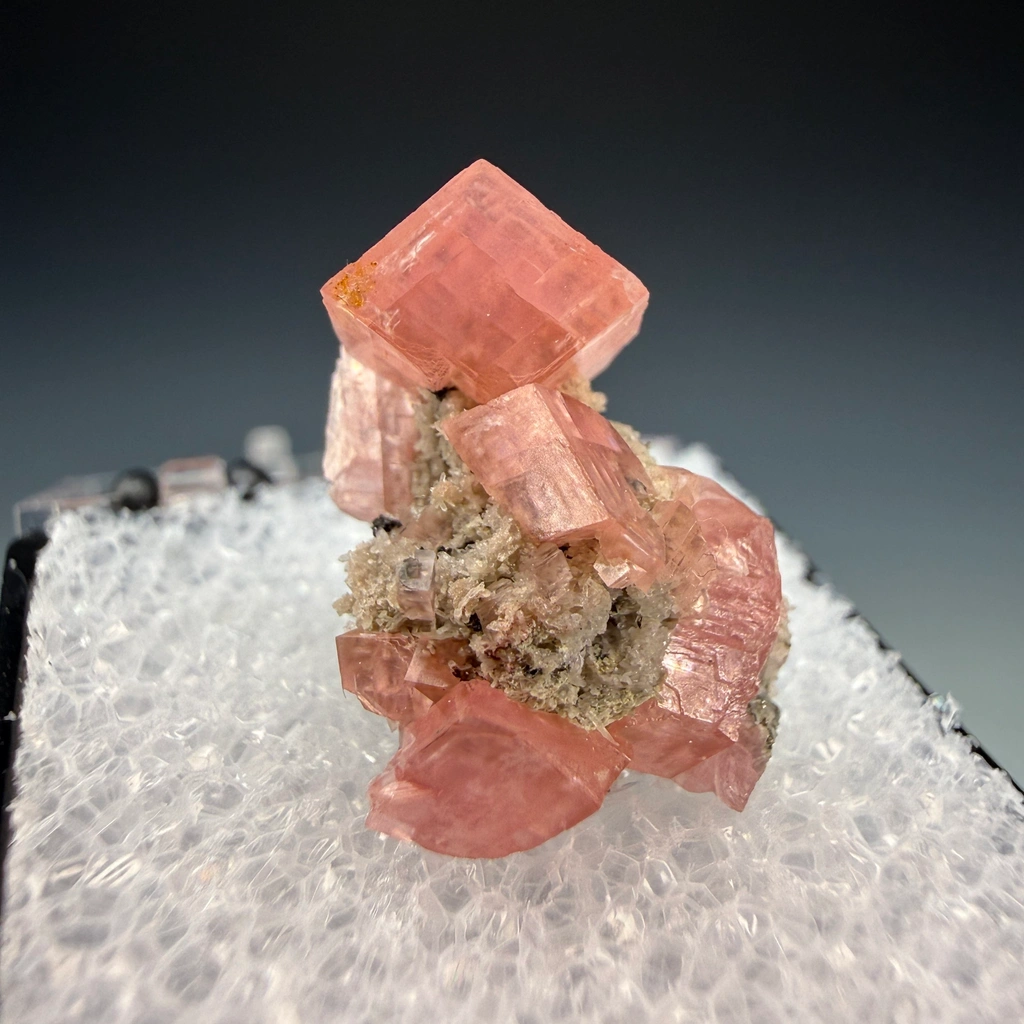
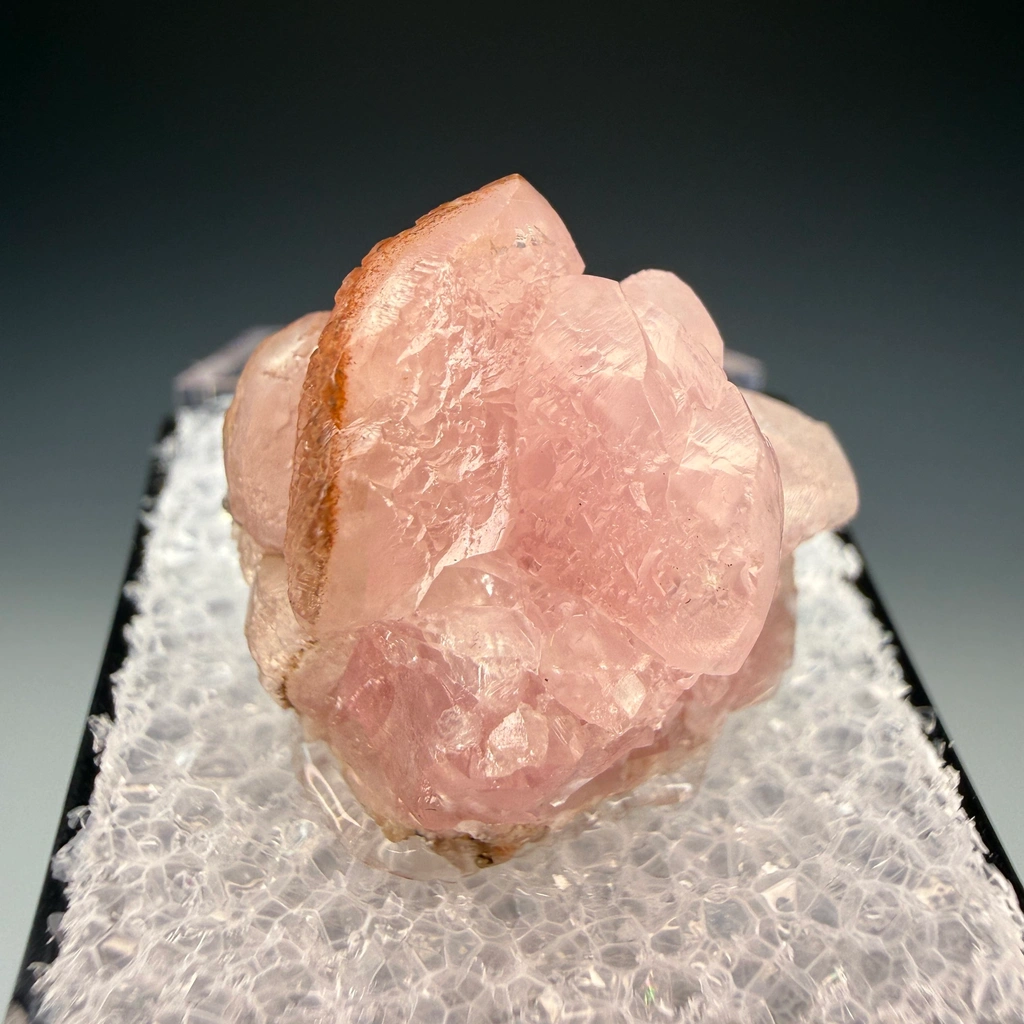
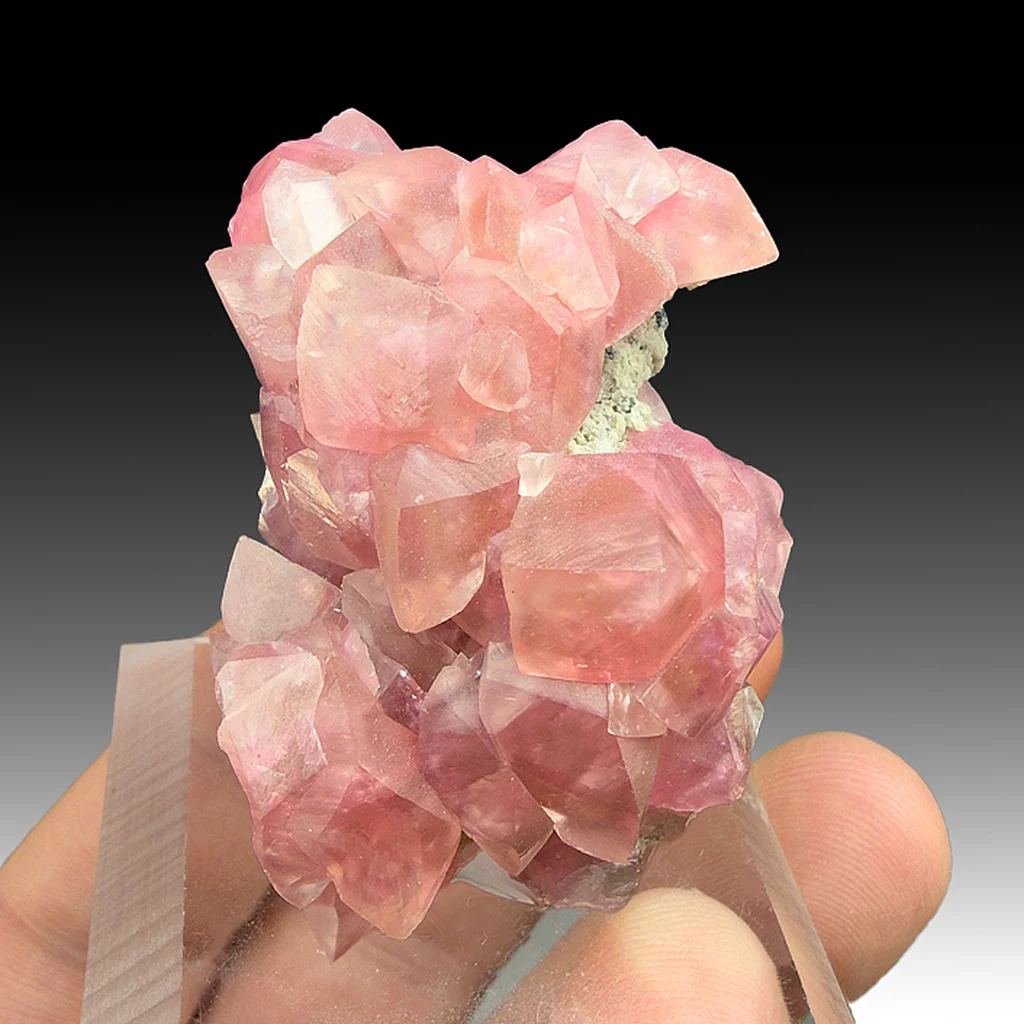
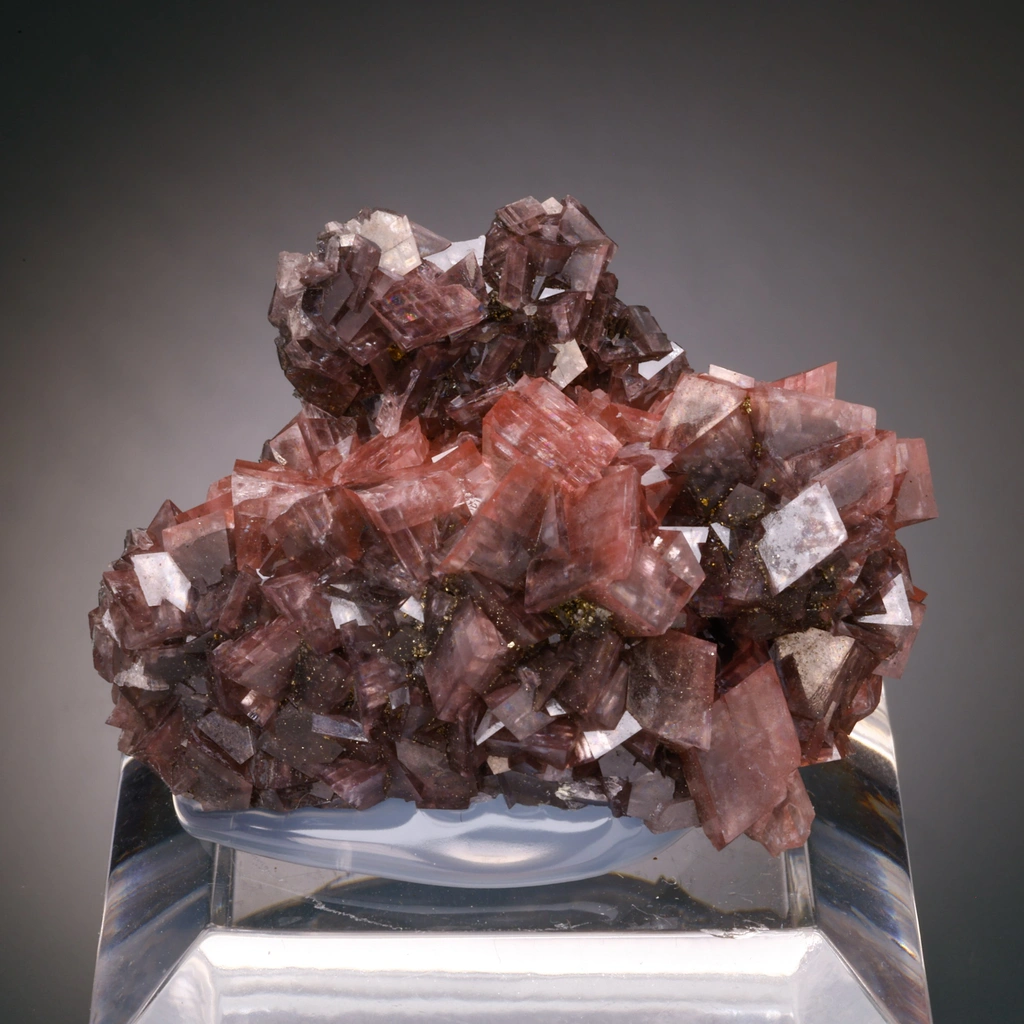
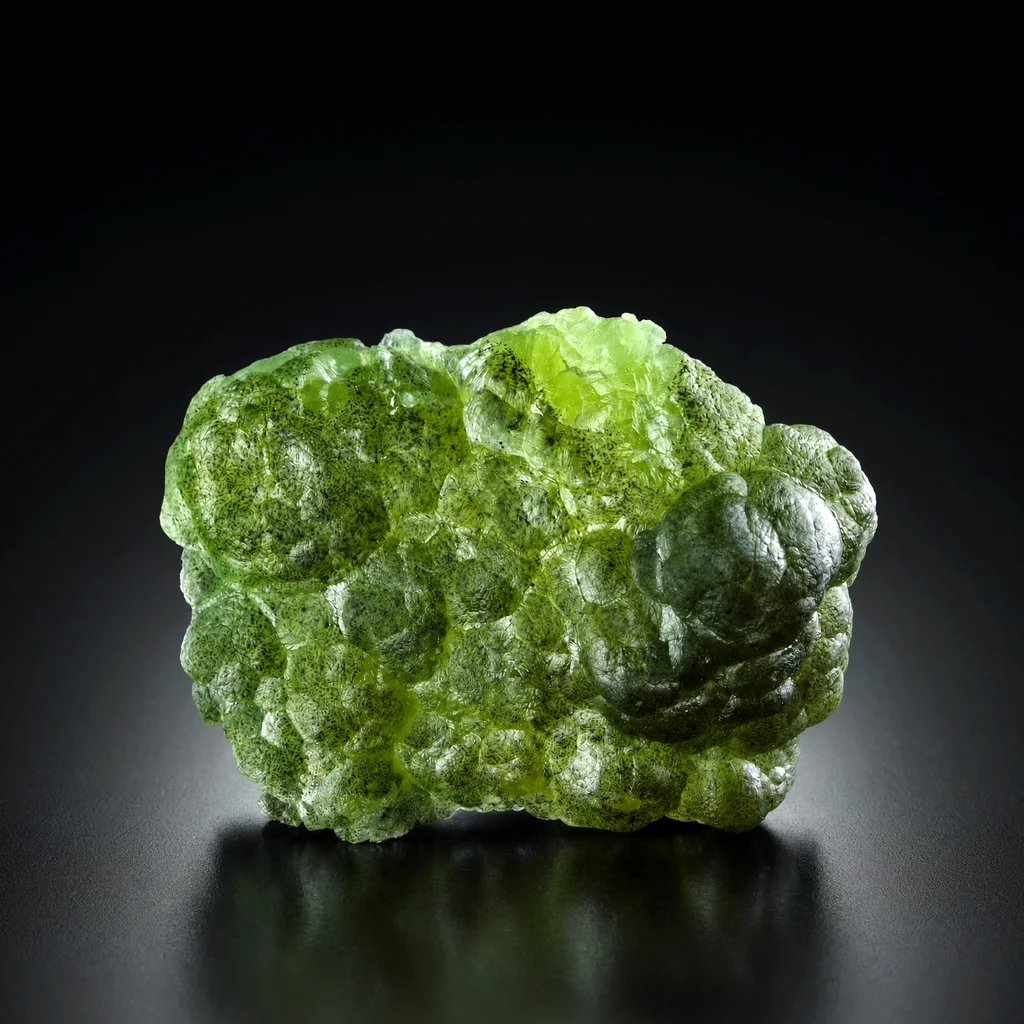
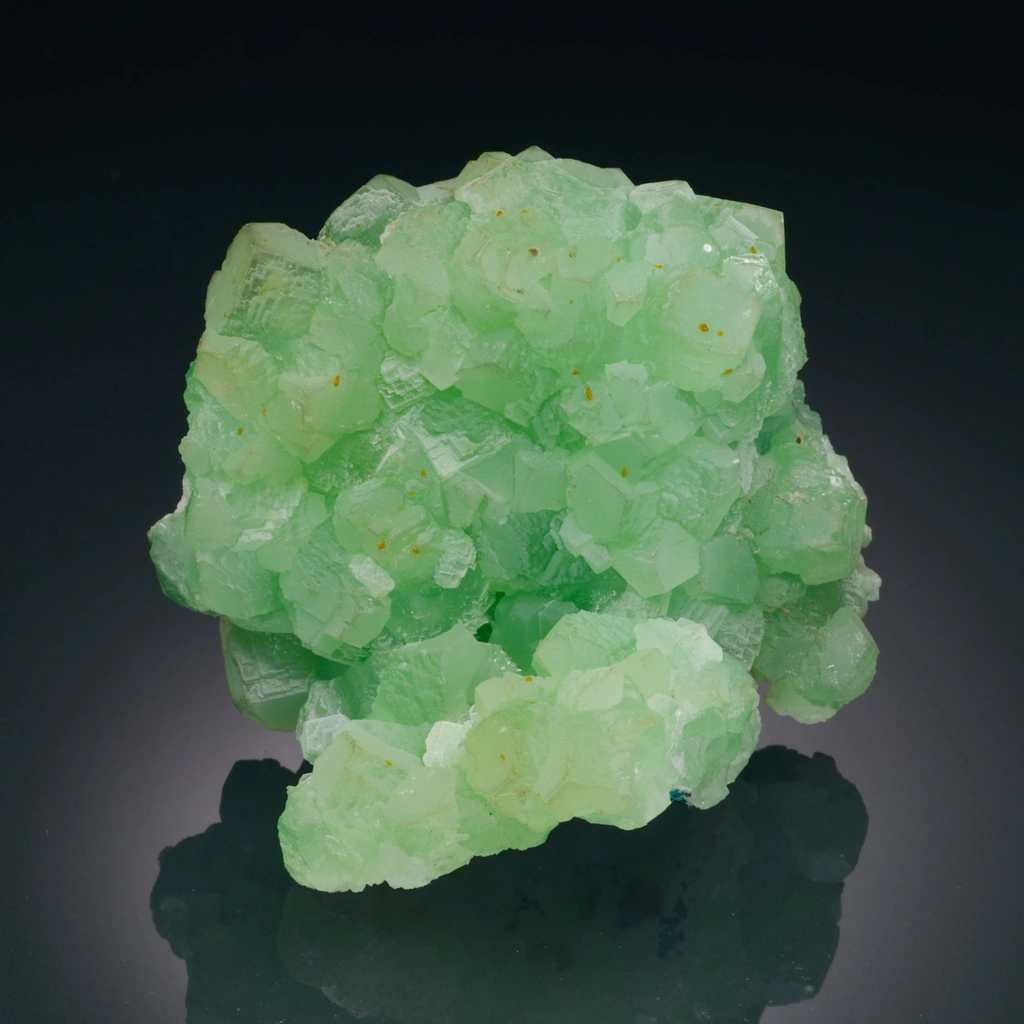
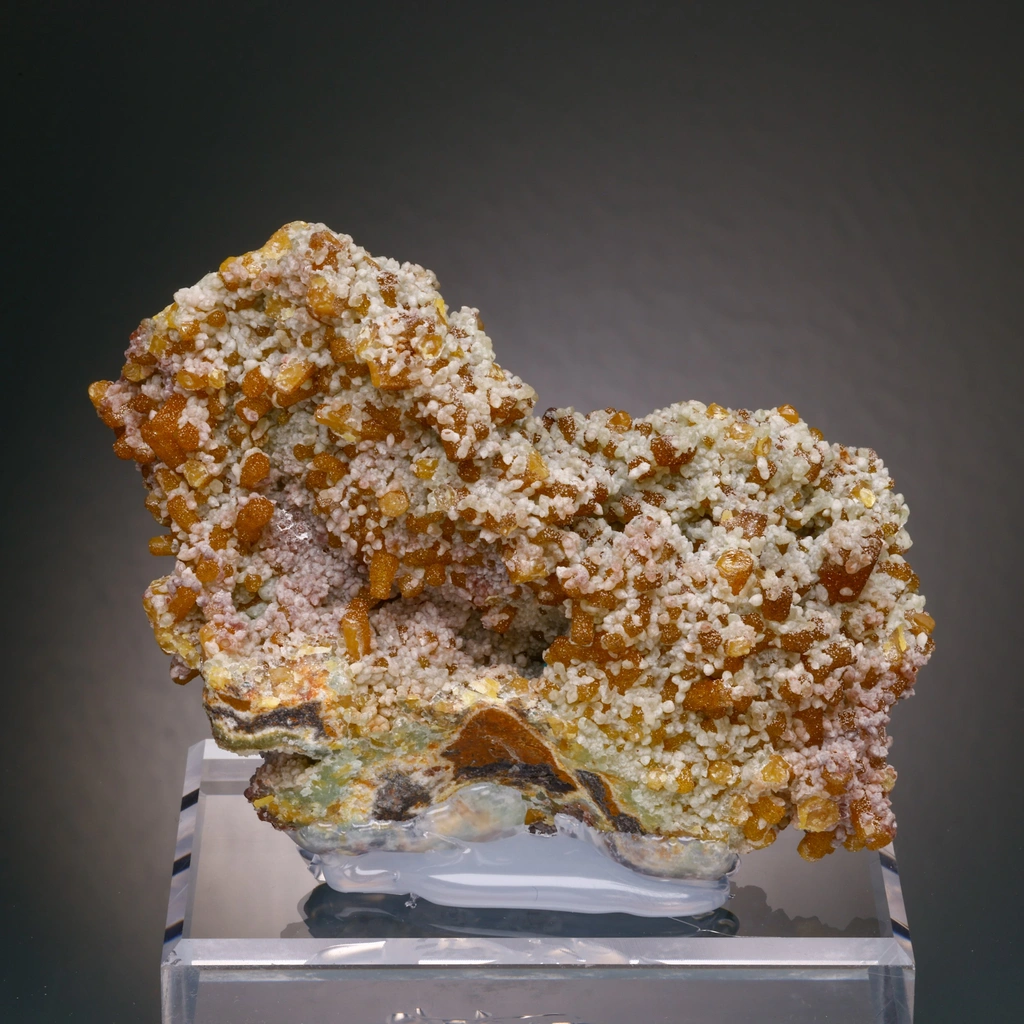
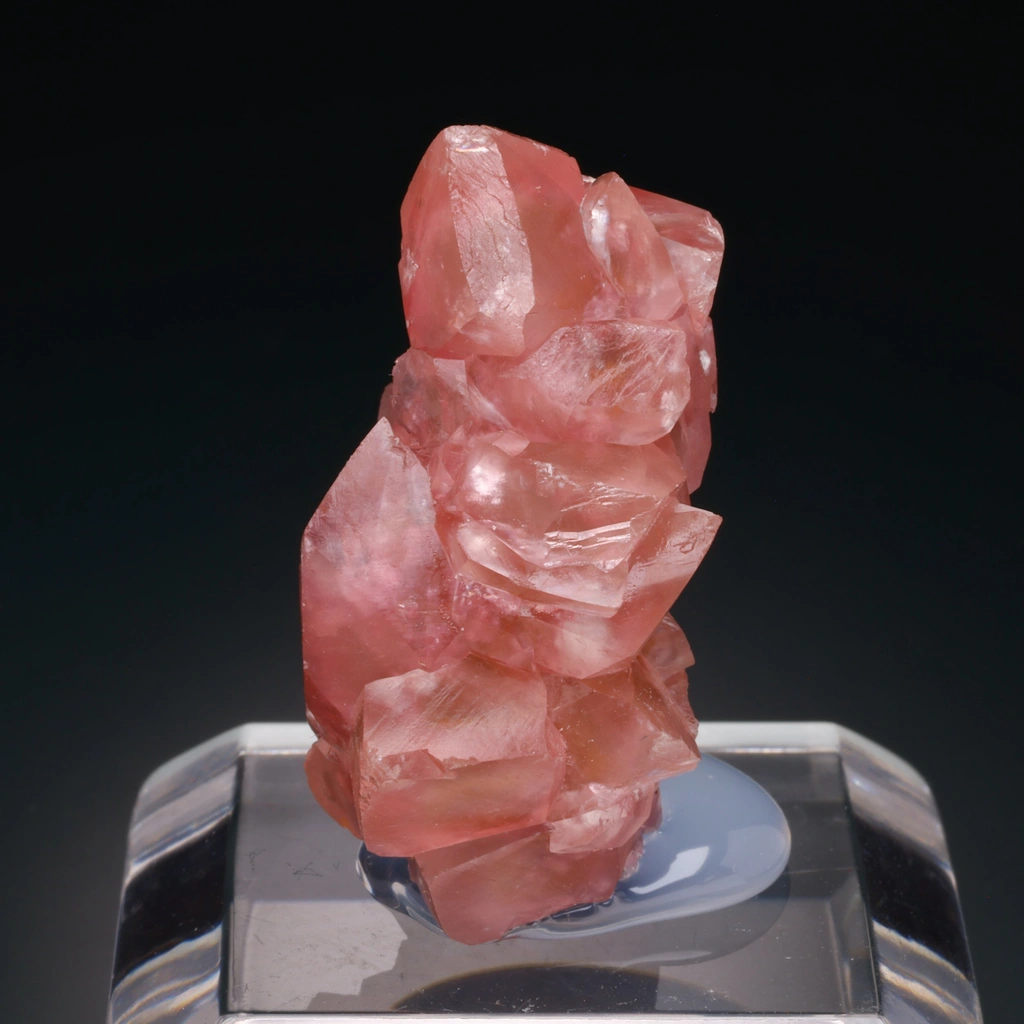
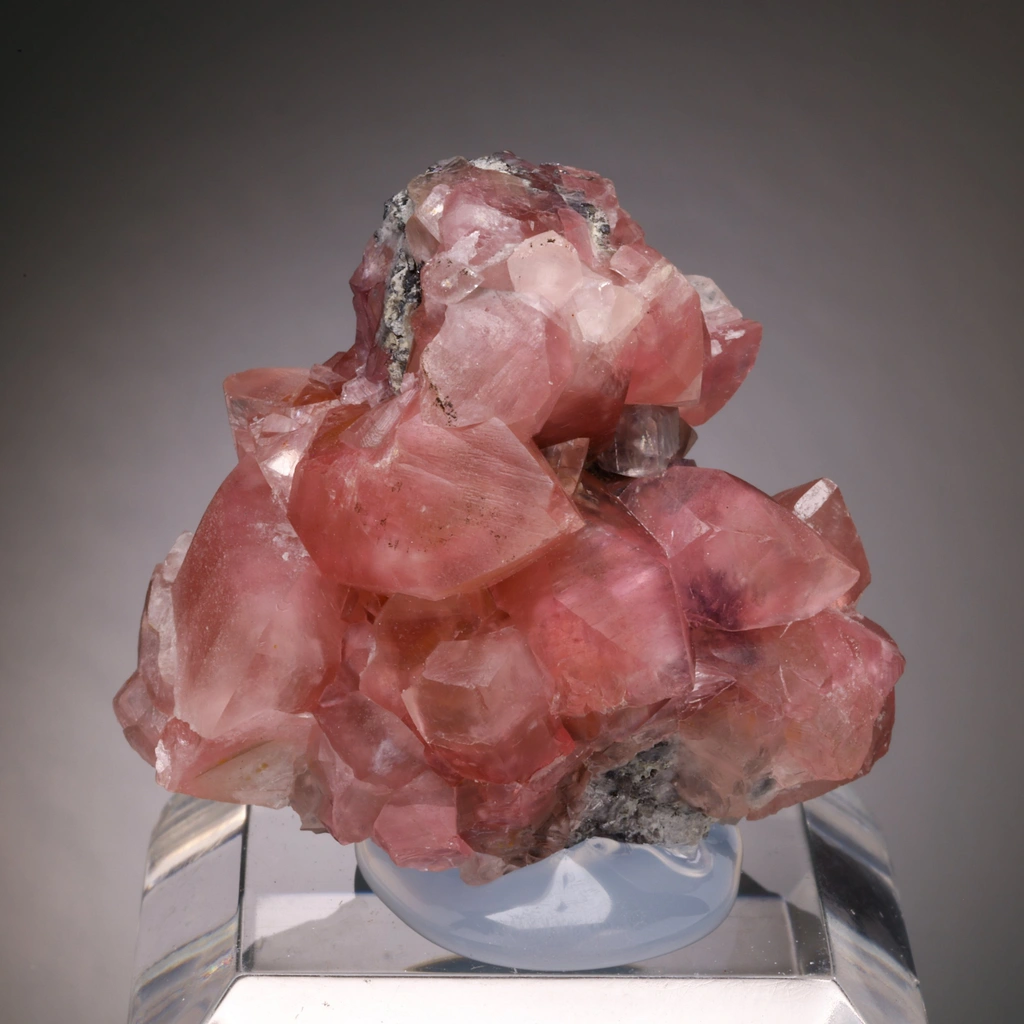
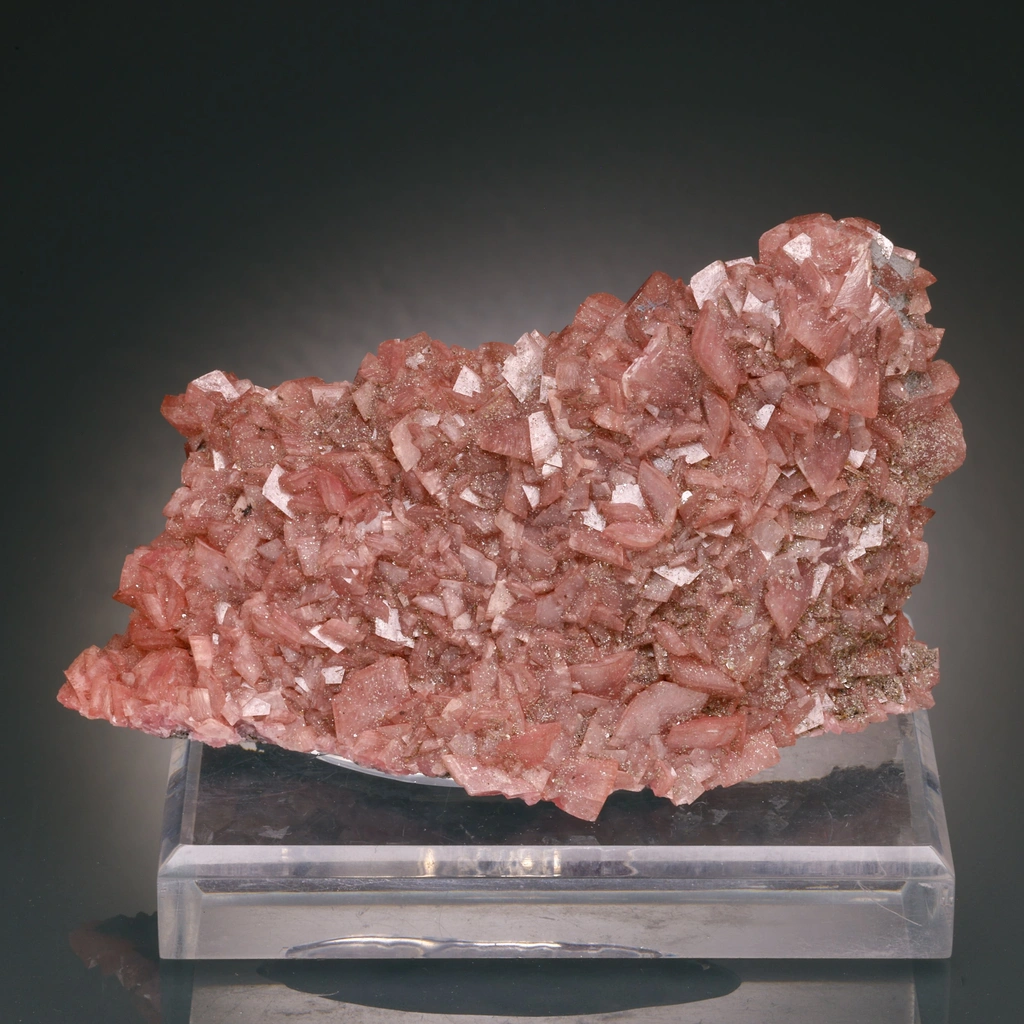
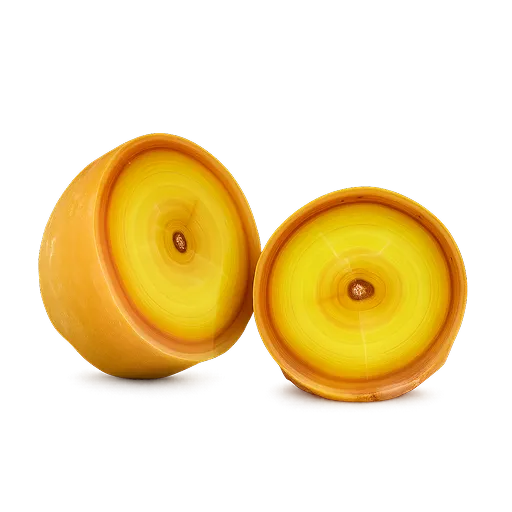
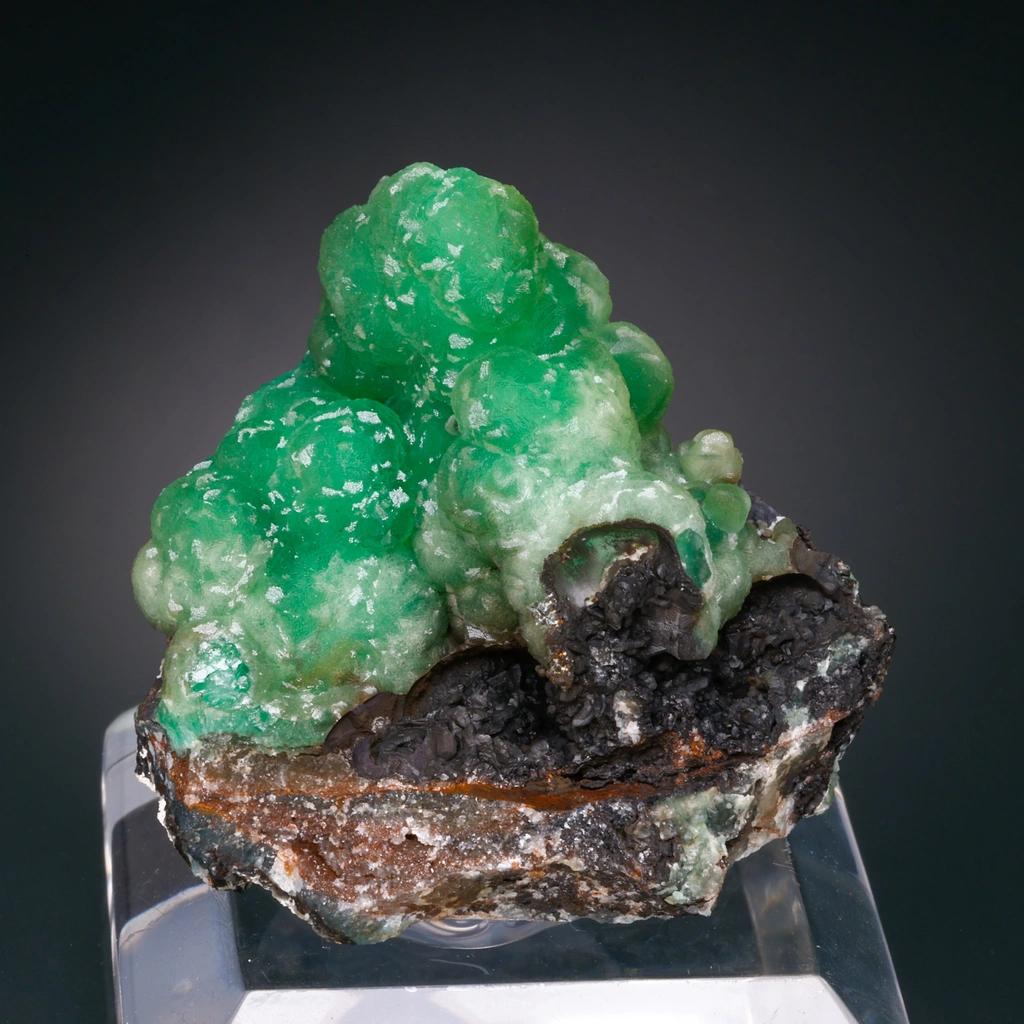
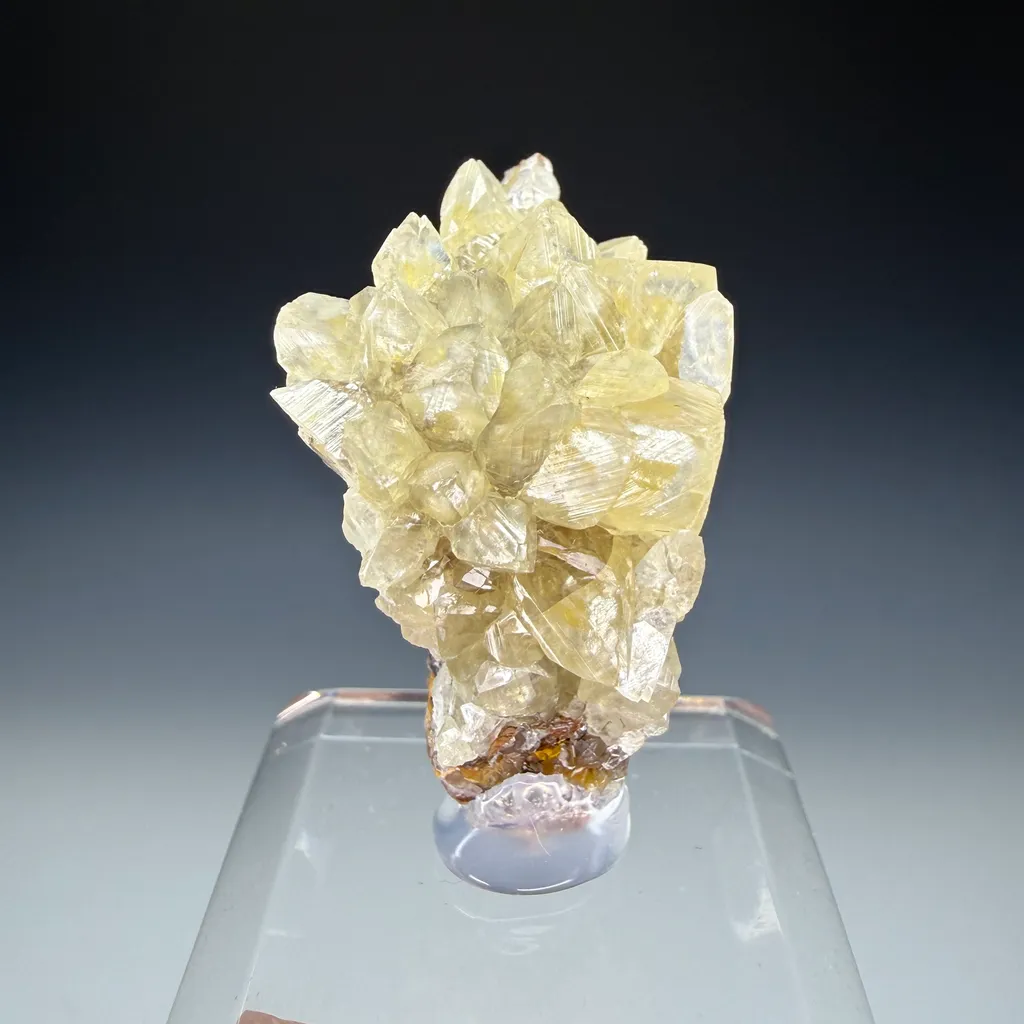
Smithsonite is a zinc carbonate mineral that commonly crystallizes as botryoidal, stalactitic, or drusy aggregates. It typically displays a glassy to resinous luster and a range of colors produced by trace impurities, including greens, pinks, blues, and yellows, often forming in compact, rounded masses. Fine specimens show delicate banding and smooth, sculpted surfaces that reflect light and enhance their soft translucence.
- Formula
- ZnCO3
- Rarity
- Common
- Stability
- Stable
- Collector interest
- High Interest
Buy Smithsonite specimens
View all 1143Where Smithsonite is found
Guides
All guides


Smithsonite from Tsumeb, Namibia
Smithsonite from Tsumeb, Namibia — varied rhombohedral and botryoidal forms, pink to green colors, and mineral associations; a prized locality for collectors.Read guide
Smithsonite from Santa Eulalia Mining District, Mexico
Smithsonite - Santa Eulalia, Mexico: mint-green to blue-green botryoidal and rice-grain forms; renowned CRD district material tied to the San Antonio Mine.Read guide
Smithsonite from Ojuela Mine, Mexico
Smithsonite from Ojuela Mine, Mexico: silvery botryoidal forms on limonite, olive-green crusts, rare blue botryoids; prized, scarce specimen from locality.Read guide
Smithsonite from Lavrion Mining District, Greece
Smithsonite from Lavrion Mining District, Greece — pastel blue to sea-green botryoidal forms with a wet, silky glow; historic provenance and collecting appeal.Read guide
Smithsonite from Kelly Mine, New Mexico, USA
Smithsonite from Kelly Mine, New Mexico, USA: vivid blue-green botryoidal forms, a defining American classic prized for color, luster, and locality.Read guideAbout Smithsonite
Notable concentrations of Smithsonite come from historic and productive mines in Namibia, the United States, Mexico, Australia, and Greece, where secondary zinc ore deposits have yielded its colorful, aesthetically pleasing forms. Collectors prize specimens with vivid coloration, well-defined botryoidal shapes, and clean, undamaged surfaces suitable for display or study. The mineral’s association with secondary supergene environments adds interest for field enthusiasts, as color and habit can vary with local chemistry and ore phase. Smithsonite’s relative softness and perfect cleavage require careful handling, but its appealing hues and sculptural silhouettes make it a favorite among cabinet displays and mineral study.