Guide

460 for sale · $90–$17,675 USD
1,137 in the gallery
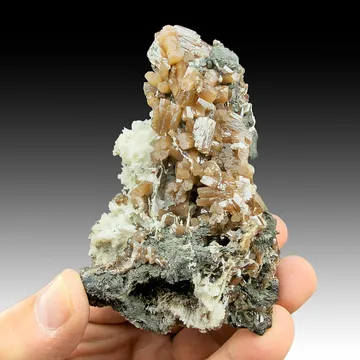
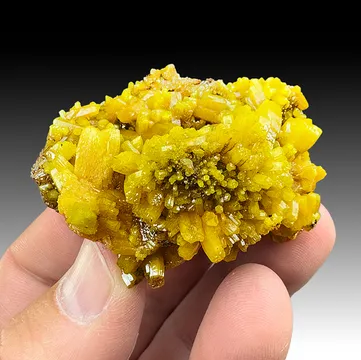
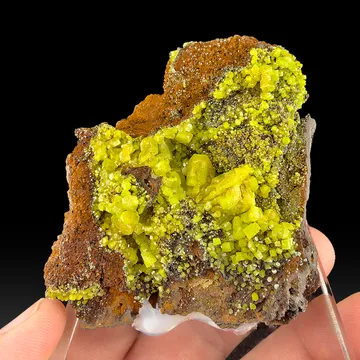
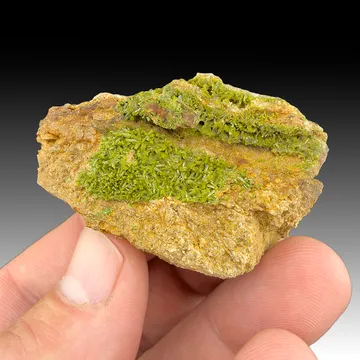
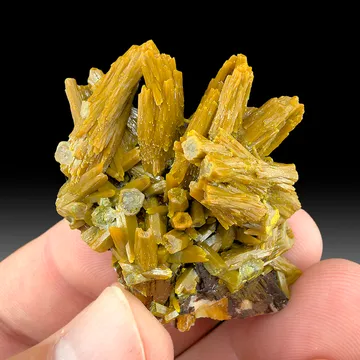
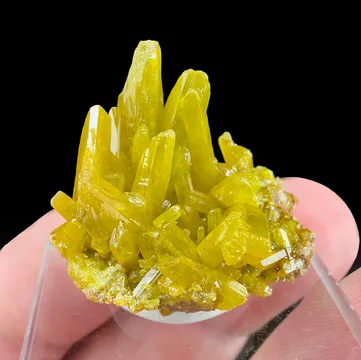
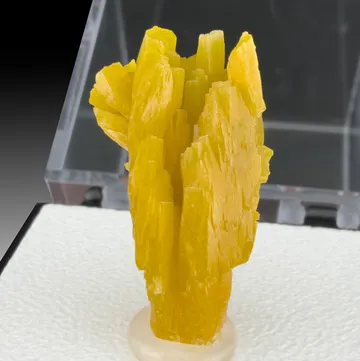
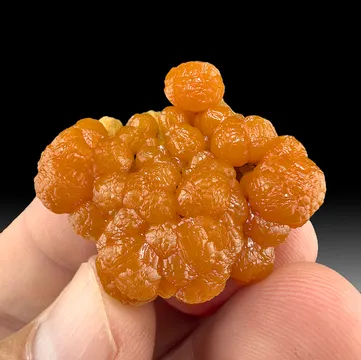
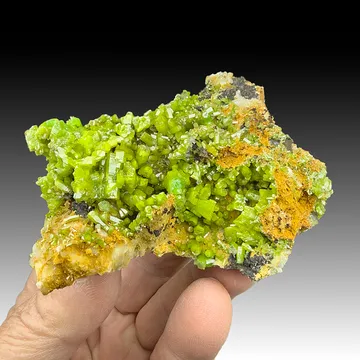
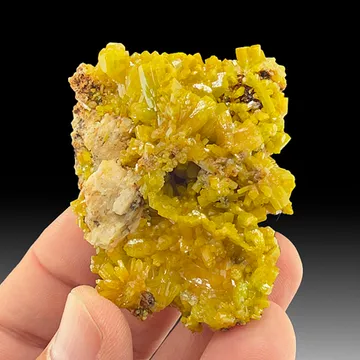
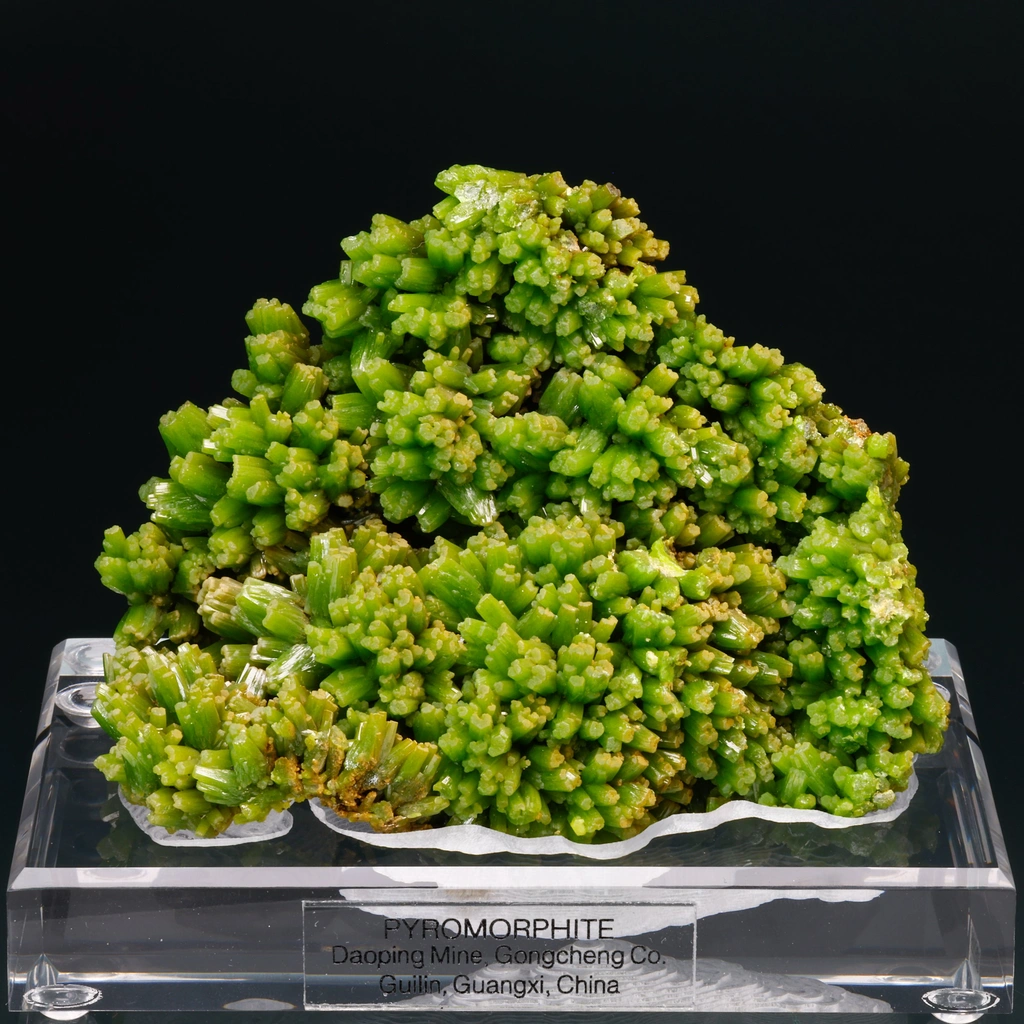
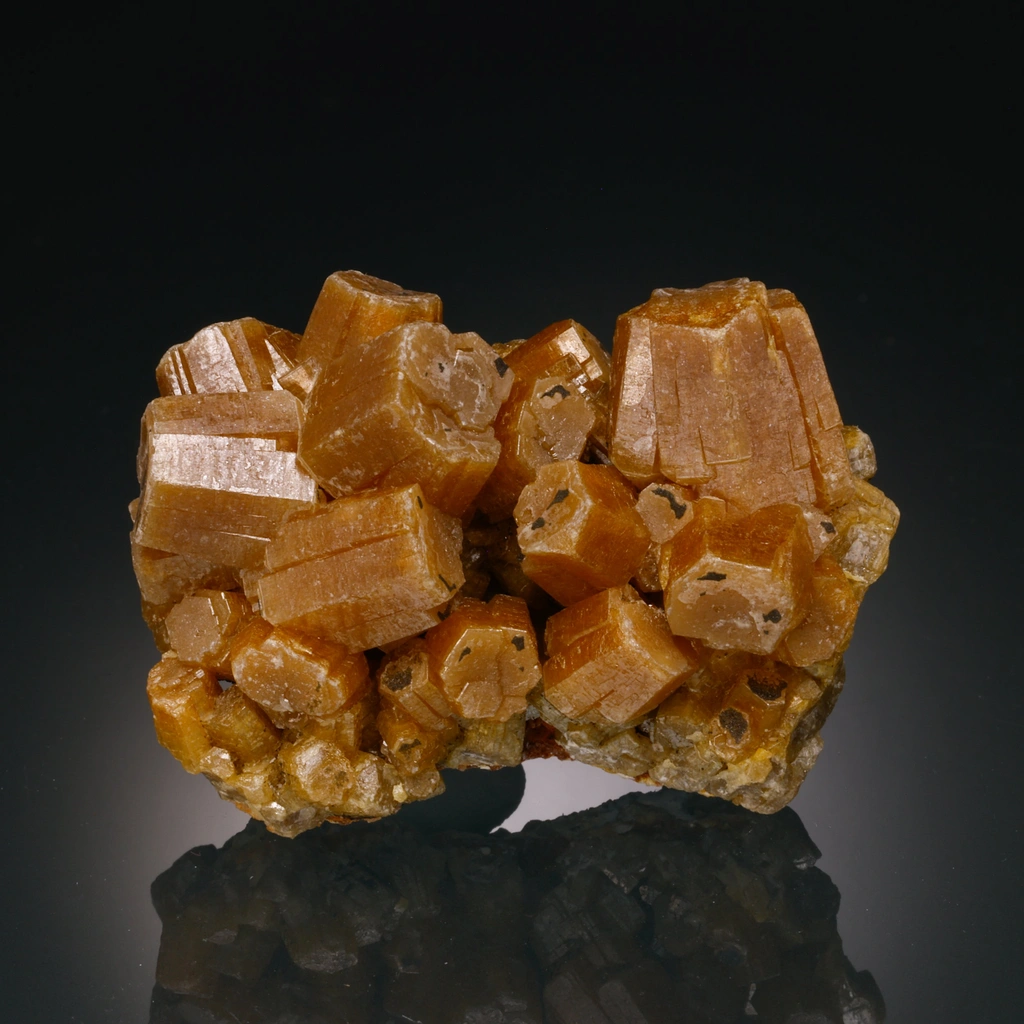
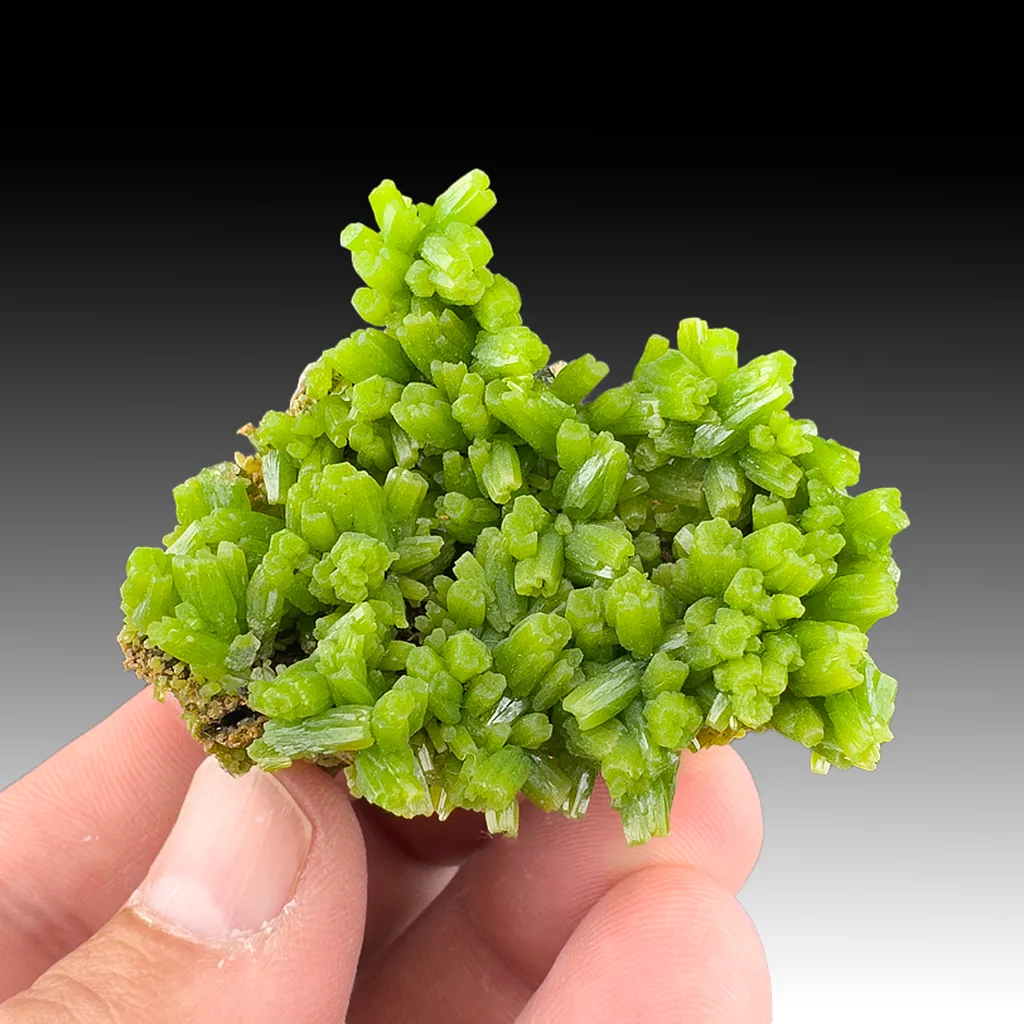
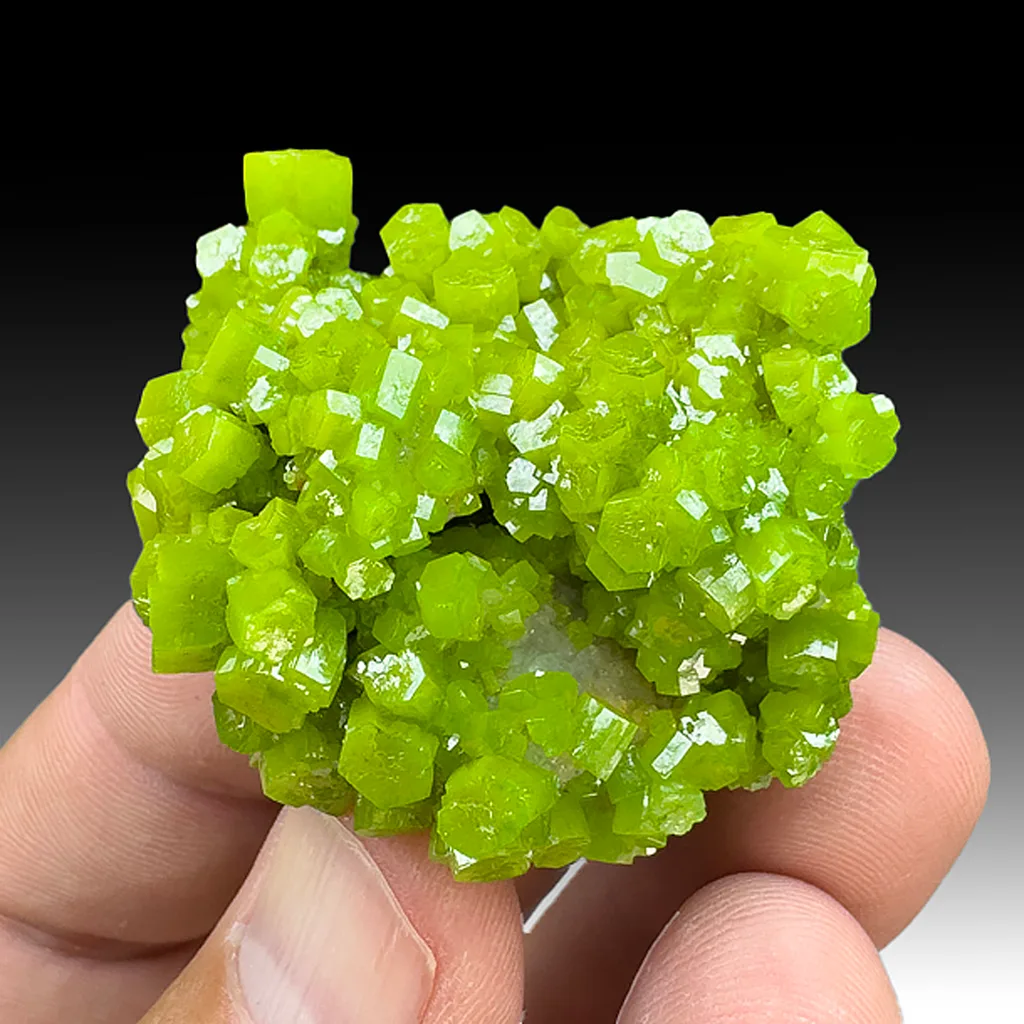
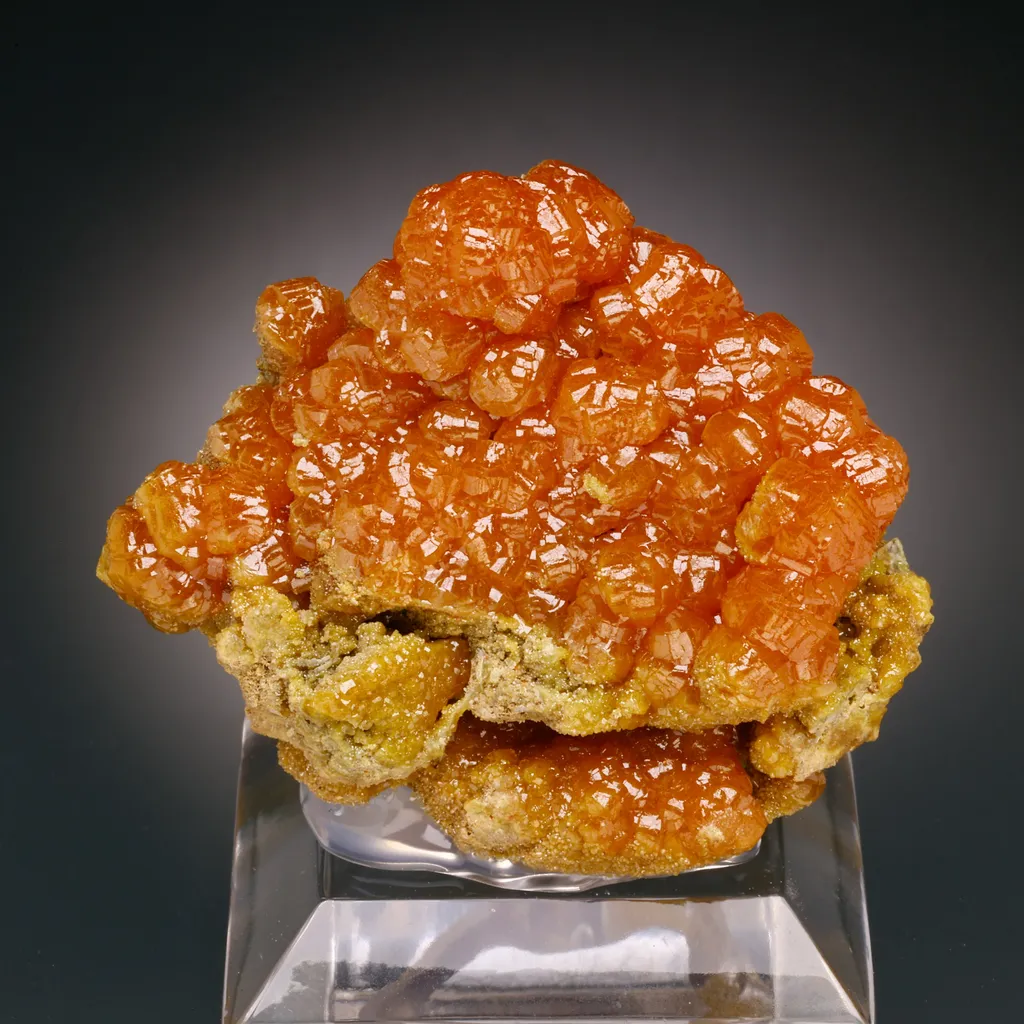
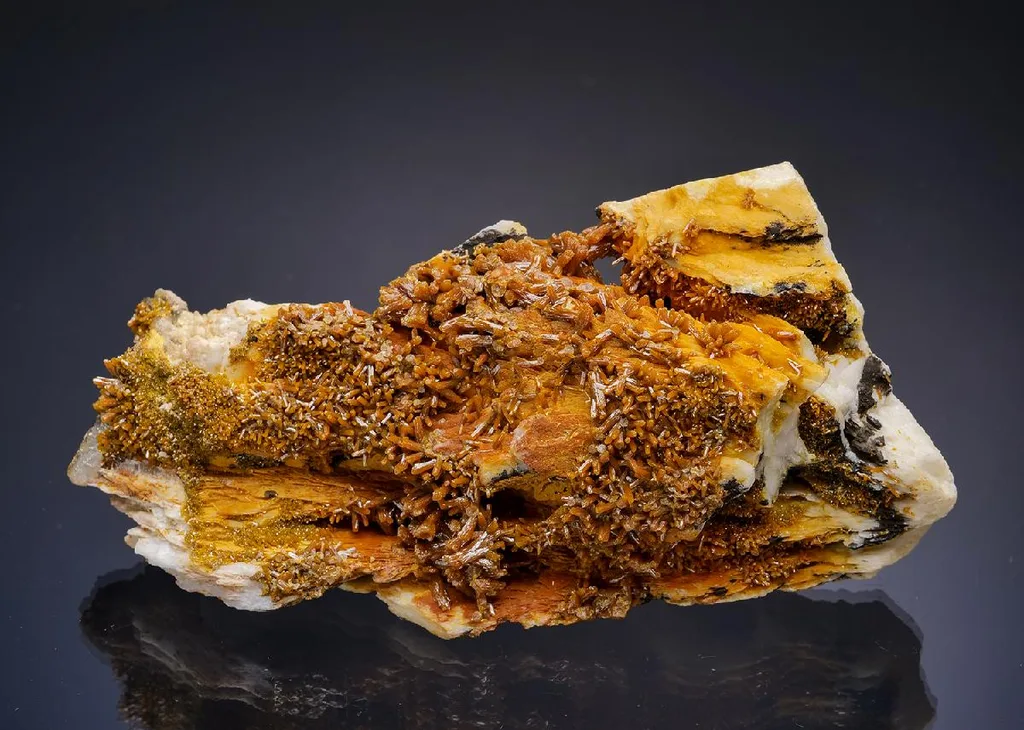
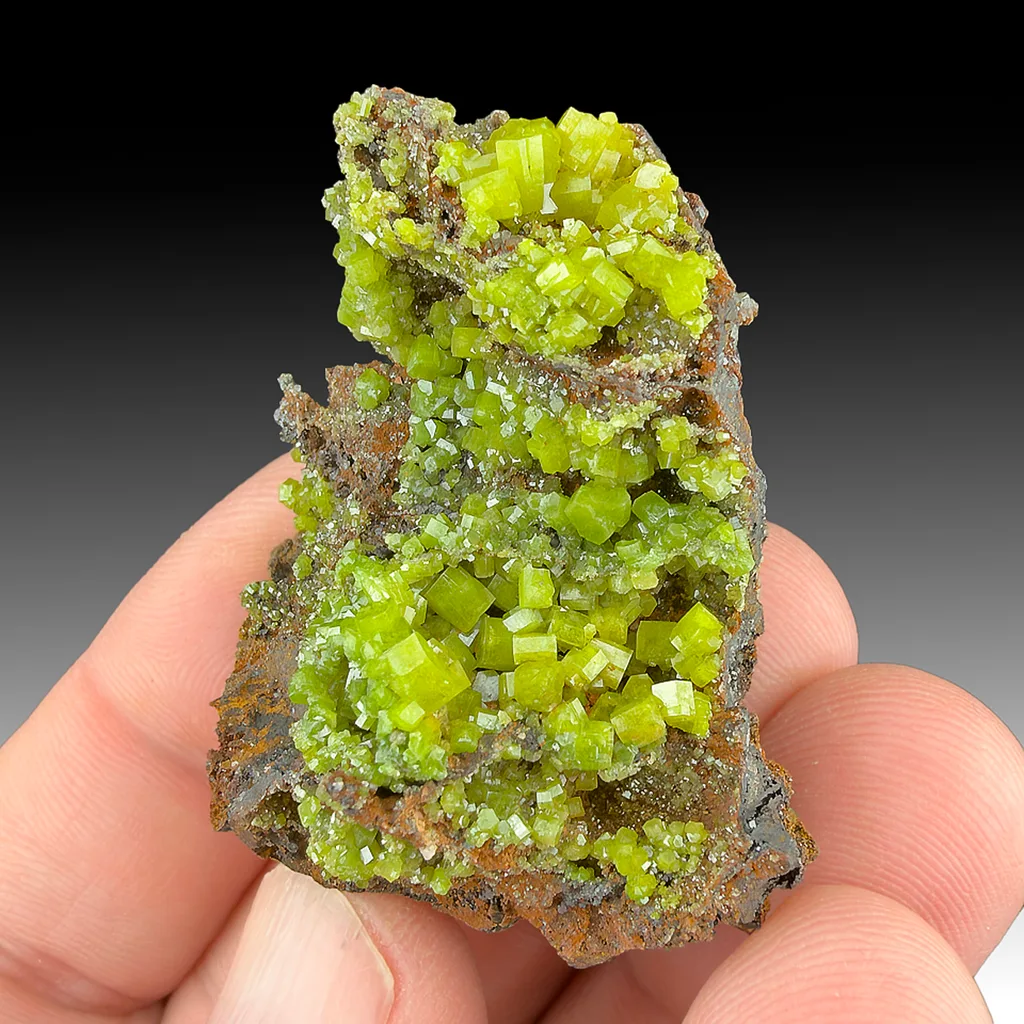
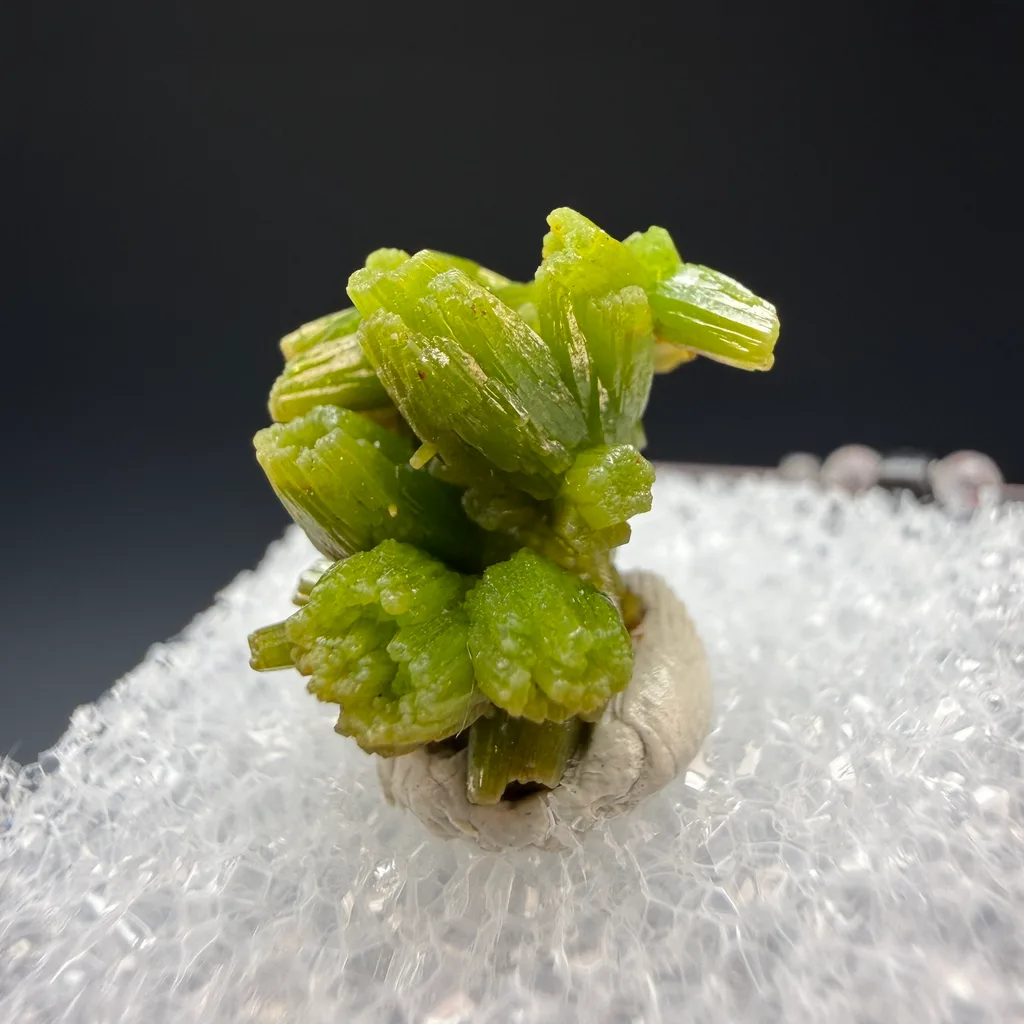
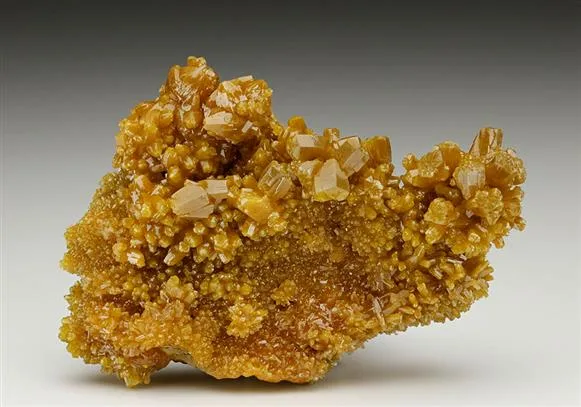
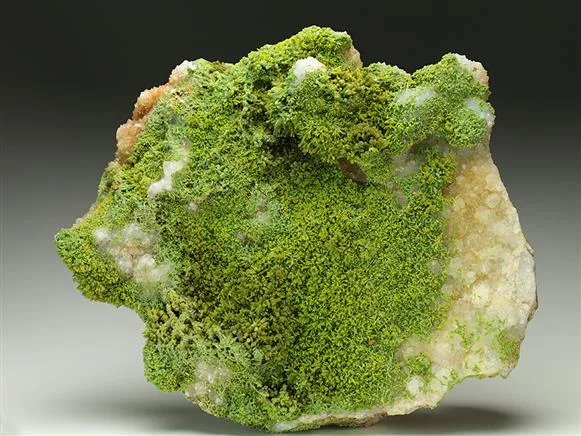
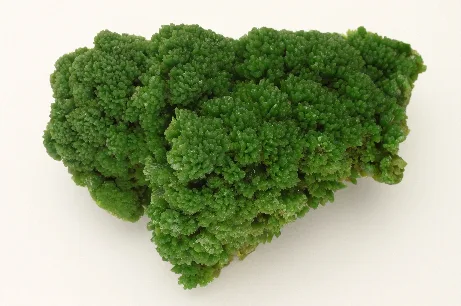
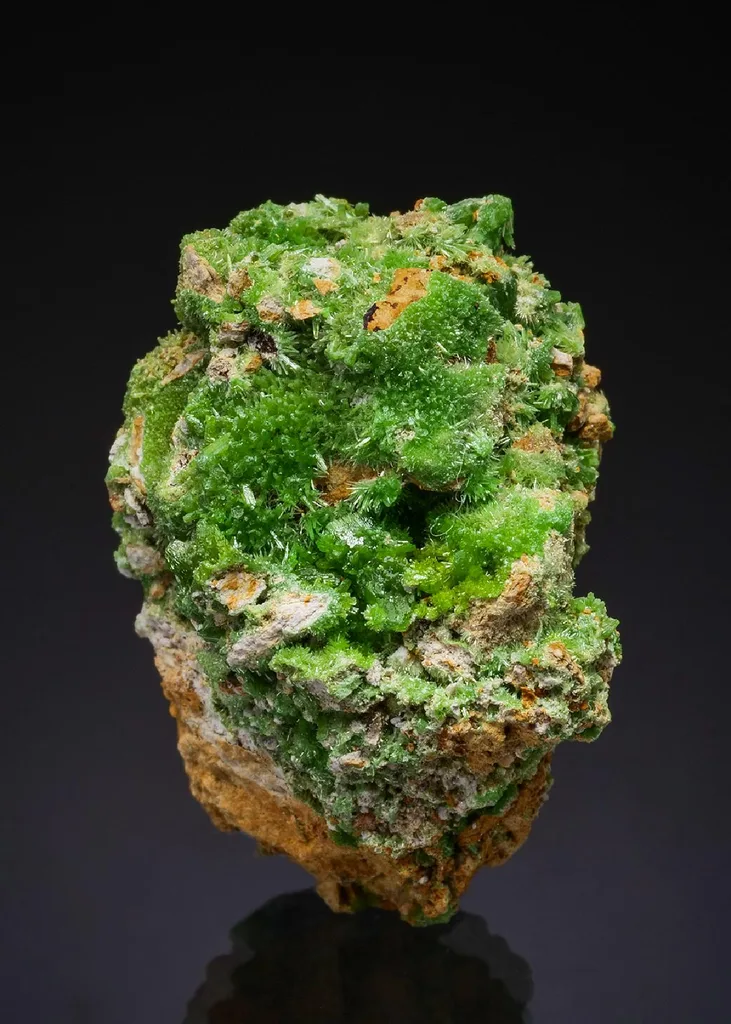
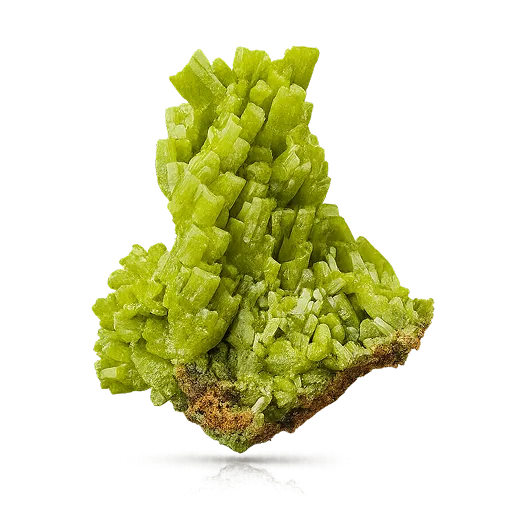
Pyromorphite is a lead phosphate mineral that forms as bright, prismatic crystals with a glassy to resinous lustre. Crystals are typically hexagonal in habit and can occur in chunky aggregates or slender needles, often displaying intense green hues that range from olive to emerald and occasionally yellow-green. It commonly crystallizes in oxidized lead deposits, frequently filling vugs or forming tufts and botryoidal clusters in the presence of phosphate-rich fluids. Notable specimens have come from classic locales in China, Germany and France, with others from the USA and UK enriching museum displays and private collections alike.
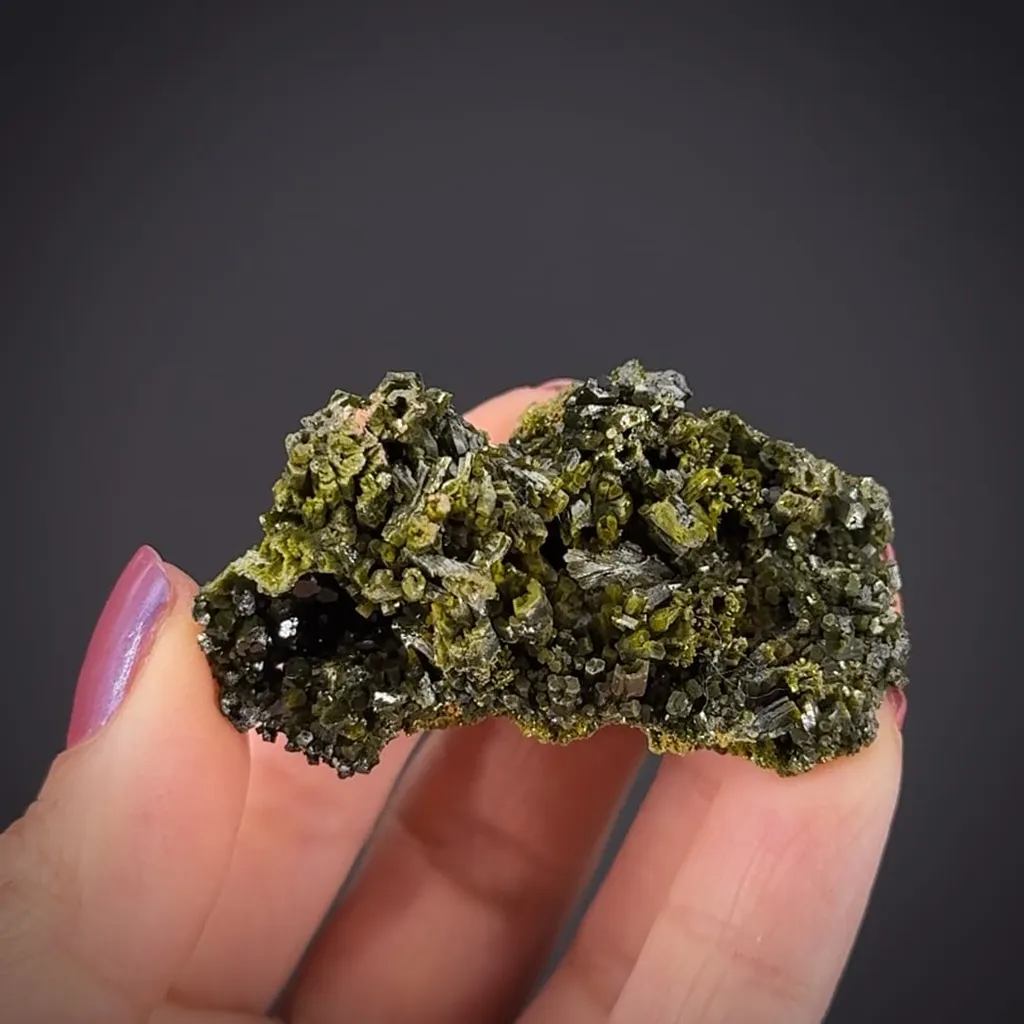
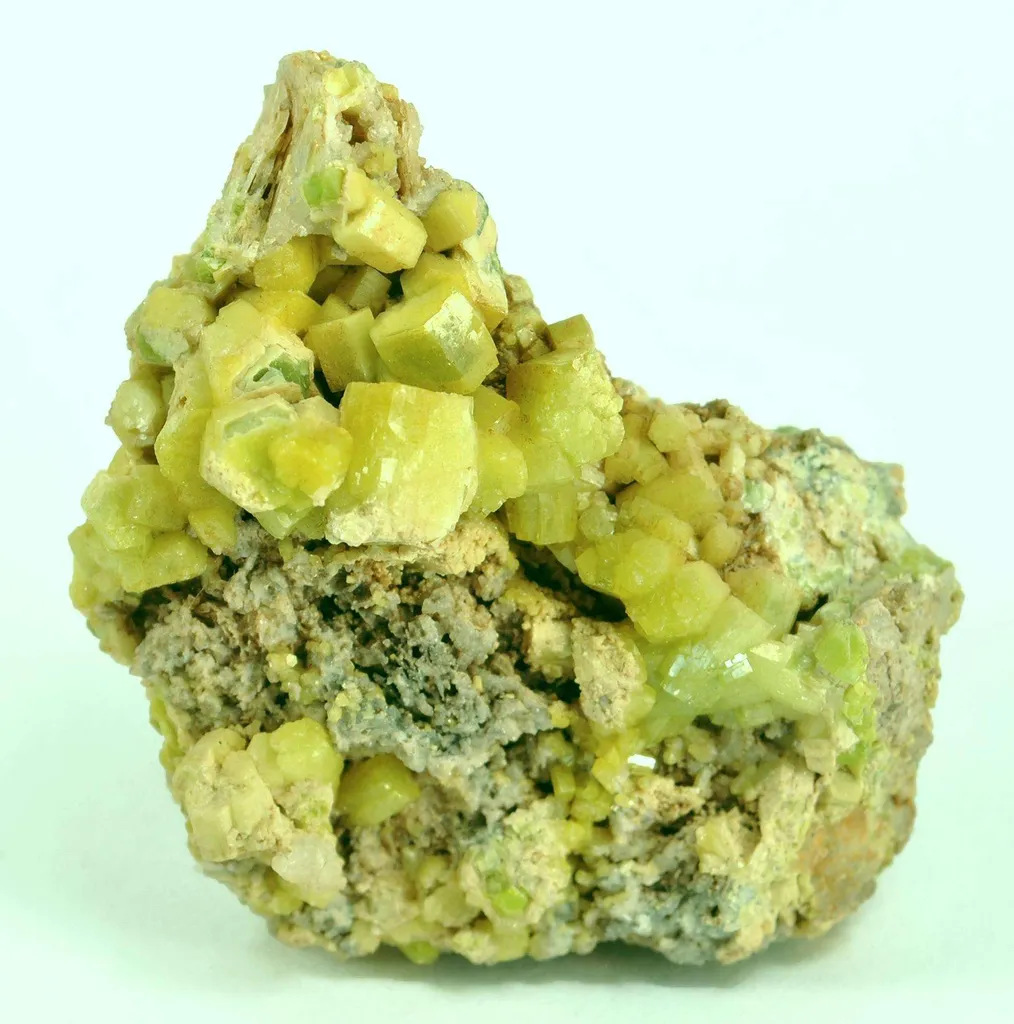
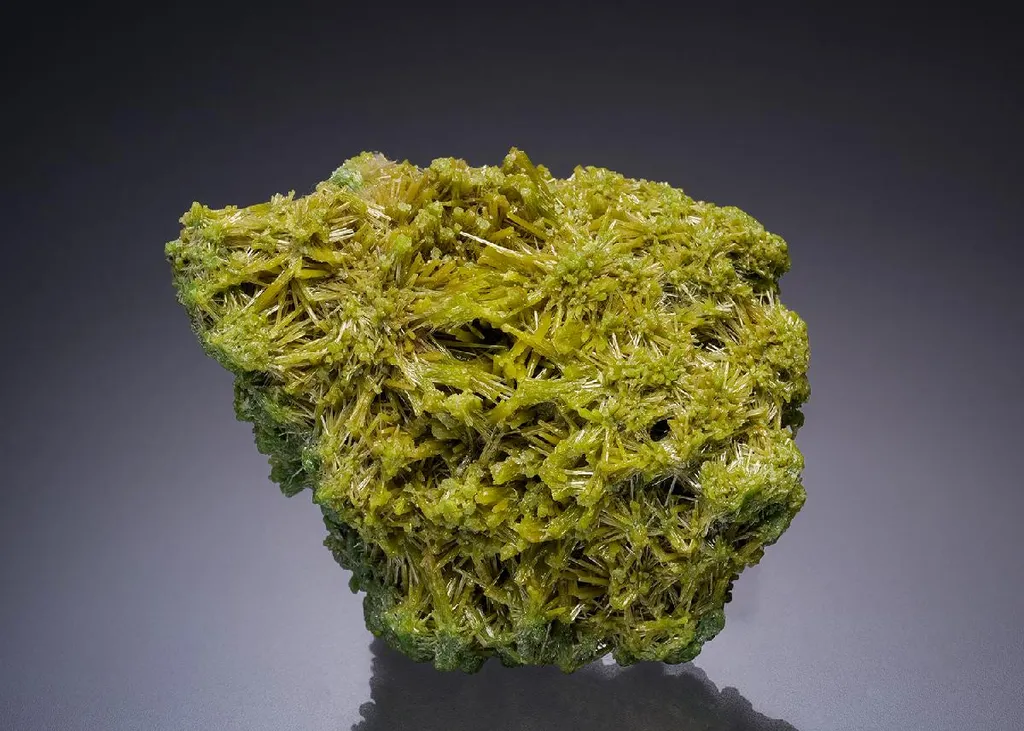
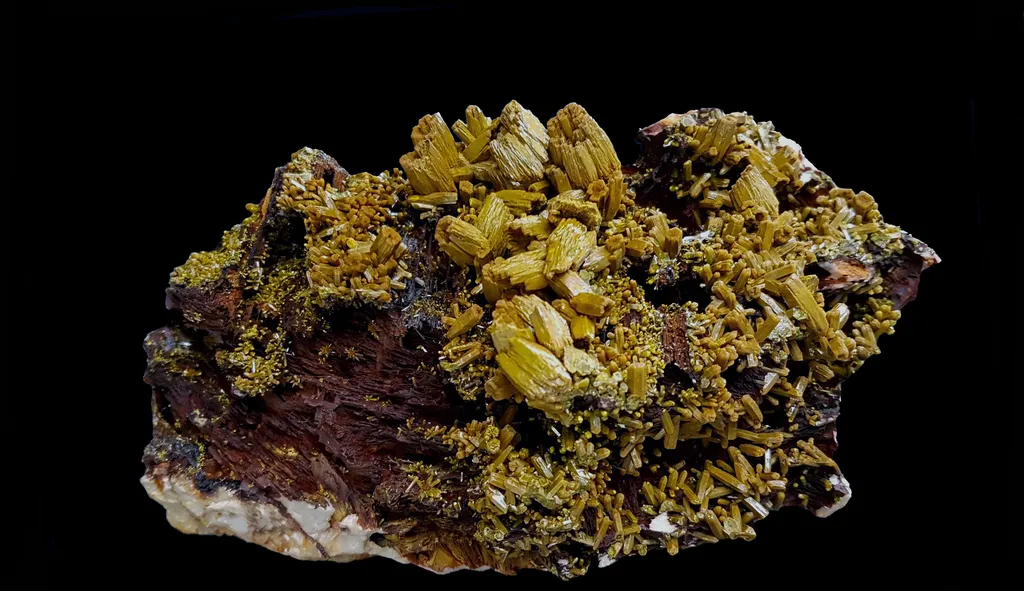
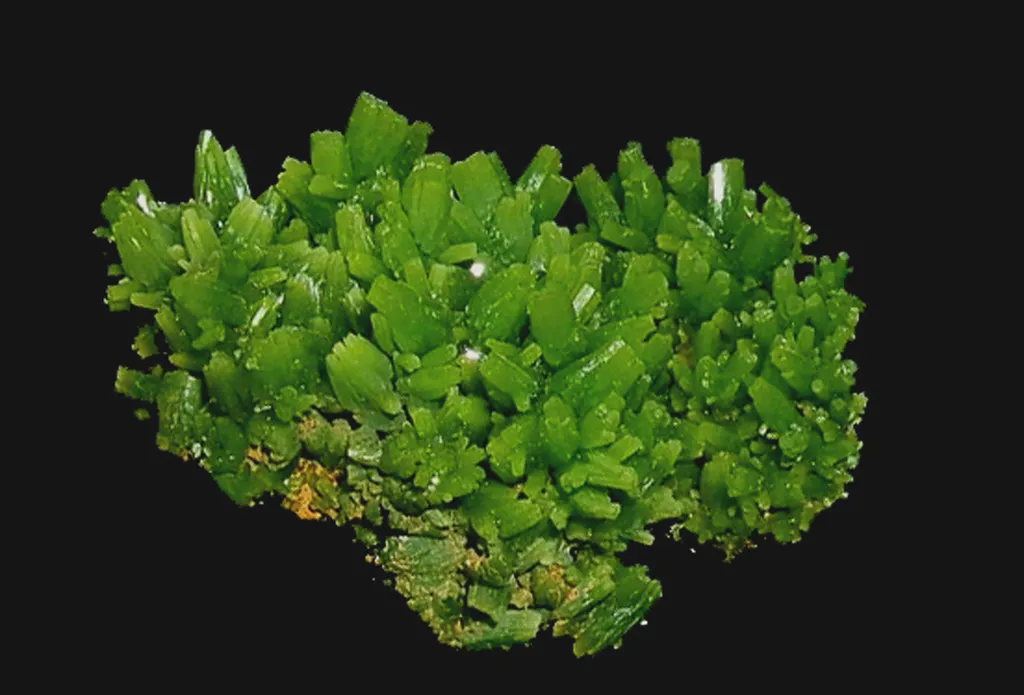
Collectors prize Pyromorphite for its striking color and sharp crystal terminations, as well as the variety of habits—from compact, ruby-like prisms to andromorphic groups—each offering a different aesthetic. Fine examples exhibit pristine transparency at edges and striking luster, making them highly photogenic when displayed under proper lighting. The mineral’s association with well-documented localities and its vivid, durable color contribute to its enduring appeal in mineral cabinets and study collections.