Guide

2,731 for sale · $10–$65,000 USD
8,442 in the gallery
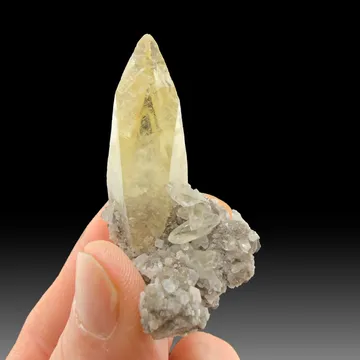
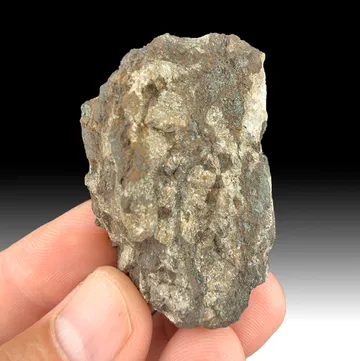
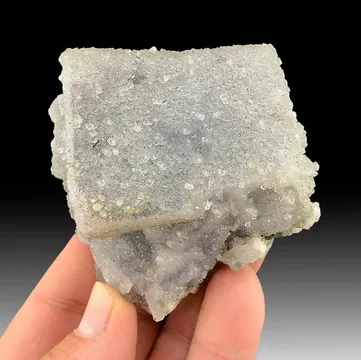
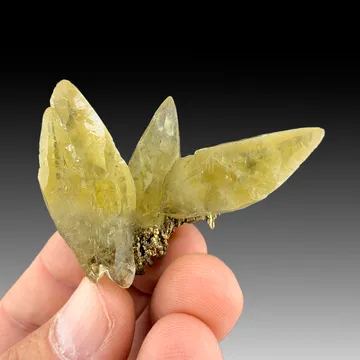
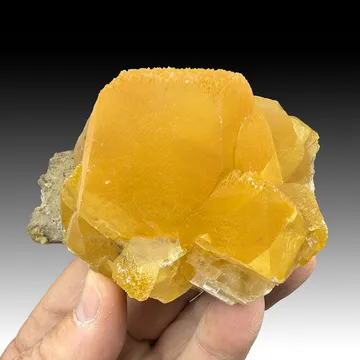
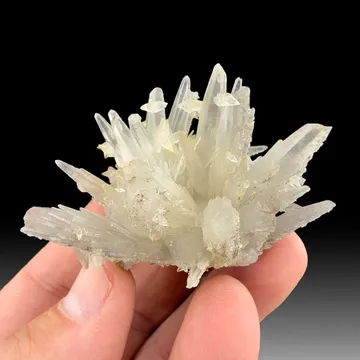
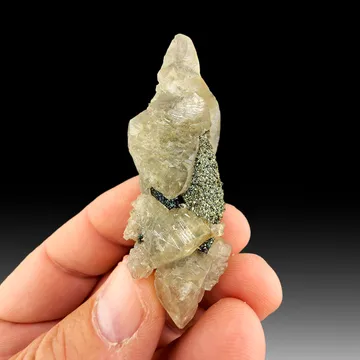
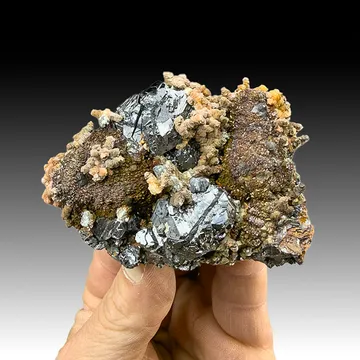
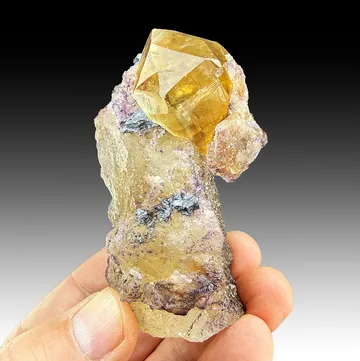
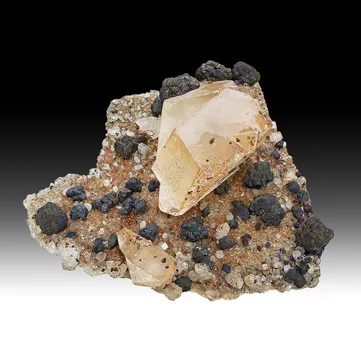
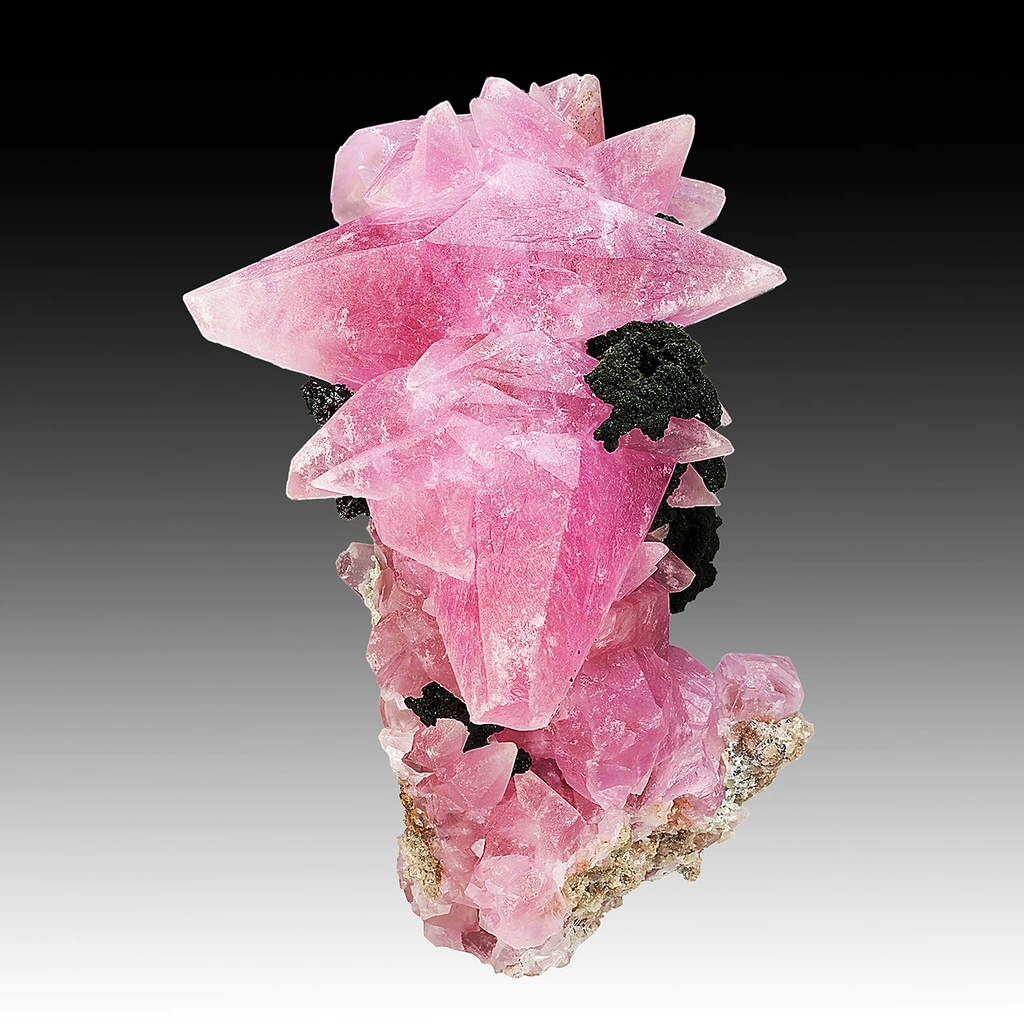
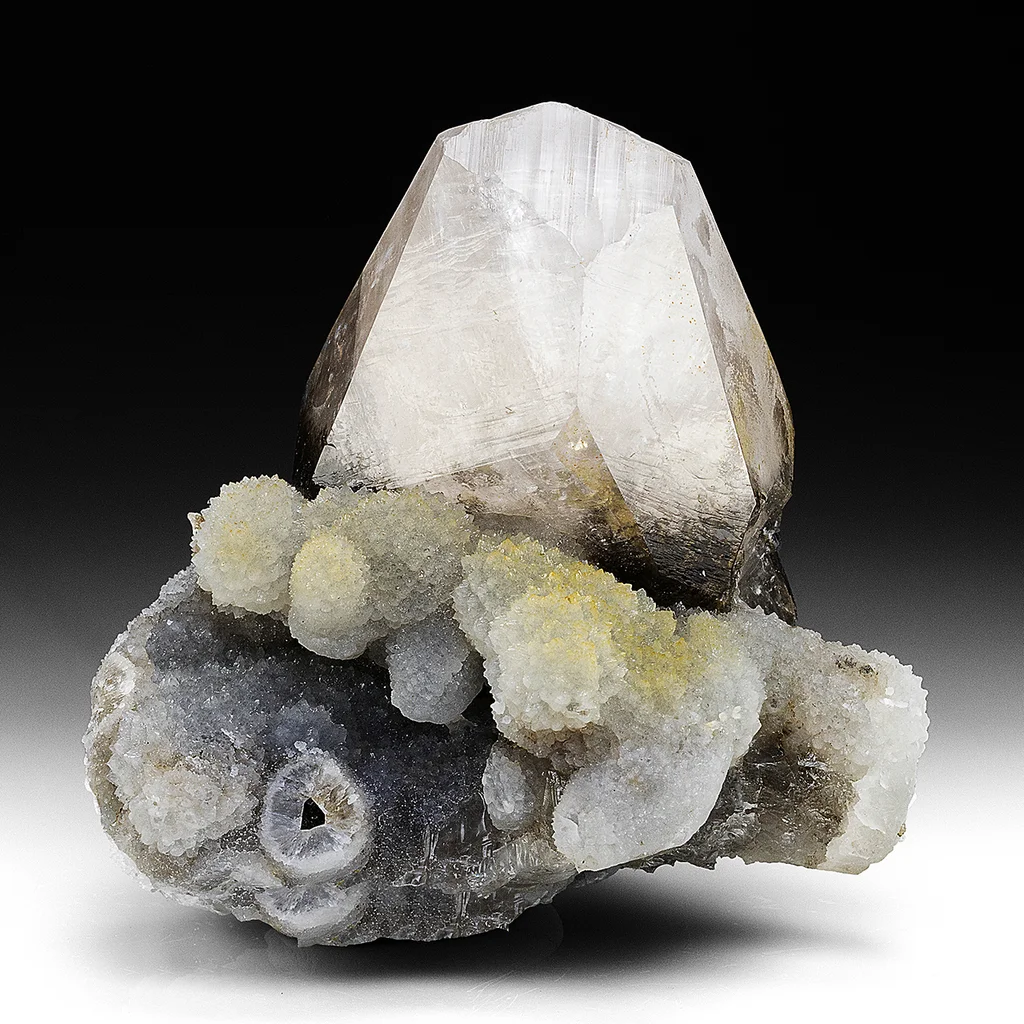
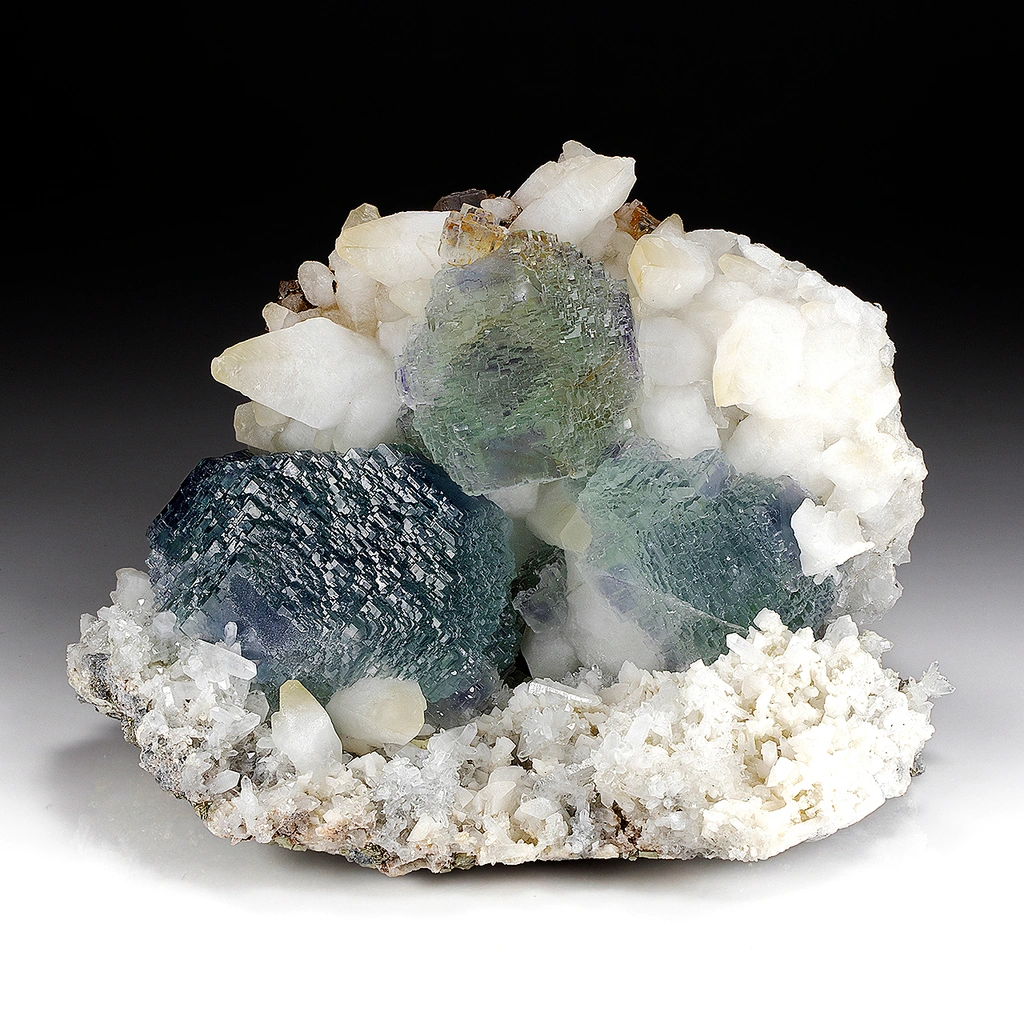
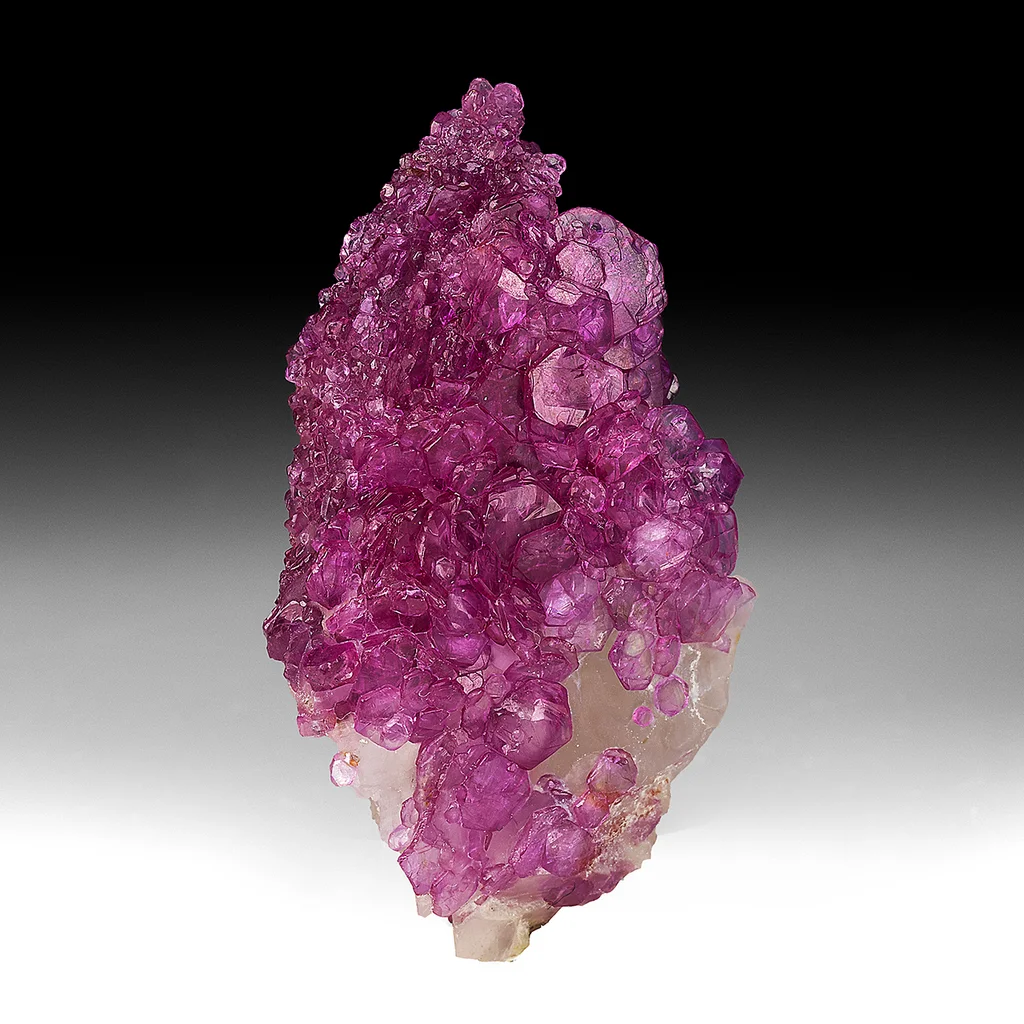
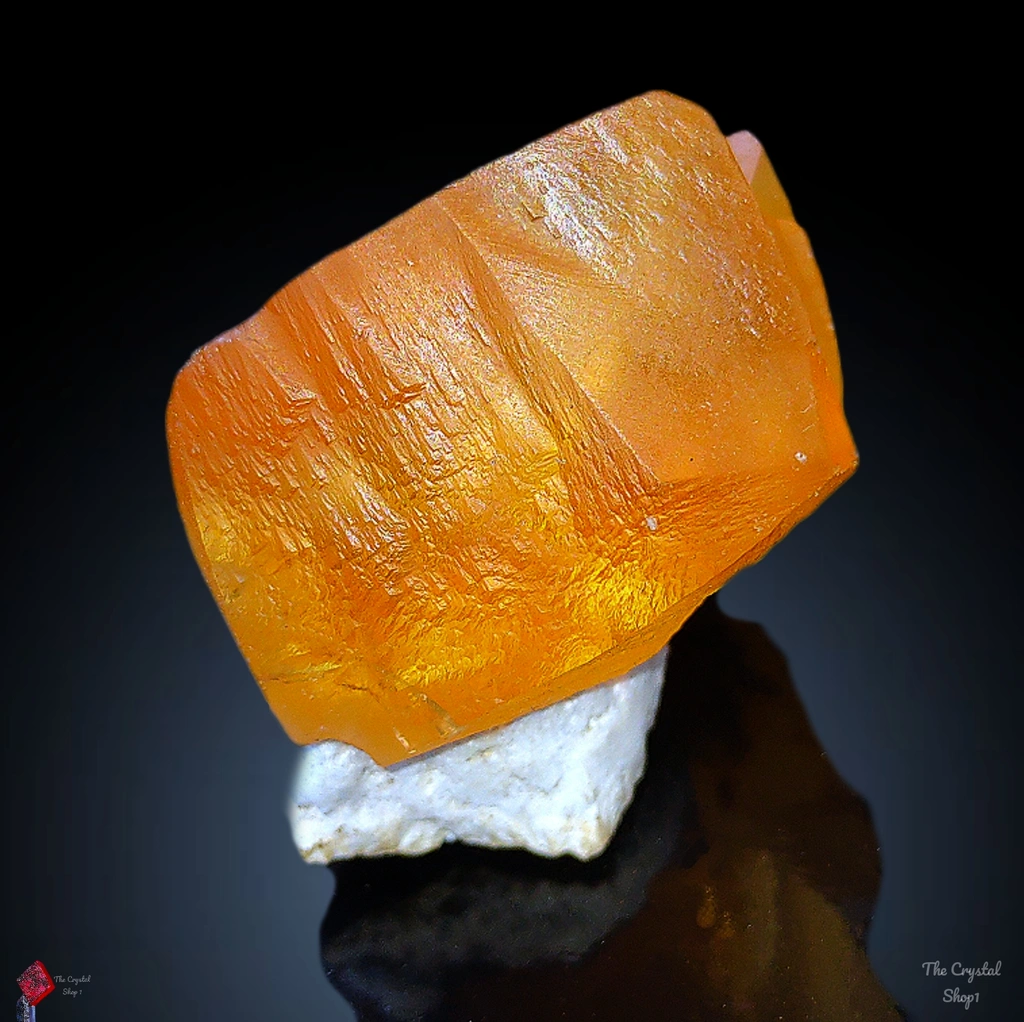
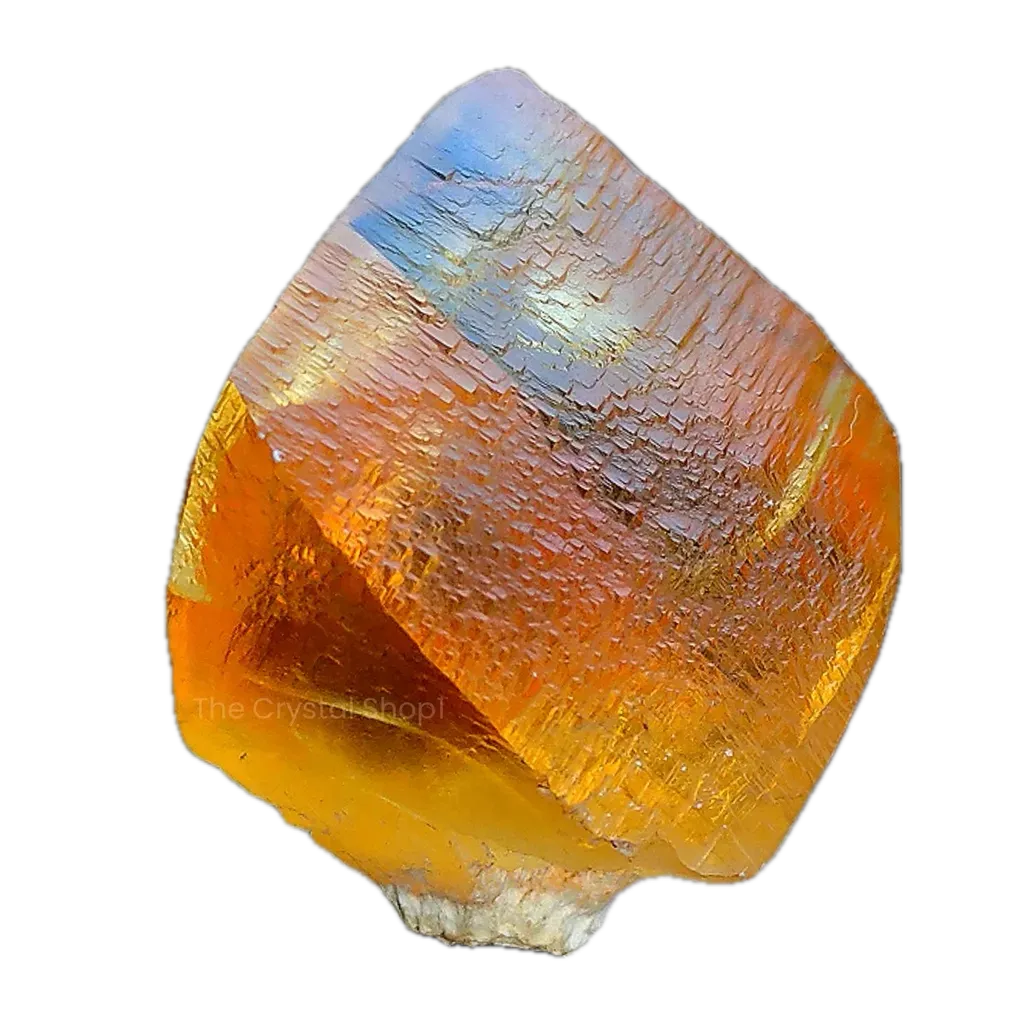
Calcite is a common carbonate mineral (CaCO3) that forms in a range of habits, from clear elongated prisms to tabular, rhombohedral crystals. It often displays vitreous to pearly luster and can show a spectrum of colors due to impurities, with the famous cleavages giving convenient three-direction fracture planes. Transparent to translucent specimens highlight optical properties such as pleochroism and, in rare cases, calcite exhibits piezoelectric or reflective interactions when cut or facetting is considered, though natural specimens are typically collected for their crystal form and surface luster rather than lab-grade optics.
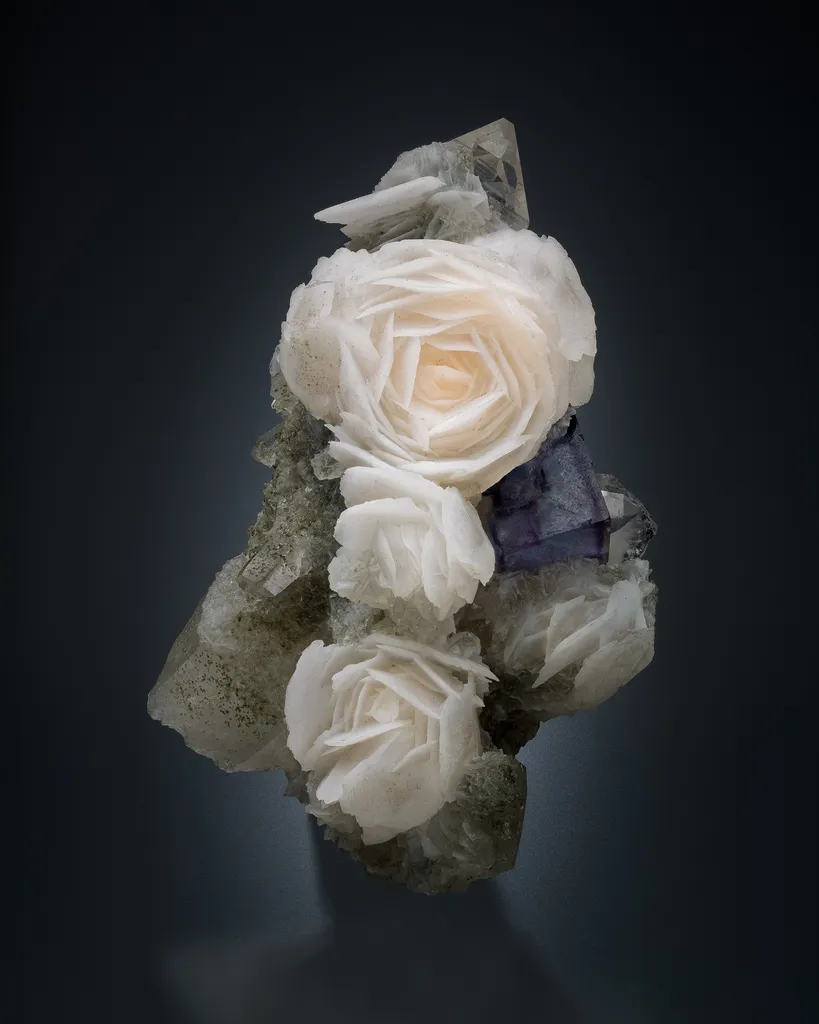
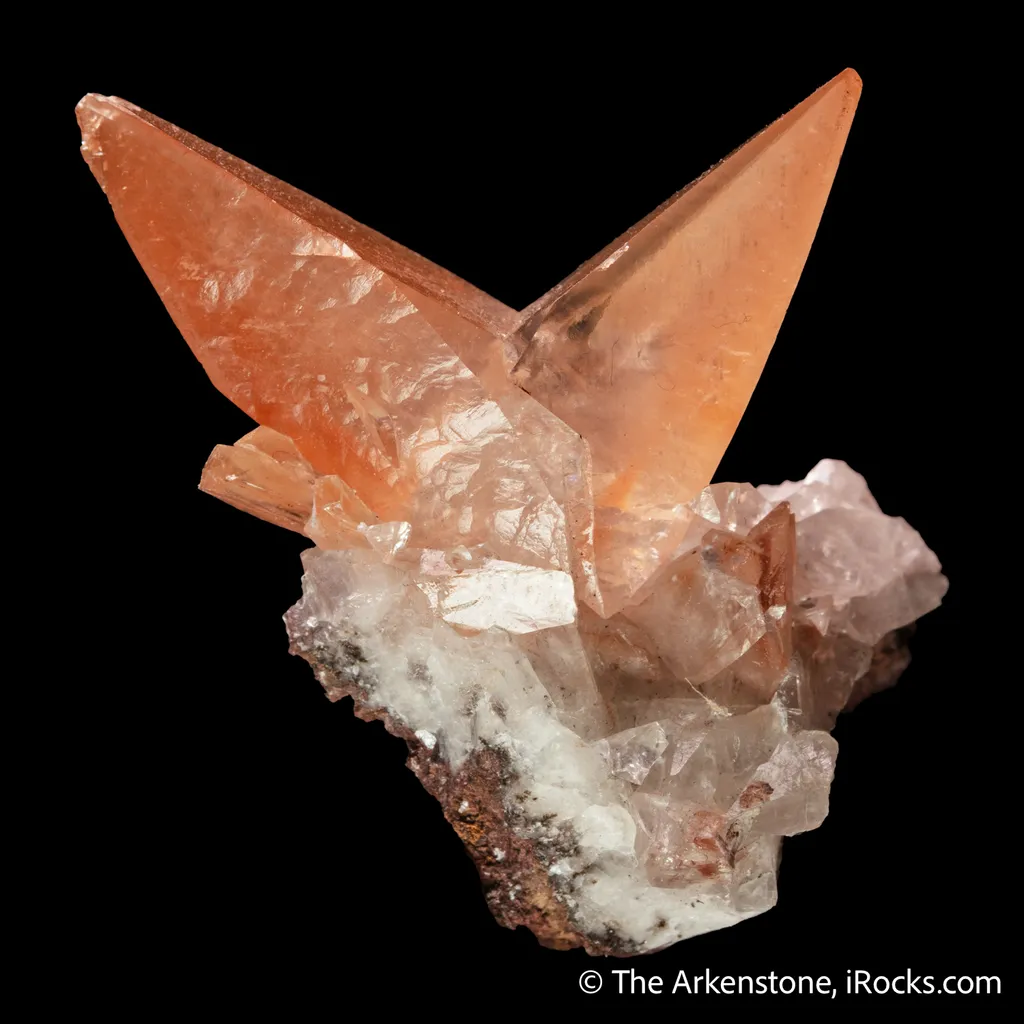
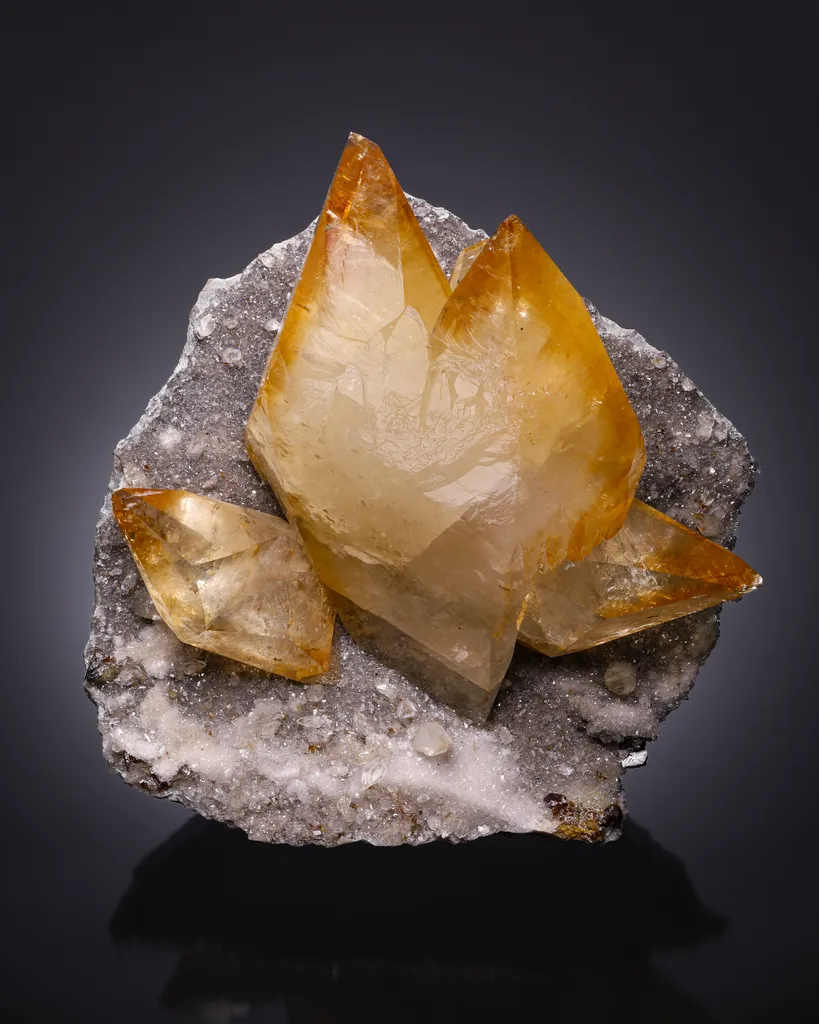
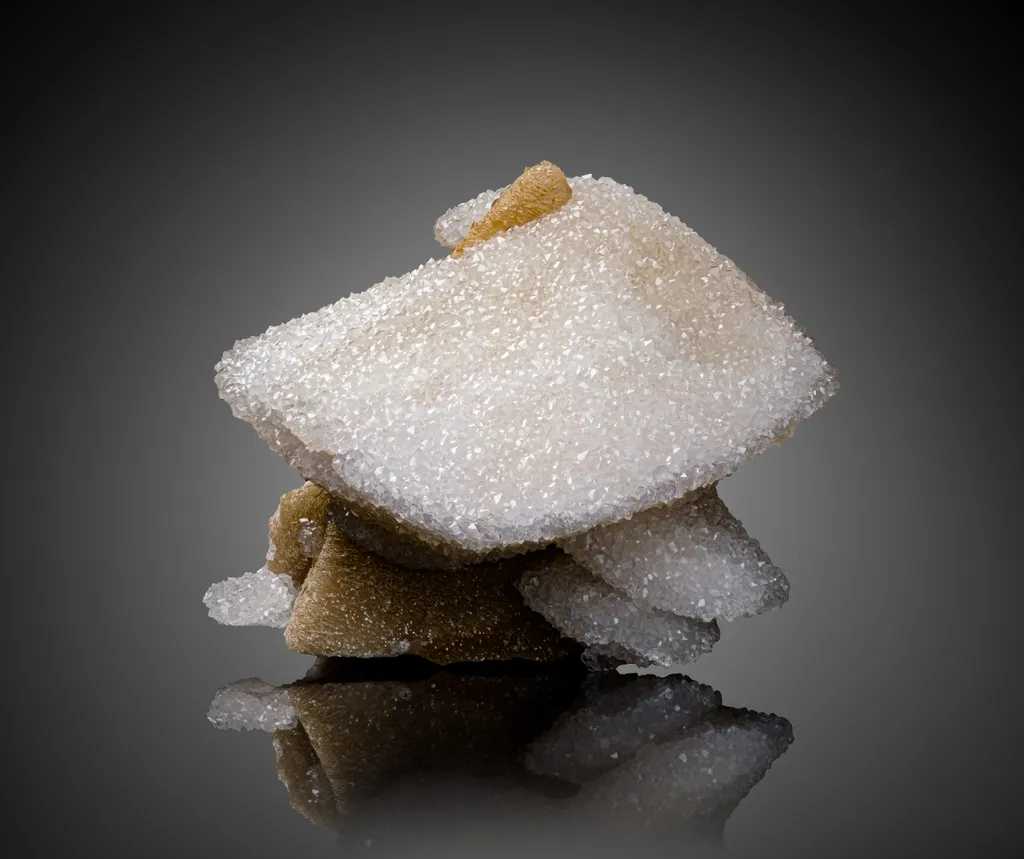
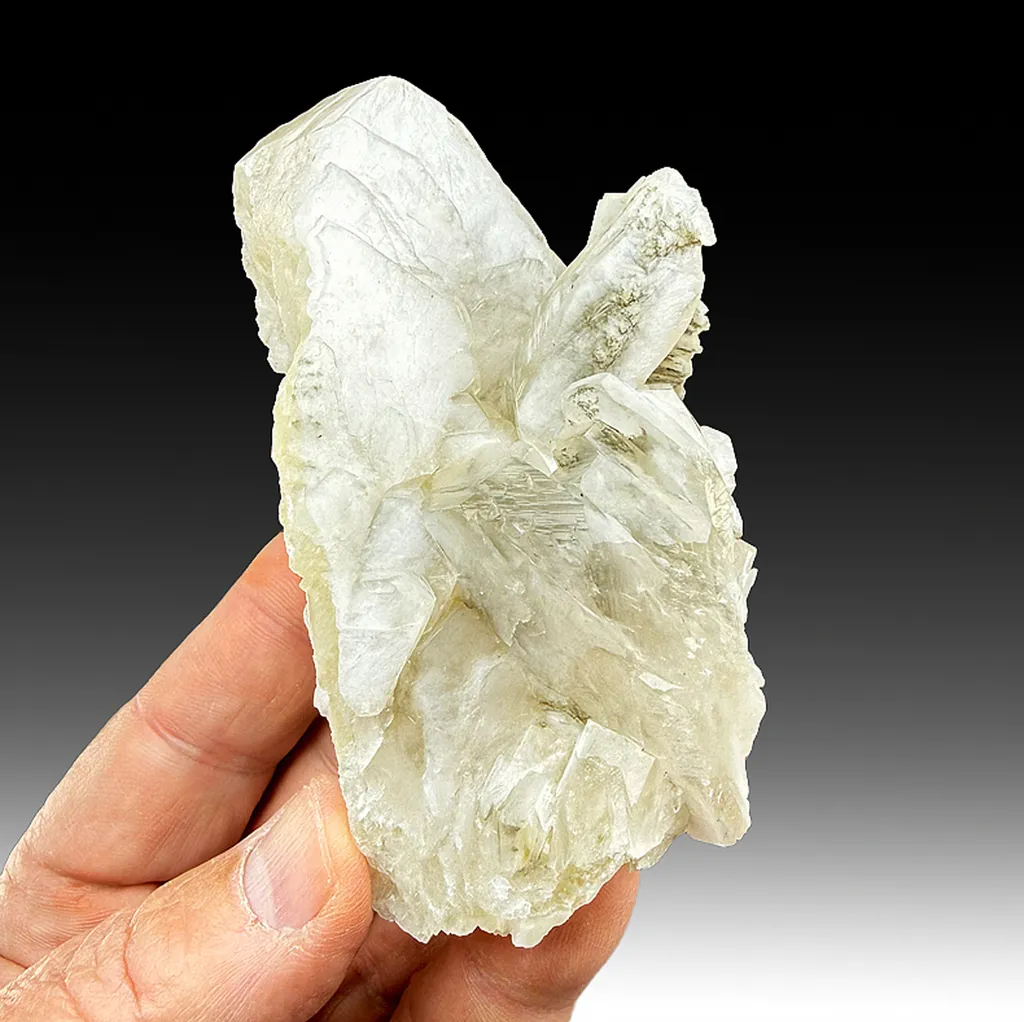
Notable collections come from classic locales including parts of the United States, China, and Mexico, where large, well-formed crystals and pocket specimens are frequently described by collectors. The mineral occurs in sedimentary and hydrothermal environments, often forming stalactite-like aggregates in caves or as scalenohedra and rhombohedra in vuggy hosts. Collectors prize calcite for its variety of habits, the ease with which it forms distinct prisms, and the range of coloration produced by trace elements, making it a versatile and approachable mineral for display and study.