Guide
465 for sale · $85–$22,000 USD
354 in the gallery
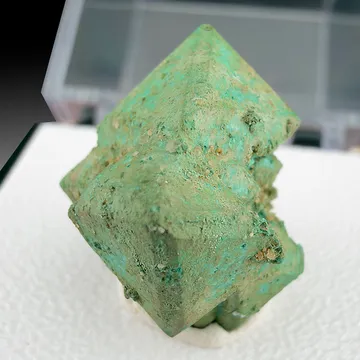
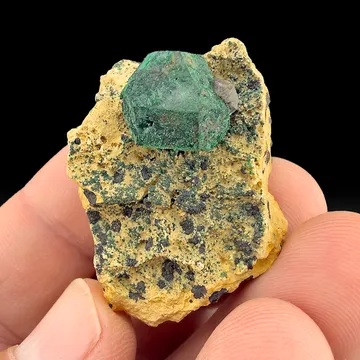
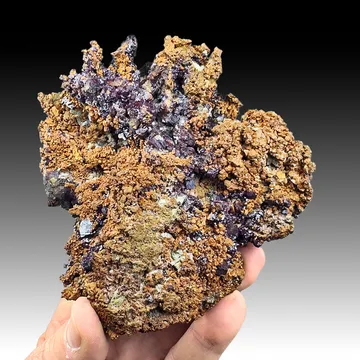
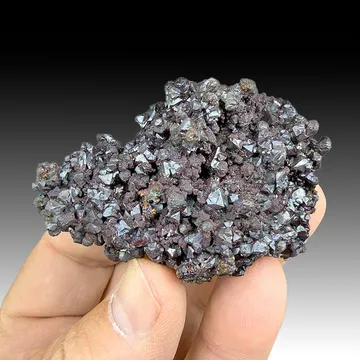
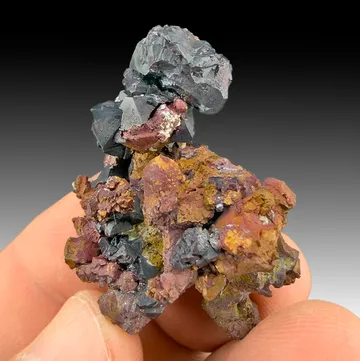
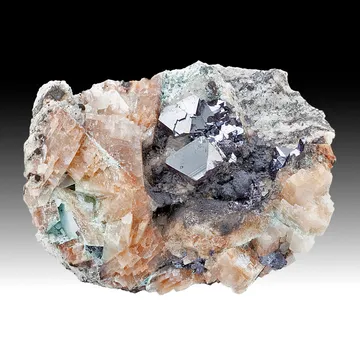
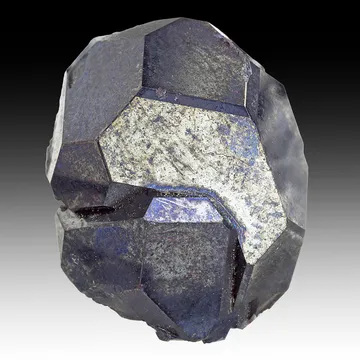
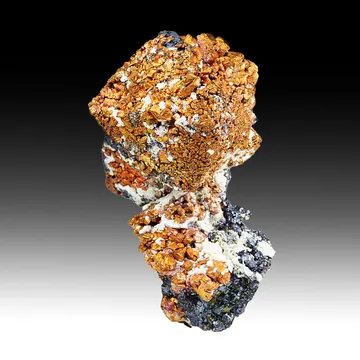
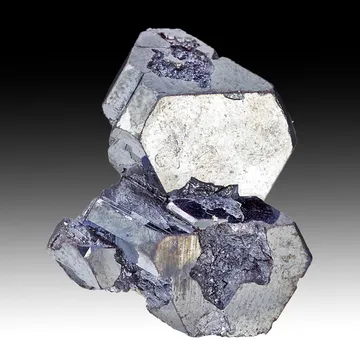
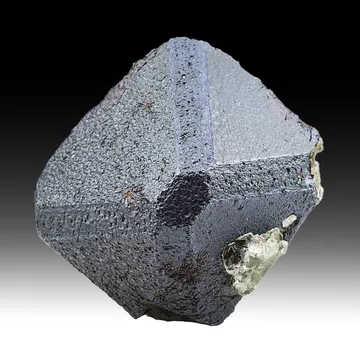
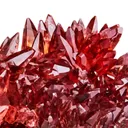
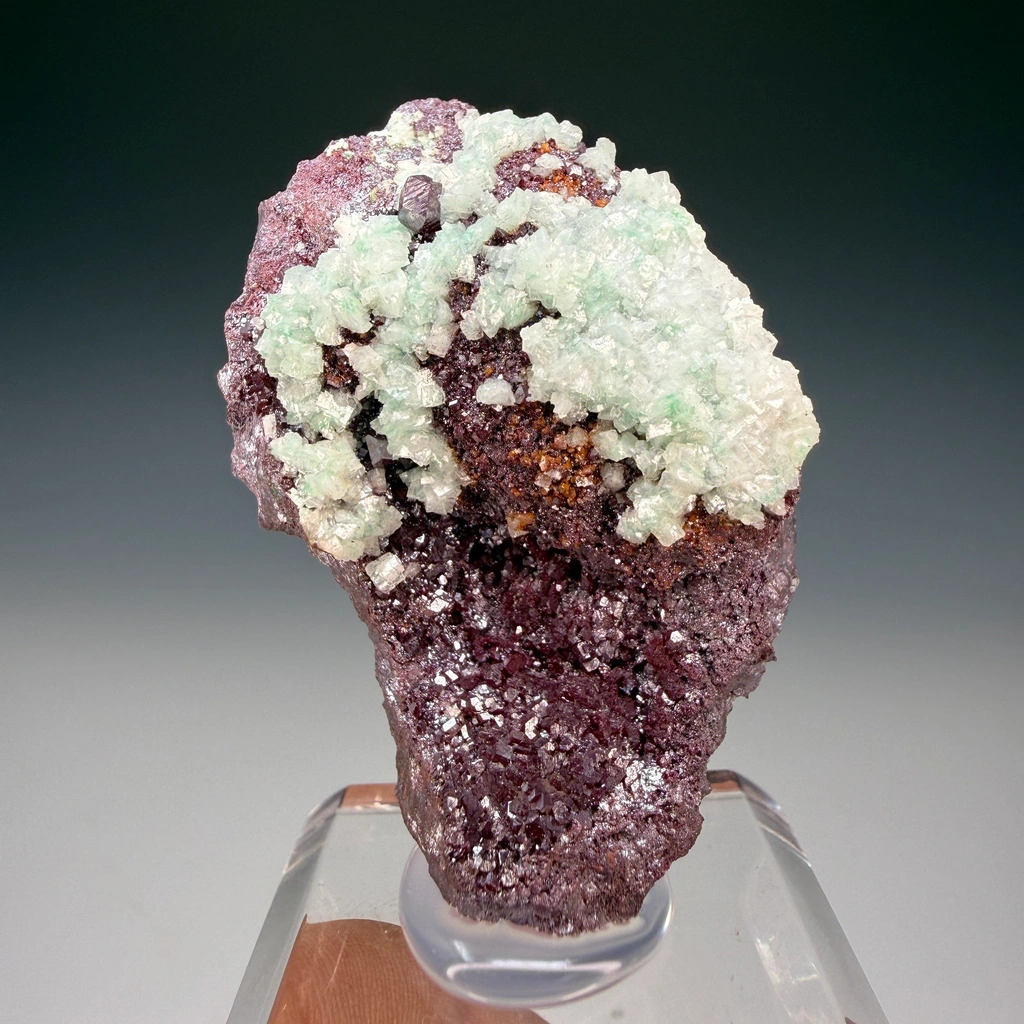
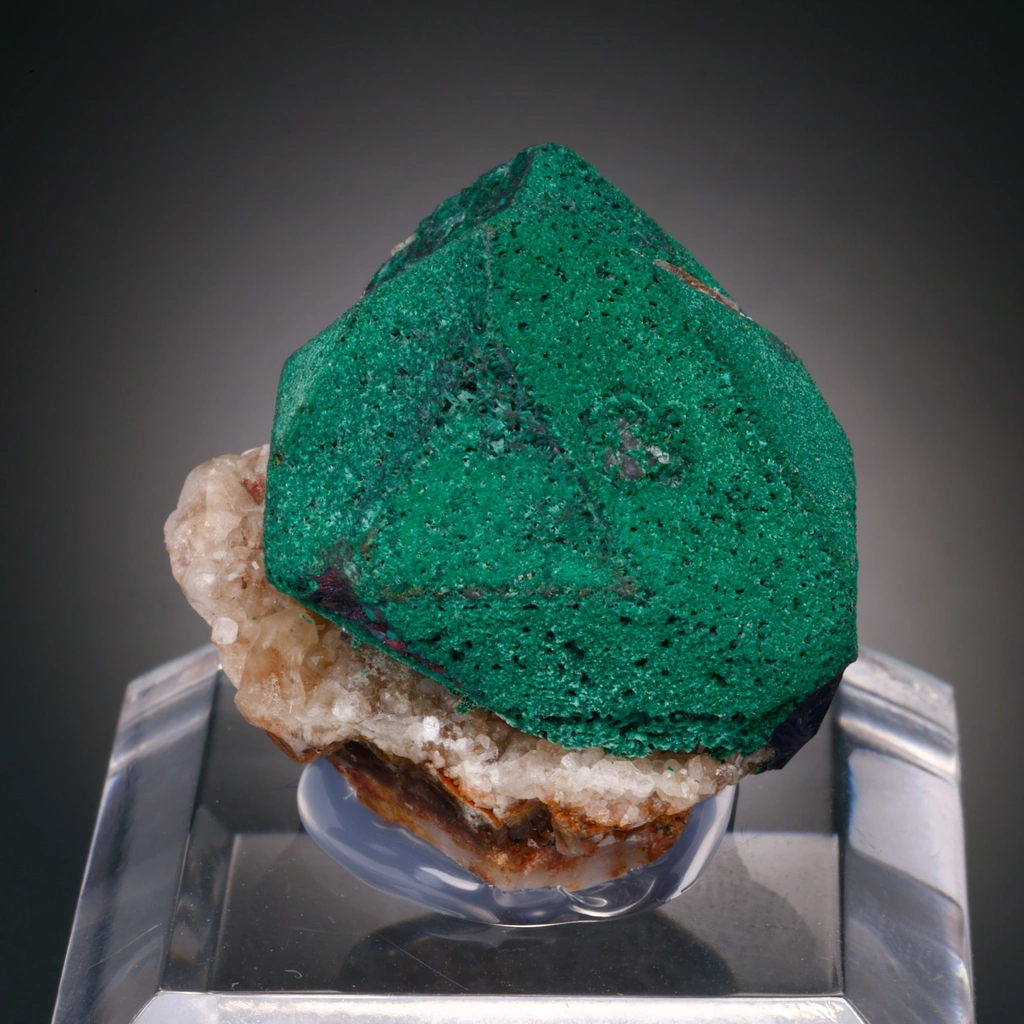
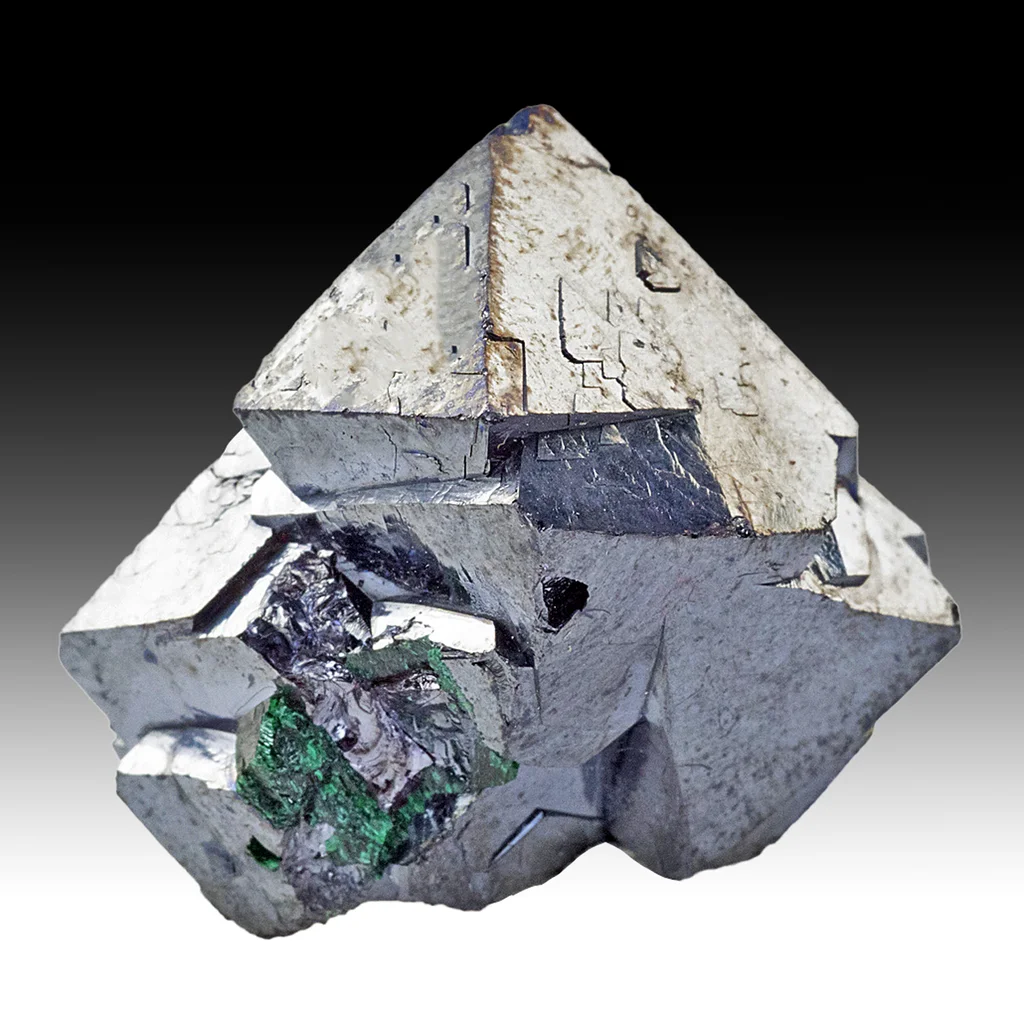
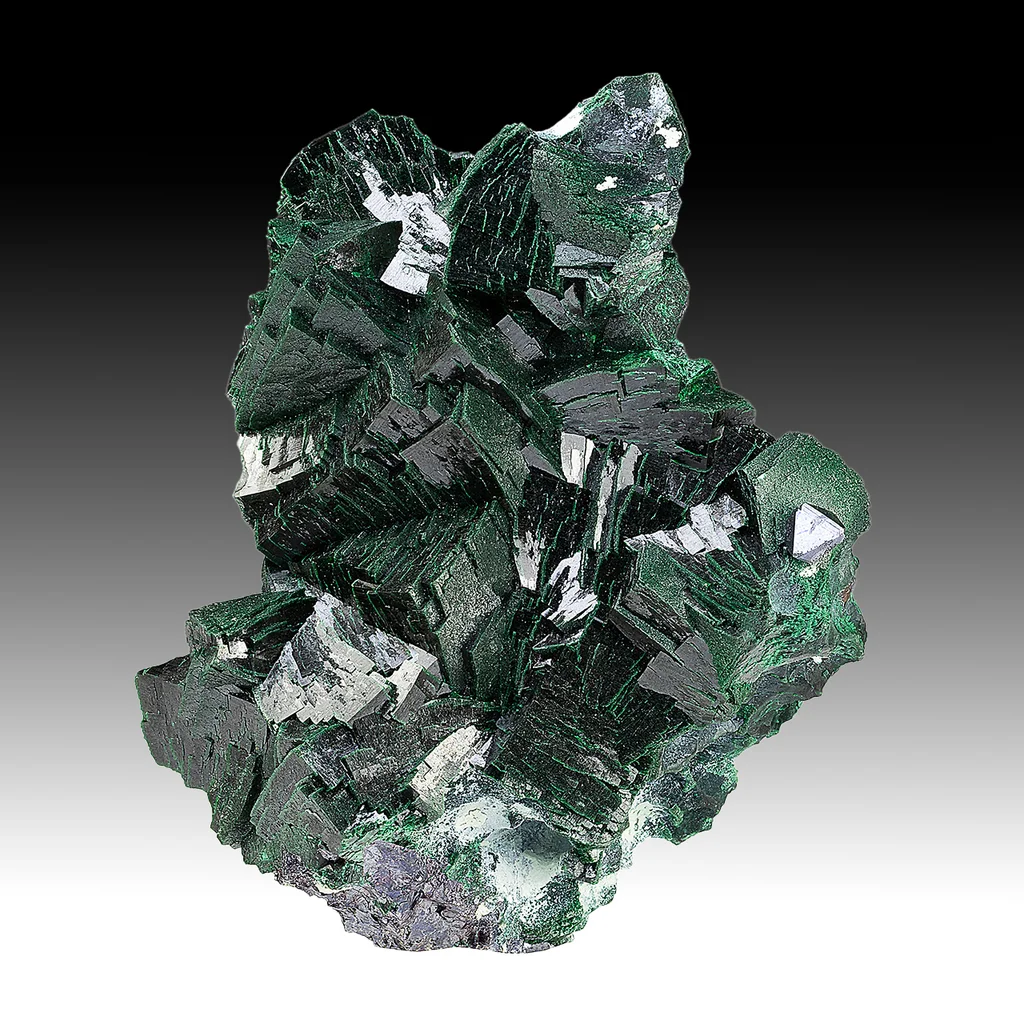
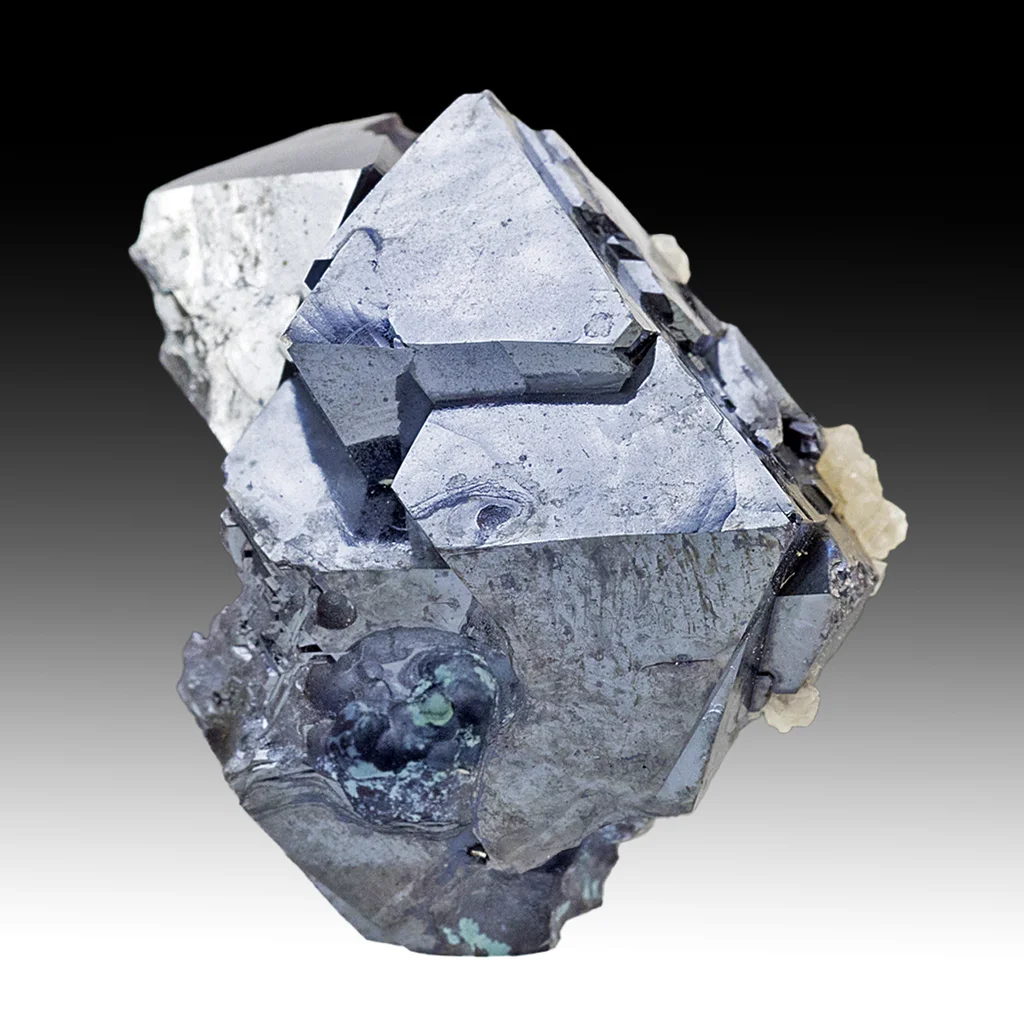
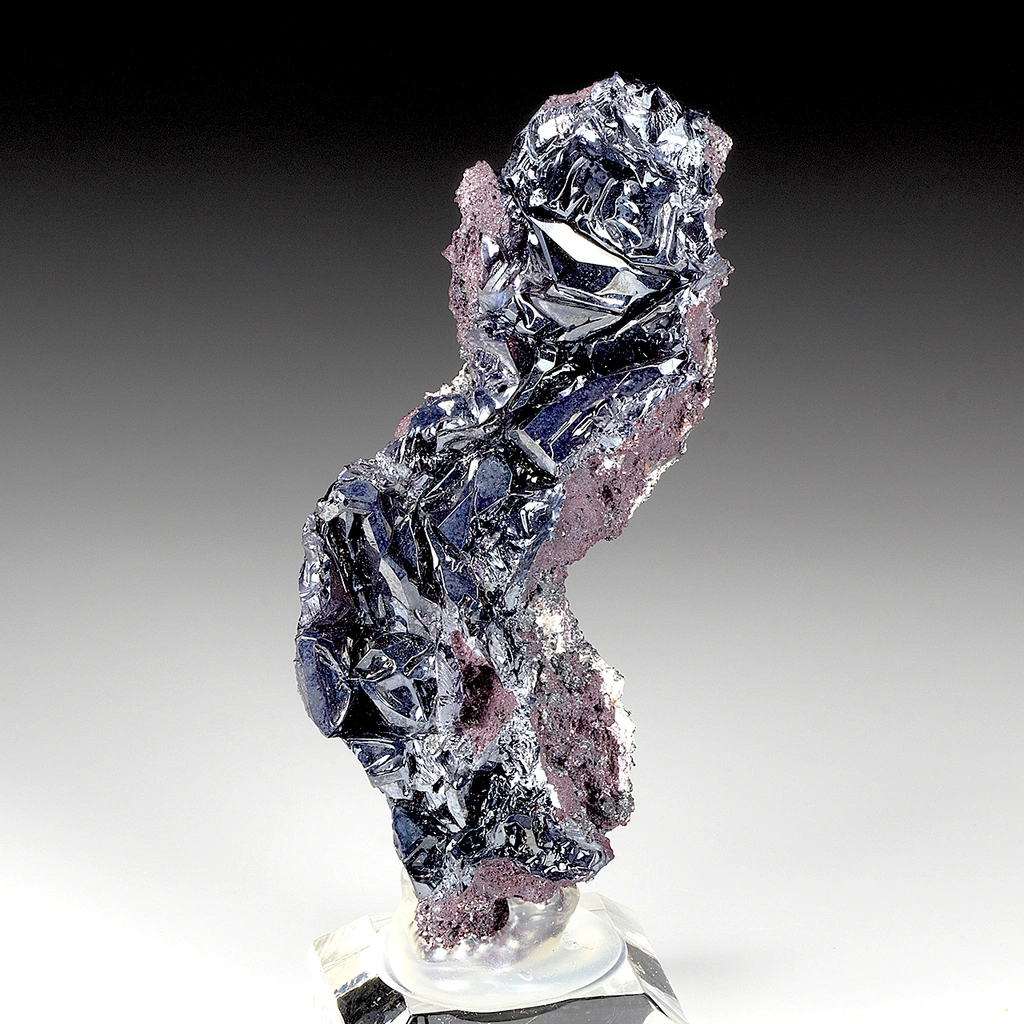
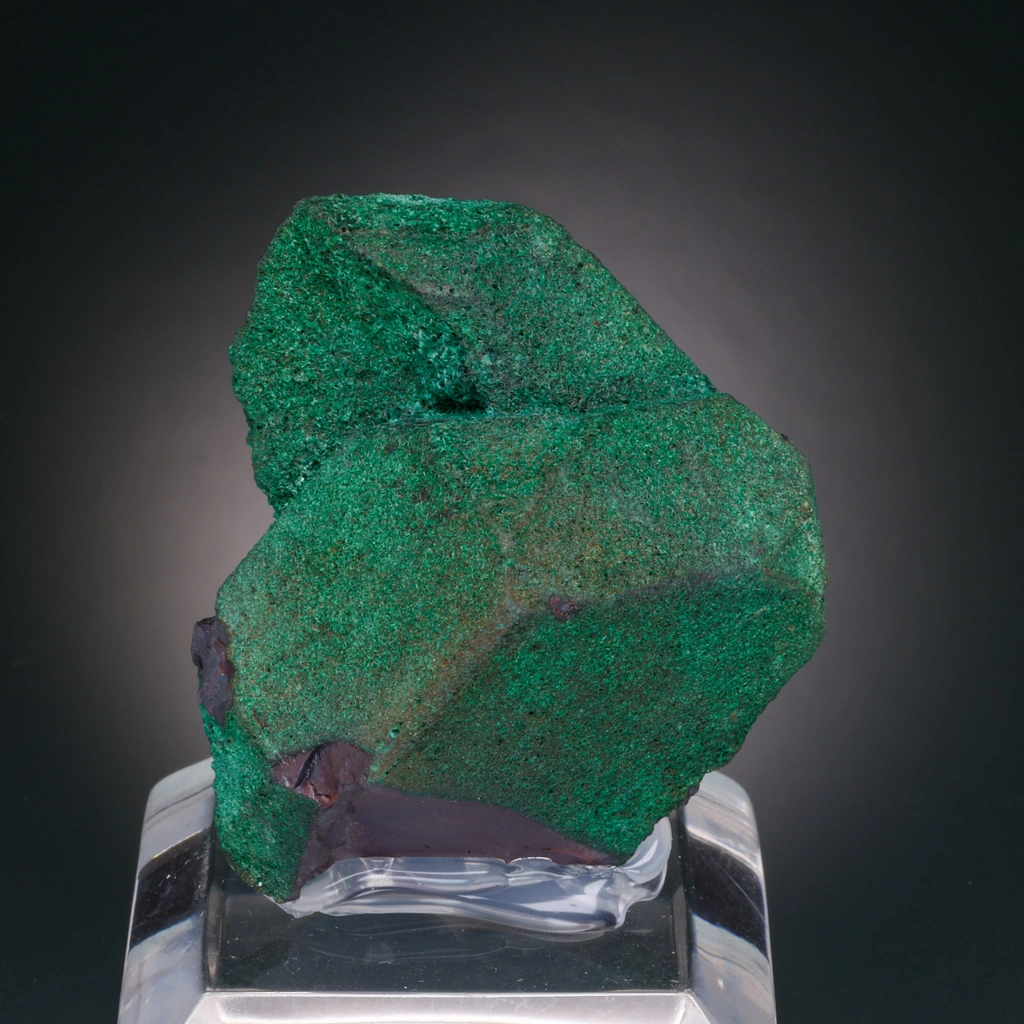
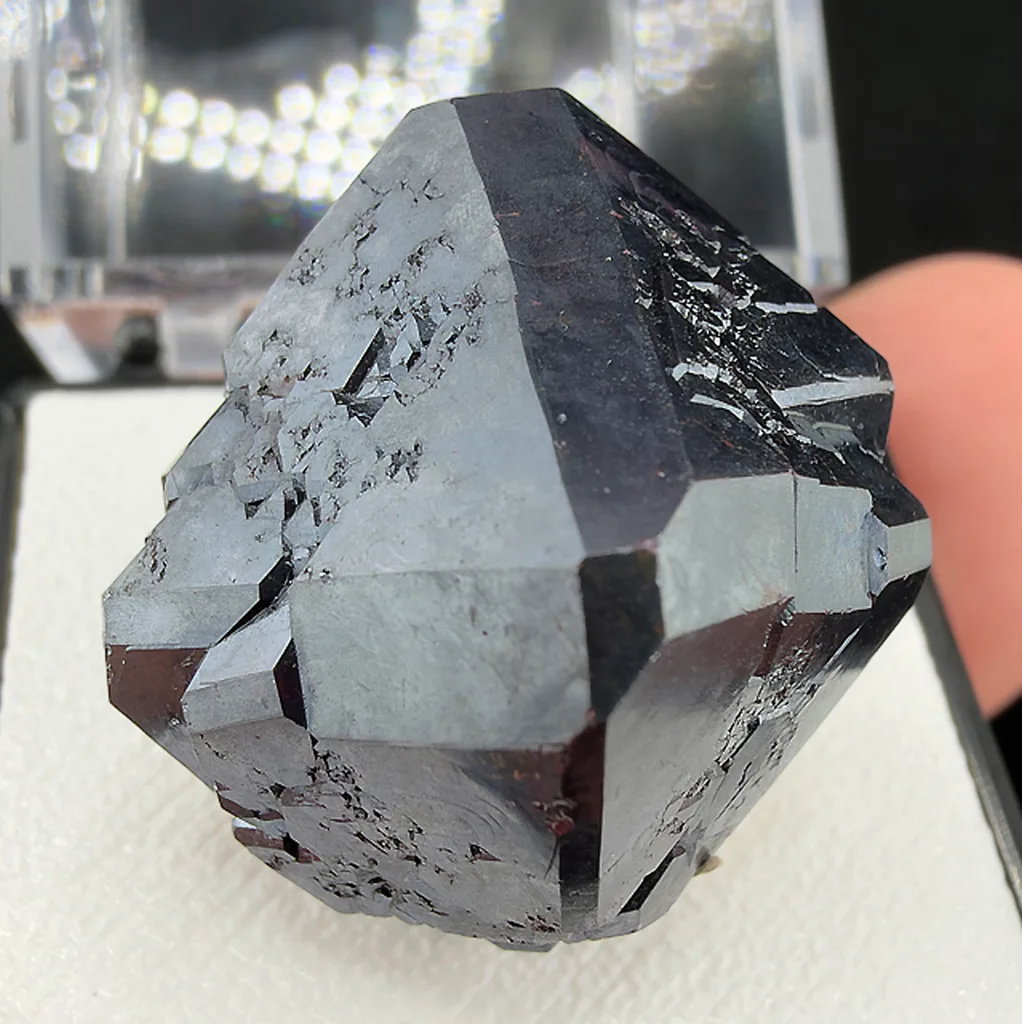
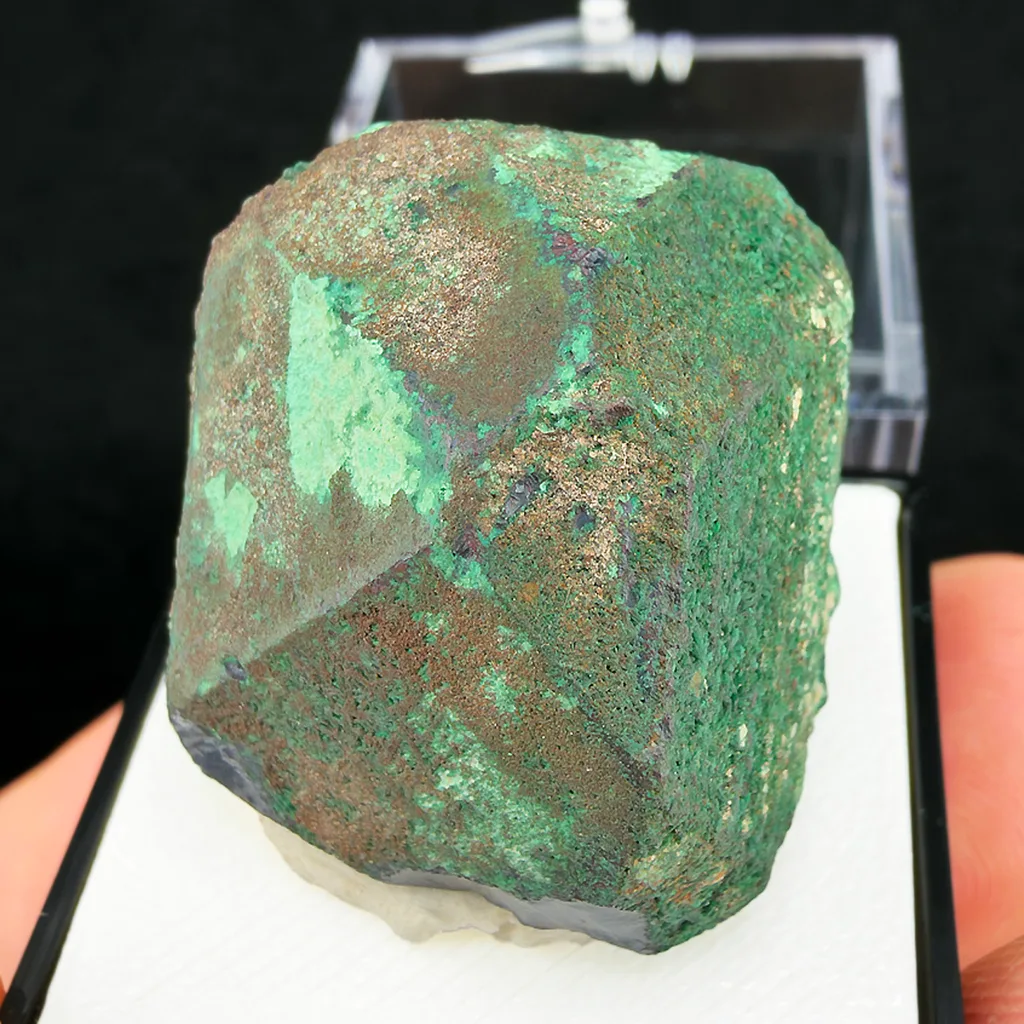
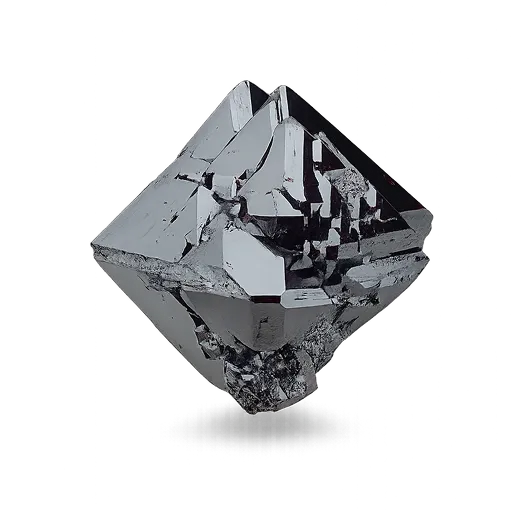
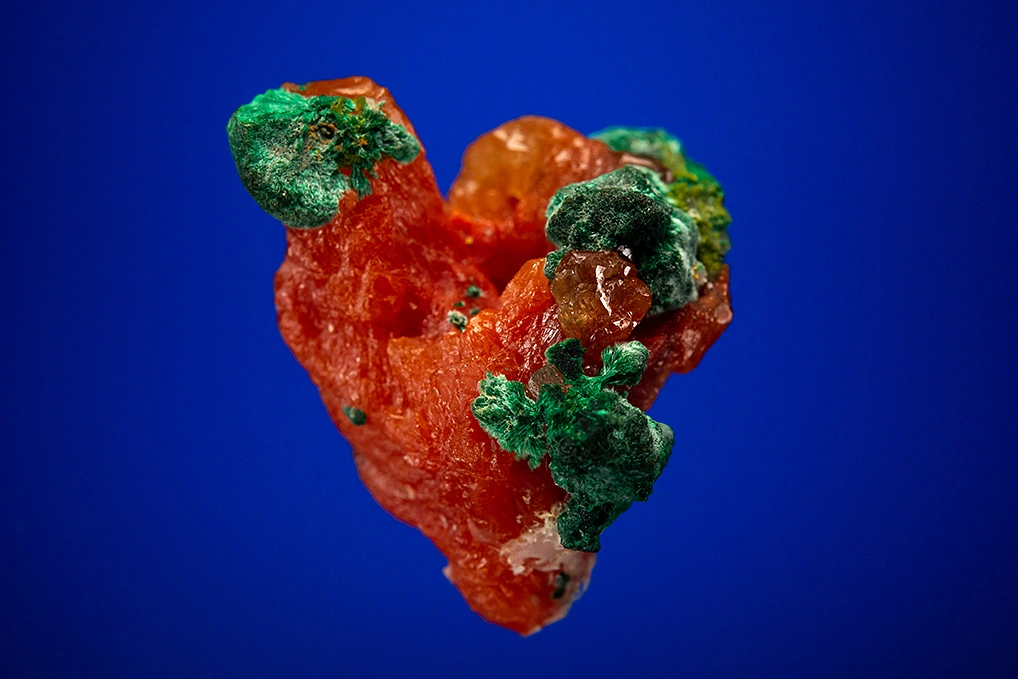
Cuprite is a copper oxide mineral that forms as red to brown-red crystals and masses with a distinctive metallic to resinous lustre. It commonly occurs in oxidized zones of copper deposits, often as granular aggregates or well-formed crystals that exhibit a glassy to adamantine sheen. The mineral’s characteristic color and reflective surfaces make it a striking collector piece, especially when small, well-terminated crystals display sharp edges.
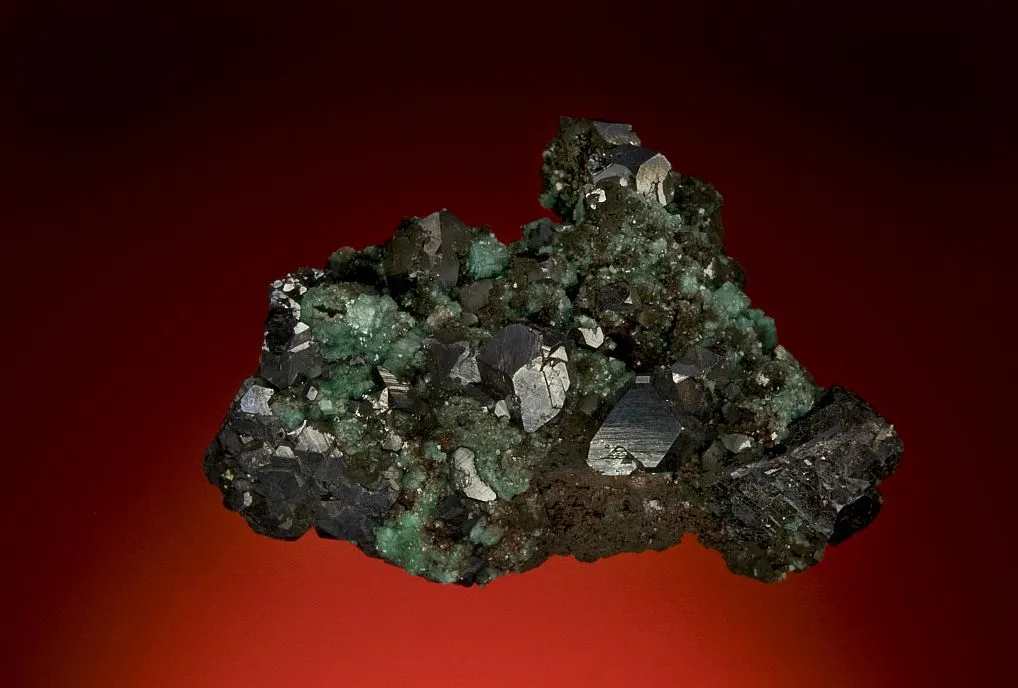
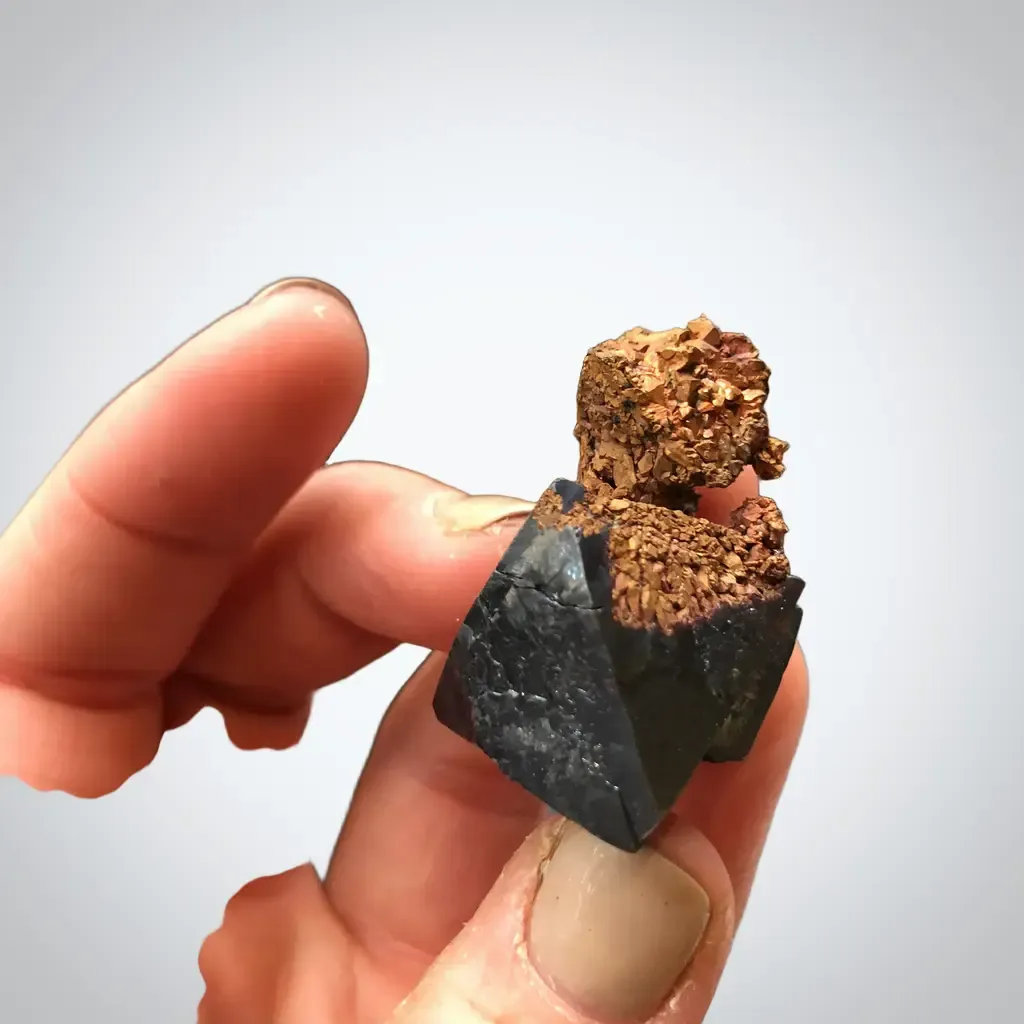

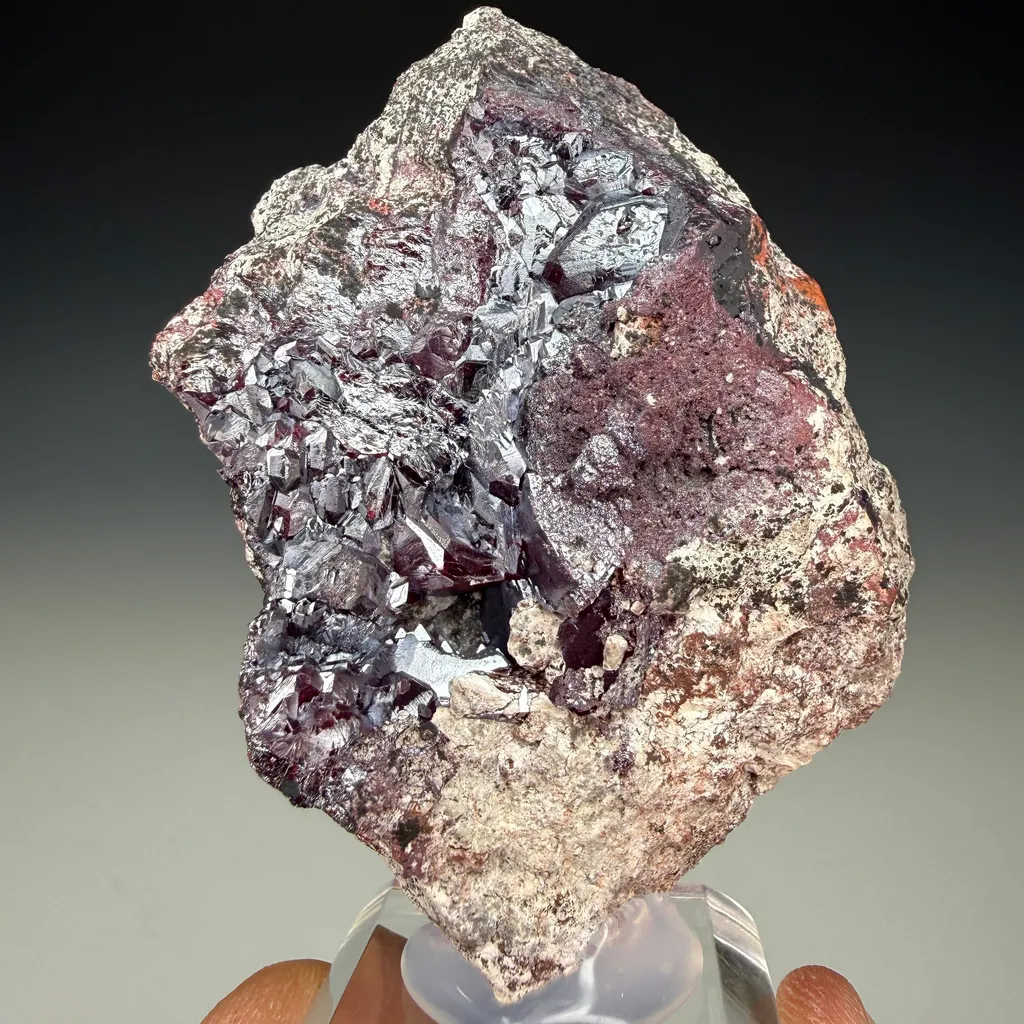
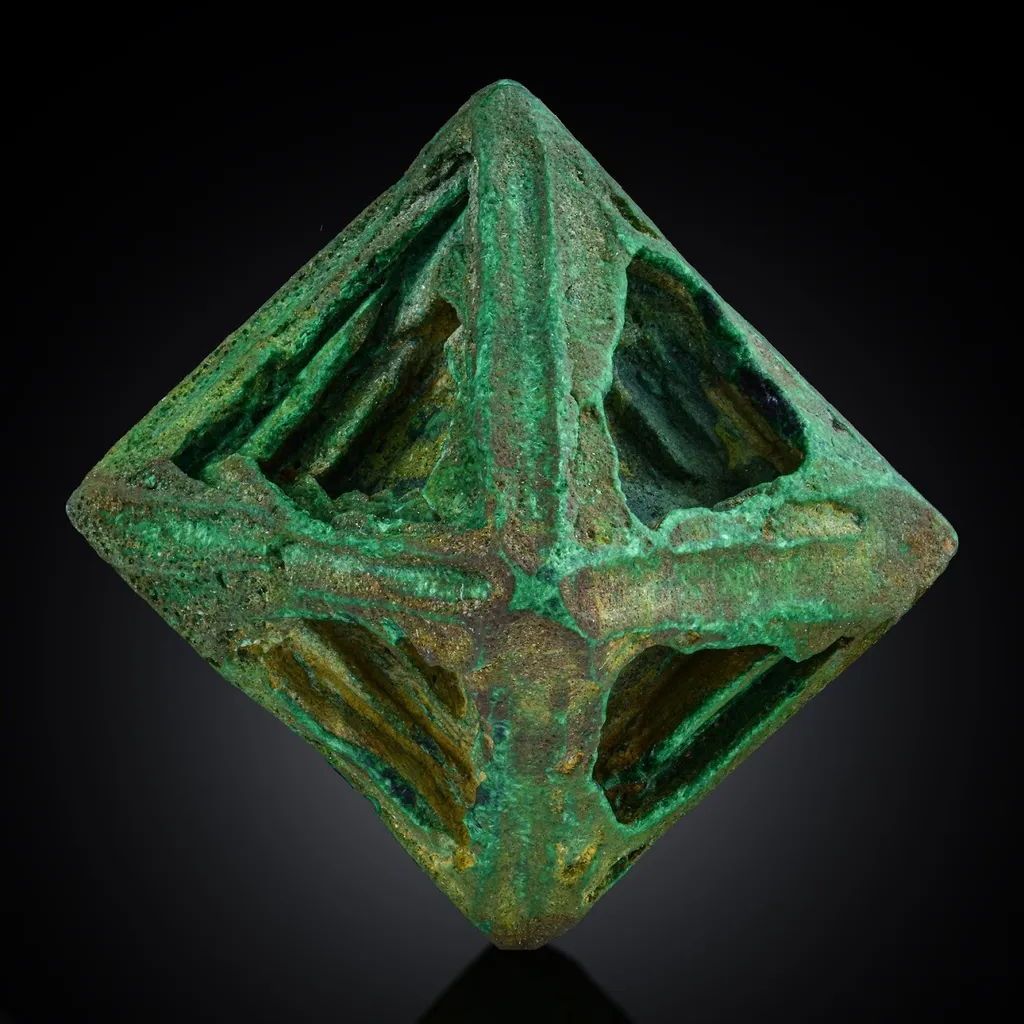
Notable specimens have come from historic copper-producing regions in the United States and Russia, among others, with localities in Namibia, the Democratic Republic of Congo, and the United Kingdom contributing notable pieces as well. Cuprite often forms in association with other copper oxides and sulfides, and can occur in veinlets and cavity fillings where oxidation has concentrated copper minerals. Its vivid red hue makes it a memorable contrast against darker gangue material, appealing to collectors seeking color-rich minerals for display.
Collectors value cuprite for its color, habit and the way crystals reflect light in hand-specimen and cabinet displays. While typically modest in size, high-quality cuprite crystals or aesthetically pleasing aggregates from classic localities remain sought-after for their visual impact and historical context within copper-oxide mineral assemblages.