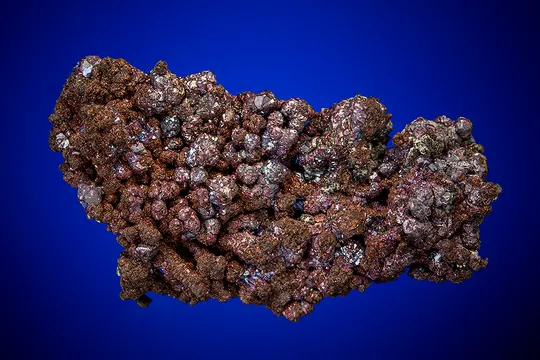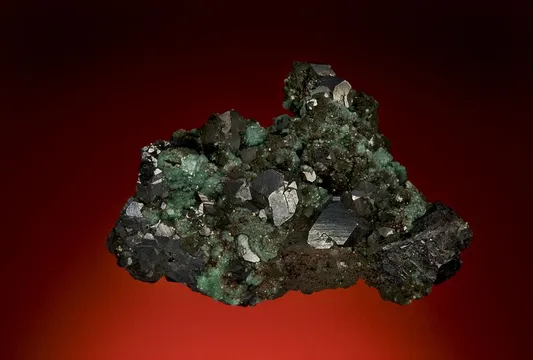
Cuprite - ruby-red copper oxide crystals with brilliant luster, from cubes to octahedra, prized for color, rarity, and historic collecting appeal.
Key facts
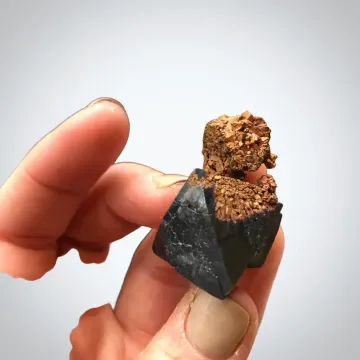
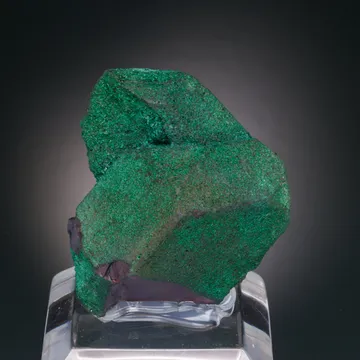
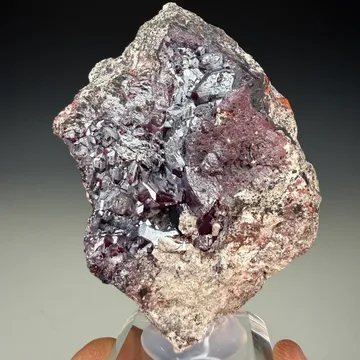
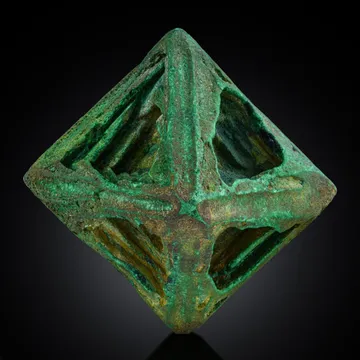
Cuprite (Cu2O) is copper’s classic oxide, famed for its deep “ruby” red color and brilliant luster. Well-formed crystals are typically cubes and octahedra, often with mirror-bright faces that glow an intense crimson when backlit. In massive form, cuprite can be dull to submetallic, but the finest crystals show an adamantine sheen and internal fire that rival gem minerals. It forms in the oxidation zones of copper deposits and is commonly associated with malachite, azurite, chrysocolla, tenorite, and native copper. Hair-like, capillary crystals of the variety chalcotrichite make delicate crimson sprays prized by specialists, while sharp octahedra on contrasting green malachite from modern finds rank among the most aesthetic copper-oxide specimens ever discovered. Although cuprite is soft and brittle for display (Mohs 3.5–4), great examples have a presence that few red minerals can match.
Cuprite has captivated collectors for more than two centuries. Early European classics came from France’s Chessy copper mines, producing silky chalcotrichite and lustrous crystals treasured in historical cabinets. In the 20th century, Namibia set a new standard—Tsumeb delivered elegant, translucent reds, and the Onganja Mine produced iconic, large, gemmy octahedra that were actually faceted into “ruby copper” gems. The 2000s–2010s saw Milpillas, Mexico, shock the market with sharply formed, glassy octahedra on velvety malachite, reviving interest in the species at the highest level. Rubtsovsk in Russia added superb modern specimens with rich color and attractive matrix associations.
Cuprite’s market spans from affordable massive or micro-level chalcotrichite to masterpieces commanding five figures or more. The most desired qualities—transparent, cherry-red crystals with high luster on contrasting matrix—are genuinely rare and hotly contested. With its deep historic roots and occasional modern bonanzas, cuprite remains a perennial favorite, especially among collectors focusing on copper minerals and classic oxidation-zone species.
While cuprite occurs worldwide, a handful of localities define the species for collectors—each producing a distinct “look” considered benchmark quality.
The Onganja Mine near Seeis is legendary for its large, gemmy, deep-red octahedra—some of the finest cuprite crystals ever found. Many show remarkable transparency and a glowing cherry core under strong light. Classic associations include native copper, malachite, and quartz; matrix specimens with sharp, glossy octahedra are top-tier collectibles. Onganja pieces are the yardstick for “gem cuprite,” and even medium-sized, undamaged crystals are highly desirable.
Milpillas (Sonora) is a modern classic. During its heyday, it produced pristine, sharp octahedra with glassy faces and vivid internal red—often perched on velvet-green malachite or with subtle azurite accents. The contrast and luster are superb, with crystals frequently showing translucent edges that blaze under backlight. While many pockets yielded loose crystals, true showy matrix specimens are particularly prized and define a contemporary standard for aesthetics in cuprite.
Tsumeb’s storied orebody produced many noteworthy cuprites: sharp, lustrous crystals ranging from dark metallic to bright translucent red, often with calcite, dolomite, or malachite. While typically smaller than Onganja’s giants, the best Tsumeb pieces show elegant form, rich color, and superb luster, embodying the classic charm of this renowned deposit. Tsumeb’s breadth of associations and its historic prestige make its cuprites especially collectible.
Rubtsovsk in Altai Krai is celebrated for vibrant, glassy cuprite crystals—often rounded or complexly modified octahedra—on contrasting matrix such as calcite or dolomite. Colors can be exceptionally saturated, and the compositions are refined and balanced. Production has been sporadic, and fine pieces are not common; consequently, choice Rubtsovsk specimens carry strong premiums among connoisseurs of copper minerals.
A classic of classics, the Chessy mines near Lyon yielded notable cuprite in the 19th century, particularly the silky capillary variety chalcotrichite. These delicate crimson sprays—sometimes in dense mats or radiating tufts—are iconic historic specimens. Although not typically gem-clear like Onganja or Milpillas material, Chessy cuprites have immense historical importance and are cherished for their provenance and unique silky aesthetic.
Bisbee is a cornerstone of American copper mineralogy and produced cuprite in several habits—from micro to cabinet-size crystals and attractive masses of chalcotrichite. Specimens may show rich, deep red interiors with metallic external sheen, sometimes in association with azurite, malachite, and native copper. Choice Bisbee cuprite pairs classic provenance with strong display presence and remains in steady demand.
Cuprite is stable but mechanically delicate; careful handling preserves luster and edges for the long term.
By favoring sharp, lustrous crystals with visible red interiors, excellent condition, and strong matrix contrast—especially from benchmark localities—you can assemble a cuprite suite that exemplifies the species’ famed “ruby copper” allure.