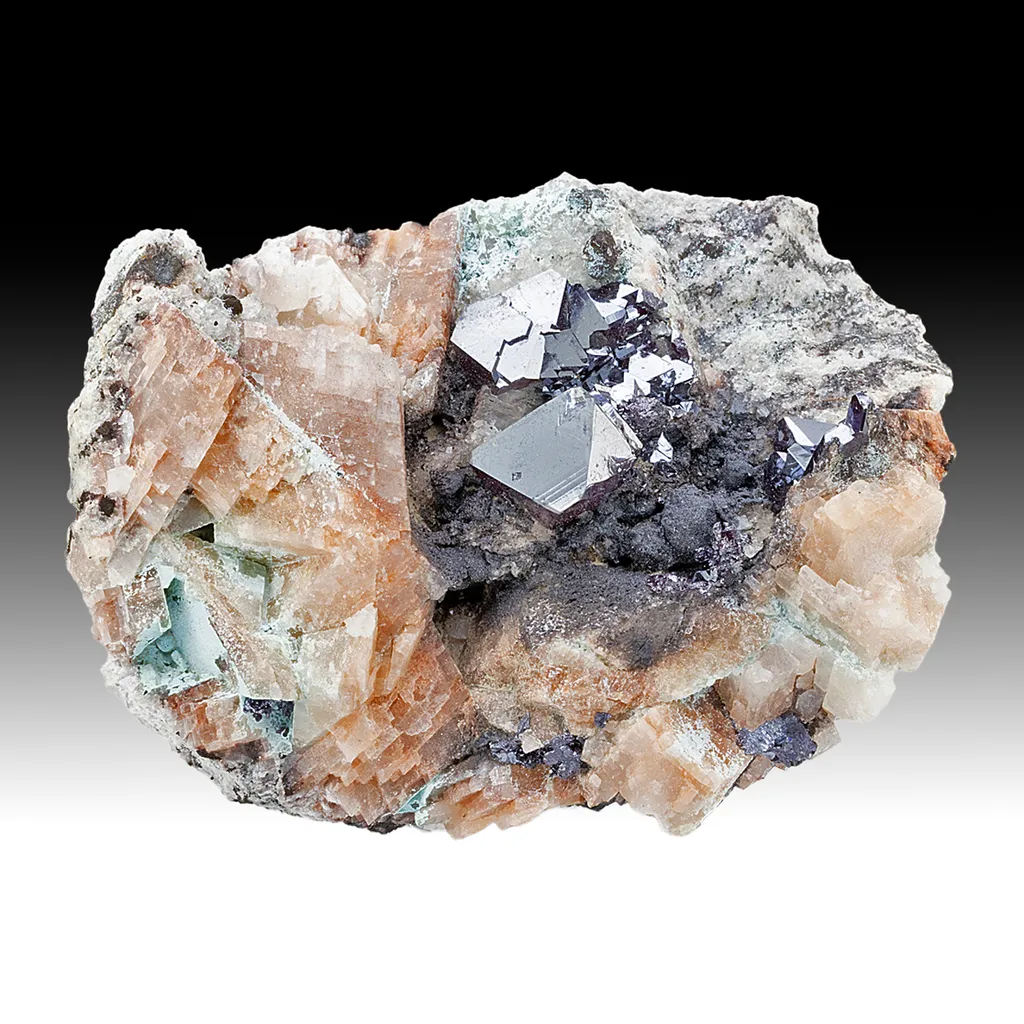
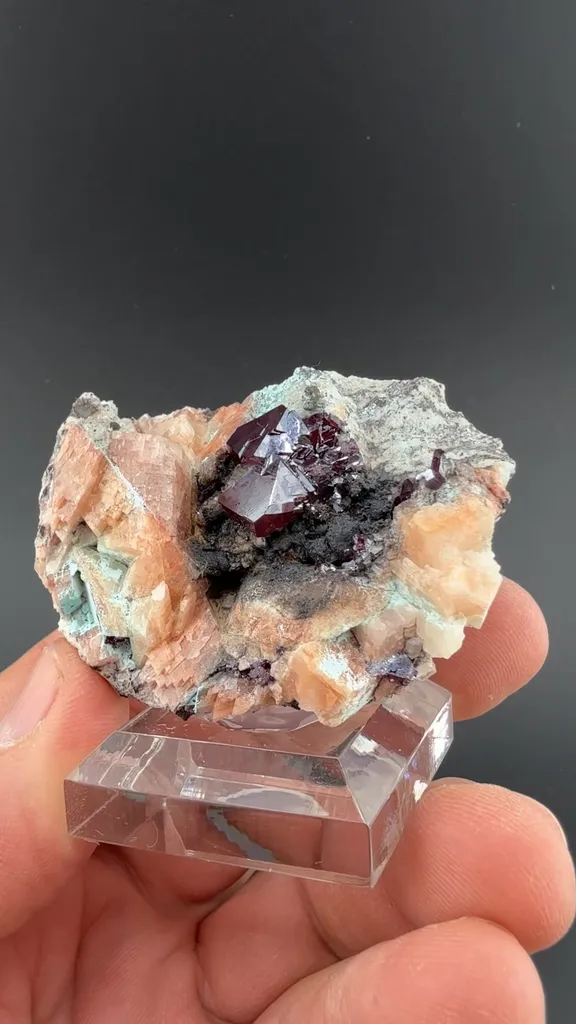
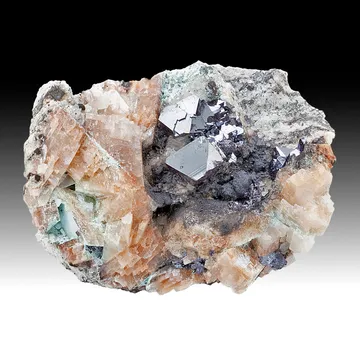
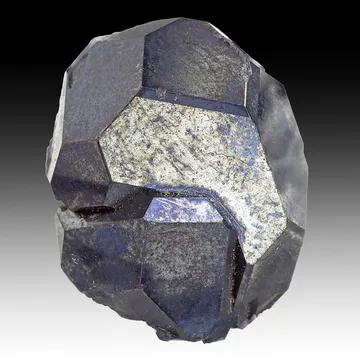
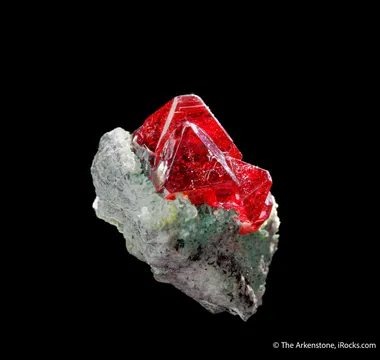
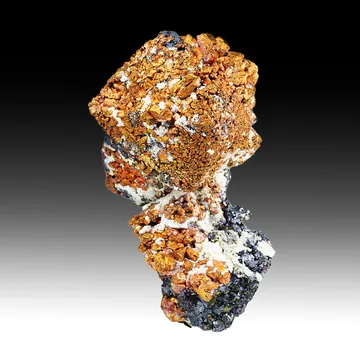
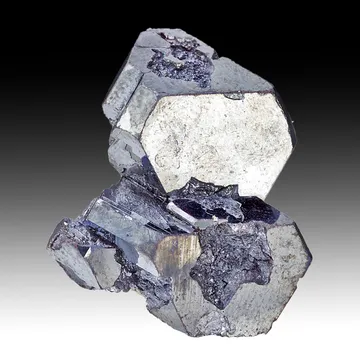
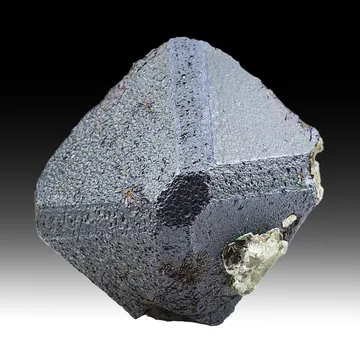
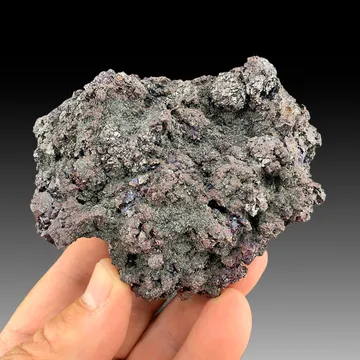
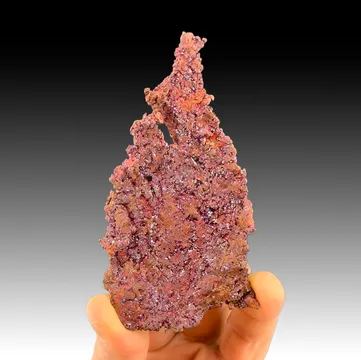
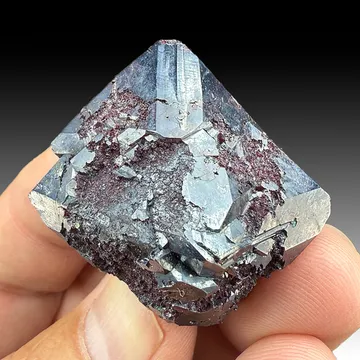
Brilliant glassy octahedral crystals of cuprite measuring to 1.0 cm in size set across the front of this matrix. There is much calcite within the matrix, as well as minor chrysocolla. This is in super condition and outstanding for the species.
The Mashamba West Mine, situated within the Kolwezi Klippe of the Lualaba Province in the Democratic Republic of the Congo, is a prominent component of the Central African Copperbelt. Formally developed as part of regional industrial scaling during the latter half of the 20th century, the open-pit operation has experienced various phases of state and joint-venture management, continuing active production into the 21st century. Geologically, the deposit is hosted within the Neoproterozoic Roan Group rocks of the Mines Subgroup, preserved inside a complex tectonic thrust-sheet structure. The orebody features classic sediment-hosted stratiform copper and cobalt mineralization, characterized by an upper zone of supergene oxidation containing rich assemblages of malachite, heterogenite, and other secondary copper-cobalt minerals, transitioning downward into primary sulfide assemblages such as chalcocite and bornite.
Comments