Tranomaro-Maromby area, Madagascar: key source of grandidierite in weathered pegmatites and hibonite-corundum skarns, highly prized by collectors.
Key facts
The Tranomaro-Maromby area is one of southern Madagascar’s great collector regions: not a single mine, but a broad mineral-occurrence belt north of Amboasary Sud, centered on the communes of Tranomaro and Maromby, where high-grade Precambrian rocks, skarns, pegmatites, phlogopite bodies, sapphire workings, and old uranium-thorium pits all overlap. For collectors it has two quite different reputations. The first is the modern one: the Tranomaro grandidierite discovery, a weathered pegmatite source that brought translucent to transparent, bluish green crystals into the market in a way that earlier Madagascar occurrences never had. The second is the older, more mineralogical one: the classic hibonite-thorianite-corundum-scapolite-anorthite skarn province, including the Esiva eluvials and nearby solid-rock occurrences that made hibonite a type-locality species and put southern Madagascar into the literature of refractory, calcium-aluminum oxide minerals.
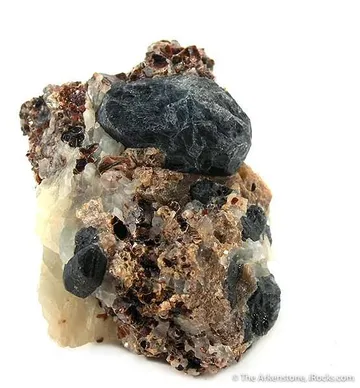
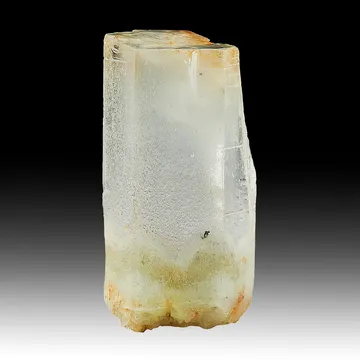
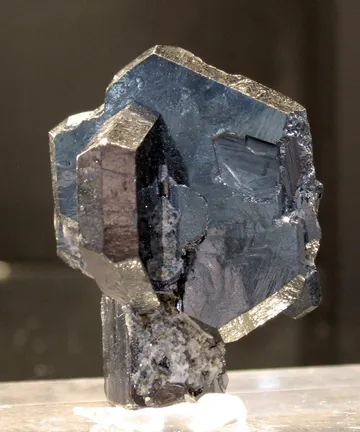
The best specimens from the area have a very recognizable look. Grandidierite tends toward blocky to stubby orthorhombic crystals in sea-green to blue-green tones, often partly translucent, sometimes perched against white feldspar and dark accessory minerals rather than simply occurring as broken gem rough. Hibonite is almost the aesthetic opposite: dense, black to dark brown, hexagonal, generally opaque to only slightly translucent, and prized when it shows complete form, high luster, stepped growth, or a clean contrast against pale matrix. Feldspar is usually the stage on which the rarities perform—white plagioclase or K-feldspar in grandidierite-bearing veins, anorthite-rich plagioclasites in corundum-hibonite skarns, and more evolved pegmatitic feldspar at Anjahamiary.
Regional View
Country View
The geology is unusually layered for a collector locality. The gem grandidierite source near Tranomaro is a small, weathered pegmatite deposit with two grandidierite-bearing veins worked by hand. Nearby and regionally related occurrences include the U-Th skarns and pyroxenites of Morafeno, Andakato, Vohimena, Belafa, Esiva, and Andranondambo, where the important assemblages involve diopside, scapolite, anorthite, calcite, phlogopite, spinel, corundum, hibonite, sapphirine, titanite, zircon, thorianite, and uranothorianite. The same district also contains the Anjahamiary pegmatite, known for feldspar, smoky quartz, beryl, rhodizite, and tourmaline-group minerals.


Search for specimens: View all specimens from Tranomaro-Maromby area, Madagascar
“Tranomaro-Maromby area” is best understood as a collecting-region name rather than a mine name. It covers many named occurrences in the area north of Amboasary Sud, especially within the Tranomaro and Maromby communes. Older and imprecise labels such as “Tranomaro,” “Tranomaro area,” “Fort Dauphin,” or “Tuléar Province” are common on specimens, and they often mask very different geological sources: grandidierite-bearing pegmatite, U-Th skarn, sapphire-bearing feldspar veins, phlogopite deposits, and evolved pegmatite pockets.
The grandidierite deposit that made Tranomaro famous in the modern gem and specimen market was discovered in May 2014 about 15 km from the village of Tranomaro and roughly 60 km northwest of the classic Andrahomana coast locality where grandidierite was first described. It is a weathered pegmatite deposit extending over only a few acres, worked by near-surface artisanal mining. The productive workings cut two irregular grandidierite-bearing veins separated by about 30 cm to a few meters. The upper working was called Vein 1 and the deeper working Vein 2; the veins were discontinuous rather than the long, regular pegmatite shoots collectors might imagine. The mining was done by spades and pickaxes, with roughly a dozen miners digging open-air corridors and holes as deep as about 15 m, then sorting the blue crystals by hand.
The paragenesis of the grandidierite veins is important for specimen interpretation. The two studied veins were composed chiefly of plagioclase, phlogopite, enstatite, and diopside. Accessory minerals visible without magnification included sapphirine, locally gem quality, chlor-fluorapatite, and dravite, while inclusions in grandidierite included Cl-apatite, monazite up to a few millimeters, and minute zircon. These associations distinguish Tranomaro pieces from isolated, waterworn or mixed-source blue-green rough and explain why grandidierite on feldspar matrix is particularly valued: it documents the primary vein environment rather than merely the gem-material stream.
The broader Tranomaro-Maromby district is rooted in the high-grade metamorphic rocks of southern Madagascar. The sapphire and hibonite-bearing skarns are in the Proterozoic Tranomaro Group, made up of metasedimentary rocks—metapelites, calc-silicates, and marbles—interlayered with leucocratic gneisses and later affected by granulite-facies metamorphism and metasomatism. In impure marbles and calc-magnesian complexes, diopsidites and peraluminous segregations host combinations of scapolite, spinel, thorianite, pargasite, anorthite, corundum, hibonite, and sapphirine. This is the geologic heart of the region’s older specimen suite: dense, high-temperature, calcium-aluminum-rich rocks in which black hibonite crystals, blue to pink corundum, spinel coronas, and radioactive oxides may occur together.
Uranium-thorium mineralization is another defining feature. Tranomaro’s uranothorianite-bearing pyroxenites were mined in the 1950s and 1960s, and several named thorianite and uranothorianite occurrences remain in the district, including Morafeno, Andakato, Vohimena, Andranokaolo, Belafa-area deposits, and others. The mineralized bodies include clinopyroxene-scapolite-titanite pyroxenites cut by plagioclasitic veins containing spinel, hibonite, corundum, allanite, and related minerals. At Morafeno, a scapolite-bearing pyroxenite body about 350 m long and up to 50 m wide was worked in the late 1950s for uranothorianite and some phlogopite; different parts of the workings were recorded under names such as Andavabe, Beraketa, and “Puits Moreau.”
The region is also important for corundum. In the Tranomaro area, blue gem sapphire at Andranondambo and related workings occurs in late K-feldspar veins cutting marble and skarn assemblages. These veins may be centimeters to decimeters wide and are associated with K-feldspar, fluorapatite, calcite, and phlogopite. Earlier skarn stages produced Ca-rich hyperaluminous segregations with meionite, spinel, thorianite, and corundum, followed by transformations in which hibonite crystallized at the expense of corundum and spinel. That replacement history is the reason some specimens from the district are textural specimens as much as species specimens: corundum, spinel, hibonite, anorthite, and scapolite may preserve the sequence of high-temperature reactions.
Collecting access today should be treated cautiously. The grandidierite deposit is remote: access from Tôlanaro/Fort Dauphin runs west to Amboasary Atsimo, then north toward Tranomaro on rough roads, and the final approach to the deposit was described as a half-day on foot. Security problems in the region have been specifically noted, and many workings are artisanal, inactive, private, dangerous, or radiologically significant because of thorianite and uranothorianite. This is not a casual field-collecting destination. Modern collectors should rely on reputable Madagascar suppliers, dealers who preserve detailed sublocality information, and laboratory confirmation for high-value gem rough or cut stones.
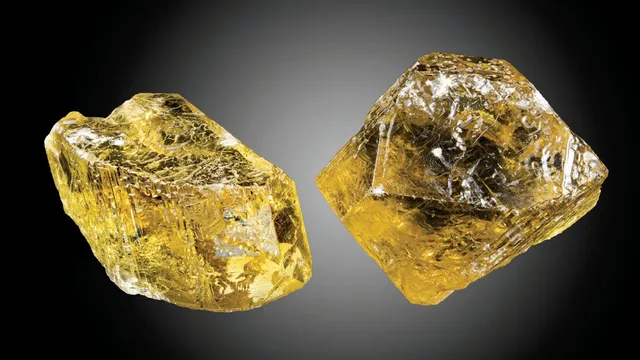
Tranomaro grandidierite is the locality’s signature modern species: strong bluish green to greenish blue, translucent to transparent crystals from a small weathered pegmatite deposit near Tranomaro, where recorded crystals reached as much as 15 × 7 × 3 cm and tended to be stubby rather than the more elongate habit described from older Madagascar material. The best collector pieces are not merely blue-green fragments; they show recognizable crystal form, attractive luster, and preferably matrix, especially white feldspar with dark accessory minerals, because very few grandidierites from the deposit were found as well-displayed matrix specimens. The vein assemblage includes plagioclase, phlogopite, enstatite, diopside, dravite, chlor-fluorapatite, zircon, monazite, and sapphirine, and the most desirable examples balance color, translucency, crystal definition, minimal corrosion, and an undamaged termination or isolated “aerial” display on feldspar.
Hibonite from the Tranomaro-Maromby area is classic type-region material, first known from the Esiva eluvials near Maromby and then from nearby solid-rock skarn and thorianite occurrences around Tranomaro, including Andakato and Vohimena. Collector-grade crystals are typically black to very dark brown, hexagonal, dense, and opaque to only slightly translucent; fine examples show sharp prism faces, flat or stepped terminations, lustrous surfaces, and occasionally a complete single-crystal form of 1–3 cm or more, while many ordinary pieces are dull, broken, or rolled from eluvial weathering. The most meaningful associations are anorthite, corundum, spinel, thorianite, titanite, scapolite, and pyroxene-rich skarn matrix, and good provenance matters because Madagascar hibonite lacking precise sublocality data has often been lumped under “Esiva” even when it came from other Amboasary District occurrences.
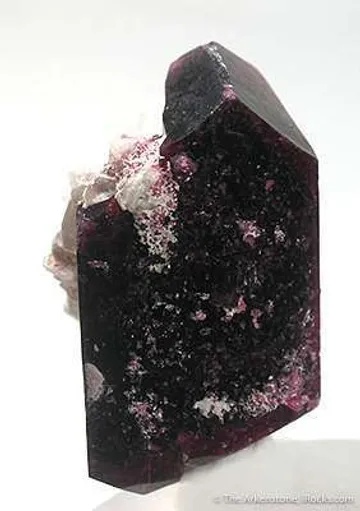
Feldspar from Tranomaro-Maromby is rarely the headline species, but it is central to the locality’s best specimens: white plagioclase is a principal constituent of the grandidierite-bearing veins; K-feldspar occurs with sapphire in late veins cutting marble and skarn near Andranondambo; anorthite-rich plagioclasites host corundum-hibonite-spinel assemblages; and the Anjahamiary pegmatite carries albite/cleavelandite, K-feldspar, and microcline var. amazonite with quartz, beryl, tourmaline-group minerals, rhodizite, and zircon. Good feldspar pieces from this region are usually valued by association rather than as isolated feldspar crystals: the finest are crisp white matrices carrying grandidierite, sapphire, hibonite, or tourmaline, where the feldspar provides locality context, contrast, and proof that the rare species was not simply a loose, mixed parcel stone.
Beyond these three, the district has a remarkably deep species list. It includes type-locality hibonite and type-locality potassic-fluoro-pargasite, plus thorianite and uranothorianite, corundum var. sapphire and ruby, sapphirine, spinel, anorthite, scapolite, diopside, phlogopite, fluorophlogopite, pargasite, meionite, titanite, zircon, zirconolite, baddeleyite, fluorapatite, dravite, beryl, rhodizite, quartz var. smoky quartz, microcline var. amazonite, and tourmaline-group minerals from pegmatitic parts of the region. Sapphirine deserves special attention: sharp 1 cm crystals in calcite-phlogopite-scapolite matrix from Morafeno appeared on the mineral-show circuit in the late 1990s and were initially circulated under incorrect localities before the Morafeno attribution was clarified.
Provenance is the first collector issue for Tranomaro-Maromby. A specimen labeled only “Tranomaro,” “Tranomaro area,” “Fort Dauphin,” or “Tuléar” may be perfectly genuine but geologically vague. That vagueness matters here because the district includes many different sublocalities and deposit types. Hibonite is the most notorious example: classic textbooks and older labels often used Esiva as a shorthand, but documented hibonite specimens from the Amboasary District can come from other nearby localities, including solid-rock occurrences in the Tranomaro commune. For serious collections, a label that preserves Esiva eluvials, Andakato, Vohimena, Andranokaolo, Morafeno, Andranondambo, Anjahamiary, or “Unnamed grandidierite deposit near Tranomaro” is far better than a regional label alone.
For grandidierite, the main authenticity concern is over-optimistic identification. Blue-green rough from Madagascar is widely traded, and grandidierite’s value encourages loose naming. True Tranomaro material should be consistent with the known color range, pleochroism, specific gravity, refractive properties, and Raman/XRD behavior of the species; high-value transparent rough or cut stones deserve laboratory confirmation. Matrix specimens should be examined carefully for glued-in crystals or repaired contacts, simply because grandidierite crystals perched freely on feldspar are scarce and valuable. Natural fractures, corrosion, and cleavage are common and should not automatically be mistaken for damage or repair, but they do affect value.
Condition standards differ by species. Grandidierite is brittle and has a good 100 cleavage, so clean terminations and unbruised edges command premiums. Many crystals are corroded, fractured, or partly opaque; these are typical for the deposit but less desirable than sharp, translucent, blue-green crystals with strong form. Hibonite is hard, dense, and usually not delicate in the way a pegmatite mineral is, but old eluvial crystals may show natural rounding, broken basal faces, dull patches, or weathered surfaces. The finest hibonites have a luster that stands out because much Madagascar hibonite is matte to submetallic rather than bright.
Radioactivity is a real handling issue for portions of the Tranomaro-Maromby suite. Thorianite, uranothorianite, thorite, and some associated U-Th minerals occur in the district, especially in old skarn and pyroxenite workings. Small, well-contained specimens can be collected responsibly, but they should be labeled clearly, stored away from prolonged close contact, kept out of children’s reach, and not cut, drilled, tumbled, or abraded. Dust control matters more than casual display for most cabinet pieces. Specimens combining feldspar, pyroxene, calcite, phlogopite, or scapolite with black radioactive oxides should be screened before being placed in a general display case.
Market availability is uneven. Grandidierite from Tranomaro-Maromby is seen regularly enough that collectors can compare examples, but strong matrix pieces, gemmy crystals, and large, well-formed undamaged crystals remain scarce. Fine transparent material is far rarer than the overall production numbers suggest; the documented ratio of eye-clean gem material to total rough was extremely low. Hibonite is a classic rarity rather than a steady-production mineral: old-stock crystals and occasional Madagascar pieces appear, but well-crystallized, lustrous, accurately localized examples sell quickly. Feldspar by itself is abundant in the rocks, but feldspar as a display matrix for grandidierite or sapphire is distinctly more collectible.
The modern grandidierite story begins in the sort of place that explains why the mineral remained almost mythical for so long. The deposit near Tranomaro was not a roadcut or a mechanized mine but a small weathered pegmatite body reached only after rough travel from Tôlanaro to Amboasary Atsimo, then north to Tranomaro, and finally by walking. The last leg alone was described as a half-day on foot. Once there, the mining was close to the ground and entirely human-scaled: about twelve miners with spades and pickaxes, digging open-air corridors down to about 15 m, following two discontinuous veins separated by as little as 30 cm and as much as a few meters. The miners sorted the blue crystals on site and removed better specimens by hand so they would not be damaged.
The numbers from the first production period are striking. Between May 2014 and March 2016, the Tranomaro grandidierite deposit yielded about 800 kg of rough specimens, but only about 60 g of that production was eye-clean crystal suitable for fine gem use. In practical collector terms, that means almost all of the material from a deposit famous for gem grandidierite was still specimen rough, fractured crystal, translucent material, or opaque material. Fewer than ten faceted stones above 1 ct were documented from the early studied production. That scarcity is why a modest crystal on matrix can matter more than a much larger broken chunk: the survival of form, not merely the presence of the species, is what separates a mineral specimen from gem rough.
A different kind of rush unfolded around Andranondambo. The story starts quietly: in early 1952 the French geologist Paul Hibon reported small eluvial sapphire associated with hibonite south of Andranondambo village. Decades later, the first rich sapphire deposit in the area was discovered at Esiva in 1991. Word spread fast. By 1995, thousands of miners had rushed into the district, and by 1996 roughly 10,000 miners were estimated to be working pits at Andranondambo, Antirimena, Analalava, and Andranomitrohy. The pits were narrow—only about 50 to 80 cm wide—but could reach 15 m deep. This was the scale of the sapphire boom that brought many associated minerals into circulation and explains why some locality information from the period is hurried, incomplete, or wrong.
Hibonite’s own origin story is attached to a person rather than a company. The species was named for Paul Hibon, who found the material in southern Madagascar. The type-locality record places the first discovery in June 1953 in the Esiva eluvials near Maromby. That first eluvial locality produced only a few specimens in the year of discovery, a fact that makes old, well-documented Esiva hibonites especially desirable. Later solid-rock finds in the same broader district gave collectors more complete geological context, showing hibonite in the high-temperature company of anorthite, corundum, spinel, thorianite, titanite, scapolite, and pyroxene-rich rocks rather than only as dark resistant crystals weathered into eluvial deposits.
Morafeno adds another instructive label story. In the late 1990s, sharp sapphirine crystals about 1 cm across appeared at mineral shows in calcite-phlogopite-scapolite matrix. At first, some were labeled as coming from Androy, and others later circulated under Betroka District labels. A notice by Niedermayr corrected the locality to Morafeno, one of the Tranomaro thorianite deposits. For collectors, that episode is a useful reminder: southern Madagascar’s metamorphic rarities can be visually distinctive but geographically slippery, and a specimen’s history of labels may be as important as the label it wears today.