Feldspar — diverse colors and forms from amazonite to moonstone; Alpine and pegmatite locales yield prized color, luster, and collecting appeal.
Key facts
Feldspar is the most abundant family of rock-forming minerals on Earth and a cornerstone of mineral collecting. It includes the potassium feldspars (orthoclase, microcline, sanidine) and the plagioclase series (albite to anorthite). For collectors, feldspar offers surprising diversity: vivid teal-green amazonite (microcline), shimmering blue labradorite, coppery “sunstone” aventurescence, pearlsheen moonstone (adularia), snow-white cleavelandite rosettes, and blocky, twinned orthoclase from Alpine clefts. Iconic combinations—amazonite with smoky quartz from Colorado or Russia; Alpine adularia perched on smoky quartz with hematite “iron roses”; or orthoclase and aquamarine from Namibia—rank among the hobby’s most aesthetic classics.
Crystals tend to be blocky to tabular with excellent cleavage and well-developed twinning (Carlsbad, Baveno, Manebach). Perthite “flames” and chessboard twinning reveal beautiful internal textures in polished or naturally weathered faces. The spectrum ranges from affordable matrix pieces and cleavelandite clusters to museum-level showstoppers of amazonite or moonstone. Because feldspar appears in so many pegmatites and Alpine clefts, collecting opportunities are broad—yet the finest color, luster, and combinations remain scarce and highly prized.
Feldspar’s popularity stems from its variety, locality lore, and universal presence in great pegmatites and Alpine veins. In the 19th century, Alpine adularia became the namesake of “moonstone” (adularescence), while Baveno gave its name to a famous feldspar twin law. In the 20th and 21st centuries, waves of Colorado and Urals amazonite-smoky finds captivated collectors worldwide, followed by superb orthoclase/aquamarine from Namibia and cleavelandite sprays framing colorful tourmalines from Afghanistan. Spectacular displays balance color and contrast—teal feldspar on snowy albite, white adularia on black hematite, or orange coppery sunstone flashing under light. With such aesthetic breadth and historic mines, feldspar consistently ranks as a foundation species in both beginning and advanced collections.
While feldspar occurs globally, a handful of districts are renowned for producing specimens that set the standard for color, form, and association.
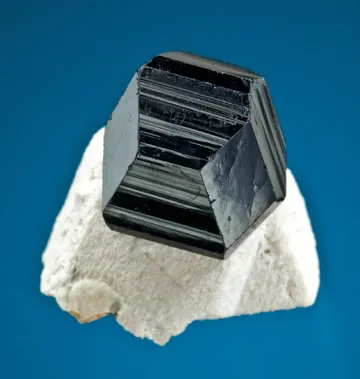
Erongo pegmatites are famous for aquamarine and fluorite, but they also produce excellent feldspars: sharp orthoclase and microcline crystals, often perthitic, in aesthetic combinations with quartz, schorl, and beryl. Blocky, high-luster K-feldspar perched with gemmy aquamarine on contrasting matrix can be remarkably architectural. The best display crisp faces, sharp twinning, and clean junctions with associated minerals, offering superb educational and aesthetic value.
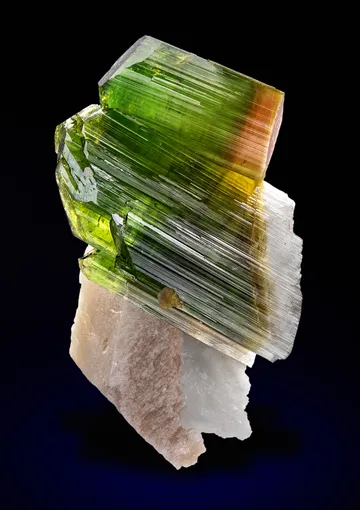
Paprok is renowned for multi-colored tourmalines, but its feldspar—snowy albite in the cleavelandite habit—forms elegant radial sprays and plates that frame and elevate pocket assemblages. Collectors seek symmetrical, damage-free cleavelandite rosettes with bright luster and minimal contact on the tips. As matrix that enhances composition and contrast, fine cleavelandite is highly valued in its own right.
Color and Optical Effects:
Clarity, Luster, and Surface:
Crystal Form and Twinning:
Condition:
Matrix and Associations:
Repairs:
Polishing and Surface Work:
Color Enhancements (less common, but possible):
In all cases, buy from reputable sources and ask directly about repairs or enhancements.
Handling:
Light and Temperature:
Cleaning:
Storage:
By prioritizing sharp form, saturated or distinctive optics, clean associations, and excellent condition, collectors can assemble a feldspar suite that spans both the diversity of the group and the aesthetics of the world’s great pegmatites and Alpine clefts.