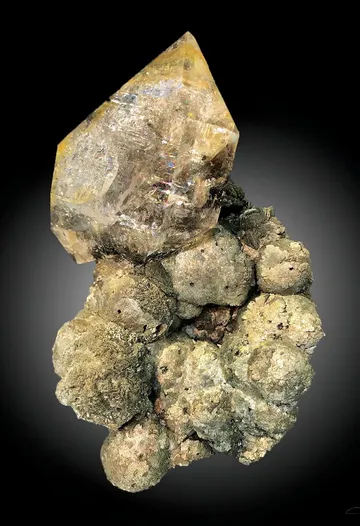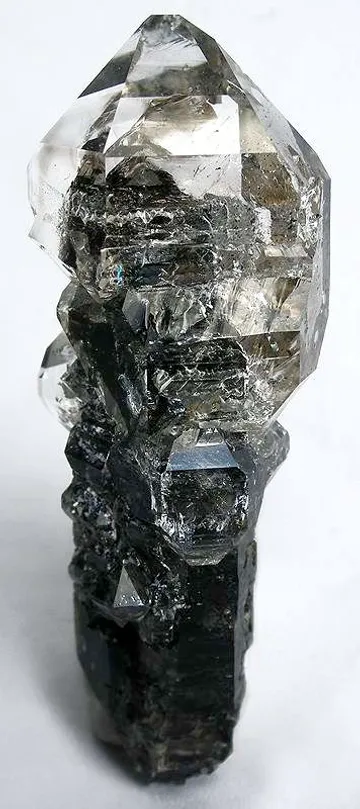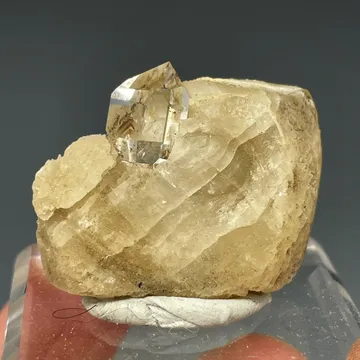
Tilly Foster Iron Mine, USA — New York locality famed for magnetite–chondrodite assemblages, unusually large chondrodite crystals, and notable pseudomorphs.
Key facts
Tilly Foster is one of the great paradoxes of American mineral collecting: an iron mine worked for utilitarian magnetite, yet remembered most vividly for cabinet minerals that no ironmaster was trying to save. The mine stood in the Town of Southeast, Putnam County, New York, a few miles from Brewster and within the high-grade metamorphic terrane of the Reading Prong. Its ore was not a simple black magnetite body. The classic material is an unusual Fe-Mg assemblage in which magnetite is intergrown with chondrodite, serpentine-group minerals, clinochlore, brucite, dolomite, calcite, pyroxene and other contact-metamorphic or metasomatic species. In the best pieces, black metallic magnetite and deep red-orange chondrodite emerge from pale serpentine or carbonate, often with lustrous emerald to blue-green clinochlore plates set like mica-dark windows across the matrix.
Regional View
Country View
The locality’s mineral fame rests above all on chondrodite. Tilly Foster chondrodite occurs not merely as a subordinate skarn accessory but as a rock-forming constituent of the ore, a circumstance that gave nineteenth-century mineralogists extraordinary quantities of material to study. Dana, Breidenbaugh, Trainer, Januzzi, Nightingale and later authors all returned to the same theme: this mine produced chondrodite in abundance, in unusually large crystals, and in colors ranging from yellow and cinnamon to deep wine red. The finest miniature and small-cabinet specimens show sharp or complex red-brown crystals with resinous to vitreous luster, often in white to gray-green serpentine with black magnetite and green clinochlore.

Photo: Rob Lavinsky, iRocks.com / Wikimedia Commons
Tilly Foster is also a classic for pseudomorph collectors. Serpentine, particularly antigorite and lizardite, replaces or preserves the forms of many earlier minerals, and the literature repeatedly notes pseudomorphs involving amphiboles, anhydrite, biotite, brucite, calcite, chondrodite, chrysotile, clinochlore, dolomite, enstatite, fluorite, magnetite, muscovite, pectolite, pyrrhotite, scapolite and talc. This replacement history is part of the locality’s visual character: good specimens are rarely “clean” in a modern alpine-cleft sense. They are complex, altered, often partly etched or matte, and at their best they record a sequence of ore formation, hydration, veining and pseudomorphic replacement in a single hand specimen.

Search for specimens: View all specimens from Tilly Foster Iron Mine, USA
The Tilly Foster Iron Mine is a flooded magnetite mine in the Town of Southeast, Putnam County, New York, historically associated with the hamlet of Tilly Foster and commonly described in older labels as Brewster, Putnam County. The recorded coordinates place it just south of U.S. Route 6, west of Brewster, in the belt of southeastern New York magnetite occurrences that were mined in the nineteenth century. The ore body has long been described as a steep, lens-like magnetite deposit enclosed by high-grade gneiss, with serpentine, dolomite and related Mg-rich rocks along the ore and wall-rock contacts. Modern specimen literature often treats the assemblage as skarn-like or contact-metasomatic, but the exact petrogenesis is not simple: the mine exposed a highly unusual Fe-Mg-rich system dominated by magnetite and humite-group minerals, and the locality is now flooded and largely inaccessible, limiting fresh geological study.
The mine’s two collector terms, “blue ore” and “yellow ore,” are useful in understanding its specimens. The blue ore was richer in magnetite and contained chondrodite as isolated yellow grains, imperfect larger crystals, or crystalline masses, commonly with enstatite and late carbonate. The yellow ore, by contrast, contained abundant chondrodite and serpentinized Mg-rich material, with magnetite, olivine-related phases, dolomite and serpentine-group minerals. Cavities, seams and narrow veins produced the finest display pieces: red to orange chondrodite crystals in serpentine, rounded or striated magnetite, dark green clinochlore, calcite or dolomite, and late fluorite or hydromagnesite in some specimens.
Mining began on a magnetic iron ore body discovered in 1810, with early work following ore that cropped out prominently on the Foster farm. By the late nineteenth century, Tilly Foster had become a major Putnam County iron operation, worked both underground and by open cut. Sources describe the mine as about 600 feet deep in 1879, with open-pit and underground work operating at different periods. In the early 1880s the open pit had reached about 165 feet deep, while workings were active on deeper levels; monthly output was reported in the range of several thousand tons. Ore was shipped by rail, much of it ultimately serving the industrial iron and steel network tied to New York and Pennsylvania.
The engineering history is inseparable from the mine’s end. Large quantities of ore had to be left as support, and attempts to recover pillar ore led to the removal of hanging-wall gneiss and the enlargement of the open pit. Between 1887 and 1889 the mine was converted into a vast open cut, using steam-powered compressors, pneumatic drills and cable-hoisting methods that were advanced for their day. The same scale that made Tilly Foster famous made it unstable. A catastrophic fall in 1895 killed thirteen miners, and the mine was abandoned in 1897. Subsequent descriptions record significant ore still “in sight,” but no lasting revival followed; the pit later became flooded and survives as a water-filled scar rather than an active collecting locality.
For collectors, the dumps were as important as the mine itself. Nineteenth-century mineralogists already noted that many specimens came from refuse piles, and Edward S. Dana remarked that large amounts of chondrodite-bearing material were being thrown away during mining. That discarded material sustained collecting for decades after the mine closed. John N. Trainer Jr. collected intensively from the dumps during the 1930s and 1940s, building a major suite later connected with the New York State Museum and shared with Harvard, Yale and other institutions. By the 1950s and 1960s, the old dumps were greatly depleted; today, much of the former specimen ground is submerged, removed, built over, wooded or on private land. Tilly Foster should be treated as a closed historic locality, not a casual collecting site.
The notable finds were not single “pockets” in the pegmatite sense, but repeated seams, fissures, cavities and dump recoveries that preserved pieces from several generations of mineralization. Chondrodite came as massive ore constituent, large altered crystal fragments, smaller sharp vein crystals, and gemmy reddish crystals. Magnetite occurred both as ore and as collectible dodecahedral and striated octahedral crystals. Clinochlore formed pseudohexagonal, tabular to elongated green crystals, some standing edge-on on magnetite-rich matrix. Serpentine produced showy pseudomorphs, slickensided masses and fibrous chrysotile. Brucite, titanite, fluorite, calcite, dolomite, talc, tremolite, datolite, diopside and rarer sulfides and secondary species make Tilly Foster one of the most varied historic iron-mine suites in the northeastern United States.
Chondrodite is the signature mineral of Tilly Foster and remains the reason the locality appears in serious classic-mineral collections. It occurs as yellow grains in magnetite-rich blue ore, massive to coarsely crystalline material in the yellow ore, large altered crystal fragments reported up to roughly 12–15 cm, and smaller but sharper deep red crystals in serpentine-filled seams and narrow veins. The best pieces show vivid red, orange-red or deep wine-brown crystals with visible crystal faces rather than dull granular masses; many are partly altered to serpentine or brucite, and that alteration is normal for the locality rather than automatically a defect. Typical associations are magnetite, clinochlore, calcite, dolomite, antigorite or lizardite, hydromagnesite, tremolite, diopside, phlogopite and brucite. Ordinary Tilly Foster chondrodite is massive, pitted, broken or embedded; superior specimens combine good color, recognizable crystal form, contrast against pale serpentine or carbonate, and the classic black magnetite-green clinochlore assemblage.
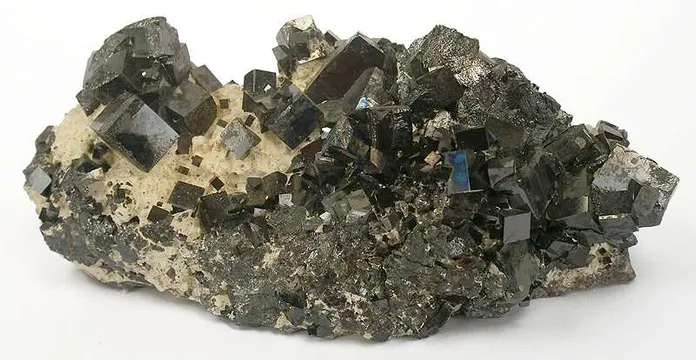
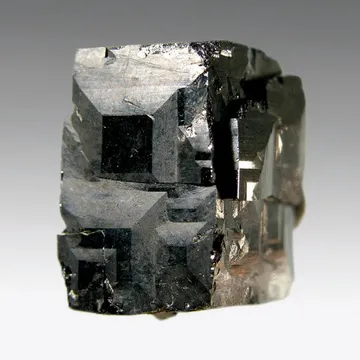
Magnetite was the ore mineral that drove the mine, but Tilly Foster also produced collectible crystals rather than only massive iron ore. The classic forms are black rhombic dodecahedra and striated octahedra, with individual crystals reported to about 3 cm; octahedra are associated especially with seams in gneiss, while dodecahedra are more characteristic of the magnetite ore body itself. Dendritic magnetite on serpentine and magnetite pseudomorphs after chondrodite and dolomite are also part of the locality’s personality. Good specimens have sharp metallic crystal groups, strong relief against pale serpentine, calcite or dolomite, and associations with chondrodite or clinochlore; ordinary pieces are merely heavy, granular magnetite ore without isolated crystal form or contrasting matrix.
Serpentine at Tilly Foster is both a matrix and a record of alteration, and collectors should expect old labels to use a wide range of names for what are now treated more carefully as antigorite, lizardite, chrysotile and serpentine varieties such as picrolite or marmolite. It occurs as gray, pale green, apple-green to gray-green massive material, slickensided dump pieces, fibrous chrysotile, botryoidal lizardite, and especially pseudomorphs after earlier minerals. The best serpentine specimens are not anonymous green rock but recognizable pseudomorphs or lustrous, curved, laminated or fibrous forms with magnetite, clinochlore or chondrodite attached. Because chrysotile and amphibole-asbestos minerals are documented from the mine, fibrous pieces deserve conservative handling: keep them boxed, avoid abrasion, and never trim or clean them in a way that creates dust.
Tilly Foster clinochlore is among the locality’s most desirable non-chondrodite species, famous for light to dark green, greenish-black, emerald or blue-green pseudohexagonal tabular crystals and elongated prisms. Classic specimens show plates standing edge-on on magnetite-rich matrix, commonly with chondrodite, calcite, serpentine, pyrrhotite, dolomite, hydromagnesite, brucite or phlogopite. Published specimen descriptions record crystals to about 2.5 cm and exceptional plates much larger, and fine examples can be surprisingly sculptural for a chlorite-group mineral. The difference between good and ordinary Tilly Foster clinochlore is dominance and definition: the best pieces show lustrous, isolated, translucent to metallic-green plates with clean outlines, while lesser examples are merely green scaly coatings or micaceous aggregates scattered through ore.
Calcite is not the showiest Tilly Foster mineral, but it is important paragenetically and appears in many better specimens as white to colorless carbonate with chondrodite, clinochlore, magnetite, fluorite, tremolite and brucite. Rare scalenohedral and rhombohedral crystals are recorded from the mine, and some Tilly Foster calcite is fluorescent, making old calcite-bearing pieces more interesting than they first appear under daylight. Calcite also participates in the pseudomorph history, with serpentine-group minerals after calcite and calcite reported after chrysotile. The better specimens show discrete crystals or crisp carbonate contrast without acid damage; ordinary pieces are massive white carbonate serving only as matrix, and collectors should be alert to specimens where calcite has been partly dissolved to reveal magnetite or chondrodite, sometimes leaving etched or weakened surfaces.
Brucite from Tilly Foster is a historic species, reported early by Dana and known as pale green to white foliated masses, micaceous-looking material, fibrous nemalite, and transparent prismatic crystals. It occurs with serpentine, calcite, clinochlore, chondrodite and magnetite, and some specimens show brucite in vein-like masses or as cores and replacement material in the Mg-rich alteration assemblage. Fine examples are uncommon and are valued when the brucite is visibly crystallized, pearly, foliated or translucent rather than merely a pale soft component in serpentine. Because brucite is soft and can be confused visually with chlorite, talc or fine serpentine on old labels, the best Tilly Foster brucites are those with strong provenance, clear habit, and association details that fit the known dump and ore assemblage.
Titanite, long labeled “sphene” on older specimens, is a rare but highly regarded Tilly Foster species. It is documented in the mine’s classic suite and was noted in nineteenth- and early twentieth-century locality lists alongside chondrodite, magnetite, brucite, serpentine, epidote and feldspar-bearing associations. Collector accounts emphasize that titanite from Tilly Foster is scarce, with an important find in 1891 and some crystals described as gem quality. The most desirable pieces are identifiable wedge-shaped or well-formed crystals with old provenance, especially where they remain in matrix with the mine’s characteristic calc-silicate and ore minerals; ordinary examples are low-grade, isolated, dark or poorly exposed crystals that matter mainly to locality-suite specialists.
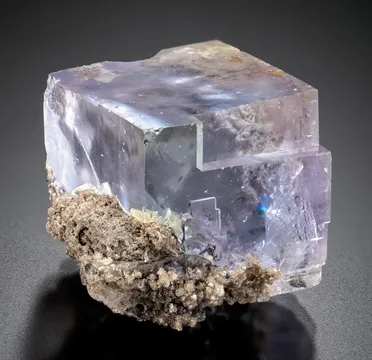
Fluorite is a minor but distinctive Tilly Foster mineral first noted in the early descriptions of the mine and later recorded as pink massive material, amethystine cubes, purple, white and yellow small crystals, nearly spherical complex aggregates, and pale green octahedral microcrystals in cavities in feldspar with crocidolite. It is most often encountered with clinochlore, calcite, serpentine-group minerals, hydromagnesite, lizardite, baryte, amphibole and magnetite. Good specimens are locality rarities: look for visible crystals, color, and a convincing Tilly Foster association rather than anonymous purple chips. Because fluorite can be slickensided here and may occur as small late-stage crystals, careful magnification often matters more than hand-specimen size.
Beyond these headline species, Tilly Foster has a remarkably broad documented suite for a New York iron mine. Antigorite and lizardite are especially important as pseudomorph-forming minerals; humite and clinohumite have been identified but are visually difficult to separate from chondrodite without analysis; fluorapatite, dolomite, diopside, enstatite, talc, phlogopite, tremolite, actinolite, biotite, albite, microcline, epidote, axinite-(Fe), datolite, rutile, spinel, pyrrhotite, pyrite, chalcopyrite, arsenopyrite, molybdenite, sphalerite, galena, native sulfur, hydromagnesite and late secondary copper minerals are all part of the broader record. Datolite is a notable rarity in the mine suite, reported as millimeter-sized crystals, and the humite-group minerals remain scientifically important because Tilly Foster material has been used in structural and high-pressure studies.
Tilly Foster material is classic, closed-locality material: provenance matters. Fine specimens should carry old labels, collection history, or physical characteristics consistent with the mine’s known assemblage: red-brown chondrodite, black magnetite, pale serpentine or carbonate, emerald to blue-green clinochlore, brucite or talc-like alteration, and the distinctive altered Fe-Mg ore texture. Mislabeling is more common than deliberate fakery. Chondrodite may be confused with humite or clinohumite; serpentine varieties on old labels may not match modern species usage; “chlorite” is often clinochlore; “sphene” is titanite; and pale soft material may be brucite, talc, serpentine or chlorite without analysis.
No well-established cottage industry of manufactured Tilly Foster fakes is documented, but attractive red-brown chondrodite from other humite localities can be mislabeled as Tilly Foster, and poor Tilly Foster ore can be over-described as crystal specimens. The safest high-end purchases are those with old East Coast, museum, or dealer provenance, especially labels naming Tilly Foster, Brewster, Southeast, Putnam County, or collections such as Bement, Trainer, Yale, Harvard, New York State Museum-related material, or long-established northeastern collectors.
Condition issues are typical for the locality. Chondrodite is commonly partly altered, pitted, fractured, matte or serpentinized; that is normal, but good pieces still show color and crystal definition. Magnetite is usually robust but may be naturally rough, striated, or intergrown rather than mirror-bright. Clinochlore plates can cleave, bend, flake or detach, and freestanding plates should be handled only by the matrix. Brucite is soft and should not be scrubbed. Calcite-bearing pieces should not be acid-cleaned unless the goal is analytical exposure rather than specimen preservation; acid can remove context, undercut crystals and create unnatural etched cavities.
Fibrous material deserves respect. Chrysotile, actinolite asbestos and crocidolite have been reported from the Tilly Foster locality. Intact boxed specimens are generally manageable for collectors, but avoid sawing, grinding, brushing, compressed air, ultrasonic cleaning or any treatment that could release fibers. Store fibrous chrysotile or amphibole specimens in closed display boxes and wash hands after handling.
Market availability is steady but limited. Small chondrodite and chondrodite-magnetite pieces appear periodically from old collections, but genuinely sharp, colorful, display-quality chondrodite is expensive and strongly competed for. Fine clinochlore is substantially scarcer than most collectors realize. Magnetite, serpentine and mixed ore pieces are more available, though many are mineralogically interesting rather than beautiful. Titanite, fluorite, datolite, confirmed brucite, and good pseudomorphs are locality-suite specimens and should be bought when convincingly documented.
The first Tilly Foster story collectors should know begins not at the mine but at a smelter. Students from Yale encountered unusual ore from the operation and brought it back to New Haven, where Dana recognized that the “waste” iron rock contained crystals worthy of study. That moment shifted Tilly Foster from an industrial ore body into a mineralogical locality. Within a few years, Edward S. Breidenbaugh and the Danas were publishing on the mine’s chondrodite and serpentine pseudomorphs, fixing Tilly Foster in the vocabulary of American mineralogy. What miners were throwing onto the dumps became material for cabinets, papers and institutional collections.
The scale of the operation grew almost as striking as the minerals. Early descriptions speak of an ore body on the Foster farm forming much of a hill roughly a hundred yards long, ten to forty feet wide, and twenty to thirty feet above the adjoining ground. The easy ore did not last. By the late nineteenth century, the mine had gone deep and dangerous, and the problem was no longer finding ore but recovering it without losing the roof. Ore had been left as pillars to support the hanging wall; when operators tried to win that ore, they had to remove enormous quantities of gneiss. The result was a vast open cut, worked with steam compressors, pneumatic drills and cable systems that lowered men and equipment into the pit.
The mine’s disaster history is grimly specific. In 1895, a cave-in killed thirteen miners. Later accounts preserve the indignity that some Italian victims were initially identified by numbers rather than names because their names were difficult for the recorders to handle; the names were later published, restoring at least that measure of human respect. Newspaper reports from the aftermath describe the recovery as perilous in itself: at 7 o’clock in the morning, twelve Italians and Foreman Lynch went down into the pit to recover remaining bodies while rock continued to slip from the overhanging walls. Watchers stood by to warn the men below, a boulder wall was built as a shelter, and drilling and blasting continued until an eight-ton boulder came loose and crashed down near the work.
For collectors, the romance of the place persisted long after the last ore train. John N. Trainer Jr., who had a residence on Allview Avenue in Brewster, collected heavily from the old dumps in the 1930s and 1940s. His finds helped keep Tilly Foster alive in Rocks & Minerals and in museum cases, and parts of the Trainer material are associated with the New York State Museum, Harvard, Yale and the Southeast Museum in Brewster. It is easy to forget that many of the finest pieces were not found in neat pockets underground but rescued from battered dump rock decades after mining ceased. A great clinochlore plate or red chondrodite crystal from Tilly Foster is therefore also a survival story: blasted from ore, thrown away, weathered, searched for, recognized, labeled and preserved.
By the 1960s, collectors were still combing the remnants, but the old dumps were already nearly exhausted. Today the open pit is flooded, much of the historic dump ground is gone or inaccessible, and the locality survives in old labels, museum drawers, maps, a pond, a road name, and the specimens themselves. That loss is part of Tilly Foster’s aura. It is not a locality one can easily revisit with a hammer; it is a locality reconstructed specimen by specimen.