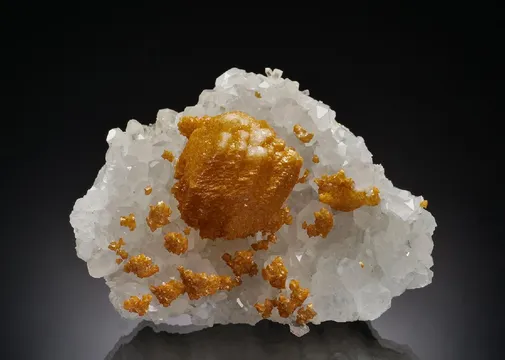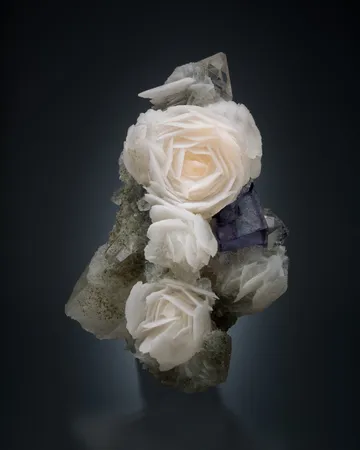
Calcite — diverse shapes, colors, and optical quirks; widely available yet scarce elite pieces from Elmwood and Charcas drive collecting value and display.
Key facts
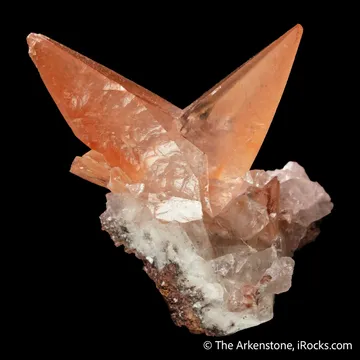
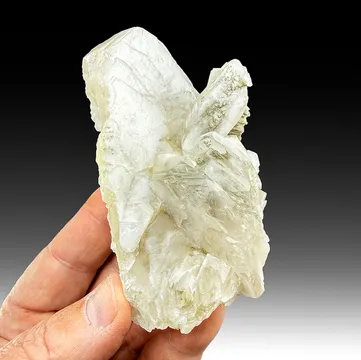
Calcite is calcium carbonate in its most stable form and one of the most abundant minerals on Earth. It occurs in countless environments, from caves to hydrothermal veins. Crystals appear in an extraordinary variety of shapes and colors, from clear rhombs to golden dogtooth points or vivid pink cobalt-bearing forms. Its softness (Mohs 3) and perfect cleavage make it delicate, but also give it fascinating optical and structural properties, such as double refraction in clear “Iceland spar.”
Calcite is a favorite of collectors because it combines accessibility with beauty. Specimens can be found worldwide at low cost, making it a common “first crystal,” yet elite pieces can command high prices. Collectors value its endless diversity: twins, scalenohedrons, rhombs, prisms, and complex clusters. Its optical quirks, vivid colors, and historical significance ensure calcite is always relevant in displays and teaching collections.
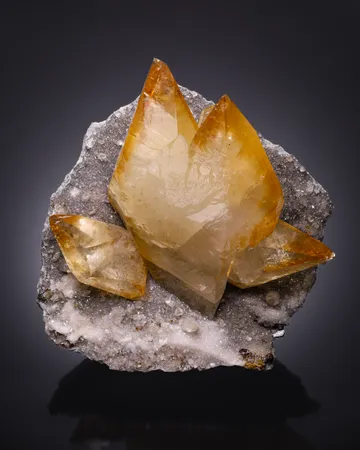
Elmwood produced some of the world’s most striking calcites: large amber-brown scalenohedrons on sphalerite and fluorite. Crystals can reach 20 cm, often sharp and transparent with glassy luster. Many grew as twinned “stellar beam” forms that are dramatic showpieces. Mining has stopped, so nearly all Elmwood specimens are decades old. Their scarcity and beauty make them benchmarks for calcite collecting.
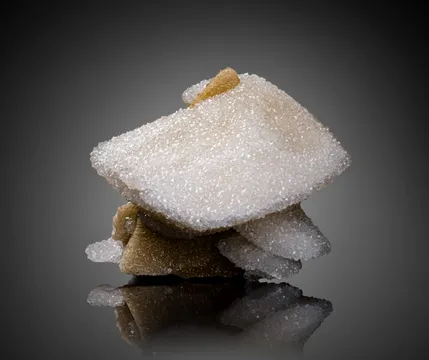
Charcas is famous for its classic “butterfly” calcite twins. These disk-like crystals often appear golden or colorless, sometimes with hematite inclusions. Well-formed twins show perfect symmetry and clarity, creating elegant heart- or wing-shaped specimens. Found in abundance in the 20th century, they remain highly collectible today for their geometric perfection and accessibility.
Historic iron mines around Egremont yielded delicate calcite twins and “nail-head” scalenohedrons. Many crystals are tinted pink or red by hematite, giving them a unique blush. Twins are often heart-shaped, small but gemlike, with sharp faces. Mining ended long ago, so fine, undamaged examples are rare and treasured for their history as much as their beauty.
Dal’negorsk mines produced calcites in nearly every imaginable form. Clear rhombs, pink manganoan twins, black opaque crystals, and giant prisms all came from this prolific region. Many are razor-sharp and highly lustrous, often associated with galena or fluorite. The variety and consistent quality make Dal’negorsk a top-tier source, with specimens that range from cabinet pieces to museum showstoppers.
Calcite is soft and cleaves easily. Handle with two hands and never by a crystal tip. Store specimens wrapped or cushioned to prevent rubbing. Clean only with water and mild soap; avoid acids, which will etch or dissolve calcite. Limit exposure to direct sunlight to prevent fading in sensitive colors.
Because calcite breaks easily, many specimens are repaired with glue. Check for seams, glossy lines, or glue residue under magnification or UV light. Repairs are often acceptable if disclosed. Artificial dyes exist but are rare in serious specimens. Composites or misrepresented localities are bigger risks than outright fakes.