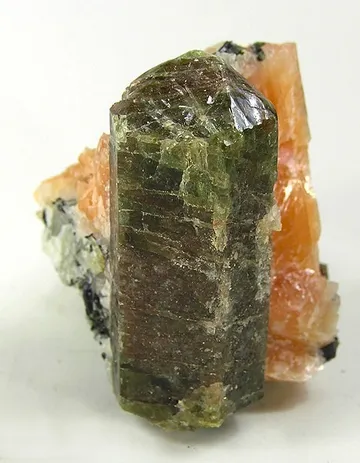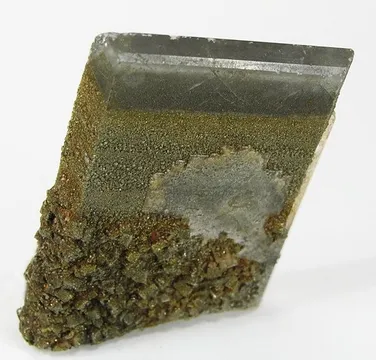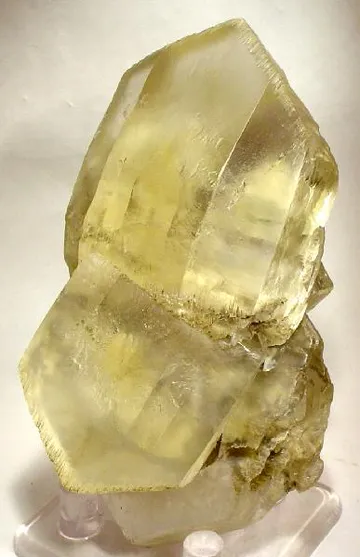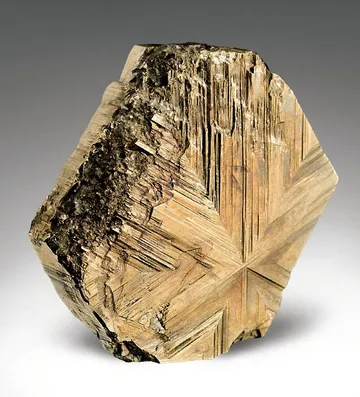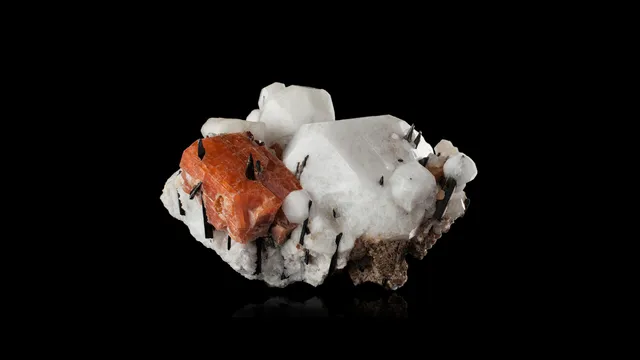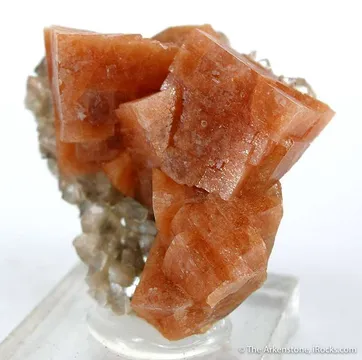
Nova Scotia, Canada: classic zeolite locality famed for Bay of Fundy cavity minerals (chabazite, stilbite, analcime) and historic Wasson Bluff collections.
Key facts
Nova Scotia is one of the classic zeolite provinces of North America: a collector’s coastline where the Bay of Fundy has cut into the Jurassic North Mountain Basalt and continually exposes vesicles, veins, amygdales, fractures, and beach-worn nodules lined with secondary minerals. The specimens that made the province famous are not ore-mine products in the usual sense, but cavity minerals from basalt and related sedimentary units of the Fundy rift basin—rocks formed as Pangea began to split and the earliest Atlantic world opened. For collectors, the heart of the story is the Fundy shore: Wasson Bluff, Two Islands, Partridge Island, Five Islands, Cape Sharp, Cape d’Or, Cape Blomidon, Cape Split, Amethyst Cove, Morden, Harbourville, Scots Bay, Halls Harbour, and the long run of North Mountain exposures that have supplied cabinets for two centuries.
The signature assemblage is unmistakable: salmon-red to orange chabazite, creamy to peach stilbite, platy heulandite, lustrous analcime, gmelinite, natrolite-group minerals, mesolite, scolecite, thomsonite, laumontite, epistilbite, stellerite, barrerite, wairakite, mordenite, quartz, chalcedony, agate, amethyst, calcite, barite, celadonite, malachite, and occasional native copper. Good Nova Scotia specimens have a different look from the larger Indian Deccan zeolites that later came to dominate the market: they tend to be smaller, tighter, older in provenance, more ruggedly basaltic, and, at their best, intensely colored. A top Wasson Bluff chabazite cabinet piece—glossy rhombohedra in deep salmon, brick-red, or orange-pink on basalt, sometimes with calcite or stilbite—has a historical and aesthetic identity that cannot be substituted by material from any other zeolite district.
Regional View
Country View
The province’s mineralogical importance extends well beyond handsome zeolite specimens. Morden, on the Bay of Fundy shore in Kings County, is the type locality for mordenite, one of the major natural zeolite species. Walton, in Hants County, is the type locality for the cobalt sulfate minerals aplowite and moorhouseite and was once Canada’s largest barite mine. East Kemptville, in Yarmouth County, added mcauslanite to the list of Nova Scotia type-locality minerals and became known in mining history as the largest primary tin mine in North America during its operating life. These localities make Nova Scotia not just a field-collecting destination but a province with real standing in formal mineralogy.

Photo: Wikimedia Commons

Photo: Wikimedia Commons
Search for specimens: View all specimens from Nova Scotia, Canada
The collector-locality concept “Nova Scotia” covers several mineralogical worlds, but the premier specimen district is the Bay of Fundy and Minas Basin basalt province. The North Mountain Basalt is an earliest Jurassic, continental tholeiitic basalt sequence associated with the Central Atlantic Magmatic Province and the Fundy rift basin. Along the south shore of the Bay of Fundy it forms the North Mountain cuesta; on the north side, equivalent basaltic rocks and related outliers appear around the Minas Basin and Cumberland shore. The basalt is classically divided into lower, middle, and upper flow units. The middle flow unit, made of multiple thinner flows, is especially important because its vesicle-rich zones and amygdaloidal textures provided the open space later filled by zeolites and silica minerals. These minerals are not simply random “gas-bubble fillings”; modern work has shown ordered zoning and paragenetic sequences produced by hydrothermal fluids moving through basalt, fractures, sedimentary contacts, and fault zones.
The ore-body language used for metal mines does not apply neatly to the Fundy zeolites. Here, the productive “bodies” are mineralized vesicular flow tops, amygdaloidal zones, vein systems, joints, fractures, nodules, pipe-like segregation structures, and locally basalt clasts enclosed in sedimentary rocks. At Wasson Bluff, the zeolites occur in basalt, conglomerate with basalt clasts, and less commonly in sandstone of the overlying McCoy Brook Formation. In that area, much of the collectible material occurs in veins and cavities rather than as thick, laterally continuous ore. The best pockets are typically small by mining standards but rich by specimen standards: a loosened nodule, a vein widening, or a small vug may yield chabazite, stilbite, heulandite, calcite, quartz, or analcime in combinations that preserve the complete crystallization history of a cavity.
Wasson Bluff, roughly east of Parrsboro and accessible only with careful attention to tides, is the province’s great chabazite locality. Older literature may refer to the area by names such as Swan Creek, Swan’s Creek, or Two Islands, and historic labels should be read with that geography in mind. The westward end toward Swan Creek is especially noted for chabazite with beveled edges and twins that can approach a phacolite-like habit. That habit is a source of both beauty and confusion: many older “gmelinite” labels from Wasson Bluff are now understood to represent modified or twinned chabazite rather than true gmelinite. The distinction matters to advanced collectors, because a fine red chabazite from Wasson Bluff is one of the definitive Canadian zeolite specimens, while true gmelinite is a different collecting prize.
The paragenesis varies from locality to locality. On the North Shore of the Minas Basin, Wasson Bluff and Cape d’Or show the greatest zeolite diversity; Five Islands, Two Islands, Partridge Island, Cape Sharp, and Horseshoe Cove each have narrower but distinctive assemblages. At Partridge Island, chabazite and stilbite are abundant and the sequence can run from chabazite through quartz plus stilbite to calcite. At Cape Sharp, stilbite is abundant, chabazite is common, and the crystallization order includes early mica and silica minerals, followed by chabazite, then stilbite, then calcite. At Horseshoe Cove, stilbite and heulandite are important, with calcite late. Cape d’Or is notable for abundant analcime and natrolite, common mesolite and stilbite, and rare chabazite, laumontite, heulandite, thomsonite, wairakite, barrerite, scolecite, stellerite, and tetranatrolite. Kings County localities on the south side of the bay are comparatively rich in heulandite and stilbite, and Morden is central to the mordenite story.
Mining history in Nova Scotia is broader than the zeolite localities themselves. The province has long histories of coal, gypsum, gold, iron, manganese, barite, base-metal, salt, and tin production. Walton, discovered as a small barite outcrop in the late nineteenth century and developed after rediscovery by Roscoe Hiltz in 1940, became a major barite and lead-zinc-silver-copper deposit. It produced millions of tons of barite and a significant sulfide ore body, and it also yielded rare cobalt sulfate type minerals. East Kemptville operated from 1985 to 1992 as a low-grade open-pit tin mine and is significant to collectors for cassiterite-associated mineralogy, phosphates, fluorides, and the type mineral mcauslanite. These mines are not interchangeable with the Fundy zeolite beaches, but together they explain why a Nova Scotia label can mean anything from a salmon chabazite nodule to a micromount sulfate from a reclaimed barite mine or a phosphate from a granitic tin system.
Collecting access today requires a conservative, locality-by-locality approach. Much classic Fundy collecting is on tidal shorelines where safety, land ownership, parks, protected areas, and beach regulations all matter. Fossils are protected in Nova Scotia and should not be collected without the proper permit; this is particularly important at Wasson Bluff and other Parrsboro-area localities, where dinosaur and other vertebrate fossils occur in the same general coastal exposures that attract mineral collectors. Beaches and provincial parks have their own restrictions, and removal of rock, stone, fossils, or other natural objects may require authorization depending on site status and circumstances. Private land crossings require permission. Even where casual mineral collecting is tolerated or allowed, the Fundy shore is not a place for improvisation: tides can cut off exits, mud flats can be dangerous, cliff rockfall is real, and the productive zones are commonly reached only in a limited low-tide window.
The notable specimen finds are overwhelmingly pocket and nodule finds rather than mine-stope discoveries. Collectors have long worked loose blocks, beach boulders, fresh cliff fall, and exposed vugs in basalt. At Wasson Bluff, productive vugs have yielded chabazite crystals in salmon-orange to red tones with stilbite, calcite, and heulandite; some pockets contain small but brilliant crystals on curved basalt surfaces. At Cape Sharp, historical accounts record a very large fall of stilbite from the cliff in the nineteenth century, and modern collectors still prize the locality for stilbite-rich associations. At Morden and nearby Kings County localities, the interest often shifts from flashy display specimens to scientifically important mordenite-bearing nodules and zoned amygdales. At Walton and East Kemptville, the best collecting has been tied to mining exposure and dump material, much of which is now reclaimed, flooded, restricted, or otherwise difficult.
Nova Scotia chabazite is the province’s most distinctive zeolite for color and locality character, especially from Wasson Bluff and nearby north-shore Fundy localities where salmon-orange, brick-red, pink, and white rhombohedra line small vugs, veins, and nodules in basalt and basaltic sedimentary contexts. Wasson Bluff specimens may show simple rhombohedra, penetration twins, rare contact twins, beveled crystals, and phacolite-like modified forms; the reddish material historically called “acadialite” is the look collectors most associate with the locality. Good pieces have sharp, lustrous, undamaged crystals sitting proud in concave cavities, often with enough basalt matrix to prove the setting, and the most desirable examples balance saturated color with visible crystal form rather than merely presenting a massive orange lining. Associations include stilbite, calcite, heulandite, quartz, analcime, and locally gmelinite, but an important caution is that some Wasson Bluff specimens long labelled as gmelinite are better understood as modified or twinned chabazite.
Nova Scotia stilbite is both abundant and culturally important, having been declared the province’s official mineral in 1999, and it occurs widely in the Fundy basalts as creamy white, pale yellow, peach, orange-brown, or reddish-brown blades, sheaves, radiating sprays, hemispherical mounds, rosettes, and fan-like groups. Kings County and south-shore Bay of Fundy localities are especially known for stilbite with heulandite, while north-shore localities such as Wasson Bluff, Partridge Island, Cape Sharp, Horseshoe Cove, and Cape d’Or add sharper associations with chabazite, quartz, calcite, analcime, laumontite, and other zeolites. Good Nova Scotia stilbite is not judged by sheer size alone; the finest pieces have clean bow-tie or rosette form, pearly luster, open spacing, and an attractive contrast against salmon chabazite, platy heulandite, dark basalt, or white calcite. At Wasson Bluff, reddish-brown radiating or fan-like stilbite groups on red chabazite are among the classic combinations, while ordinary pieces tend to be massive, bruised, chalky, or too intergrown to show the species’ form.
Calcite is a late and important companion mineral in many Nova Scotia zeolite pockets, especially in the Bay of Fundy basalt localities where it appears in veins, nodules, and cavities with chabazite, stilbite, heulandite, quartz, barite, and silica minerals. It is rarely the first reason a collector buys a Nova Scotia specimen, but sharp calcite can give a pocket its final visual punctuation: pale to colorless crystals, scalenohedral forms, small lustrous accents on chabazite, and late fillings that document the closing stage of hydrothermal activity. Parrsboro-area material, including Wasson Bluff and nearby localities, is the most familiar in specimen commerce, where calcite is often seen as white or translucent crystals perched among orange chabazite rhombohedra or on pale stilbite. Better pieces show discrete, undamaged calcite crystals that do not obscure the zeolite display; ordinary pieces are merely calcite-filled seams, weathered cleavage fragments, or beach-worn nodules with little open-crystal texture.
Other documented Nova Scotia minerals give the province unusual depth for a locality guide. Mordenite, named for Morden in Kings County, occurs as fibrous masses and massive nodules in the North Mountain Basalt rather than as showy freestanding crystals, but it is one of the province’s most important type-locality species. Walton contributes the rare cobalt sulfates aplowite and moorhouseite, both type minerals tied to the barite-sulfide system, as well as first-Canadian-locality records for rarities such as penroseite, lavendulan, and metavoltine. East Kemptville contributes mcauslanite, a supergene hydrated iron aluminum fluorophosphate, together with a tin-granite suite including cassiterite, topaz, fluorite, beryl, phosphates, sulfides, and alteration minerals. The Fundy basalt province also supplies agate, chalcedony, jasper, amethyst, celadonite, native copper, malachite, analcime, heulandite, gmelinite, natrolite, mesolite, scolecite, thomsonite, epistilbite, stellerite, barrerite, wairakite, laumontite, and related species that reward close locality work.
Nova Scotia zeolite specimens should be bought with the same discipline applied to old European classics: the label matters. “Nova Scotia” alone is too broad for a serious collection. A good label should name the locality as specifically as possible—Wasson Bluff, Swan Creek, Two Islands, Partridge Island, Cape Sharp, Cape d’Or, Cape Blomidon, Cape Split, Amethyst Cove, Morden, Harbourville, Scots Bay, Halls Harbour, or another documented site—and should preserve older names when they clarify provenance. Wasson Bluff is a special case because nineteenth-century and early twentieth-century labels may use Swan Creek or Two Islands for material that modern collectors would place at or near Wasson Bluff.
The most common locality-specific mislabelling issue is the confusion of Wasson Bluff gmelinite and chabazite. Gmelinite does occur in the Nova Scotia basalt province, but many specimens historically labelled “gmelinite” from Wasson Bluff are modified, beveled, or twinned chabazite. Fine red-orange rhombohedra should not be accepted as gmelinite without convincing morphology or analysis. “Acadialite” should also be understood correctly: it is a historic name applied to the deep-colored Nova Scotia chabazite look, not a separate modern mineral species.
Condition is central. Fundy specimens often come from tidal cliffs, loose beach boulders, and nodules that have endured salt water, freeze-thaw cycles, abrasion, and hammer extraction. Chabazite corners chip easily; stilbite sheaves bruise, crush, and develop dull, chalky tips; heulandite plates cleave; calcite edges scuff; and basalt matrix can shed grains. A specimen with fresh, sharp crystals and no salt haze is better than a larger but battered beach piece. Wash new self-collected material gently, dry it thoroughly, and avoid aggressive acids or prolonged soaking unless the mineralogy is fully understood. Zeolites are hydrated aluminosilicates and can be damaged by heat, dehydration, and rough cleaning.
Fakes and treatments are not a major documented problem for Nova Scotia zeolites, largely because the best material has a very recognizable matrix and pocket style, but misidentification and overbroad locality labels are common. Watch for Indian stilbite or chabazite sold loosely as “Bay of Fundy” without provenance; the matrix, scale, and associations often give such substitutions away. Also be cautious with unusually bright or freshly colored porous specimens from old mine environments, especially sulfate minerals from Walton-type material, because soluble sulfates can dehydrate, rehydrate, bloom, or alter in ordinary room conditions. Rare cobalt sulfate micromounts should be stored dry, stable, and protected from handling.
Market availability is uneven. Small to miniature Nova Scotia chabazite, stilbite, calcite, and heulandite specimens appear regularly, but top Wasson Bluff chabazites with rich color, sharp crystals, and old labels are much scarcer than casual online listings imply. Fine stilbite rosettes on chabazite matrix are genuinely collectible and can bring strong prices when the form and color are right. Mordenite type-locality material is more specialized and typically appeals to systematic collectors rather than display collectors. Walton aplowite and moorhouseite, East Kemptville mcauslanite, and well-documented rarities are micromount or analytical-suite material and should be valued by provenance, documentation, and stability rather than cabinet presence.
In 1834, the Bay of Fundy cliffs produced one of the old stories every Nova Scotia zeolite collector should know: at Cape Sharp, a mass of stilbite reportedly weighing more than 200 pounds fell from the cliff. The detail survives because early observers were already treating the Fundy zeolites as more than beach curiosities. In a world before the great Deccan discoveries flooded cabinets with Indian zeolites, a fall of stilbite that size from a Nova Scotia cliff was not just field luck; it was proof that the Fundy basalts held a mineral province of international consequence.
The older literature carries another quiet but important story: the localities themselves changed names as collector geography became more exact. What a nineteenth-century label called Swan’s Creek, Swan Creek, Two Islands, or simply Parrsboro may now be understood as Wasson Bluff or its immediate neighborhood. That is not merely a cartographic nuisance. It means a serious collector holding an old chabazite label must think historically, not just geographically. A specimen can be more accurately understood by matching the mineral habit—red rhombohedra, beveled chabazite, phacolite-like twins, heulandite, stilbite, calcite—to the old place-name vocabulary of the Fundy shore.
A modern field account from Wasson Bluff captures the way good collecting there still happens: with tide, basalt, sweat, and very small openings. Daniel Joyce described veins of stilbite and calcite running through basalt and noted that only occasionally did those veins open into attractive crystals. The desired targets were vugs in the bedrock of the beach, most of them containing chabazite, stilbite, calcite, and heulandite. The cast was appropriately Canadian-mineral-world: veteran collector and dealer Rod Tyson worked with the Bay of Fundy’s Two Islands behind him, Doug Wilson joined the collecting, and the day’s take included calcite- and chabazite-bearing nodules and a chabazite-heulandite specimen about 12 cm across. One image caption sums up the field reality perfectly: after working hard while the tide turned, Joyce took a nap “on the rocks” in the shadow of Wasson Bluff.
The same account also gives a useful warning about expectation. One stop had “frustratingly difficult to extract” gmelinite pseudomorphs after chabazite, followed by the collector’s verdict: “No joy here!” That is Wasson Bluff in miniature. The locality is famous, but fame does not mean easy collecting. Productive rock may be heavy, wet, fractured the wrong way, too close to the tide, or full of minerals that cannot be extracted cleanly. The best Nova Scotia specimens are not simply found; they are negotiated out of basalt under a clock set by the Bay of Fundy.