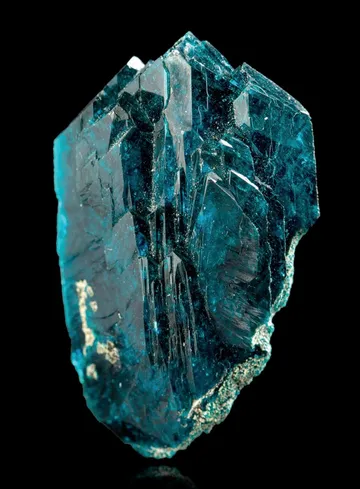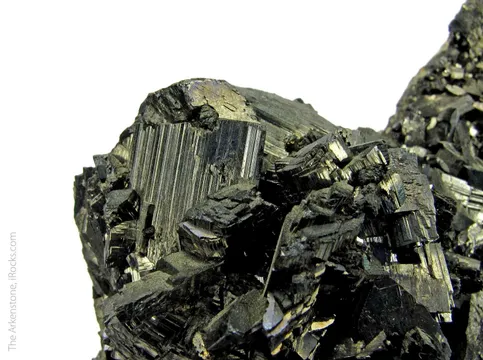
Montana, USA — a vast mineral province with diverse localities producing parisite-(Ce), tyuyamunite, sapphires, and agates; prized for range, rarity, and type-…
Key facts
Montana is not a single mineral locality in the ordinary sense; it is a mineral province of continental scale, and the collector who treats “Montana” as one label is really handling a suite of very different geological worlds. In the west are Proterozoic Belt Supergroup metasediments cut by hydrothermal fluorite-carbonate-quartz bodies, the source of the Snowbird Mine’s distinctive parisite-(Ce) with fluorite and carbonate gangue. Farther south and east, the Boulder Batholith and related Laramide-age systems gave the state Butte’s great copper-silver veins, classic enargite, covellite, pyrite, quartz, rhodochrosite and rare sulfosalts. In the Pryor Mountains, uranium-vanadium minerals coat and fill brecciated paleokarst in the Madison Limestone, producing yellow tyuyamunite and metatyuyamunite with barite, fluorite and calcite. In the Little Belt Mountains and western placer fields, Eocene igneous rocks and their eroded products supplied Montana’s sapphires. Along the Yellowstone River and in the Dryhead country, chalcedony gives the state its famous agates: translucent, waterworn stones with black manganese dendrites, red-brown iron staining, fortification bands, waterlines and, in the Dryhead material, unusually rich warm color.
Regional View
Country View
For serious collectors, Montana’s appeal lies in that range. It is one of the few American states where a cabinet can be built around ore-suite classics, lapidary icons, gem localities, rare-element occurrences, radioactive secondaries, skarns, pegmatites and type-locality species without leaving the state line. The best specimens tend to be intensely local in character: Butte pieces are dense, metallic and paragenetically complex; Snowbird parisite is a REE-fluorocarbonate collector’s mineral with a rugged hydrothermal look; Pryor Mountain tyuyamunite is high-color but demands responsible radioactive-mineral handling; Crazy Sphinx spinel is a skarn curiosity, usually locked in grossular or vesuvianite; and Montana agate rewards cutting, lighting and patient orientation more than size alone.
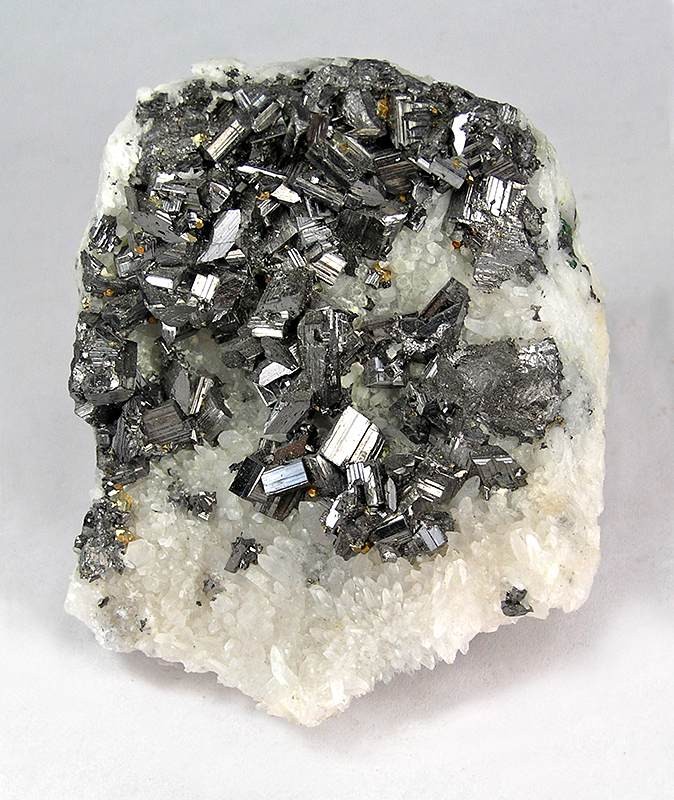
Photo: Wikimedia Commons
Montana also matters historically. Butte was the “Richest Hill on Earth,” and its copper-silver production placed it among the world’s great mining districts. The Black Pine Mine near Philipsburg became an American reference point for oxidized silver-base-metal mineralogy and is the type locality for philipsburgite, joëlbruggerite and auriacusite. The Stillwater Complex is globally significant for platinum-group minerals. Yogo Gulch became the classic American sapphire locality after Jake Hoover’s blue pebbles reached Tiffany & Co. in the 1890s. Even the state symbols reflect collectors’ interests: sapphire and Montana agate were both made official state gemstones.

Photo: Wikimedia Commons
Search for specimens: View all specimens from Montana, USA
Montana’s collectible minerals come from several distinct deposit families rather than one unified orebody. The western Belt Basin hosts fluorite-carbonate-quartz deposits such as Snowbird, Spar and related occurrences near the Idaho-Montana line. Snowbird, in Mineral County, is a lenticular REE- and fluorite-rich hydrothermal body cutting Belt Supergroup metasediments. Earlier workers considered some of these coarse calcite-fluorite bodies carbonatitic, but later geochemical and fluid-inclusion studies placed Snowbird and related western Montana fluorite-carbonate deposits in a hydrothermal framework. Its collector significance rests on fluorite and parisite-(Ce), with quartz, calcite and associated rare-earth minerals giving the assemblage its unusual chemistry.
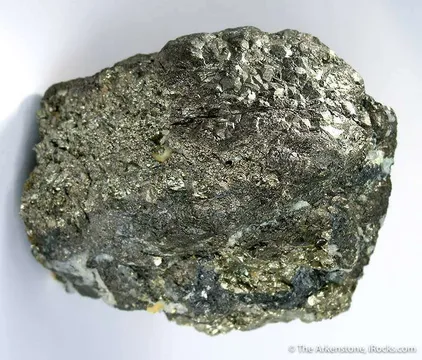
The Butte district belongs to a different story. It is a great hydrothermal porphyry and vein system developed in and around the Butte Quartz Monzonite of the Boulder Batholith. Collectors encounter Butte through specimens rather than field access: enargite, covellite, chalcocite, bornite, pyrite, quartz, rhodochrosite, rhodonite, sphalerite, galena, tetrahedrite-group minerals and a long list of rare copper-silver sulfosalts and sulfides. The most attractive old pieces show sharp metallic enargite prisms on white quartz or pyrite, rich blue-violet covellite, dark massive chalcocite-digenite associations, pink rhodochrosite on quartz, or dense ore textures whose value lies as much in mine provenance as in appearance. Historic labels naming the Leonard, East Colusa, Steward, Tramway, Badger State, Emma and related Butte mines add substantial locality value.
Black Pine Mine, also called the Combination Mine, is another cornerstone locality. Located northwest of Philipsburg in the John Long Mountains of Granite County, it produced silver and became widely known to collectors for well-crystallized cerussite, hübnerite, pyrite, quartz and tetrahedrite, along with rare secondary arsenates and phosphates. The deposit occurs in Belt Supergroup metasediments and contains multiple veins, including the Upper, Tim Smith, Combination and Onyx veins. Its fame among advanced collectors is magnified by its type-locality status for philipsburgite, joëlbruggerite and auriacusite.
The Pryor Mountain Mining District in south-central Montana is a small but mineralogically distinctive uranium-vanadium district. Mineralization occurs in collapse-breccia features and paleokarst horizons near the top of the Mississippian Madison Limestone, structurally related to Laramide deformation. The primary collector species here are tyuyamunite and metatyuyamunite, commonly as yellow coatings, crusts and vug fillings rather than freestanding display crystals. Associated minerals documented from the district include hematite, limonite, iron hydroxides, green radioactive calcite, dolomite, golden and white barite, gypsum, white to dark purple fluorite, pyrite, marcasite, opal, quartz and clay minerals. Mines and prospects such as Old Glory, Sandra, East Pryor, Dandy, Marie, Lisbon and Swamp Frog appear repeatedly in the district literature.
Montana’s gem corundum deposits are also crucial to its collecting identity, though cut stones rather than cabinet crystals dominate the market. Yogo Gulch in Judith Basin County is the classic primary sapphire deposit: a narrow Eocene lamprophyric dike intruded into Mississippian Madison Group carbonate rocks and shales. The Yogo rough is famous for natural blue color, high clarity and lack of the color zoning common in many sapphires, but the crystals are often small and flat. Other Montana sapphire deposits, including Rock Creek near Philipsburg, Dry Cottonwood Creek and the Missouri River bars near Helena, are alluvial and yield a wider color range, commonly improved by heat treatment in the gem trade.
Montana agate is the state’s broadest collecting target. Yellowstone River material occurs as resistant chalcedony nodules and fragments concentrated in river gravels after weathering out of older volcanic and sedimentary sources. The classic look is clear to gray, white, amber or reddish chalcedony with black manganese-oxide dendrites and iron-oxide reds and browns. Dryhead agate, from the Bighorn-Pryor Mountain region west of the Bighorn River, is more restricted and more intensely prized for nodules with reds, oranges, yellows, pinks, white, waterline structure and fortification banding; many nodules are disappointing inside, filled with calcite or poor-quality chalcedony, which makes truly fine Dryhead material disproportionately desirable.
Collecting access today is uneven. Some Montana collecting remains possible on public lands under BLM or Forest Service rules where land status, mineral rights, closures and claims allow it. Crystal Park in the Pioneer Mountains is the best-known developed public quartz locality, reserved for recreational digging and known for smoky quartz, amethyst and rock crystal in decomposed granite. Yellowstone River agate collecting depends on legal river access, private-property boundaries, local rules and water conditions. Historic mines such as Butte’s underground workings, many Black Pine workings, uranium prospects and private sapphire or agate deposits should be treated as closed, dangerous, private, reclaimed, claimed or regulated unless the collector has explicit current permission from the landowner, operator and relevant agency. Montana rewards careful homework before fieldwork.
Montana parisite is tied above all to the Snowbird Mine in the Cedar Creek Mining District of Mineral County, where parisite-(Ce) occurs in an unusual REE- and fluorite-rich hydrothermal quartz-carbonate body rather than in the more familiar Colombian emerald-mine setting. Snowbird specimens are valued for recognizable reddish brown to brownish, resinous fluorocarbonate crystals or crystal masses in association with fluorite, quartz and carbonate gangue; they are rarely immaculate showpieces, and many have the rugged, etched or embedded appearance expected from a coarse hydrothermal body. Better examples have distinct crystal form, visible contrast against pale quartz, calcite or fluorite, and unquestioned Snowbird provenance; ordinary pieces may be little more than brown grains in massive gangue, important scientifically but not visually persuasive.
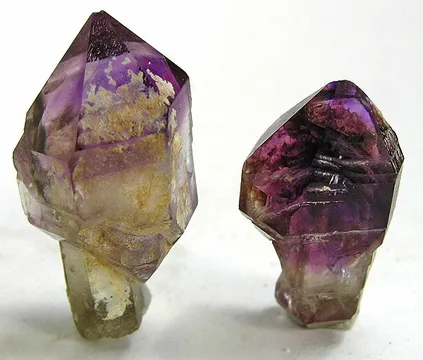
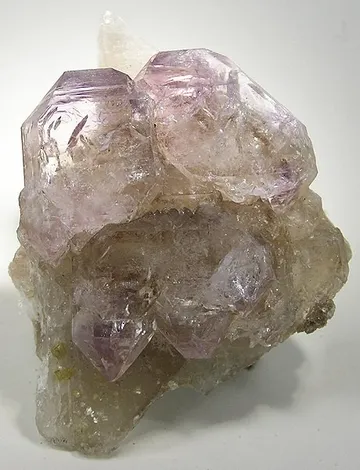
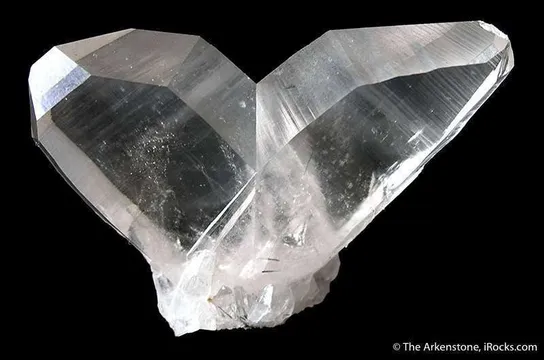
Quartz in Montana spans several collector categories, and good locality attribution is essential. Butte quartz is a hydrothermal gangue mineral that becomes important when it carries classic enargite, pyrite, rhodochrosite, bornite, covellite or other ore minerals; these pieces are prized for contrast, old mine provenance and paragenetic interest rather than isolated quartz form. In the Pioneer Mountains, Crystal Park produces loose smoky quartz, amethyst and rock crystal from decomposed granite, commonly as small to several-inch crystals, singles, pairs, clusters and occasional scepters; sharpness, complete terminations, undamaged luster, smoky-amethyst zoning and attractive scepter habit separate the best dug pieces from the abundant chipped or iron-stained fragments. At the PC Mine north of Basin and other western Montana occurrences, Japan-law twins and smoky/amethyst combinations add a specialist’s subtheme to the state’s quartz suite.
Montana agate is most familiar as Yellowstone River moss agate: transparent to translucent chalcedony in clear, white, gray, amber, yellowish or reddish tones, marked by black manganese-oxide dendrites and iron-oxide reds and browns. It is collected chiefly from river gravels and cut material, where the specimen is judged by translucency, pattern placement, lack of fractures, crisp dendritic “moss,” strong red-orange staining, fortification or waterline structure and the lapidary orientation that reveals the picture inside. Dryhead agate, from the Bighorn-Pryor Mountain country, is scarcer and more locality-specific, producing nodules whose best interiors show saturated red, orange, yellow, pink and white patterning; because many Dryhead nodules are calcite-filled or visually poor, clean, colorful halves and slabs with strong banding command far more attention than ordinary rough.
Montana tyuyamunite is a Pryor Mountains mineral, formed in the oxidized uranium-vanadium deposits hosted by collapse breccias and paleokarst in the upper Madison Limestone. Collector specimens are typically vivid yellow to yellow-green crusts, powdery coatings, vug linings and small aggregates with barite, fluorite, calcite, dolomite, gypsum, quartz, iron oxides and clay, rather than large freestanding crystals. The best pieces show strong color, visible thickness or microcrystallinity, stable matrix, clean contrast with white or golden barite or pale carbonate, and credible mine-level provenance such as Old Glory, Sandra, East Pryor or related Pryor Mountain workings; weak, friable smears on limestone are common, visually modest and much more vulnerable to abrasion, dehydration and contamination during handling.
Montana spinel of collector note comes from the Crazy Sphinx Mine near Helena, where a limestone xenolith enclosed in Boulder Batholith granodiorite was converted to a calc-silicate skarn dominated by vesuvianite, grossular and calcite. The celebrated habit is blue spinel as octahedrons, reported to reach about 1.5 inches, but nearly always embedded in grossular or vesuvianite rather than perched as loose, glassy gem crystals. A good Crazy Sphinx specimen shows clear octahedral form, saturated blue color, clean exposure of several faces, and attractive association with greenish to brown grossular or vesuvianite; ordinary pieces are massive skarn chunks where the spinel is poorly exposed, bruised, or present only as dark blue spots in a tough silicate matrix.
Montana euchroite is a rare-species occurrence from the Copper Cliff Mine, also known as the Cramer Creek copper deposit, in the Copper Cliff Mining District of Missoula County. It is prized not because Montana produced large quantities, but because euchroite is an uncommon hydrated copper arsenate and attractive, well-crystallized American examples are scarce. Specimens from Copper Cliff are sought as saturated green crystals or crystalline crusts on matrix, typically of thumbnail to miniature scale in the specimen market, and the best examples show bright color, discernible crystal faces, little bruising, and clean contrast against pale gangue or oxidized copper matrix. Lesser examples can be confused with generic green copper arsenate or sulfate coatings, so analytical confidence and a firm Copper Cliff provenance matter as much as aesthetics.
Other Montana minerals raise the state from “productive” to genuinely important. Type-locality and co-type-locality species include montanite from Highland Gulch; colusite from the Butte district; tellurobismuthite from Fairview Mine in the Garnet District and Highland Gulch; burbankite and calkinsite-(Ce) from Big Sandy Creek; djurleite from the Leonard Mine at Butte as a co-type locality; philipsburgite, joëlbruggerite and auriacusite from the Black Pine Mine; and platinum-group species from the Stillwater Complex, including stillwaterite, keithconnite, telluropalladinite and palladobismutharsenide. The state also offers classic Butte enargite, covellite, chalcocite, bornite, rhodochrosite and pyrite; Black Pine veszelyite, tetrahedrite, quartz and rare arsenates; Neihart sulfides and sulfosalts; Radersburg wulfenite, vanadinite, mimetite and descloizite; Yogo and alluvial sapphires; Hyalite Canyon opal; Crystal Park smoky quartz and amethyst; and Stillwater chromite and PGM material.
Montana material is unusually vulnerable to vague labeling. A specimen labeled only “Montana” may be a legitimate state piece, but it loses much of its scientific and market value unless the district or mine is known. For Butte, mine names such as Leonard, East Colusa, Emma, Steward, Badger State, Tramway or Berkeley Pit change both context and desirability. For Snowbird parisite, the specific Snowbird Mine attribution matters because western Montana has several fluorite-carbonate occurrences. For agate, “Montana agate,” “Montana moss agate,” “Yellowstone River agate” and “Dryhead agate” should not be used interchangeably.
Yogo sapphire deserves special caution. “Yogo” is not a synonym for every Montana sapphire. It refers to material from Yogo Gulch and its sapphire-bearing dike system. Many attractive Montana sapphires from Rock Creek, Missouri River, Dry Cottonwood Creek and other alluvial deposits are heated in the modern gem trade to improve color; that does not make them fraudulent, but it must be disclosed. Yogo sapphires are valued partly because their fine blue color is natural and because they typically lack strong color zoning, but they are also usually small and flat. Large, inexpensive, vivid-blue “Yogo” stones should be questioned carefully.
Montana agate is widely cut, polished and sold, and cutting is often the best way to reveal the specimen. Treatments are less central to the Montana agate market than to some gem materials, but dyed or enhanced chalcedony can appear in general lapidary commerce, and sellers sometimes use “Dryhead” too loosely for any warm-colored Montana-style agate. With Dryhead material, provenance and old-stock history are especially important because the classic productive private area has not been a routine open collecting site for decades.
Radioactive minerals from the Pryor Mountains require informed handling. Tyuyamunite and metatyuyamunite are uranium-vanadium minerals; store them labeled, isolated from living spaces, away from food preparation areas, and preferably in ventilated secondary containment that controls dust. Do not cut, grind, soak, tumble or ultrasonically clean them. Tyuyamunite-group minerals can be friable and may dehydrate or alter; a good specimen should be handled by the matrix, kept dry and not repeatedly exposed to abrasion.
Butte sulfides and sulfosalts can have condition issues tied to age and ore texture. Enargite and pyrite may be edge-chipped; covellite is soft and micaceous; chalcocite/digenite masses can be unattractive without crystal form; and old rhodochrosite on quartz may have bruised rhombs or manganese staining. Cleaning should be conservative. Old Butte labels, Anaconda-era provenance, and documentation from established collections can outweigh minor damage, especially for species such as colusite, djurleite, covellite and classic enargite.
Spinel from Crazy Sphinx is usually embedded in tough skarn, so trim quality matters. Attempts to expose additional faces can easily destroy the octahedron or leave saw marks and bruising. Good pieces are those where the natural break or careful trimming reveals the spinel without making the matrix look overworked.
Euchroite from Copper Cliff should be approached as a rare-species specimen, not simply a green copper mineral. Because small green secondary copper minerals can be visually deceptive, strong labels, analytical provenance or purchase from a knowledgeable rare-species dealer are valuable. As with many hydrated arsenates, avoid aggressive cleaning, heat and prolonged damp storage.
Market availability varies sharply by sublocality. Yellowstone River agate and general Montana sapphire remain common in commerce. Crystal Park quartz is readily obtainable but top scepters, amethyst-smoky combinations and sharp undamaged crystals are much scarcer. Butte classics mostly circulate from old collections, estate dispersals and historic stocks. Snowbird parisite, Copper Cliff euchroite, good Crazy Sphinx spinel and colorful Pryor Mountain tyuyamunite are much more specialized and appear irregularly.
Jake Hoover was looking for gold when the more valuable mineral passed unnoticed through his sluice. In 1895, at Yogo Gulch, he found small shiny blue pebbles mixed with his placer concentrate and sent them east for identification. The judgment came through Dr. George Kunz of Tiffany & Co.: they were sapphires. Tiffany bought a cigar box full of the stones for $3,750, while Hoover’s gold recovery for the season amounted to only about $700. In one transaction the little blue pebbles became more convincing than the yellow metal, and Yogo Gulch changed from a gold camp curiosity into one of the most storied sapphire localities in the world.
The source was found in a wonderfully old-fashioned way: by watching the ground. In 1896, James Ettien noticed sapphires around badger and gopher burrows aligned along a linear depression, the surface trace of the weathered sapphire-bearing dike. He staked the first claim, and Hoover and his partners bought it later that year for $2,450. The dike itself was never a broad, easy orebody. It was narrow, segmented and often only a few feet thick, but it carried stones of a quality that made Yogo a name apart from other Montana sapphires. The irony for cutters is that the same locality famed for superb color and clarity is also famous for small, flat rough; beauty was abundant, size was not.
At Butte, the story turns industrial. The district produced extraordinary quantities of copper, silver, zinc, manganese, lead, molybdenum and gold, yet the mineral-collector legacy often rests on the pieces that escaped the mill. In August 1974, the Anaconda Company entered the mineral specimen business directly by employing geologist Duane Johnson to collect specimens from the underground mines and place them on the market. That moment matters: many classic Butte specimens were not casual dump finds but minerals rescued from active underground workings by someone who understood both geology and the collector’s eye. The result is that a good Butte specimen with an old label can feel like a surviving page torn from a closed mine level.
Dryhead agate has a quieter but equally collector-driven story. Float was traced back to source in the remote country between the Bighorn and Pryor Mountains, leading to mining in an area where many nodules looked promising outside and failed inside. Some were calcite-filled; some carried little usable agate; a small percentage opened into red, orange, gold, white, yellow or pink patterns that made the labor worthwhile. For a few years the locality operated as a fee area, and much of the prized old-stock material in collections dates to that early-1980s window. Later mining continued under different groups until the late 1990s, when the landowner agreement ended. The collector’s romance of Dryhead is inseparable from that scarcity: every fine half implies many dull nodules and a remote deposit no longer casually open to the public.
Crystal Park is the democratic counterpoint. In 1969, the Butte Mineral and Gem Club staked a claim in the Pioneer Mountains, and the site later passed into Forest Service recreational management. Today the appeal is simple and durable: at about 7,800 feet elevation, people dig through decomposed granite for smoky quartz, amethyst and clear quartz crystals that may be smaller than a thumb or several inches long. It is not a secret mine, not a dangerous adit, and not a locality whose best pieces are only inherited from 19th-century collections. It is a place where Montana still lets a patient collector put a crystal in the daylight with their own hands.
Lasmanis, R. (1977). “The Snowbird Mine: Montana’s Parisite Locality.” The Mineralogical Record, 8(2). A key collector-facing reference for Snowbird parisite.
Samson, I. M., Kerr, I. D., Graf, C., & others. (2004). “Fluid Inclusion Characteristics and Genesis of the Fluorite-Parisite Mineralization in the Snowbird Deposit, Montana.” Economic Geology, 99. Modern genetic treatment of the Snowbird fluorite-parisite system.
Van Gosen, B. S., Wilson, A. B., & Hammarstrom, J. M. (1996). Mineral Resource Assessment of the Custer National Forest in the Pryor Mountains, Carbon County, South-Central Montana. U.S. Geological Survey Open-File Report 96-256. Important background for Pryor Mountain uranium-vanadium mineralization.
Moore-Nall, A. L., & Lageson, D. R. (2015). “Elevated REE in Ore Minerals of the Pryor Mountain Mining District, South Central Montana.” In 2015 Montana Mining and Mineral Symposium Proceedings, MBMG Open-File Report 669. Summarizes Pryor Mountain tyuyamunite-metatyuyamunite mineralization, associated gangue and REE data.
Gobla, M. J. (2021). “Mining History and Mineralogy of the Black Pine Mine, Granite County, Montana.” In Montana Mining and Mineral Symposium 2021, MBMG Special Publication 123. Overview of Black Pine history, mineralogy and type-locality significance.
Mindat Type Locality Report: Black Pine Mine, Philipsburg Mining District, Granite County, Montana. Lists Black Pine as the type locality for auriacusite, joëlbruggerite and philipsburgite.
Gammons, C., & Stevenson, R. (2015). “Silver Mineralogy of the Butte Mines.” In 2015 Montana Mining and Mineral Symposium Proceedings, MBMG Open-File Report 669. Useful summary of Butte silver mineralogy, production context and Anaconda collection work.
Weiner, K. L., Post, J. E., & others. (1998). Euchroite from the Copper Cliff Mine, Montana, as cited in Mindat’s euchroite locality records. Documents the Copper Cliff Mine occurrence of euchroite in Missoula County.
Hawthorne, F. C. (1987). “Euchroite, a heteropolyhedral framework structure.” Includes structural work on euchroite material from Copper Cliff, Montana, in the National Museum Collection.
Götte, J., Möckel, R., Kempe, U., Kapitonov, I., & Vennemann, T. (2018). “Characteristics and origin of agates in sedimentary rocks from the Dryhead area, Montana, USA.” Mineralogical Magazine. Scientific treatment of Dryhead agate mineralogy and genesis.
Mychaluk, K. A. (1995). “The Yogo Sapphire Deposit.” Gems & Gemology. Classic gemological and historical study of Yogo Gulch.
Renfro, N. D., et al. (2018). “Gemological Characterization of Sapphires from Yogo Gulch, Montana.” Gems & Gemology. Modern gemological characterization of Yogo sapphires.
Palke, A. C., et al. (2015). “Alluvial Sapphires from Montana: Inclusions, Geochemistry, and Indications of a Metasomatic Origin.” Gems & Gemology. Detailed treatment of Montana’s alluvial sapphire deposits.
Zientek, M. L., Foose, M. P., & Leung, M. (1986). “Palladium, platinum, and rhodium contents of rocks near the lower margin of the Stillwater complex, Montana.” Economic Geology, 81(5), 1169–1178. Important publication on PGE geochemistry at the Stillwater Complex.
“FIND AMETHYST and SMOKY QUARTZ at CRYSTAL PARK in Montana | Best Tips for Crystal Digging” — YouTube. Field-style video showing recreational digging for Crystal Park quartz.
“SUPER MOSSY Montana Agate! ROCKHOUNDING Montana's Yellowstone River” — YouTube. Rockhounding video focused on Yellowstone River Montana agate.
World Museum of Mining, Butte, Montana. Museum and underground-mine-tour media resource for understanding Butte’s mining landscape.
Montana Bureau of Mines and Geology Mineral Museum virtual and visitor resources. Museum resource for Montana minerals, Butte specimens and fluorescent displays.
Mindat: Snowbird Mine, Cedar Creek Mining District, Mineral County, Montana — Key locality page for Snowbird fluorite and parisite-(Ce).
Mindat: Crazy Sphinx Mine, Helena Mining District, Lewis and Clark County, Montana — Locality page documenting the Crazy Sphinx skarn assemblage and spinel occurrence.
Mindat: Euchroite mineral data and localities — Includes the Copper Cliff Mine occurrence in Missoula County.
Mindat: Type Locality Report for Black Pine Mine — Concise reference for Black Pine type-locality minerals.
Montana Bureau of Mines and Geology Open-File Report 669: 2015 Montana Mining and Mineral Symposium — Useful proceedings covering Montana mineral provinces, Pryor Mountain uranium-vanadium minerals, Butte silver mineralogy and state mineral references.
GIA: Gemological Characterization of Sapphires from Yogo Gulch, Montana — Detailed modern treatment of Yogo sapphire geology, history and gemology.
GIA: Big Sky Country Sapphire — Visiting Montana’s Alluvial Deposits — Field and gemological overview of Rock Creek, Missouri River and Dry Cottonwood Creek sapphire deposits.
GIA: Alluvial Sapphires from Montana — Technical reference for inclusions, geochemistry and origin of Montana alluvial sapphires.
Cambridge Core: Characteristics and origin of agates in sedimentary rocks from the Dryhead area, Montana, USA — Scientific reference for Dryhead agate formation and mineralogical characteristics.
The Agate Works: Dryhead Agate — Collector-oriented account of Dryhead colors, mining history and availability.
Geology.com: Montana Gemstones — Sapphire, Agates, and More — Accessible overview of Montana sapphire and agate occurrences.
Visit Montana: Crystal Park — Visitor-oriented description of the public quartz collecting area in the Pioneer Mountains.
U.S. Forest Service: Crystal Park geology brochure — Practical geological and collecting information for Crystal Park smoky quartz and amethyst.
Bureau of Land Management: Rockhounding — Current federal overview of recreational collecting rules on BLM-managed public land.
BLM Montana-Dakotas recreation activities — Montana-specific BLM collecting guidance and agency contacts.
Montana Code Annotated: official state gemstones — Statutory reference naming sapphire and Montana agate as official state gemstones.
Montana Bureau of Mines and Geology Mineral Museum — Important museum resource for Montana specimens and Butte mining context.
IUGS Geoheritage: Anaconda Research Collection — Background on the research value of historic Anaconda and Butte mine material.
ScienceDirect: Rare-earth element geochemistry of fluorite-carbonate deposits in western Montana — Technical reference for REE chemistry of Snowbird and related fluorite-carbonate deposits.
GSA Abstract: Age and origin of fluorite-bearing, Snowbird-type veins, western Montana — Conference abstract on the age and origin of western Montana Snowbird-type veins.