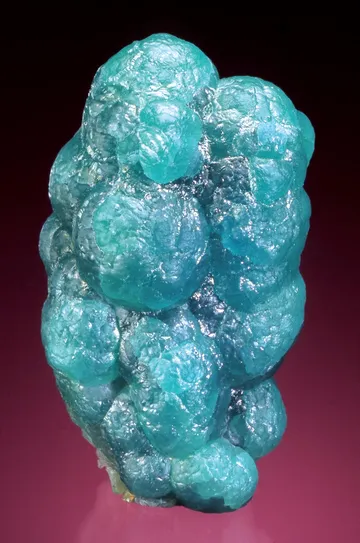
Choix, Mexico — renowned for El Refugio mine's botryoidal smithsonite color spectra, pastel hues, silky luster, and its status as a premier collecting locality.
Key facts
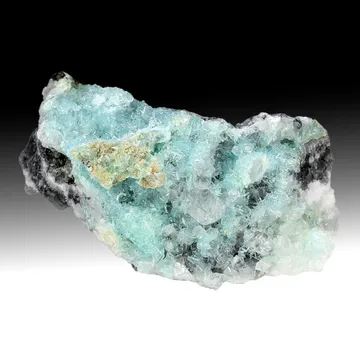
Choix, in northern Sinaloa on the western flank of the Sierra Madre Occidental, matters to mineral collectors for a very specific reason: the El Refugio mine produced one of the great modern suites of colorful botryoidal smithsonite. The specimens are not important because the species is rare, nor because the mine yielded a broad cabinet of exotic secondary minerals. Their importance lies in a highly recognizable combination of form and color: rolling, grape-like crusts and plates of ZnCO3 in pastel pink, lavender, lilac, sky-blue, blue-green, gray, cream, yellow, and brown, often with more than one hue present in the same piece. The best Choix smithsonites have a silky to wet vitreous luster, translucent botryoids, strong sculptural relief, and delicate color zoning that makes them instantly separable from the blue smithsonites of Kelly, the crystalline smithsonites of Tsumeb, or the richer green cuprian material of many copper districts.
Geologically, the collector locality is the oxidized zinc zone of the Refugio mine, one of several small vein and carbonate-replacement occurrences in the Choix district. The district is developed in thin Cretaceous limestone units cut by granitic stocks and dikes of Laramide to mid-Tertiary age. At Refugio, the specimen-producing zone was a vertically restricted oxidized cap above primary sphalerite-pyrite mineralization in a small garnet skarn at the contact of a quartz-diorite stock. That setting explains both the zinc richness and the uncommon palette: the mine’s smithsonite contains measurable cobalt and manganese, and many specimens show pink to red, purple, blue, or mixed fluorescence under shortwave ultraviolet light.
Historically, Choix is a small mining district rather than a single-mine story. Spanish exploration recognized mineralized outcrops in the area by the late 1500s, mining began in a limited way in the late 1600s, and later work came in waves: nineteenth-century reopening, modernization under Compañía Minera y Beneficiadora de Metales de Choix and then Peñoles in the early twentieth century, commercial specimen recovery in the 1970s, and renewed zinc-ore mining and specimen production in the 2000s. For collectors, however, the golden age of Refugio is now past. The best color came from the high-grade oxidized zones, and those zones have been heavily mined.
Regional View
Country View

Photo: Rob Lavinsky, iRocks.com / Wikimedia Commons
The photograph above is labeled Santa Anita, a name long entangled with Choix smithsonites in the specimen trade. Modern locality discussions distinguish the pretty pastel cabinet material as Refugio production, while acknowledging that Santa Anita labels have circulated for Choix pieces for decades. That label history is part of the locality’s collecting character: many older pieces are simply “Choix, Sinaloa,” and good examples must be judged by their mineralogical look, provenance, and the plausibility of their mine attribution.
Search for specimens: View all specimens from Choix, Mexico
The collector locality represented by most “Choix” smithsonite specimens is the El Refugio mine near Choix, Choix Municipality, Sinaloa, Mexico. In the wider district, mineralization includes small vein and carbonate-replacement deposits in thin Cretaceous limestone intruded by granitic stocks and dikes. Refugio is the important specimen producer: a small garnet skarn on the contact of a quartz-diorite stock, with deeper primary sphalerite-pyrite mineralization and a supergene oxidized zinc zone above it. That upper zone generated the botryoidal smithsonite plates and masses for which the locality is famous.
The broader Choix district also lies in the same metallogenic neighborhood as larger Laramide porphyry copper systems, especially Santo Tomás, north-northwest of the town. Santo Tomás is a Cu-Mo-Au-Ag porphyry copper deposit associated with quartz monzonite porphyry and hosted by Cretaceous limestone and metamorphosed andesite. That regional context is useful because it frames Choix as part of a larger intrusive-hydrothermal province, but collectors should not confuse Santo Tomás porphyry mineralization with the Refugio smithsonite occurrence. Refugio is a zinc-rich oxidized CRD/skarn-style occurrence, not the porphyry copper specimen locality.
The ore bodies at Refugio were valuable as supergene zinc ore as well as specimen ground. The smithsonite occurred in a vertically limited oxidized interval above sulfides, and the best pink and pastel material came from high-grade zones. Ordinary material is white, gray, yellow, brown, or duller botryoidal smithsonite in plates; the celebrated pieces are those where cobalt- and manganese-bearing growth zones produced pink, lavender, lilac, and sky-blue banding. Aragonite and goethite are recorded in association in photo data, and fluorescent-specimen records also report subordinate hydrozincite and minor willemite on some pieces.
Mining around Choix began as a precious-metal enterprise rather than a specimen enterprise. Spanish miners worked the area only intermittently; the district’s remoteness, modest ore grades, and transport difficulties kept it from becoming a major colonial camp. Later nineteenth- and early twentieth-century operations extracted silver, gold, lead, and zinc from the district. In 1903, Compañía Minera y Beneficiadora de Metales de Choix acquired the mines, and in 1906 Compañía Minera de Peñoles took over and modernized work before the Mexican Revolution interrupted the district’s momentum. Documented Peñoles production from 1906 to 1955 has been reported as 5.4 million troy ounces of silver, 100,000 troy ounces of gold, plus substantial lead and zinc.
For specimen collectors, the first major modern wave came in the early 1970s, when commercial collectors reopened old workings and recovered botryoidal smithsonite in large masses and a wide range of colors. Benny Fenn is credited with acquiring early specimens in 1972 and with bringing tons of Choix material to market during that decade. After a quieter period in the 1980s and 1990s, important material again reached collectors in the early 2000s. Minera Rio Tinto built a calcining plant at Choix in 2005 and mined high-grade supergene zinc ore from Refugio over the next several years; that campaign reportedly produced more than 50,000 tons of ore grading over 40 percent zinc and roughly five tons of specimen material, including several hundred superb pieces.
Collecting access today should be treated as closed or effectively unavailable for casual collectors. Refugio is a mined-out, privately controlled mine locality, not a public field-collecting site. Specimens now reach the market mainly through older collections, dealer inventories, auction dispersals, and occasional pieces from the 2000s production. Any visit to the district would require explicit permission from land and mineral-rights holders, awareness of mine hazards, and current local safety knowledge. For practical collectors, the locality is now a provenance and connoisseurship problem rather than a collecting-trip opportunity.
Choix smithsonite is overwhelmingly botryoidal, occurring as crusts, plates, rolling mounds, and compact masses rather than sharp individual crystals; sizes range from thumbnails and miniatures to imposing cabinet plates, with documented cabinet pieces exceeding 10 cm and large display specimens reaching the 15–25 cm class. The classic colors are pastel pink, lavender, lilac, sky-blue, blue-green, gray, cream, yellow, and brown, commonly in bands or patches across a single botryoidal surface. The best specimens are translucent, lustrous, undamaged, and strongly dimensional, with rounded botryoids large enough to read across a room but still tight enough to show silky radial structure. Aragonite and goethite occur as recorded associations, while some fluorescent specimens also carry minor hydrozincite or willemite. Refugio is the crucial name: many older labels say only “Choix” or “Santa Anita,” but the world-class pastel smithsonites are attributed to the Refugio mine’s oxidized zinc zone, where cobalt- and manganese-bearing smithsonite formed above sphalerite-pyrite ore in the skarn contact environment.
Choix is not known as a type-locality district; its mineralogical fame rests on exceptional smithsonite rather than on new species. At the Refugio mine itself, smithsonite is the only formally listed valid species in the principal locality record, with aragonite and goethite documented as photo-data associations. At the broader Choix Municipality level, records include biotite, bornite, chalcocite, chalcopyrite, chlorite-group minerals, chrysocolla, epidote, goethite, malachite, pyrite, scheelite, smithsonite, and tourmaline, largely reflecting other district occurrences such as Santo Tomás rather than the Refugio specimen zone. Fluorescent-mineral records add practical collector interest by documenting shortwave responses in smithsonite and reporting minor willemite and hydrozincite on some Refugio material.
The main authenticity issue for Choix is locality precision. Many specimens have been sold as “Choix,” “Santa Anita,” “El Refugio,” or simply “Sinaloa, Mexico,” and older labels are not always wrong so much as imprecise. Modern consensus among locality specialists is that the colorful pastel smithsonites—the pieces collectors are usually seeking—are Refugio material, while Santa Anita was a nearby oxidized zinc occurrence whose name became attached to specimens in the trade. A conservative label for an older, unprovenanced piece may read “Choix district, Sinaloa, Mexico,” while a stronger label can say “El Refugio mine” when backed by reputable dealer provenance, old collection history, or characteristic production-era context.
Documented treatment problems are not the central concern at Choix. The natural color palette is already so distinctive that dyed or enhanced material is not a known defining market issue for the locality. Still, collectors should be alert to the usual smithsonite vulnerabilities: bruised high points on botryoids, scuffed silky luster, broken edges on thin plates, glued bases, and repaired fractures in heavy cabinet pieces. Very shiny, even-colored pink pieces should be examined closely under magnification, but the presence of strong pink or lavender is not itself suspicious for Choix.
Condition grading is strict because the surfaces are the specimen. A small rub on a botryoid can flatten the optical effect, and gray matrix scars or edge chips interrupt the smooth pastel skin. Fine pieces show continuous luster over rounded mounds, no obvious contact marks on the display face, and pleasing transitions between color zones. Multicolored pieces with pink-lavender-blue zoning are prized, but an exceptional single-color blue or pink specimen with wet luster can outrank a busy multicolor example with bruising.
Shortwave fluorescence is a real added dimension here, not a gimmick. Many Refugio smithsonites fluoresce pink, red, purple, blue, or mixed colors under 254 nm UV, while longwave response may be weak, absent, or different. Fluorescence varies from layer to layer; on some pieces it appears strongest at edges or in earlier growth zones now partly overgrown. Do not clean Choix smithsonite with acids. It is a zinc carbonate, relatively soft for a cabinet mineral, and vulnerable to chemical attack, abrasion, and hard brushing. Dust with air or a very soft brush, handle by matrix or edges, and keep pastel translucent pieces away from prolonged harsh display lighting as a general conservation precaution.
Market availability is steady but finite. The mine is considered worked out for the high-grade color zones, and the best pieces now recycle through collections. Miniatures and small cabinets appear regularly, especially in blue, gray-blue, lilac, and pink; top cabinet specimens with strong color, high relief, and pristine luster are much scarcer and command serious prices. Provenance matters: ex-Benny Fenn era material, old dealer labels, recognizable collection histories, and pieces photographed or published in major references deserve a premium.
The most vivid Choix story begins not underground but on the backs of burros. Around the turn of the twentieth century, the district was remote enough that only carefully hand-cobbed, high-grade ore could justify the trip out. The ore went 75 miles by burro to Topolobampo, then 200 miles by steamer to Guaymas, 200 more miles by rail to Nogales, 250 miles east to El Paso, and finally 700 miles south by Mexican rail to Aguascalientes, where the only suitable smelter could handle its chemistry. It is a wonderfully absurd itinerary for ore from a small Sinaloa camp: a zigzag journey by animal, ship, and multiple railroads, all to move rock that began in short, self-draining tunnels in the hills north and east of Choix.
The specimen story turns in 1972, when Benny Fenn acquired early Refugio smithsonites and helped push Choix from mining footnote to cabinet classic. Before then, the district’s oxidized zinc minerals were ore, not treasure. As specimen prices climbed in the 1970s, commercial collectors reopened old workings at Refugio and nearby Santa Anita, recovering large botryoidal masses in colors that looked almost improbable for zinc carbonate: gray and rich blue, then pink and violet, then lavender and lilac. Tons of material reportedly moved into the collector market during that decade, but only a fraction had the electric balance of translucency, color, luster, and undamaged surface that makes collectors stop speaking when a great Choix plate is unwrapped.
The label confusion has its own small drama. In 2010, a collector asked publicly whether smithsonites labeled El Refugio and Santa Anita could be distinguished, noting that 1990s pieces seemed to be called Santa Anita while more recent 2000s material was called El Refugio. Peter Megaw answered bluntly: “It’s Refugio,” adding that the same mine and same orebody were involved and that “Mina El Refugio” was the correct Spanish name. That exchange captures a common Mexican-mineral problem in miniature: a district name, a mine name, a trade label, and decades of old tags all jostling for authority.
The 2005–2009 mining episode is the last great production chapter so far. Minera Rio Tinto built a calcining plant in Choix and mined Refugio in earnest for high-grade supergene zinc ore. The numbers are startling for a locality collectors often picture as a source of pastel cabinet pieces: more than 50,000 tons of ore with over 40 percent zinc, and perhaps five tons of specimen material saved from the operation. Of that, only several hundred pieces are described as superb. That ratio explains the market today. Choix was not a pocket locality where every vug yielded a jewel; it was an ore operation whose best specimens survived because someone recognized, in time, that a thin oxidized zinc zone could produce one of the world’s most beautiful smithsonites.