Carrollite - image 1
specimen video

Carrollite

Unknown Owner
Help improve this recordNo owner is registered for this specimen yet. If it's yours or you know more about it, you can add the owner, provenance, publications and other details.
Sign in to contribute
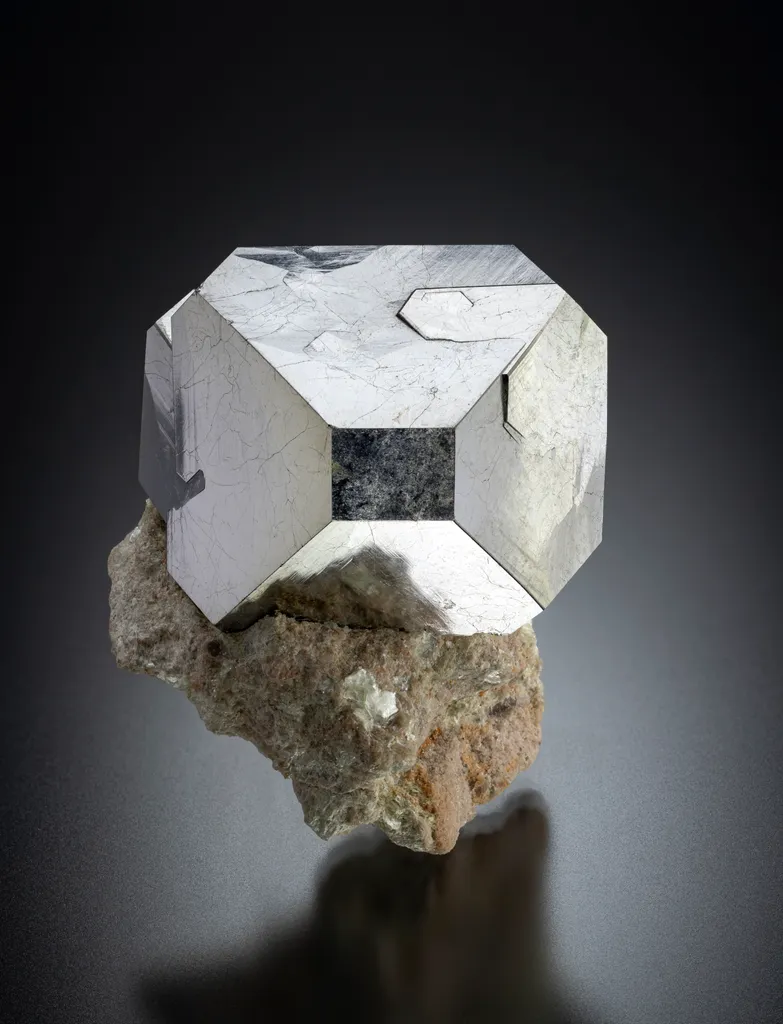
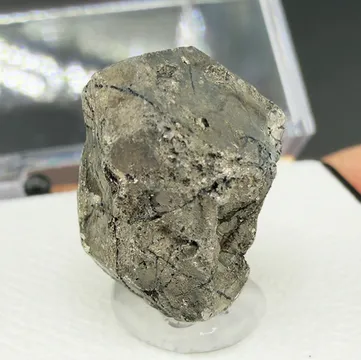
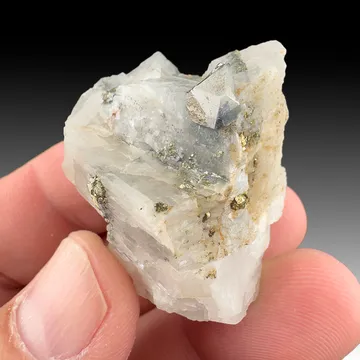
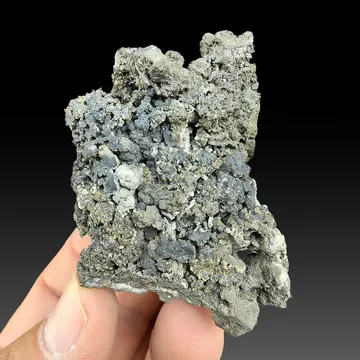
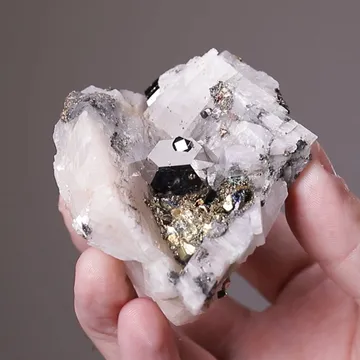
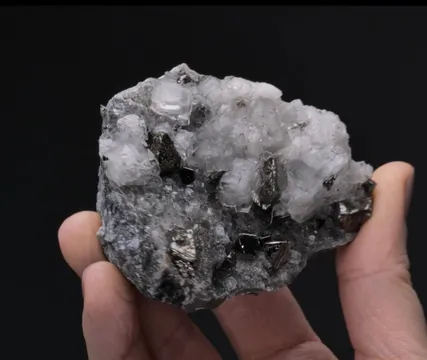
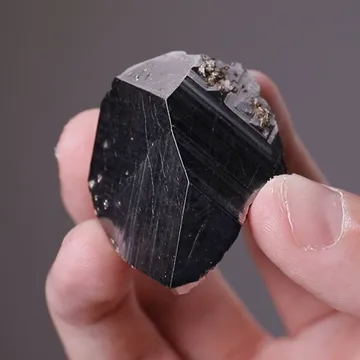
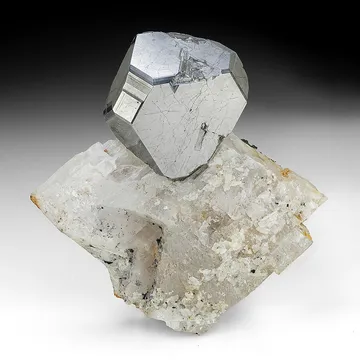
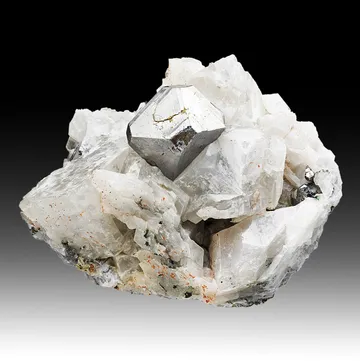
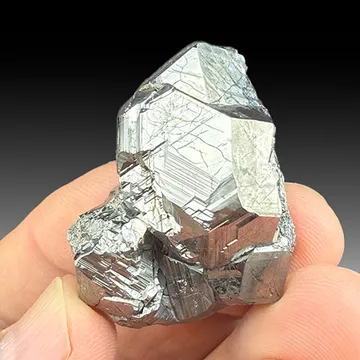
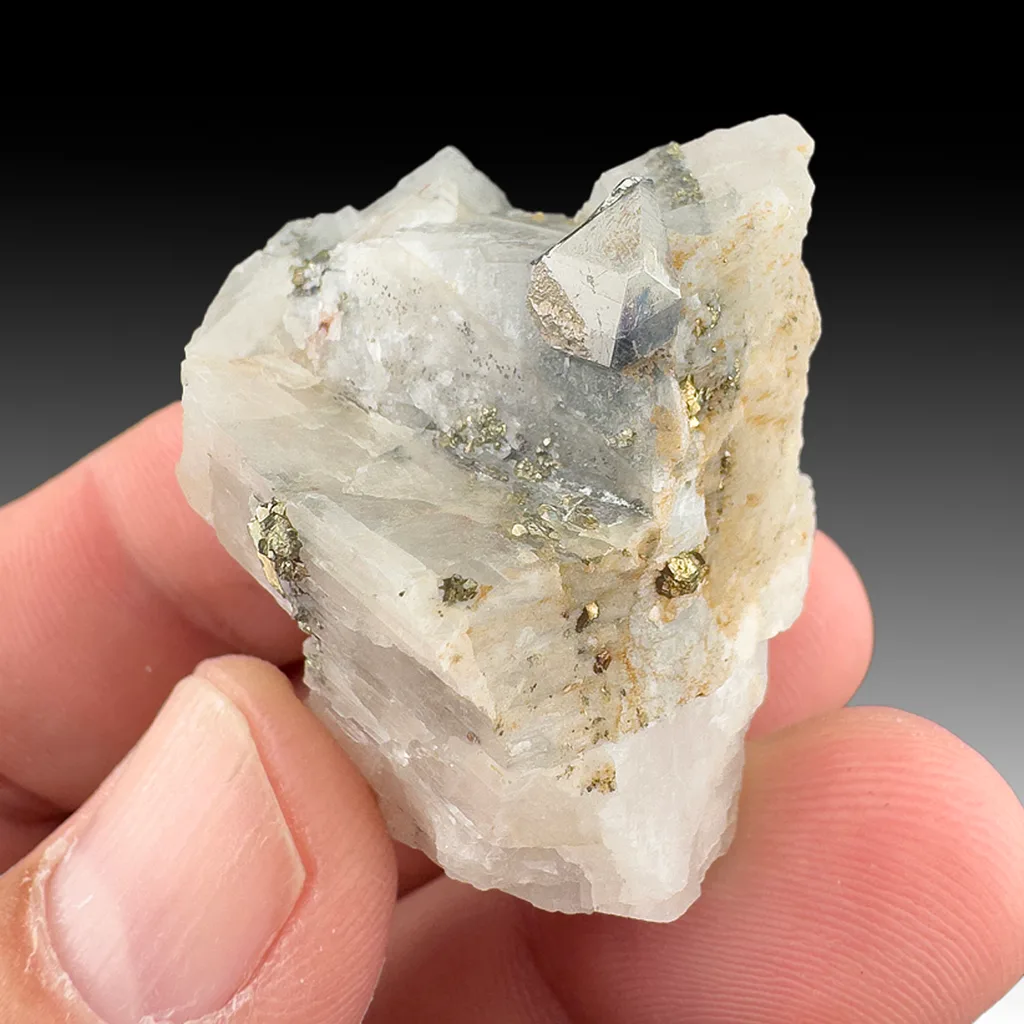
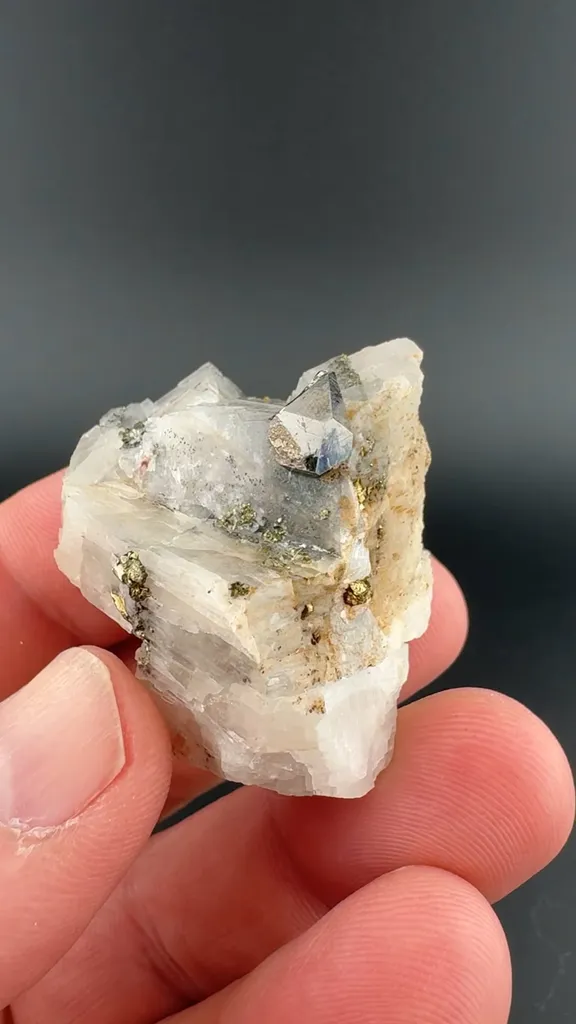
A bright sharp metallic lustrous crystal of carrollite 0.9 cm in size on a matrix of cleavage calcite with minor chalcopyrite. In good condition and very nice for the species.The Kamoya South II Mine, located near Kambove in the Haut-Katanga province of the Democratic Republic of the Congo, is a prominent sediment-hosted copper and cobalt mining operation within the Central African Copperbelt. Historically, the open-pit mine was developed in the late twentieth century under joint partnerships involving state-owned Gécamines. Geologically, the deposit is situated within the Neoproterozoic Katanga Supergroup, where complex tectonic and hydrothermal processes concentrated metal-bearing fluids through intensely folded and fractured dolomitic shales and siltstones of the Roan Group. The mine is world-famous among mineral collectors for producing exceptional, sharply formed crystals of carrollite, a copper cobalt sulfide species.
Product details

SpeciesCarrollite
SizeMiniature
Dimensions5.0 x 4.0 x 4.0 cm
Added on07/29/2026

Known provenance

DateCollectorAcquisition price
08/2026Unknown OwnerNot disclosed
Weinrich MineralsNot disclosed

Learn more

Mineral guide
Learn about Carrollite
cobalt-rich thiospinel with razor-sharp spinel-octahedral crystals, mirror luster, on contrasting carbonate matrices from the DRC and Bou Azzer.
Carrollite
Regional guide
Carrollite from Kamoya South II Mine, DR Congo
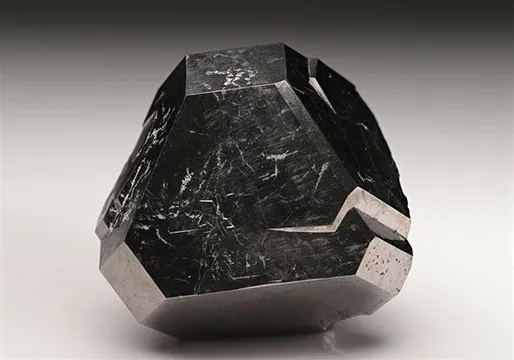
Kamoya South II is the modern benchmark locality for carrollite. Its best specimens have the look that made the species famous among contemporary sulfide collectors: brilliant silver to steel-gray crystals, often mirror-faced, with crisp spinel-family geometry set into pale calcite or dolomitic carbonate. The visual effect is unusually clean for a sulfide—hard, metallic geometry against light matrix—and the finest examples have enough reflectivity that the faces flash like cut metal when turned under a lamp.