

Guide

13 for sale · $200–$8,500 USD
52 in the gallery
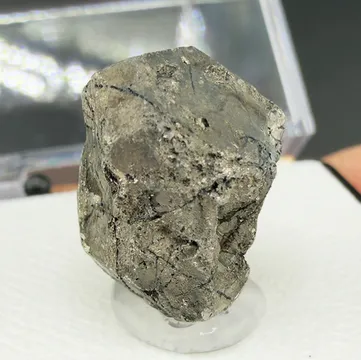
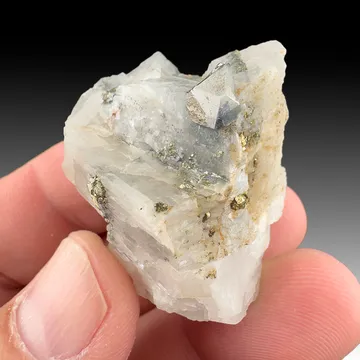
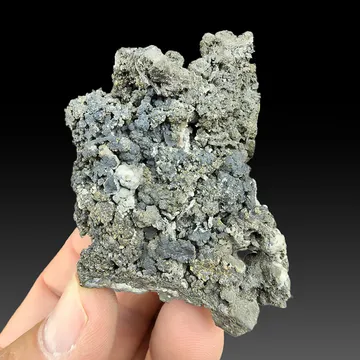
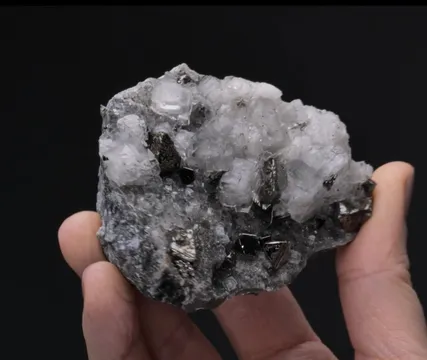
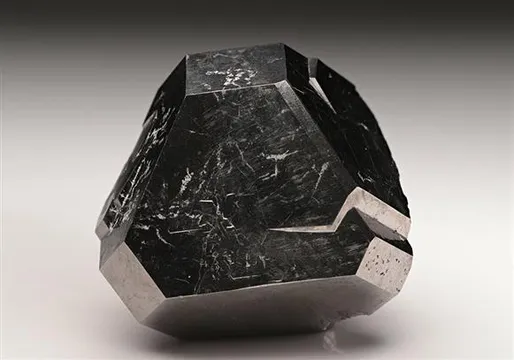
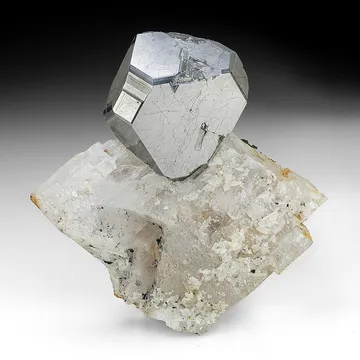
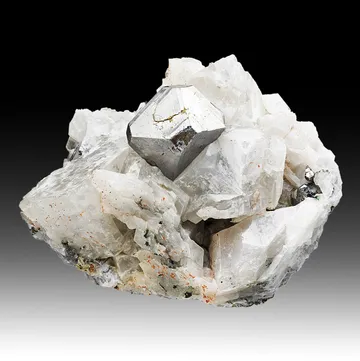
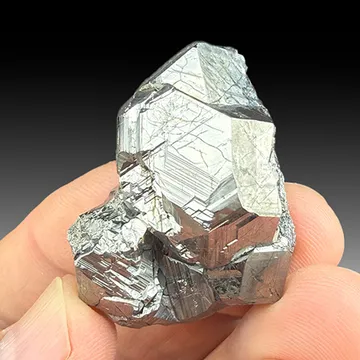
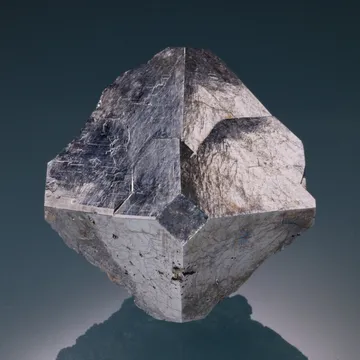
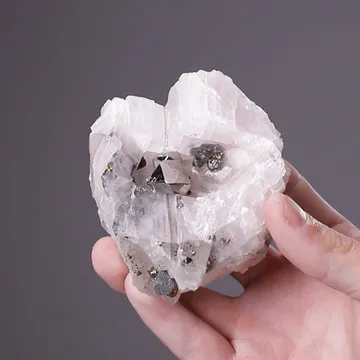
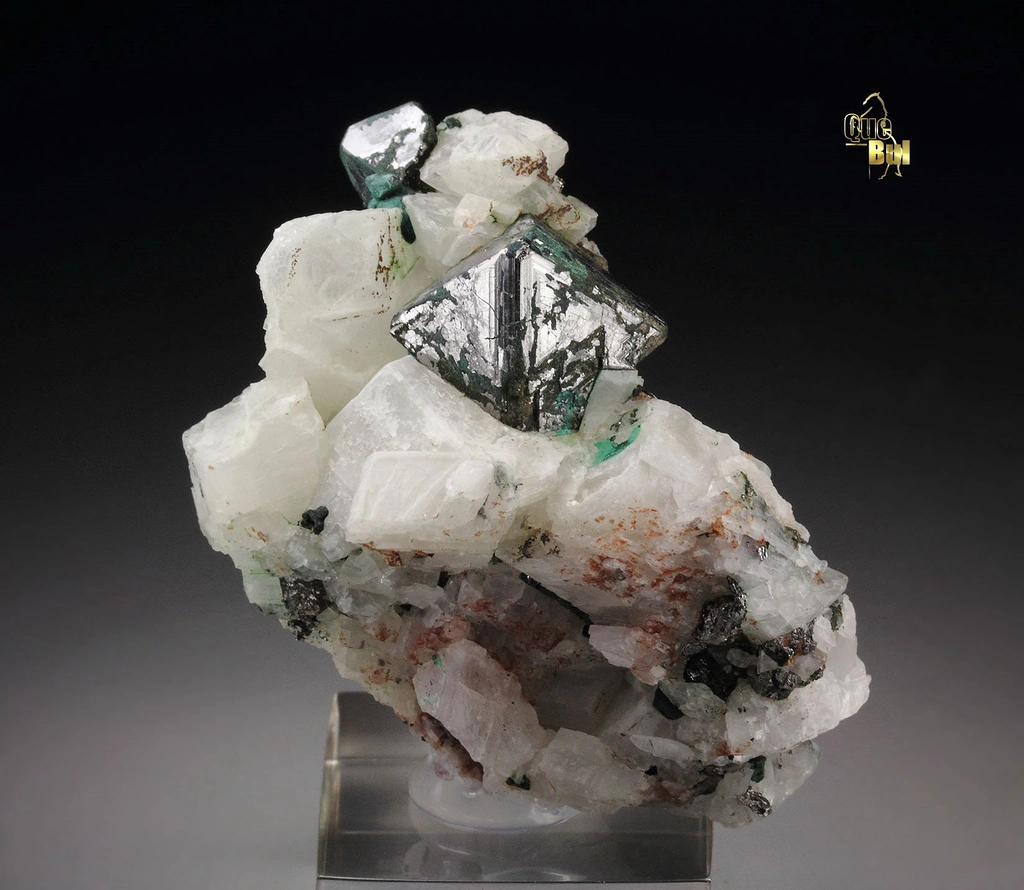
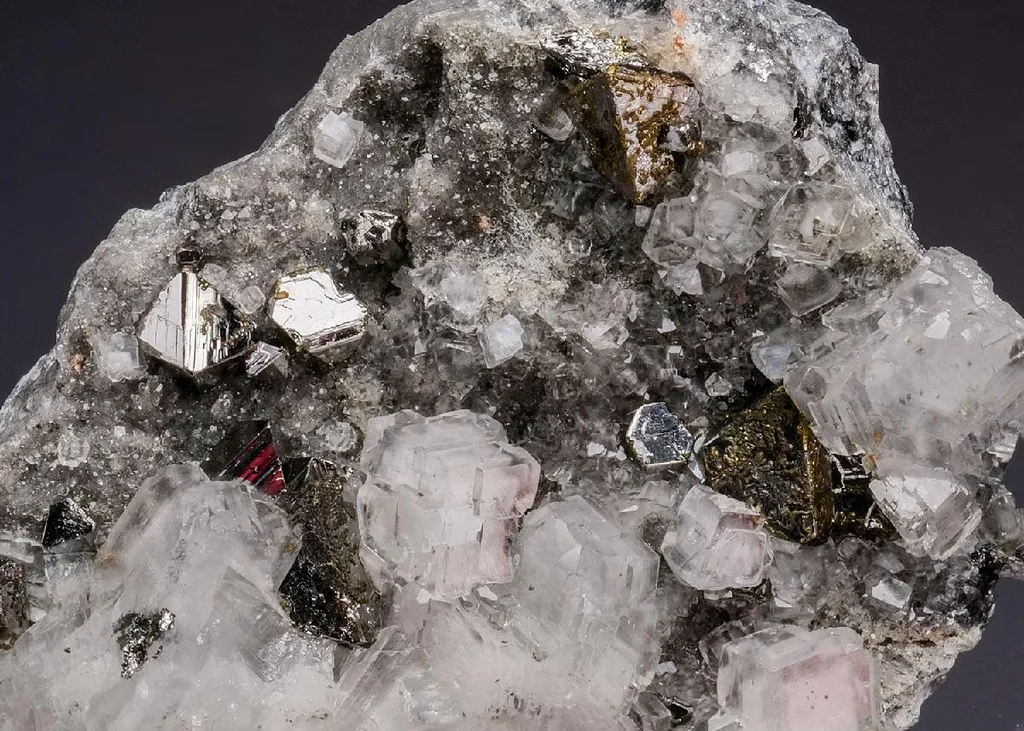
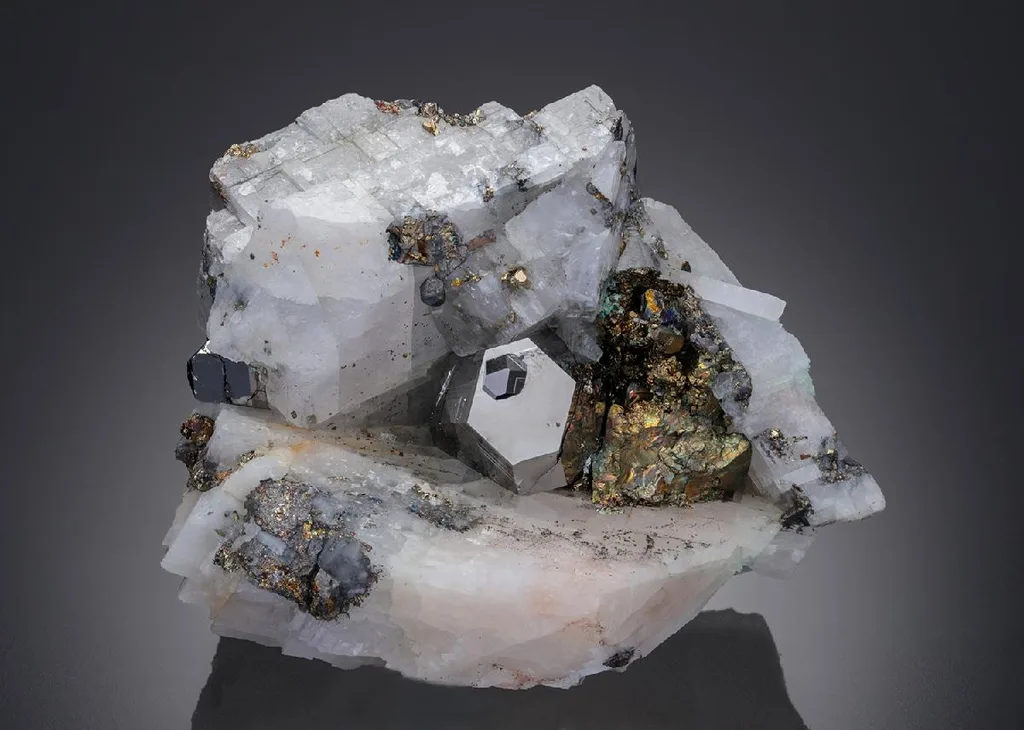
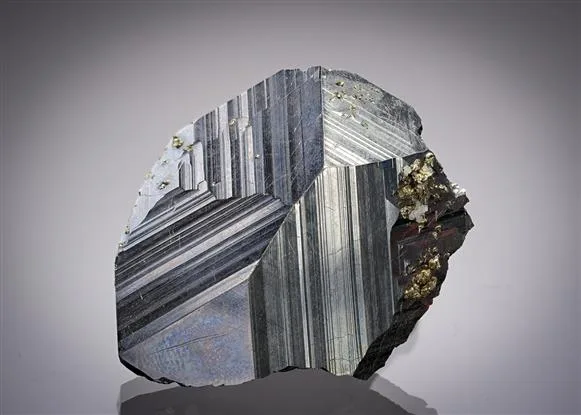
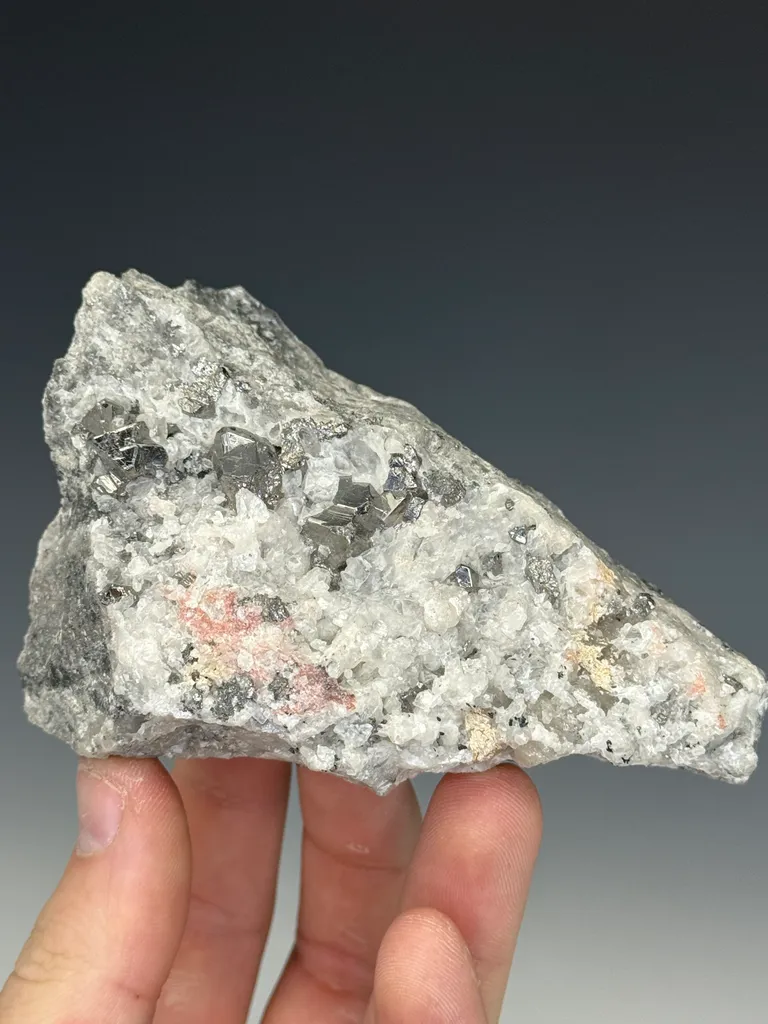
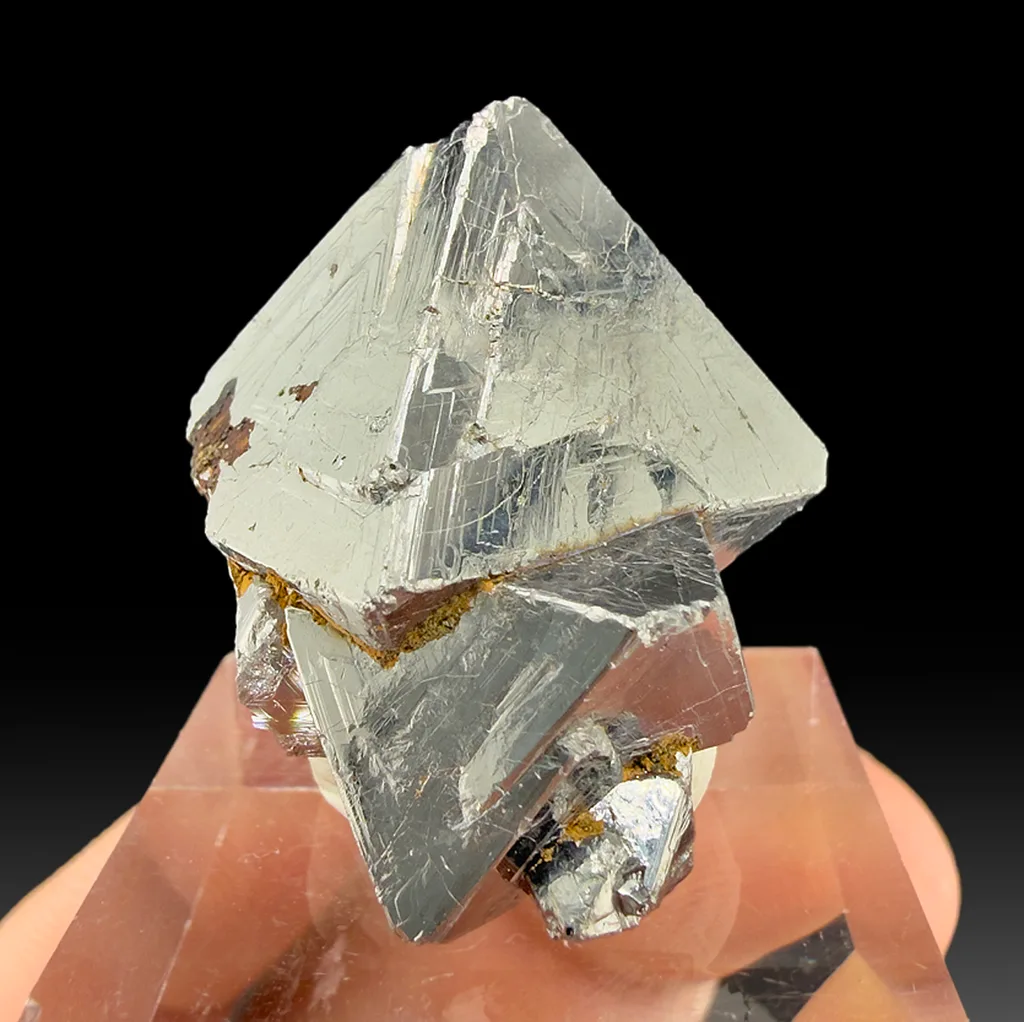
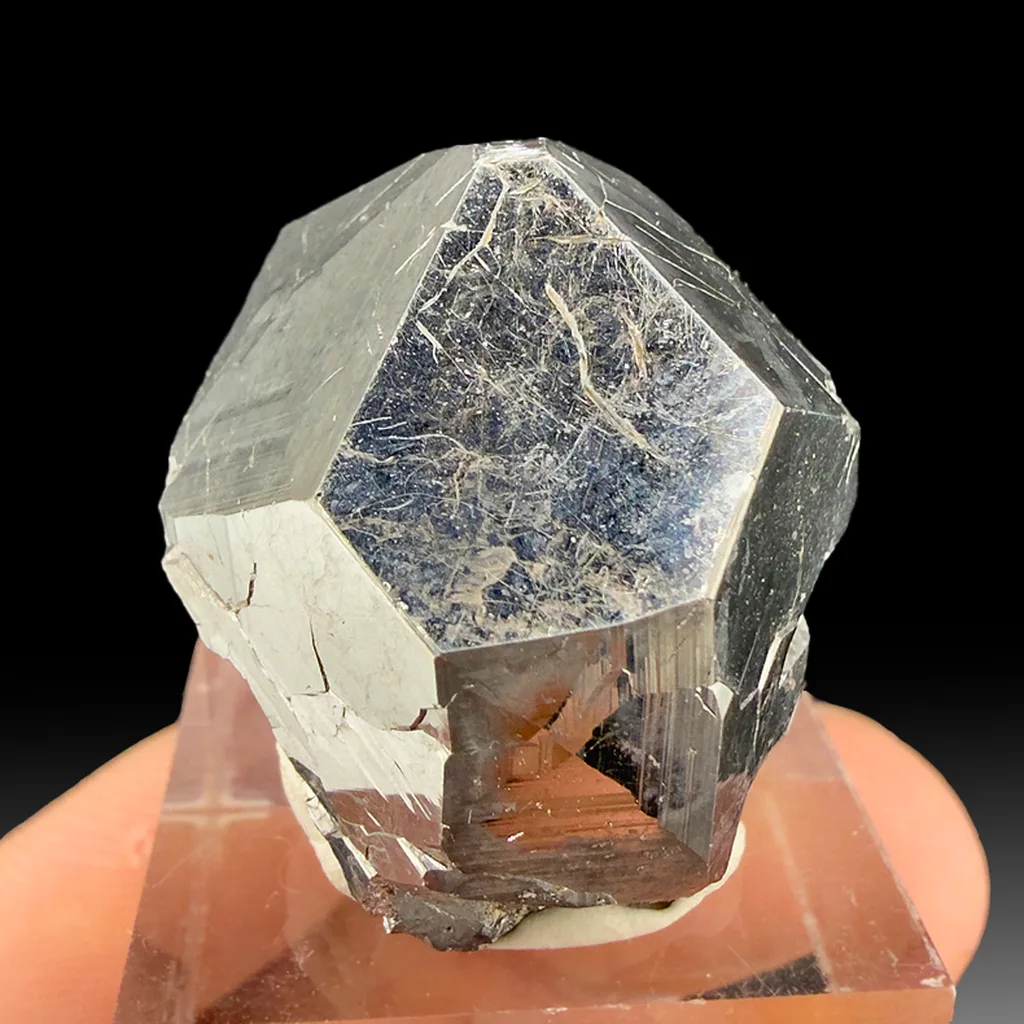
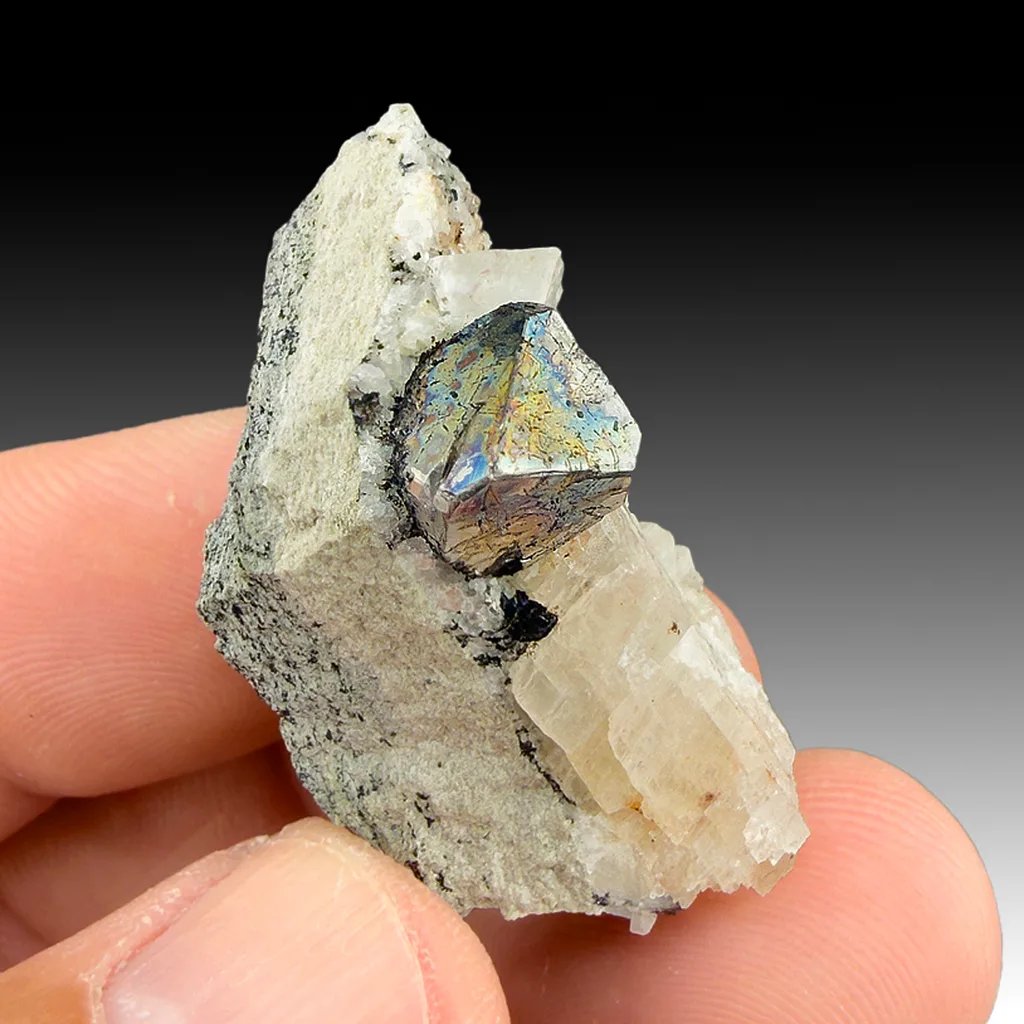
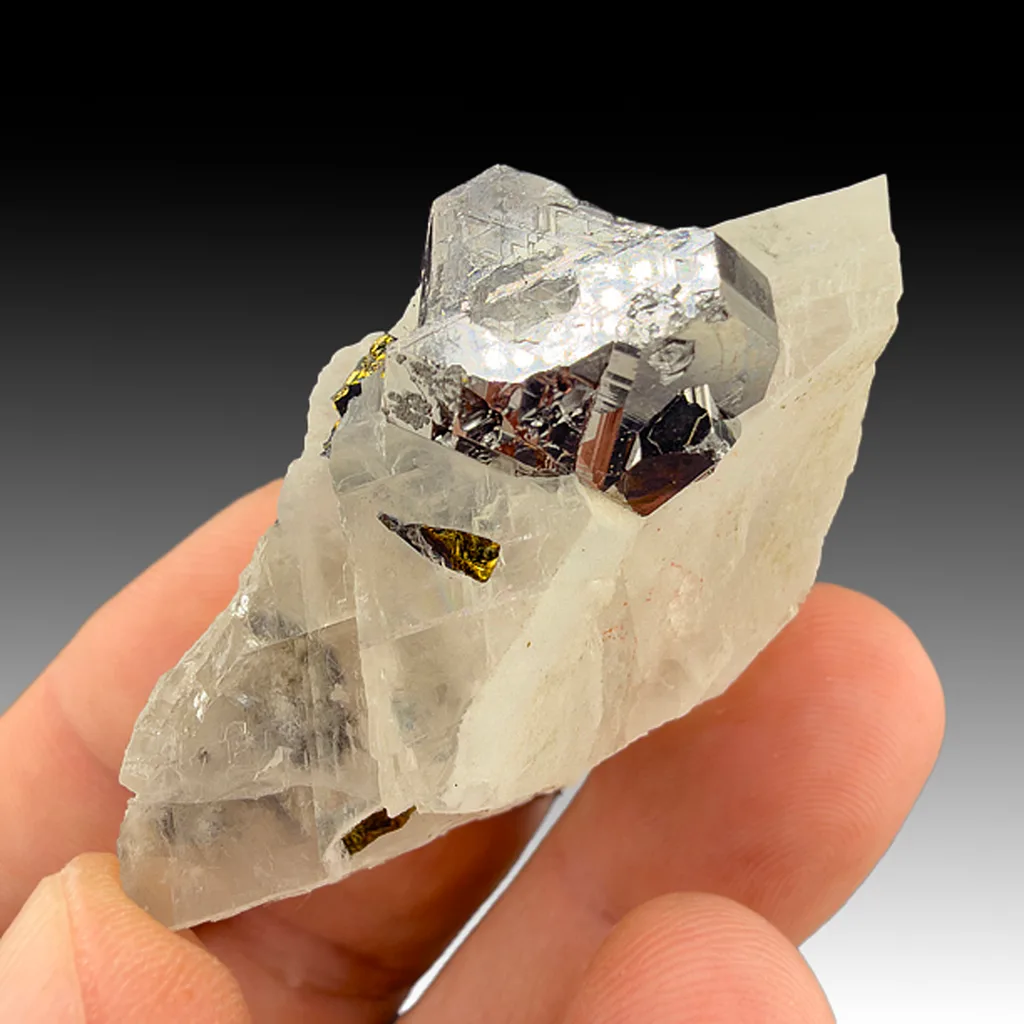
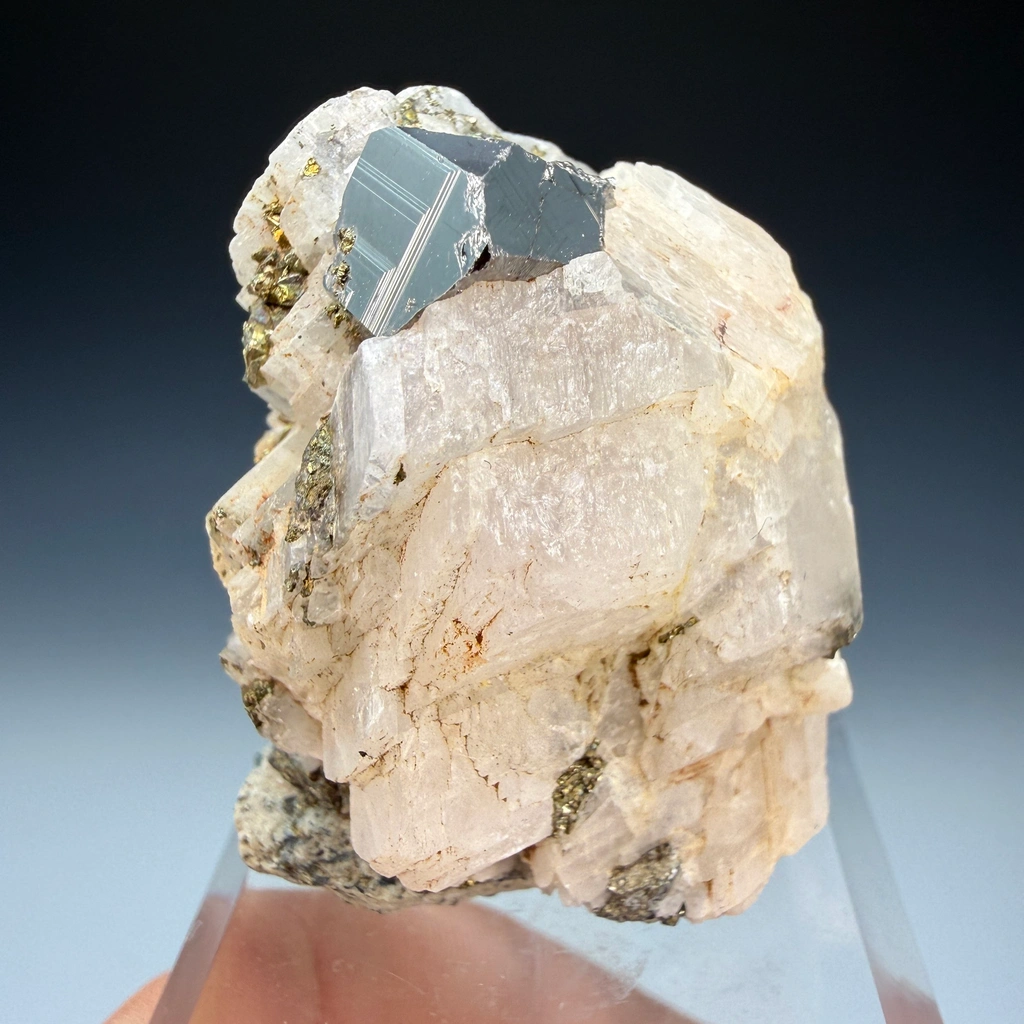
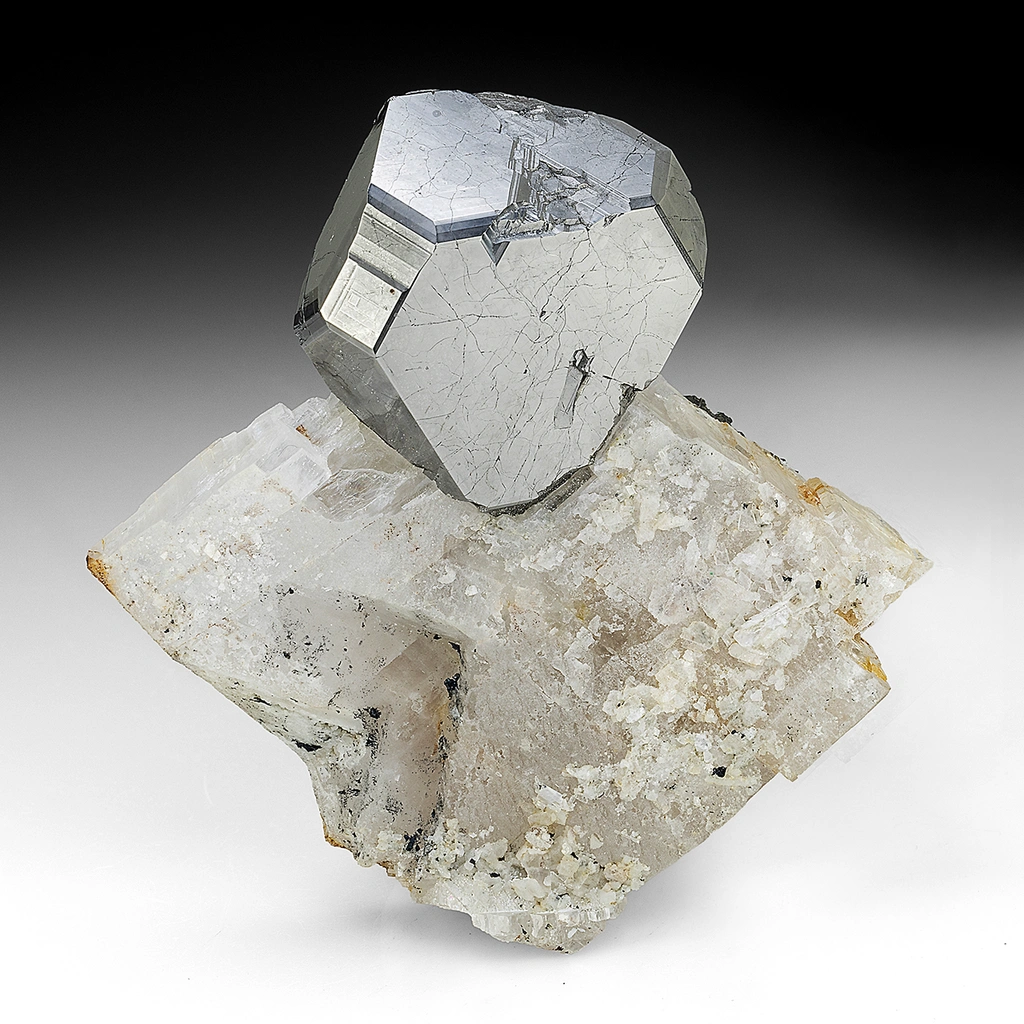
Carrollite is a copper cobalt nickel sulfide mineral that crystallizes in the isometric system, typically forming metallic, cubic to octahedral crystals with a bright to dull metallic lustre. It commonly appears as dense masses or crystal aggregates with a strong steel-gray to black color, often tarnished and sometimes showing a subtle iridescent sheen under light. The mineral is associated with ultramafic and sulfide-rich ore deposits and is frequently found together with other sulfides such as pyrrhotite and pentlandite. Notable localities for Carrollite include the Copperbelt region in DR Congo and mining districts in Zambia, where high-quality specimens have been recovered from sulfide ore bodies and deep vein fillings.
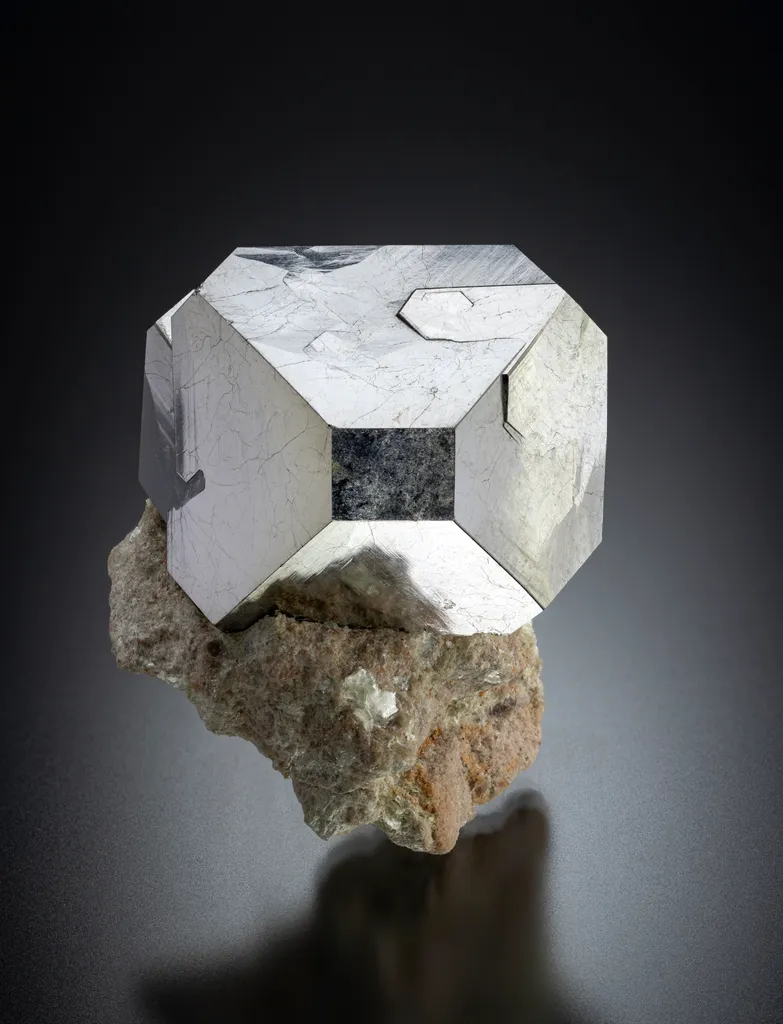
Collectors prize Carrollite for its distinctive metallic appearance and rarity in crystallized forms. Fine specimens showcase well-formed cubes or octahedra with sharp edges, offering an attractive contrast against matrix rock or as mounted display pieces. The mineral’s occurrence in well-documented mining districts adds to its appeal, providing a tangible link to classic sulfide deposits and the history of copper-nickel sulfide mining in central Africa and southern Africa.