
Guide
51 for sale · $30–$15,000 USD
468 in the gallery
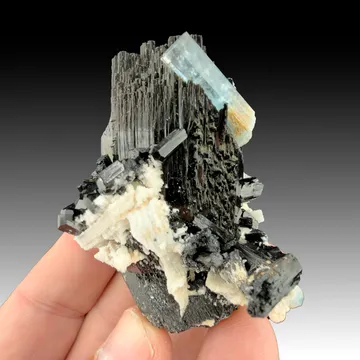
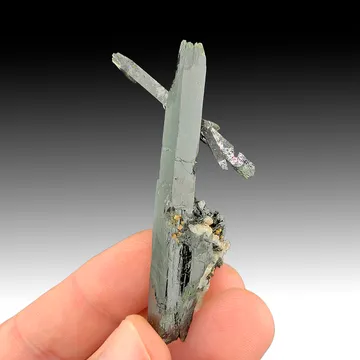
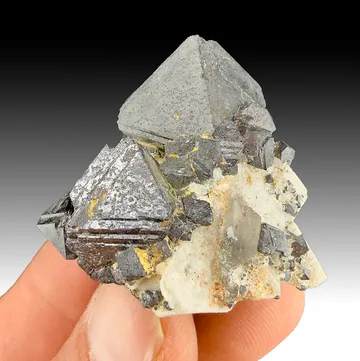
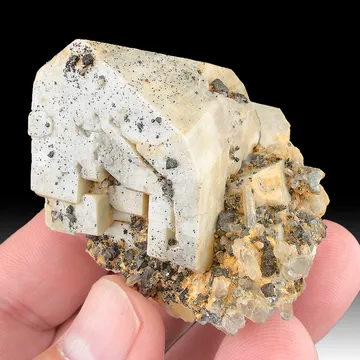
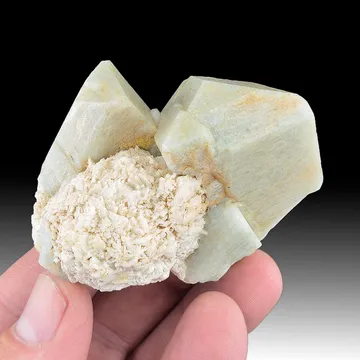
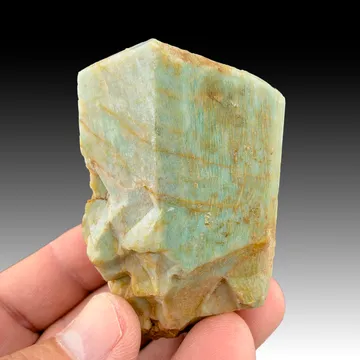
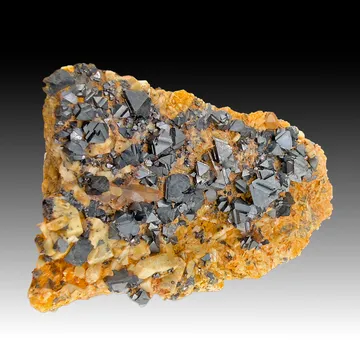
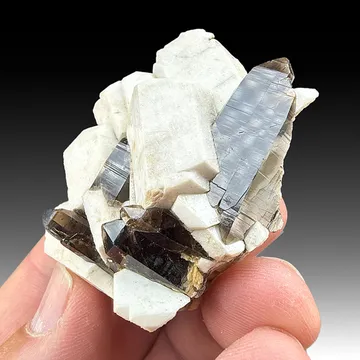
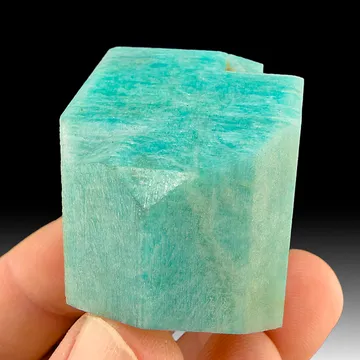
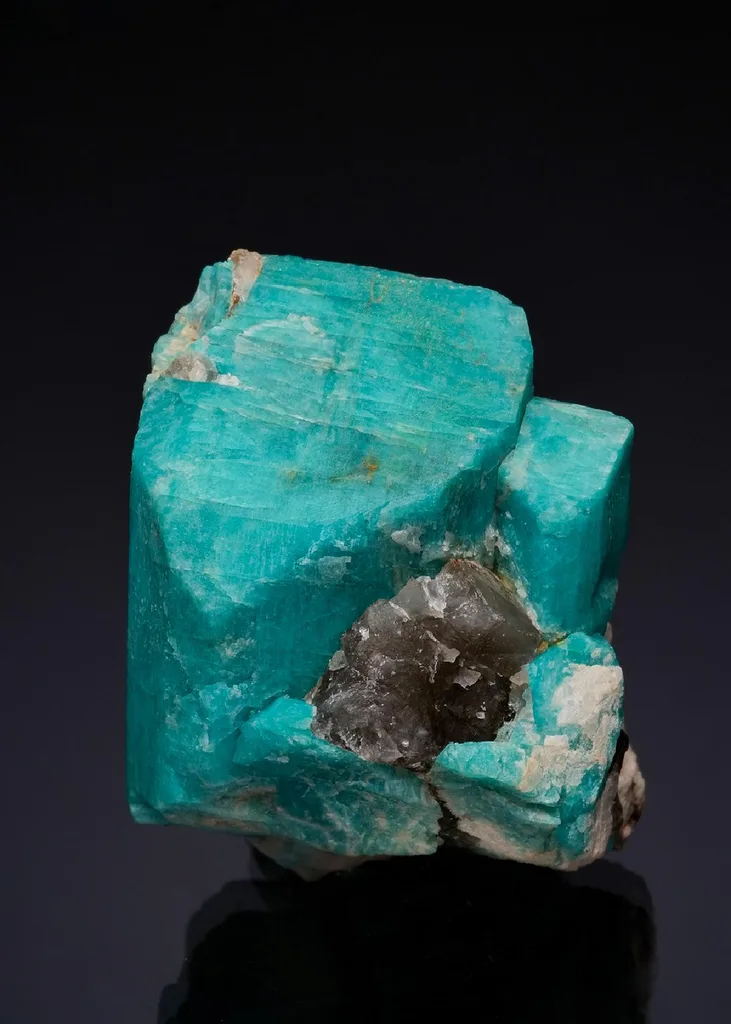
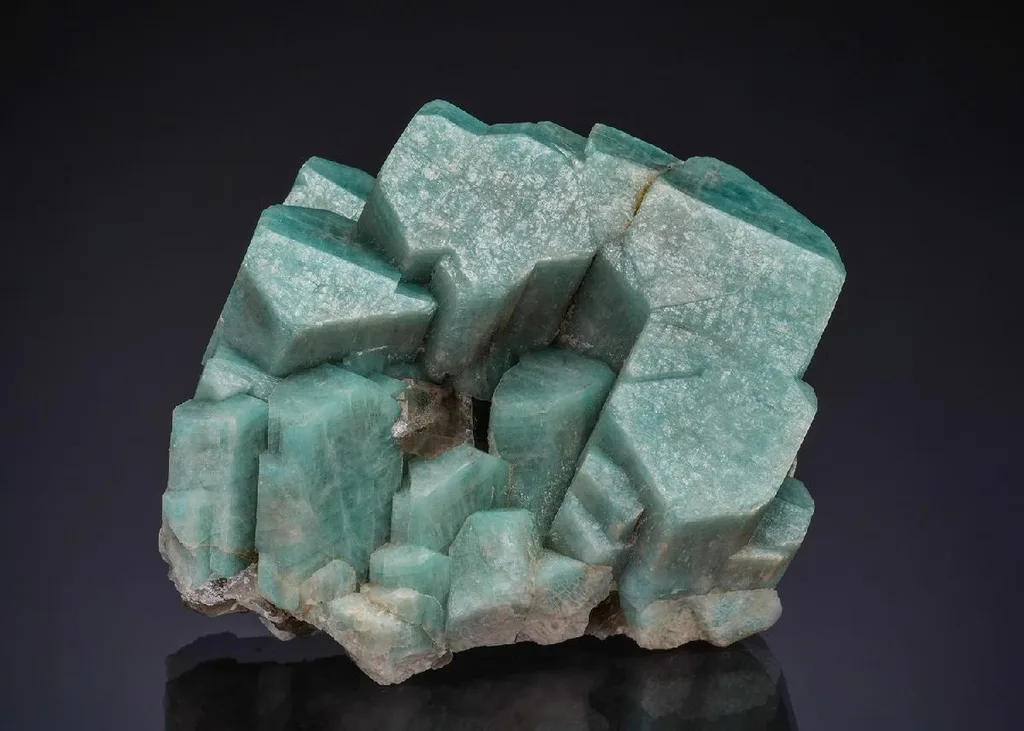
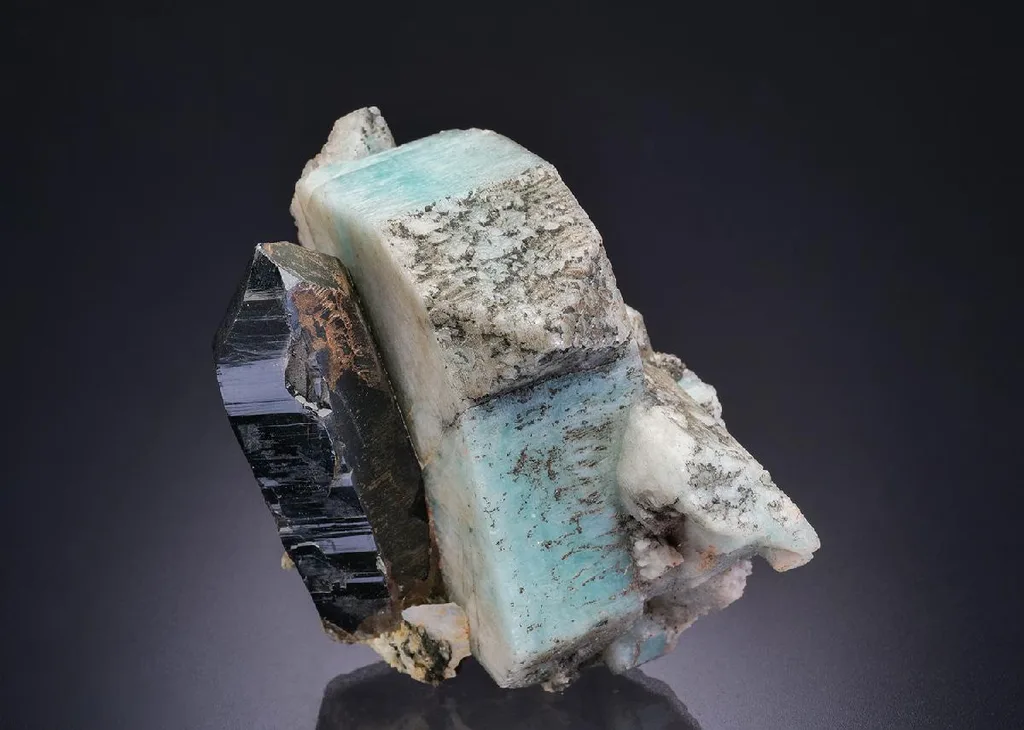
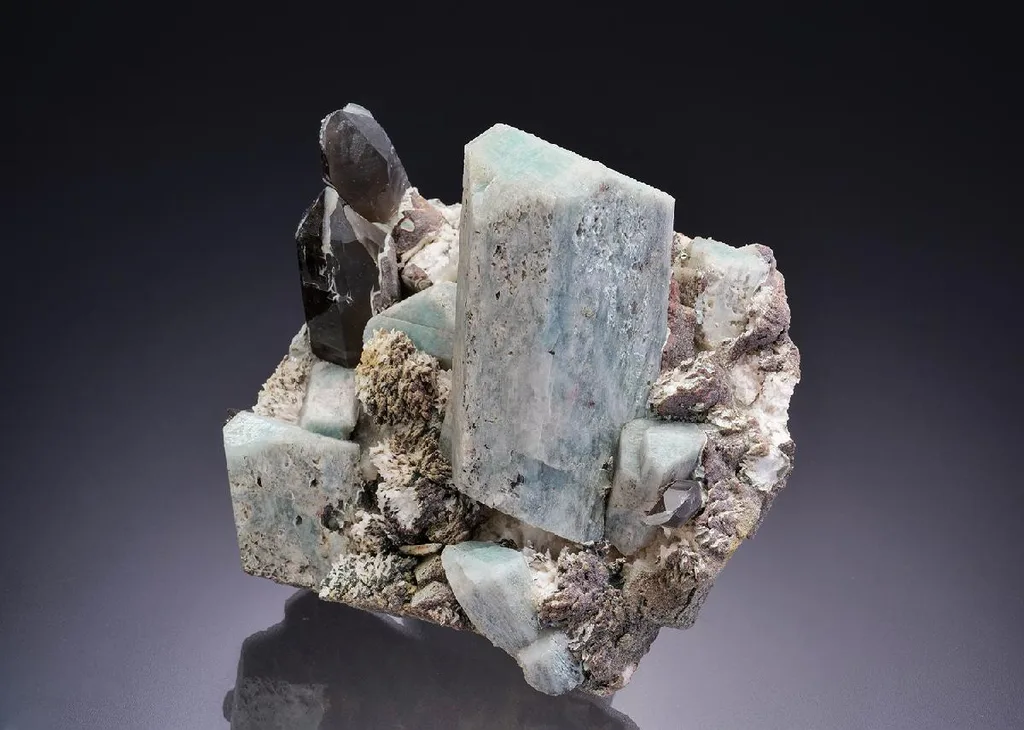
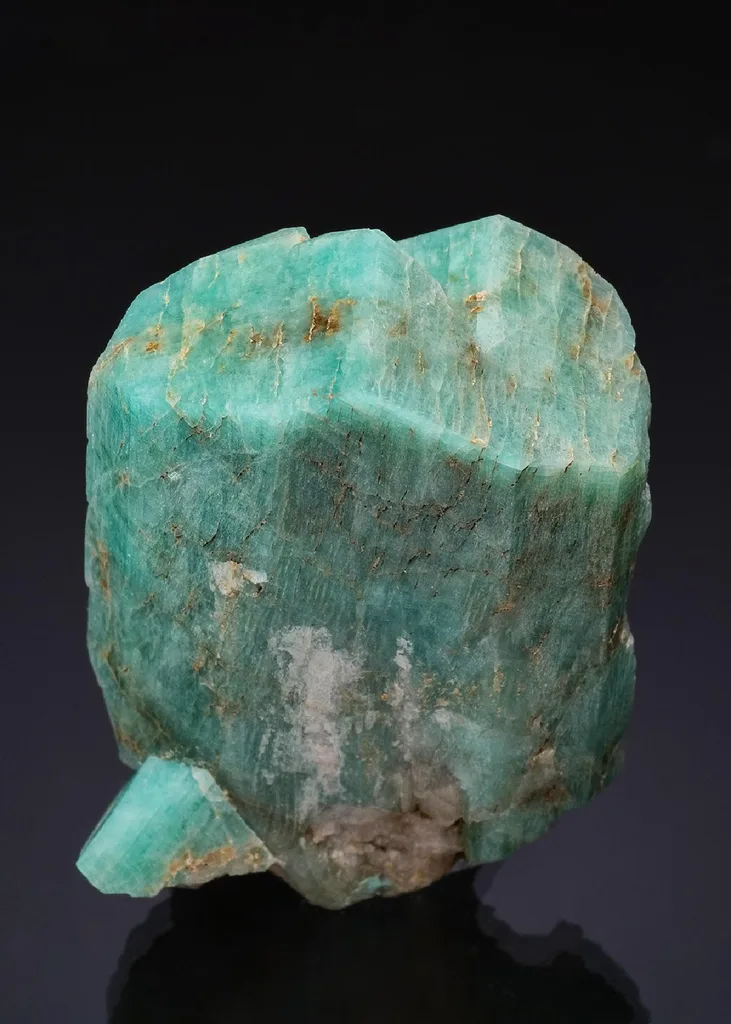
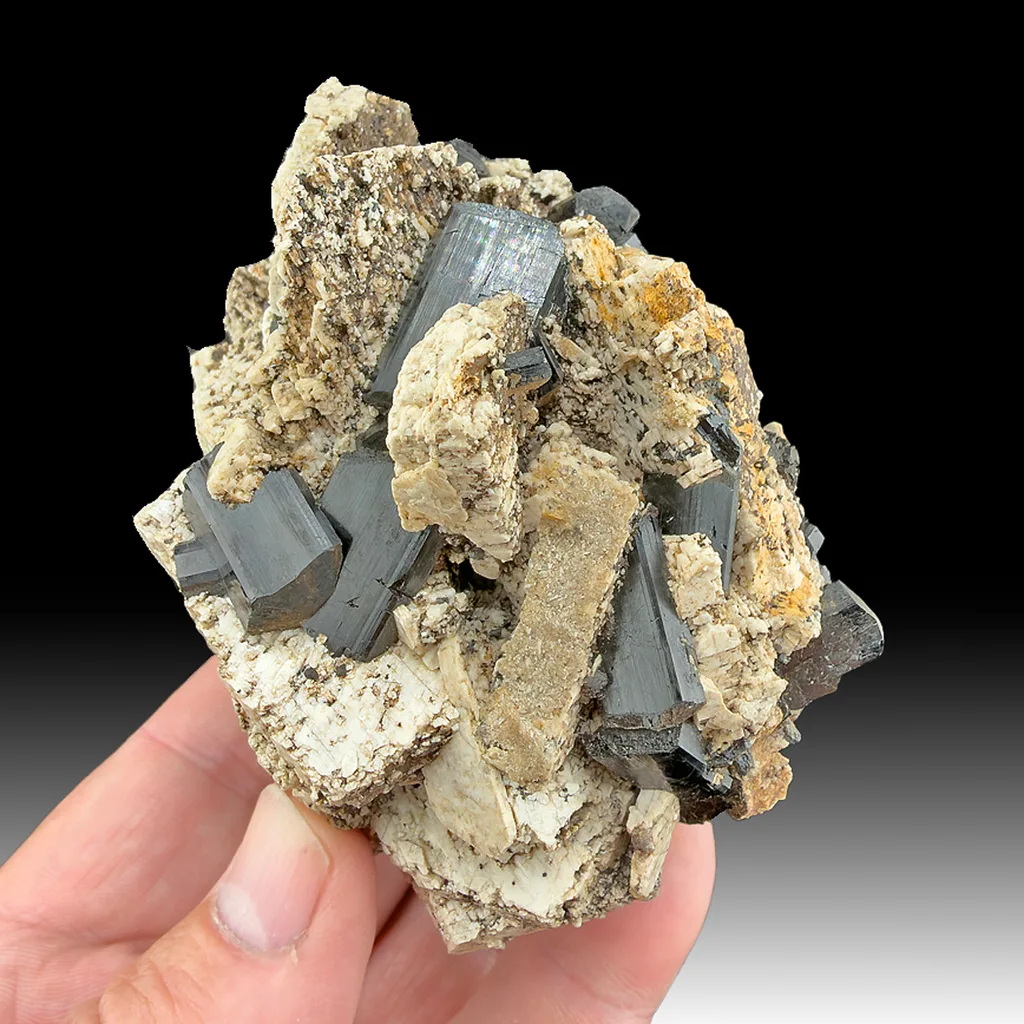
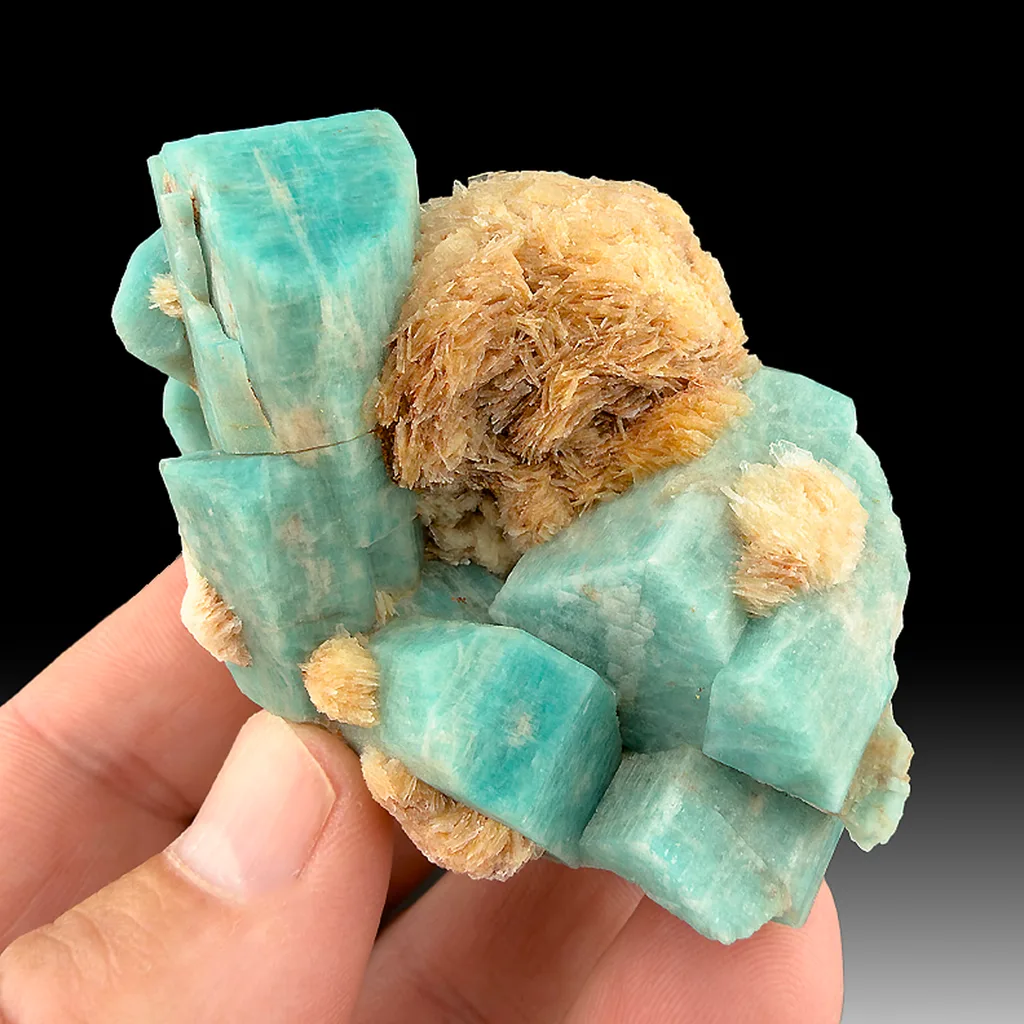
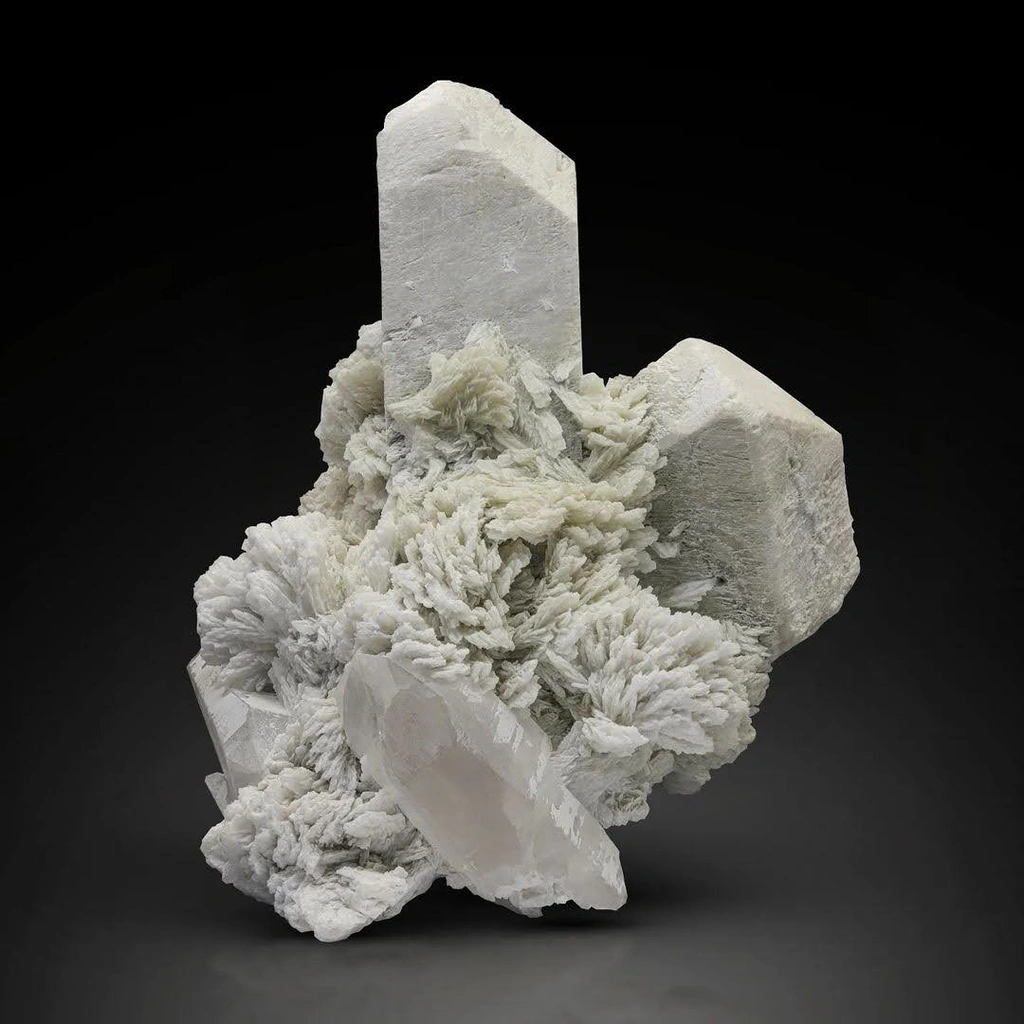
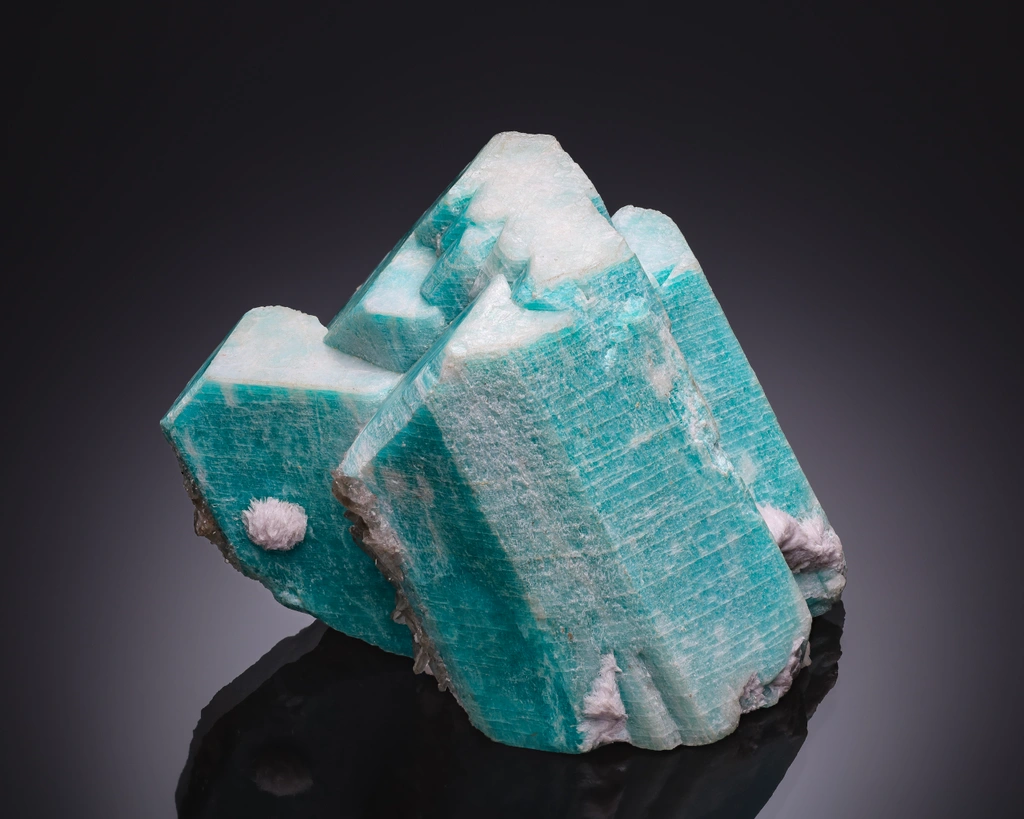
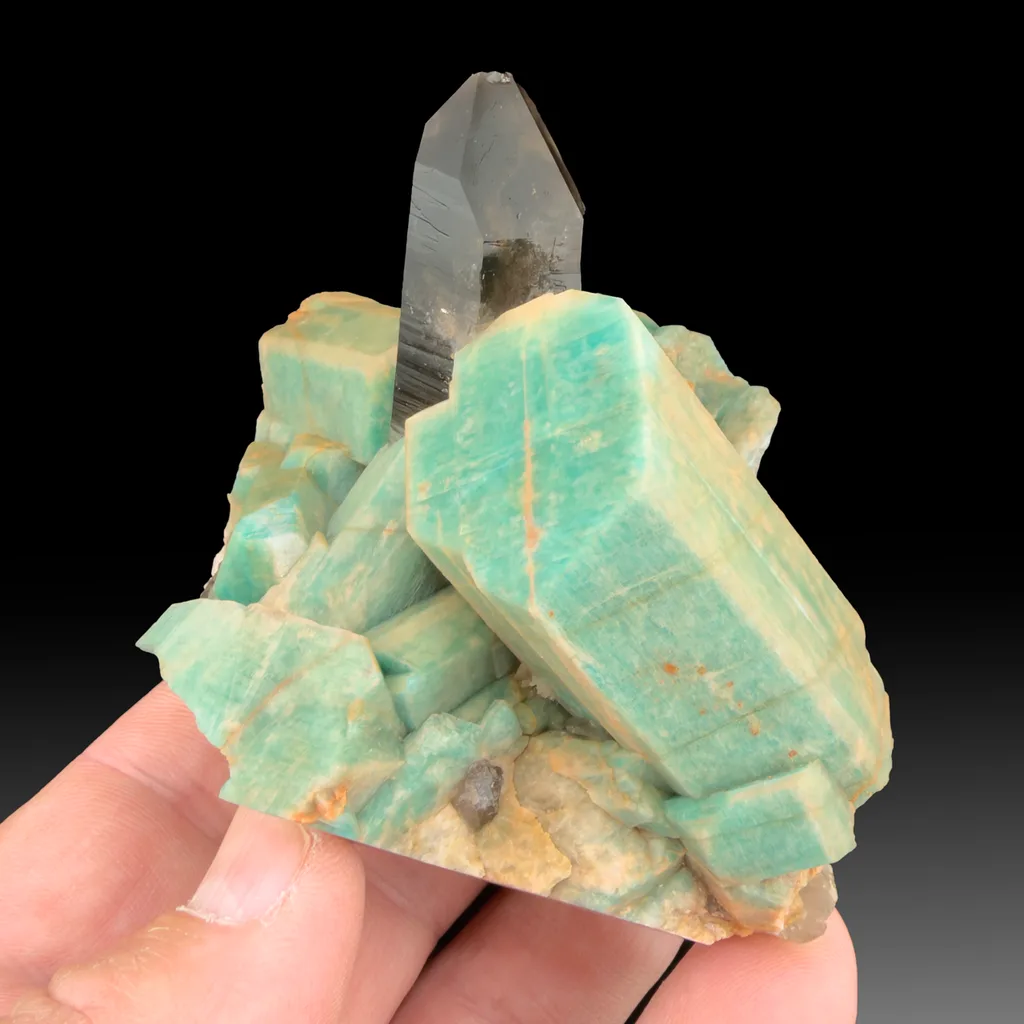
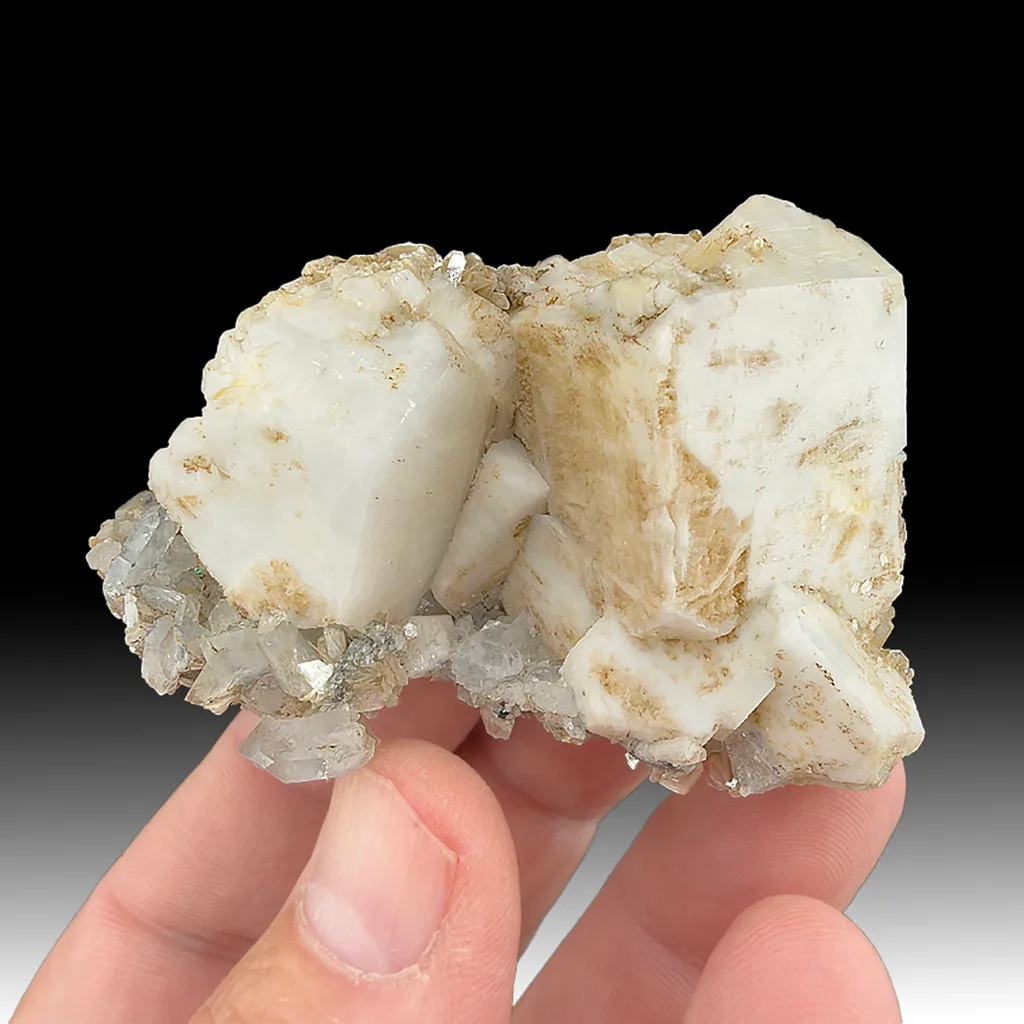
Microcline is a potassium aluminum silicate mineral in the feldspar group. It forms triclinic crystals with a glassy to pearly lustre and can display a range of colors from milky white to greens, yellows, and pinks in well-formed crystals. Its commonly encountered habit includes blocky prismatic crystals and granular masses, often twinned, that can persist as sizeable specimens in the right deposits.
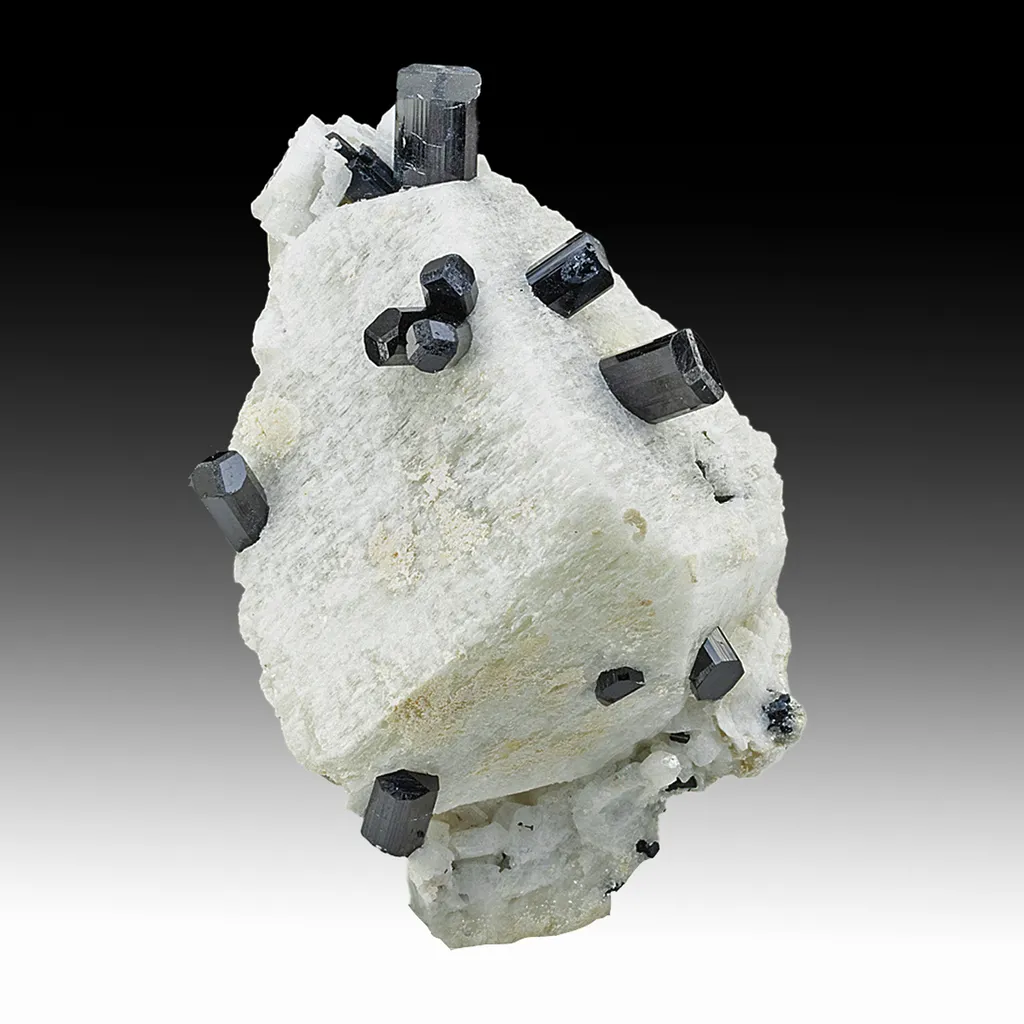
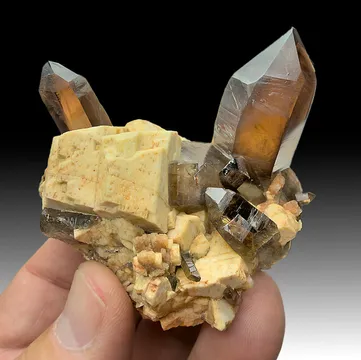
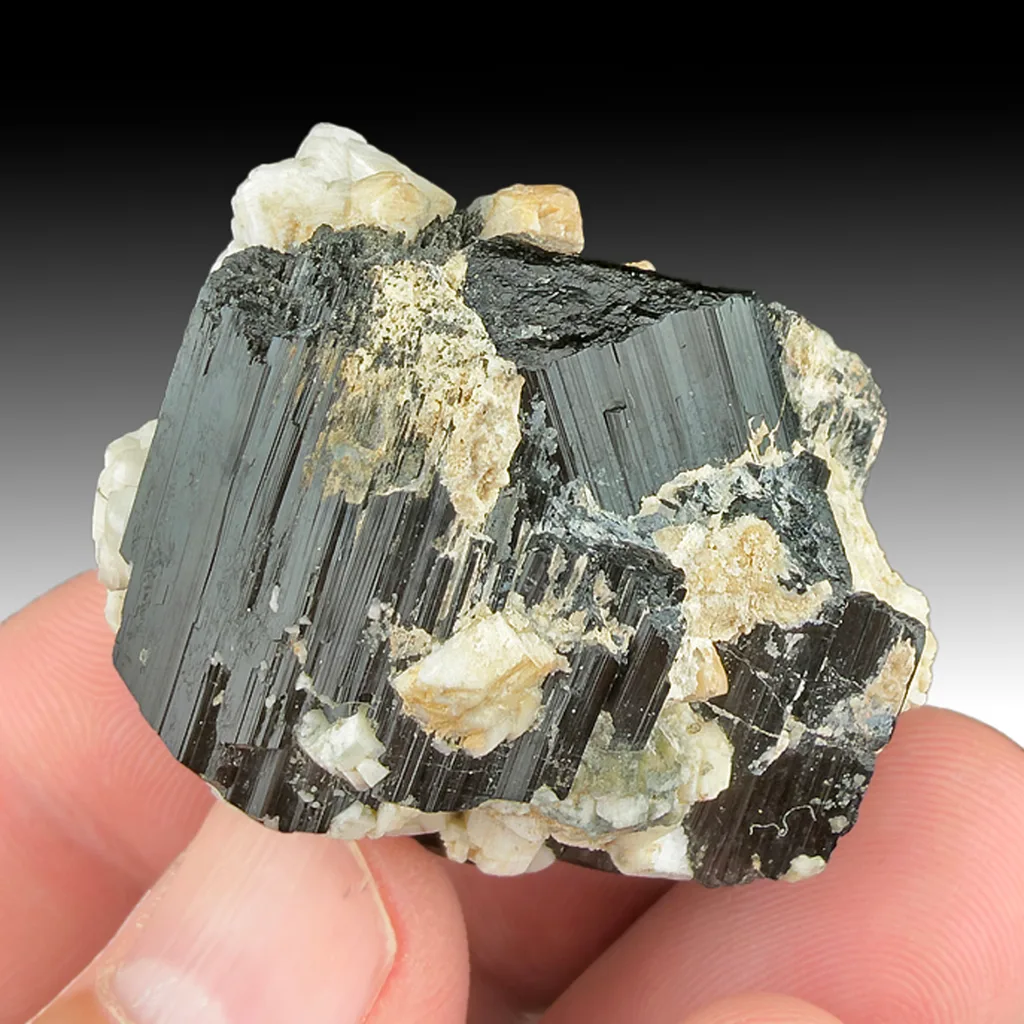
Notable specimens come from diverse locales around the world, including classic feldspar districts in the United States and Pakistan, where microcline can occur with associated minerals in pegmatites and granitic rocks. The mineral is frequently found alongside others such as orthoclase and plagioclase within granitic systems, sometimes forming sizable, well-polished crystals ideal for display. Collectors value microcline for its color variety, crystal form, and the plug-in aesthetic of sunlit transparent faces that reveal interior clarity and micro-inclusions.
Collectors prize microcline for its versatility in rock and mineral collections: the color range, the potential for large, transparent crystals, and the way it complements other feldspars in mixed-suite specimens. Its presence in classic mining districts and its enduring display qualities make it a dependable choice for those building a focused or broad mineral cabinet.