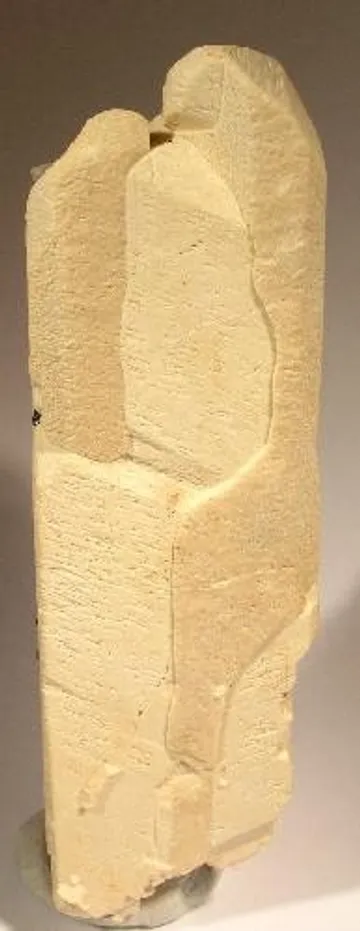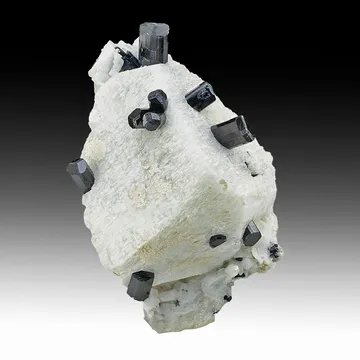
Microcline - classic potassium feldspar with blocky crystals, dramatic twinning (Carlsbad, Manebach) and the vivid amazonite variety, a top Pikes Peak gem.
Key facts
Microcline is the triclinic, low-temperature polymorph of potassium feldspar (KAlSi3O8), and one of the most important and abundant rock-forming minerals on Earth. For collectors, its appeal centers on crisp blocky crystals, classic Carlsbad and Manebach twins, and, most famously, the vivid blue-green variety known as amazonite. Good crystals range from snowy white to flesh-pink, tan, gray, and, in rare cases, striking turquoise-green. Amazonite is typically associated with smoky quartz, albite/cleavelandite, fluorite, and topaz in granitic pegmatites, forming dramatic contrast pieces that anchor many display cases.
Crystals are usually blocky with prominent cleavage on {001} and {010}, giving sharply defined, geometric faces. Twinning is common: Carlsbad twins produce symmetric “V” forms; Manebach and Baveno twins occur more rarely but make textbook study pieces. Microcline commonly shows perthitic textures (exsolved albite lamellae), visible as streaks or trellis patterns on broken surfaces. Under the microscope it reveals its diagnostic cross-hatched “tartan” twinning, but even at hand-specimen size, well-formed twins and sharp cleavages create a crisp architectural look that many collectors love. Amazonite’s saturated color—caused by trace lead and associated color centers—makes it one of the most eye-catching feldspars in the hobby.
Microcline is broadly accessible but can be spectacular at the top end. The Pikes Peak region of Colorado made amazonite a mineral icon, especially in combination with lustrous smoky quartz—one of the most recognizable specimen styles in collecting. Modern pockets at claims like Smoky Hawk and Dreamtime revitalized the market with intensely colored crystals and sculptural clusters, while classic occurrences in Ukraine and Russia produced large, robust crystals that remain reference-grade for form and twinning.
Outside of amazonite, collectors prize microcline for its role as a pegmatite matrix hosting aquamarine, topaz, and fluorite, especially in Pakistan and Namibia. Because microcline occurs worldwide, beginners can easily acquire representative examples, while advanced collectors seek pristine twins, saturated amazonite, or aesthetic matrix associations. Prices range widely: clean single crystals and small combos are affordable; large, unrepaired, vividly colored amazonite-on-smoky pieces or sharp, architectural twin pairs can command premium prices.
Pakistan’s Shigar Valley pegmatites produce elegant specimens where white to pale-pink microcline forms the “stage” for aquamarine, fluorite, and schorl. Although true amazonite is uncommon here, the microcline itself is highly collectible for its sculptural twinning, crisp terminations, and balanced associations—especially the classic aquamarine on microcline combinations. Fine examples display excellent luster on cleavage planes, clean edges, and minimal repairs, with thoughtful composition enhancing the featured accessory minerals.
Erongo is famous for aquamarine and fluorite, but microcline is a frequent and important partner. Typically white to cream and often perthitic, microcline occurs as clean, blocky crystals that frame beryl, fluorite, and schorl sprays. The best pieces are highly architectural, with step-like microcline “platforms” and dynamic arrangements. While amazonite color is not a hallmark here, Erongo microcline excels in composition, sharpness, and pairing—ideal for collectors who appreciate sophisticated pegmatite assemblages.
Color and Variety:
Crystal Form and Twinning:
Luster and Surface Quality:
Associations and Aesthetics:
Size and Condition:
Repairs and Reattachments:
Polishing and Surface Work:
Color Alteration:
In all cases, buy from reputable sources and ask for disclosure on repairs or preparation. Knowledge of typical pocket damage and standard prep practices at each locality will help you judge fairly.
Handling:
Cleaning:
Light and Temperature:
Storage:
With sharp geometry, classic twinning, and the incomparable color of amazonite, fine microcline offers both educational and aesthetic rewards—equally at home in systematic suites and showy display shelves.