Guide
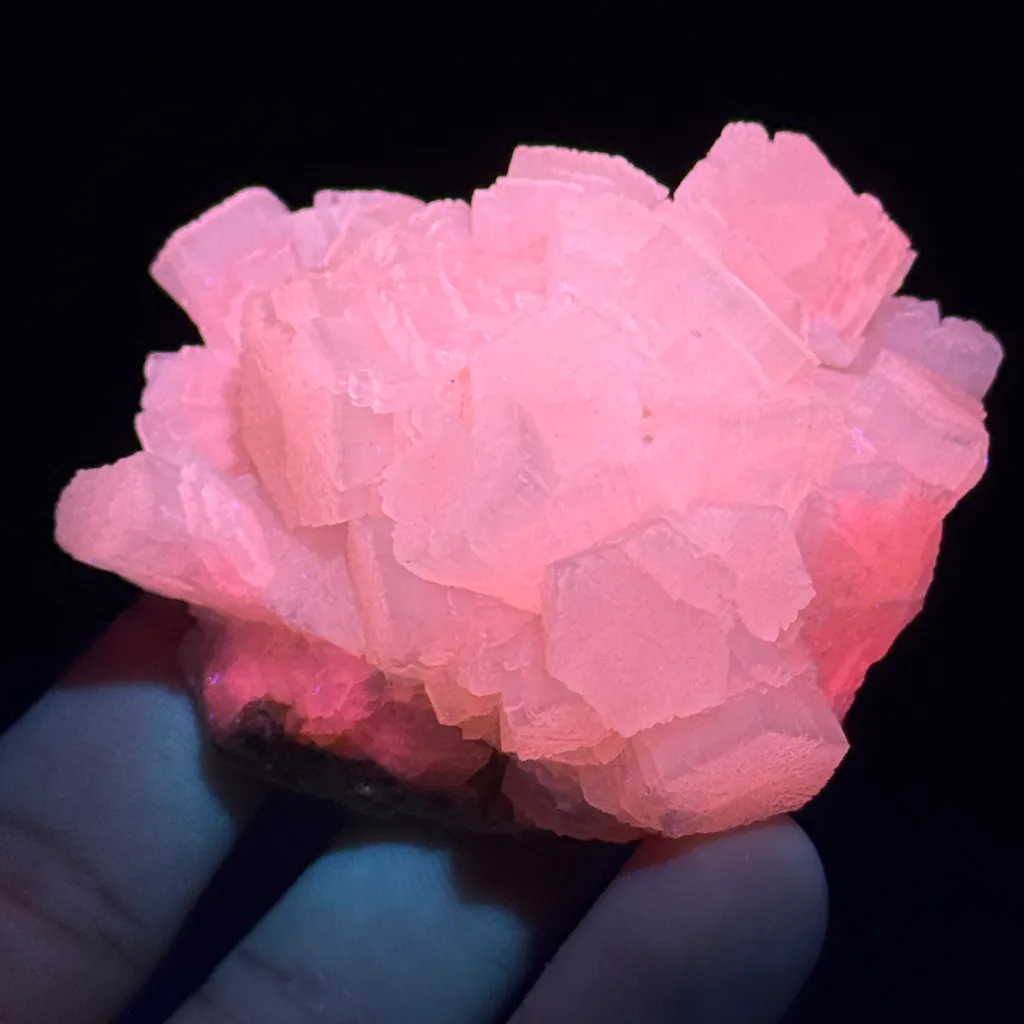
323 for sale · $90–$10,000 USD
252 in the gallery
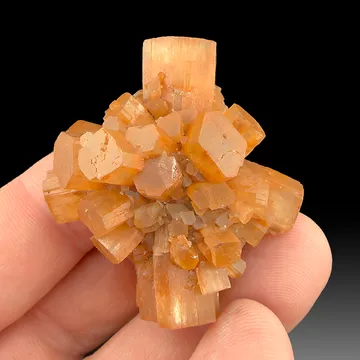
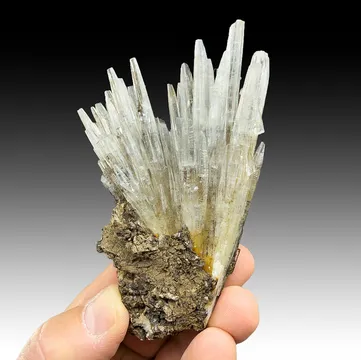
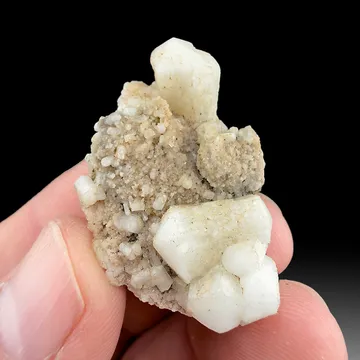
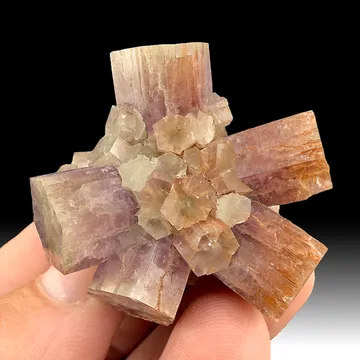
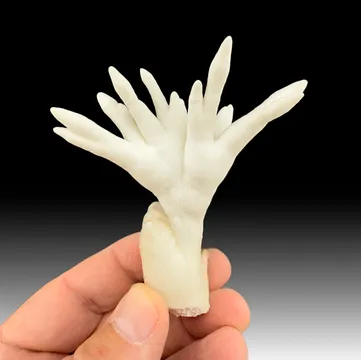
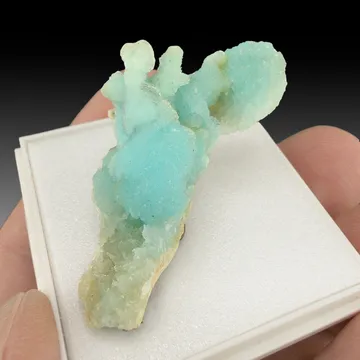
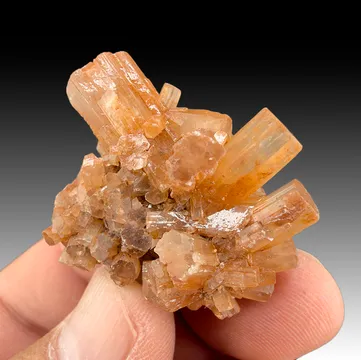
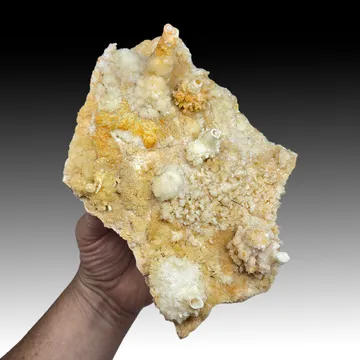
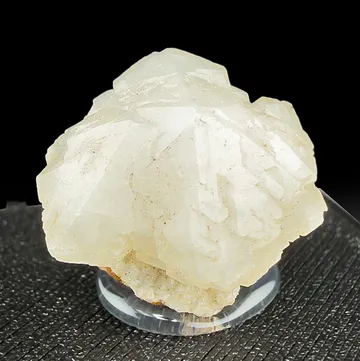
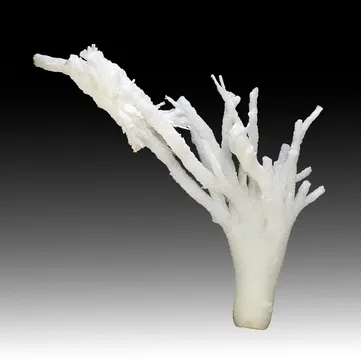
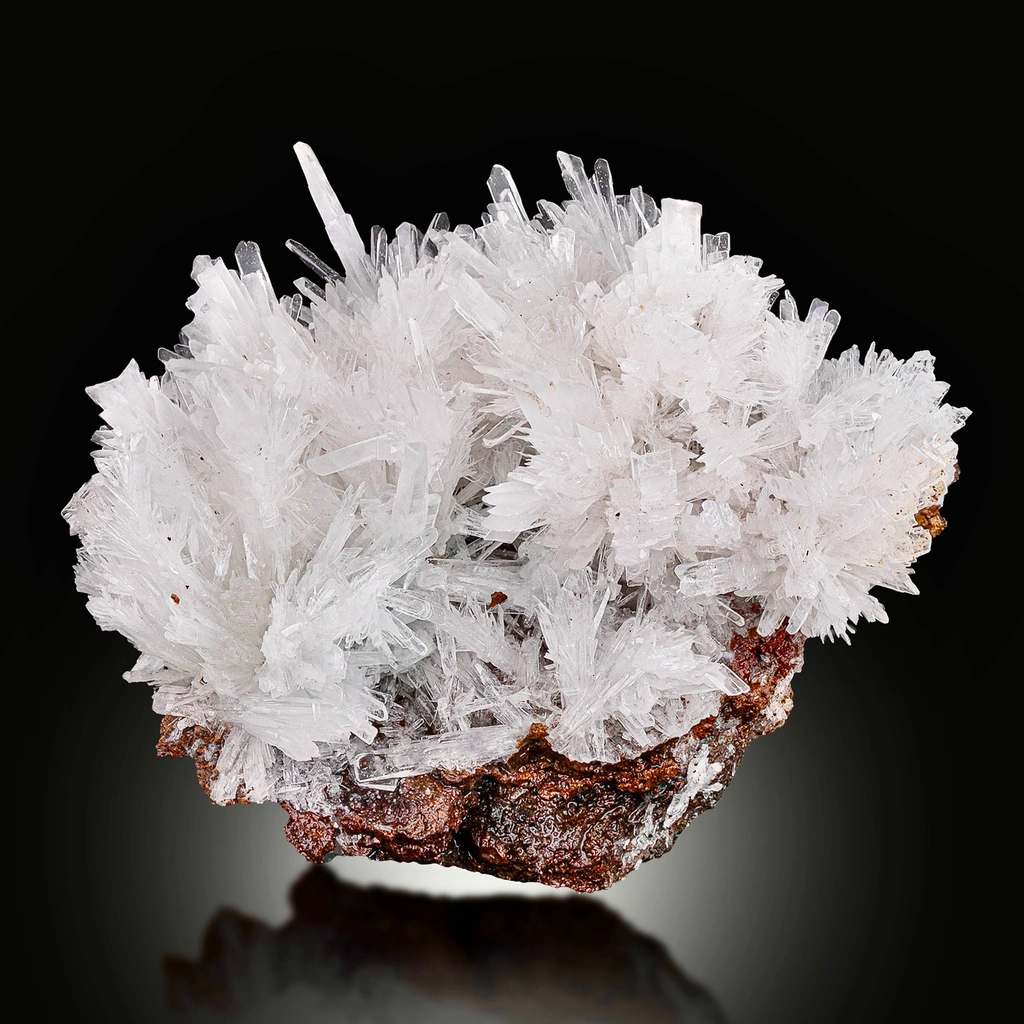
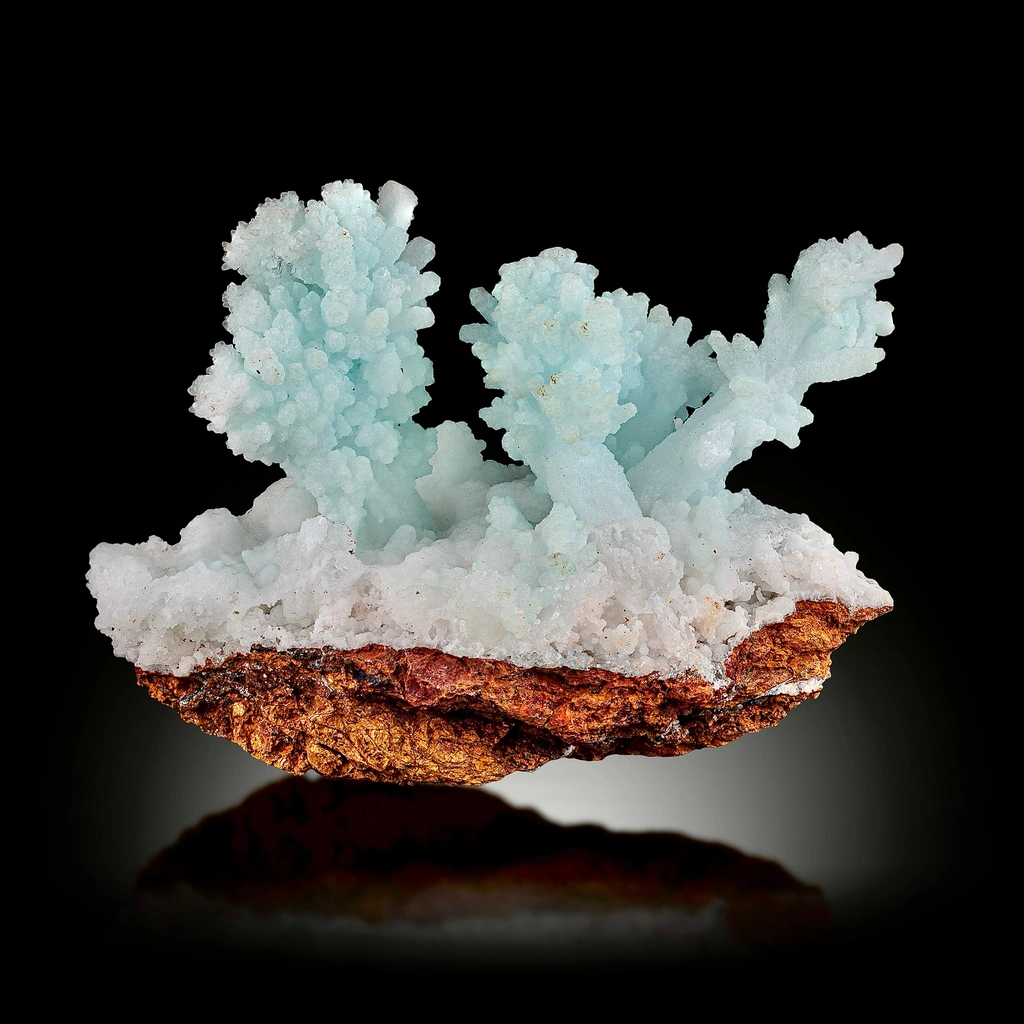
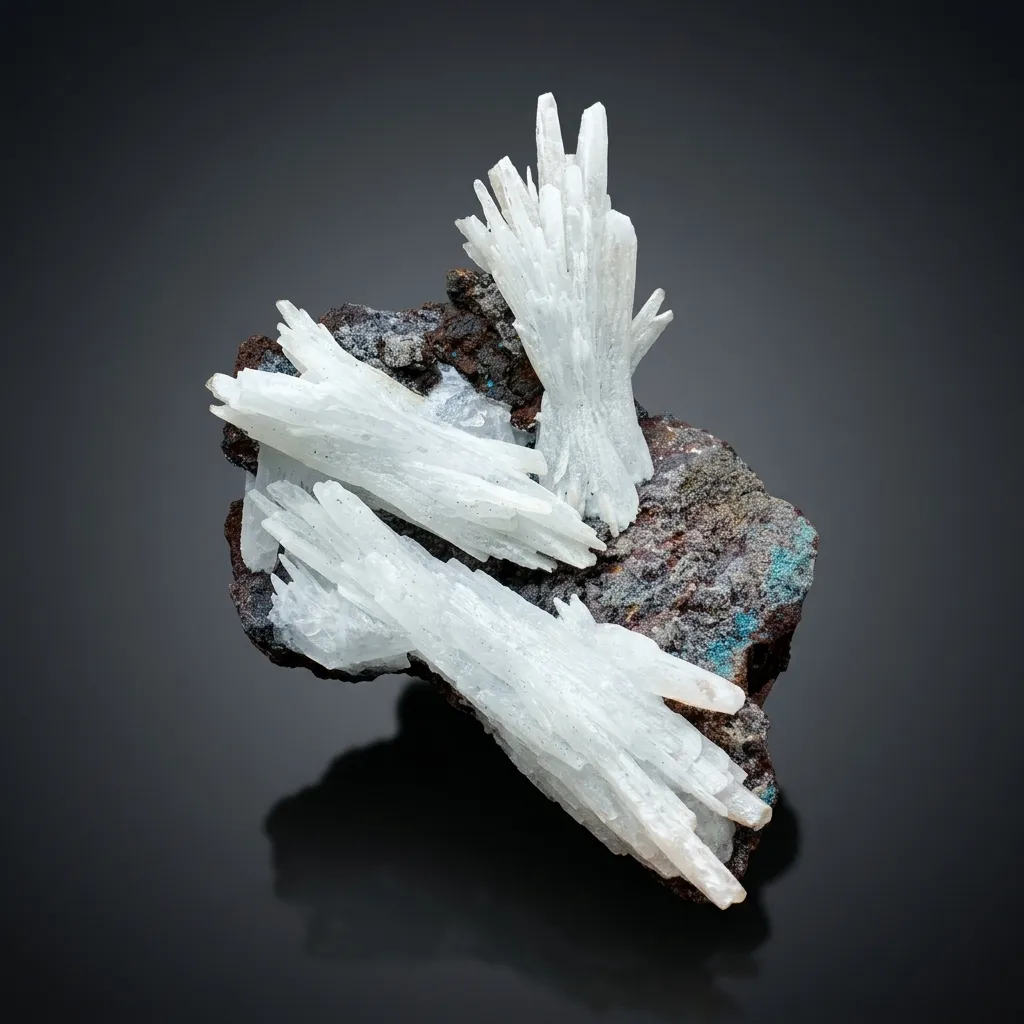
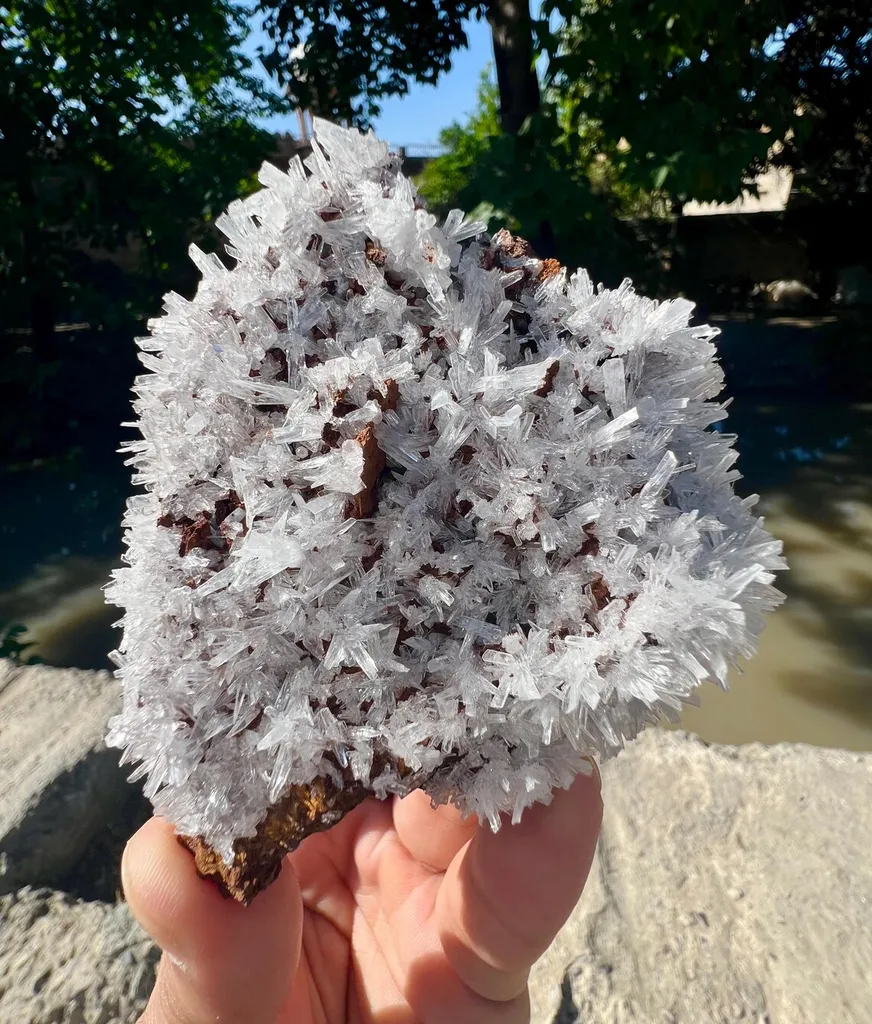
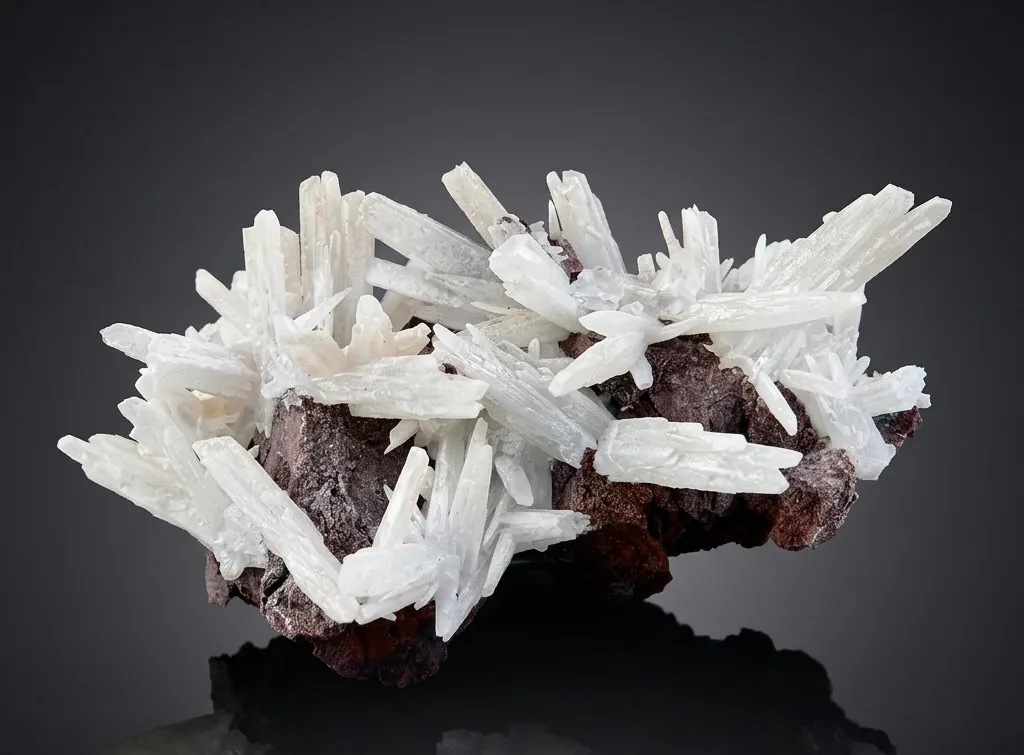
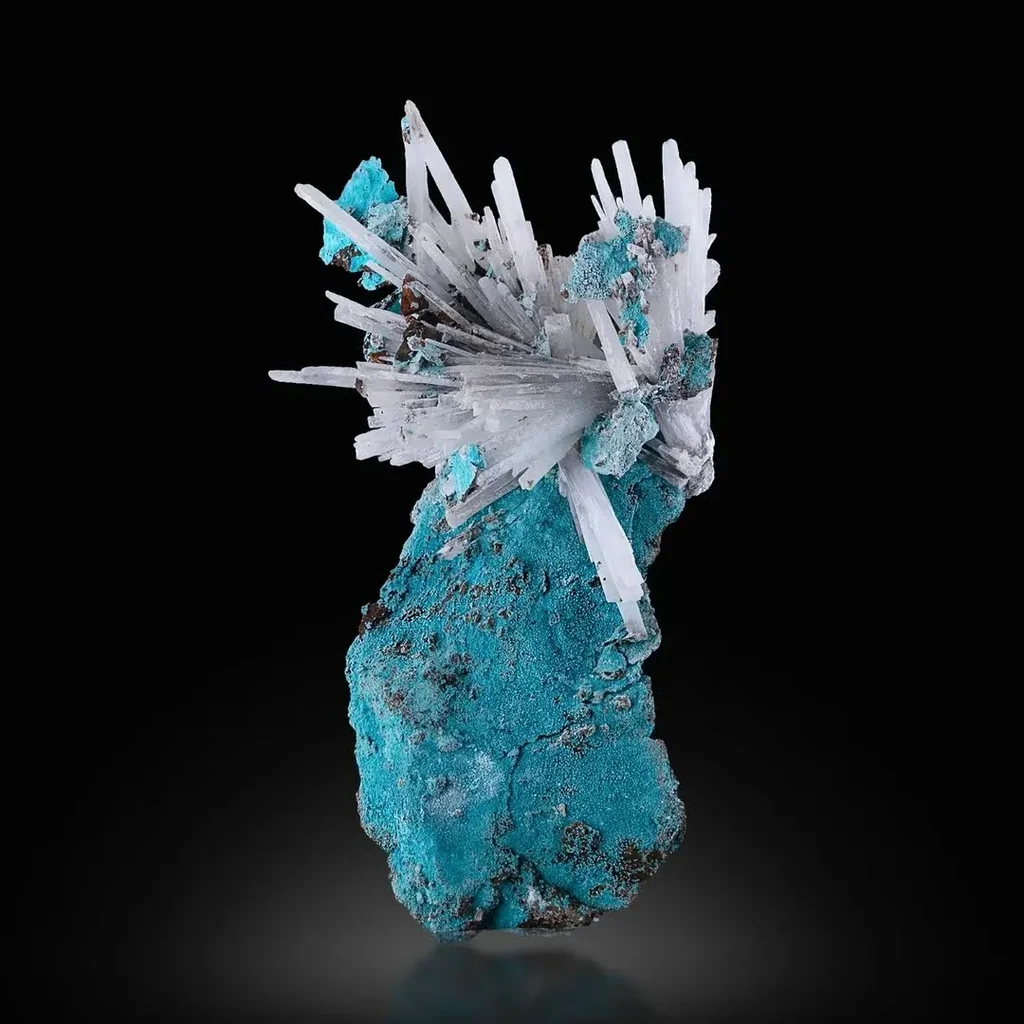
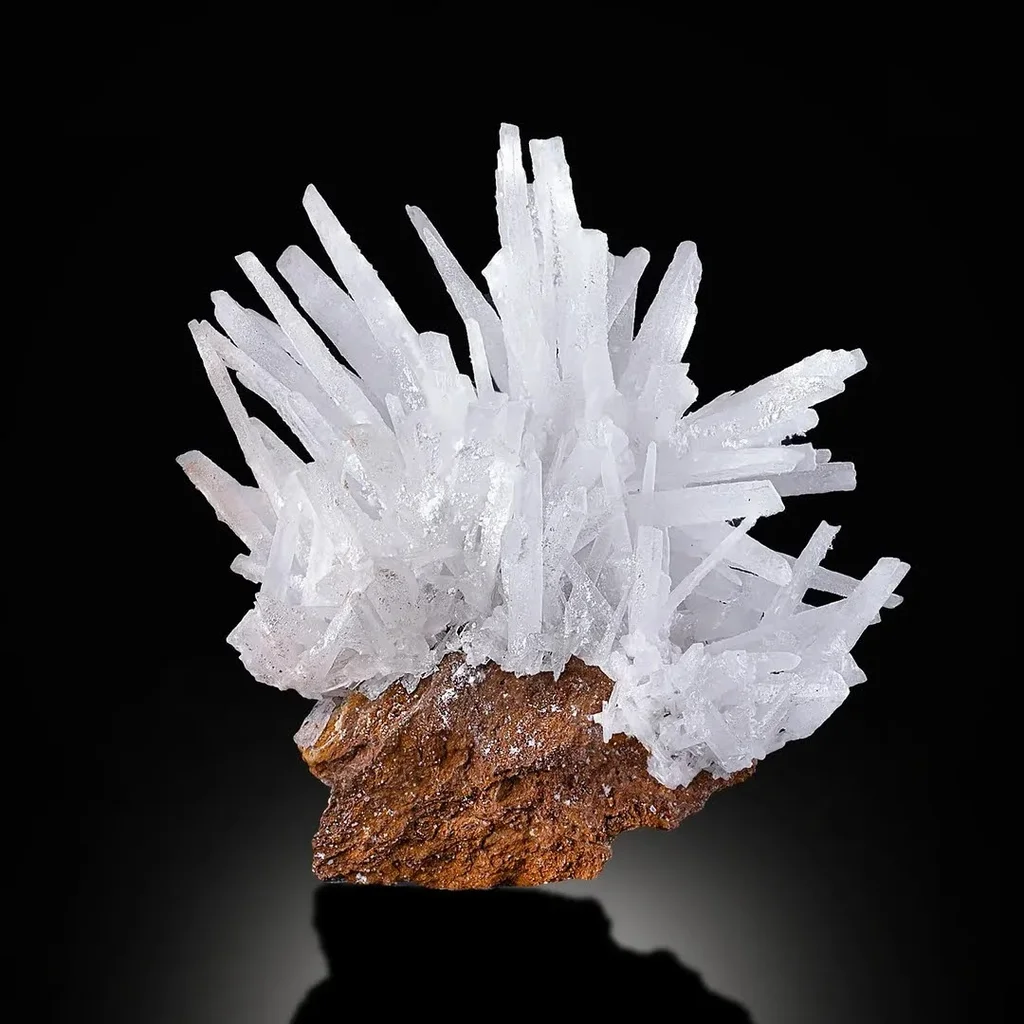
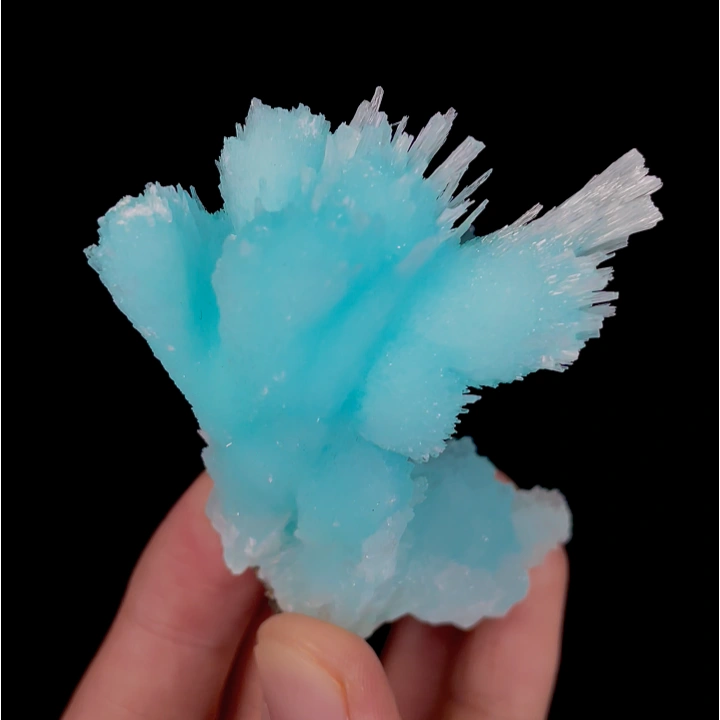
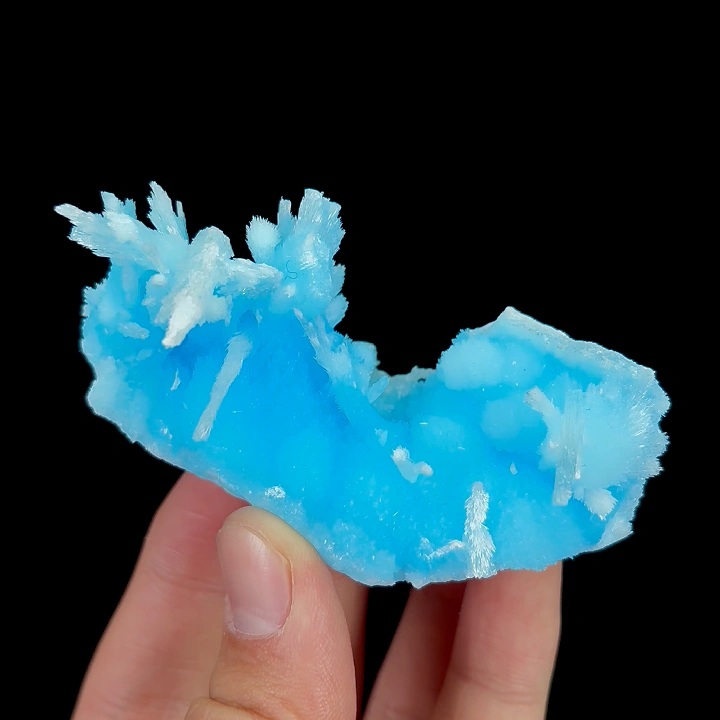
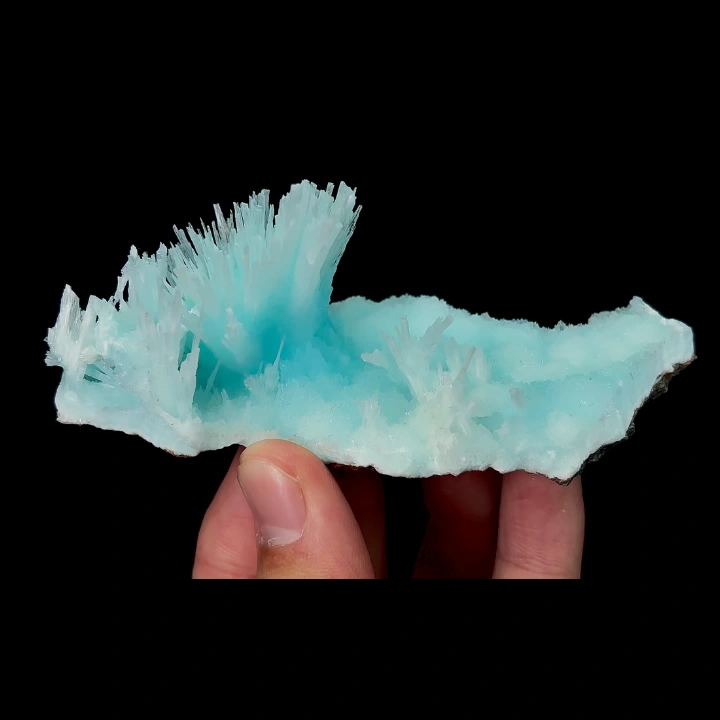
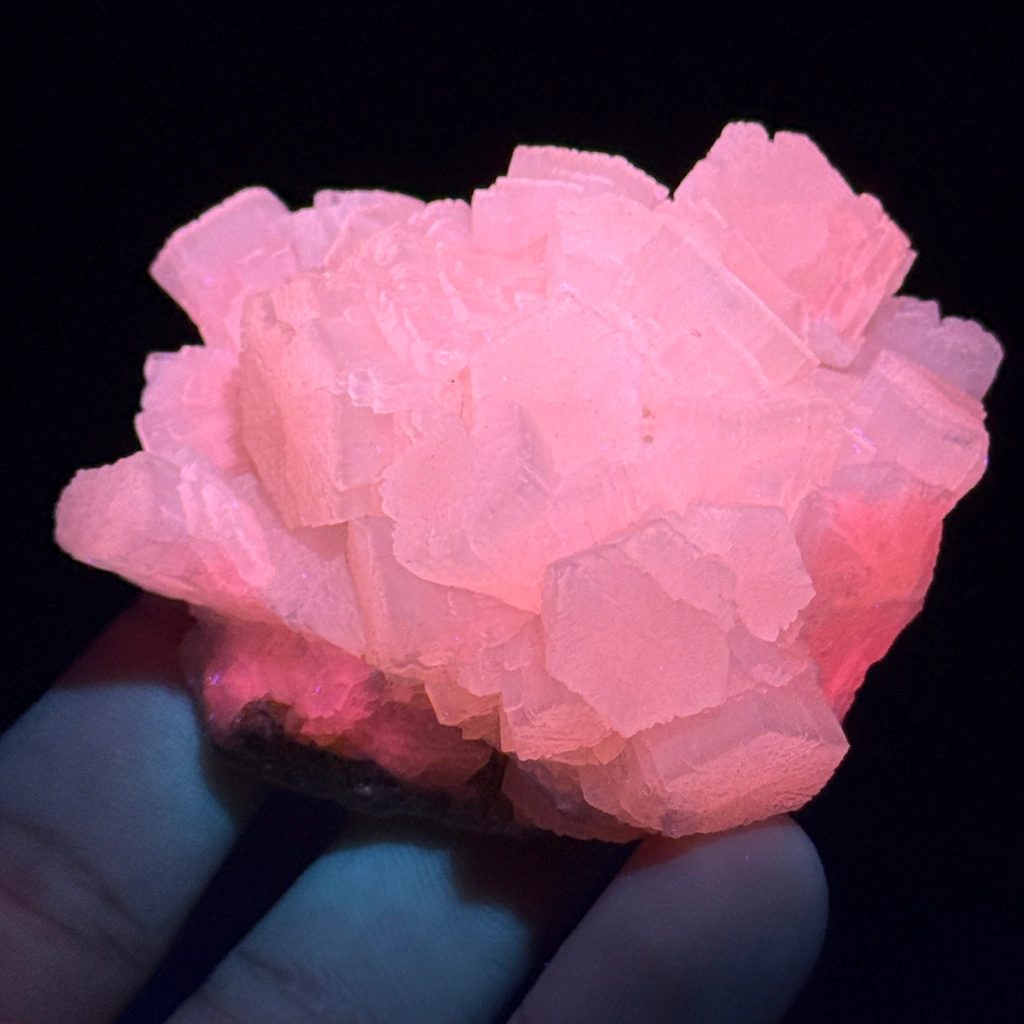
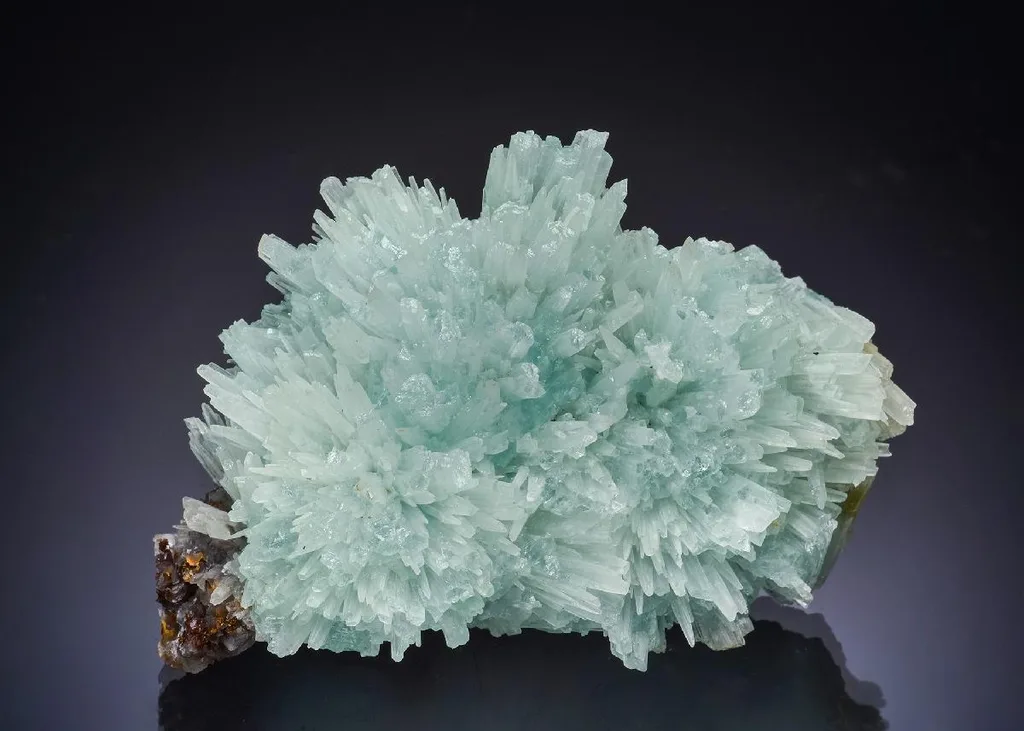
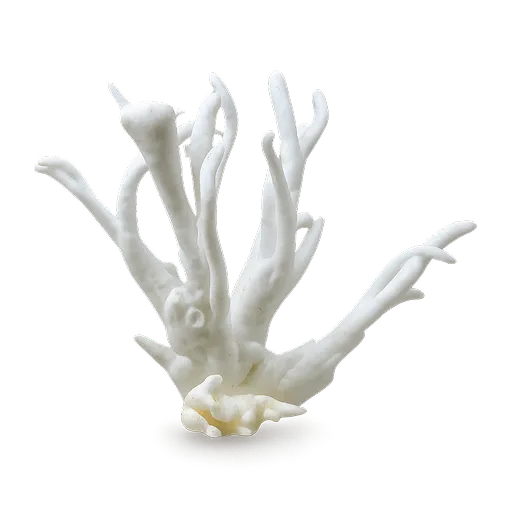
Aragonite is a carbonate mineral that crystallizes in the orthorhombic system, commonly forming acicular, radiating, or tabular habits. It can exhibit a wide range of colors due to trace impurities, and often shows a vitreous to resinous luster. Notable specimens are frequently pale to brownish, with blades or clusters that display a subtle, glassy sheen under light. In many collections, aragonite appears as pale, needle-like sprays or chunky, bladed aggregates that reveal its granular interior when cut or fractured.
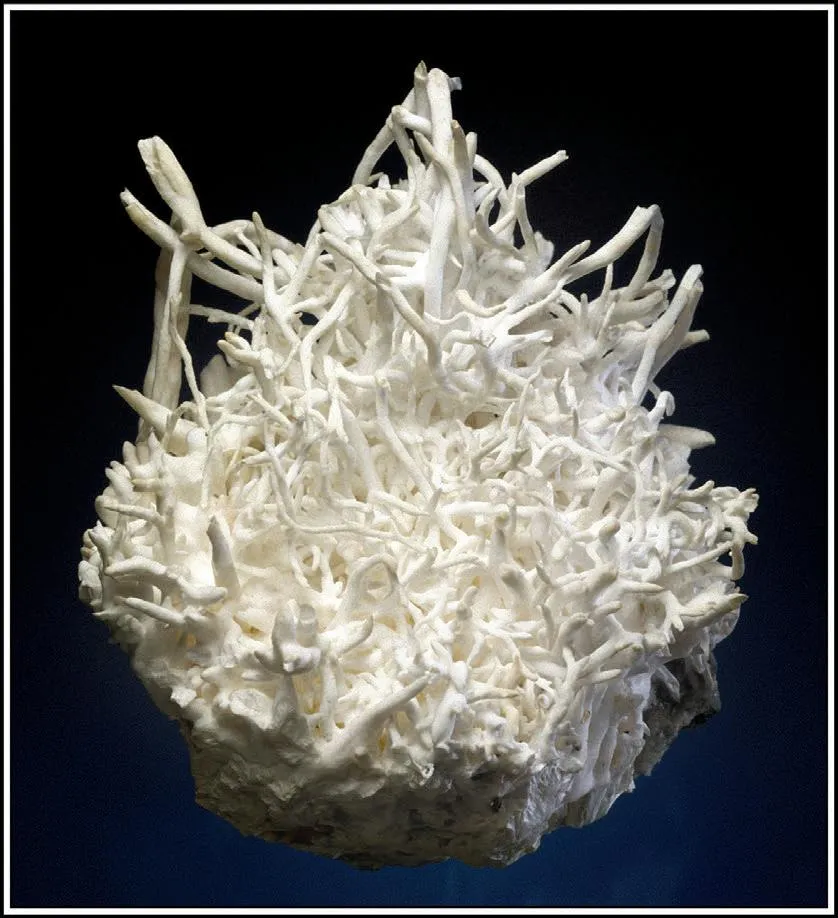
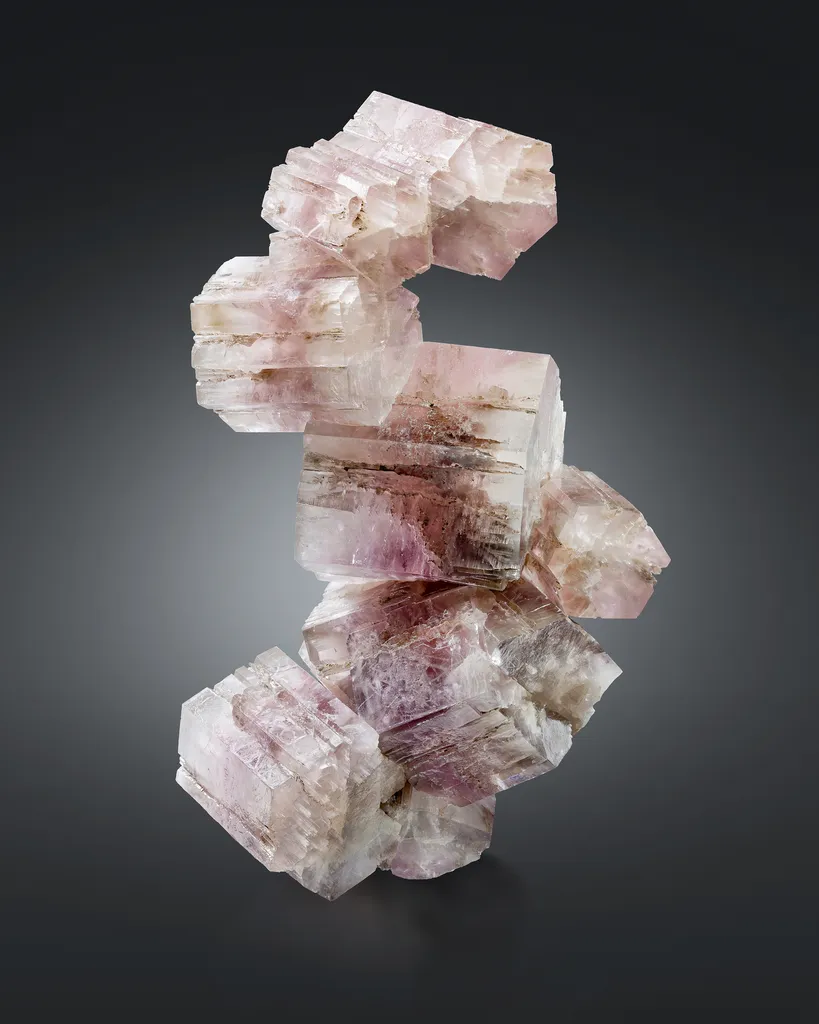
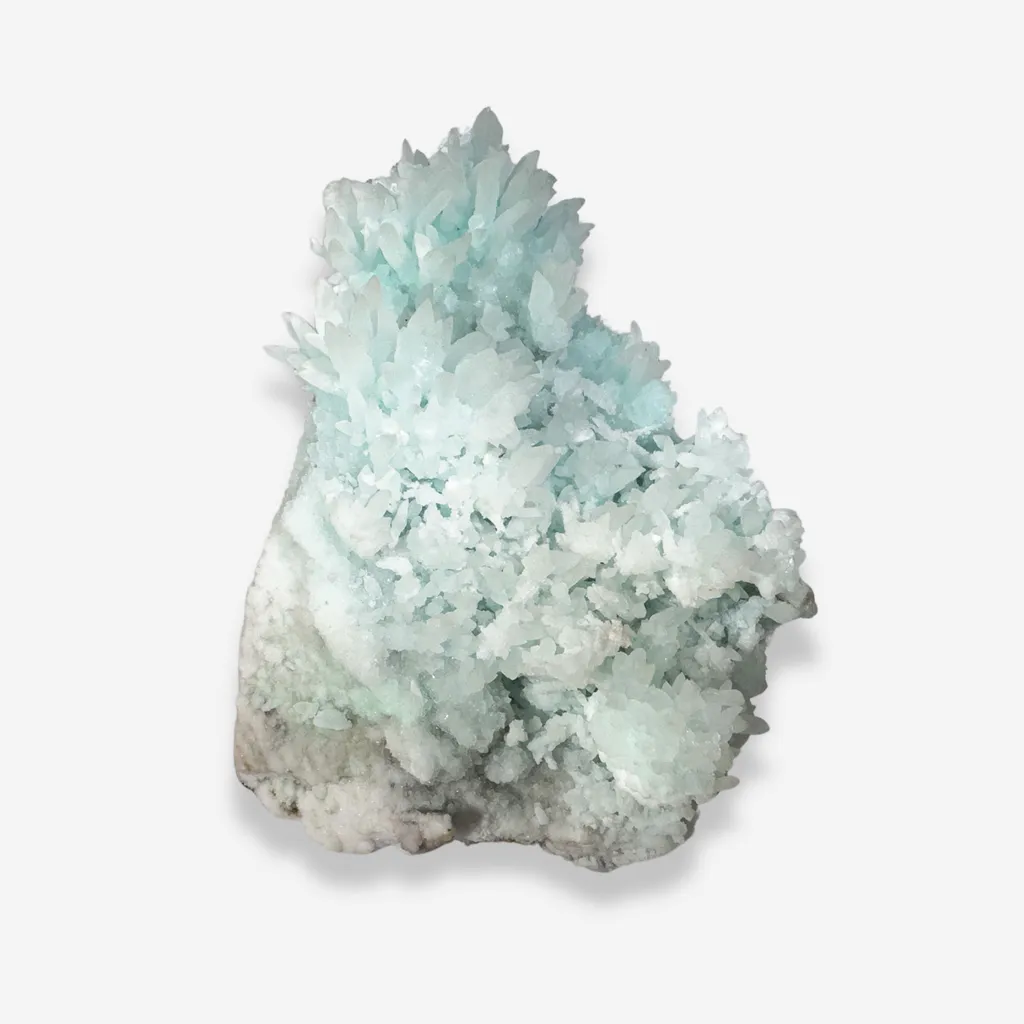
Significant specimens originate from locales such as Namibia, the USA, Italy, the UK, and Spain, where unique geological conditions produced striking crystal formations. Collectors value aragonite for its structural variety and its ability to form dramatic, radiating sprays that contrast with other carbonate minerals. Its occurrence in vugs and cavities within sedimentary and volcanic rocks adds to its appeal, offering both aesthetic geometry and a glimpse into the mineral’s crystallization history.