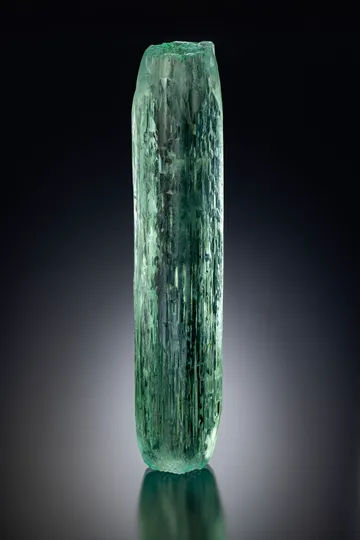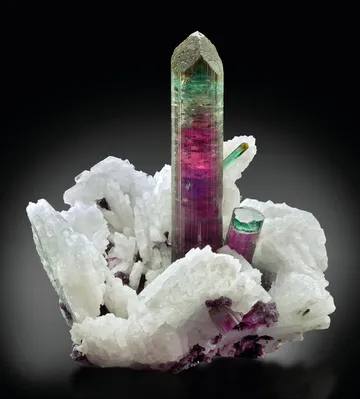
Resplendor, Brazil — classic pegmatite locality yielding gem spodumene, goshenite, aquamarine/beryl, elbaite, quartz; renowned for pale, color-zoned crystals.
Key facts
Resplendor is one of the classic names in the gem-pegmatite belt of eastern Minas Gerais, a locality that matters to collectors not because of a single mineral alone, but because its best pockets combine several of the region’s most desirable pegmatite species in a distinctive style. The municipality lies in the Aimorés–Conselheiro Pena part of the Eastern Brazilian Pegmatite Province, where lithium- and beryllium-bearing granitic pegmatites cut metamorphic rocks of the Rio Doce Group and related granitoids. For the collector, “Resplendor” usually means gem spodumene in pale green, yellow-green, lilac, pink, colorless, and polychrome crystals; glassy tabular goshenite; beryl as aquamarine and morganite; green to blue elbaite; smoky, citrine, and rock-crystal quartz; and the industrial pegmatite minerals that provided the economic backbone of the mines—feldspar, albite, muscovite, black tourmaline, and massive beryl.
The locality’s reputation rests especially on two specimen stories. The first is the old-time goshenite aesthetic: thin, water-clear, almost “poker-chip” beryl crystals, often in repeated hexagonal plates or stacked books, pierced or accompanied by dark green elbaite. The second is gem spodumene, particularly from the Jairo Linguiça working and from Mineração Vala Danta, where pocket-derived crystals could be etched, doubly terminated, bicolored, or even tricolored. Good Resplendor spodumene has a delicacy that is easy to underestimate in photographs: the crystals are commonly pale, but the finest pieces combine strong luster, open transparency, natural corrosion sculpture, and color zoning that shifts as the crystal is turned in the hand.
Regional View
Country View
The Resplendor field is not a single neat “mine locality” in the way a collector might imagine from a specimen label. It is a district-level name used on labels for material from multiple pegmatites and garimpos in and around the municipality, with Mineração Vala Danta and the Jairo Linguiça claim carrying much of the collector importance. Older labels may also use broader regional wording such as “Doce Valley,” “Aimorés,” or “Conselheiro Pena district,” so the best labels are those that preserve a mine or garimpo name, date of find, and old collection history.

Photo: Amethyst Galleries
Search for specimens: View all specimens from Resplendor, Brazil
Resplendor belongs to the Eastern Brazilian Pegmatite Province, within the Aimorés pegmatite district as treated by mineral databases and within the Resplendor pegmatite field of Brazilian Geological Survey mapping. The field covers Resplendor and Itueta and is grouped with the Conselheiro Pena pegmatite district. In practical collecting terms, this is the southern Rio Doce gem belt: a country of steeply weathered pegmatites, mica-rich schists, gneiss, granitic bodies, small shafts, old adits, garimpo cuts, and intermittent pocket mining.
The host rocks recorded for the Resplendor pegmatites are chiefly biotite gneiss and quartz-biotite schist of the São Tomé Formation, along with the Galiléia Tonalite. Many bodies are small, lenticular, and concordant with the foliation or bedding of the schist and gneiss; others fill fractures in the tonalite. The economically interesting bodies are zoned granitic pegmatites, in which the wall and intermediate zones carry feldspar, albite, quartz, mica, black tourmaline, beryl, spodumene, lepidolite, and accessory niobium-tantalum minerals. The more collector-relevant pockets occur along fractures and “lines” filled by tourmaline, mica, manganese oxides, clay, and late hydrothermal minerals; these were the guides followed by local miners when searching for gem geodes.
Mineração Vala Danta, about 5 km north of Resplendor, is the best-documented mine in the municipality and was described by the Brazilian Geological Survey as the most important working in the Resplendor field. It produced kunzite, green spodumene sold as hiddenite, colored tourmalines, aquamarine, morganite, rock-crystal and smoky quartz specimens, goshenite, and industrial spodumene, muscovite, feldspar, albite, beryl, and black tourmaline. The Geological Survey report describes two different pegmatite bodies at the mine. Body I is a large, tabular, zoned pegmatite roughly 30 m thick, hosted by quartz-biotite schist and intensely fractured. In its fractures, large spodumene “ripas,” or blade-like slabs, may reach metric size. Its intermediate zone contains albite, K-feldspar, quartz, beryl, spodumene, lepidolite, schorl, and intense fracturing; it was the source of kunzite, green spodumene, goshenite, aquamarine, and morganite. Body II lies about 250 m away at a higher elevation and was developed by multiple galleries and tunnels totaling roughly 1,000 m by mid-1997. There, miners followed paired fracture systems: one direction yielded cavities with blue, green, red, and bicolored tourmalines, while another yielded clay-filled geodes containing rock crystal and citrine.
The mining history of the Resplendor field began well before the gem-spodumene fame. Local pegmatites were known historically for mica, with production at Córrego do Rufino beginning in 1925 and demand increasing during the Second World War. After the wartime mica market weakened, only small-scale mica recovery continued, and many workings were abandoned or shut down by the early 1970s. Later gem mining revived interest in selected pegmatites, especially Vala Danta and Jairo Linguiça, where the combination of gem beryl, tourmaline, spodumene, and quartz could justify continued underground work even when industrial minerals were needed to cover operating costs.
The Jairo Linguiça claim, 6 km from Resplendor on the left bank of the Rio Doce, is the locality behind some of the most admired Resplendor spodumene. It is described as a large, zoned pegmatite hosted by São Tomé Formation schists. Its production included numerous quartz pockets, smaller tourmaline pockets with fine green to blue crystals, cavities with schorl, and large quantities of industrial beryl. Its fame, however, comes from a major pocket discovered in July 1989 containing more than a tonne of lilac, bluish-purple, pale green, colorless, bicolored, and even tricolored spodumene crystals up to 1 m long, partly to wholly gemmy. Other published collector accounts give a smaller figure of about 450 kg of pale pink and pale green gem spodumene from the 1989 production, a difference that likely reflects whether total pocket yield or selected gem material was being counted.
Collecting access should be treated as private and permission-only. These are not public rockhounding sites; they are mines, claims, garimpos, old galleries, and privately held mineral rights. Some old workings are abandoned, partially collapsed, or obscured by vegetation and spoil. The best collector material on the market today overwhelmingly comes through old stocks, dealer inventories, historic Brazilian collections, and occasional parcels from local mining rather than casual collecting at the locality.
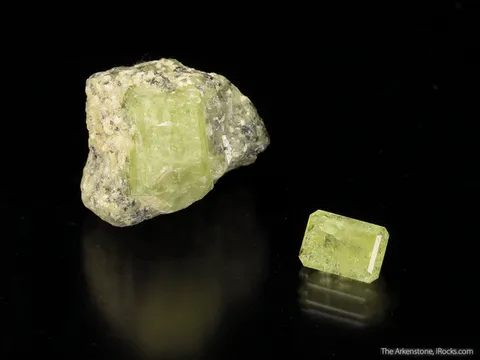
Resplendor spodumene is prized for gemmy, etched crystals rather than blocky ore masses: pale yellow to yellow-green “triphane,” pale green crystals commonly marketed as hiddenite, lilac to pink kunzite, colorless pieces, and rare bicolored to tricolored examples are all documented from the district. The Jairo Linguiça pocket of July 1989 produced the locality’s most celebrated material, including crystals reported up to 1 m long and a 19 cm kunzite crystal with a green termination that has been called a mineralogical masterpiece; Vala Danta also produced lilac to bluish kunzite, green spodumene, and industrial spodumene from a large fractured zoned body. The best specimens are transparent, lustrous, naturally etched, complete or nearly complete, and ideally doubly terminated; ordinary pieces are cleavages, dull altered blades, or pale fragments lacking termination, zoning, or a compelling sculptural form.
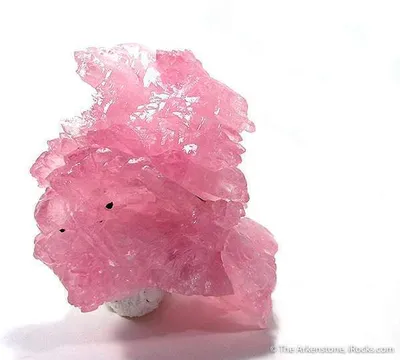
Beryl at Resplendor spans industrial material and gem varieties, with aquamarine, morganite, and colorless beryl all recorded from the field; Mineração Vala Danta produced aquamarine and morganite along with large quantities of beryl, while older collector reports note large morganite crystals from Resplendor, including examples reaching roughly cabinet to large-cabinet scale. In the pegmatites, beryl belongs to the feldspar-albite-quartz-mica-spodumene-tourmaline assemblage of the intermediate zones and pocket systems, and it may appear as thick prisms, tabular crystals, or etched gem crystals depending on the local pocket chemistry. Fine beryl specimens from this locality are judged by transparency, undamaged terminations, saturated but natural color, and credible mine-level provenance; ordinary pieces are massive beryl, pale aquamarine fragments, or morganite rough without form.
Resplendor is one of the classic localities for tabular goshenite, and its best examples have a look all their own: colorless, water-clear, lustrous hexagonal plates or stacked, book-like groups, commonly associated with dark green to green-black elbaite and locally with albite. Vala Danta was specifically noted for goshenite, with roughly 500 kg reportedly extracted in one period, and dealer and museum-style specimen records emphasize old-time material from single finds in the late 1980s as well as older 1960s–1970s pieces. The most desirable examples are thin, bright, glassy, sharply hexagonal, and complete enough to read as crystals rather than shards; internal fractures, missing edges, and broken tourmaline pins are common condition issues, but attractive elbaite intersections can turn a small piece into a classic.
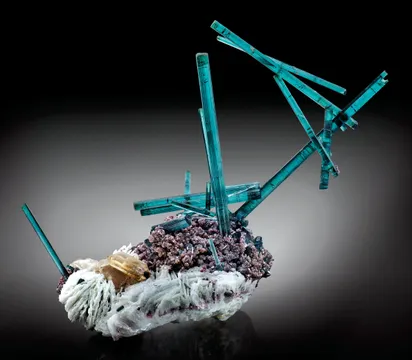
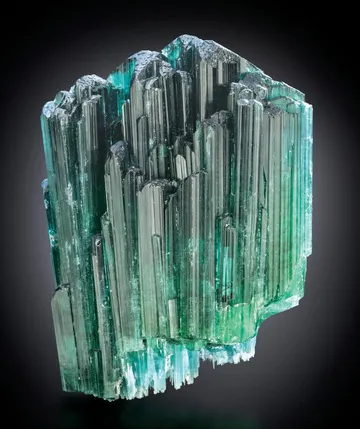
Elbaite from Resplendor is most familiar to collectors as dark green to bottle-green crystals included in or perched with goshenite, but the district also produced blue, green, red, and bicolored tourmalines from Vala Danta’s pocket systems. The crystals range from fine acicular sprays and slender prisms to small, lustrous, terminated individual crystals; in the classic goshenite association, they may pierce the beryl plate, lie along an edge, or stand as dark contrast against the colorless beryl. Top specimens combine sharp elbaite terminations, good glassy luster, visible color rather than opaque blackness, and aesthetic placement on or through beryl; lesser pieces are broken, over-dark, or merely included without contributing to the composition.
Other documented minerals from Resplendor include albite, cleavelandite, microcline, muscovite, quartz, smoky quartz, citrine, rose quartz, cassiterite, garnet-group minerals, black tourmaline, variscite, lepidolite, columbite-tantalite, and phosphates reported from the better-described pegmatites. The locality is important as a gem-pegmatite producer rather than as a type locality for named IMA species, but it does have rarities of collector interest: variscite is recorded from the municipality, goshenite is unusually characteristic here, and the green Brazilian spodumene issue is mineralogically notable because much material historically sold as hiddenite from Minas Gerais has been shown or argued to lack chromium and to owe its greenish to yellow-green color primarily to iron-related color centers.
The principal authenticity issue for Resplendor is not outright forgery, but naming and labeling. Green spodumene from Brazil has often been sold as “hiddenite,” yet modern mineralogical discussions caution that the classic, strict use of hiddenite is for chromium- or vanadium-related green spodumene, while Brazilian green and yellow-green material is commonly iron-related and may be better described simply as green spodumene or, informally, “pseudo-hiddenite.” A careful label should preserve the dealer’s historical wording but the catalogue description should be precise.
Spodumene is fragile in a way that matters acutely for this locality. Cleavage is excellent, and many Resplendor specimens are thin, etched, gemmy blades or floaters; they can look robust in a case but split or chip with surprisingly little shock. Old repairs are not unusual on large gem spodumene from Minas Gerais, and repaired crystals are not automatically undesirable if the piece is important, but repairs, filled cleavages, and reattached sections should be disclosed. Exposure to strong light is also a concern for some kunzite and green spodumene; the safest practice is to store fine Resplendor spodumene away from direct sunlight and intense display lighting.
Goshenite from Resplendor should be examined for rim chips, missing plate edges, internal bruising, and broken elbaite needles. The locality’s classic goshenite habit is thin and tabular, so even attractive specimens may have incomplete edges. A plate with one excellent face, strong luster, and a well-placed tourmaline inclusion can be more desirable than a larger but cloudy or badly chipped crystal. Colorless beryl can also be confused with quartz by non-specialist sellers, but the hexagonal tabular habit, hardness, refractive character, and associations usually resolve the identification.
Morganite and aquamarine from the region require the usual beryl treatment caution. Published gem notes specifically mention Resplendor morganite whose color shifted from peachy orange to pure pink by bleaching, and irradiation of colorless beryl to produce blue color is a known issue in the broader gem trade. For specimens, the most important questions are whether color is natural, whether the piece has been heated or irradiated, and whether “Resplendor” is being used as a broad sales locality rather than a mine-specific provenance.
Market availability is uneven. Small goshenite-elbaite pieces appear periodically, but fine old-time tabular goshenites are much less common than their reputation suggests. Good green or lemon-yellow spodumene floaters, especially doubly terminated crystals over miniature size, are scarce and increasingly depend on old collections. Exceptional polychrome spodumene from Jairo Linguiça belongs in the realm of major Brazilian pegmatite specimens and is not likely to appear casually.
The story collectors remember from Resplendor begins in July 1989 at the Jairo Linguiça claim, 6 km from town on the left bank of the Rio Doce. The mine was not a glamorous showpiece but a zoned pegmatite in São Tomé schist, worked for the practical things pegmatites give first: quartz pockets, black tourmaline, fine green to blue tourmaline crystals in smaller pockets, and quantities of industrial beryl. Then the miners broke into the pocket that made the locality famous. Brazilian reports use the word “caldeirão,” literally a cauldron, for such a pocket, and in this case the word feels exact: the most important caldeirão held more than a tonne of spodumene in lilac, bluish-purple, pale green, colorless, bicolored, and tricolored crystals, with some crystals reaching 1 m in length and some partly to wholly clean.
One crystal from that production became the emblem of the find: a 19 cm kunzite with a green termination, illustrated in later mineralogical literature and described there as a “masterpiece” specimen. Its importance is not merely that it is pretty. The crystal records at least two pulses of late fluid activity, with the pink-to-lilac kunzite generation followed by a green termination. In a district where pocket fluids could corrode, etch, dissolve, and re-deposit minerals after the main pegmatite body had formed, this one crystal shows the process in specimen form. It is both a display piece and a paragenetic diagram.
Vala Danta tells a different sort of story: not a single legendary pocket, but an operating mine whose specimen production was tied to industrial survival. The mine was described as producing 60–70 tonnes per month of industrial spodumene, muscovite, feldspar, albite, beryl, and black tourmaline, enough to sustain the costs of the operation while miners searched for gem pockets. In Body I, large spodumene blades filled fractures in a 30 m thick zoned pegmatite, while in the intermediate zone beryl, spodumene, lepidolite, albite, quartz, feldspar, and schorl were all part of the working rock. In Body II, the miners read the pegmatite by “lines”—fractures filled with tourmaline, mica, and manganese oxides. One direction yielded cavities of blue, green, red, and bicolored tourmalines; the other yielded clay-filled geodes with quartz specimens, including rock crystal, citrine, and smoky quartz. For a collector, that is the anatomy of a Minas Gerais pocket mine: the ore paid the bills, the fractures guided the miners, and the clay sometimes protected the crystals.
The goshenite story is quieter but just as distinctive. Resplendor’s colorless beryl is not simply “clear beryl from Brazil”; it formed the thin, tabular plates and stacked books that dealers later compared to poker chips and overlapping circles. Many were small, but the form was unmistakable: water-clear hexagons, sometimes impaled by dark green elbaite crystals. Those pieces are now old-time material in the marketplace. Their charm lies in scale and contrast—the colorless beryl almost disappears until an edge catches the light, and then the dark elbaite pins reveal the geometry of the crystal.
Coralie Heinis Dias. “Mineralogia, tipologia e causas de cor de espodumênios da Província Pegmatítica Oriental do Brasil e química mineral de Nb-tantalatos da mina da Cachoeira (Minas Gerais).” M.Sc. dissertation, Universidade Federal de Minas Gerais, 2015. This is the key modern academic treatment for spodumene types in the Eastern Brazilian Pegmatite Province and includes the Jairo Linguiça claim at Resplendor. UFMG repository
CPRM / Serviço Geológico do Brasil. “Cadastramento de Recursos Minerais — Pegmatitos, Projeto Leste.” The principal government survey source for the Resplendor pegmatite field, including Mineração Vala Danta, the geology of the pegmatite bodies, production history, mineral assemblages, and mine status at the time of survey. SGB/RIGeo PDF
Mario Luiz de Sá Carneiro Chaves and collaborators. “Lítio em Minas Gerais: mineralogia, depósitos e estágios de geração de espodumênio na Província Pegmatítica Oriental Brasileira.” A modern synthesis of lithium minerals in Minas Gerais that discusses Vala Danta in the Resplendor pegmatite field. PDF
Mark Mauthner and Ronald J. Gibbs. “The History of Kunzite and the California Connection.” Rocks & Minerals, 86, 2011. Includes a concise historical note on the Jairo mine near Resplendor and its 1989 production of pale pink and pale green gem spodumene. ResearchGate copy
Wendell E. Wilson. “What’s New in Minerals.” The Mineralogical Record, 21(1), 1990, p. 97. Indexed reference for pink and green tabular spodumene from Resplendor. Mineralogical Record index
Jacques P. Cassedanne. “The Urucum Pegmatite, Minas Gerais, Brazil.” The Mineralogical Record, 17(5), 1986, pp. 307–314. Not a Resplendor article, but important regional context for the same eastern Minas Gerais gem-spodumene belt and for comparisons with the better-known Urucum pegmatite. Mineralogical Record back issue
Gem-A. “Gem News” in The Journal of Gemmology, 25(1), 1996. Notes large morganites from Resplendor, Minas Gerais, including color change from peachy orange to pure pink by bleaching. Journal of Gemmology PDF
Mindat: Resplendor, Minas Gerais, Brazil — The core locality entry, with the recorded mineral list and photo links for Resplendor specimens.
Mindat: Goshenite from Resplendor — Focused occurrence page for the locality’s classic colorless beryl, including associated minerals.
CPRM / SGB Projeto Leste: Conselheiro Pena and São Gabriel report — Government geological report with the most useful mine-level details for Vala Danta and the Resplendor pegmatite field.
UFMG: Dias 2015 spodumene dissertation — Essential academic source for the district’s spodumene types, color causes, and the Jairo Linguiça pocket.
Recursos Minerais de Minas Gerais: Gemas e minerais de coleção — State-level overview of Minas Gerais gem and collector minerals, including Jairo Linguiça and Vala Danta.
Recursos Minerais de Minas Gerais: Distribuição de jazidas e minas — Database-style listing of mines and garimpos, including active and inactive Resplendor entries.
Mineral Auctions: Resplendor gem spodumene, ex Richard Kosnar Collection — Useful market record for a documented old-collection Resplendor spodumene crystal brought from Brazil in the 1970s.
Fabre Minerals: Resplendor green spodumene — Dealer record for a doubly terminated Resplendor green spodumene specimen with dimensions.
Amethyst Galleries: Resplendor goshenite specimen — Archived specimen description and image of the goshenite-elbaite association.
The Mineralogical Record: Vol. 17, No. 5, 1986 — Back-issue listing for Jacques Cassedanne’s article on the Urucum pegmatite, important for regional Minas Gerais pegmatite context.