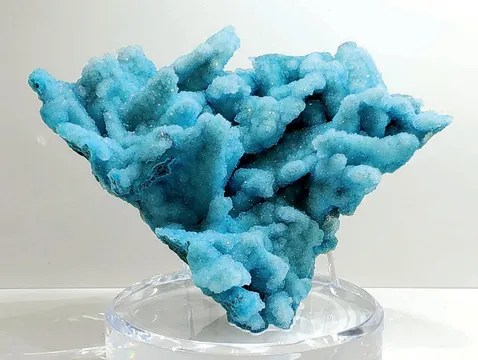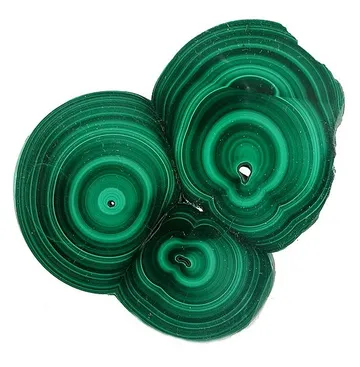
Mutshatsha, DR Congo - a premier Copperbelt locality known for malachite and rare uranyl minerals, with museum-worthy specimens and strong collecting appeal.
Key facts
Mutshatsha is one of the great names behind the modern “Katanga” label: a territory in Lualaba Province that takes in many of the Kolwezi-area copper-cobalt workings whose specimens have fed serious collections for generations. In collector language it is less a single outcrop than a mineral province within a province, anchored by the Kolwezi mining district and its famous sublocalities—Musonoi, Kamoto, KOV, Mashamba, Dikuluwe, Mutoshi, Kasompi, and Kalongwe among them. The deposits belong to the Central African Copperbelt, where Neoproterozoic Katangan rocks were folded, faulted, transported in the Lufilian orogen, and then deeply oxidized to create one of the world’s richest secondary copper and uranium mineral assemblages.
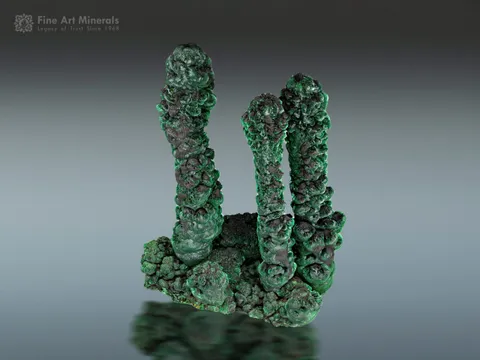
What makes Mutshatsha especially important is the union of two collecting worlds. On one hand, it is a powerhouse for display malachite: velvety botryoids, stalactitic crusts, fibrous aggregates, polished banded masses, and sculptural plates from Mashamba West, Kasompi, Musonoi, Mutoshi, and related Kolwezi mines. On the other, it is a museum-level rare-mineral terrain, especially at Musonoi and Kamoto East, where uranium, selenium, copper, cobalt, palladium, and rare-earth chemistry produced type-locality species and extraordinary micromount material. Few districts can place world-class malachite cabinet specimens and type-locality uranyl selenites in the same geographic story.
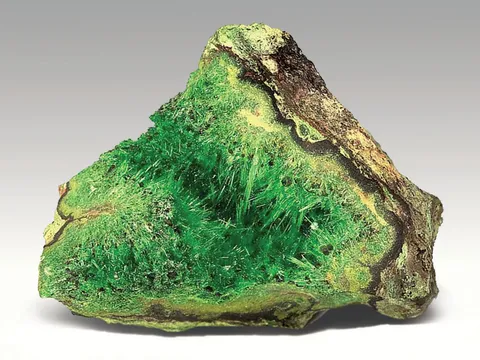
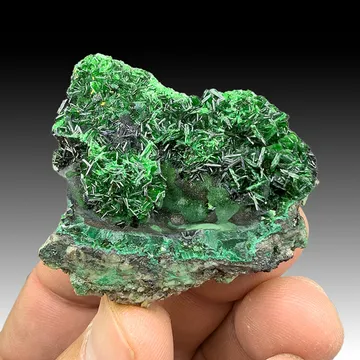
The best Mutshatsha specimens have a look that is immediately Congolese but not generic. Fine malachite may show saturated emerald to forest-green color, a silky velvet surface, or compact banded structure with pale and dark green rhythmic growth. Mashamba West pieces can be eccentric and sculptural, with botryoidal domes, raised centers, glassy needle contacts, and unusual two-sided development. Musonoi and Kamoto material adds a rarer palette: apple-green cuprosklodowskite needles, yellow guilleminite and kamotoite-(Y), blue astrocyanite-(Ce), black uraninite and heterogenite, and microscopic metallic selenides tucked into quartz, digenite, and oxide matrix.
Regional View
Country View
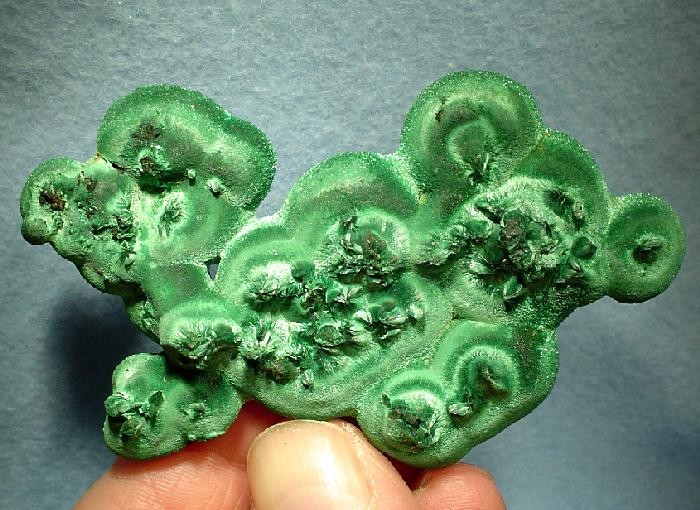
Photo: Wikimedia Commons
The specimen record here is inseparable from mining history. During the Gécamines era and its predecessors, open pits and underground workings exposed oxidized copper-cobalt ores on a scale that hand collectors could never have reached by prospecting alone. Later, old dumps, benches, and artisanal workings supplied much of the material that entered the international market. Today, many of the important workings sit within active industrial concessions, and the best older specimens are increasingly separated into old collections, museum holdings, and specialized rare-mineral suites.

Photo: Wikimedia Commons
Search for specimens: View all specimens from Mutshatsha, DR Congo
Mutshatsha lies in the western part of the former Katanga mineral belt, now Lualaba Province, around and southwest of Kolwezi. The principal specimen-producing mines belong to the Central African Copperbelt, a sediment-hosted stratabound copper-cobalt province developed in the Katanga Supergroup. Around Kolwezi, the classic orebodies are hosted largely in carbonate and fine clastic rocks historically referred to as the Mines Series or Mines Subgroup of the Roan Group. The ore-bearing packages are folded, faulted, brecciated, and locally preserved as klippen and nappes, with the Kolwezi Klippe forming one of the most important structural settings for the district’s major mines.
The primary ore system was not a simple vein field. It is a stratiform copper-cobalt system in which mineralization is concentrated in reduced dolomitic and argillaceous horizons, commonly described as two principal ore levels separated by silicified stromatolitic or dolomitic beds. Primary and enriched ore minerals include chalcocite, bornite, chalcopyrite, carrollite, digenite, covellite, heterogenite, and related cobalt and copper phases. Supergene alteration transformed large volumes of this ore into malachite, chrysocolla, cuprite, cobalt-bearing carbonates, uranium minerals, and a suite of rare secondary species. That oxidation story is the reason Mutshatsha is both an ore district and a specimen district.
The most important collector sublocalities are not interchangeable. Mashamba West is famous for malachite, baryte-malachite combinations, cuprite with malachite and chrysocolla, cobalt-bearing calcite and dolomite, and unusual sculptural malachite forms; the “Mudinge Hole” is one named source associated with distinctive two-sided malachite specimens. Kasompi is best known to collectors for stalactitic and botryoidal malachite, including compact, highly sculptural pieces. Mutoshi produced significant lapidary-grade and specimen malachite, and also has a history of gold and copper exploitation. Musonoi is the district’s great rare-mineral name: a copper-cobalt-manganese-uranium locality with exceptional secondary uranium minerals, uranyl selenites, palladium selenides, malachite, cuprosklodowskite, torbernite/metatorbernite, kasolite, guilleminite, demesmaekerite, marthozite, derriksite, and related species. Kamoto East is a classic oxidized uraninite occurrence in dolomitic R2 rocks, noted for kamotoite-(Y), astrocyanite-(Ce), and, more recently, pendevilleite-(Y).
Mining began long before industrial geology gave these deposits formal names. Indigenous copper working in the wider Kolwezi area exploited surface malachite and rich oxidized ores, and older accounts describe shallow pits, small galleries, hand sorting, washing, and smelting of copper ore. Industrial extraction under Union Minière and later Gécamines developed the great Kolwezi group of mines through the twentieth century, with major open pits and underground operations at Musonoi, Kamoto, KOV, Mashamba, and related deposits. Modern operators include Kamoto Copper Company, a Glencore-Gécamines-DRC State joint venture whose Kolwezi assets include KOV, T17, Mashamba East, and KTO underground operations, and Sicomines, which is associated with the Dikuluwe-Mashamba West project area.
For collectors, access today should be treated as closed unless arranged through the legal mineral-rights holder and site management. These are active or controlled copper-cobalt concessions, not public collecting localities. Old pits, dumps, artisanal shafts, unstable benches, radiation-bearing ore, and security issues make casual collecting inappropriate and often illegal. Specimens in the market mostly come from historical production, old Gécamines-era dumps, past artisanal recovery, dealer accumulations, and older private collections. The strongest provenance is mine-specific: “Mashamba West, Mutshatsha,” “Musonoi Mine, Kolwezi, Mutshatsha,” “Kamoto East Open Cut,” or “Kasompi Mine,” rather than the vague trade label “Katanga, Congo.”
The pockets and finds that matter most to collectors are those that exposed open-space secondary growth rather than merely massive ore. In malachite, that means cavities, seams, oxidized benches, and replacement zones where botryoids, stalactites, needles, and banded aggregates could grow with clean surfaces. In the rare uranium assemblages, it means oxidized uraninite lenses and seleniferous zones where minute but intensely colored crystals formed on digenite, quartz, uraninite, malachite, and altered carbonate matrix. Kamoto East’s oxidized uraninite lens is particularly significant because it produced type material and later study specimens for several uranyl carbonate and rare-earth species.
Mutshatsha malachite is best judged by mine, habit, and surface quality: Mashamba West is the classic source for sculptural botryoidal and two-sided specimens, including light-and-dark banded forms with raised central peaks and zones of lighter green glassy needles between domes; Kasompi is admired for stalactitic and compact botryoidal material; Musonoi and Mutoshi add both specimen-grade coatings and abundant lapidary-grade massive malachite. Good pieces show saturated green color, undamaged velvet or silky luster, crisp botryoidal relief, strong three-dimensional form, and honest matrix or association with chrysocolla, baryte, cuprite, heterogenite, cobalt-bearing carbonates, or uranium minerals where appropriate. Ordinary pieces are massive, bruised, polished without disclosure, or labeled only “Katanga” with no sublocality; the best Mutshatsha examples have character—balanced form, clean growth surfaces, and the kind of fibrous or banded texture that still reads as natural rather than merely decorative copper ore.
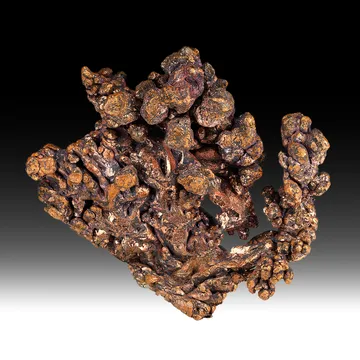
Beyond malachite, Mutshatsha is a major type-locality terrain. Musonoi is the type locality for demesmaekerite, derriksite, guilleminite, kolwezite, marthozite, oosterboschite, and verbeekite, giving the mine exceptional status among rare-mineral collectors. Kamoto East is the type locality for kamotoite-(Y), astrocyanite-(Ce), and pendevilleite-(Y), and has produced associations with uraninite, uranophane, sklodowskite, shabaite-(Nd), and related rare-earth uranyl carbonates. Kalongwe is the type locality for cuprosklodowskite and vandenbrandeite. Other documented minerals from the territory include chrysocolla, cuprite, dioptase, plancheite, pseudomalachite, torbernite/metatorbernite, kasolite, soddyite, curite, carnotite/metatyuyamunite, cobalt-bearing calcite and dolomite, heterogenite, native copper, native gold, native platinum, and a suite of selenides and uranyl selenites that can be visually striking but often require analytical confirmation.
Mutshatsha material rewards careful provenance. A label reading only “Katanga” or “Congo” may be perfectly honest for trade malachite, but it is not the same as a mine-specific label from Mashamba West, Musonoi, Kasompi, Mutoshi, Kamoto East, or Kalongwe. For high-end specimens, especially unusual malachite forms and rare uranium minerals, older labels, dealer records, collection history, and analytical notes add real value. Locality inflation is common: generic Congolese malachite is often attributed to a famous Kolwezi-area mine after the fact.
The main authenticity concerns are repaired, assembled, polished, or artificially improved specimens. Old dealer accounts specifically mention skillful glued fakes and fake stalactitic malachite specimens in the Congolese trade. Large stalactites, plates with improbable contacts, and specimens with repeated break-and-glue surfaces should be inspected under magnification. Polished malachite is not a problem when sold as lapidary material, but it should not be confused with natural velvet or botryoidal display specimens. Massive malachite slices, spheres, bowls, eggs, and carvings from the region are abundant and attractive, but they belong in a different collecting category than undamaged natural-crystal or botryoidal pieces.
Condition is the second major issue. Fibrous malachite bruises easily, and the velvety surfaces that make Mutshatsha pieces desirable are also the first to show dull rubs, edge contacts, and pressure marks. Stalactitic pieces often have broken tips; botryoidal plates often have contact bruising on high points; chrysocolla-rich matrix can be soft or crumbly. Uranium minerals from Musonoi, Kamoto East, and Kalongwe may be friable, powdery, hydrated, and photosensitive; they should be stored dry, handled minimally, and kept away from unnecessary abrasion.
Radioactivity must be taken seriously for Musonoi, Kamoto East, and Kalongwe material. Malachite alone is not radioactive, but malachite from uranium-bearing mines may share matrix with uraninite, torbernite/metatorbernite, cuprosklodowskite, kasolite, guilleminite, demesmaekerite, marthozite, derriksite, rutherfordine, schoepite, soddyite, or other uranium phases. Keep such specimens labeled, boxed, ventilated appropriately, and away from living spaces where dust or radon accumulation could become a concern. Do not wash friable uranium specimens; do not grind or trim them without professional radiological precautions.
Market availability divides sharply. Attractive Mutshatsha malachite remains available, though top sculptural pieces with reliable mine provenance are much less common than ordinary “Katanga” material. Mashamba West and Kasompi labels are desirable for malachite specialists. Musonoi uranium and selenium minerals appear regularly enough in rare-mineral circles to be collectible, but fine examples of the type-locality uranyl selenites and palladium selenides are scarce, often microscopic, and best treated as analytical specimens rather than casual display pieces. Kamoto East type-suite minerals are specialized and typically small; pendevilleite-(Y), in particular, is a modern rare-mineral species of extreme micromount character.
In 2002, an American collecting account in The Mineralogical Record captured Kolwezi at a moment when the old mining order had visibly frayed but the ground still seemed impossibly rich. The party reached the KOV pit, where copper ore was being loaded, and walked a kilometer down into the mostly backfilled Musonoi workings. What they saw was not a carefully staged collecting locality but an industrial scar full of mineral clues: bits of malachite and black, bubbly heterogenite scattered across the backfill, a malachite boulder in the Musonoi mine, and the KOV pit rising in the background.
At Mashamba, the same account describes an abandoned open pit with a lake at the bottom and a bench dotted with small round shafts. These were not hobby holes. Local teams had dug shafts about 50 feet down to reach a horizon of gem-quality malachite. The men worked in two- and three-person crews with shovels, iron bars, buckets, and for delicate work, valve stems from internal-combustion engines sharpened into chisels. After all that labor, they had only a few two- to three-inch malachite pieces to show the visiting buyers. That is the reality behind many attractive pieces: a fine specimen may represent far more human effort than its cabinet size suggests.
One of the most vivid Kolwezi trade stories concerns Victor Benatar’s attempt to buy malachite directly at Kapata village. He had gone there with a trusted buyer and purchased good material from miners, bypassing the women traders—the “mamas”—who controlled much of the Kolwezi malachite flow. The response was immediate and theatrical. The mamas stormed the mayor’s office, screaming and complaining that “mutoto” Benatar would ruin the malachite business. The mayor folded under the pressure and told Benatar the next morning to buy in Kolwezi and stay out of Kapata, or go to jail. For collectors, it is a reminder that locality labels emerge from a living commercial network, not just geology.
Mutoshi offered another scene from the rough edge of specimen recovery. The mine had once been a great producer of gem-grade malachite, with pieces reportedly exceeding 200 pounds. By the time of the 2002 account, it was abandoned, water-filled, and being worked by local diggers. Chips and crumbs of cutting-grade malachite weathered out of the pale bench, and a small gas-driven pump worked to keep one pit below the waterline drained. Nearby, at the mill and along the Musonoi “River,” several hundred people had created a miniature gold rush by digging a hill of discarded mill residue. The gold had concentrated in rod mills during processing and stuck to iron; when the residue was dumped, the hill itself became ore. When the visitor pulled out a camera, cries of “Photo! Photo!” rose from the crowd, and the party retreated.
The same field account records a striking market detail: a geologist brought several hundred loose carrollite crystals from Kamoto, and about 200 were bought at a modest price, but matrix specimens were what the collector really wanted. Young dealers in Kolwezi could identify the region’s minerals by sight, including the obvious uranium minerals, and studied photographs in a Mineralogical Record issue to compare specimen sizes with their fingers. Some spoke of future 7-cm red cuprite crystals on blue chrysocolla expected from the KOV pit when mining reached the next level. Whether or not that pocket ever appeared, the episode captures how specimen lore travels ahead of the blast pattern.
The darker side of the same trade appears in a story of a malachite heist at Kapata. Buyers offered an above-market price for cutting-grade malachite and said the deal had to move quickly. The mamas brought a ton of malachite out of hiding, the material was weighed and loaded, and the women climbed into the truck to go along and collect payment. Instead, they were driven into the countryside and ordered off at gunpoint. The truck and the malachite vanished. Around the same time, the visiting collector, hoping for large pieces suitable for 12- to 15-inch bowls, could not even find enough quality material for an 8-inch bowl.
Kamoto East has a quieter but equally important story. An oxidized uraninite lens in the dolomitic R2 formation produced material important enough that thousands of tonnes of truckloads were moved to the uranium dump at the Musonoi Extension site. Before the dump was sent onward to the Kolwezi concentrator, collectors could recover specimens. That short window helped preserve the material from which some of the district’s rarest uranium-carbonate species became known. In a place built for copper and cobalt tonnage, mineralogical history sometimes survived because a dump existed briefly between the pit and the plant.