






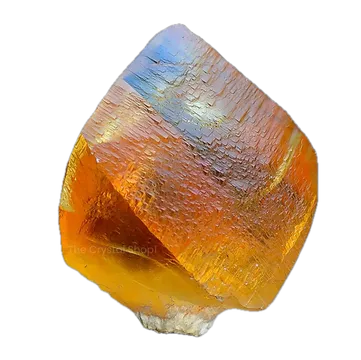
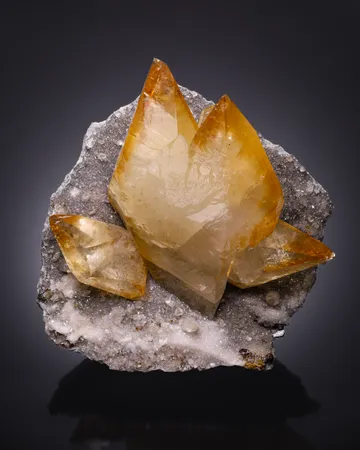
中国湖南省常宁市猎平区猎平矿的方解石,是现代中国方解石风格中最不易混淆的一种:光泽度高、锐利,常呈半透明到宝石级晶体,因暖色的铁氧化物和赤铁矿着色而生动。最佳标本不仅仅依赖尺寸大小,它们具备结构美:如翅状双晶、堆叠的菱形、尖刺状的棱柱晶簇,以及多代晶体,其中清晰的晚方解石包裹或覆盖在较 older 的带锈红色内含核心上。
Key facts
レイピン鉱山、湖南省長沙市甌陽県レイピン地区産の方解石は、現代中国産の明らかなスタイルの一つです。光沢があり、鋭く、半透明から宝石質の結晶が、暖かな酸化鉄と赤鉄鉱の色で活気づきます。優れた標本は大きさだけに頼りません。結晶は構造を持ちます——翼のような対生、積み重ねられた菱形、鋭いスキャレノヘドロン状の喷射、そして透明な後期の方解石が古い錆色の内包コアを覆うかキャップする多世代の結晶です。

産地は湖南省南部の有名な非鉄金属鉱物帯域に位置し、より広い意味での南岭帯と秦-杭金属化帯の領域にあります。これらの帯は経済地質学者にはW-Sn-Cu-Pb-Zn多金属化作用として、コレクターには20世紀末から21世紀初頭にかけての中国標本ブームとして知られています。レイピンの方解石は同じコレクター史に属します。1990年代後半から2000年代初頭に大量に国際市場に現れ、その後は再生コレクション市場へと縮小し、選りすぐりの品が現代のクラシックとして扱われることが増えています。
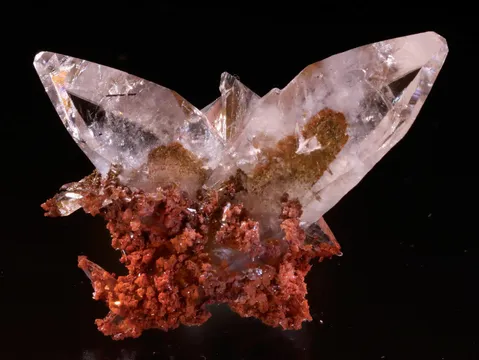
最も有名なレイピン関連形状はV字型の「蝶」または「尾びれ」対生で、特にレイピン地区の884号鉱山とされる材料です。これらの対生は無色、スモーキー、金色、あるいは酸化鉄染みであり、赤鉄鉱の幻影が内部の赤みの刷毛のような模様を与えます。他にも高く評価される形としては、赤レンガ色の赤鉄鉱を含む頑丈なスキャレノヘドロン、積み重ねられたあるいは「パゴダ」様式の菱解体群、そして角錐状の芯を持つ大きなプレート状の結晶、ファンタムが見えるものなどがあります。

コレクターはシャープで無傷の終端部、ガラス光沢からダマスカス光沢、内部の明瞭な帯状、自然な赤い赤鉄鉱内包物の鮮やかさ、そして展示に向く組成を求めます。より良い標本では、オレンジ色や赤色の色だけでなく、内包物が成長の歴史を記録している点が魅力です。白色または無色の方解石芯、鉄分を多く含む赤い帯、そして後期の透明なオーバーグロースが一つの結晶にすべて見られることがあります。## Featured Specimens
Search for specimens: View all calcite specimens from Leiping Mine, China
Leiping Mine is listed at Leiping, Guiyang County, Chenzhou, Hunan Province, China, with an estimated position near 26° N, 113° E. In collector usage, “Leiping” can refer both to the named Leiping Mine and to nearby Leiping-area workings such as Mine No. 884 and Xinxin Mine, so labels should be read carefully. Mindat treats Leiping Mine, Mine No. 884, and Xinxin Mine as distinct locality entries under Leiping; specimen labels and dealer descriptions, however, often use the broader Leiping Mine name for material from the same collecting district.
The mineral list for the named Leiping Mine is compact: calcite, hematite, quartz, and smithsonite are recorded. Photo-based associations for calcite from Leiping emphasize hematite most strongly, with quartz and pyrite also reported on specimens. Mine No. 884 is more narrowly documented for calcite and hematite, and it is the source most often connected with the celebrated V-shaped calcite twins attributed to Leiping.
Geologically, the locality lies in southern Hunan’s polymetallic province, within regional belts that host major Mesozoic magmatic-hydrothermal and skarn-related mineralization. For specimen purposes, the Leiping calcites are best understood as open-space hydrothermal calcite growths in an iron-bearing environment: the calcite grew in pockets or vein cavities, while hematite and iron oxides became included, dusted, coated, or concentrated as phantoms during successive growth episodes. The accessible collector literature emphasizes the specimen style far more than mine-scale ore geology, so the precise orebody classification of the Leiping calcite pockets should not be overstated from specimen labels alone.
The collecting history is relatively modern. The classic Leiping and Mine No. 884 calcites entered the market mainly in the late 1990s and early 2000s. Many dealer descriptions from major auction and retail archives repeat the same chronology: the V-twin “butterfly” calcites were recovered around 2000, the spiky and multi-generational habits followed or overlapped in the early 2000s, and the finest examples now tend to come from older collections rather than fresh mining.注目すべき発見には、宝石状のV字二重結晶、酸化鉄含有のスカレノヘドロン群、赤みを帯びたファントムを含む透明な菱型群、そして大きなキャビネット級の標本が挙げられる。文献に残るLeiping産の標本の一つはサイズが29×18×6.5 cmで、角錐状の端部を持つ厚みのある方板状の方解石結晶群から構成され、内部ファントムが視認できた。別の大きなMine No. 884キャビネット標本は、2025年のオークションで販売され、41×22×19 cmの大きさで、先端へ向かって細くなる方解石の尖塔が最大7.5 cm長であると報告された。これらの大きな標本は、Leipingが単なるミニチュアやサムネイル的な産地ではなく、規模感、質感、強い舞台感を備えた本格的なキャビネット標本を生み出したことを示している。
採集アクセスは閉鎖済みまたは許可制と見なすべきである。これは中国の現役または元鉱山地であり、公開の採集場所ではない。真剣な収集家は、現地の許可、鉱山の許可、採掘安全条件の認識が現地訪問には必要であると想定すべきである。中国国外の多くの収集家にとって、実際的な採集ルートは標本市場であり、特に旧来のディーラーストック、オークション、収集の分散、確立された中国専門ディーラーからの出自が明確な標本である。## Leiping鉱山(中国)の方解石の特徴
Leipingの方解石は、四つの重なる形状がとくに賞賛されます。
第一はV字形のツイン:鋭く翼のような結晶が一対となり、「蝶」または「魚尾」のシルエットを形成します。これらは無色から淡黄褐色、煙霧色、あるいは赤鉄鉱由来の赤色を帯びることがあります。最高の標本は鋭く、バランスがとれ、半透明から宝石質で、いくつかの角度から美的と見なされます。中には主ツインの下部まで追加結晶 growth が伸びたX状の複雑さを示すものもあります。
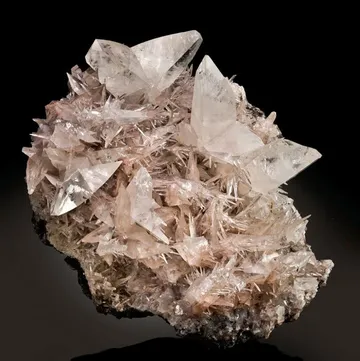
第二はスケレノヘドロン(鋭針状)スタイル。これらの標本はとげのように細長くなる結晶の集積を形成し、淡灰色、無色、オレンジ、レンガ色であることが多いです。よりよい例では針のように鋭い終端部、強い光沢、赤い赤鉄鉱が結晶の基部、縁、あるいは内部域に集中します。この形状の結晶サイズは一般に約1〜4 cmですが、記録された大きな例はさらに長さが数センチに達します。
第三は斜方晶系(菱形)およびネイルヘッド風スタイル。広く平らな菱形、積み重ねられた「パゴダ」様のグループ、ピラミッド形または改変三方晶終端を持つ厚く重厚な結晶などが含まれます。いくつかはオレンジ赤で宝石品質、他は煙色の灰色、銀色、あるいは赤い内包物を含む無色です。市場で報告される菱形結晶は、ミニチュア規模から縁が4 cm以上のものまで幅があります。
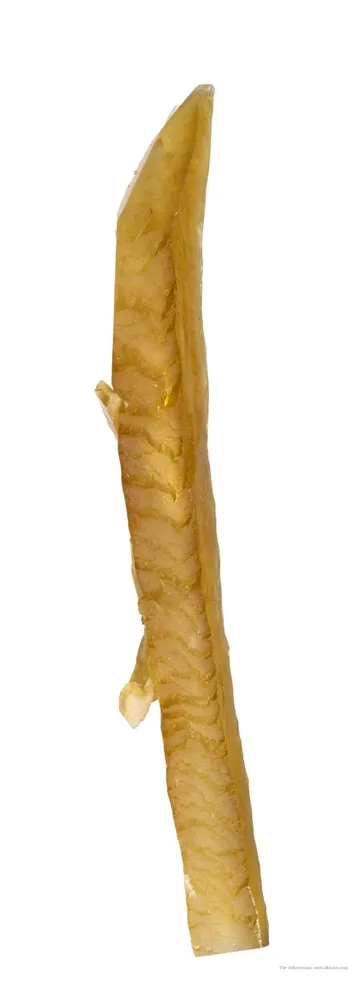
第四は多世代ファントム風スタイル。これらは最も鉱物学的に魅力的なLeiping方解石の中でも特筆されます。標本には初期の bones-white(骨白色)方解石世代、後年の酸化鉄豊富な赤いゾーン、そして最終的な透明〜半透明の透明結晶の上曝成長が現れることがあります。最良の例では外側の透明層が十分に厚く、赤色の内部ゾーニングを真のファントムとして、単なる表面着色ではなく明らかに示します。
色は主要な産地の署名です。Leipingの方解石は無色・白色から、淡いシャンパン色、蜂蜜色、煙霧灰色、オレンジ、レンガ色、赤褐色へと広がります。赤系の色調は赤鉄鉱や鉄酸化物に結びついており、単に表面を覆うだけでなく結晶内部に含まれることが多いです。いくつかの標本は、透明な結晶内に赤い縞模様や星状のファントムが浮かぶのを示します。記録上のLeiping標本には、短波長紫外光の面では側面に強い燃えるようなオレンジ色蛍光を示した例もありますが、蛍光は標本特有のボーナスとして扱うべきで、産地の普遍的特性とはみなされません。
関連鉱物は、多くの展示標本では豊富ではありません。赤鉄鉱は決定的な共生鉱物で、包有物、ファントム、赤い粉末、あるいは鉄に富む基質として現れることがあります。クォーツはLeiping鉱山名の標本で報告されており、標本上には稀に現れます。黄鉄鉱は写真ベースのデータで報告され、スメィソン石はこの産地として挙げられていますが、Leipingを有名にしたクラシックな方解石美学の一部ではありません。品質はまず結晶のシャープさと損傷の程度で判断され、次に透明度、光沢、色の配置、そして結晶の構成が評価されます。最高の雷平(Leiping)標本は、端部の終端がケース越しにも明確に読めるほどシャープでありながら、内部の赤い構造を示すのに十分透明です。単なる赤色の方解石は自動的に優れた雷平標本とはなりません。上質な素材は赤鉄鉱の色を透明感・対称性・成長形態と組み合わせ、一般的な鉄染み付き方解石とは間違えてしまうことのない形態をしています。## Collector Notes
Leiping calcite is widely collected but no longer common in top quality. Ordinary examples still appear online, especially small iron-stained calcites and modest rhombic groups, but sharp, balanced V-twins and large undamaged cabinet specimens are much scarcer. Much of the better material circulating today has collection provenance rather than fresh mine provenance.
Authentication is mostly a matter of locality confidence and style recognition. Classic Leiping specimens should show natural calcite luster, believable hematite or iron-oxide zoning, and growth forms consistent with the district: V-twins, spiky scalenohedrons, broad rhombs, pyramidal terminations, stacked growth, or multi-generation phantoms. Because other Chinese calcite localities also produce red, orange, and “chocolate” calcites, labels should not be accepted on color alone. The most convincing pieces have old dealer labels, collection history, minID records, or a specimen style matching well-documented Leiping and Mine No. 884 material.
There is no need to assume that vivid red-orange Leiping calcite has been dyed. The locality is genuinely known for hematite and iron-oxide coloration. Still, calcite in general is vulnerable to artificial coloring, surface coating, acid cleaning, gluing, and repair, and general calcite fakes exist in the broader market. Brightly colored carbonate specimens from any source should be inspected under magnification for dye concentration in cracks, unnatural surface films, glue at attachment points, and color that sits only on broken or porous areas.
Condition is the central issue. Calcite is soft, has perfect rhombohedral cleavage, and Leiping crystals often stand proud on thin matrix plates or as delicate twins. Chipped tips, cleaved side faces, bruised edges, and contacted crystal faces are common. Some specimens have sawed backs or trimmed matrix bases to improve display; this is not inherently fraudulent if disclosed, but it affects value for collectors who prefer fully natural bases. Large plates should be checked for repaired crystals, stabilized matrix, and old impact points along the edge of the plate.
Market availability spans a wide range. Small to modest Leiping calcites can be found in the low hundreds of dollars, and recent online listings have shown examples in roughly the $90 to several-hundred-dollar range. Better cabinet specimens, especially sharp twins or large multi-generational plates, move higher. A large Mine No. 884 cabinet specimen from the Dan Kennedy Collection sold at Heritage Auctions in October 2025 for $2,000, while several MineralAuctions examples in 2023–2024 closed in the mid-hundreds. Exceptional older-label twins, large undamaged display pieces, and specimens from notable collections command premiums well beyond ordinary iron-stained calcite.## Stories & Field Notes
Leiping の物語は、現代の標本市場を凝縮した物語です。千年紀の転換点頃に中国の鉱山が特徴的な方解石を一斉に産出し、最良の標品は国際的なディーラーや個人コレクションへ散布され、一世代のうちにその素材は recognizable なクラシックへと成長します。
Wikimedia Commons で保存された一つの標本説明は、特に Mine No. 884 の素材に関する興奮をよく捉えています。Dr. Stephen Smale コレクションからのこの標品は、サイズが 8.3 x 5.4 x 4.3 cm、先端から先端までわずか 2 cm の小さくてしかし純粋な双晶方解石を、鋭い棘の間に乗せていました。説明はこれを「現代中国で最も有名な単一の方解石発見の一部」と呼び、コレクターの語感として確かに響く表現ですが、なぜこれらの標本が今なお強い名声を持つのかを説明しています。その発見の最良の標品は単に赤色の方解石のように見えただけではなく、設計されたように見えました—ツインの翼、針状の尖端、半透明の体、赤鉄鉱のアクセント、立体的な配置が写真だけではすべて伝え切れません。
公開画像記録の別の Leiping 標本は別の物語を語ります。蝶のツインではなく、巨大なプレートです。サイズは 29 x 18 x 6.5 cm、壮観な発見からの巨大なプレートとして記述され、幅広く重量感のある結晶、対称的なピラミッド状の先端、内部のファントムが特徴でした。終端のいくつかは幅 3 cm を超えました。これはコレクターが覚えておくべき測定値の典型であり、Leiping を、魅力的なサムネイルを生む多くの局所地から分ける、大型のキャビネットプレートを生み出す場所であることを示しています。
現代のオークション路線は、それぞれの余生を付加します。Daniel “Dan” R. Kennedy コレクションの Mine No. 884 キャビネット標本は 2025年10月に販売され、サイズは 41 x 22 x 19 cm、長さ 7.5 cm の方解石スパイクが報告されました。これにより、Leiping の発見は新しい発見でなくなっていました。確立されたクラシックとして provenance、展示品質、保存状態を通じて再評価されていたのです。オークションの説明には、先端のいくつかに小さな擦り傷があると noted されており—大きな棘を持つ方解石にはほぼ避けられないコメントですが—標本のスケールと造形的な広がりは、派手な新しい中国産標本が市場に現れても、コレクターが Leiping の素材へ繰り返し戻ってくる理由を示しています。
小さめの 2024 年のオークション標本は、Leiping を別の有名なコレクターの名に結び付けています。Stephen Smale、数学者であり鉱物コレクターの名です。その方解石は 11.7 x 8.2 x 3.7 cm のキャビネット標品で、赤褐色の赤鉄鉱を含む結晶の上にシャープな半透明の蝶々型双晶群を乗せていました。説明は一つの小さな欠けを指摘する一方、形状は卓越しており、ツインは単なる二枚の翼ではなく部分的な X 字形を持つと強調しています。Leiping コレクションにおいて、このような細部は重要です。その産地は十分に豊富で、一般的な赤色の方解石は珍しくないものの、バランスが取れた宝石質の多方向ツインと主要なコレクションの由来を伴うものは、非常に異なる対象となります。## 鉱物学記録と出版物
.jpg)


