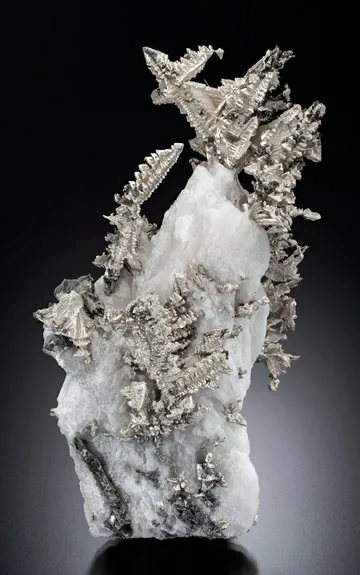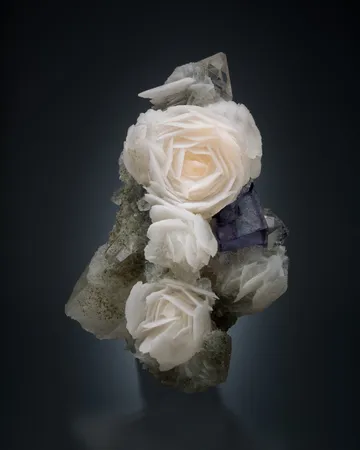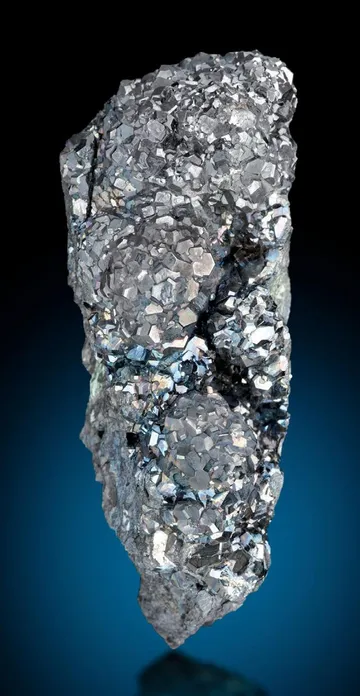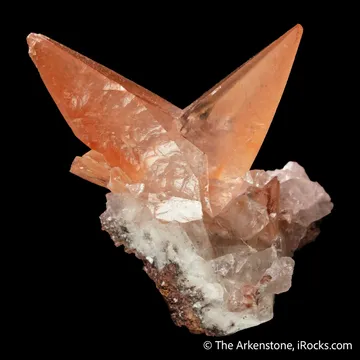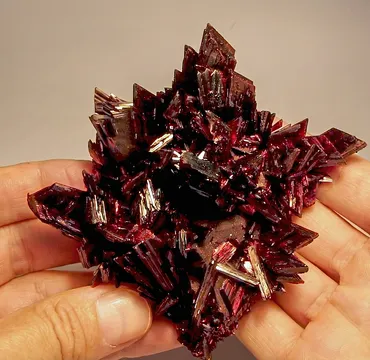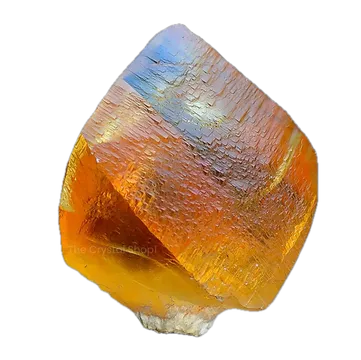
モロッコの Bou Azzer 産の方解石 - コバルトを含むピンクの方解石で、飽和した本体色、高い光沢、宝石のような結晶を特徴とし、収集家にとって貴重な locality です。
Key facts
Bou Azzer 採掘地の方解石は、普通の方解石として収集されるものではない。その評判は、コバルトを含む変種に由来する:コバルトが炭酸塩格孔内で着色した、激しいローズ色、ラズベリーピンク、バブルガム、ラベンダーピンク、そしてフクシア色の方解石。最高品質の作品では、色は表面の染みではなく、透明から半透明の結晶を通して体色として現れ、Bou Azzer の標本に「濃いピンクの窓」像を与え、熱心な方解石コレクターが部屋を越えて認識できる。
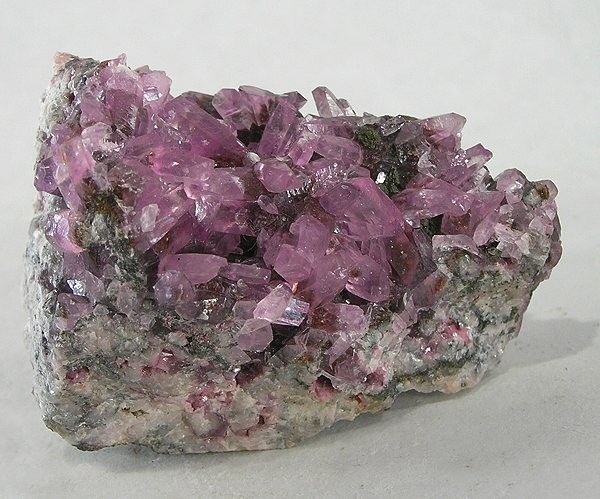
Bou Azzer 方解石の視覚的語彙は unusually broad(特に広範)である。いくつかの標本は小さな輝く菱形の詰まりで厳密に固まっており、他には灰緑色の基質と炭酸塩に富んだ基質から伸びる宝石のような長結晶を携え、さらに別のものは丸みを帯びたボトリオイド状の、ほぼ菓子のような質量と光る微結晶表面を示す。最も望まれる例は、コバルトピンクの飽和色、高い光沢、損傷のない結晶先端、暗い鉱物、白〜灰色の炭酸塩伴成物、または共生するコバルト砒酸塩とのコントラストを組み合わせる。
鉱物学的には、Bou Azzer は世界有数のコバルト鉱区の一つであり、方解石はその物語に属する。鉱区はモロッコ中部のアンティ・アトラス山脈の Bou Azzer–El Graara アンライアにあり、コバルト-ニッケル-鉄砒アサイドと硫砷化物鉱化が Bou Azzer 極帯岩複体の蛇紋岩質塊体を中心に展開している。方解石は石英-炭酸塩のガングとして現れ、後の炭酸塩に富んだ開口部、亀裂充填、穴洞にも現れる。コバルトが炭酸塩系へ入り込んだ場所では、普通の CaCO3 はコレクターの宝となった:コバルトを含む方解石は、一般にコバルト酸化方解石、コバルト石方解石、または「コバルトオカルサイト」として取引名で販売される。

歴史的には、Bou Azzer の名声は現代標本市場より前からあった。鉱区のコバルト鉱物は20世紀初頭の採掘活動につながり、この地区は一次コバルトの主要な工業源となった。コレクターにとっては、その工業史が重要であり、良品標本は通常、地表採集よりも採掘から生じてきたためである。標本ラベルに付される locality 名—Bou Azzer Mine、Aghbar Mine、Agoudal Mines、Aït Ahmane、Bou Azzer East、その他の採掘地—は、単一の公開採集スポットではなく、稼働中の採鉱地区を指す。最高級の Bou Azzer 方解石は、古典的な「コバルト鉱区」標本です。ロゼライト、エリスライト、コバルタウシュナイト、球状コバルト石、ドロマイト、石英、スカターリュサイト、サフロライト、ロリリンサイト、ゲルスドルフィ石、コバライト、マラカイト、その他の砒酸塩族や鉱石鉱物を含むピンク色の方解石。ロゼライト結晶が光沢を放つコバルト含有方解石をアグバル産から得た標本は、ただの広域エリアラベルだけの緩やかなピンク結晶群と比べ、コレクターとしての評価が異なります。その場所は、正確さを報いてくれます。## Featured Specimens
Search for specimens: View all calcite specimens from Bou Azzer mining district, Morocco
Bou Azzer is in the central Anti-Atlas of southern Morocco, south of Ouarzazate, in the Drâa-Tafilalet Region. The mining district extends along the Bou Azzer–El Graara belt and is tied to a Pan-African ophiolitic setting: serpentinites, altered ultramafic rocks, quartz-dioritic and volcanic country rocks, and fault-controlled hydrothermal mineralization. The ore system is famous for primary cobalt, with nickel, arsenic, iron, gold, silver, copper, and a long list of secondary arsenates.
The deposit type is best described as hydrothermal cobalt-nickel-iron arsenide and sulfarsenide mineralization in quartz-carbonate gangue, with important structural control. Ore occurs in contact zones along serpentinite margins and in cross-cutting vein systems. Published paragenetic work describes a sequence that progresses through nickel arsenides, cobalt-rich arsenides, iron arsenides, sulfarsenides, and later sulfide-sulfosalt assemblages, with calcite appearing both in early quartz-carbonate gangue and in later carbonate-rich stages. In practical collector terms, that means Bou Azzer calcite is not an isolated carbonate occurrence; it is a visible part of a cobalt-arsenic hydrothermal system.
Mining history is unusually well documented. Cobalt indications were recognized in the Bou Azzer area in 1928–1929. According to the mine operator’s historical account, a geologist visiting Jamaa el-Fna in Marrakech recognized erythrite being sold there as a cobalt mineral, which helped lead attention back to the Bou Azzer–El Graara district. Economic exploitation began with visual prospecting in 1929, artisanal mining in 1932, and industrial-scale mining in the 1930s. Mining was suspended during World War II and later resumed. From 1969 to 1971, the Soviet group Technoexport carried out exploration that led to discoveries including Taghouni, Bou Azzer East, and Tamdrost. The district was again affected by reserve depletion and closure in 1983, then revived in 1987 when CTT resumed work and discovered the Méchoui deposit.
The modern operation is an underground cobalt mine worked by cut-and-fill stoping, with cobalt concentrate feeding hydrometallurgical processing. It is therefore not a casual rockhounding locality. Fine calcite specimens reach the market through mine production, miner/dealer channels, old collections, and occasional pocket finds, not through open public collecting. Labels that claim “Bou Azzer” without a mine or sublocality may still be acceptable for older material, but a precise label—Aghbar Mine, Agoudal Mines, Bou Azzer Mine, Bou Azzer East, Aït Ahmane, Oumlil, or another named working—adds meaningful scientific and collector value.注目すべき方解石生産のサブローカリティには、ブー・アズゼル鉱山自体が含まれます。ここではコバルトを含む方解石が写真記録でよく見られます;アグバール鉱山は長くロゼライトとコバルトを含む方解石で称えられてきました;そしてアグダル鉱山地域は、標本市場に多数流入した鮮やかなコバトーン方解石標本を生産しました。Mindatは地区内の多数の locality から方解石を、複数の名指しの露頭からコバルトを含む方解石を記録しており、コバルト系統全体にわたって炭酸塩のようなベース鉱物が広く分布していることを反映しています。## バオアズゼル採掘地区(モロッコ)産クリスタルの特徴
本質的な特徴は色である。巴姓コバルト含有方解石は、薄い shell pink から lavender-pink、さらには鮮やかな rasp berry や neon fuchsia まで幅広く変化する。最も求められる標本は、鈍い巨大な炭酸塩や亀裂に限定された色ではなく、はっきりとした結晶面に均一で鮮やかな色が現れる pieces である。いくつかの標本はゾーニングを示し、コアが濃いピンク、先端部が薄いピンクである場合や、ピンクの結晶が薄い方解石や灰緑色の蛇紋岩化マトリックスの上に載って、強い対比を生み出す場合がある。
結晶形状はポケットやサブローカリティによって異なる。一般的な形状には、菱状晶、ネイルヘッド型菱形、階段状成長菱、ドリュージー被覆、丸みを帯びたボタロイダルの集合体、延長された宝石質結晶、そして空洞内のライニングが含まれる。良質な標本では結晶が約1 cm程度またはそれ以上に達することがあるが、多くは小さく密集した結晶で構成されている魅力的なものが多い。年代物および市場で記録された例としては、ミニチュアや小さなキャビネット標本が4–8 cm程度、キャビネット標本は約12 cm、保存状態が良好で修整を乗り越えた大きな露頭部の断片が挙げられる。
光沢は品質の重要な要素である。最も望まれるバオアズゼル素材は、開放面のガラス光沢から明るい vitreous(ガラス様光沢)を示す。ボトリオイダル材料は、チョーク状またはエッチングされた外皮ではなく、きらめく新鮮な表面を持つべきである。ドリュージー例では、最良の標本は表面全体に均等に輝きを放ち、色だけに頼らない。
関連鉱物はその地域性の個性の中心である。コバルト含有方解石上のロセライトは、特にアグバル産で古典的な組み合わせの一つである。エリスライトは深い紫赤のコバルト色を与え、地区の鉱物と一緒に産することがある。スフェロコバルト石、コバルタイースチナイト、コバルートロターマイヤ石、アナベリ石、コニカルカンサイト、マラカイト、ドロマイト、石英、タルク、スカトルタサイト、サフロライト、ローリンギタイ、ゲルスドファー石、コバライト、黄鉄鉱、砒鉄鉱などは、広い意味でのバオアズゼルの鉱物学的環境に含まれる。シャープなロセライトが付随する方解石標本、独特の鉱石基質コンテキスト、または信頼できるサブローカリティのラベルを伴う標本は、単なる美しいピンクの炭酸塩以上の鉱物学的文書であり、世界有数のコバルト地帯の証拠となる。
品質評価は五つの要点に焦点を当てるべきである。自然な濃い色、透明度または半透明性、光沢、結晶の定義、そして展示面の傷のない状態。マトリックスの対比は高度な収集家にとって六つ目の要素である。 小さくて完全な標本で、色が強く結晶がシャープなものは、大きく dull(鈍い)、傷つき、または巨大な塊のものより好まれることがある。サブローカリティの専門家にとっては、正確なアグバルまたはアグダルのラベルが、サイズよりも価値を上回る場合があり、ロセライトや独特の結晶形状と組み合わせると特にそうなる。## コレクター ノート
ブ・アズル産方解石は一般的に見つかるほど普通で、標本は頻繁に現れるが、最高品質の作品はそう多くはない。小さなドラジー断片や適度なピンクのクラスターは広く入手可能である。高品質な標本—大きく、無傷で、強く彩度が高く、光沢があり、宝石品質で、正確な場所が特定されているもの—ははるかに希少である。安価なピンク方解石クラスターと本格的な Bou Azzer キャビネット標本との差は、通常、種名ではなく結晶品質、色の飽和度、美観、ラベルの正確さである。
「コバルト化方解石」という名称は商取引で広く用いられているが、コレクターはこれを取引名または非公式名として理解すべきである。適切な鉱物種は方解石 CaCO3、コレクターヴァリエーションはコバルトを含むまたはコバルト方解石であり、しばしば組成略号 (Ca,Co)CO3 として書かれる。コバルト化方解石として販売されている標本の中には、コバルト含有量が主成分として方解石であるものもあれば、球状コバルト石や混成コバルト炭酸塩を含むものもある。深刻なコレクションにおいて区別が重要な場合は、販売ラベルよりも分析確認に頼るべきである。
真正性の問題は、通常、同定と改質の問題であり、有名地の偽造品というよりは局所性特有の偽造ではない。広範な鉱物市場にはピンク色の染色炭酸塩が存在し、低品質のピンクドライズは過大評価されることがある。疑わしい標本では、染料が裂け目、のこぎり痕、多孔質ゾーン、またはマトリックスの縁に集中しているかどうか、無関係な鉱物間で不自然に均一な色、白色の炭酸塩や接着ラインへの色の染み込みをチェックすること。天然の Bou Azzer コバルト含有方解石は、色の分帯、可変飽和度、コバルト鉱物との地質学的文脈を示すことが多く、平坦な化粧品的ピンクの洗いにはならない。
ラベリングの誤りはより現実的な懸念である。「Bou Azzer」は、サブローカリティなしでモロッコ産コバルト含有方解石を緩く指して使われることがある。ラベルに「Morocco」または「Bou Azzer」だけとある場合は装飾標本として受け入れられることもあるが、上級のコレクターは特に roselite、wendwilsonite、cobaltaustinite、または珍しい結晶形状に関連する標本については鉱山レベルの出所を優先すべきである。確立された鉱物企業の古いディーラーラベル、コレクションタグ、Mindat の minID は価値を高める。
コンディションの問題は、方解石および鉱山由来のコバルト標本では典型的である。方解石は軟らかく、割れやすく、傷ついた縁、砕けた結晶トップ、接触痕、ポケットの損傷を示すことがある。明るいコバルトアニオン系のドライズは、色が視線を逸らせるため小さな欠損部を隠してしまうことがある;斜め光の下で調べること。ボトリオーダル標本は高点のこすり傷をチェックするべきである。マトリックス片は安定化、トリミング、取り外されたプレートの修復状況を点検する必要がある。砒素酸塩に関連する erythrite や roselite は、石英ほど寛容ではない;超音波洗浄や強酸を避け、標本とラベルを一緒に保つこと。局所性の文脈は価値の一部である。市場での入手性は modest specimens において良好を保つ。旧発見と最近のディーラー在庫から流通する小〜ミニチュア級の例が多い。特に宝石質の細長い結晶を備えた美麗な大型標本、約1センチまでの豊かに飽和した菱形結晶、ピンク方解石上の roselite、または Agoudal/Aghbar provenance を含むものは高値で取引される。最も強力な標本は三つの重なる購買層に訴える:方解石コレクター、コバルト鉱物専門家、そしてモロッコの伝統的産地のコレクター。## Stories & Field Notes
Bou Azzer’s origin story begins far from the mine, in the noise and commerce of Marrakech. In 1928, a geologist visiting Jamaa el-Fna recognized erythrite being sold there as a cobalt mineral. The material had come from the Bou Azzer–El Graara area, where local Berber communities had long known the striking purple-red cobalt arsenate. That moment—an expert eye catching a cobalt clue in a market square—helped redirect attention to the district that would become Morocco’s great primary cobalt source.
The early years moved quickly. After the cobalt indications were recognized in 1928–1929, prospecting cataloged the outcropping occurrences in 1929, artisanal mining followed in 1932, and industrial mining began in the 1930s. The district was not merely a specimen locality; it became an industrial cobalt camp. Mining paused during World War II, resumed afterward, and later underwent major exploration. Between 1969 and 1971, Technoexport’s work led to discoveries at Taghouni, Bou Azzer East, and Tamdrost. Then came depletion, closure in 1983, and revival in 1987 when CTT’s geological team resumed work and discovered Méchoui.
For collectors, another story is written in the specimen market rather than in mine production ledgers. Around the late 2000s and early 2010s, especially fine Bou Azzer cobaltoan calcites appeared with unusual crystal size, brightness, and color. Dealer descriptions from that period repeatedly emphasize how difficult it was to obtain large, gemmy, vividly colored crystals rather than ordinary druse. One documented specimen measured 6.9 x 4.7 x 3.6 cm and carried crystals over 1 cm; another 5.4 x 4.4 x 3.3 cm piece was described as a pocket of elongated transparent pink crystals; a botryoidal 4.1 x 2.3 x 2.9 cm piece represented the rounded, shimmering style. Those specimens fixed the modern collector image of Bou Azzer calcite: not just pink crust, but luminous cobalt-colored crystal groups.
The Agoudal material added a different chapter. Dealer accounts describe sections of vein filled with intensely pink cobaltoan calcite, including pseudo-stalactitic forms and large displayable cabinet specimens. Reports that Agoudal workings had ceased gave those pieces a sharper edge in the market: the mine had already produced beautiful cobaltoan calcites and roselites, and collectors began treating good Agoudal labels as finite rather than routine. Whether a specimen is a small bright cluster or a large vein section, the best Agoudal calcites carry the feel of a pocket frozen in carbonate—pink crystal growth coating every available surface.## ミネラル学 records & publications- Georges Favreau, Jacques Emile Dietrich, Nicolas Meisser, Joël Brugger, Lahcen Ait Haddouch, Lhou Maacha, Anthony Kampf, Bertrand Devouard, Henri Sarp, Gian Carlo Parodi, and Stefan Weiß, “Famous mineral localities: Bou Azzer, Morocco,” The Mineralogical Record, 38(5), 345–407, 2007 — 地区の重要なコレクター向けリファレンス。広範な鉱物学的カバレッジと産地の文脈を提供します。
Mineralogical Record back issue: “Bou Azzer, Morocco,” September–October 2007, Vol. 38 No. 5 — 著名な産地特集の出版社ページ。
Georges Favreau and Jacques Emile Dietrich, “Die Mineralien von Bou Azzer,” Lapis, 31(7/8), 27–68, 2006 — Bou Azzer の鉱物に関する頻繁に引用されるドイツ語の鉱物学的解説。
Ahmed H. Ahmed, Shoji Arai, and Moha Ikenne, “Mineralogy and Paragenesis of the Co-Ni Arsenide Ores of Bou Azzer, Anti-Atlas, Morocco,” Economic Geology, 104(2), 249–266, 2009 — コバルト-ニッケル砒鉄鉱系の重要な鉱物学・共生論文。
Ikenne and coauthors, “Co-Ni-arsenide mineralisation in the Bou Azzer district (Anti-Atlas, Morocco): Genetic model and tectonic implications,” Ore Geology Reviews, 134, 104128, 2021 — 地区の砒酸化鉱物の現代的な遺伝モデルと構造的含意。
“Isotopic constraints on the age and source of ore-forming fluids of the Bou Azzer arsenide ores (Morocco),” Ore Geology Reviews, 2022 — 石英-方解石系と砒酸系に関する流体源と時期の同位体制約。
“An overview of the Co-Ni-Fe arsenide ore zoning in the Bou Azzer mining district (Central Anti-Atlas, Morocco),” Journal of African Earth Sciences, 2025 — 地区全体の鉱石帯の最近の総括と共生段階の整理。
Saintilan and coauthors, “The World’s Highest-Grade Cobalt Mineralization at Bou Azzer Associated With Gondwana Supercontinent Breakup, Serpentinite, and Kellwasser Hydrocarbon,” American Journal of Sciencerpentinite-and-kellwasser-hydrocarbon.pdf) — 最近の高品位コバルト鉱化に関する研究、Aït Ahmaneでの砒酸塩・方解石の文脈を含む。## Videos & Media
“CCDN6225 Cobaltoan Calcite, Bou Azzer Morocco” — Crystal Classics — 専門の鉱物ディーラーが提供する Bou Azzer のコバルト質方解石を短時間回転させて紹介する映像。## 更なる読書と外部リンク
Mindat: Bou Azzer mining district, Drâa-Tafilalet Region, Morocco — district の locality 階層、鉱物リスト、参考文献、写真記録の最良の出発点。
Mindat: Bou Azzer mining district — calcite and cobalt-bearing calcite entries — 名称付きのサブローカルities 内で報告された方解石とコバルト含有方解石を確認するのに有用。
Mindat: Bou Azzer Mine — 主なBou Azzer鉱山の locality ページ。座標、歴史的名称、写真、地区ノートを含む。
Mindat: Aghbar Mine — ロゼライト、コバルト含有方解石、関連コバルト砒酸塩の重要なサブローカルティ。
Mindat: Aït Ahmane — コバルト富含の方解石を含む断層設定でのノート付きのサブディストリクトページ。
Mindat occurrence record: Cobalt-bearing Calcite from Bou Azzer Mine — 関連鉱物と写真ベースの連係を備えた焦点化された発生記録ページ。
Wikimedia Commons: Minerals of Bou Azzer — Bou Azzer の方解石を含む鉱物写真を含むオープン画像カテゴリー。Rob Lavinsky/iRocks の標本写真を含む。
Managem: Bou-Azzer mine — 鉱山の歴史、地質、採掘方法、現代のコバルト生産の運営者概要。
McDougall Minerals: Calcite var. Cobaltoan Calcite, Agoudal Mine — cabinet-quality の Agoudal コバルト系方解石と市場ノートを示すディーラーアーカイブ。
Collectors Edge: Calcite var. Cobaltoan, Bou Azzer District — 大型で明るい Bou Azzer 標本の現代価格とコレクター基準を示す高級ディーラーの例。
MineralAuctions: Roselite on Cobaltoan Calcite, Aghbar Mine — Aghbar での Roselite-on-Cobaltoan Calcite の古典的アソシエーションの有用な例。
MineralAuctions: Cobaltoan Calcite, Bou Azzer District — 鮮やかな丸い菱形ペアと小規模キャビネット級を記録した archived auction の例。
Minfind: Cobaltoan Calcite from Aghbar Mine — 2010–2015 年期に市場へ流入したモロッコのコバルト富含方解石の量と多様性を示すディーラーアーカイブの例。