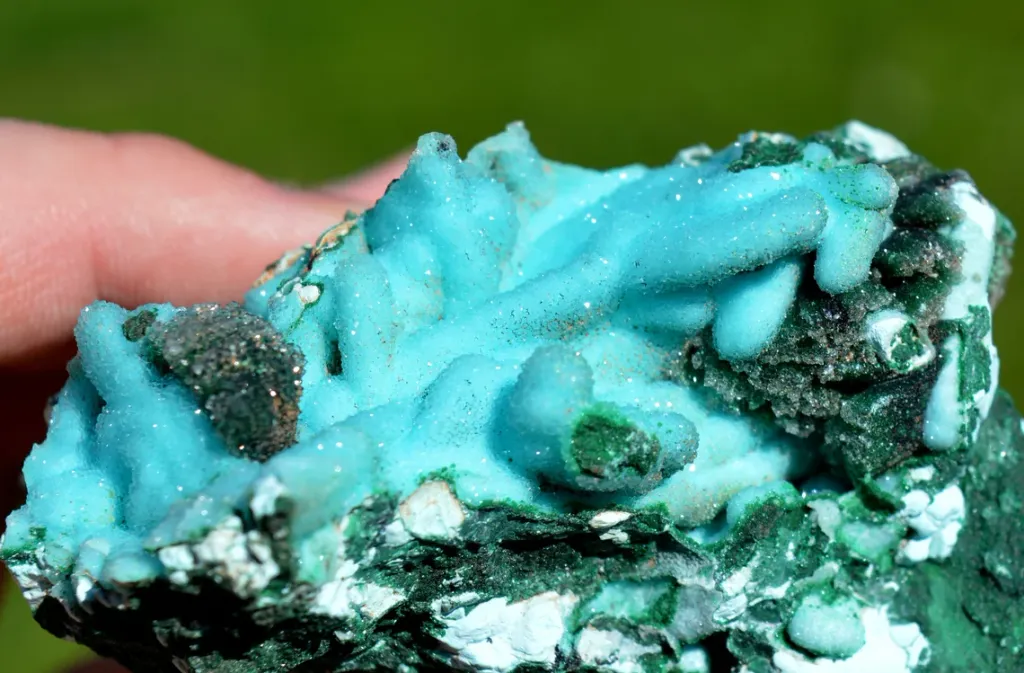
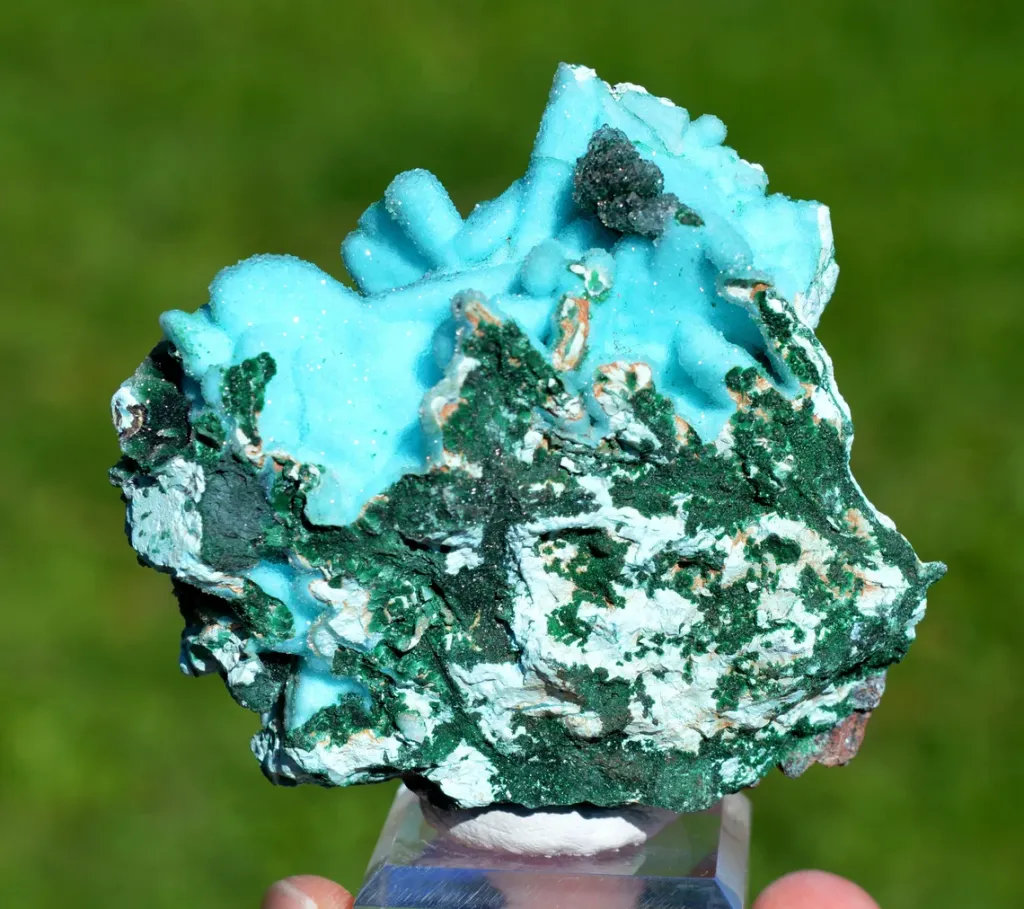
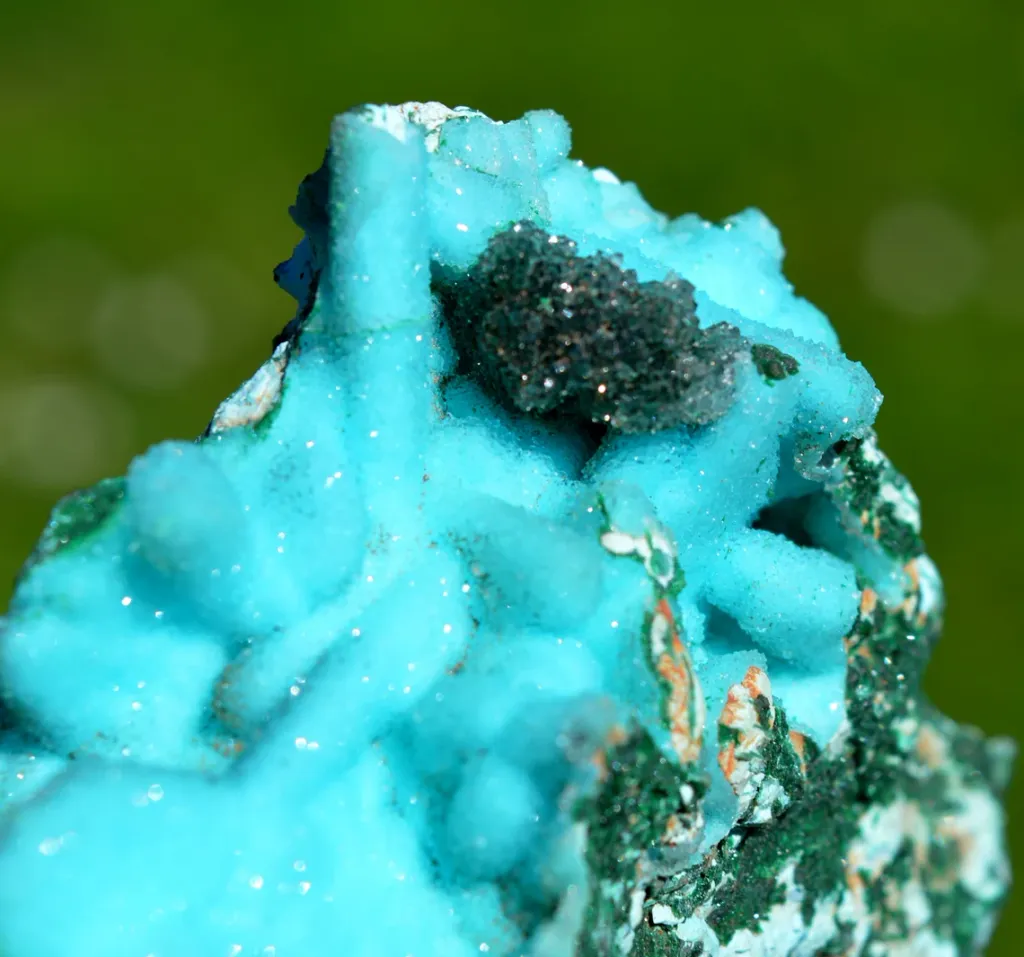
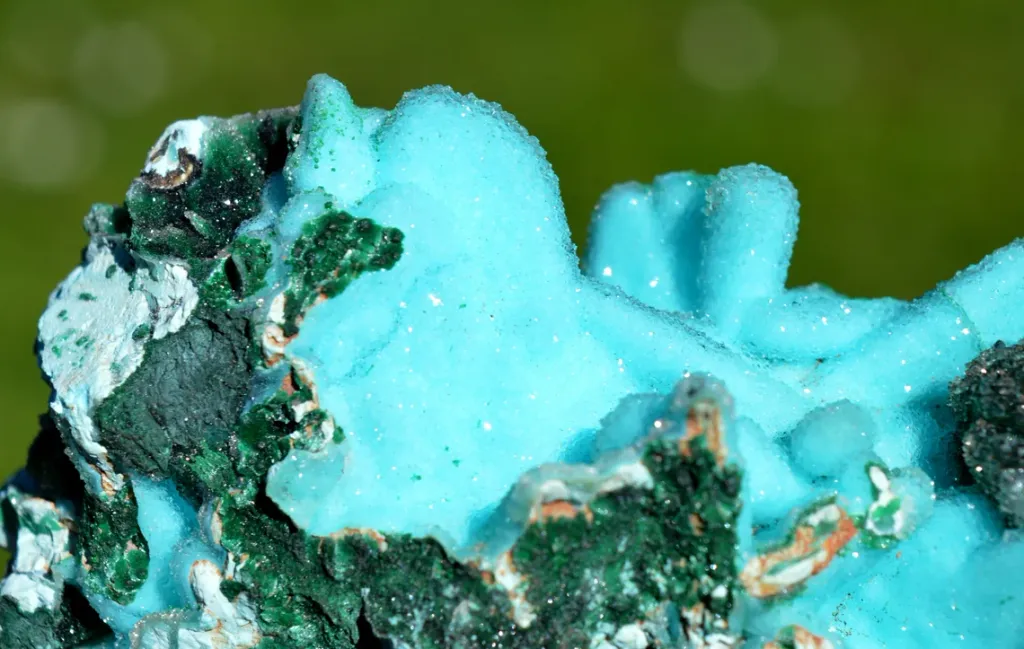
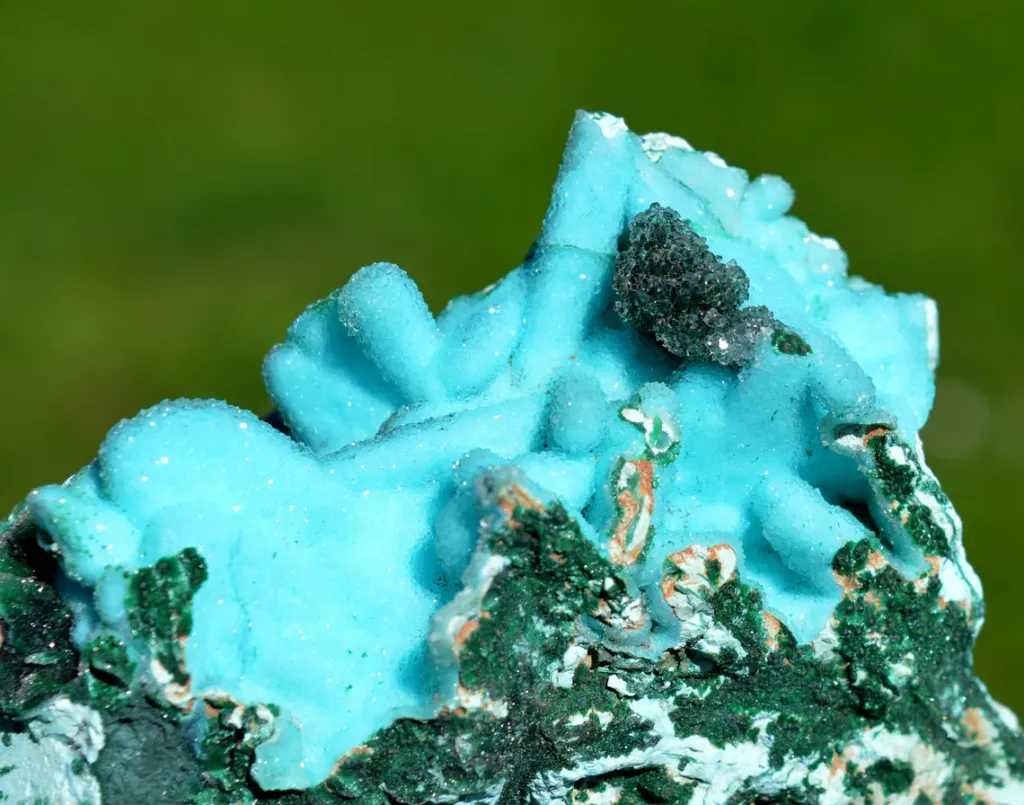
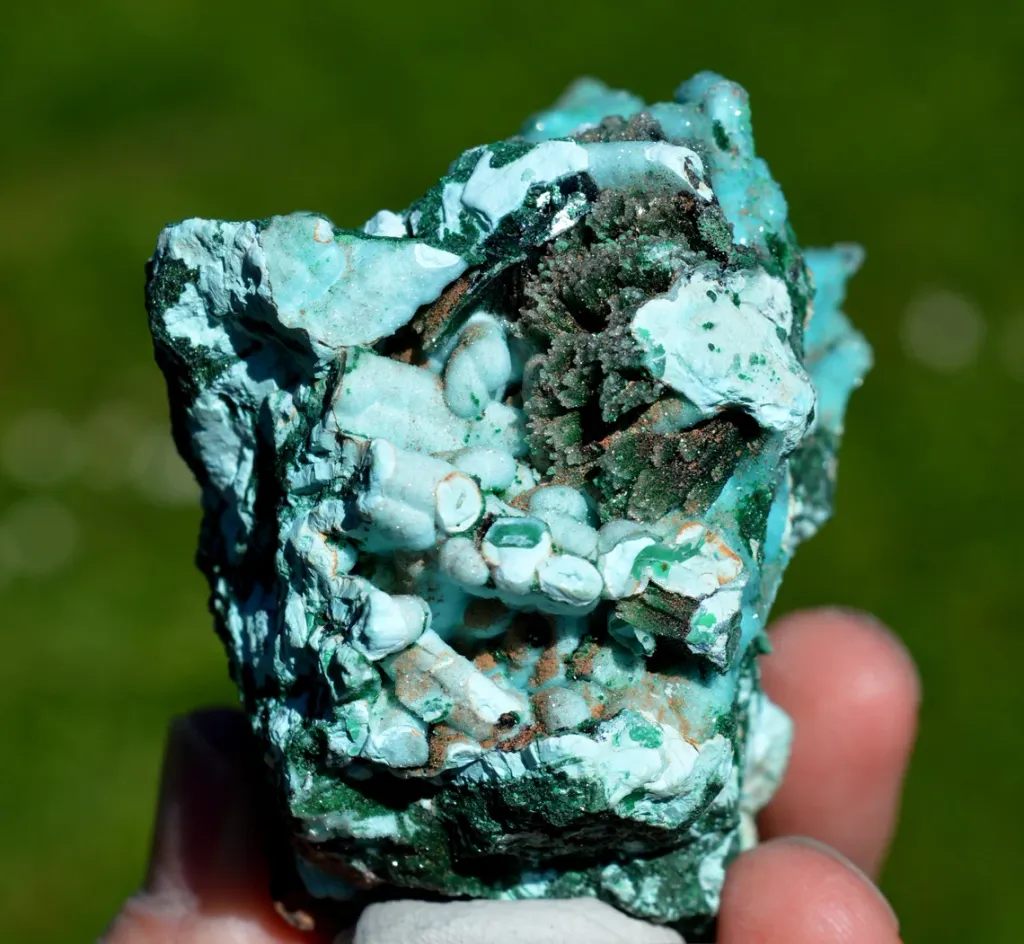
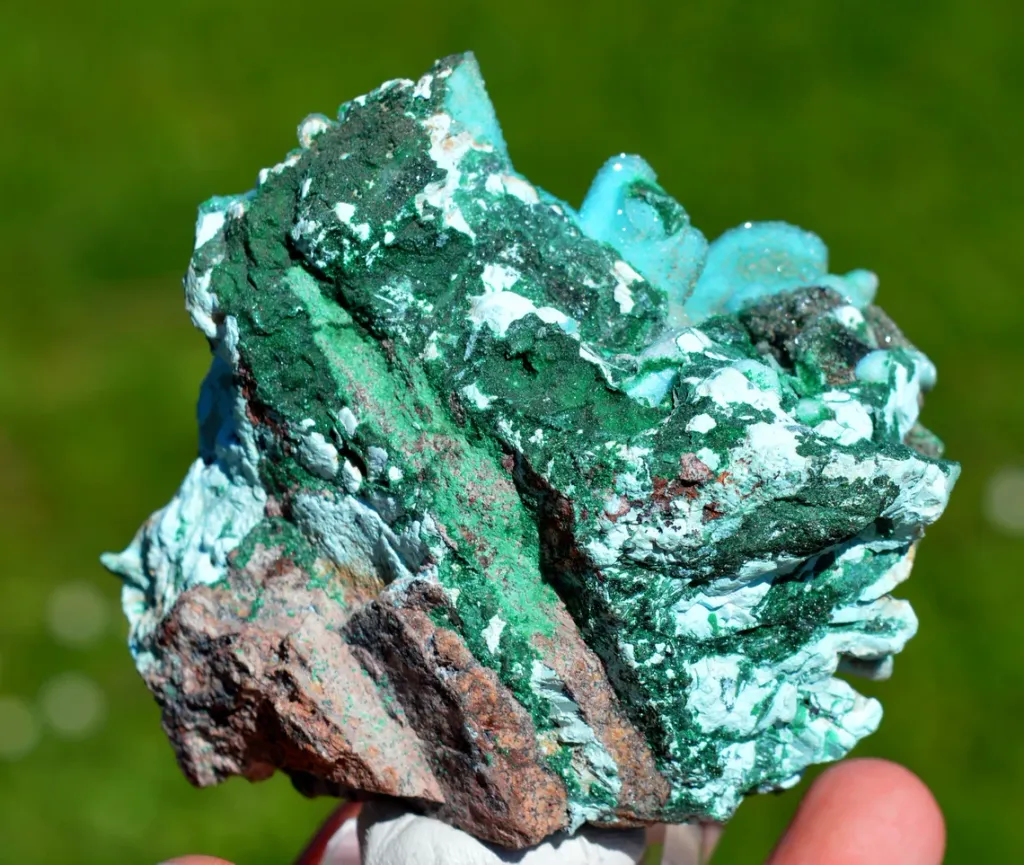
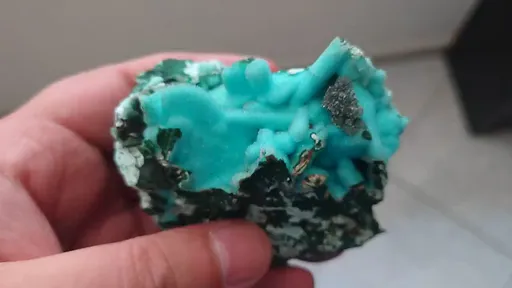
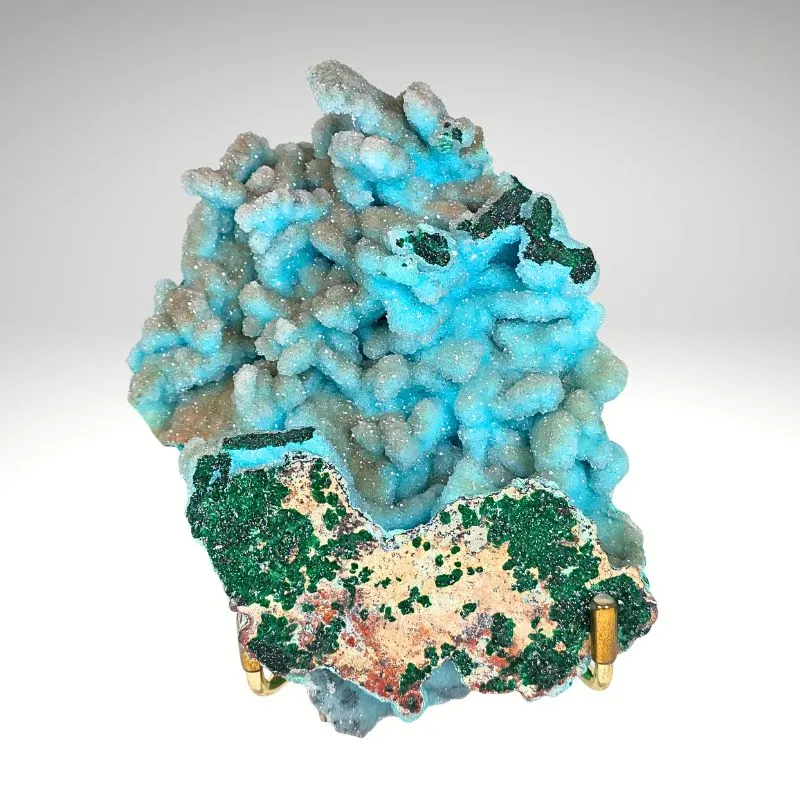
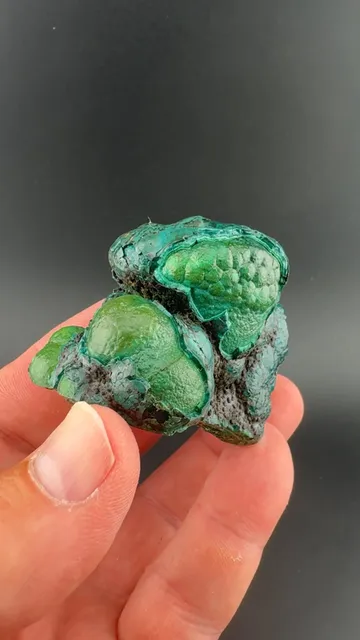
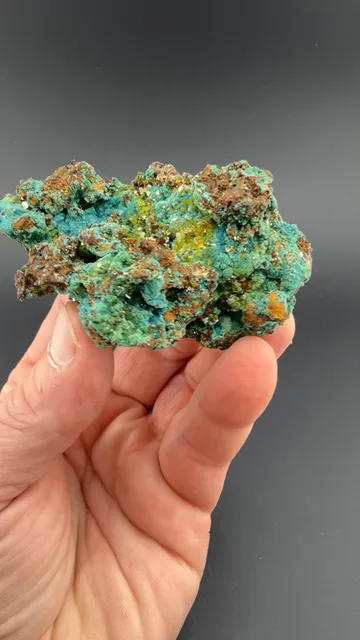
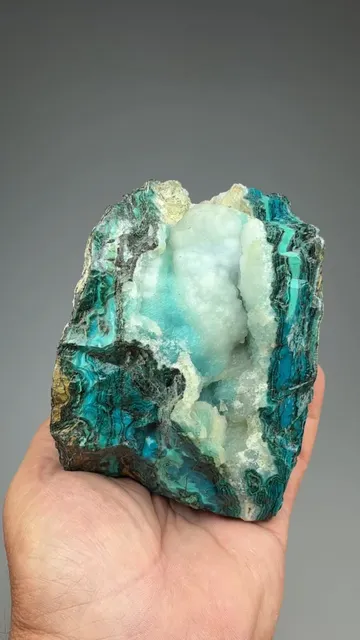
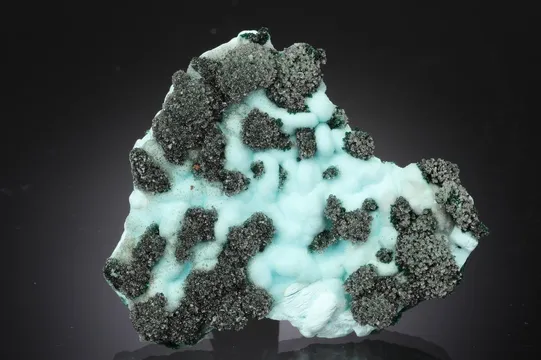
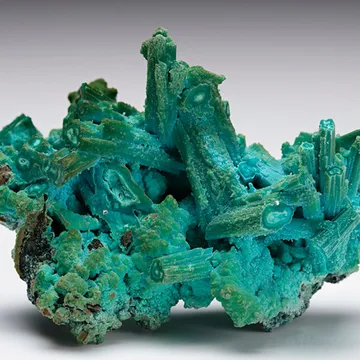
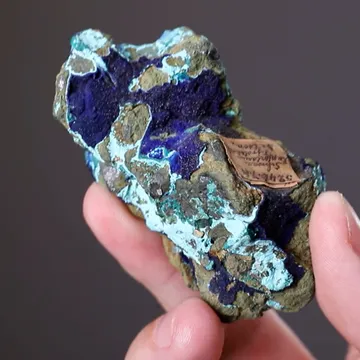
Chrysocolla after Malachite after Anhydrite & quartz - 270 grams - Tenke-Fungurume area, DR Congo

$1,155.00

VisaMastercardAmerican ExpressPayPalPayPal Pay In 4Discover·
  • Free shipping
  • Seller offers an extended return window of up to 14 days
  • FranceShips from France

JM IMPORT
JM IMPORTFeatured
France
432 for sale·60 sold

Origin: Tenke-Fungurume area, Lualaba, DR Congo

Weight: 270 grams

Dimensions: 90 x 47 x 78 mm

No treatment


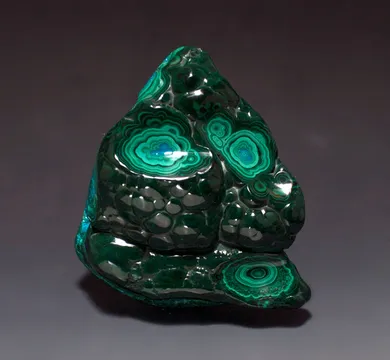
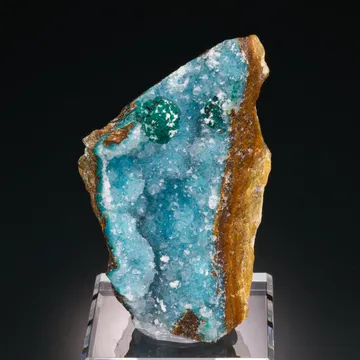
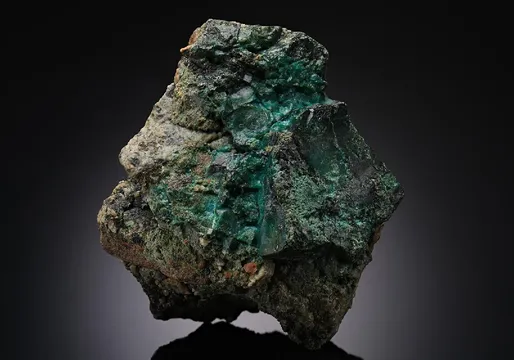
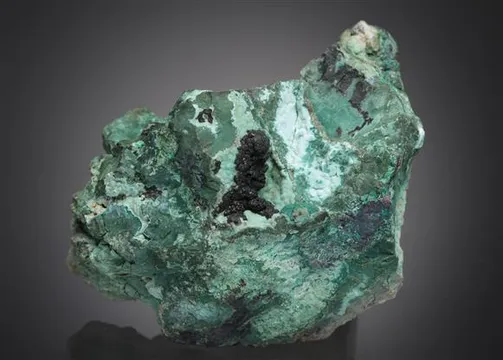
Chrysocolla pseudomorphosis after Malachite pseudomorphosis after Anhydrite and then covered with micro quartz with in places over the quartz sheaves of bright green malachite. Also present dark green fibrous malachite

Superb specimen having undergone two phases of replacement: the anhydrite was replaced by Malachite, then Malachite by Chrysocolla.


Exceptional piece for its complexity and beauty.


Possible shipping method (all with tracking): Colissimo delivery against signature, Delivengo, Letter followed, Mondial Relay Point Relay, Mondial Relay home.

Depending on the weight, value and country of destination, we do our best to ensure that your package arrives as quickly as possible and in the best conditions.

The mode of transport is decided by the seller only.


REF 230004-012
Product details

SizeSmall Cabinet
Dimensions9.0 x 4.7 x 7.8 cm
Weight270 grams
Listed on02/07/2025

Known provenance

DateCollectorAcquisition price
01/2025JM IMPORTNot disclosed

Learn more

Chrysocolla
Mineral guide
Learn about Chrysocolla
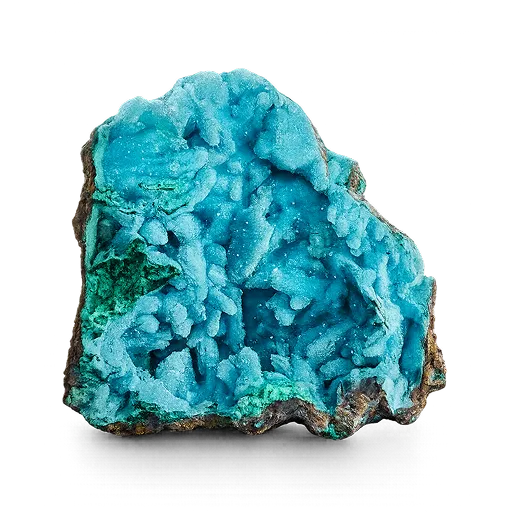
sky-blue to teal-green copper silicate; botryoidal coatings and stalactites, often with quartz drusy, valued for color and locality; ID tips.
Chrysocolla
Regional guide
Chrysocolla from Tenke-Fungurume Area, DR Congo
from the Tenke-Fungurume area belongs to one of the most important modern copper-cobalt districts on Earth, and the best collector pieces show that pedigree immediately: saturated sky-blue to turquoise chrysocolla, commonly draped with glittering microcrystalline quartz, set against remnants of malachite-green, dark copper oxides, or pale carbonate matrix. The finest specimens are not simply color pieces; they are paragenetic puzzles, preserving earlier copper-carbonate forms as pseudomorphs and epimorphs. In the best-known modern style, bladed or tabular forms—usually interpreted as azurite at the start of the sequence, though barite or gypsum has also been suggested for some habits—were replaced first by malachite and then partly or wholly by chrysocolla, before a late silica event added a sparkling quartz skin.