Guide
20 for sale · $250–$2,800 USD
159 in the gallery
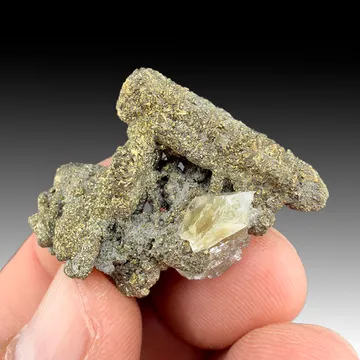
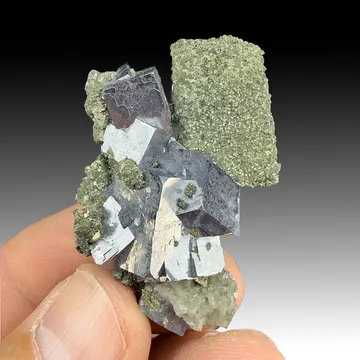
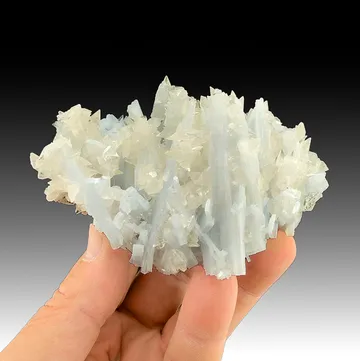
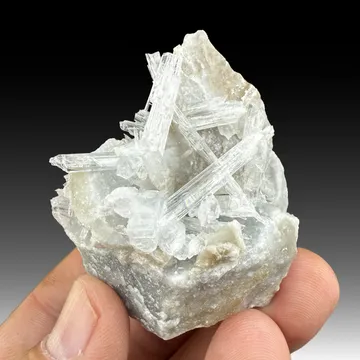
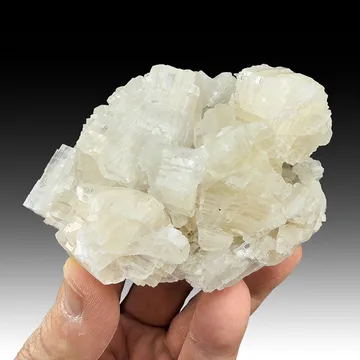
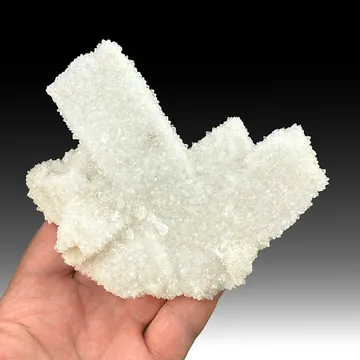
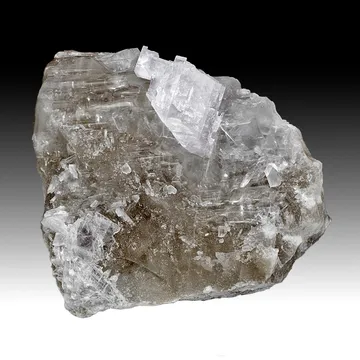
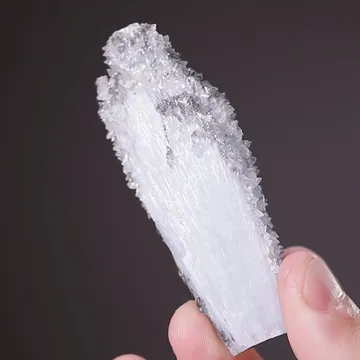
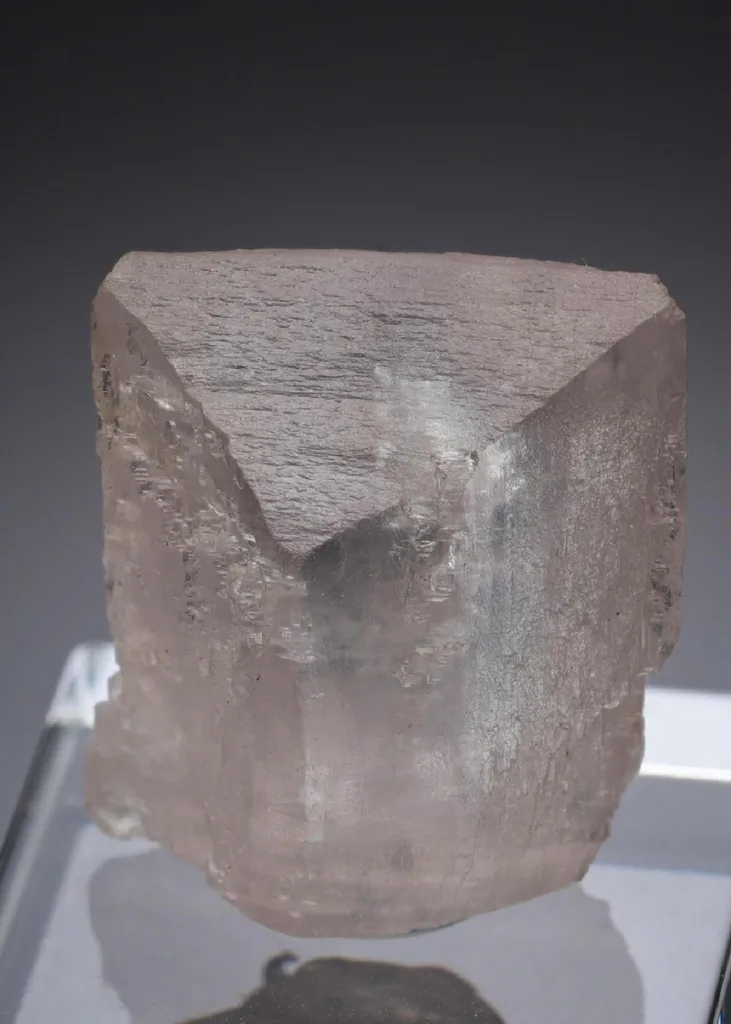
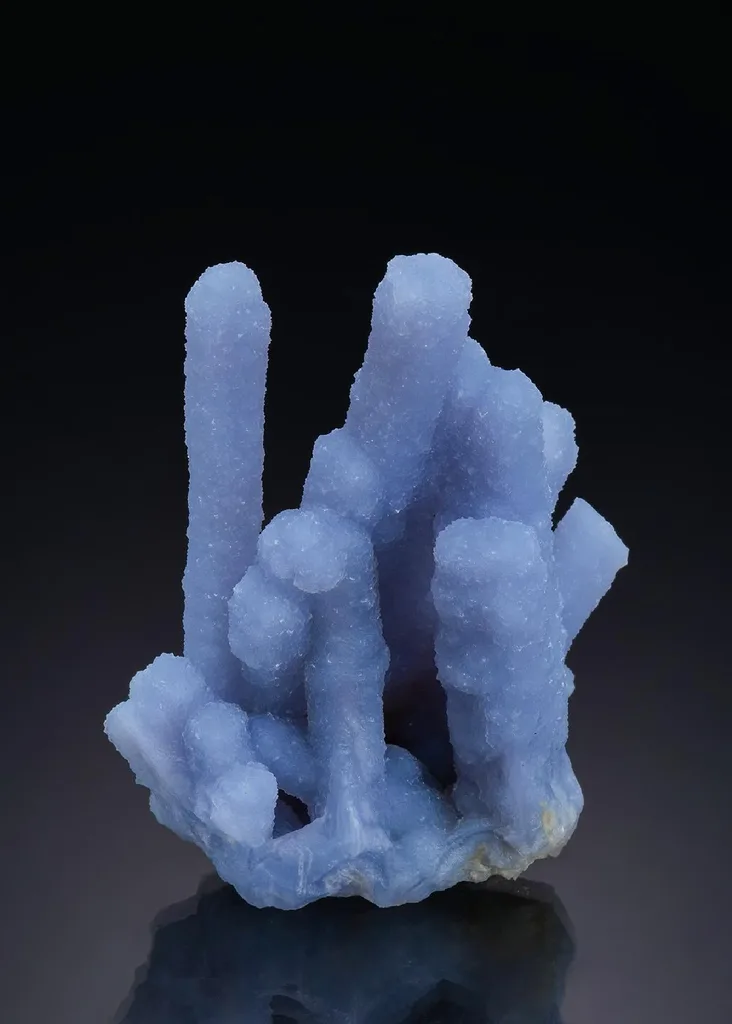
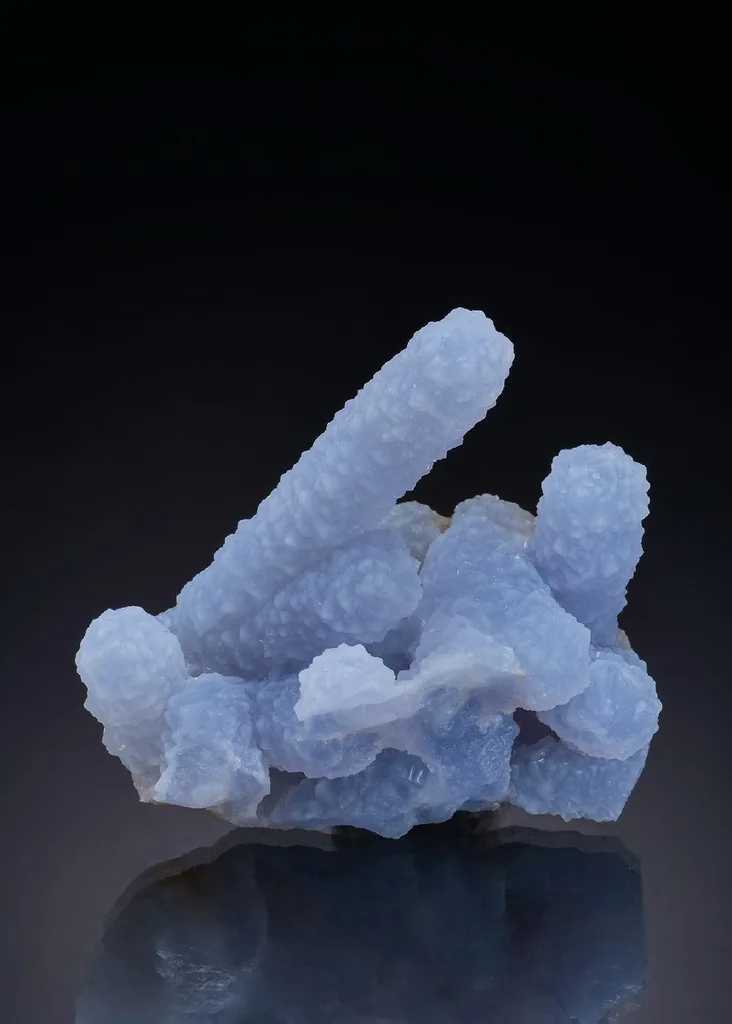
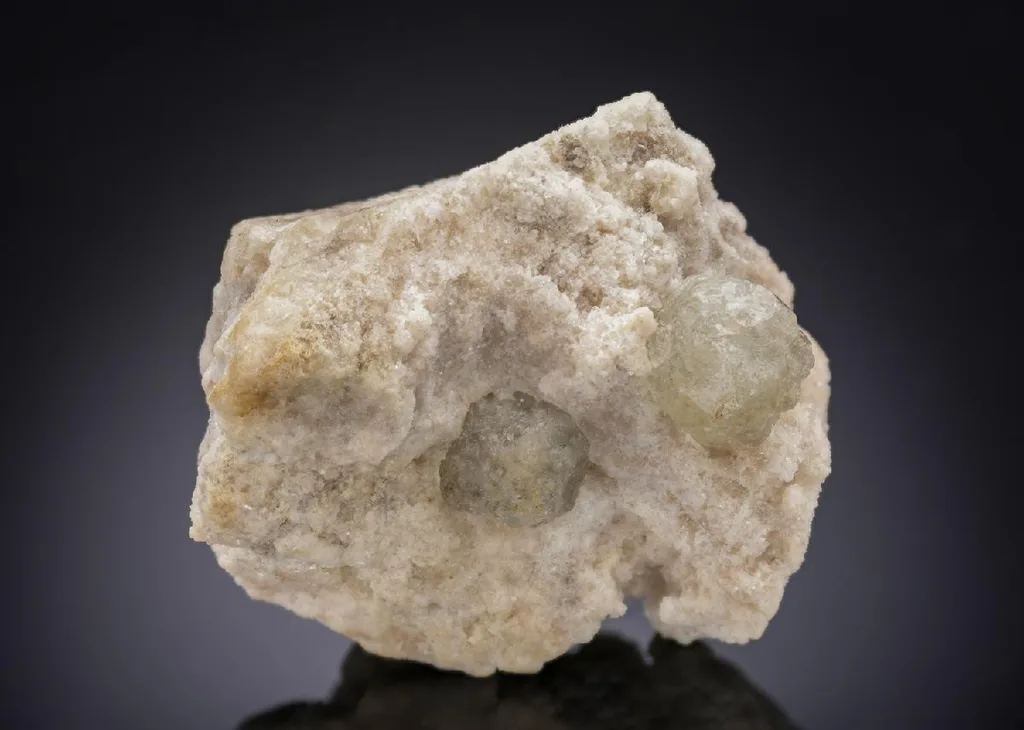
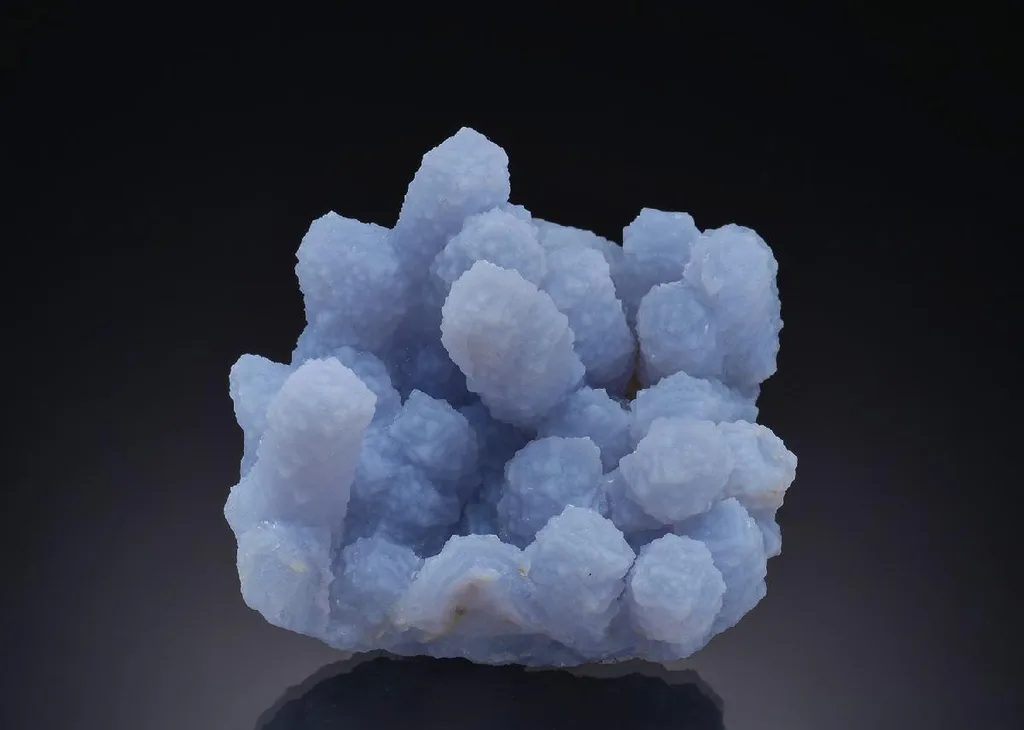
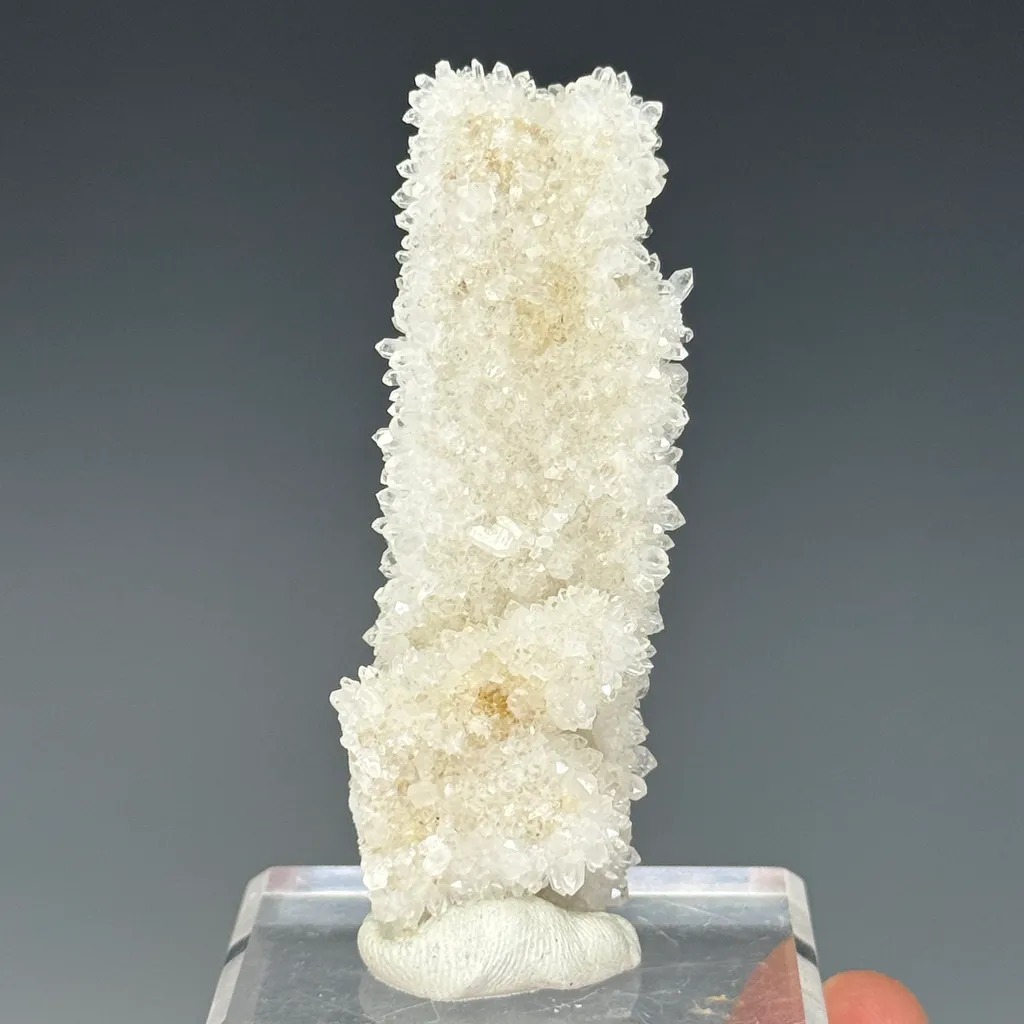
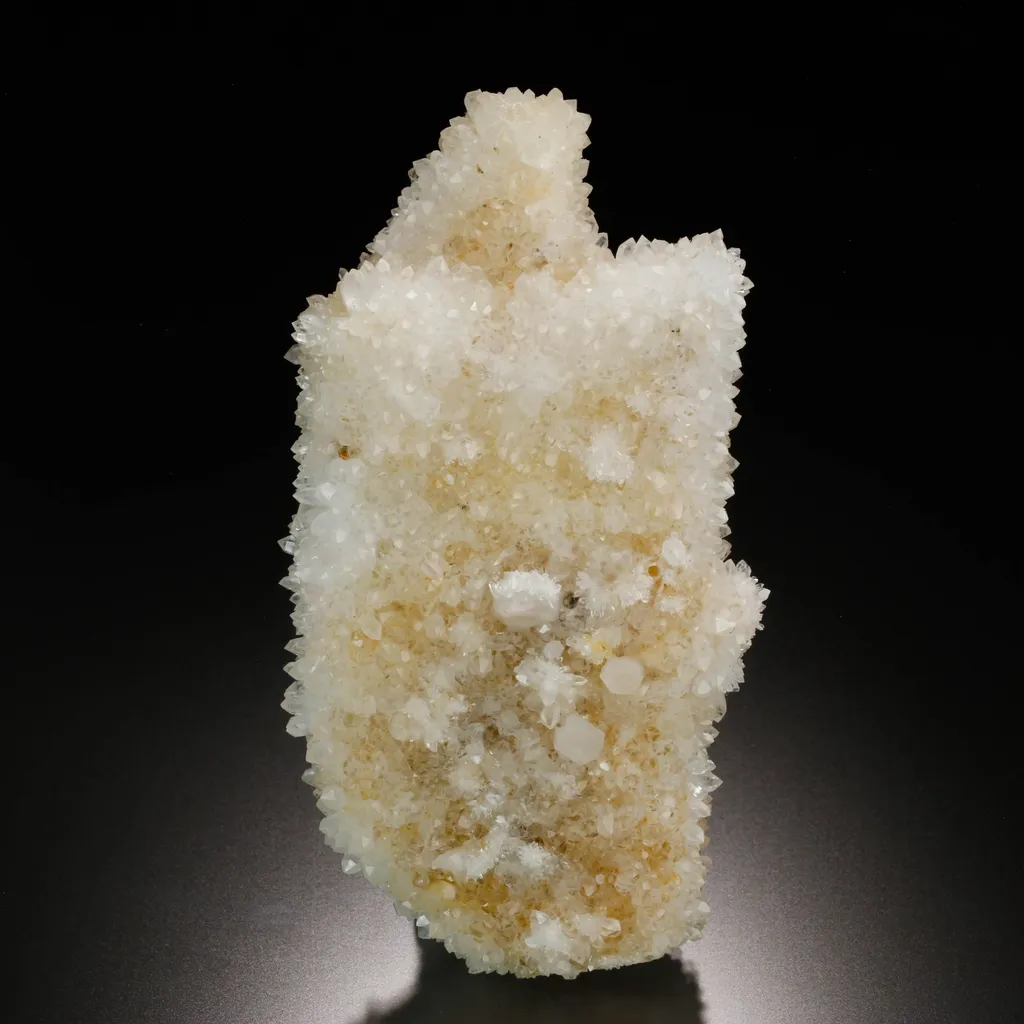
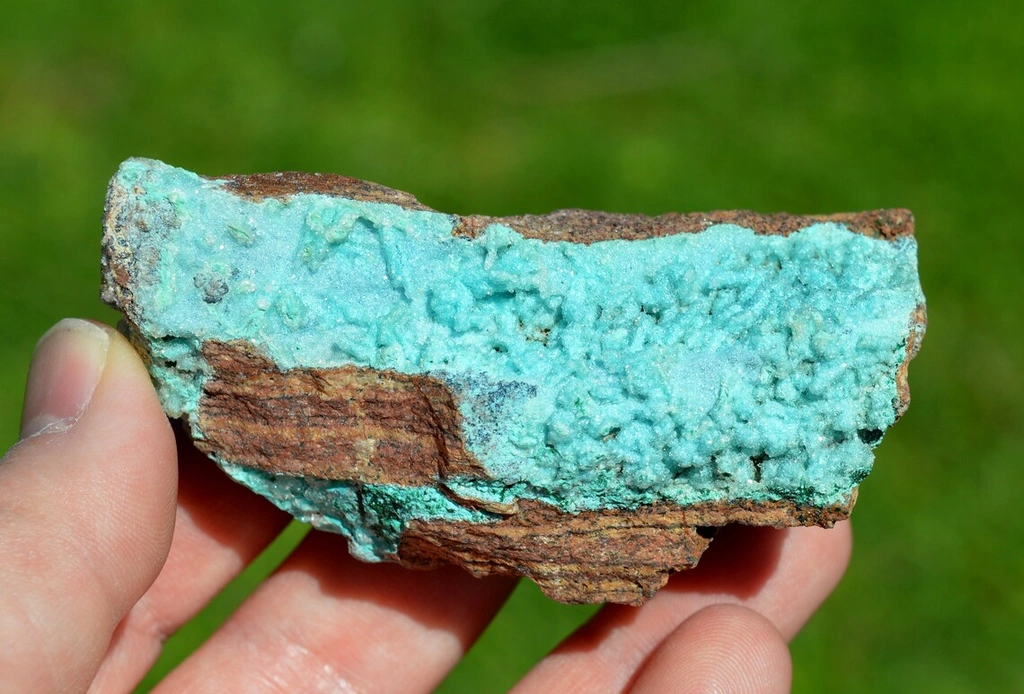
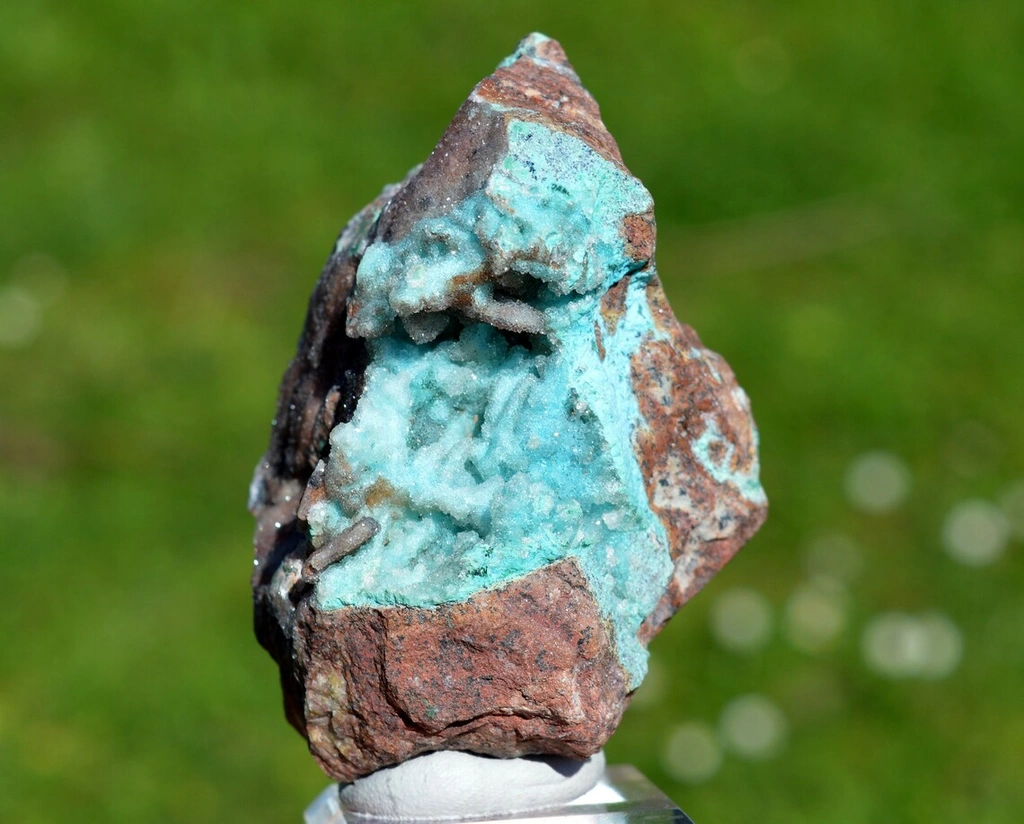
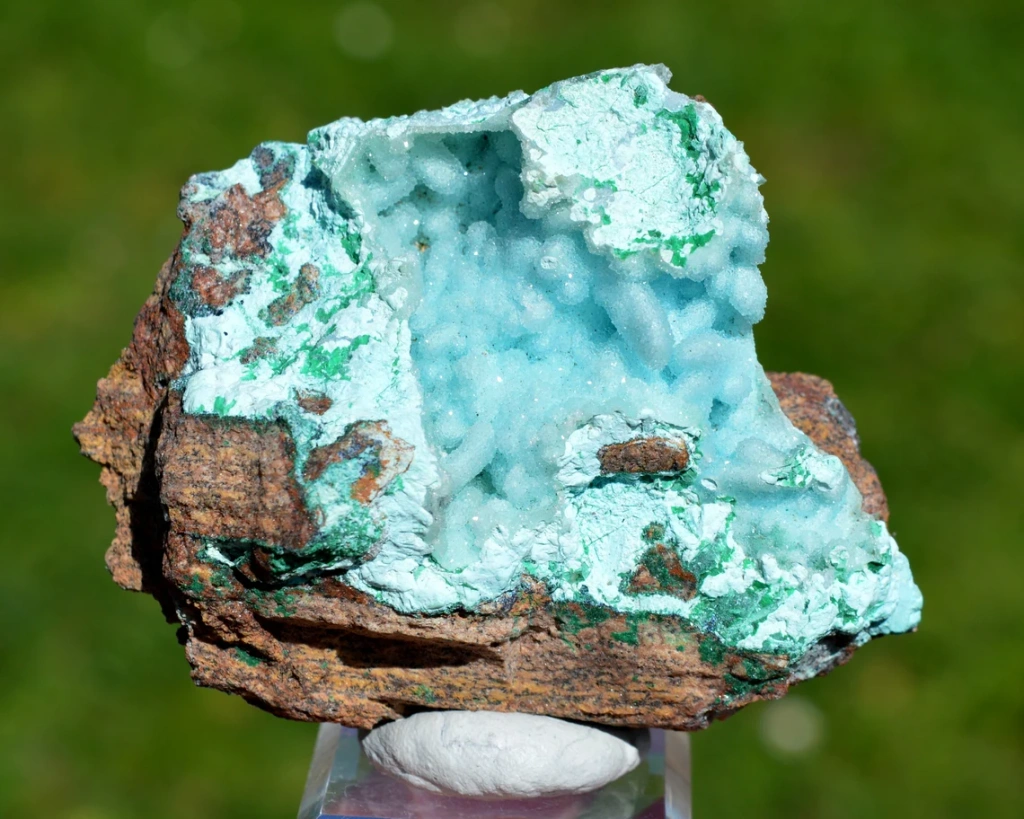
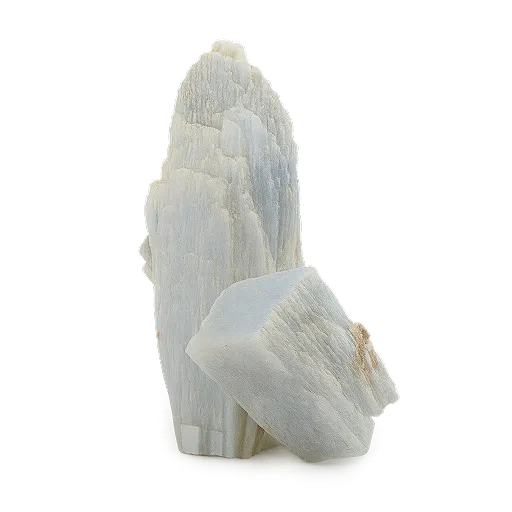
Anhydrite is a mineral composed of calcium sulfate (CaSO4) that occurs in colorless, white, or gray crystals. It commonly forms elongated prisms or tabular crystals with a glassy to vitreous luster and a transparent to translucent appearance. In many localities, including notable deposits in Mexico and Peru, specimens can display well-developed single crystals or twinned formations, sometimes intergrown with other sulfate minerals. The mineral can occur in massive to prismatic habits and may appear in pale blue to colorless hues when impurity-free, though it often looks milky or smoky in aggregate.【Note: descriptive line preserved to fit style; no speculative features】
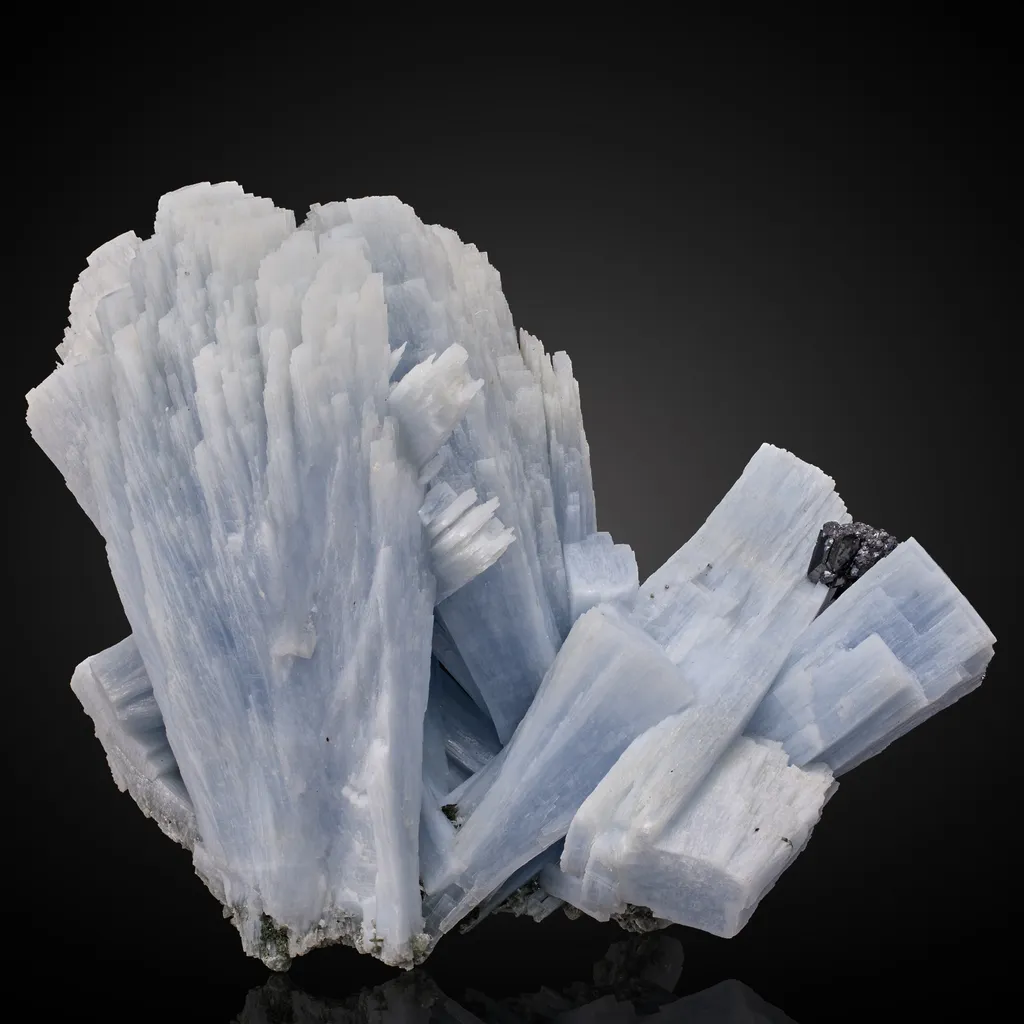
Collectors value anhydrite for its clear, often sharp crystallization and its association with evaporite environments. It is frequently found in hydrothermal veins and contact metamorphic zones, where it can crystallize alongside gypsum, dolomite, and halite. While it may be confused with gypsum due to similar composition, anhydrite remains less soluble and tends to retain its crystallographic integrity in drier, high-temperature settings. When exhibited as pristine crystals or as part of mineral aggregates from strong localities, anhydrite makes appealing cabinet specimens and complements collections focused on sulfate minerals and evaporite mineralogy.