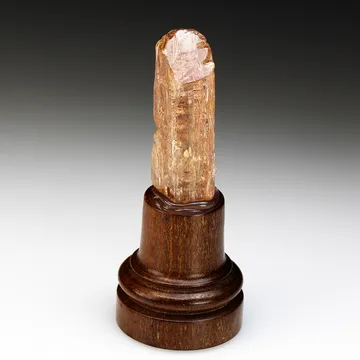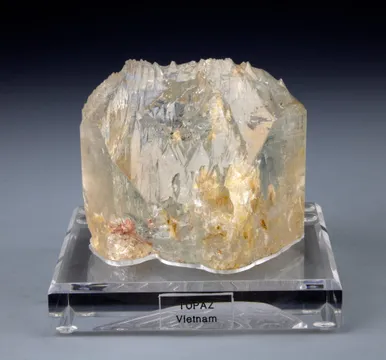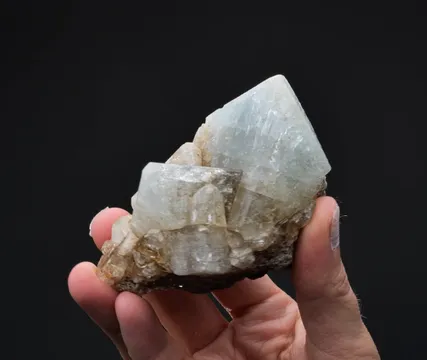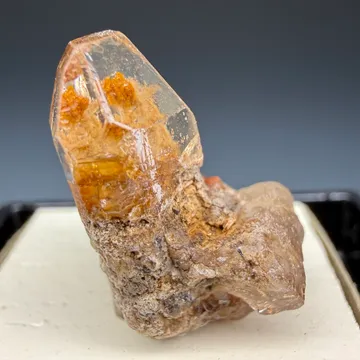

Topaz specimens for sale
387 for sale · $50–$17,500 USD
743 in the gallery
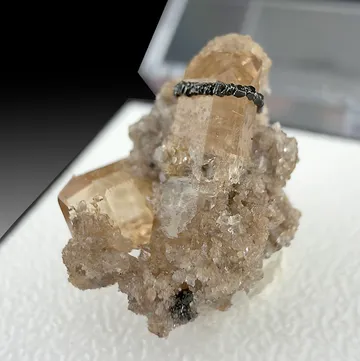
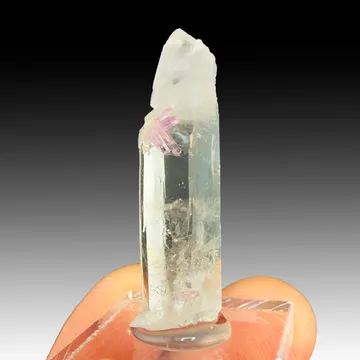
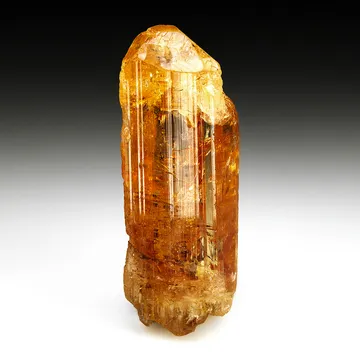
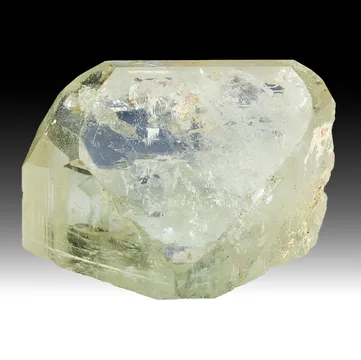
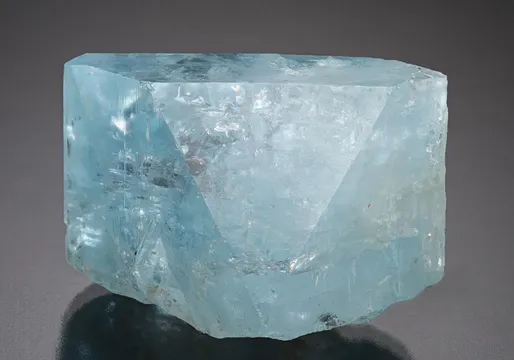
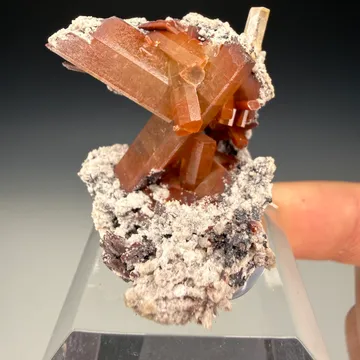
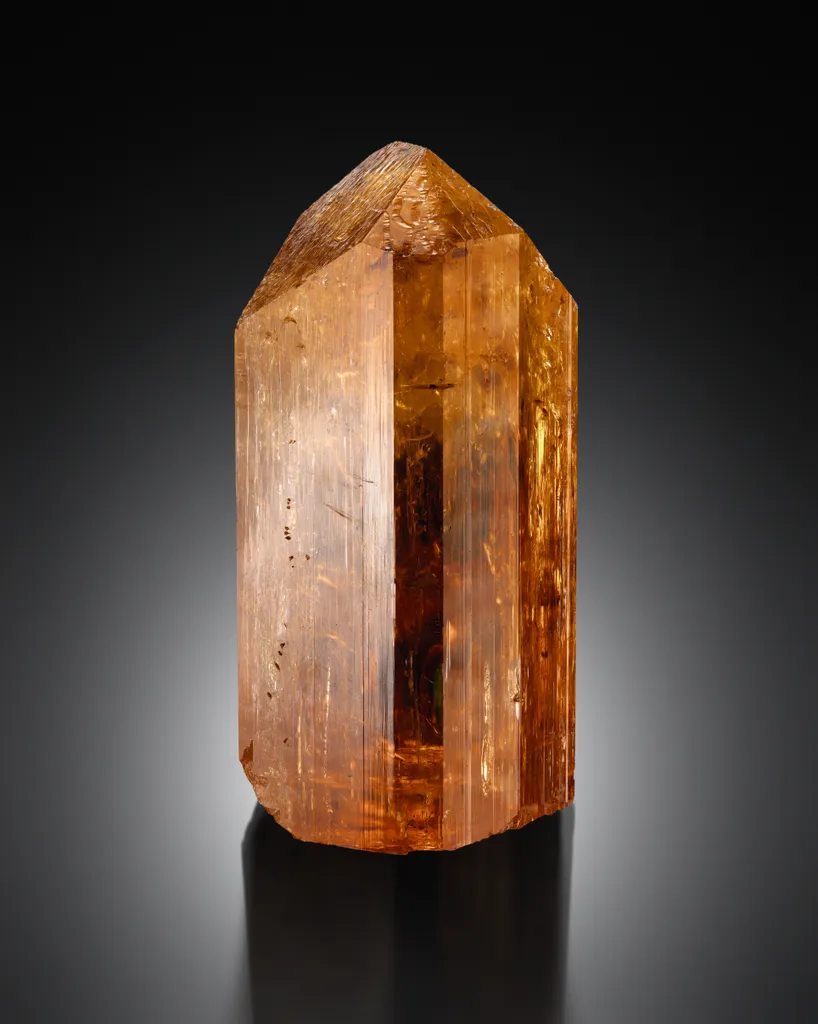
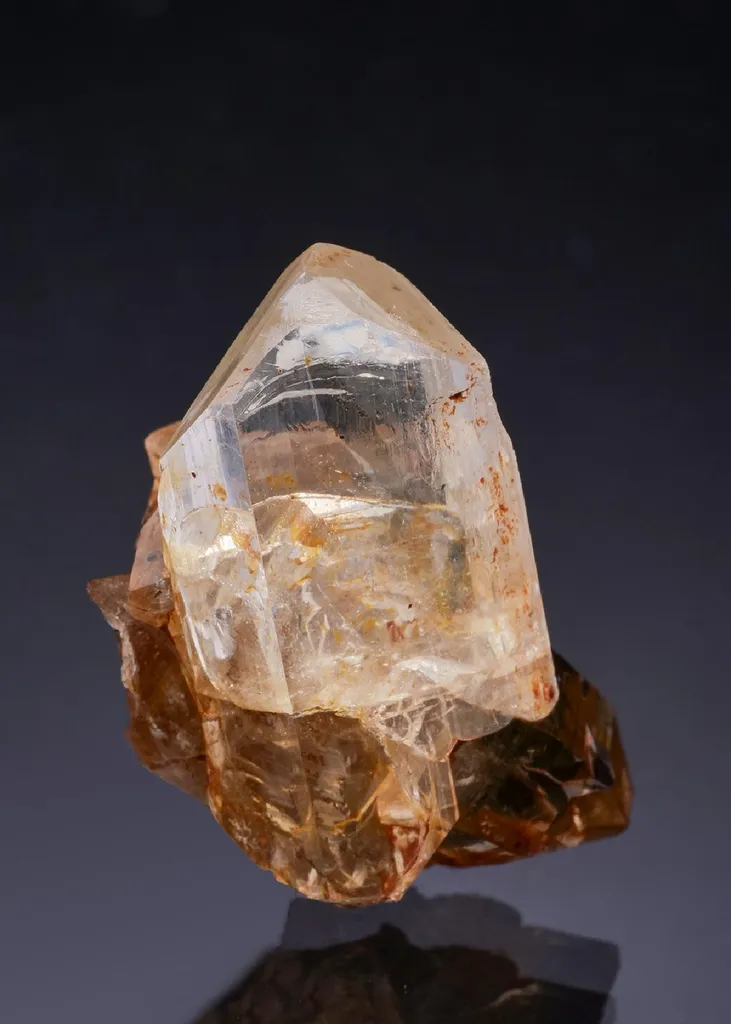
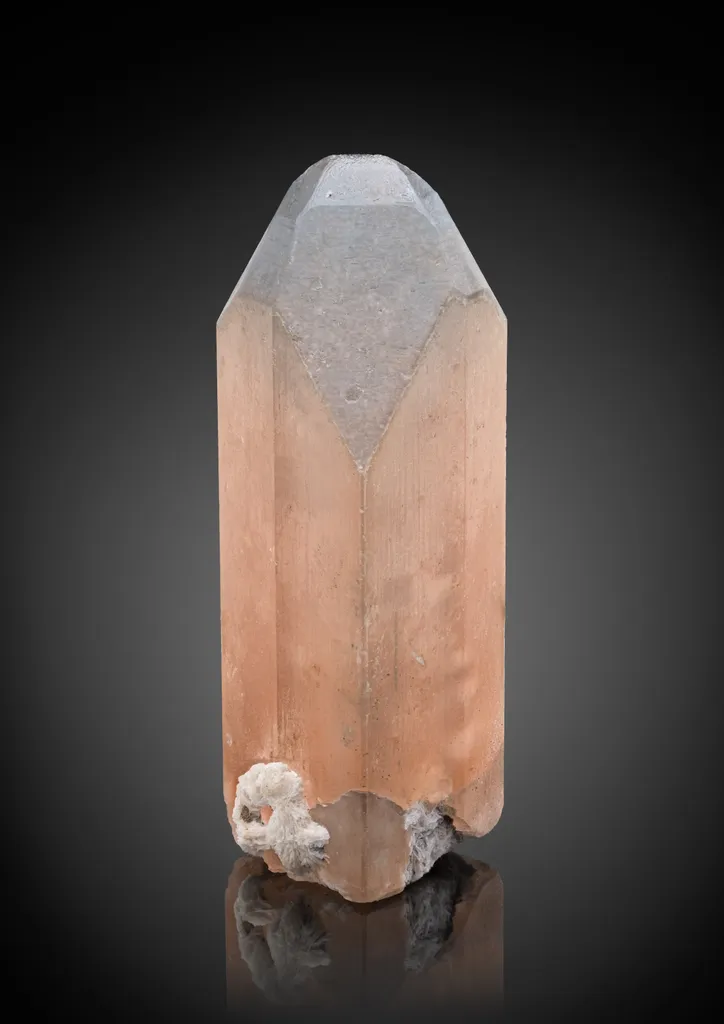
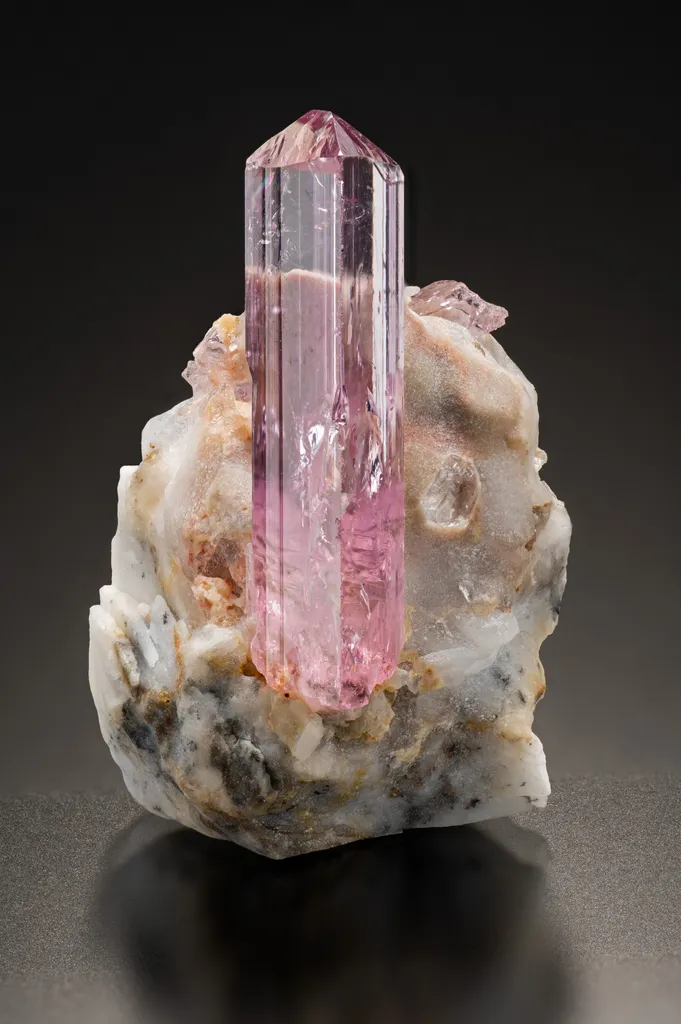
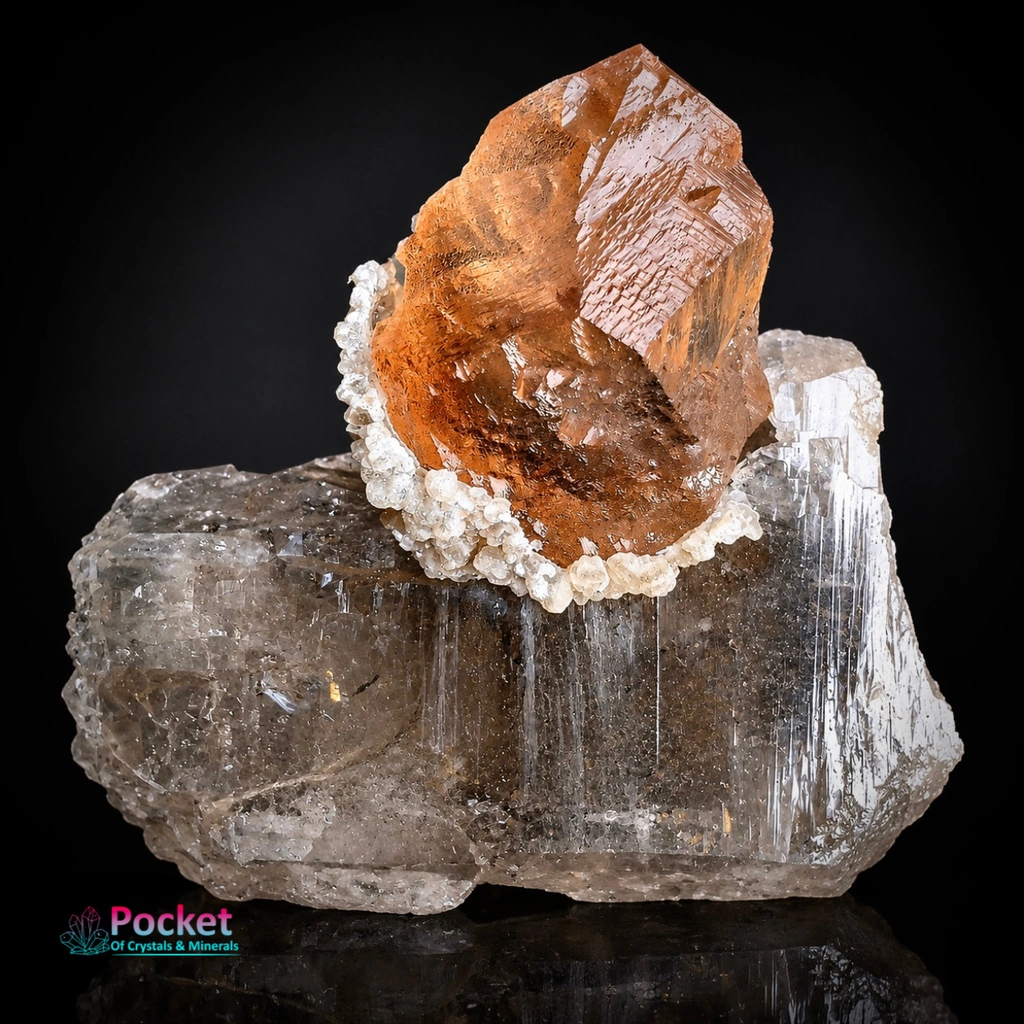
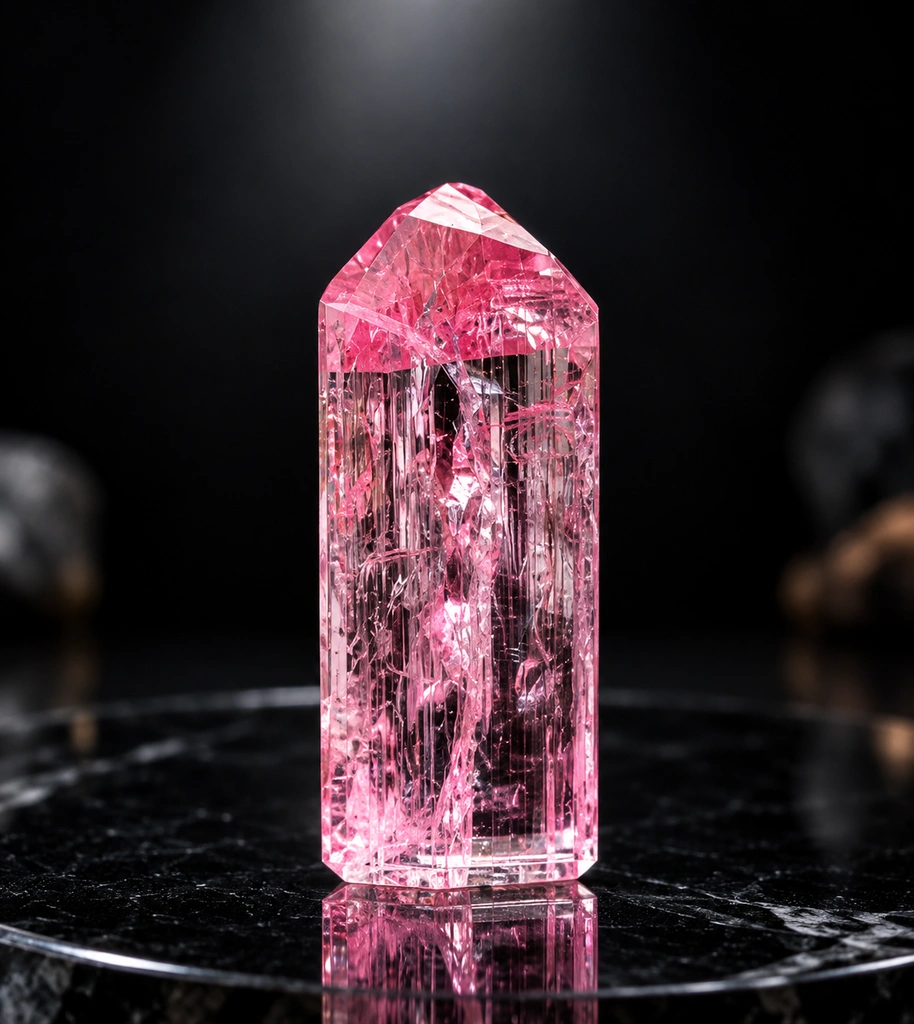
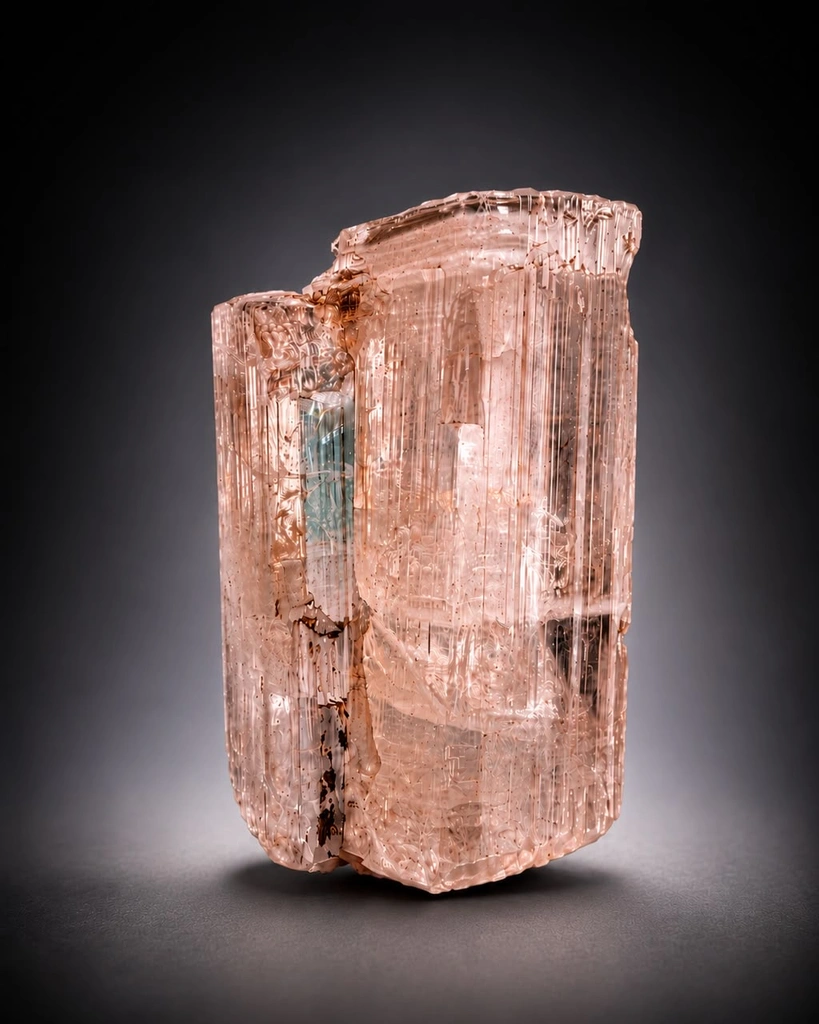
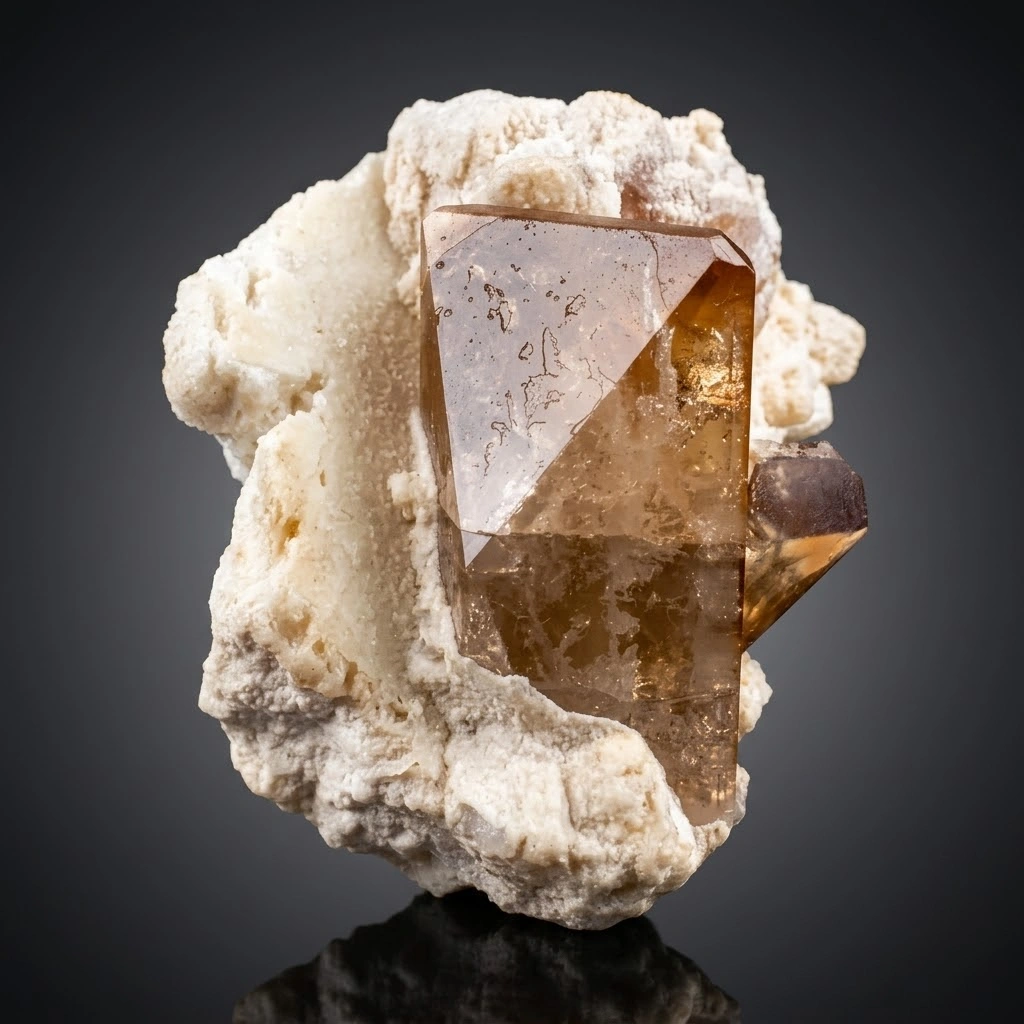
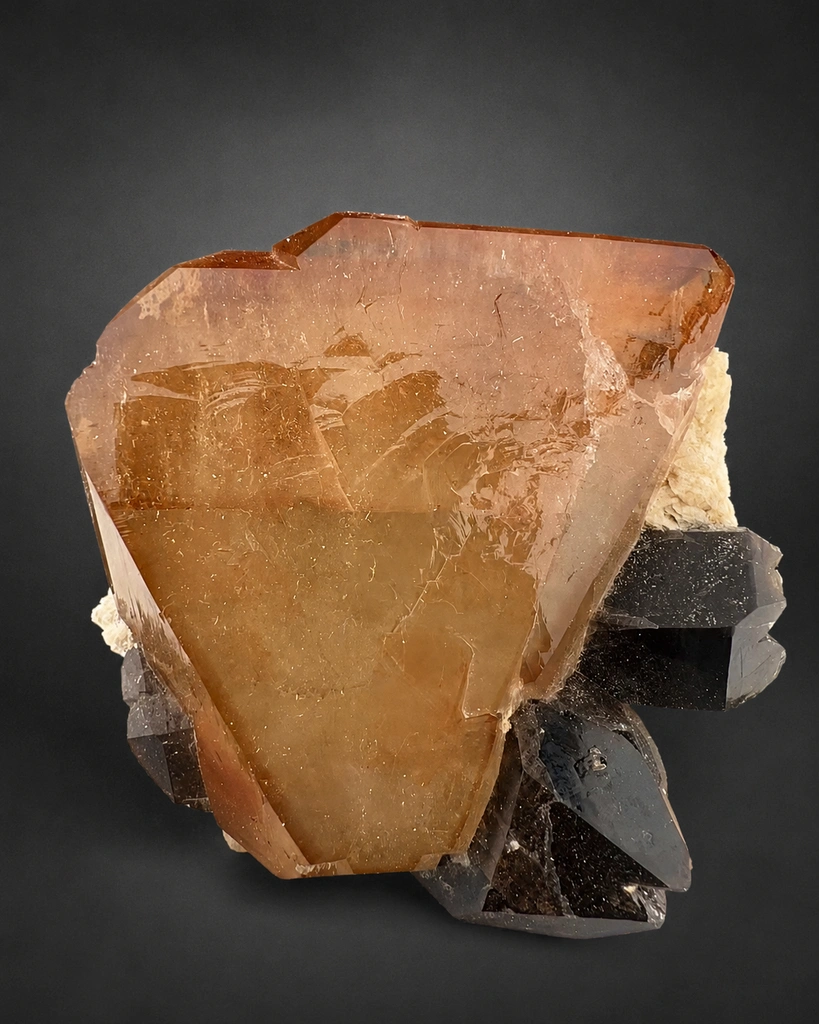
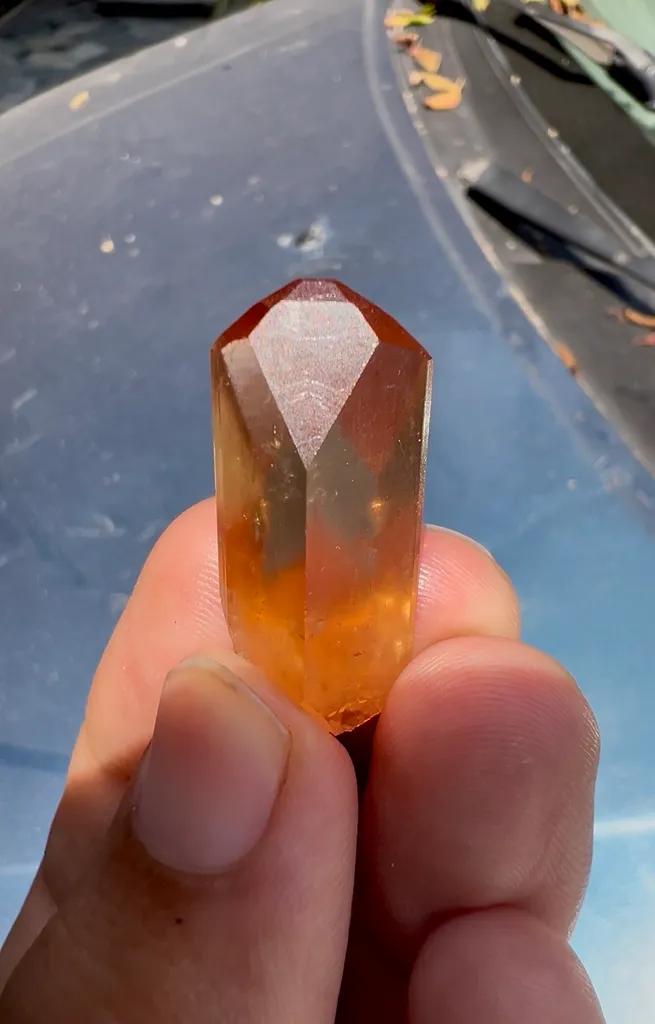
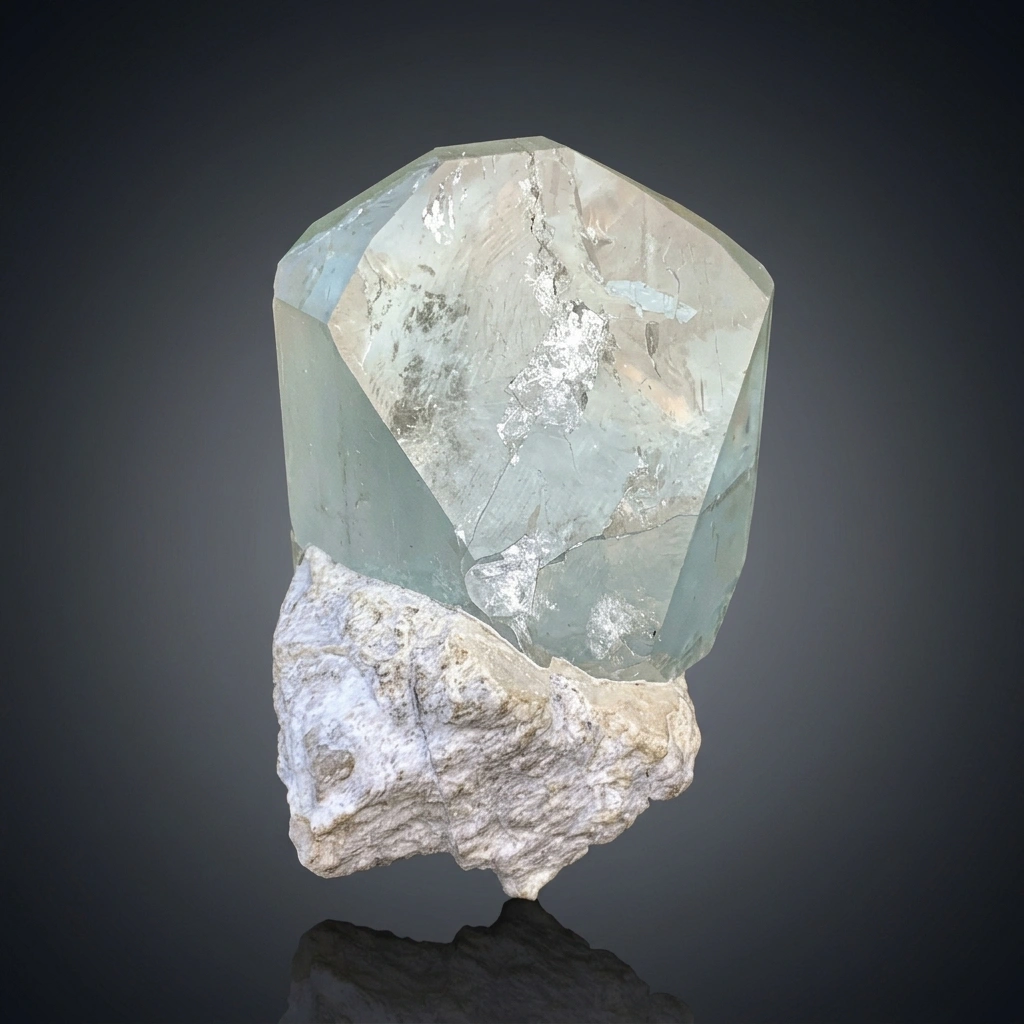
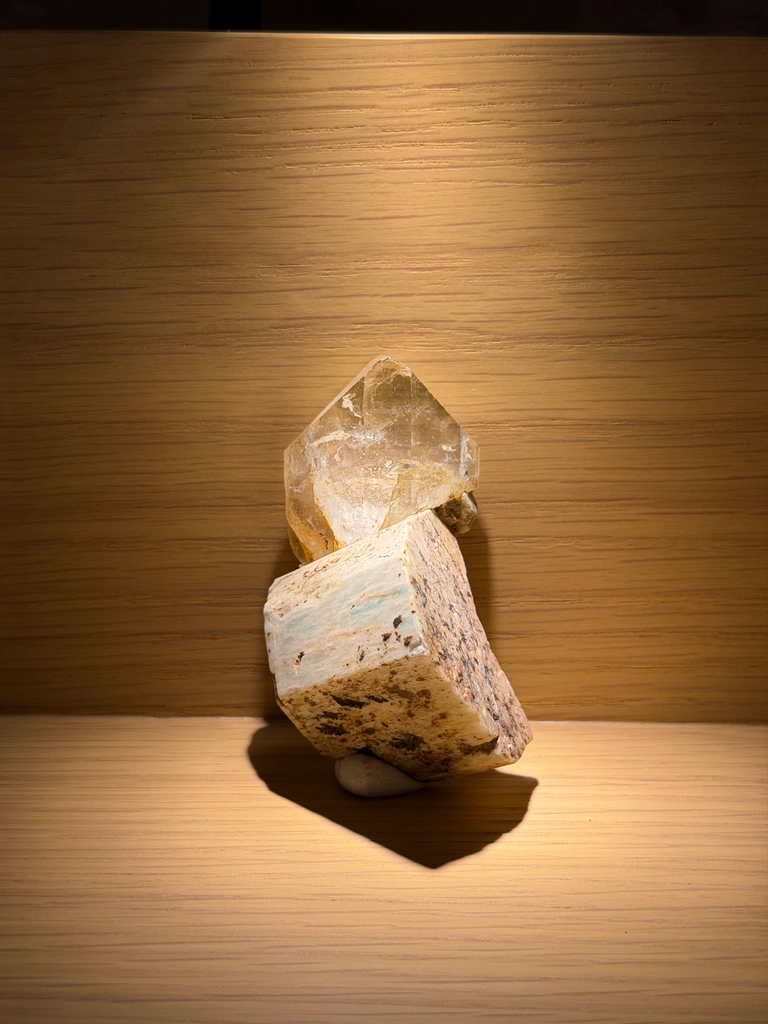
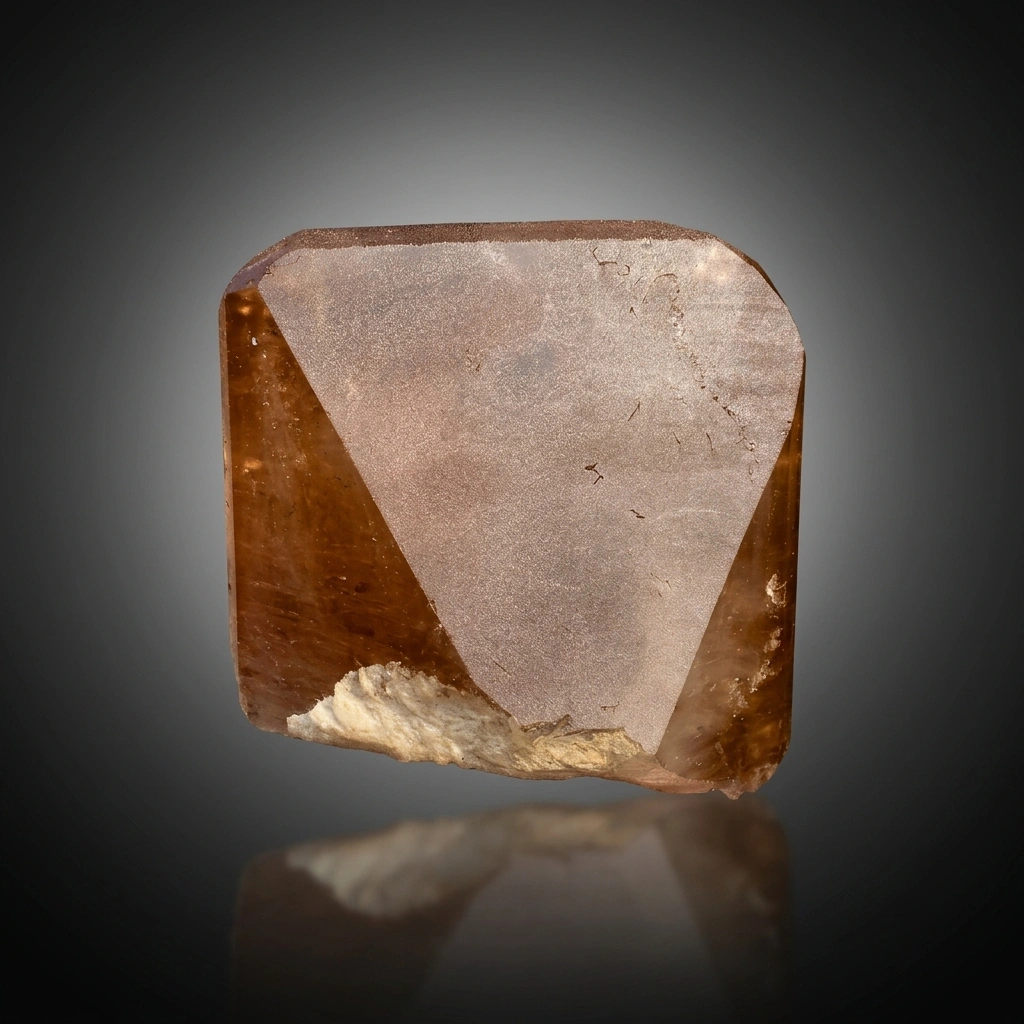
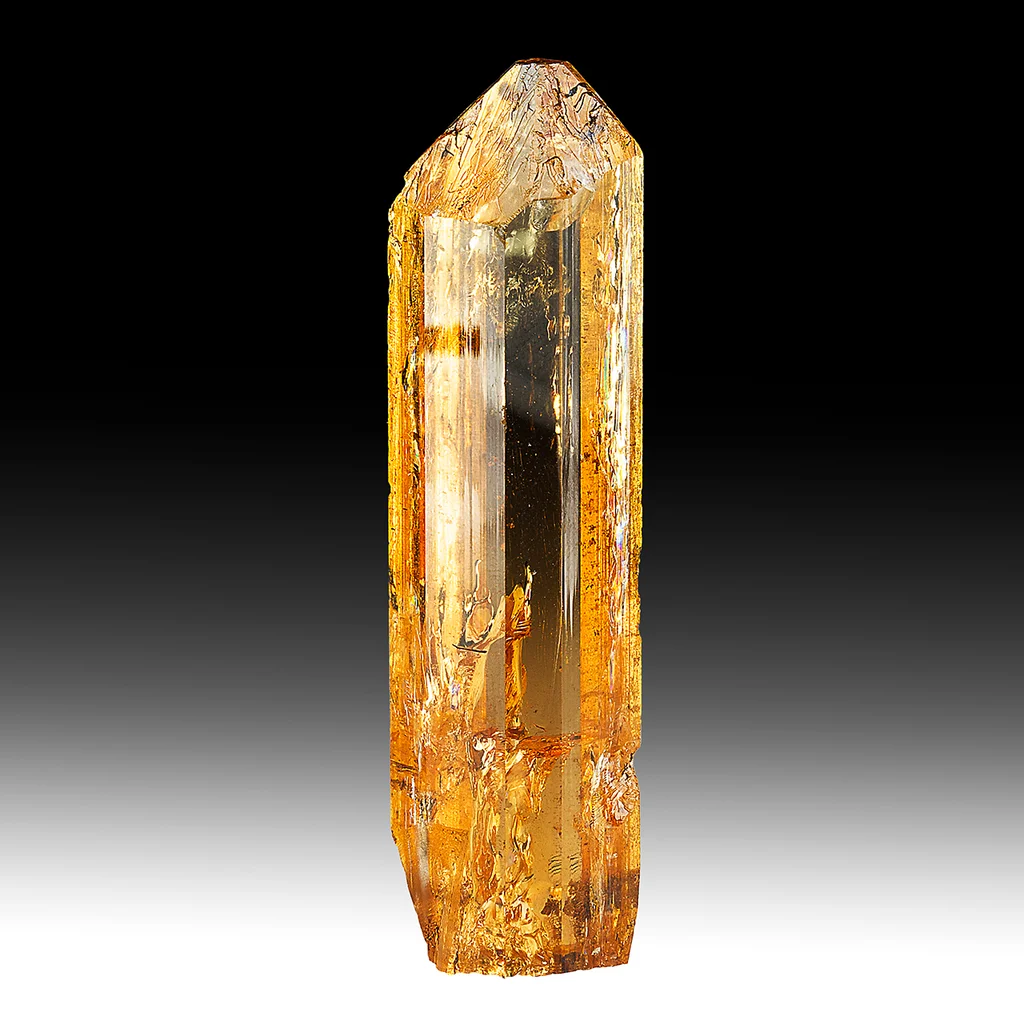
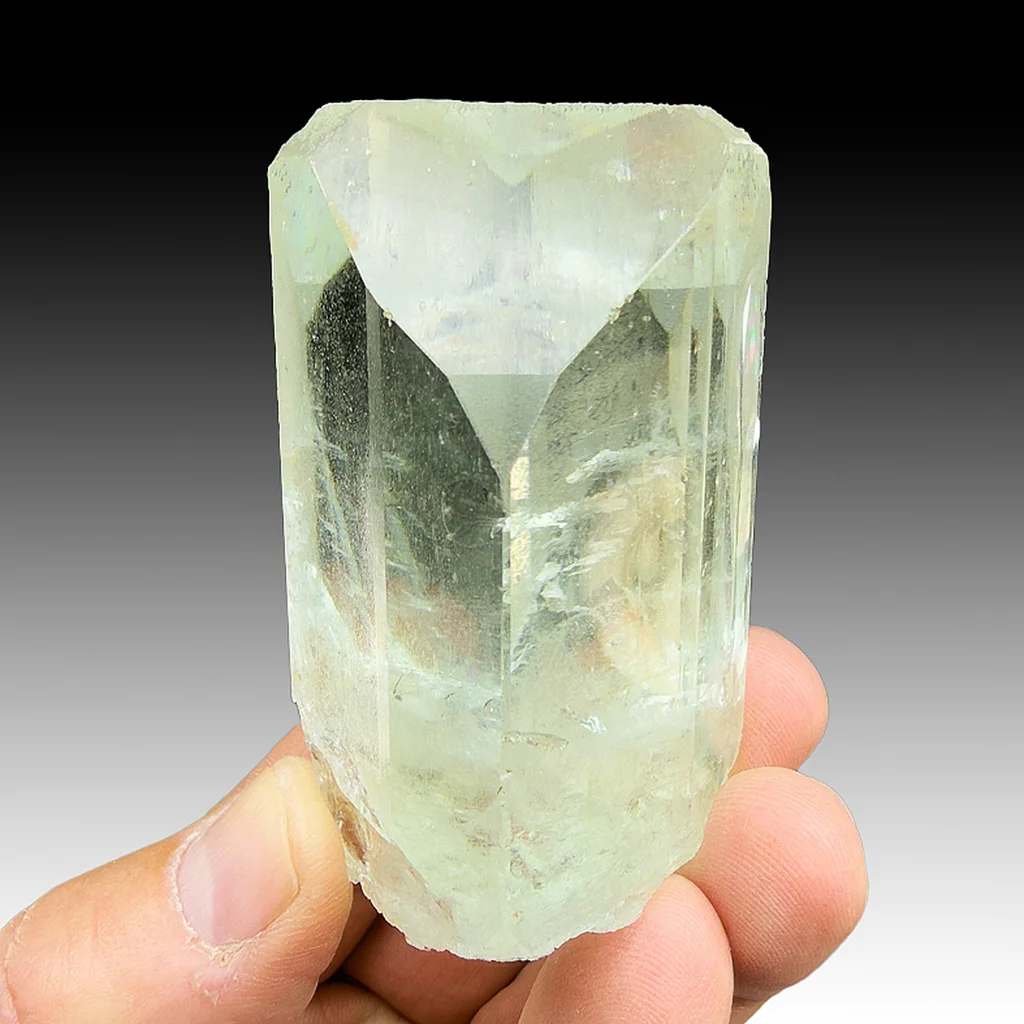
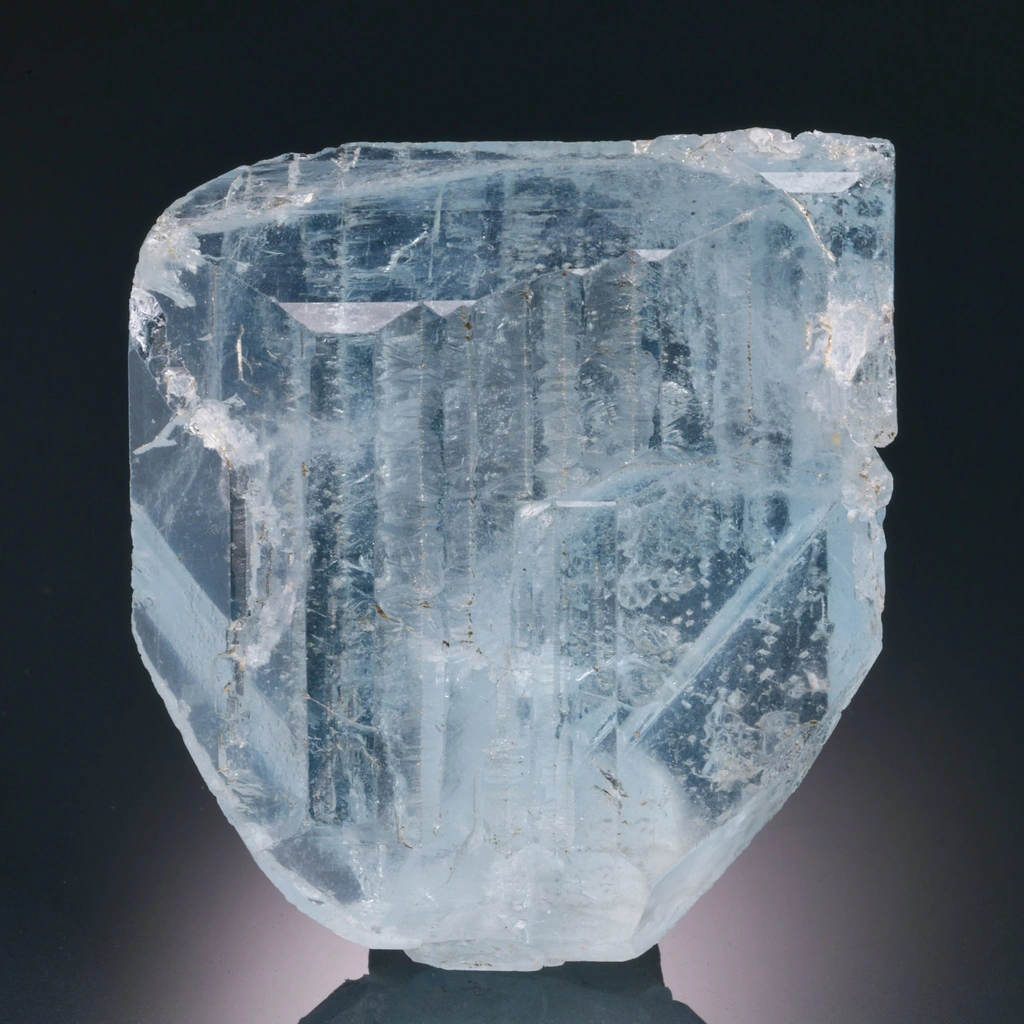
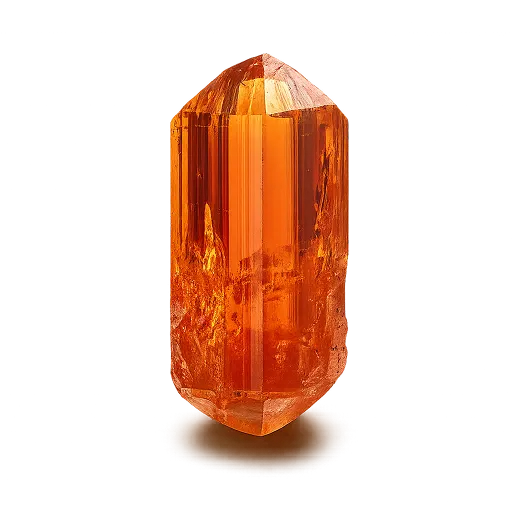
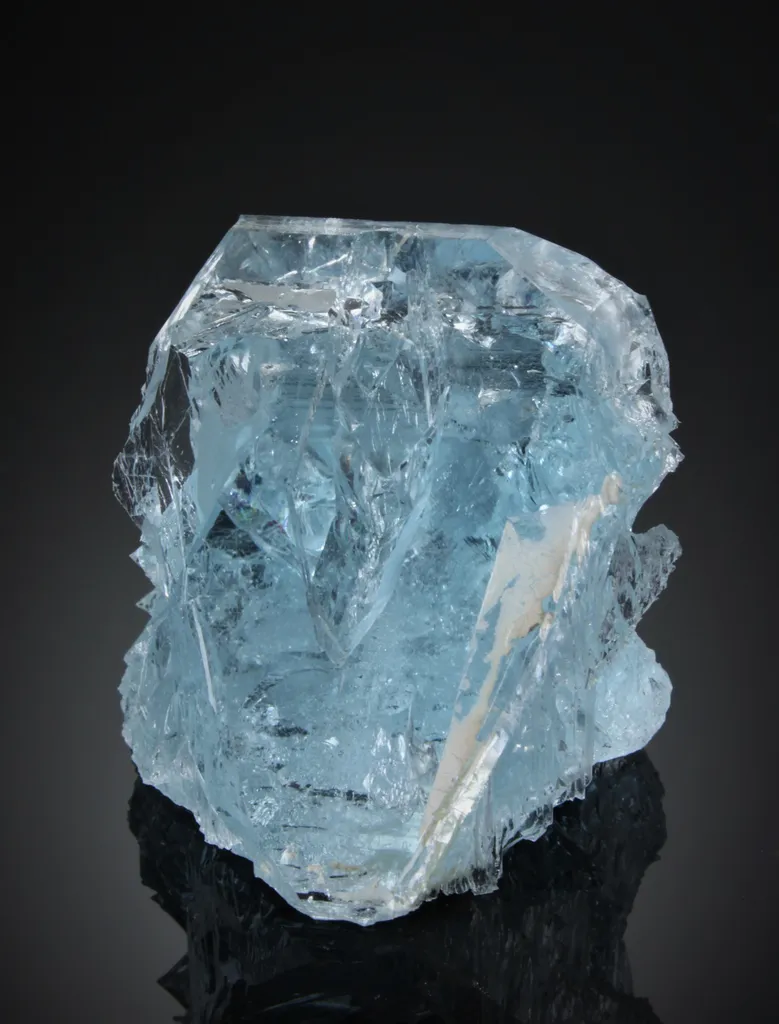
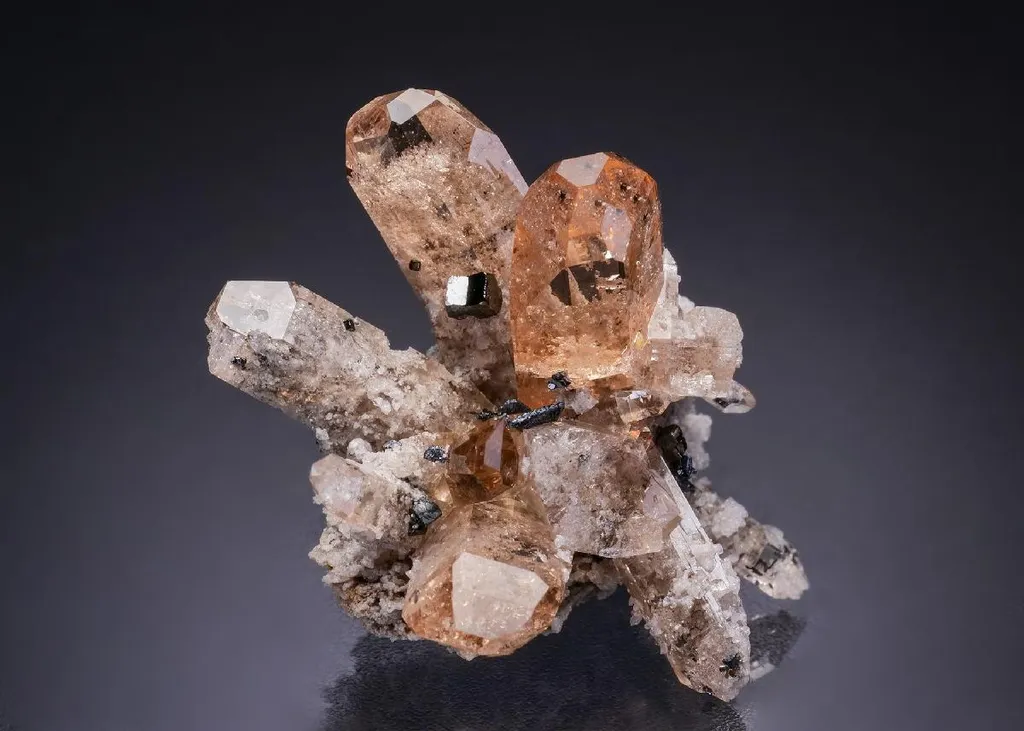
Topaz is a mineral species that forms in silicate-rich environments and commonly occurs as transparent to translucent crystals. It typically exhibits a vitreous luster and can present in a range of colors from colorless and pale yellow to golden brown, blue, or pink, depending on impurities and irradiation. Crystals often develop prismatic and tabular habits, sometimes showing well-formed terminations, and it can occur in granitic pegmatites and hydrothermal veins. Notable specimens have historically come from Brazil, Pakistan, and the United States, with large, well-formed crystals prized by collectors for their clarity and color.
- Formula
- Al2(SiO4)(F,OH)2
- Rarity
- Common
- Stability
- Stable
- Collector interest
- High Interest
Buy Topaz specimens
View all 387Where Topaz is found
Guides
All guides


Topaz from Topaz Mountain, Utah, USA
Topaz Mountain, Utah — classic American locality for rhyolite-hosted topaz, with sherry-amber crystals, public collecting access, and a collecting heritage.Read guide
Topaz from Ouro Preto, Brazil
Ouro Preto topaz - renowned Brazilian locality producing imperial topaz in wine, honey, pink hues; gem crystals with sharp prisms, yet terminations are rare.Read guide
Topaz from Murzinka Mine, Russia
Topaz from Murzinka Mine, Russia - pale blue to colorless, sharp orthorhombic crystals in pegmatite; prized for natural color, old provenance, and Urals charm.Read guide
Topaz from Khoroshiv Raion, Ukraine
Topaz from Khoroshiv Raion, Ukraine — renowned Volyn pegmatite chamber crystals, glassy, etched blocks in blue to sherry hues; prized for color zoning.Read guide
Topaz from Katlang, Pakistan
Katlang topaz, Ghundao Hill, Pakistan — natural pink to violet-pink crystals, chromium color, classic calcite-hosted veins; prized locality specimens.Read guideAbout Topaz
Collectors value Topaz for its eye-catching refractivity and the potential for rare color varieties, as well as its association with famous localities and classic crystal forms. The mineral’s durability and conchoidal fracture, combined with its pleasing luster, make specimen quality significant for display. While color and clarity drive interest, the provenance and crystallographic form often elevate a piece’s appeal among mineral enthusiasts.