Guide
117 for sale · $87–$24,000 USD
504 in the gallery
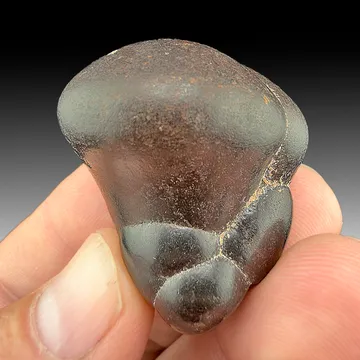
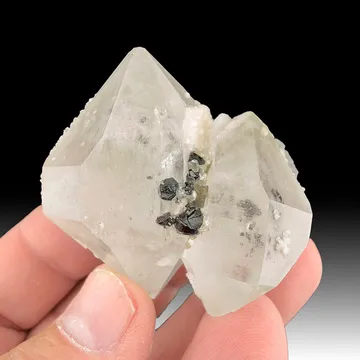
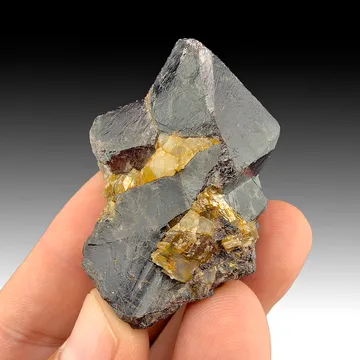
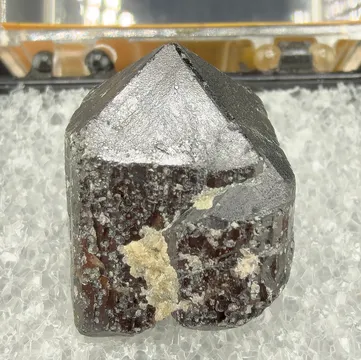
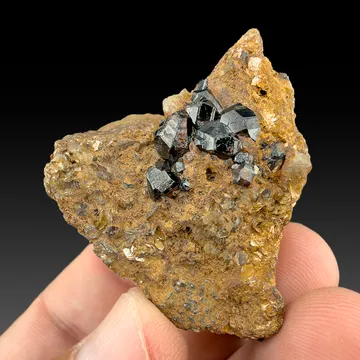
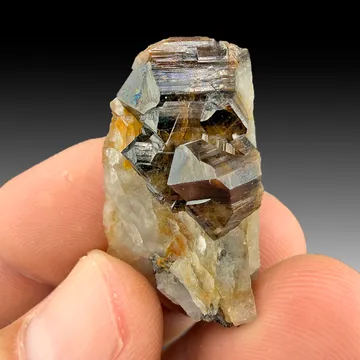
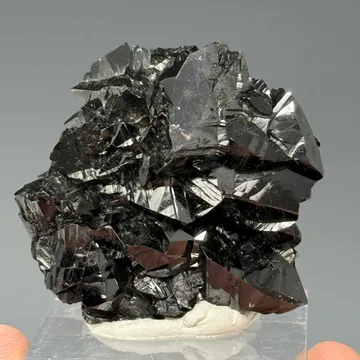
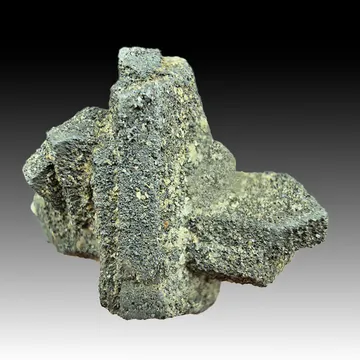
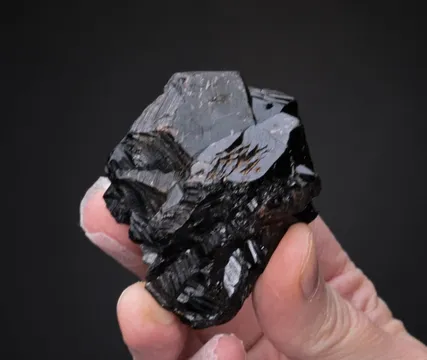
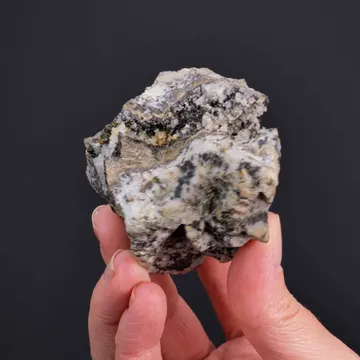
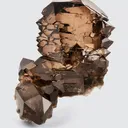
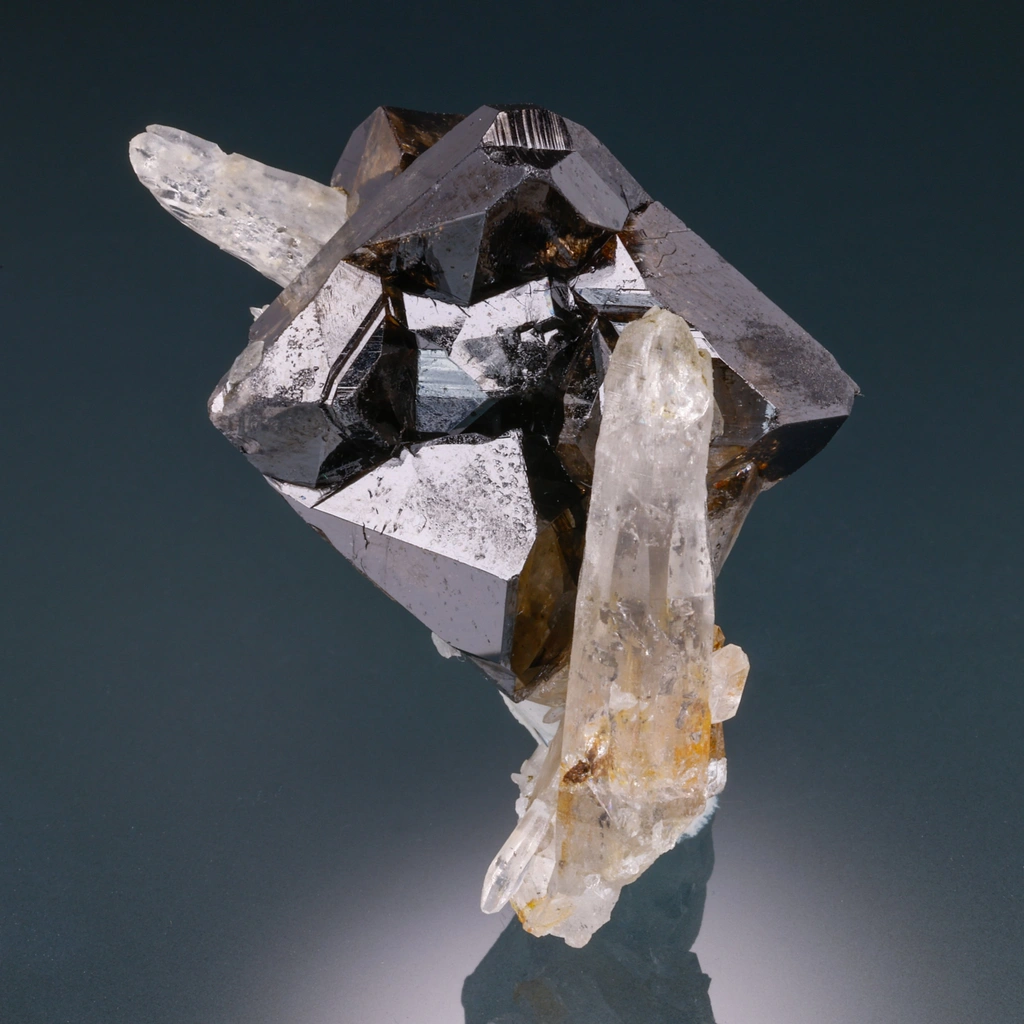
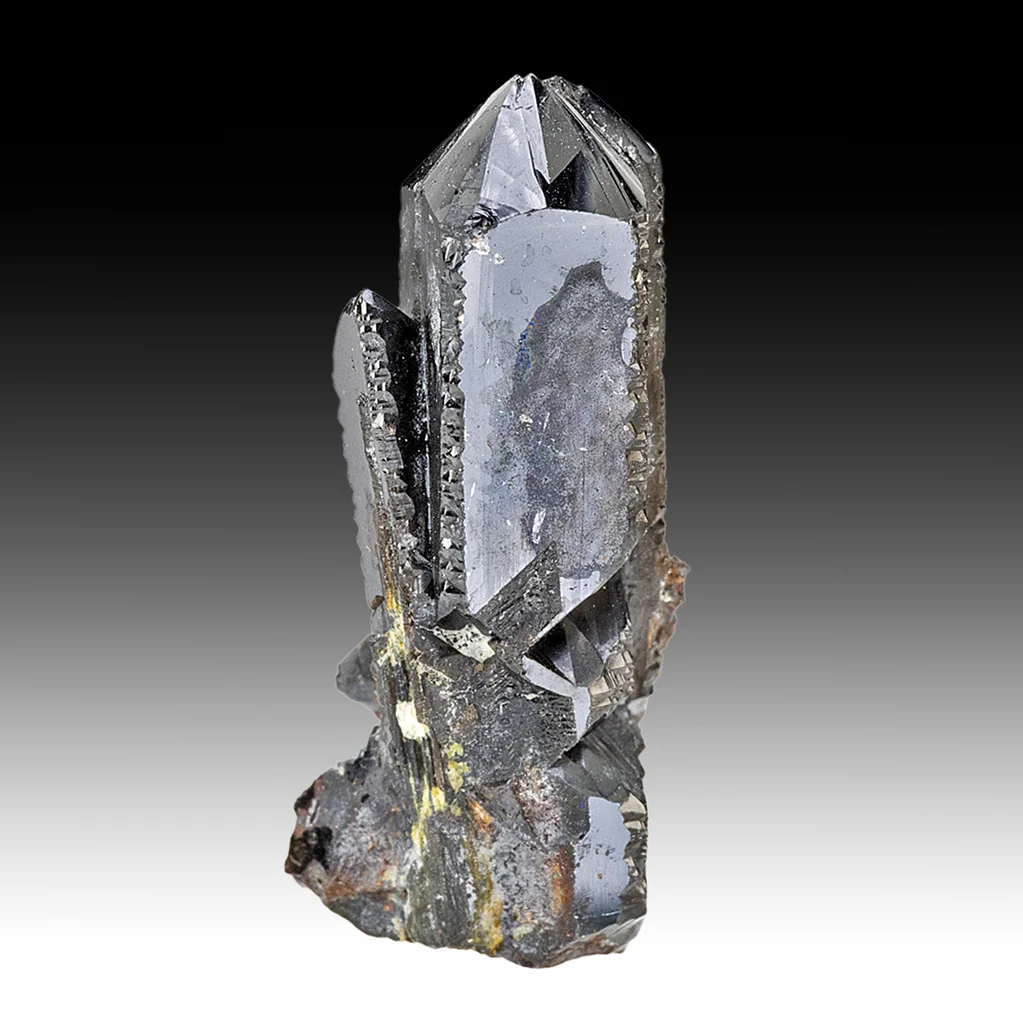
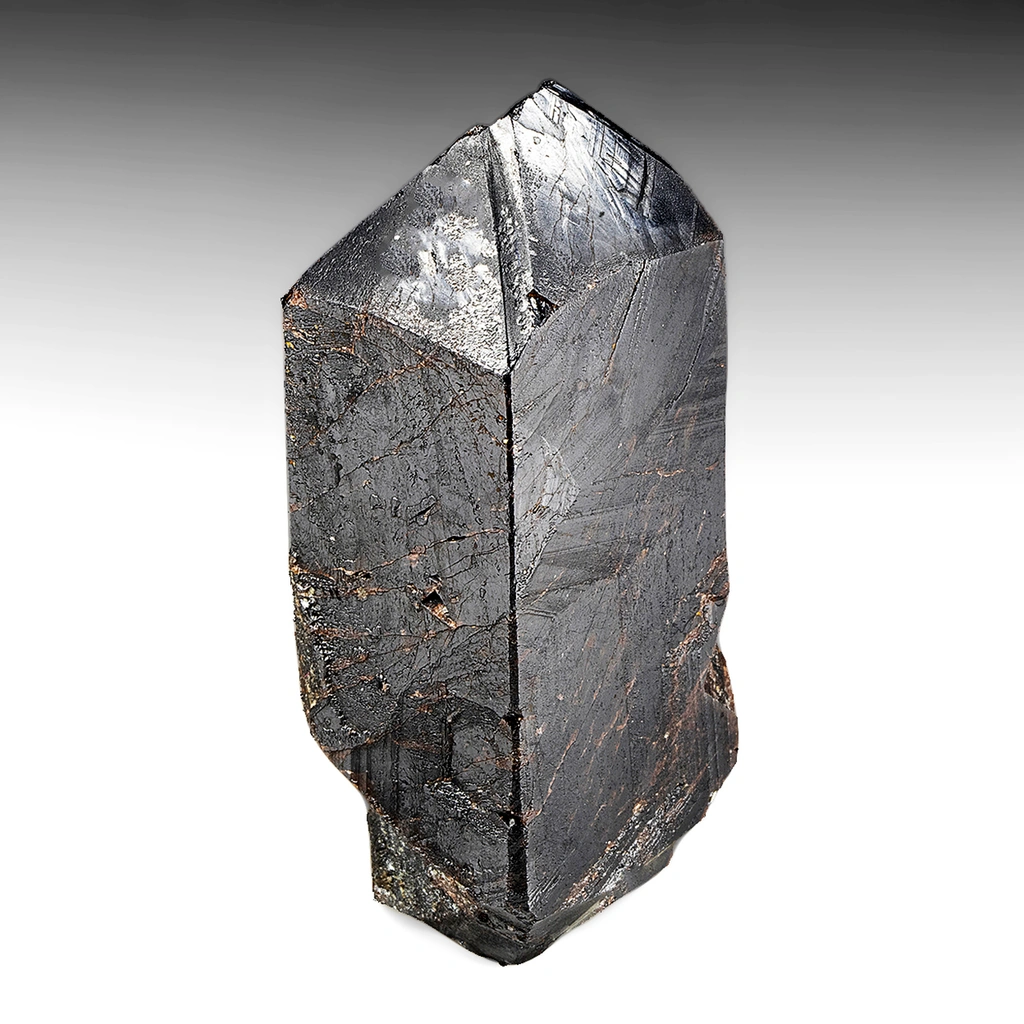
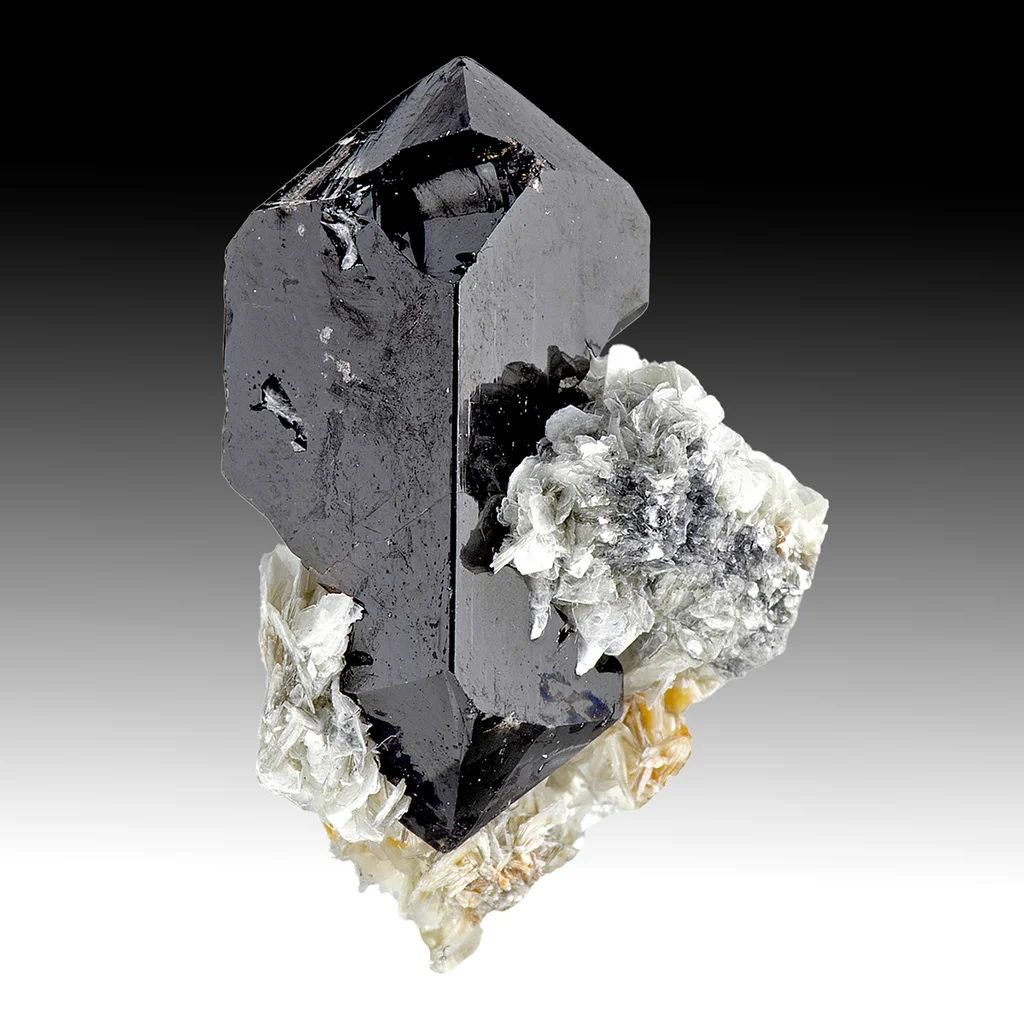
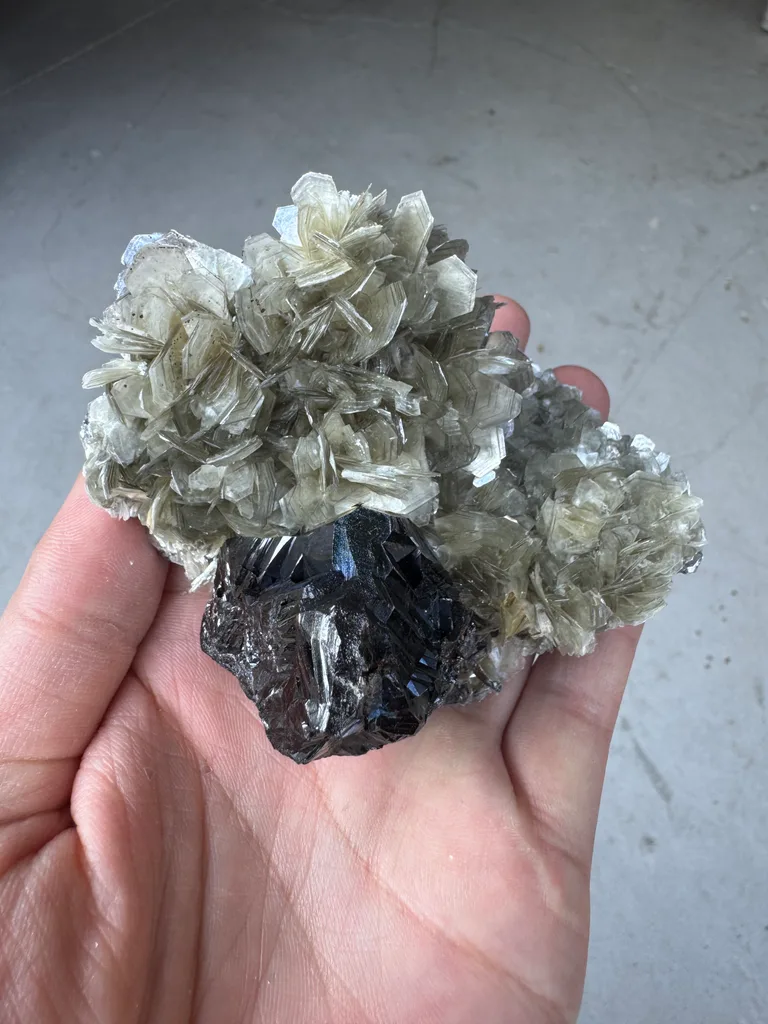
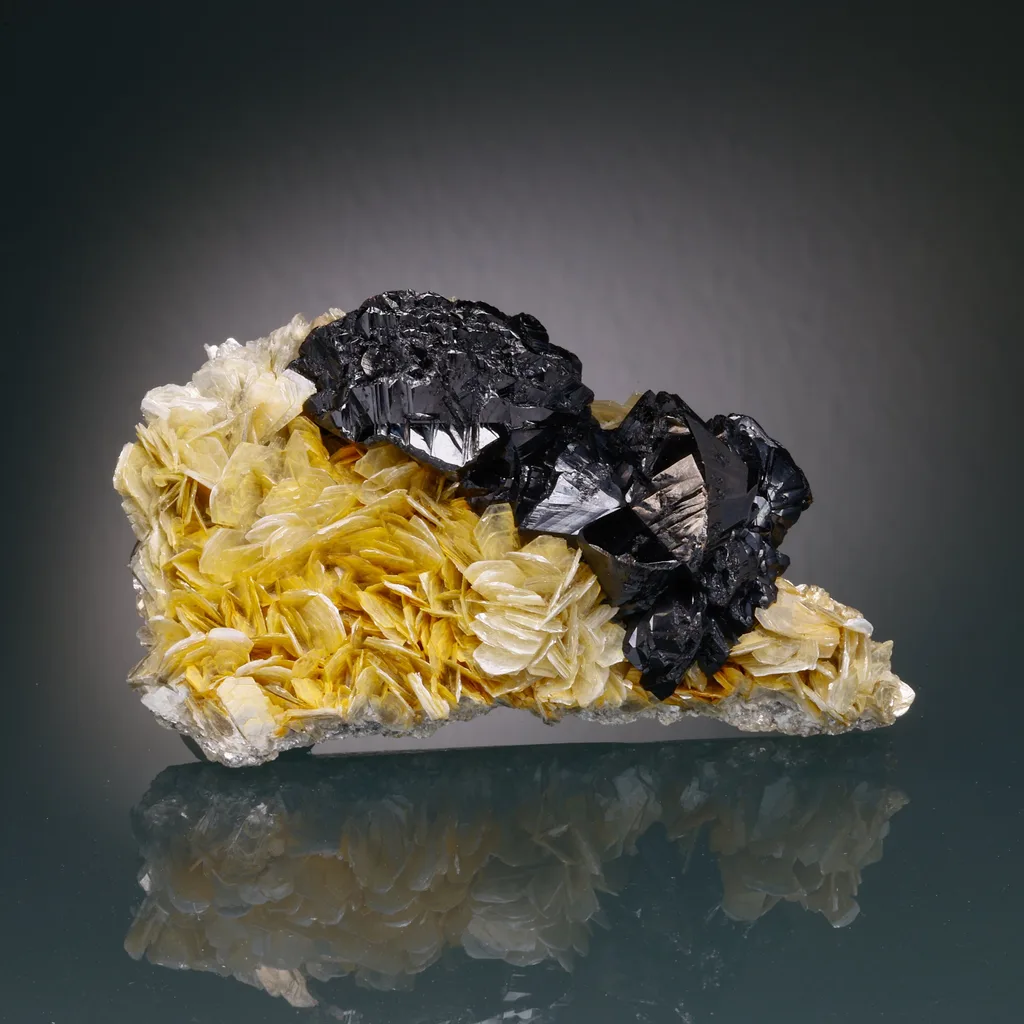
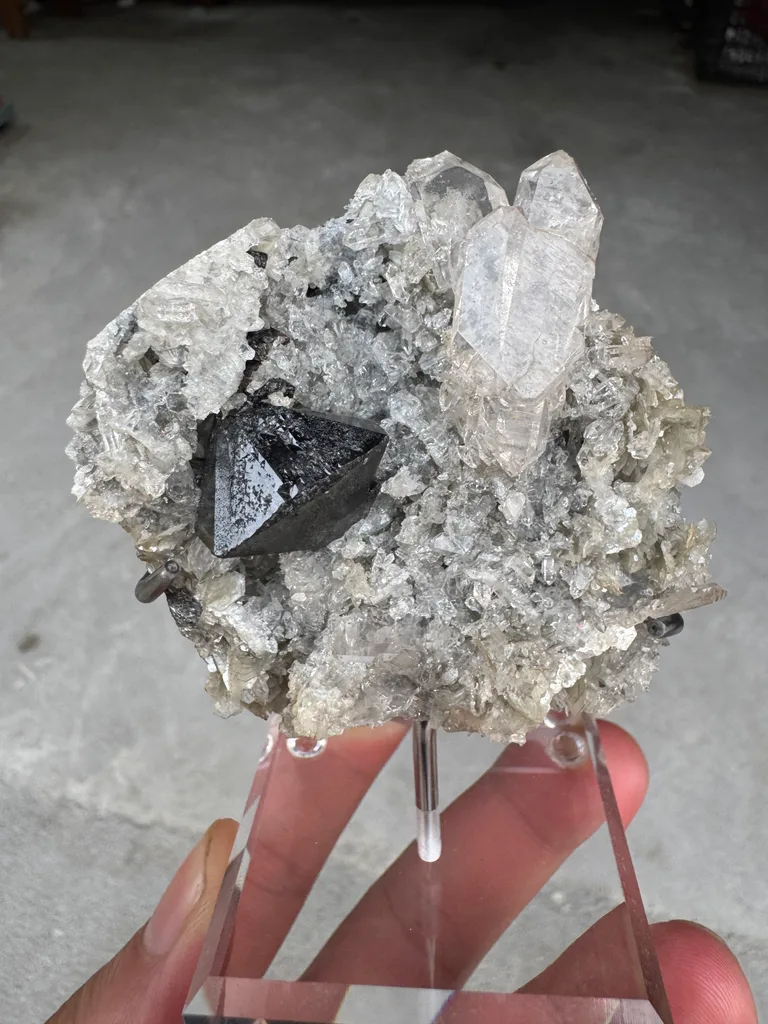
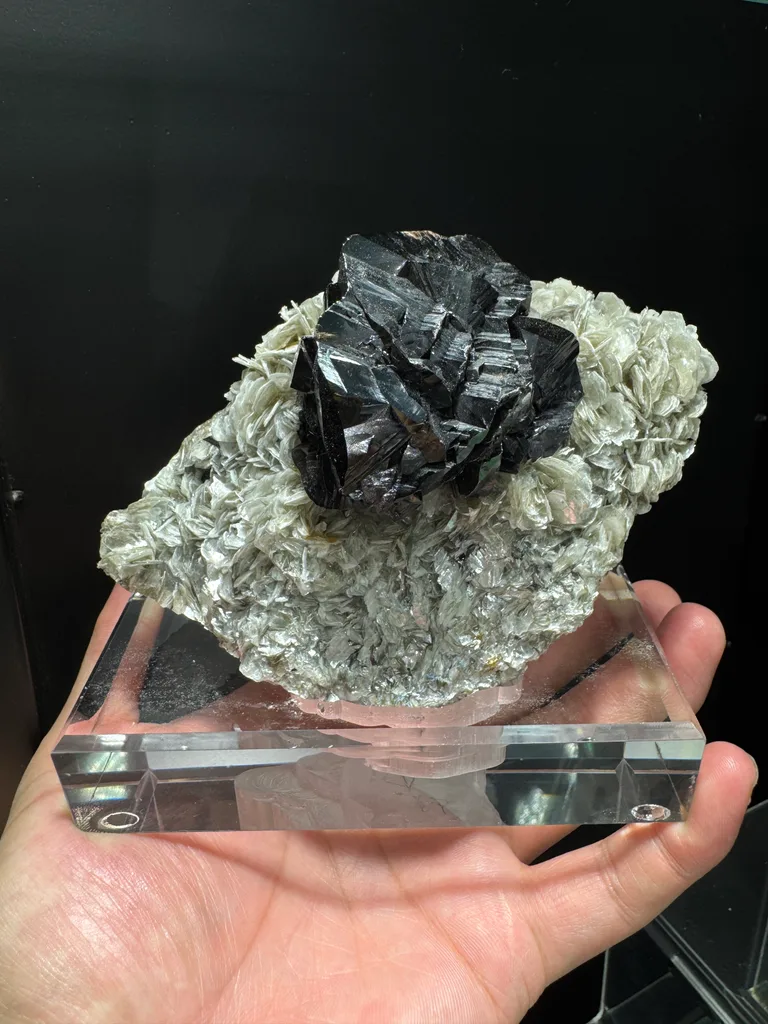
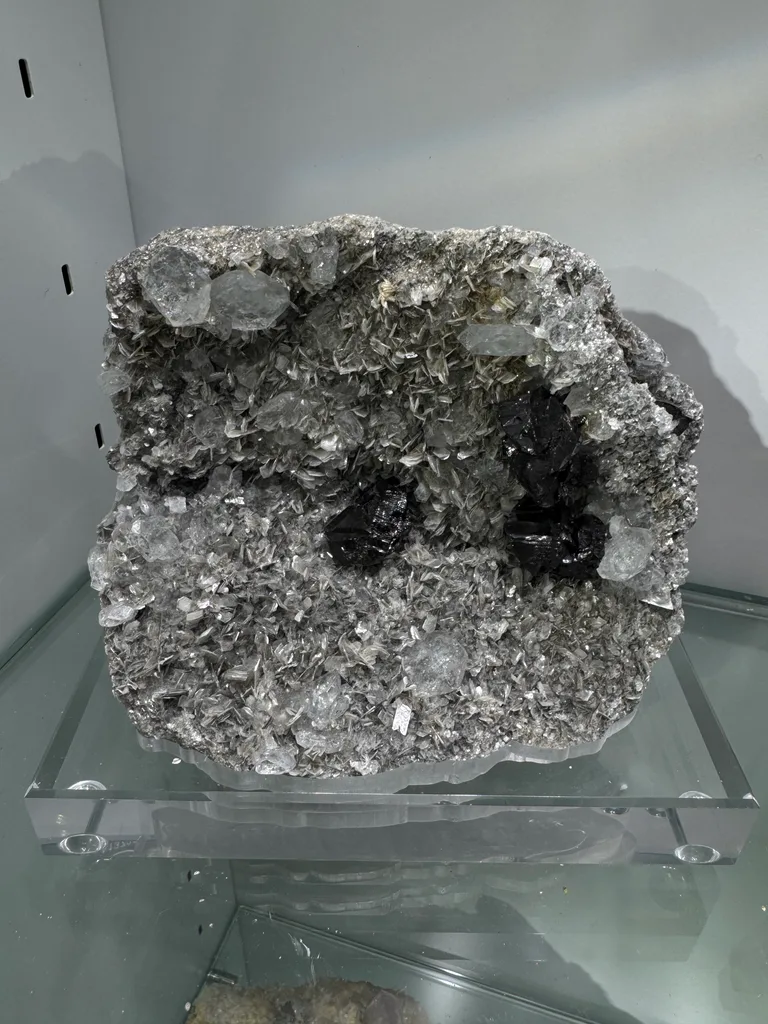
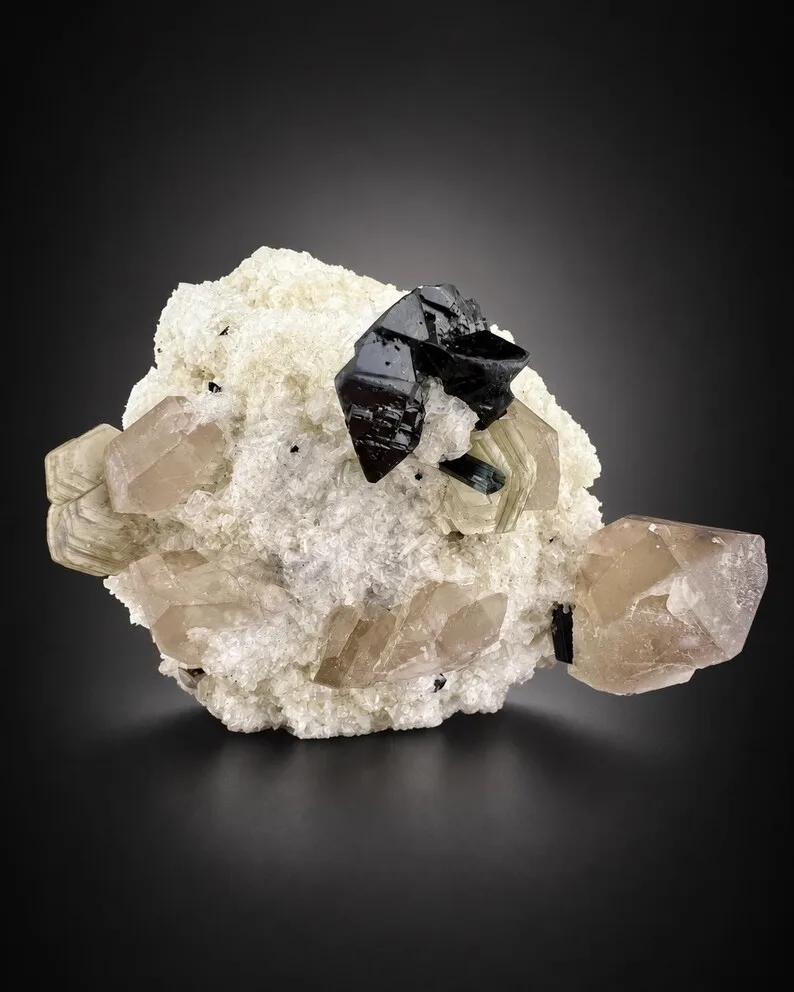
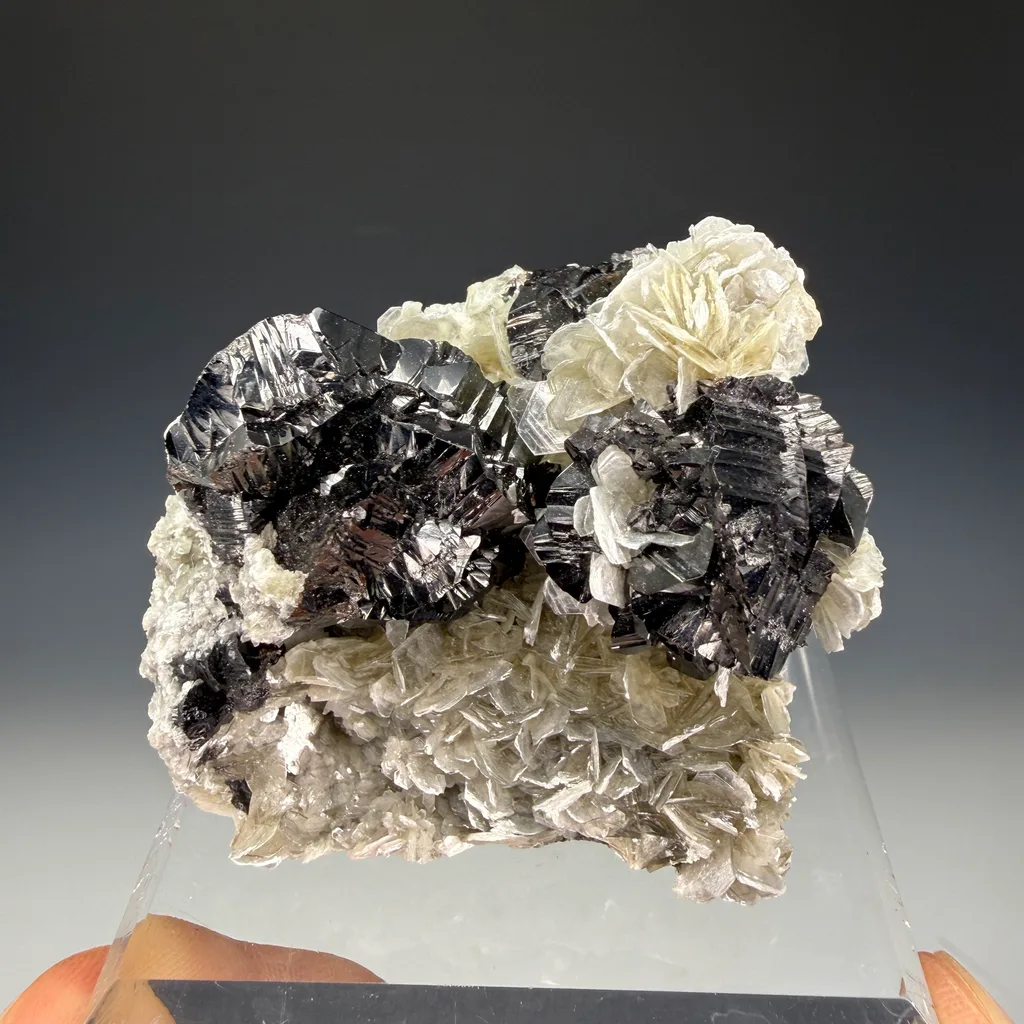
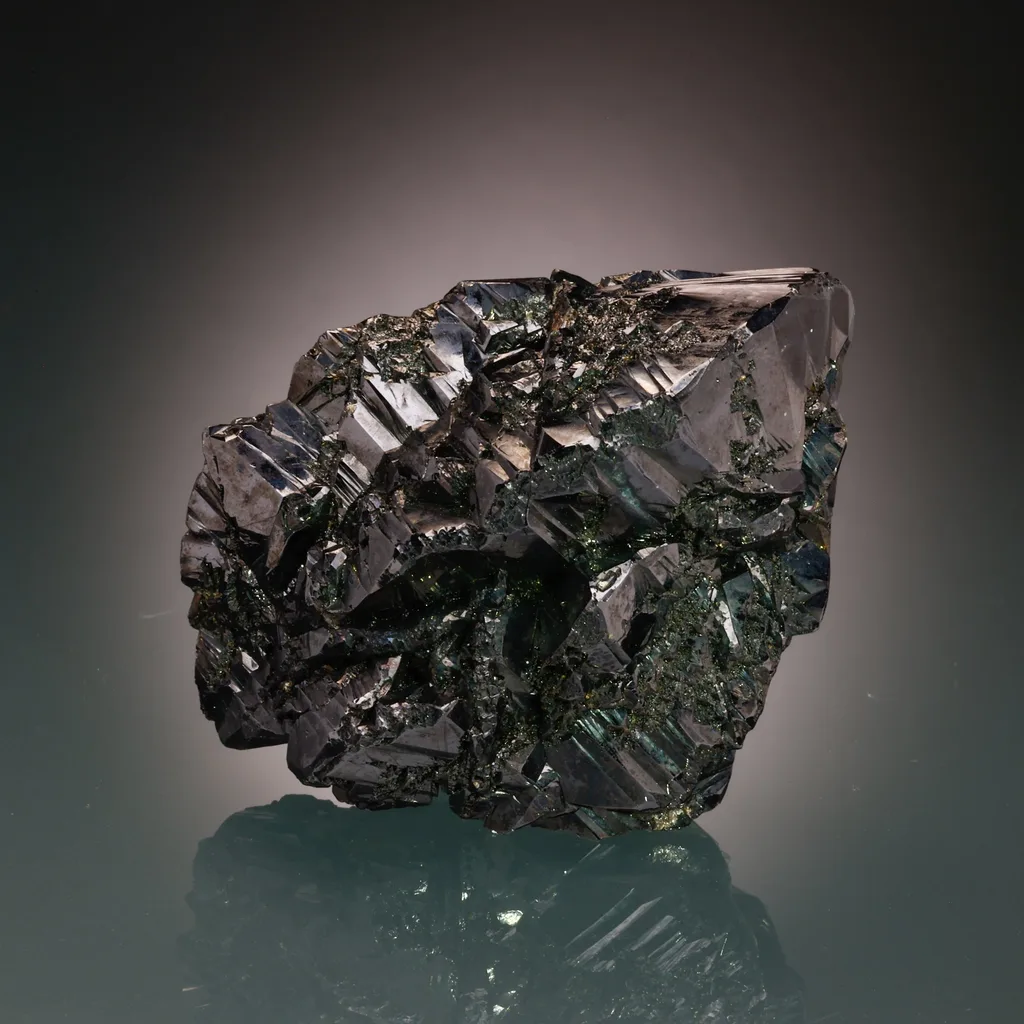
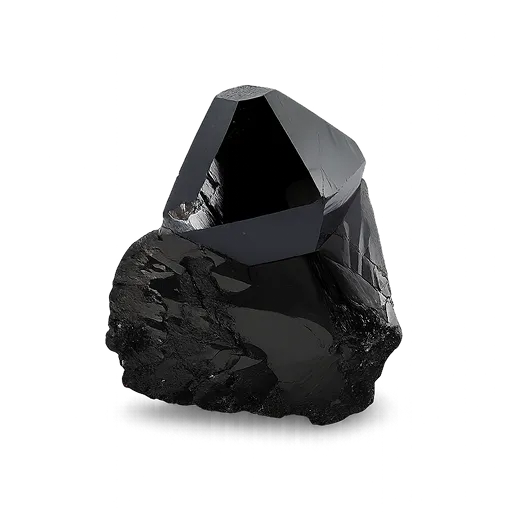
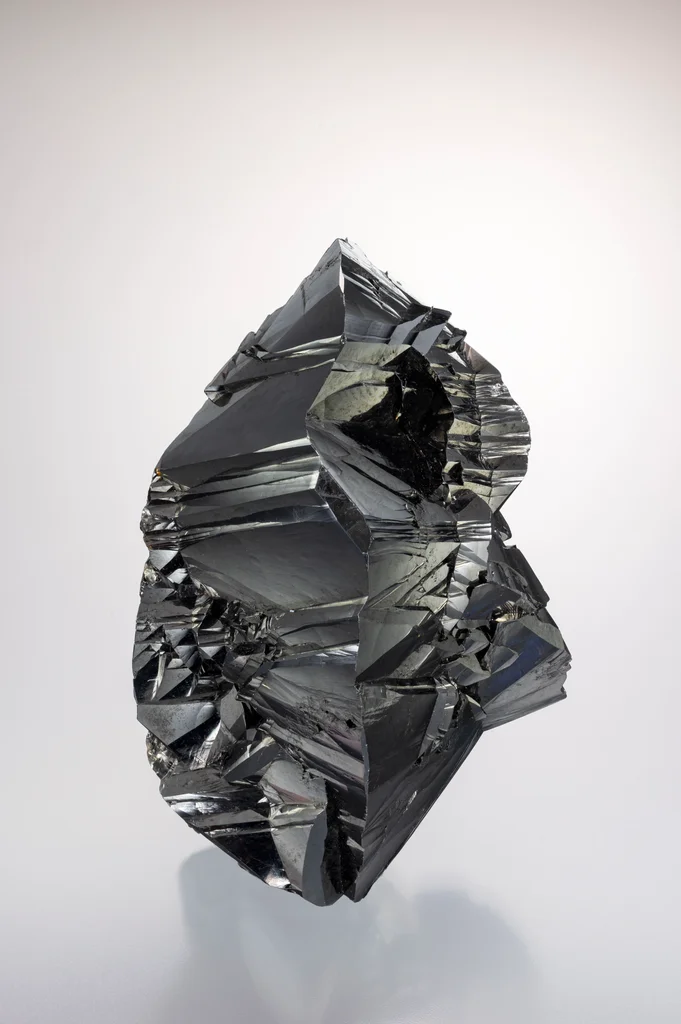
Cassiterite is a tin oxide mineral, SnO2, that typically forms dense, prismatic to tabular crystals with a strong, adamantine to resinous luster. The mineral commonly presents in dark brown to black tones, sometimes with reddish or orange hues when stained, and it can occur in heavy masses or well-formed crystals. It is a principal ore of tin and frequently associated with hydrothermal vein deposits, granitic pegmatites, and skarn environments, where it crystallizes in tight, concise habits that reflect its crystallographic symmetry. High-quality crystals from classic localities display sharp, well-defined faces and a vitreous to adamantine sheen that makes them highly prized by collectors.
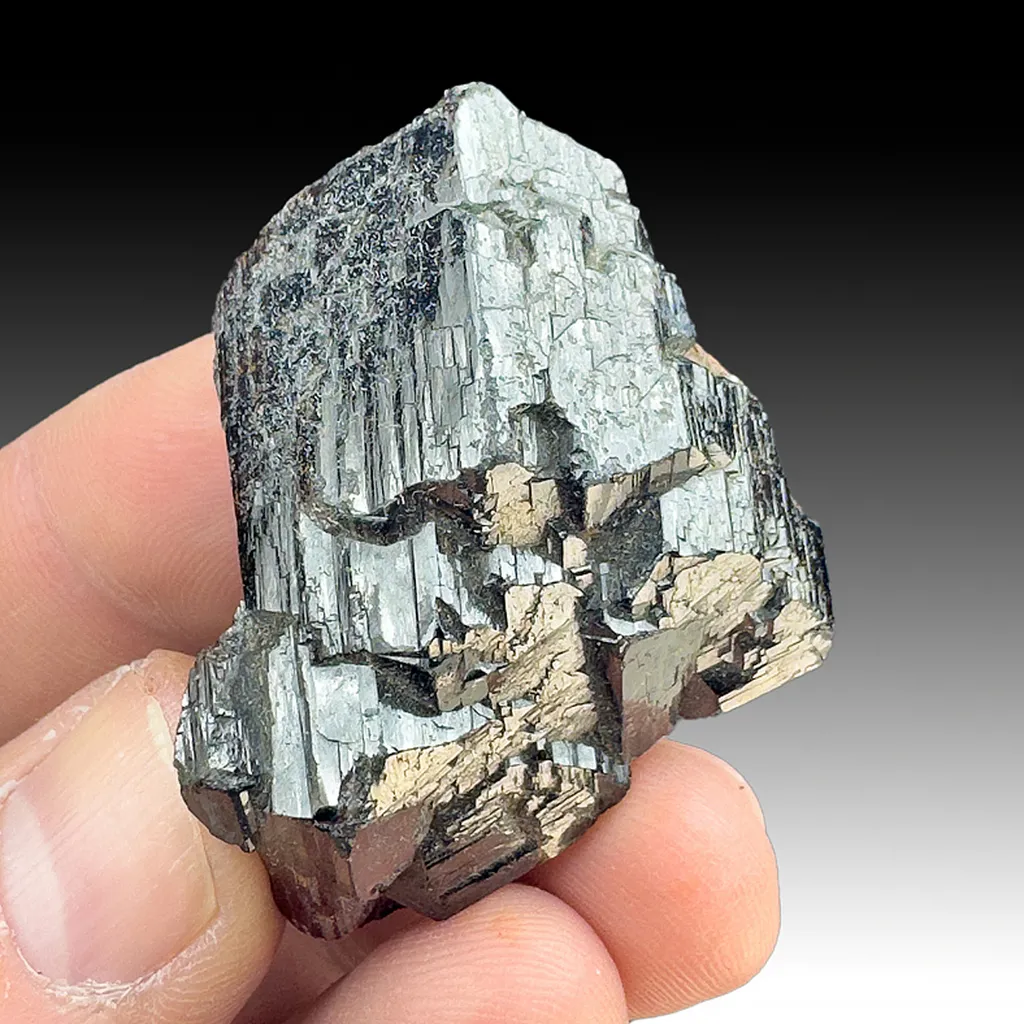
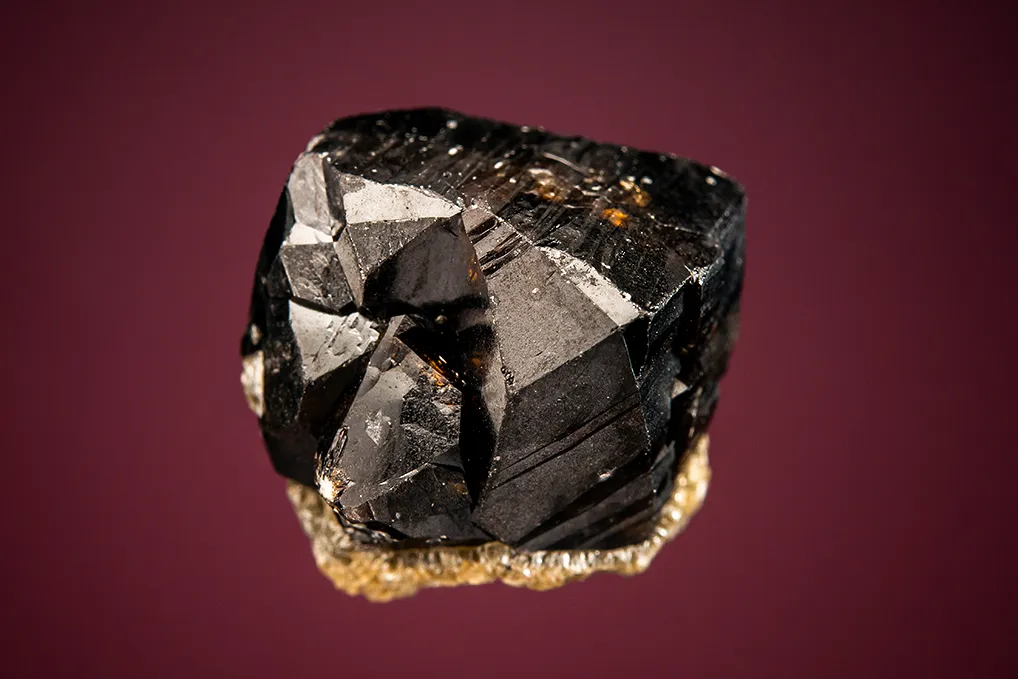
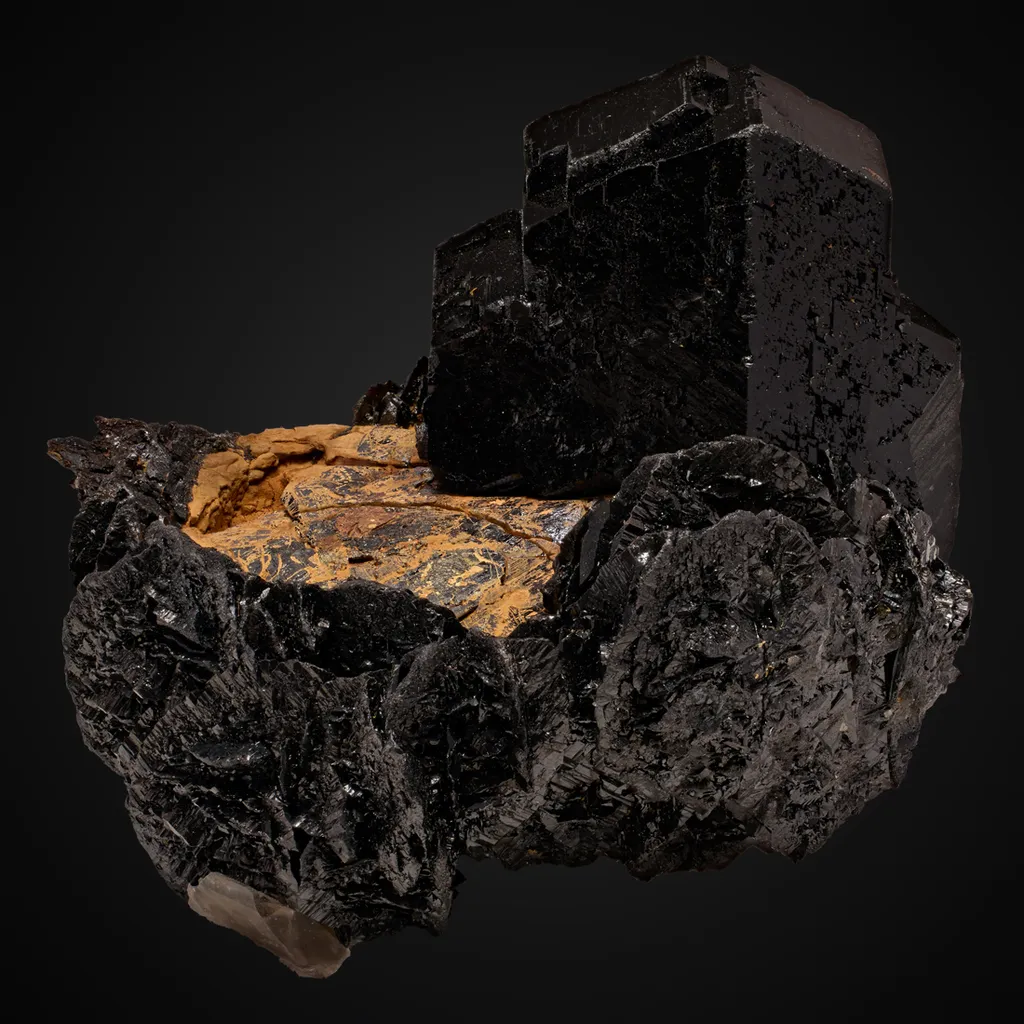
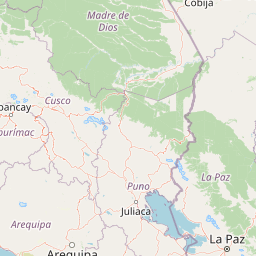
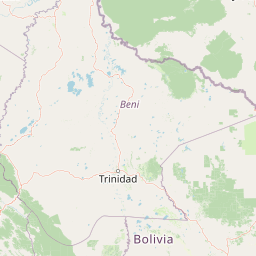
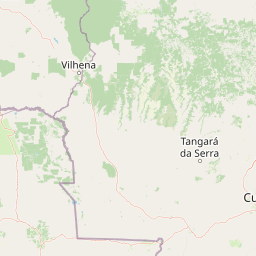
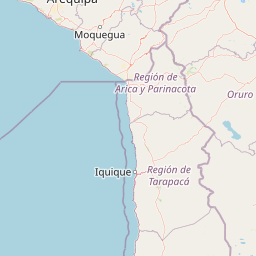
Notable specimens come from prolific tin-producing regions such as Bolivia, China, the UK, the Czech Republic, and Portugal. Classic pockets yield lustrous, dark prisms that can occur as single crystals or in compact aggregate clusters, often accompanied by minerals like wolframite, quartz, or manganite, which add contrast and context for locality geology. Collectors value Cassiterite for its color range, crystal form, and historical significance in the tin mining story. In hand, the weight and density of Cassiterite crystals convey a satisfying sense of solidity that complements its striking appearance.