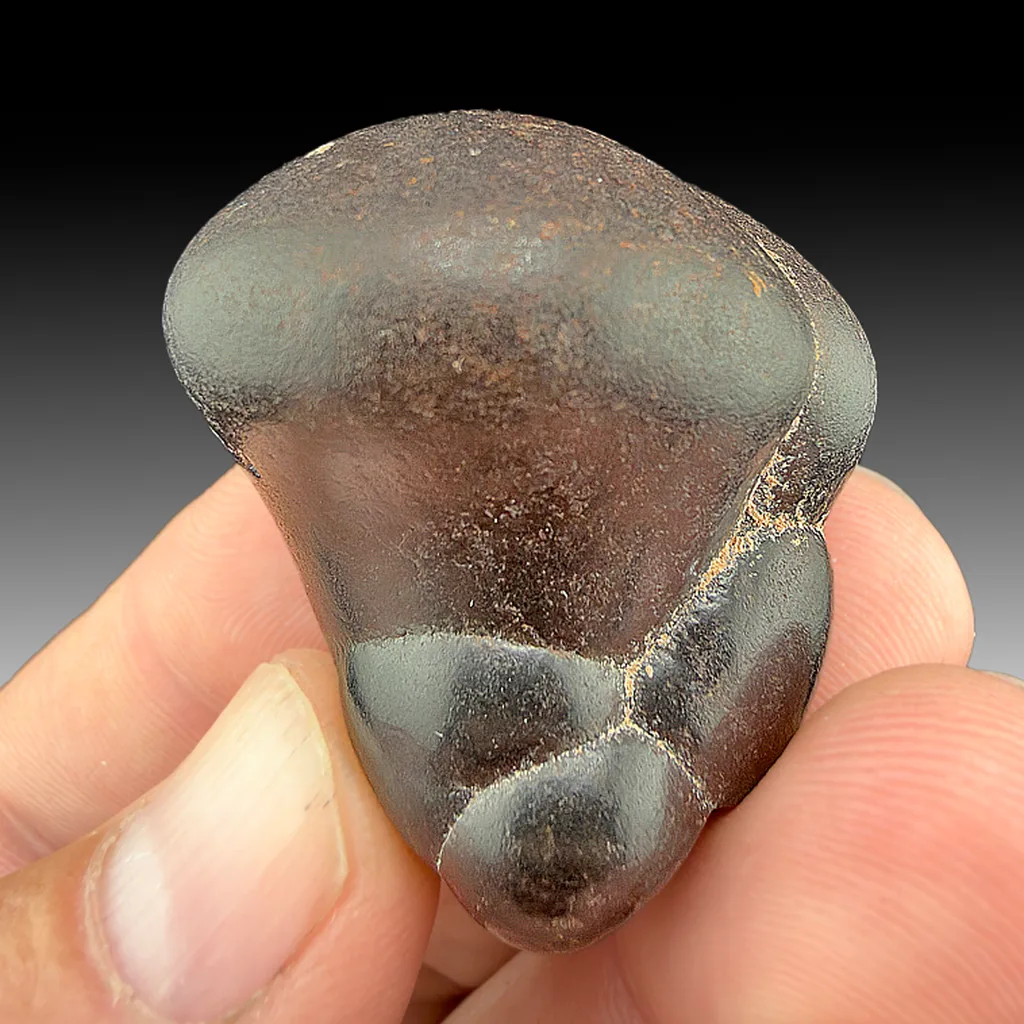
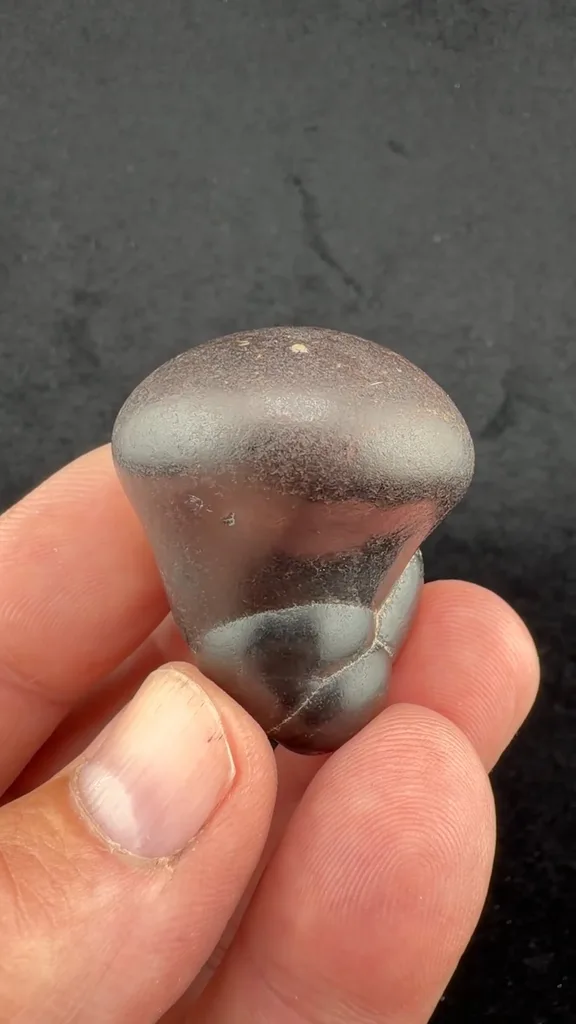
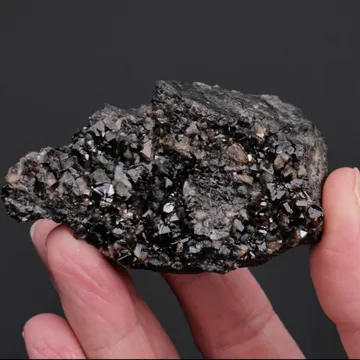
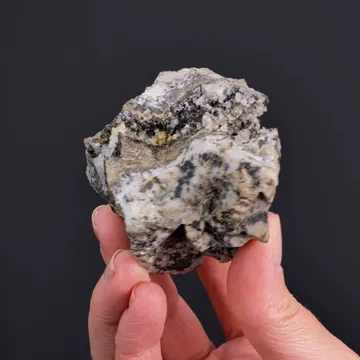
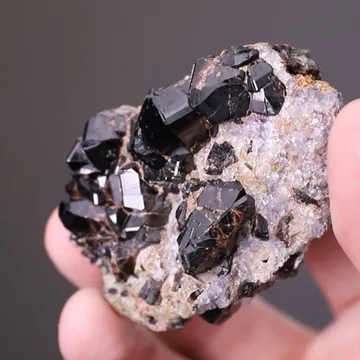
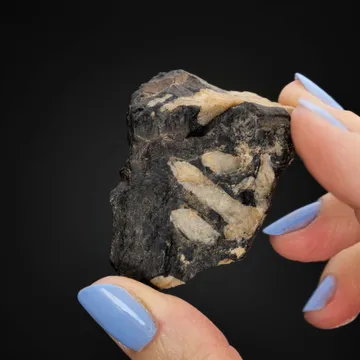
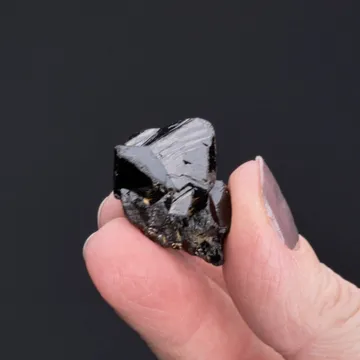
A very good example of what is often called wood tin, this a smooth rounded alluvial solid piece of cassiterite. The specimen comes with a previous label from the collection of Ray DeMark.Located in the volcanic regions of central Mexico, such as Durango and Zacatecas, wood tin is a distinctive botryoidal or reniform variety of cassiterite that formed in mid to late Cenozoic rhyolitic volcanic rocks through hydrothermal deposition at relatively low temperatures and pressures. Visually resembling wood grain due to its concentric, fibrous bandings of varying shades of brown, red, and yellow, this tin oxide mineral was historically extracted on a modest scale as a secondary tin ore from alluvial placers and small veins. Over time, Mexican wood tin transitioned from a simple industrial resource to a highly prized collector material, with mineral enthusiasts seeking out polished slabs and natural nodular specimens that highlight its striking, tree-ring-like radial structure.


 Ships from USA
Comments