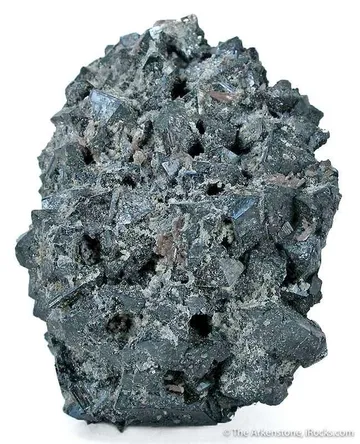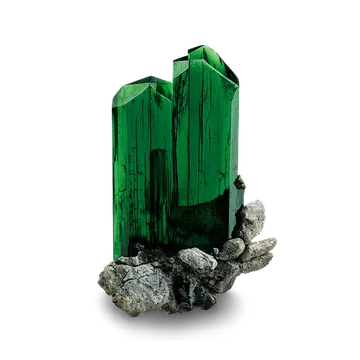
ボリビア・シグロ・ヴエイント鉱山産のビビアナイト - ブルーグリーンのビビアナイトと関連するボーキサイト科のリン酸塩で、コレクターに評価される有名なLlallagua地域の産地です。
Key facts
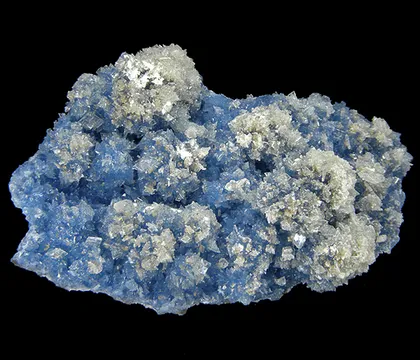
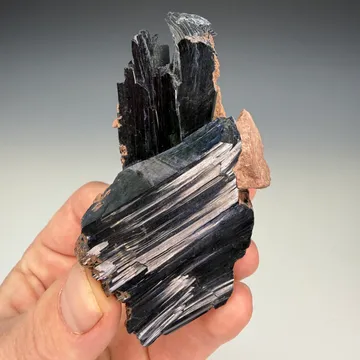
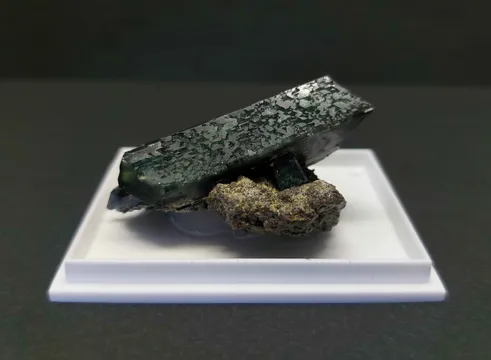
Siglo Veinte鉱山産のビビアナイトは、HuanuniやTomokoniの洗練された現代的な刃たちとは異なる個性を持つ、典型的なボリビアのリン酸塩です。最高のSiglo Veinteピースは、古い鉱山の荒々しいキャラクターを備えています:深いティールからエメラルグリーンのプリズムとブレード、通常は針状というよりはがっしりとした形状で、鉄染みのあるマトリクスに載り、時には淡いチルドナイトやパラヴァキサイトによって際立つこともあります。色は透過光でガラスのように生き生きとして見えることがありますが、多くの標本は何十年もコレクションに置かれてきたビビアナイトに典型的な落ち着いたサテンまたはマットな表面を示します。

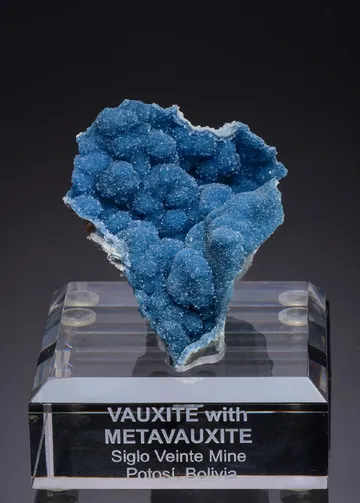
この鉱山の魅力はビビアナイトだけに限りません。 Llallaguaはアンデスの鉱物収集界の偉大な名の一つであり、世界クラスの錫鉱床として、標本セットにはカシテル石、 wavellite、フルオラパタイト、スタナサイト、ワーツ石、ジャパン・ロー法二重晶・石英、そして有名な「ヴァクサイトファミリー」リン酸塩が含まれています。リン酸塩の集合は特に重要で、ヴァクサイト、パラヴァクサイト、メタヴァクサイト、フェリヴァクサイト、 Sigloite はすべてこの locality に歴史的に結び付けられており、Siglo Veinte はそれらいくつかのタイプ鉱物のタイプローカリティです。ビビアナイトは同じく後期のリン酸塩の物語に属し、鉄分を含むリン酸塩を含む流体、風化した壁岩、開放割れ目がこのボリビアが生み出した最も特徴的な小型棚卸・ミニチュアリン酸塩標本のいくつかを作り出す環境で形成されます。
採集家にとって、Siglo Veinteのビビアナイトはローカリティ・ピースが第一で、ショー・ミネラルは第二です。最も入手価値の高い標本は、飽和した青緑からエメラルド色の色調、識別可能なプリズマティックまたはブレード状の形、完全な終端部、そして一目で「Llallagua」と分かる連携を持っています:チルドナイト、パラヴァクサイト、ヴァクサイト系リン酸塩、石英、シデライト、鉄酸化物、あるいは古いContacto脈の産地。単結晶は elegant であり得ますが、最も強力な例は文脈を持っています—ビビアナイトがリン酸塩豊富なマトリクスから浮かび上がるもので、匿名の緑の blade として浮かぶのではありません。
Search for specimens: View all vivianite specimens from Siglo Veinte Mine, Bolivia
Siglo Veinte Mine—also written Siglo XX, and historically associated with the Llallagua and Catavi names—is at Llallagua, Rafael Bustillo Province, Potosí Department, Bolivia. Mindat places the mine at 18° 25' 22" S, 66° 35' 32" W, only a short distance southwest of the Llallagua town center. Its principal commodities are tin, tungsten, and bismuth, but to mineral collectors its fame rests equally on the extraordinary late phosphate and sulfosalt assemblages recovered from a tin system of unusual richness.
The deposit is part of the Bolivian Tin Belt and is centered on the Salvadora stock, a shallow, strongly hydrothermally altered porphyry system intruded into Silurian–Devonian sedimentary and metasedimentary rocks. Published geologic work describes the system as a tin porphyry and hydrothermal vein deposit, with mineralization concentrated in and around a roughly 1.7 by 1.0 km stock. The altered intrusive rocks include rhyodacitic to dacitic porphyry, igneous breccias, and crosscutting dikes; alteration ranges from deep tourmalinization through quartz-sericite assemblages to chloritic and argillic zones outward. Cassiterite mineralization occurs both disseminated and in veins and breccia fillings, while the hydrous iron-aluminum phosphates, including the vauxite family and vivianite, belong to later, lower-temperature stages in open fractures and vein environments.
The mine’s name means “Twentieth Century,” a reference to the beginning of serious tin mining around 1901. It was later acquired by Simón Iturri Patiño, the Bolivian tin magnate often called the “King of Tin.” After the 1952 Bolivian National Revolution, Siglo Veinte and related mines were nationalized under COMIBOL, and the Catavi–Siglo XX complex became one of the central pillars of the state mining system. Large-scale state production ended in 1987 during Bolivia’s economic restructuring; subsequent work has been carried out by cooperative miners working independently or in small groups.
For mineral collecting, that history matters. Many of the finest vivianites and associated phosphates are old-time specimens from the high-production decades of the mine, and pieces with reliable older labels command special respect. The Contacto vein is particularly important in the collecting literature for phosphate specimens, especially paravauxite and sigloite, and dealer records also place some fine vivianite specimens specifically from that vein. Collecting access today is not comparable to a classic open collecting locality: this is an active and historically hazardous mining area, and any underground or dump work requires local authorization and practical mine-safety knowledge.鉱山の顕著な発見はキャビネットミネラルに留まらない。ラジャラガはリン酸塩鉱物学と地球年代学の重要な科学材料を生み出しており、研究されたビビアンサイト、熱水性モナザイト、フルオロアパタイト、ゼノタイム、ガスサイト族鉱物、そしてスベイン鉱帯の脈状集合体を含む。コレクターにとって、シグロ・ベインテのビビアンサイトは単なる色彩豊かな鉄リン酸塩以上のものであり、中央アンデスのスズ-リン酸系の基準となる標本の手持ち標本である。## Siglo Veinte Mine, Bolivia からの vivianite の特徴
Siglo Veinte の vivianite は、結晶がプリズマティックから剣状の単斜晶系であることが最もよく知られており、通常は小さな sprayed、平行群、または基質上に剣のような結晶として孤立して見られます。 公開された産地データは結晶の長さを 10 cm まで記録しますが、市場で見られるほとんどのコレクター向け標本ははるかに小さく、サムネイルやミニチュアは約 1–5 cm の結晶がより一般的で、数個の結晶を含む小型キャビネット標本やより大きな blade を1つ含むものは少ないです。既知標本の販売者の説明には、3.3 cm のつめ、4.7 cm の単独の「剣」結晶、6.8 cm の基質片、約 7 cm 四方の小型キャビネットの関連標本が含まれます。
色はこの産地の特徴のひとつです。良好な結晶はティールブルーやブルーグリーンから深いエメラルドグリーンまでの範囲です。内部は宝石のように透明でも、表面は光沢が少ない場合があり、背面照明時に暗い窓付きの外観を示します。ほかには半光沢またはマットで、特に古い標本は自然または収集による表面変化を経ていることがあります。 Vivianite は酸化と光 exposure により暗くなるため、最も濃い色が必ずしも最も明るいDisplay色とは限らず、非常に暗い結晶が以前はもっと薄く透明だったこともあります。
最も特徴的な組み合わせは、childenite、paravauxite、vauxite、metavauxite、sigloite、wavellite または fluorwavellite、石英、鉄の炭酸塩、黄鉄鉱、鉄酸化物などです。Childrenite と paravauxite の組み合わせは特に高く評価され、標本を Llallagua のリン酸塩群にしっかりと位置づけます。 鮮やかなティール色の vivianite blade が、輝く淡い子石の覆層と組み合わさった組み合わせは、Siglo Veinte の中でも最も診断的で魅力的なものの一つです。淡い緑色の paravauxite を伴う vivianite は珍しく、特に古いラベルや Contacto 輪の産地が確認できる場合にはより望ましいとされています。
品質の序列はかなり明確です。上位には先が鋭く、完全で、強い色を持ち、先端が欠けておらず、透明性を示し、意味のあるリン酸塩の関連を持つ結晶が並びます。 鋭く美しいエメラルドグリーンの「剣」1本でも、損傷がなく十分に文書化されていれば素晴らしい標本となり得ます。基質標本は、基質が childenite、paravauxite、またはその他の Siglo Veinte のリン酸塩を recognizable として含む場合、一般に結晶だけの標本より好まれます。 lesser pieces は、暗く、不透明で、打ち身のように見えたり、割れたり、あるいは茶色いリモナイト基質と視覚的に紛らわしくなる傾向があります。
この産地の物質は、鏡面の光沢を備えた美しい黄鉄鉱やカシテライトのような価値は通常は高く評価されません。 それは結晶の形、飽和した青緑色、組み合わせの希少性、出自、そして Llallagua のリン酸塩環境の明確な存在感のために評価されます。## Collector Notes
Siglo Veinte vivianite is a classic but not a common market mineral. Old specimens appear periodically through specialist dealers, auctions, and dispersed collections, often described as old-time material from the 1940s through 1970s or as pieces from older Bolivian collections. Recent online dealer records show numerous examples sold rather than sitting in stock, including single crystals, matrix miniatures, and vivianite with childrenite or paravauxite. When available, prices vary strongly with size, sharpness, association, and provenance; fine miniatures and small-cabinet examples can move quickly because serious phosphate collectors, Bolivian-suite collectors, and vivianite specialists all compete for the same limited pool.
Condition is the central issue. Vivianite has perfect cleavage, low hardness, and a strong tendency to darken when exposed to light. Old Siglo Veinte crystals may show edge bruising, repaired tips, cleavage cracks, or dulled faces. Inspect terminations carefully, especially on sword-like crystals where the tip is visually important. Look also for old glue along the base of matrix-mounted crystals, because vivianite blades can detach cleanly along cleavage or from friable limonitic matrix.
Light management is essential. Display under low-intensity, short-duration lighting only, and avoid direct sun or prolonged case lighting. The safest long-term storage is in darkness, with occasional viewing rather than permanent illumination. A specimen that is already dark and opaque may still be collectible, but transparency and internal green color are part of the value, so unnecessary light exposure is a real loss.
No widely cited, locality-specific treatment scandal is associated with Siglo Veinte vivianite in the standard mineralogical sources. The more realistic authenticity concerns are labeling and attribution. Bolivian vivianite also comes from Huanuni, Tomokoni, Morococala, and other districts, and loose green vivianite blades can be difficult to place without matrix or provenance. Siglo Veinte pieces with childrenite, paravauxite, vauxite-family minerals, old Llallagua labels, or a traceable dealer or collection history are stronger purchases than isolated unlabeled crystals.
Be wary of overly broad labels such as “Bolivia” upgraded to “Siglo XX” without evidence. A credible label should include Siglo XX or Siglo Veinte, Llallagua, Potosí, and ideally the older Catavi/Llallagua wording if it came from an old collection. Contacto vein attribution is valuable, but it should be treated as a provenance claim, not assumed from appearance alone.## Stories & Field Notes
シグロ・ベインテの鉱物物語はスズから始まるが、その収集の伝説は、巨大な鉱床系の割れ目に現れた奇妙な後期リン酸塩に焦点を当てている。サミュエル・G・ゴードンは1920年代初頭にリャジャファでボックスサイトとパラボックスサイトを記述し、鉱山が世界の象徴的なスズ生産地の一つとなりつつあった時期に、ローカリティを科学文献に確固たるものとした。その後、マーク・チェンス・バンディはパティーニョ系のボリビアで活動し、リャジャファで上級技術職を務めた。地質学責任者、主任技術者、シグロXX鉱山の総支配人などの職を歴任し、彼の収集と記録がリャジャファの標本に長き科学的アイデンティティを与えるのに寄与した。後の博物館活動では、バンディ・コレクションはリャジャファのリン酸塩を強く表現しているとして注目されている:クリオセライト、クランドライト、フルオアパサイト、メタボックスサイト、モナジン、パラボックスサイト、シグロサイト、ボックスサイト、ビビアナイト、ワベライトなど。
収集家にとって最も感情を喚起する名の一つがコンタクト条(Contácto)脈だ。ディーラーや収集録はこの脈を重要なリン酸塩標本に結びつけることが多く、特にパラボックスサイトとシグロサイトが挙げられ、コンタクト脈の材料から美しいビビアナイトの単晶も記録されている。最良の記述は、リン酸塩の舞台のミニ地図のように読める。深いエメラルド色のビビアナイト、淡い緑のパラボックスサイト、タン色のシグロサイト、クリオセライトの外皮、鉄染みのワベライトの針が、同じ断裂面を共有している。これらは単なる美しい結びつきではなく、密接に関連する水和リン酸塩が結晶化し、変性し、同じ開放空間の中で互いを覆い尽くした「遅い段階の化学環境」を視覚的に表現している。
人類の歴史はより暗い。1967年6月24日の早朝、サン・フアンの夜の伝統行事の最中、シグロXX–カタビ鉱山キャンプに対して部隊が動いた。ビクトル・モントーヤの記述は、祭りの一部として家族が焚き火、花火、食物、飲み物、ダイナマイトを祝っていたが、夜の覆いの下でレンジャー隊とカマーチョ隊の部隊がキャンプを取り囲んでいたことに気づいていなかったと述べる。死者約20名、負傷者約70名と記している。この事件はサン・ファン大虐殺として知られるようになり、後にホルヘ・サンヒネスの1971年の映画『El coraje del pueblo』(邦題:民の勇気)— survivorsの参加を得た再構成作品の基礎となった。
その歴史は、シグロ・ベインテ標本に、多くの古典的地方に見られるものにはない情感的な重みを与えている。リャジャファのビビアナイトは鉱物標本としての価値を持つが、それは科学、労働史、 nationalization(国有化)、国家スズ採掘の崩壊、および協同組合の生存が交差する地点に名を刻んだ鉱山町の名残でもある。最良の古いラベルは、その世界の小さな文書である。## 鉱物学的記録と刊行物- Mindat: Siglo Veinte Mine, Llallagua, Rafael Bustillo Province, Potosí, Bolivia でのヴィビアナイトの産地ページ — 写真データと参照を含む、産地におけるヴィビアナイトの出現ページ。
Mindat: Siglo Veinte Mine 産地ページ — 座標、別名、鉱物リスト、商品リスト、参照を含む、コア産地記録。
Rodgers, K. A., Kobe, H. W., and Childs, C. W. (1993). “Catavi, Llallagua Bolivia からのヴィビアナイトの特徴づけ.” Mineralogy and Petrology 47, 193–208 — Mg、Zn、Mnをわずかに含むほぼ理想的なヴィビアナイト組成を示し、分光法、単位胞、および熱データを報告する分析研究。
Petrov, Alfredo, and Hyrsl, Jaroslav (2006). “有名鉱物産地: Llallagua, Bolivia.” The Mineralogical Record 37(2), 117–162 — LlallaguaとSiglo Veinteの主要な現代コレクション・産地記事。
Mineralogical Record digital back issue, March–April 2006: Llallagua — PetrovとHyrslのLlallagua記事を含む号の購入ページ。
Betkowski, W. B., Rakovan, J., and Harlov, D. E. (2017). “Geochemical and textural characterization of phosphate accessory phases in the vein assemblage and metasomatically altered Llallagua tin porphyry.” Mineralogy and Petrology 111, 1–22 — 変質した偽ボーサイト系および熱水脈系におけるフルオロアパタイト、モナジン、ゼノタイムの研究。
Betkowski, W. B., Rakovan, J., and Harlov, D. E. (2022). “Geochronological characterization of Llallagua altered porphyry and hydrothermal vein assemblages from selected phosphate minerals and zircon.” Lithos — Llallaguaの錫パーロファリー系システムの年齢と進化を扱う地球年代学論文。
RRUFF Database: Vivianite R040185 — アリゾナ大学鉱物博物館所蔵のSiglo XX Mine のヴィビアナイトのRRUFF分析記録。X線回折と化学分析で確認。
Cook, R. B., and Pohwat, P. (2003). “Llallagua, Bolivia: Mineral associations and habits exhibited by micromounts in the collection of the National Museum of Natural History.” — シュミットソン機関の天然標本展示とコレクター・科学者の歴史を要約したLlallaguaのMicromount集合の概要。
[Wikimedia Commons: Vivianite-Childreni]te-117967.jpg](https://commons.wikimedia.org/wiki/File:Vivianite-Childrenite-117967.jpg) — Siglo Veinte鉱山産のクリソジェナイトを含むビビアナイトの、4.7 x 2.5 x 2.0 cmのライセンス写真。撮影者はRob Lavinsky。## Videos & Media
Un Día Cualquiera en Siglo XX — Siglo XX鉱山参考記録からリンクされた動画。鉱山キャンプの視覚的・文化的文脈には有用だが、鉱物識別には適さない。
Time Out: El Coraje del Pueblo / The Courage of the People — ボリビアの錫鉱夫1967年虐殺の復元をジャルヘ・サンヒネスが survivor の参加とともに制作した1971年の映画の参考資料。