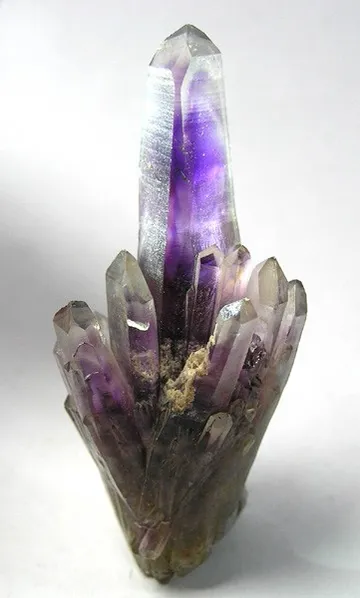
バトポリャス州チワワ州メキシコ — ワイヤー、ヒリングボーン状の樹枝状結晶、そして鋭い方解石で有名な象徴的な天然銀鉱区で、コレクターに人気のある地域です。
Key facts
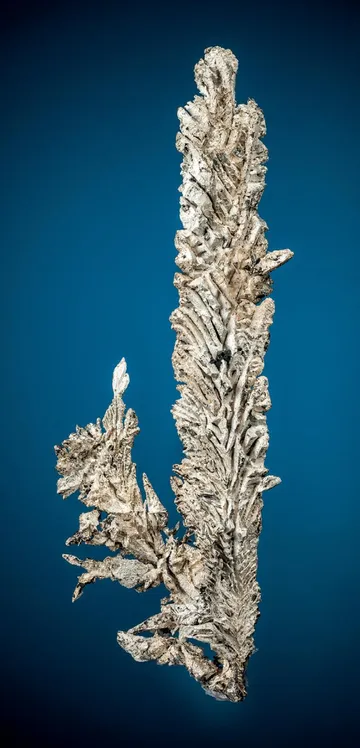
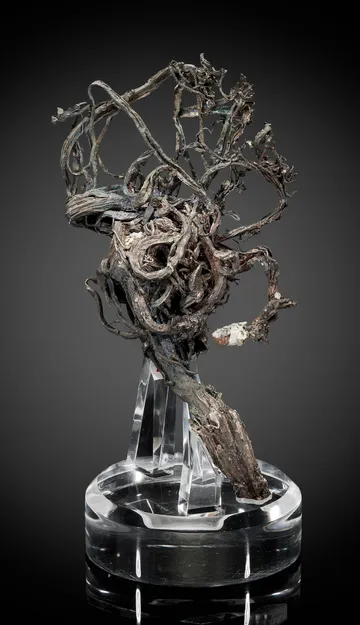
バトピリャスは鉱物収集の分野で名高い天然銀の名所の一つです:渓谷地帯で、銀は単なる硫化物中の微小な含有物としてだけでなく、はっきりと銀自身として現れました—ワイヤー、魚骨状の葉、ネイル、結晶的樹枝状、プレート、ロープ、そして白〜生成り色の方解石に閉じ込められた重い塊として。最高の標本は一目で見分けがつきます:黒ずんだパティネをまとい、スピネル・ツイニングの銀の「羽毛」が方解石から立ち上がるようなブロンズ黒のシダのような葉、あるいはエッチングされた炭酸塩マトリックスを貫く金属線の密集ネットワーク。

写真: Wikimedia Commons / Rob Lavinsky, iRocks.com
この鉱区はシエラ・マドレ・Occidentalの深く刻まれたバランカ地帯、南西チワワ州のリオ・バトピリャス沿いに位置します。その銀は主に方解石-天然銀の含有脈に宿っており、鉱物の特徴が、メキシコのより馴染みのある石英を豊富に含むエピサーマル銀脈とは大きく異なります。収集界では、バトピリャスはコングスベルグ、コバルト、銀島、ポート・ラディウム、そしてエルツゲビルグと並ぶ「五元素スタイルの天然銀」鉱区として位置づけられます—金属銀、砒素鉱物、コバルト-ニッケルの砒礫鉱、さらには炭酸塩の脈が鉱 oreの性質を定義します。北部の多くの鉱区と視覚的に異なるのは、際立つ白い方解石と扁平化したヘリンボーン状、樹枝状の銀の成長が強調されている点です。
歴史的には、バトピリャスは周辺の好奇心ではなく副産物の富を生む地区でした。生産量の推定は初期の記録が不完全なため変動しますが、真剣な地質学・歴史的分析では総銀生産量が数億オンスに達することが一般的に挙げられます。最も重要な鉱物は天然銀であり、古い鉱山は薄い方解石層を追って開かれ、驚くべきポケットへと至りました。コレクターにとって、その歴史は重要です。バトピリャスを有名にした天然銀のほとんどは bullion(塊銀)として採掘され、保存されたものではなかったからです。優れた標本は、通常は炉やスタンプミル、パティオ、あるいは荷車の列へと送られた自然銀の名所の surviving witness です。
コレクターが特に重視する三つの要素は次の通りです:間違いなくバトピリャス的形態、元々の方解石との結びつき、そして信頼できる産地表示。最も望ましい標本は、自然な褐色・灰色・黒色の錆を伴うシャープなスピネル・ツイニングの「ヘリンボーン」または羽毛状の銀結晶が方解石との対比で美しく、突き出たワイヤーの破断が最小限であるものです。 方解石から銀が出現するマトリックス片、特に1970年代後半から1980年代初頭のニュー・ネバダ鉱山標本は、現代のクラシックの多くをコレクションへと導入した時期として特に評価されます。## 特集標本
Search for specimens: View all silver specimens from Batopilas, Chihuahua, Mexico
Batopilas is the principal town of the Andrés del Río mining district in Batopilas Municipality, Chihuahua. It sits low in the canyon, beside the Río Batopilas, below the volcanic highlands of the Sierra Madre Occidental. The modern locality name used by collectors usually covers the broader Batopilas district, including important mine groups such as New Nevada or Nevada Valenciana, San Miguel-Santo Domingo, Todos Santos-Roncesvalles, Pastrana, San Antonio, Carmen, and related workings on both sides of the river.
The geological setting is unusually specific. The district is in the Sierra Madre Occidental magmatic province, where Tertiary volcanic rocks and intrusions cut older Mesozoic metasedimentary and metavolcanic rocks. The native-silver veins are not ordinary quartz-adularia epithermal veins. They are calcite-dominant veins and veinlets carrying crystalline native silver, with relatively sparse quartz and only small volumes of associated sulfides and sulfosalts. Modern summaries describe the ore shoots as pods of crystalline native silver irregularly distributed along persistent structures over a vertical interval exceeding 700 meters. The gangue is overwhelmingly calcite, and the ore is famous for its shortage of other metals relative to the amount of silver present.
Several geological models have been proposed. Gregg Wilkerson’s doctoral work and later Economic Geology paper linked the calcite-native silver veins to district-scale hydrothermal circulation related to a porphyry copper system, with low sulfur activity helping stabilize native silver rather than silver sulfide. Later work has emphasized the district’s structural complexity: calcite-native silver veins commonly follow the walls of dikes, and the productive shoots are discontinuous, poddy, and difficult to predict. In practical mining terms, old Batopilas was a district of long stretches of lean structure punctuated by spectacular “clavos,” or bonanza shoots.
Mining history began early. Native silver was found along the Río Batopilas in the 17th century, and production records are said to begin in 1632. The town was formally founded in the early 18th century, and three major periods of production are commonly recognized: the early Spanish period from the 1630s into the 18th century, a late colonial revival around 1790–1819, and the American-led industrial period from the 1860s to the Mexican Revolution. The Spanish and Mexican periods were famous for extraordinarily rich pockets, while the late 19th-century operations brought systematic tunnels, mills, aqueducts, hydroelectric power, and corporate consolidation.最もよく知られた現代の章は、ワシントンD.C. の元知事であるアレクサンダー・ロビー・シェパードが開始したもので、彼は1880年に主要なバトピラスの権益を取得し、Consolidated Batopilas Silver Mining Company を支配的な操作者へと成長させた。彼の時代にはポルフィirio・ディアス・トンネル、供給水路、製錬所、発電所、空中索道といった主要な技術工事が生まれた。バトピラスは、初期の電化と、遠隔の渓谷からの銀を奴隷馬の列車で運び出すという大胆さで有名になった。採掘はメキシコ革命後に衰退し、設備が破壊され、外国操業者が追い出され、より深い鉱床の洪水化で以前のように維持できなくなった。1920年代まで小規模な生産は続いたが、後の復興は限られていた。
コレクターにとって、20世紀後半の重要な出来事は、1970年代後半から1980年代初頭にかけてニューネバダ鉱山地区の再開と稼働である。地元の鉱夫たちは豊かな天然銀のポケットに遭遇し、多くの美しい結晶標本を生み出した—スパイキー、ヘリングボーン、デンドリティックな銀が、方解石からよく放出される。これらの作品はディーラーやコレクターを通じて分布し、現代のクラシックなバトピラス標本市場の主力を形成している。19世紀のコレクションからの古い素材は存在するが、それらの標本はより希少で、しばしば正確な局在が分かりにくく、通常は形よりも来歴によって価値が保たれる。
バトピラスは気軽に公開採集できる場所ではない。古い坑道のある歴史的採掘地区であり、私有地または特許地が管理され、地形は難しく、地下の本物の危険もある。現在の多くのコレクター素材は、旧コレクション、ディーラーの在庫、時折の地元採集による廃棄物( dumps )、アクセス可能な坑道、川の砂利などから得られる。真剣なコレクターは、バトピラスを「標本取得の場所」として扱い、自作での現地採集目的地とはみなさない方が良い。## バトピラス、チワワ州、メキシコ産銀の特性
バトピラス産銀は天然銀(Ag)であり、最も特徴的なコレクター向け形状は単なる結晶体というよりも結晶状の方が目立つ。この鉱区は特に、スピネルの twinning による扁平なヘリングボーン状成長、樹枝状および樹状分岐、細長いワイヤー、羽状の板状、“ネイル”、砕けた塊状、さらには方解石に包まれたまたは方解石から突出する銀で知られる。最高品質の標本は、繊細さと強度の間に優雅な緊張感を示す:個々の銀のリブはミリメートル単位の幅しかないこともあるが、それがミニチュアの扇形、くし、シダのような飛散を成す。
色は表面状態に強く依存する。新鮮な銀は光沢のある金属白になるだろうが、バトピラス産標本は通常、自然な酸化被膜を残したままで評価される:暗灰色、黒、茶色、青銅色、または結晶縁に沿った虹色系の色合い。古い標本ではパティーナがアイデンティティの一部となる。過度に清掃された銀は、明るすぎて生々しく見え、古いバトピラス標本としての説得力が低くなることがある。
方解石は本質的な基質である。白色、クリーム色、灰色寄り、または鉄染みのある産状で、塊状から割れ目のあるものまであり、銀が元々埋め込まれていたものを露出させるために、しばしばエッチングされたり部分的に溶解して現れることがある。バトピラス産の方解石の一部は蛍光を示し、同 district の銀含有熱水方解石の作業では赤紫色やピンク、オレンジといった光致発光色が示されたことがある。赤紫/ピンクの標本は銀鉱物(ガレナ、スファレライト、天然銀など)と関連があり、オレンジ色の標本は貧鉱物であった。これはすべてのバトピラス標本が蛍光を示すわけではないが、コレクターにとっては地域特有の手掛かりを提供する:方解石は装飾的な偶然ではなく、鉱石系の一部であるということ。
関連鉱物としては、アカンサイト、ガレナ、スファレライト、ヒ素黄鉄鉱、黄鉄鉱、黄銅鉱、ポリバシット、プルースティット、ピラルギライト、ステファナイト、ブロマルガサイト、クロロアルジライト、イオダルギライト、天然砒素、天然ビスマス、天然銅、天然金、石英、方解石、菱マンガン石、方解石、マラカイト、アズライト、そして地区で報告されたいくつかのコバルト-ニッケル砒化物関連種が含まれる。しかし高品質のコレクター向け標本では、視覚的な関連は通常より単純である:銀と方解石、場合によっては微小な暗色の硫化物や灰色の基質を伴う。
典型的なコレクターサイズは、1–3 cm のサムネイル程度から、3–8 cm のミニチュアおよび小型キャビネット標本まで幅がある。大きなマトリクス標本も存在し、古い博物館規模の標本もあるが、露出した銀が突出した大きな均衡のとれた例は稀である。多くの優れたバトピラス銀は小型である理由は、結晶が繊細であり、歴史的には高品質の天然銀鉱石が壊され、仕分けられ、処理され、あるいは溶解されて保存されなかったためである。品質は結晶化、美観、無傷度、起源で判断される。最も力強い標本は、鋭く反復するヘリングボーン睡紋の双晶や三次元的な樹枝状の噴出を示し、銀色が対照的な方解石の上に浮かび上がるのを特徴とする。 自然な構造を持つマトリックスの標本は、完全に結晶化し彫刻的である場合を除き、緩んだ絡み合った塊よりも一般に好まれる。先端部や細いワイヤーに沿った損傷は一般的であるため、コレクターは拡大鏡を用いて複数の角度から標本を観察すべきである。 古いラベル、鉱山の attribution、特に credible な New Nevada Mine などの収集履歴は、 substantial な価値を付加する。## Collector Notes
Batopilas silver is available, but fine Batopilas silver is not common. Small thumbnails and modest miniatures appear regularly enough that a collector can still acquire the locality, but the best herringbone sprays, sharp spinel-twinned leaves, and airy calcite-matrix compositions are increasingly old-collection pieces. New Nevada Mine specimens from the late 1970s and early 1980s are particularly sought after because their morphology, history, and specimen-producing episode are well established.
The main authenticity issue is misrepresentation rather than a famous, named Batopilas fake. Native silver is heavy, soft, sectile, non-magnetic, and tarnishes naturally; convincing specimens should show metallic continuity, natural branching or twinning, and credible integration with calcite or matrix. Be cautious with overly bright, freshly polished pieces sold as old Batopilas material, wires that appear glued into calcite, silver-colored solder or metal shavings presented as native wire silver, and specimens with no locality history but an ambitious label. Batopilas morphology is distinctive, but not every silver wire on white matrix is Batopilas.
Treatments to watch for include acid etching of calcite, mechanical trimming, and cleaning of tarnish. Etching is not automatically fraudulent; many New Nevada-style specimens owe their display to the removal of enclosing calcite, and the practice is part of how embedded native silver is revealed. The issue is disclosure and taste. Over-etched pieces can look skeletal or unnatural, while harsh cleaning can remove the old patina that collectors prize. A good Batopilas specimen should not need to shine like jewelry.
Condition is a major value factor. Silver is malleable, and the best herringbone and wire forms bend or snap more easily than their metallic look suggests. Tips may be bruised, flattened, or broken; calcite cleavages may be chipped; and loose wires may have been pushed into a better display position. Old repairs are possible on cabinet pieces. Examine the contact between silver and calcite carefully: natural emergence is irregular and mineralogical, not a neat glue joint.
For storage, keep Batopilas silver dry, stable, and away from sulfur sources such as rubber, wool, poor-quality cardboard, some foams, and polluted display environments. Do not dip or polish. A natural black or brown patina is usually preferable to a bright cleaned surface, and on antique specimens it can be part of the provenance story.## Stories & Field Notes
Batopilas is a locality where the stories sound exaggerated until the geological facts catch up with them. The district’s first legend begins at the river. Native silver was found by the Río Batopilas in the 17th century, described as pale, polished, and snow-white enough to inspire the name La Nevada. In a canyon where later miners would chase millimeter-wide calcite seams into vast ore pockets, the first impression was not of gray ore but of silver itself, already visible to the eye.
Rafael Alonzo de Pastrana became one of the great early names of the district after opening the Nuestra Señora del Pilar mine in 1730. The story that survived is not merely that he grew rich, but how he displayed it. Local tradition says that for his daughter’s wedding he invited the Bishop of Durango and paved the route from the hotel to the church with silver ingots. The bishop, in the telling, was appalled by the pride of the gesture, then accepted the metal as a “generous donation to the church.” Whether one reads it as piety, vanity, or canyon theater, it captures the kind of wealth Batopilas represented in the 18th century: silver not as a number in a ledger, but as pavement under a bishop’s feet.
Another vivid figure is Doña Natividad Ortiz, remembered as a woman of “strong character.” By 1842, after political turmoil and dormant mines had weakened the district, she began acquiring and reopening properties with the help of a Tarahumara associate named Avila. In less than a decade she had gathered a remarkable list of mines back into activity: Santo Domingo, San Nestor, Animas, Todos Santos, San Pedro, and La Aurora. Batopilas history is often told through men with companies, titles, and tunnels, but Ortiz belongs in the same canyon narrative: practical, aggressive, and successful in a district that had already swallowed fortunes.
The Le-Brun tunnel story has the feel of unfinished business. In 1859 George Le-Brun acquired the Pastrana and Cata mines and began a lower tunnel beneath the old Pastrana workings around 1861. By 1866, reports described the lower tunnel in ore on a structure 17 feet wide while Le-Brun negotiated the sale of a half interest for $300,000. Then the mine was abandoned in ore because of flooding. Much later, excavation showed the tunnel crosscutting about 90 meters to the vein and drifting roughly 400 meters along it, with stopes above and a flooded winze whose depth could not be determined. For a collector holding a Pastrana-label silver, that is the romance of the place: not just what was mined, but what was left behind the water.アレクサンダー・ロビー・シェパードの1880年の到着は、バトピラスにとって最も劇的な工業時代の章をもたらした。彼はワシントンD.C.を破産と恥を背負って去り、サン・ミゲルの利益のためにジョン・ロビンソンへ60万ドルを支払い、それから資本、政治、技術を駆使して区の大半を統合した。彼の会社はトンネルを掘り、製鋼所を作り、水力発電を導入し、ほぼ6キロメートルの導水路を建設し、最大2,500ポンドの鋳造が可能な鋳造所を設け、サン・ミゲル鉱山からサン・アントニオ・アシエンダまで約800メートルの空中ケーブル運搬を運用した。彼の時代、バトピラスは数百人だった住民数を数千へと成長させ、メキシコで最も早期に電化された都市のひとつとして名を馳せるようになった。
シェパードは象徴主義も理解していた。1887年にはゴーラム・シルバー・カンパニーに依頼し、渓谷と鉱山の眺望を浮彫りにした15個の「バトピラス・フラスク」を制作させた。5個はメキシコ政府関係者へ、10個はアメリカ人へ渡された。後に1点が11,000ドルで売却された。これらは鉱物学的な「鉱石標本」という意味のものではないが、バトピラスの最も情感豊かな対象のひとつである:峡谷のボナンザを研磨した純銀を、携帯可能な政治劇へと変えた。
この地区の採鉱語彙もまた、記憶に残るものだ。古い記述は鉱石を、鉱山労働者が実際に見て扱ったものによって分けていた:プラタ・マシサ(固く打ち出し、またはノミで削らねば割れない巨大な銀)、プラタ・アランブラータ(銀の線状)、プラタ・デ・クラボス(釘の形をした銀)、プラタ・デ・オハ(葉または薄片)、ボラス・デ・プラタ(外観は期待薄く見えても内側はほぼ実質的に純銀の塊)。「ブロサ」は、1/3方解石と2/3天然銀と同等に豊富であると描述される材料を意味することがあった。「チスペド」はバトピラス標準でより貧しいもので、2/3方解石と1/3銀。これらは抽象的な品位区分ではなく、鉱夫たちが目と手で金属を選別する語彙である。
古い鉱区は、豊富さと予測不能さの教訓だった。サン・ミゲル・ポケットの一つは「幅1メートル、長さ8メートル、高さ12メートル」と表され、200万オンスの銀を産出するとされた。別のサント・ドミンゴ・ポケットは長さ約100メートル、幅最大3メートルと報告された。しかし、そんなボナンザ間の脈は長い距離で不毛であることもあった。後にアレクサンダー・シェパード・ジュニアは問題を次のように端的に要約した。「バトピラスでは大きなポケットが現れる場所を除き、脈はほとんど不毛である。そしてこれを見つける唯一の方法は脈に沿って採掘することだ。」さらに鋭い発言として、シェパード父が鉱山技師が「視界に鉱石を見つけた」ときの計算に挑んだ際、「私たちは視界に鉱石を見ていない。視界に出てきた瞬間、それを視界の外に出すのだ」と答えたと伝えられる。バトピラスの鉱物化を的確に表す数少ない一文である。スペシメン履歴には、それ自体の失われた宝がある。1883年のシカゴ世界博覧会ではなく1893年のコロンブス博で、バトポリャス鉱業会社は380ポンドの銀の標本とともに、全体的な電気的接続を示す原始的なボルメーターを展示した。詳細な説明は残っておらず、博覧会の後に標本は消失した。それがポルフィリオ・ディアス・トンネル地域またはサン・ミゲル鉱山から来た可能性がある。コレクターにとって、喪失は痛みだ:バトポリャス産の380ポンドの天然銀塊が、 recognizable な形で生き残っていれば、アメリカ大陸の偉大な鉱物標本の一つになっていた。
現代のコレクター時代は、主にニュー・ネバダに属している。道が1977年にラ・ブファからバトポリャスへ到達した後、標本生産が増加した。初期の1970年代、マヌエル・リモーネスはネバダ・バレンシエンタ、新ネバダ鉱山で鉱体を発見していた。その後、地元の四人の鉱夫の共同体が、並ぶ取り決めのもとで鉱山を作業した。各自に自分の日を持ち、見つけたものを他の人と分けることなく保つというものだった。三つのポケットが発見され、それぞれ200~450キログラムと伝えられている。その結果の標本—トゲ状の結晶、ヘリングボーン状成長、樹枝状の形、方解石から放出された銀—は、現在多くのコレクターがディーラーのケースや古いコレクションの引き出しですぐに認識できるバトポリャス産の品となった。## 鉱物学的記録と公表物- Wendell E. Wilson and Christopher S. Panczner, “Famous Mineral Localities: The Batopilas District, Chihuahua, Mexico,” The Mineralogical Record, 17(1), 61–80, 1986 — 古典的な採集家向け locality 記事で、現代のデータベースや技術報告でも繰り返し引用される。
Gregg Wilkerson, Geology of the Batopilas Mining District, Chihuahua, Mexico, Ph.D. dissertation, University of Texas at El Paso, 1983 — ネイティブ銀-方解石脈に対する玄宗的変質モデルを提案した、地区規模の基礎地質研究。
Gregg Wilkerson, Qingping Deng, Ramon Llavona, and Phillip C. Goodell, “Batopilas mining district, Chihuahua,” Economic Geology, 83(8), 1721–1736, 1988 — 地区の現代地質学・実験室研究を総括する査読済み Economic Geology 論文。
Jim McGlasson, “Historical Mining, Minerals and Recent Collecting, Batopilas, Chihuahua, Mexico,” New Mexico Mineral Symposium abstract, 2007 — 採集家と採掘史に富む記述で、鉱石用語、標本生産、New Nevada ポケットについての詳説ノートを含む。
Philip Krieger, “Primary native silver ores at Batopilas, Mexico, and Bullard’s Peak, New Mexico,” American Mineralogist, 20(10), 715–723, 1935 — 原生銀鉱の初期鉱物学的扱い、後の Batopilas 文献で引用される。
MAG Silver technical report for the Don Fippi / Batopilas project, filed with the SEC, 2007 — 地質、アクセス、採掘史、帯状群、産出推定、探鉱概念を網羅する詳細技術報告。
James I. Lyons Jr., Michael J. Kallstrom, and J. Richard Kyle, “Metallogeny of the Batopilas Native Silver District, Chihuahua, Mexico,” Geological Society of America abstract, 2012 — 近代的金成物学の要点を簡潔に要約し、複数の鉱化様式と方解石-ネイティブ銀脈と地区構造・裂開の関係を指摘。
Stephanie Mills, “Fluorescence of Silver Bearing Hydrothermal Calcite Veins,” Jackson School of Geosciences, University of Texas at Austin — Batopilas の方解石脈における光発光性と、金属鉱物を含む脈との関係に関する有用な注意点。
Wikimedia Commons: “Calcite-Silver-tmu01a.jpg,” Rob Lavinsky, iRocks.com — New Nevada 銀鉱山の方解石標本の記録画像。1980年代初期の発見と Mineralogical Record の図版に関する注記を含む。tration history.
EarthWonders: Silver, Calcite, Batopilas specimen record — University of Delaware 鉱物コレクション特別号に掲載された calcite 中の 14 cm バトピラス銀鉱物の市場出品記録。
EarthWonders: Silver, Calcite, New Nevada Mine specimen record — New Nevada Mine 産の calcite を伴う 9 cm のヘリンボーン銀鉱物の市場出品記録。## Videos & Media
【“Calcite 付きの銀:Batopilas、Andrés del Río地区、Mexico” — Fabre Minerals】(https://vimeo.com/712095366) — ダイナミック成長を示す木晶と立方体銀結晶を伴う Batopilas の calcite 上の銀の回転標本動画、サイズは 7.1 × 5.2 × 4 cm.
【“Batopilas” — Mexico Mining Center / Peter Megaw】(https://www.mexicominingcenter.com/videos/batopilas/) — バトピラス地区の採掘史と現代の探鉱潜在性について語る Peter Megaw。