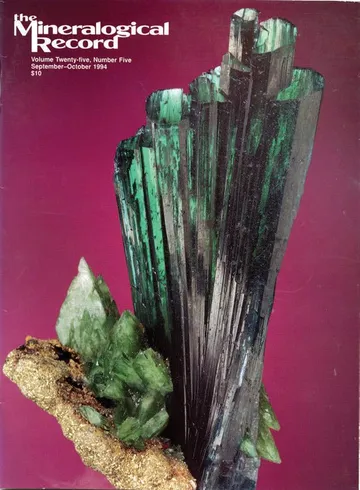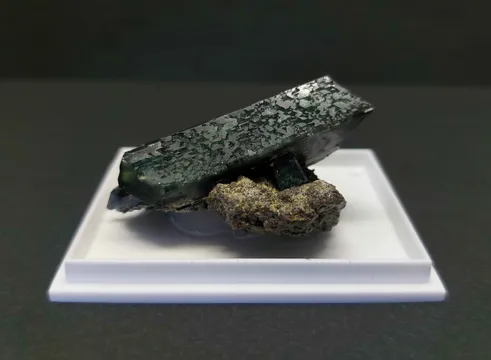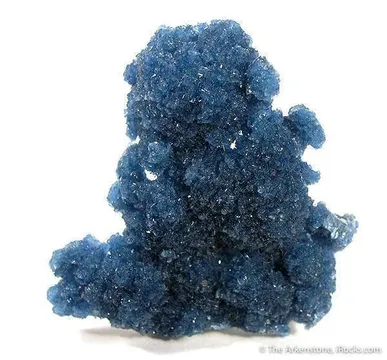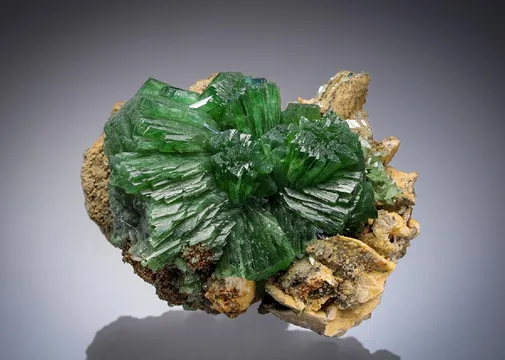
Itos Mine, Bolivia — a classic sulfosalt locality known for franckeite and zinkenite, with dark, architectural specimens and striking needle-like crystals.
Key facts
Itos is one of the classic sulfosalt localities of the Bolivian tin-silver belt: a large Ag-Sn mine on the Oruro mining field, only a short distance from the better-known San José workings and historically entangled with them in both geology and labeling. For collectors, the name matters because Itos is not merely another Bolivian ore mine; it is among the defining sources for crystallized franckeite and a serious locality for zinkenite, andorite, plagionite, stannite-group minerals, cylindrite, jamesonite, and other complex Pb-Sb-Ag-Sn sulfides and sulfosalts.
The setting is the central Oruro district, where mineralization is tied to a Miocene intrusive-volcanic complex emplaced in Paleozoic sedimentary rocks. The San José-Itos system includes quartz monzonite porphyry, quartz porphyry, breccias, and altered volcanic rocks, cut by steep veins and hydrothermal breccias. The ore sequence is a Bolivian textbook case: early pyrite, arsenopyrite, and cassiterite; a tin-sulfosalt stage with cylindrite, franckeite, stannite-group minerals, and related phases; and a later silver-lead-sulfosalt stage with galena, acanthite, and Sb-rich species. The specimens that collectors recognize as “Itos” usually come from that later, open-space sulfosalt environment rather than from ordinary compact ore.
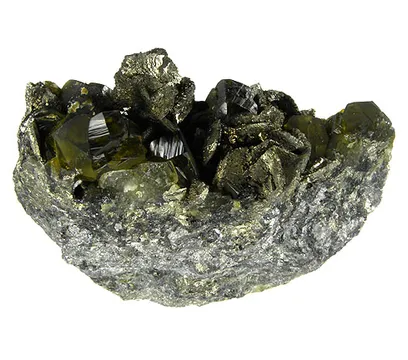
The best Itos pieces are dark, metallic, and architectural rather than colorful. Franckeite forms lead-gray to blackish-gray rosettes, radial balls, flattened blades, curled laths, and dense sparkling crusts. Zinkenite adds the vertical accent: silvery-gray to steel-gray acicular sprays, wheat-sheaf groups, and bundles of fine needles, sometimes rising from or dusting the surfaces of franckeite spheres. In the strongest specimens the contrast is subtle but unmistakable—softly lustrous black platy franckeite against brighter, straighter, more needlelike zinkenite, with pyrite, stannite, or andorite giving additional texture.
Regional View
Country View
The great complication for labels is that Itos and San José are neighboring mines in the same Oruro complex, and older commercial labels often blur the distinction. Many pieces that left Bolivia under “San José” labels may have been mined from Itos or from the Itos vein system within the broader San José-Itos workings. For a serious collector, that ambiguity is not a nuisance to erase; it is part of the locality’s identity. Preserve old labels exactly, especially if they mention “Itos vein,” “D vein,” a mine level, a 1970s source, or a named collection.
Search for specimens: View all specimens from Itos Mine, Bolivia
Itos lies in the city of Oruro, Cercado Province, Oruro Department, Bolivia, in the same historic mining field as San José, Socavón, Colorada, and Tetilla. The mines are close enough that the geology, workings, and specimen trade have long overlapped. The Itos locality is recorded as a large tin-silver mine, with antimony, pyrite, silver, and tin among the exploited or exploitable commodities, and with a mineral list dominated by sulfides, sulfosalts, quartz, cassiterite, and alteration minerals.
The deposit belongs to the Bolivian Ag-Sn vein class. Modern work on the San José-Itos mines describes mineralization hosted by quartz monzonite porphyry domes and breccias, with veins arranged in several principal structural trends. The ore is not a simple single-stage fill. It records successive hydrothermal events: first arsenopyrite, arsenian pyrite, and cassiterite; then tin-rich sulfides and sulfosalts including franckeite, cylindrite, hocartite, sphalerite, and stannite; and finally a silver-lead-sulfosalt assemblage with galena, acanthite, andorite, stephanite, zinkenite, boulangerite, jamesonite, quartz, alunite-group minerals, jarosite, hinsdalite, zunyite, and related alteration products.
That paragenesis explains the look of the specimens. Cassiterite and arsenopyrite belong to the earlier ore history and are commonly less visually dominant in collector pieces. The showy Itos material is the vug and geode assemblage, where open spaces allowed blades, needles, rosettes, and balls to grow rather than being crushed into massive ore. In the most desirable sulfosalt specimens, franckeite forms spherical or radiating aggregates and is accompanied by zinkenite needles, stannite-group crystals, and pyrite. SEM-based work on the system has specifically illustrated late geodic porosity filled by needle-shaped lead sulfosalts such as zinkenite and boulangerite, exactly the textural setting that makes good Itos pieces collectible.
Mining in Oruro is very old, but the modern documentation of the San José-Itos deposit is 20th-century and later. Lindgren and Abbott’s 1931 study placed Itos in the classic literature on Oruro’s silver-tin veins. Chace’s 1948 work treated the Oruro veins in detail and grouped the ore bodies around clusters that included San José-Socavón, Itos, La Colorada, and Tetilla. Later mineralogical papers and locality notes refined the paragenesis, specimen mineralogy, and sulfosalt identifications.
The industrial history is also bound to San José. Ore from San José and Itos was treated through the Itos flotation plant for decades under COMIBOL-era operation, producing a large tailings deposit. A published description of the Itos chloride leach project records a 1.8 million-tonne Itos tailings resource derived from processing San José and Itos ores, with residual silver occurring in complex sulfides of silver, antimony, lead, and associated metals coating pyrite grains. The same account notes that the mines closed in 1992 and that the historic Itos flotation circuit had recovered silver inefficiently, leaving tailings still carrying a little over 200 grams of silver per tonne.
For collectors, the most important specimen-production chapter is the 1970s, when San José-Itos material yielded abundant specimen-grade sulfosalts. This period produced the classic old-stock franckeite, zinkenite, and associated sulfosalt pieces still encountered with European and North American collection labels. Later, the mine reopened or was worked on a smaller scale from the early 2000s, with specimen recovery again becoming part of the story, although the boundary between formal mining, cooperative work, and specimen extraction is often not visible on commercial labels.
Collecting access should be treated as closed and permission-based. This is an urban, historically active Bolivian mining environment, not a casual collecting dump. Public tourist access in Oruro mine settings is not the same as permission to collect specimens, and underground collecting in active or maintained workings is inherently dangerous. The collector market is supplied through miners, cooperatives, old collections, dealer inventories, and occasional specimen-recovery work; self-collecting should not be assumed possible.
Zinkenite from Itos is a classic Oruro sulfosalt, most admired when it forms straight, silvery-gray to lead-gray acicular crystals in sprays, wheat-sheaf bundles, or bristling coatings on darker franckeite, andorite, pyrite, or mixed sulfosalt matrix. Good Itos pieces are usually small cabinet, miniature, or thumbnail specimens by ordinary standards, but they are large and expressive for the species: individual needles may reach millimetric to centimetric scale, while specimen groups may span several centimeters. The finest material shows crisp, upright needles with bright metallic luster and minimal matting; ordinary pieces are more massive, rubbed, or visually confused with other fibrous Pb-Sb sulfosalts. The most distinctive Itos associations include franckeite spheres dusted or penetrated by zinkenite needles, andorite-zinkenite combinations, and late vug fillings with pyrite, quartz, boulangerite, and jamesonite-group material.
Franckeite is the signature collector mineral of Itos, where it occurs as blackish-gray to lead-gray metallic rosettes, spherical floaters, radiating balls, flattened prismatic blades, curled laths, and dense crusts of thin platy crystals. Typical fine specimens are thumbnails to miniatures, but richer masses and complex multi-spherical groups can reach small-cabinet scale; documented examples include clusters several centimeters across, with individual blades only a few millimeters but arranged into highly sculptural aggregates. The prized habit is three-dimensional: free-grown balls or rosettes with sharp, lustrous, radiating crystals, especially when they carry small elongated zinkenite needles or are accompanied by stannite and pyrite. Lesser pieces are massive, dull, crushed, or merely ore-rich; the best Itos franckeite has visible crystal architecture, radial organization, metallic sparkle, and a label history that separates it from the equally complicated San José stream.
Beyond zinkenite and franckeite, Itos is documented for an unusually rich Oruro sulfosalt suite: acanthite, andorite, boulangerite, bournonite, chalcostibite, cylindrite, diaphorite, freibergite-subgroup minerals, galena, heteromorphite, jamesonite including material historically noted as sakharovaite, miargyrite, plagionite, semseyite, stannite, stibnite, tetrahedrite-subgroup minerals, and wurtzite, with cassiterite, arsenopyrite, pyrite, quartz, alunite-group minerals, jarosite, natroalunite, kaolinite, kermesite, valentinite, vivianite, wavellite, and other gangue or alteration species also recorded. Itos is not best understood as a type-locality collecting target; its fame rests instead on reference-quality crystallized sulfosalts from the Oruro Ag-Sn system. Old labels may use or imply names such as “potosiite” or “incaite” for franckeite-like material, but those names require caution in modern usage because they have been treated as varieties or problematic phases rather than straightforward species labels.
The main authenticity issue for Itos is mislabeling, not artificial treatment. Itos and San José are so closely linked that specimens may be labeled “San José,” “Itos,” “Itos vein, San José Mine,” or simply “Oruro.” Do not casually rewrite an old label. If a specimen has a historic label naming Itos, D vein, a mine level, or a known collection, preserve that wording even if modern databases separate the mines into distinct locality entries.
Species misidentification is common in this sulfosalt suite. Franckeite from the San José-Itos system has been sold or labeled as teallite, and jamesonite has often been confused with zinkenite. Stannite-group specimens are another problem area: material sold as stannite may include ferrokësterite or related species unless individually analyzed. For expensive or species-critical purchases, ask for analytical support, especially for black metallic, fibrous, or platy sulfosalts where habit alone is not definitive.
Condition is important and often underappreciated. Franckeite is soft, platy, and easily bruised; sharp rosettes and spheres can lose their sparkle through rubbing. Zinkenite needles are brittle and prone to bending, matting, or breakage. Avoid overhandling, ultrasonic cleaning, aggressive brushing, and repeated removal from tight boxes. These are minerals to display securely and dust minimally. Strong pieces should show intact sprays, undamaged radial balls, clean metallic luster, and a coherent three-dimensional form.
Itos specimens are not common on the market in the way that Bolivian pyrite, cassiterite, or vivianite can be. Small franckeite pieces appear periodically from old collections and dealer back stock, while excellent franckeite-zinkenite combinations, well-attributed Itos zinkenite, and old 1970s sulfosalt specimens are much scarcer. Provenance matters: Robert J. Noble, Alfredo Petrov, Minresco, Vallecillo, and other knowledgeable collection or dealer associations add confidence when the specimen itself belongs to a visually ambiguous sulfosalt group.
Fluorescence is not a selling point for the principal Itos sulfosalts. Treat these as heavy-metal sulfide and sulfosalt specimens: wash hands after handling, avoid inhaling dust from broken material, and never grind or trim suspect pieces without proper precautions. Store in a dry, stable environment; while the principal sulfides are generally stable in collections, associated pyrite and acid-sulfate alteration minerals in Oruro material justify ordinary humidity caution.
One of the best Itos stories is also the collector’s best warning about labels. Richard Gunter’s catalogue note for a franckeite specimen preserves the old wording “D vein, Level 220, Itos Vein, San Jose Mine,” then immediately explains why the phrase is complicated: Mindat treats Itos and San José as separate entries, but the administrative offices for Itos were at San José, so many Itos pieces abroad ended up simply labeled “San José.” In one sentence, the label becomes a miniature history of the mine—geology, bureaucracy, and specimen commerce all tangled together.
Gunter’s specimen description is the kind of detail that makes locality specialists lean closer to the case. The piece was a 3 cm floater sphere made of radiating 1 mm lead-gray terminated franckeite blades, with fewer 5 mm striated, sometimes curled franckeite crystals and 1 cm light-gray metallic zinkenite needles. He interpreted that form as free growth in pyrite vein cavities, the classic Oruro franckeite habit: spherical aggregates, sometimes multiple balls, rarely on pyrite matrix. The rare twist was the zinkenite: needles standing at right angles from the franckeite sphere, too small for terminations but straight enough to separate them from more flexible-looking boulangerite.
Another vivid underground note comes through Alfredo Petrov, quoted in Gunter’s article from a 2009 Bolivia log. Petrov described collecting franckeite at the -480 meter level in the San José mine at Oruro as “an unforgettable experience,” with veins filled by handfuls of woolly boulangerite and walls covered with franckeite and zinckenite. Whether that exact level correlates to the older “Level 220” Itos-vein labels is uncertain, but the picture is unforgettable: a deep, working Oruro environment where the same black and silver sulfosalts that look delicate in a display case were lining cavities in quantity.
The 1978 Detroit Show supplies another snapshot. Gunter recorded buying his franckeite and zinkenite specimen from T. G. Nagin as “Franckeite & Zinkenite, Itos Vein, San Jose Mine,” collected in 1978 by a Bolivian specialist from one of the deeper mine levels. That is the sort of provenance that gives an Itos specimen its authority. Without it, a dark metallic cluster from Oruro may be just another sulfosalt; with it, the object sits directly inside the 1970s specimen-producing chapter that made San José-Itos famous among rare-mineral collectors.