






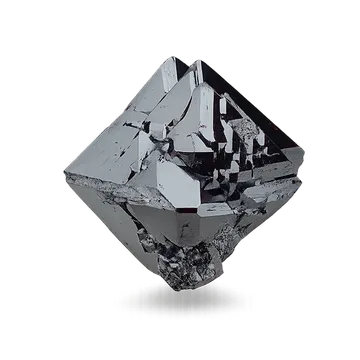
クイプライト、ビスビー、アリゾナ州:密集した光沢のある結晶が辺縁で赤く輝く、クラシックな古い鉱脈のクイプライト。産地の歴史と結晶品質で prized
Key facts
Bisbee cuprite は、古いアメリカの銅鉱物分類のひとつです。重く、暗く、金属のように見える塊が、結晶の縁が強い光を受けると突然ワインレッド、チェリーレッド、またはルビー色に輝きます。後年の世界的産地で有名になったガラス状でセンチメートル規模の赤色のキュライトではありません;Bisbee の魅力はより歴史的で、質感的で、ワーレン鉱山地区の酸化銅鉱床と密接に結びついています。最良の標品は、巨大なキュライト上に密度が高く光沢のある等軸晶を native copper、limonite、goethite、malachite、または calcite と組み合わせ、赤い酸化物が Bisbee の鉱床地質と収集家の鉱物学を結ぶ視覚的橋渡しとして機能します。

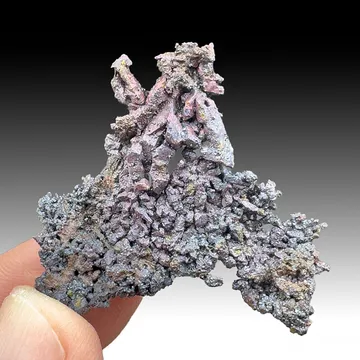
この産地で最も強いキュライト標品は、Bisbee を北米の優れた銅鉱山群のひとつにした同じ地質的エンジンから生まれています:不規則な置換鉱床と超銅性の鉱化作用が古生代の石灰岩と Sacramento Hill および Dividend fault system 周辺の侵入体・破砕帯の setting で発展しました。深い酸化帯では、閃亜銅硫化物などの硫化物に近接してキュライトと native copper が共に形成されました。場所によっては銅がデンドリティックまたはスポンジ状の金属ネットワークを成し、キュライトが開空間を暗赤色の結晶性酸化物として埋めました。その連携は多くの Bisbee ピースに独特の密度感、重量感、古い鉱石のキャラクターを与えています。
収集家は三つの重なる品質を探します。第一は結晶の定義:鋭い立方体、立方ドッド、八面体修飾の立方体、またはきらめくドリュースで、くすんだ赤色の土状鉱物ではありません。第二は色反応:多くの Bisbee クリスタルは日常光の下でほぼ黒色またはガンメタルに見えますが、繊細な結晶はエッジ部や逆光で深紅の透明感を示します。第三は文脈:Copper Queen、Czar、Holbrook、Campbell、Irish Mag、Calumet and Arizona、Southwest Mine、Lavender Pit などの旧ラベルは重要です。なぜなら「Bisbee」は広く使われる地区名であり、古い Bisbee の銅鉱物が百年以上にわたり流通してきたからです。
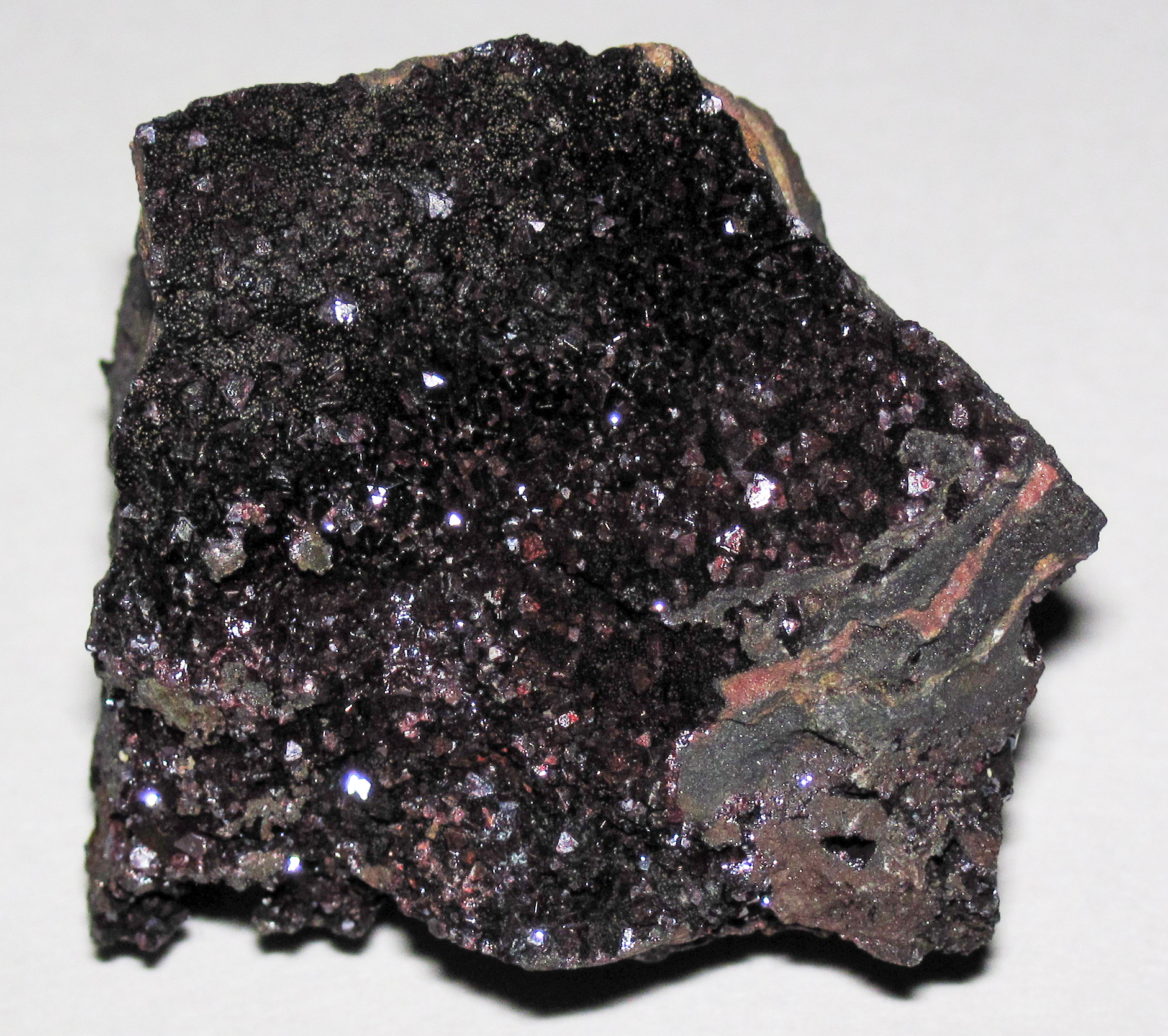
*写真: Wikimedia Commons*Bisbeeで最もよく知られる収集家としての名声は、まずアズライト、マラカイト、シャットゥカイト、銅、方解石、そして地区の珍しい二次鉱物種に向けられることが多いですが、クイープライトはこのすべての歴史に織り込まれています。方解石を赤く着色し、銅をコーティングし、ガッサンのボーイグを線状に走らせ、きらめく赤い繊維の中にカルコトリカイトとして現れ、いくつかの注目に値する二次銅鉱物の宿主環境として機能します。真剣なBisbee鉱物セットは、良質なクイープライトが欠けていると不完全に感じられます。## Featured Specimens
Search for specimens: View all cuprite specimens from Bisbee, Arizona, USA
Bisbee lies in the Mule Mountains of Cochise County, southeastern Arizona, in the historic Warren mining district. The district began with the 1877 discovery of mineralization in the Mule Mountains and grew into the “Queen of the Copper Camps,” a name that is not collector folklore but a reflection of a real mining camp that produced enormous quantities of copper, silver, gold, lead, zinc, and manganese over nearly a century of operation.
The cuprite belongs principally to Bisbee’s oxidized and supergene copper story. The classic underground mines exploited irregular replacement ore bodies in Paleozoic carbonate rocks, especially the Devonian Martin Limestone, the Mississippian Escabrosa Limestone, and the Pennsylvanian-Permian Naco Limestone, cut and influenced by intrusive bodies, dikes, sills, faults, and brecciation around the Sacramento stock system. Earlier hydrothermal events introduced pyrite and copper sulfides; later oxidation and enrichment produced the famous secondary copper suite. In that oxidized zone, cuprite formed with native copper, malachite, brochantite, chrysocolla, calcite, limonite, and, locally, rarer copper species.
Frederick Leslie Ransome’s early twentieth-century work remains essential because he saw the district while major underground workings were active. He described cuprite as an abundant and important ore constituent at Bisbee, present both as impure earthy material mixed with limonite and clays and as crystalline masses associated with native copper. He also separated the richer, more crystalline occurrences in the Calumet and Arizona workings from the more commonly earthy cuprite then seen in much of the Copper Queen.
The Copper Queen mine was the original great mine of the district and became the name most collectors know. Its workings connected through the Czar, Holbrook, Spray, Gardner, Queen inclined, Hayes, and related shafts and openings. The Holbrook, Czar, and Campbell names are especially important on labels because they narrow “Bisbee” from a district name to a particular mine environment. The Calumet and Arizona side of the camp, including Irish Mag and Junction-related workings, also produced significant cuprite, including rich crystal specimens associated with native copper.
Open-pit mining later changed the physical landscape. The Lavender Pit, worked principally in the mid-twentieth century, exploited low-grade disseminated chalcocite and related copper mineralization in a brecciated porphyry plug adjoining altered Paleozoic limestones along the Dividend fault. The Lavender Pit produced roughly 75 million tons of ore between 1954 and 1970 and also removed or exposed parts of older underground ground, which is why some specimens from Bisbee carry hybrid or historically complicated labels.ビスビーの商業採掘は1970年代に終了し、露天掘りは制限され、地下採掘は1975年に停止した。その後の浸出により少量の銅が回収されたが、主要な標本回収の時代は終わっていた。現在、重要な旧採掘跡は採集可能な地ではない。いくつかは私有地で、いくつかは歴史的な鉱山見学インフラの一部であり、ラベンダーピットは採集場所というより展望台および産業遺産サイトである。市場に出回る正式なビスビー産クルパイトは、ほとんどが旧コレクション素材、リサイクルされたディーラーストック、または長い私的来歴を持つ標本である。## Bisbee, Arizona, USA の cuprite の特徴
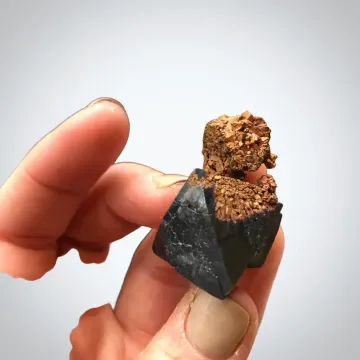
最も典型的な Bisbee の cuprite は塊状からドリュシーで、深紅色からほぼ黒色に近く、鉄酸化物と密接に関連している。細かな標本は、塊状 cuprite やゴッサンの上に散らばる光沢のある等軸晶を示す。普通の室内光では、結晶は黒色、茶褐色黒、金属灰色、または深いマルーンに見えることがある。強い光や逆光では、優れた結晶が cuprite の赤を現し、均一な透明な本体色というよりも、輝く縁として現れることが多い。
結晶形は通常、単純で力強い。キューブ、キューブ上の八面体変種、立方八面体、ダビド型の変形を持つ結晶など。ランスムは Calumet とアリゾナ鉱山で、単純なキューブと八面体およびダビド形で修飾されたキューブを指摘した。後の市場や博物館の標本説明も同じ傾向を繰り返しており、小さく、鋭く、金属的で、赤みの強い結晶が多く、直径数ミリ程度だが、クラスターとしての結晶はセンチメートル級の結晶が著名な区域の特徴として挙げられる。
実用的なサイズガイドが役立つ。多くの立派な Bisbee の cuprite は結晶が約 2–5 mm程度である。該当範囲に鋭い結晶が豊富にある標本は、輝きと色が良ければ非常に魅力的となり得る。同心程度の結晶が約 1 cm に達するのはこの産地では珍しくない。 Bisbee の記述で大きな「cuprite」の測定値として用いられるのは、しばしば標本全体、塊状 cuprite が豊富な鉱体、あるいは閃鉄交雑体の場としての領域であり、単一の自由立結晶ではない。
髪状の cuprite の品種であるカルトクリタイトは、最も魅力的でありながら壊れやすい Bisbee 表現の1つである。鮮紅、マゼンタ紅、または血紅の針状束と、保護された凹部の輝く斑点として現れる。良質な Bisbee のカルトクリタイトは、塊状やドリュシー cuprite よりはるかに少なく、条件に敏感である。最高の例は、乱れのないポケット表面に依存し、ブラシがけ、吹き飛ばし、過度の洗浄を受けていないものでなければならない。
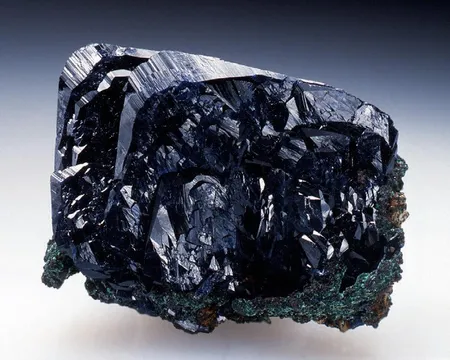
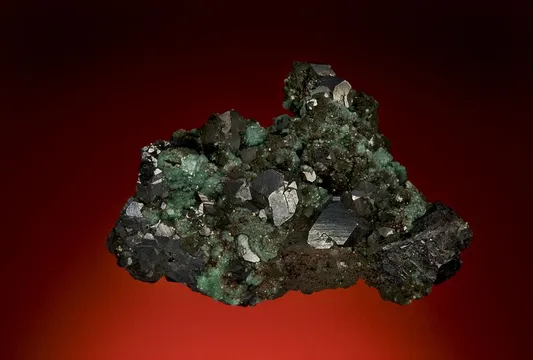
共生鉱物はその場所の特徴の一部である。最も特徴的な伴生物は天然銅、マラカイト、酸化鉄マンガン、ゲオサイト、方解石、孔雀石、ブロンチ石、クリソコーラ、カンコサイト、テノライト、そして特別な組成ではパラメラコナイト、コネリット、チャルコアルミナイト、ギブサイト、デラフォサイト、その他の Bisbee の珍品である。天然銅上の cuprite は、以前の金属銅の表面周囲に形成される赤酸化物を記録する点で特に満足感がある。マラカイトと共生した cuprite は赤と緑の強い対比を与えるが、多くの標本は美観的には無傷であるが鉱物学的にはより興味深い場合がある。銅王鉱床の Czare(Czar)などから見られる、赤で着色した方解石は、ビスビー独特の外観を持つ。最高のビスビー・キュープライト標本は、鉱源の豊富さと美観のバランスを取っています。赤色酸化物の巨大な塊は歴史的には本物らしいですが、視覚的には平坦に映ることがあります;一方で、酸化鉄されるレイナイト上の鋭い結晶を小さな窪みとして持つ標本は、よりコレクターズアイテムとして価値が高くなることがあります。重要な品質要因には、明るい光沢、割れのない結晶面、赤色の半透明性が見えること、まとまりのある基質、銅や孔雀石との明確な結びつき、そして信頼できる古いラベルが含まれます。上級のビスビー・コレクターにとっては、サイズと同様に正確な鉱山名が重要となることがあります。## Collector Notes
Bisbee cuprite is usually not difficult to identify as cuprite, but it can be difficult to evaluate as a Bisbee specimen. The district produced abundant earthy red copper oxide ore, but truly aesthetic crystallized pieces are much less common. Old specimens may be labeled simply “Bisbee,” “Copper Queen,” or “Cochise Co.,” and that vagueness is normal for early material. More precise labels to Czar, Holbrook, Campbell Shaft, Irish Mag, Southwest Mine, or Lavender Pit deserve attention, but they should still be judged against the mineral association, matrix, and provenance.
The most important authenticity issue is not laboratory faking so much as mislocality. Red cuprite with green malachite is found at many copper localities, and rich cuprite-on-malachite specimens from the Congo Copperbelt, Chessy-style European material, and modern world localities can be confused with, or over-optimistically relabeled as, Bisbee. A documented collector discussion involved a specimen with both a Shaba, Congo label and a Lavender Pit, Bisbee label; experienced collectors noted that the specimen did not look typical of much Lavender Pit cuprite-malachite material. That is exactly the sort of problem to watch for: not necessarily a fake mineral, but a locality story that needs proof.
There are also label-language traps. “Malachite after cuprite” or “azurite after cuprite” describes a pseudomorph or replacement relationship and may contain little or no remaining cuprite. “Cuprite-colored calcite” may mean calcite included or stained by cuprite rather than discrete cuprite crystals. “Copper with cuprite” may be a thin red alteration film on native copper, which can be perfectly natural but should not be priced like a crystallized cuprite specimen.
Condition is a major value driver. Cuprite has only moderate hardness and can chip along exposed crystal edges. Many Bisbee crystals are partly oxidized or coated, so a black or gray exterior is not automatically damage, but broken faces, rubbed high points, and dull cleaned surfaces matter. Limonite and gossan matrices can be friable. Malachite coatings may be soft or velvety. Chalcotrichite is extremely vulnerable: loose needles, dusty-looking cavities, or flattened tufts often indicate handling, vibration, or aggressive cleaning.
Cleaning should be conservative. Strong acids and harsh mechanical cleaning can ruin the associations that make Bisbee cuprite recognizable. Much of the best material looks like old oxidized ore because that is exactly what it is; trying to brighten every surface can erase patina, destroy malachite fibers, loosen gossan, or remove context.市場の入手性は不均一です。小型の古いビスビー・キュープライト(クレスタルはミリメートル級のもの)が定期的に現れ、専門コレクターの手に届くこともあります。豊かな結晶を示す小型キャビネット級標本や、硫砒鉄石(チャルコトリカイト)、強い天然銅の組成、重要な由来を持つピースは価格が急騰します。優れたビスビー・キュープライトは単なる種標本ではなく、閉鎖された古典的地区の歴史的な object であり、その由来プレミアムは現実的です。## Stories & Field Notes
1902年、ランサムは採掘が博物館の歴史というよりもまだ生きた地質だった時代のビスビーを見ていた。 Calumet and Arizona 鉱山の彼の記述は、鉱山岳のろうそくの下で保存された停止した瞬間のように読める:深さ950フィートのレベルで、井戸の北東約650フィートの地点で、赤銅鉱が「きらめく房状」に露出し、明るい金属銅の樹状塊が貫入しており、針状の緑銅礦の小さな空洞が点在している。 この像は純粋なビスビーの風景だ――酸化鉄赤、自然金属、緑色の針状結晶、すべて硫化鉱石が変成されて集石鉱物学へと変わっていく下部酸化帯で育まれている。
もう一つのランサムの観察は、地区にその伴生的ドラマを与える。Calumet and Arizona 鉱山の場所によっては、自然銅がクパライトで覆われた分岐する晶質塊として現れ、赤い酸化物が金属よりも若く見える。別の場所では、銅とクパライトが非常に密接に共生していたため、どちらが先に来たのか自信をもって言えなかった:銅が金属のスポンジを作り、クパライトが網目を満たした。そのときの質感は、いくつかのビスビーの標本が「基体上の結晶」よりも「鉱石形成化学実験の断面」のように感じられる理由だ。
最も有名な現代のビスビー・クパライトの物語は、ダグラスとリチャード・グレーム4世に属する。1986年、彼らが十七歳の時、リチャード・グレーム3世の双子の息子は Southwest Mine で驚くべきクパライト標本を採取した。1987年2月のツーソン鉱物ショーで公開展示されたとき、それはケースの中で人々を止めさせた。Mineralogical Record のコメントは標本の伝説の一部となった:「ショーで最も興奮する標本」に特別賞があれば、グレーム・ビスビー・クパライトが受賞していただろう、と。後に Annie Graeme Larkin は、多くの人が世界で最高のクパライトと見なす標本としてこの標本を語った。世界 ranking を論じるかどうかに関係なく、このエピソードは、ビスビーの標本の歴史が最初の鉱脈ラッシュで終わらなかったことを示している。卓越した鉱物標本が依然として認識され、保存され、地区の工業的ピークを過ぎても祝い続けられていた。
2010年の「女王の宝物」展は、アリゾナ大学科学博物館でビスビー・クパライトに別の舞台を与えた。展示はグレーム家、エヴァン・ジョーンズ、レスとポーラ・プリスメック、ビル・ラーソン、ジーン・シュリープ、マーカス・オリグリエリ、アリゾナ歴史協会、アリゾナ-ソノラ砂漠博物館、ビスビー採鉱・歴史博物館などのコレクションと歴史を集めた。ア alcove の端には1トンの鉱石車が鎮座していた。壁には歴史的な写真が拡大され掲げられていた。ケースの一つにはコロンビア・ポケットの物語が語られていた。Czar 鉱山の200レベルにある60フィートの空洞が、1893年のシカゴ・コロンビア万博のために大石の標本を生み出した、という話である。そして床のケースの中には、ビスビー・クパライト専用のケースもあり、青い方解石と緑の孔雀石が混み合う地区の中で赤い酸化物が自らのスポットライトを得るべきだという認識の表れだった。クペライトの物語は、ビスビーの希少な鉱物ドラマの一つ、パラメラコナイトをも映し出しています。1890年、フィラデルフィアのディーラーA. E. Footeがビスビーを訪れ、分析室の棚の上にある未知の黒色の正方晶系鉱物の標本を二つ目撃しました。これらの標本はクペライトを含む鉱石と関連づけられており、Footeはその場で買い取りました。一つは、イォースス(goethite)に覆われたクペライトから立ち上がる見事な3 cmの黒い結晶を携え、もう一つは約10 cmの大きさの相互に結晶成長した大 platesの標本でした。Footeはそれらをそれぞれ$50でClarence S. Bementに売却しました。その後、George A. Koenigはこの鉱物を新しい銅酸化物種として認識し、パラメラコナイトと命名しました。偉大な結晶標本は現在、この種の最良の例の一つとして認識されており、この出来事はコレクターに、ビスビーの巨大なクペライトは単なる鉱石ではなく、ミニチュアの化学実験室のように鉱物を生み出す能力を持っていたことを思い出させます。## 鉱物学的記録と公表物
Ransome, F. L. (1904), The Geology and Ore Deposits of the Bisbee Quadrangle, Arizona, U.S. Geological Survey Professional Paper 21 — 地区の基礎的な地質解説で、クパサイト、天然銅、酸化鉱石、Copper Queen および Calumet and Arizona の採掘についての初期観察を含む。
Ransome, F. L. (1904), Description of the Bisbee Quadrangle, U.S. Geological Survey Geologic Folio 112 — 鉱体形態、鉱山の workings、酸化帯の鉱物集合の特に有用な要約を備えた簡潔な付録。
Graeme, Richard W. (1981), “Famous Mineral Localities: Bisbee,” The Mineralogical Record, Vol. 12, No. 5 — Bisbee に関する古典的なコレクター記事で、Bisbee Mining & Minerals により 1981 年9月–10月号「Bisbee, Arizona - Arizona III」として掲載されている。
Graeme, Richard W. III; Graeme, Douglas L.; and Graeme, Richard W. IV (2020), The Mineralogy of Bisbee, Arizona: Volume 1, Geology & Mineralology — 地質学、粘土環境の鉱物形成、クパサイト、孔雀石、希少種、蛍光鉱物、鉱山後の鉱物、トルコ石を強調した現代的な Bisbee の参考書。
Graeme, Richard W. III; Graeme, Douglas L.; and Graeme, Richard W. IV (2021), The Mineralogy of Bisbee, Arizona: Volume 2 — Bisbee で報告された300種を超える鉱物種の記述的鉱物学 Volume。
Briggs, D. F. (2015), History of the Warren (Bisbee) Mining District, Arizona Geological Survey Contributed Report CR-15-B — アリゾナ州初の主要銅鉱山地区の簡潔な歴史と経済の概説。
Jones, Evan A. (2023), “Paramelaconite from Bisbee, Arizona,” 43rd New Mexico Mineral Symposium, pp. 27–33 — Bisbee の希少鉱物パラメラコナイトの詳細な報告で、巨大クパサイトとの緊密な関係および有名な A. E. Foote/Bement 標本との関係を含む。
American Museum of Natural History, Annual Report for 1910 — Copper Queen Consolidated Mining Co. が Bisbee 産の天然 copper およびクパサイトの標本5点と洞窟材料・典型的な鉱石を含む寄贈を記録。
Larkin, Annie Graeme, historical research paper on Bisbee minerals and collecting — 1986年の Douglas および Richard Graeme IV Southwest Mine のクパサイト発見と 1987 年の Tucson Mineral Show での受容を含む。## さらに読むべき資料と外部リンク
Mindat: Cuprite from Copper Queen Mine, Bisbee — Copper Queen での cuprite に関する種別特有の出現ページ。関連性、参考文献、写真データの関連付けを含む。
Mindat: Copper Queen Mine, Queen Hill, Bisbee — Copper Queen 鉱山の広範な地域ページ。地質、露頭、鉱物リスト、希少Bisbee種の現場標本地情報を含む。
Mindat: Cuprite gallery and “best cuprite” locality notes — Bisbee cuprite を世界の他の cuprite 場所と視覚的に比較するのに役立つ資料。
Arizona Geological Survey: Lavender Pit, Bisbee — Lavender Pit の地質設定の要約。Dividend fault に沿った カルコサイトの鉱化を含む。
Bisbee Mining & Minerals: Geology — Bisbee 専門家による地域地質の要約。岩団、鉱化イベント、置換鉱床の解説を含む。
Bisbee Mining & Minerals: Metal Production — 1880 年から 2013 年までのウォーレン鉱区の生産データを素早く示す。
City of Bisbee: Bisbee History — キャンプの地元史、発見、産出、鉱山閉山の概説。
Copper Queen Mine Tour — 歴史的 Copper Queen 露頭の現在の遺産ツアー情報。現在のアクセス方法を理解するのに有用。
Mineralogical Record: April 2010 report on “Treasures of the Queen” — アリゾナ大学での主要な Bisbee 鉱物展の現代的報告。Bisbee cuprite ケースの特集を含む。

_1.jpg)