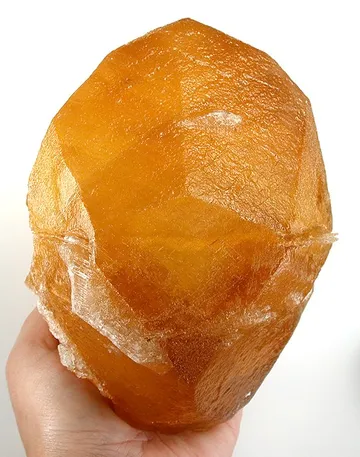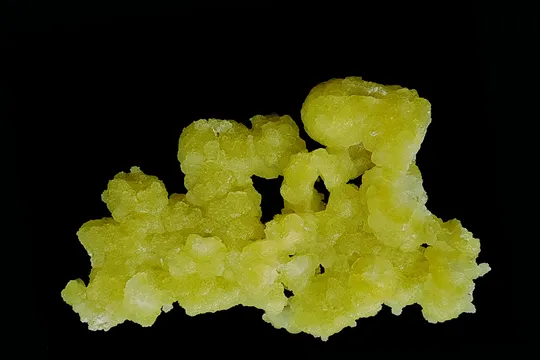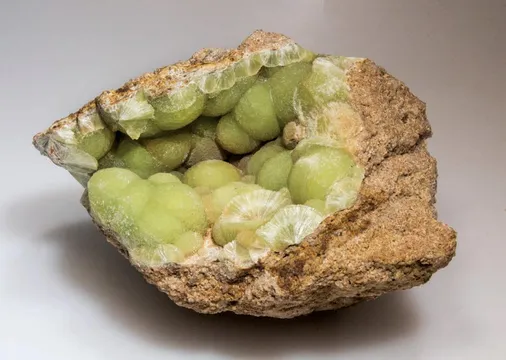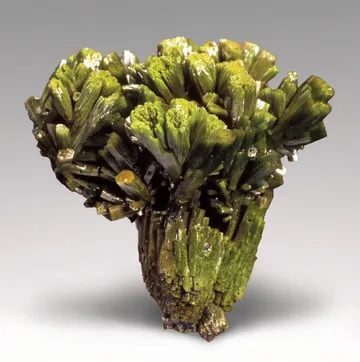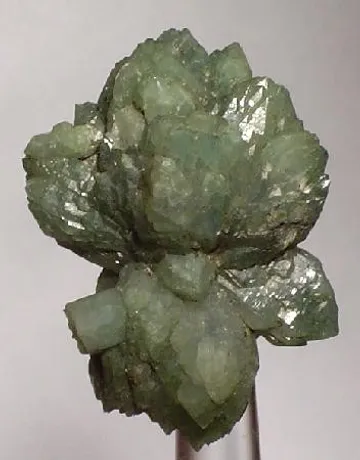
Wood’s Chrome Mine は結晶化したブリュサイトの古典的なアメリカの産地です。その最良の標本は単なる「古いペンシルベニア」お馴染みの珍品ではなく、基準となるブリュサイトです:色が淡く、光沢があり、半透明の板と円錐状の集合体が、鉱物を人目を引く形で収集可能な彫刻的な形態として示します。最良のピースは積み重ねられた偽六角形の刃、真珠光沢からワックス状の表面を持ち、無色・白色から灰がかった色調、淡い黄色がかった緑へと、現地で最も価値が高い柔らかな緑の色調へと続く控えめな色域を示します。
Key facts
Wood’s Chrome Mine(ウッドズ・クローム・マイン)は、結晶化したブリュサイトのアメリカの代表的な産地です。 best specimens are not merely “old Pennsylvania” curiosities の意訳を避け、すべて人間が読み取れるテキストを日本語にします。最良の標本は単なる「古いペンシルベニア州の珍品」ではなく、基準となるブリュサイトです。淡く光沢があり、半透明の薄板や丸みを帯びた集合体で、彫刻的で収集可能な形態を示します。最高の作品は積層した偽六角形の葉片、真珠光沢から蝋状の表面、無色・白色から灰がかった pale yellow-green、そしてこの産地で最も貴重とされる柔らかな緑色のトーンという控えめな色味の range を示します。

採掘場は、メリーランド州境に近い南ラガン County の State Line クロミット帯に位置する蛇紋岩化した超マファイト岩石中にあります。この環境はブリュサイトにとって重要です。Wood’s は元々クロム鉱山でしたが、同じマグネシウムに富む蛇紋岩環境は、多量のクロム鉄鉱とマグネシオクロム石を支えただけでなく、ブリュサイト、マグネサイト、ヒドロマグネサイト、デューイライト、蛇紋石類、クロム含有クリノクローレ、クリノクローレのクロムを含む、ジラリティのようなニッケル炭酸塩物質、ガスぺアイト、関連種など、驚くほど多彩なマグネシウム・クロム・ニッケル・炭酸塩鉱物の豊富なセットを生み出しました。産地の標本はしばしばその環境の視覚語彙を帯びています—灰緑色の蛇紋岩基質、黒いクロム鉄鉱、クリーミーなマグネシウム系鉱物、そして時折、旧称「ザラタイト」ラベルに関連付けられるエメラルグリーンのアクセント。
Wood’s Chrome Mine の歴史的意義は二重です。工業的には、ペンシルベニア州とメリーランド州で最大・最も有名なクロム鉱山であり、世界の重要なクロム源のひとつでもありました。鉱物学的には、米国のコレクティングの礎となる産地となり、19世紀の鉱山作業からの標本は旧機関・私的コレクションに加わり、Wood’s のブリュサイトは、鉱山が操業してクロム生産を終えて以降も、米国の結晶化鉱物標本の標準として長く位置づけられました。

*写真: Wikimedia Commons*収集家は、 locality’s unmistakable habit を preserves するブリュサイトを探します: 鋭く、幅広く、擬六方晶系のプレートが重なり合う刃状片、ローゼット、または半球状クラスターとして並ぶ、特徴的な形態。薄片の透明感、緑がかった本体色、清浄できらびやかな真珠光沢、そして結晶の縁が傷ついていないことが、重要な美的指標です。古いラベルは特に貴重で、最良材の多くは鉱山の19世紀の生産期に採掘されたもの、あるいは後の dump 採集から来ていることが多く、また「Texas, Pennsylvania」ラベルは Wood’s Chrome Mine の明確な帰属がなければあいまいになりがちだからです。## Featured Specimens
Search for specimens: View all brucite specimens from Wood’s Chrome Mine, Lancaster County, Pennsylvania, USA
Wood’s Chrome Mine, also known historically as Wood’s Mine, is a former chromium mine near the small locality of Texas in Little Britain Township, Lancaster County, Pennsylvania. The locality lies close to Octoraro Creek and the Pennsylvania–Maryland line, in the State Line Chromite Mining District. Mindat places the mine at approximately 39° 43' 54" N, 76° 6' 24" W; the older geographic term “Texas” is a source of label confusion because it has been used broadly for several nearby chromite and serpentine localities.
The deposit is a chromite deposit hosted by serpentine. Later analytical work on the chrome ore showed that analyzed Wood mine ore falls within the magnesiochromite composition field, even though the older mining and collector literature routinely uses “chromite.” The ore body was famously irregular: historical descriptions record an outcrop of massive chromite about 30 feet long and 6 feet wide, narrowing at shallow depth and then expanding below to a much larger ore zone. The ore body plunged southward and was mined down the plunge to approximately 720 feet.
Wood’s was opened in the late 1820s and worked steadily for much of the 19th century, with a major interruption from 1868 to 1873 when the mine flooded. Earlier accounts describe production on the order of hundreds of tons per month before the Civil War; by the late 1860s, output had fallen sharply as foreign and western chrome ores entered the market. Operations ceased in the early 1880s, after the mine had served for a time as a reserve source against the uncertainties of shipping western chromite to eastern users.
The mine was revisited during later chrome-revival efforts. In World War I, National Minerals Co. of Wilmington, Delaware, reportedly reopened and retimbered an old shaft locally called the Dog Pit to a depth of 125 feet, but the prospects were disappointing. In 1937 the American Chrome Corporation unwatered the mine for examination by W. D. Johnston Jr. of the U.S. Geological Survey and Edward Sampson of Princeton University. The old workings were then dangerous and deteriorated, with caving ground, rotten timbers, and mud and water obscuring the deeper levels.
For collectors, the important production was not just the chrome ore but the dump and wall-rock mineral suite. The USGS described Wood’s as a famous mineral-collecting locality and recorded abundant brucite, deweylite, magnesite, hydromagnesite, zaratite, and genthite, with additional associated minerals including olivine, clinochlore, antigorite, chromian antigorite, serpentine, penninite, calcite, dolomite, and magnetite. Later locality databases add species and refinements including gaspéite, dozyite, maucherite, millerite, pyroaurite, vesuvianite, and others.採集アクセスは決定的に変化しました。 当該鉱床は公開採集地点ではなく、現在の所在地情報は2012年夏以降、採集者には鉱山が閉鎖されていることを示しています。 歴史的な廃棄物堆や地下坑道は、所有者の明示的な許可を得て安全要件をすべて満たさない限り、私有で危険があるとみなしてください。## Wood’s Chrome Mine(ウッドズ・クロム鉱山), ペンシルベニア州ランカスター郡, USA産ブローサイトの特徴
Wood’s Chrome MineのブローサイトはMg(OH)2で、その特徴的な形は板状で、pseudohexagonalのエッジを持つタブラー結晶が積層・重なり・丸いロゼット状・半球状集合体を形成する。板は種として鋭い輪郭を持ち、個々の結晶は実証標本でセンチメートル級に達することがある。Mindatは産地を、約0.2mのブローサイト結晶を産出したと記録しており、そのサイズはWood’sがブローサイト産地の中で高名である理由を説明する助けとなる。
色は通常、派手というよりは抑えめである。典型的な標本は白色、無色、灰白色、薄黄色味、または薄緑色である。最も望ましい個体は半透明の板が薄い緑がかった色を帯び、真珠光沢から蝋光沢を示す。薄い部分では結晶は光を美しく通すほど透明になり得るが、厚く積層された板では曇りがかった煙灰色、あるいはクリーム色になる。材料はまた、明るい青白い蛍光を示すと報告されているが、蛍光は結晶形状とコンディションと比べるとほとんどの箱入りコレクターにとって二次的な特徴である。
マトリックス(基質)は様々である。いくつかの標本はブローサイト優位の板やロゼットそのものだが、他は暗い蛇紋岩系マトリックスやクロム含有の基質上にある。産地とブローサイト標本に関連し文献化されている関連鉱物には、クリノクロア、クロムを含むクリノクロア、水マグネサイト、マグネサイト、デウィライト、蛇紋石群の鉱物、クロム鉄鉱/マグネシオクロマイト、ドロマイト、方解石、ニッケル含有の緑色炭酸塩物質(歴史的にzaratiteと表記)などがある。コレクターは特に緑色ラベルや緑色コーティングに注意すべきである。 Wood’sの「zaratite」材料の一部は分析的に疑問視されており、真のzaratiteを厳密な種の意味で持つのではなく gaspéite やより複雑なニッケル水酸炭酸塩混合物である可能性がある。
サイズは、ロゼットの集合体を持つサムネイルやミニチュアから、相当なキャビネット標本まで幅広い。公的に示された画像には、4.2 x 2.9 x 2.8 cmのロゼットミニチュア、9.4 x 6.6 x 3.0 cm および 11.3 x 6.8 x 3.6 cm の鋭い板を持つキャビネット標本、2 cmまで透過する結晶を持つ14.5 x 11.4 x 3.0 cmの大きなキャビネット標本、そして19.5 x 14.5 x 3.2 cmの大きな板が含まれる。最良の例は、結晶の鋭さ、透明度、板サイズ、緑がかった色、欠けのないエッジ、彫刻的な配置、および歴史的出自によって判断される。## Collector Notes
最初の真偽の質問は治療ではなく産地です。Wood’sブリュサイトには特徴的な結晶形がありますが、「Texas, Pennsylvania」や「Lancaster County serpentine」というラベルはあいまいな場合があります。真剣な購入者は旧ラベル、機関・ディーラーの provenance、または文書化された所有権の連鎖がある標本を好むべきです。「Wood’s Chrome Mine」「Wood’s Mine」「Texas, Little Britain Township」または「State Line District」というラベルはいずれ正当な場合もありますが、広いラベルは標本の外観および付随するマトリクスと照らし合わせて慎重に判断すべきです。
次の問題はコンディションです。ブリュサイトは軟らかく、解結性があり、傷つきやすい物質です。Wood’sの作品は広い板の端部の擦り切れ、刃先の折れ、真珠様表面の擦傷、小さな圧力裂、マトリクスからの部分的な分離などを示すことが多いです。大きな古板には内部の筋状脈や結晶割れが自然な場合があり、それが展示品質に影響を与えることがあります。修理や安定化は、特に分解してしまう個々の刃を持つロゼットや大きな積層板では常に開示されるべきです。
Wood’s Chrome Mineブリュサイトに関して、主要な locality 参照には広く文書化された偽造や処理問題は関連していません。実務的なリスクとしては、ラベリングの誤り、過度に楽観的なコンディション評価、他の淡色の板状鉱物や他の古典的産地のブリュサイトとの混同が挙げられます。Wood’sの素材は古く、コレクターズ性が高く、歴史的にも重要であるため、優れたラベルを備えた控えめな標本は、視覚的に類似しているが文書化されていない標本よりも望ましい場合があります。
市場での入手は限定的で断続的です。標本は新規採掘品としてではなく、旧コレクション、専門ディーラー、オークション、遺産の分配などを通じて現れます。広い半透明の板と強い由来を備えた上品なキャビネット用標本は高価になり得ます。2025年末にディーラー集約サイトを通じて提供された大きな古いWood’sブリュサイトは、産地の地位と主要標本の希少性を反映して9,500ドルと掲載されていました。小さなものや擦り切れた標本はより手に入りやすいですが、板が傷つかず鋭い緑がかった結晶は実際に希少です。## Stories & Field Notes
Wood’s Chrome Mine reads like a 19th-century American mineral locality compressed into one hillside: a world ore source, a difficult underground mine, and a specimen locality whose best pieces outlived the industry that exposed them.
The old mining accounts make clear how irregular the ore body was. At the surface the massive chromite outcrop was described as 30 feet long and 6 feet wide. At 20 feet depth it narrowed, then opened again into a body 120 feet long and 10 to 35 feet wide. Deeper still, the ore zone reached its greatest recorded length of about 300 feet, and mining followed it down the plunge to roughly 720 feet. A quoted 1867 report described the mine as 700 feet deep and stated that the vein was “very irregular,” at one place 20 feet wide, then reduced to mere strings, then widening again.
Water shaped the mine’s history almost as much as ore. From 1868 to 1873, Wood’s was idle because of flooding, apparently when pumping capacity could not keep pace. After operations resumed, it never returned to its earlier dominance. The chrome trade had changed: Turkish ores were entering the U.S. market at low prices, California ores were coming in, and the eastern chromite belt was sliding from world supplier to local relic. Before the Civil War, Wood’s was reportedly producing 400 to 500 tons per month; afterward, accounts give only 500 to 600 tons per year.
The mine did not die all at once. Around 1880 to 1882, the Tyson Mining Company kept Wood’s open as a reserve source in case western chromite shipments faltered. During World War I, National Minerals Co. returned to the district, reopened the Dog Pit, unwatered it, and retimbered it down to 125 feet. They found ore stringers, but not enough promise. In 1937, the American Chrome Corporation tried again, unwatering the old mine for inspection. What they found was not a ready source of wartime ore but a dangerous remnant: caving ground, rotten timbers, bulkheaded stopes, and deeper levels hidden under mud and water.
Against that industrial story runs the quieter collector story. The dumps and wall rock carried the minerals that would keep the name alive after chromite mining ended: brucite, deweylite, magnesite, hydromagnesite, green nickel carbonates, chromian serpentines, and black chromite. Old club and museum notes from the 20th century show how firmly Wood’s had entered collector culture. In 1951, L. J. Duersmith, curator of mineralogy at the Franklin and Marshall College Museum in Lancaster, published a Rocks & Minerals article because he had received enough inquiries during 1950 about the famous mine that an updated account was needed. By then, Wood’s was already a historic locality rather than a working industrial mine, but the brucite had become the durable prize.「Texas」という名前さえも、独自のフィールドノートの魅力を持っています。サミュエル・G・ゴードンは、この地名が二つの町区を含み、鉱物の出典を「正確な出典の明示は不必要な洗練さと見なされていた」時代の名残であったと記しています。現代のコレクターにとって、その文は単なる歴史的付記以上の意味を持ちます。警告ラベルなのです。古い「Texas, Pa.」の標本は宝物であるかもしれませんが、真剣なコレクターはなお問うべきです:どのTexasで、どの鉱山からのものか?## 鉱物学的記録と刊行物- Dana, Edward Salisbury; Dana, James Dwight (1892), A System of Mineralogy, 6th ed., John Wiley & Sons — Wood’s Chrome Mine産物の locality 記録で引用される古典的な体系学の出典。ブリュサイトおよび関連鉱物を含む。
Gordon, Samuel G. (1922), The Mineralogy of Pennsylvania, Special Publication 1, Academy of Natural Sciences of Philadelphia — 基礎的なペンシルベニア州鉱物学の参照文献。Wood’s Chrome Mineおよびテキサス地区は、ブリュサイトと関連の蛇紋石/クロム系鉱物の記載で繰り返し引用される。
Duersmith, L. J. (1951), “Wood’s Chrome Mine, Lancaster County, Penna.,” Rocks & Minerals, 26(5–6), 243–247 — Franklin and Marshall College 博物館鉱物学 curator による Mine の half-20世紀のコレクター指向の記述。
Pearre, Nancy C., and Heyl, Allen V. Jr. (1960), Chromite and Other Mineral Deposits in Serpentine Rocks of the Piedmont Upland, Maryland, Pennsylvania and Delaware, U.S. Geological Survey Bulletin 1082-K — Wood mine の必須地質・採鉱史資料。生産史、鉱体の形状、後の再開 attempts、そして鉱物種の解説を含む。
Lapham, Davis M.; Geyer, Alan R.; Smith II, Robert C.; Barnes, John H. (1976), Mineral Collecting in Pennsylvania, Bulletin G33, 4th ed., Pennsylvania Geological Survey — ペンシルベニアの locality のコレクター向け参照。Wood’s Chrome Mine および関連鉱物種を含む。
Palache, Charles; Berman, Harry; Frondel, Clifford (1951), The System of Mineralogy, 7th ed., Vol. 2, John Wiley & Sons — Wood’s Chrome Mine の記録で関連する炭酸塩類等の関連種の標準的鉱物学参照。
Glass, Jewell J.; Vlisidis, Angelina C.; Pearre, Nancy C. (1959), “Chromian antigorite from the Woods Mine, Lancaster Co., Pennsylvania,” American Mineralogist, 44, 651–655 — 同鉱山由来のクロム含有蛇紋石の特定研究。Wood’s ブリュサイト周辺のクロム含有蛇紋石相を理解するうえで重要。
Garcia-Guinea, Javier; La Iglesia, Angel; Crespo-Feo, Elena; González Del Tánago, José; Correcher, Virgilio (2014), “The status of zaratite: investigation of the type specimen from Cape Ortegal, Galicia, Spain,” European Journal of Mineralogy, 25(6), 995–1004 — Wood’s Chrome Mine のかつて zaratite として歴史的に分類された物質の解釈に重要。研究には gaspéite 成分に近い Wood’s Mine サンプルが含まれている。
RRUFF sample record for brucite, R050455, University of Arizona Mineral Museum 7401, Texas, Lancaster County, Pennsylvaniaault/R050455) — ブリュサイトの分析参照標本記録、テキサス州ランカスター郡 locality.## 更なる読書 matery external links
Mindat ローカリティページ: Wood’s Chrome Mine, Texas, Little Britain Township, Lancaster County, Pennsylvania — 座標、別名、アクセスノート、鉱物リスト、参考文献、関連種の最適な単一ローカリティデータベースページ。
Mindat 発生ページ: Wood’s Chrome Mine からのブリュサイト — ローカリティ固有の形状、色、蛍光、関連物、写真リンクに焦点を当てたブリュサイト発生ページ。
Mindat 地域ページ: Texas, Little Britain Township, Lancaster County — Wood’s Chrome Mine と近接する State Line 地区のローカリティとの関係および歴史的に混乱を招く「Texas, Pennsylvania」ラベルの理解に役立つ。
Wikimedia Commons カテゴリ: Woods Chrome Mine — Wood’s Chrome Mine 鉱物の公衆ライセンス画像、Rob Lavinsky によって撮影されたブリュサイト標本を含む。
USGS Bulletin 1082-K: Maryland、Pennsylvania、Delaware の Piedmont Uplands の蛇紋岩岩石中のクロム鉄鉱とその他鉱物 deposits — Wood’s および周辺のクロム鉄鉱鉱床に関する権威ある地質・鉱山史の解説。
USGS Bulletin 725-B: ペンシルベニア州東南部およびメリーランドのクロム鉱石 — Wood’s Mine を東部米国のクロム鉱産出の歴史の中に位置づけた初期のUSGS解説。
Wikimedia Commons ファイル: Brucite-225086.jpg — Wood’s Chrome Mine からのシャープで教科書的な板状結晶を示す cabinet specimen の良好な写真。
Wikimedia Commons ファイル: Brucite-back01b.jpg — 大型 cabinet のブリュサイト板、サイズ 19.5 x 14.5 x 3.2 cm、 locality から得られる規模感を判断するのに有用。
Minfind リスティング: Wood’s Chrome Mine 由来のブリュサイト circa 1800年代 — 大型で古典的な Wood’s ブリュサイト標本の市場情報および高価格帯のスナップショット。
Crystal Classics: Wood’s Mine 由来のブリュサイト — Wood’s Mine ブリュサイト標本の販売者による説明と採集アクセスの終了に関する注記。