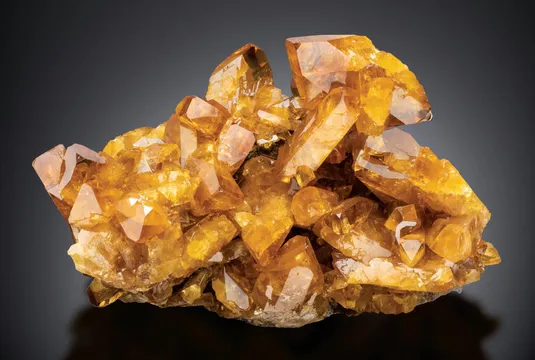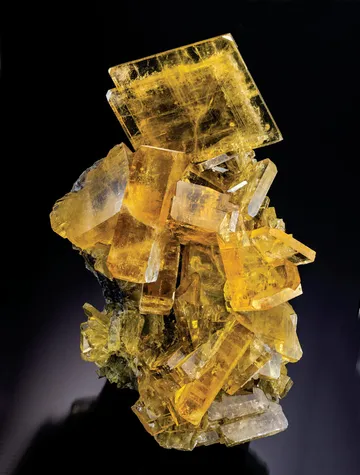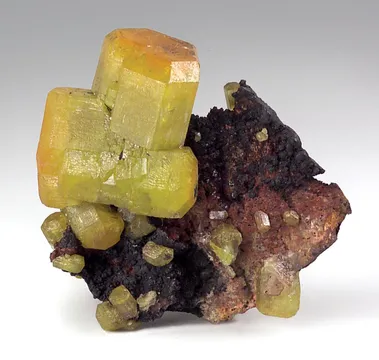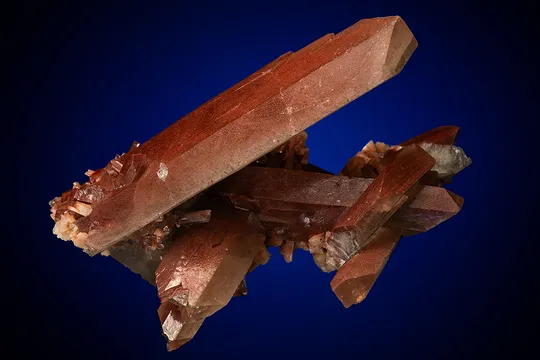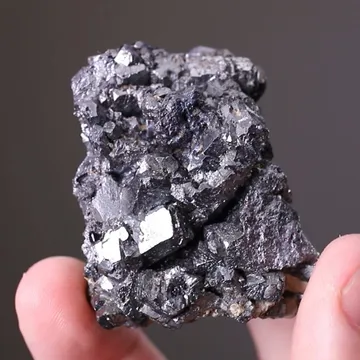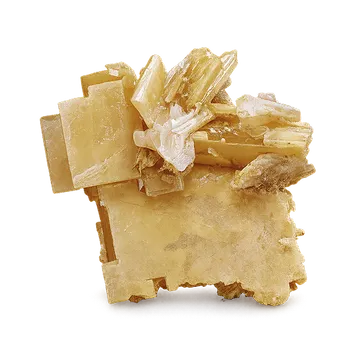
ドイツ・ポールア=テルレハウザー鉱山産のバライト:水晶/蛍石上の金色の蜂蜜黄色の直交晶系結晶、色と形、伝統的な系譜で高く評価される。
Key facts
ポフラ=テilerhäuserは、ゴールデン・バライトの欧州の古典的な呼称の一つです。最高品質の個体は、多くの採集家が最初に連想する平坦で色のない板状物ではなく、暖かみのあるはちみつ色からアンバー色の、透明から半透明の直方晶(オルトロホリック)結晶で、ノミのようなまたは細長い柱状の形状を持ち、よく石英の上に載り、条件が良い組み合わせでは蛍石に対して背景として配置されます。色は驚くほど豊かで、厚い帯ではワイン色がかった黄色、キャラメル色、または深いアンバー色となり、鋭いエッジと終端部に沿ってより明るい黄色のハイライトが見られます。

この産地はザクセン州の西部アルツベルク山地の上部に位置するポフラ=テilerhäuser鉱脈帯に属し、変成岩中に発達した複雑なスカルンと脈系で、後に水熱性のウラン、蛍石=バライト、炭酸塩、砒化物、銀、ビスマスを含む鉱化作用によって上書きされました。この複雑な地質史はコレクターにとって重要です。最良のバライトは単なる「美しい賜物」ではなく、テラーラーゼ系の蛍石・バライト脈の独特なエピソードの一部であり、特にクーナースバッハおよびガング・ルフシュバック構造に結びついています。
ポフラ・バライトが特に重視される理由は、三つの要素――色、形、系譜――のためです。理想的な標本はガラス光沢を持ち、濁った茶色の色調がなく、鋭いノミ状または槍状の終端部を持ち、ある程度透明性を備えています。 マトリックスと一体化した標本は、バライトが白いドリュージー・石英、玉髄、または着色蛍石からきれいに浮き出ている場合に特に価値が高く、孤立したクラスターで文脈が少ない場合より好まれます。二重終端結晶や並列成長グループはさらに評価を高め、欧州コレクションの旧ラベルやヴィスマット時代以降の市場へ広がったクラスック材へ追跡可能な標本も価値を高めます。
Search for specimens: View all barite specimens from Pöhla-Tellerhäuser Mine, Germany
ポーラ=テルルハウザー鉱山は、現在ザクセン州エアツゲーブリッツクライス郡のシュヴァルツェンベルクの一部となっているポーラ近郊に位置する。より広い鉱石帯は、シュヴァルツェンベルクとオーベルヴィエンタール地域の間の、西部エアツゲーブリッツクライス山地の上部にあり、フィヒテルゲルリッツェ・エアツゲーブリッツクライス背斜とゲラ-ヤヒャモフ断層帯の構造的交差点内に位置する。鉱山名はコレクターがポーラ-テルルハウザー系統全体の材料を指す際に通常用いられるが、地質はより細かく分割されている。ポーラ-グローベンシュタインは西北部のSn-W部、ハメルラインは主にスズ鉱床、テルルハウザーは水成長性ウランと蛍石-方鉛鉱脈系に最も密接に結びついたSn-U鉱床である。
母岩はカンブロ-オルドビス紀の変成岩列で、スカン着生したメタカルボネート層を含む雲母片岩、片麻岩、角閃岩、石英片麻岩、炭素を多く含む片麻岩があり、局所的には粘板岩状の片麻岩で覆われる。これらの変成堆積の下にはエイベンシュトック-カールロヴィー・ヴァリィ地塁に属する花崗岩の連峰があり、それがスカン体の形成を助けた。鉱床の歴史は、接触メタサーマティックなスカン形成から始まり、グライセン化と層状スズ硫化物の鉱化を経て、後に断層制御の水熱脈が分岐し、ウラン、蛍石、炭酸塩、石英、砒類、銀鉱物、蛭石を豊富に含む脈を形成した。
コレクターの関心を引く蛸石は特にテルルハウザーの蛍石-蛭石系列に属する。公表された地質記述はこの系列を主にクネルスバッハとガング・ルフシャーバッハ断層系に位置づける。蛍石はこの系列の主要鉱物だが、蛭石も良く結晶した板状から長柱状の結晶として見られる。コレクターが「ポーラ蛭石」と呼ぶ黄金色の結晶は、特にクネルスバッハに結びつき、透明な深い黄色がかった結晶が最大で約10 cmに達することが記録されている。
現代の形でのポーラの採掘はヴィスマート社の物語だった。SDAG Wismutは、1950年代から60年代の地表掘削で大規模な複合鉱脈の潜在性を明らかにした後、1967年後半に主なポーラの坑道を掘削し始めた。アクセス坑道は約7.8〜8 kmの長さで、ルヒスバッハ谷からフィヒテルベルク地域へ向かい、標高約+590〜+600 mの水準だった。坑道の約3 kmほど進んだところでハメルラインのスカンに到達し、さらに進むとポータルから約6 kmの地点にテルルハウザー鉱床が、二つのブラインド・シャフトと複数の工作階を用いて開発された。テレルシャーのウラン鉱業は1979年に始まり、1990–1991年の政治・経済的転換を経て終わった。公表された鉱山水と地質の要約によれば、1967年から1990年の間にポーラ=テレルシャー深部鉱山から約1,200メトリックトンのウランが回収され、テレルシャーのウラン鉱脈は変成岩環境に宿り、ピッチブレンド、コニ鉄砒、天然砒鉄、ロリンライト、磁鉄鉱、黄鉄鉱、マルカサイト、黄铜鉱、天然銀、石英、方解石と関連している。
採掘が終わった後、1991年から深部坑道は水没した。主アディットでテレルシャー鉱床への進入は封鎖された一方、ハメルライン地区はアクセス可能のままで、 Besucherbergwerk Zinnkammern Pöhla(ビジター鉱山:ジンカンマーン・ポーラ)として訪問者鉱山となった。現在、訪問者は約3kmの鉱山列車でハメルラインの錫鉱室まで入り、地下空間は大きな採掘坑(ストープ)で有名で、その長さ約45m、高さ約12m、幅約10mである。鉱物コレクターにとっては、ポーラ=テレルシャーは通常の意味での現代的な採集地とは言えないことを意味する。美しいバライト標本は主に旧来の生産品で、コレクション、ディーラー、オークションから循環している。
特筆すべき発見には標本材料と鉱物学的鉱物材料の双方が含まれる。Vismut(ビスマス)地質コレクションは、クンネスバッハ脈系の石英上にチェンバ風のバライト結晶を、視野30cmの範囲で文書化しており、クンネスバッハ系の蛍石上の柱状バライトを視野40cmの範囲で記録している。これらの記録は、市場でコレクターが目にするものと一致しており、通常は石英上の黄金色のプリズマ状またはチェーン状のバライトで、時には蛍石を伴い、巨大かつ損傷の少ない結晶は極めて稀である。## ポフラ=テラーハウザー鉱山(ドイツ)産バライトの特徴
ポフラ=テラーハウザー産バライトは、その金色の結晶形で最もよく知られている:光沢のある蜂蜜色から琥珀色の結晶で、端部やエッジがしばし透明で、他の多くの欧州産地の広く pale なバライト板よりも鋭く、プリズマティックである。最良の結晶はのみ形状の刃のような、槍状、または細長い柱状であることが多い;いくつかは板状、平行群で鋭く薄く見える平板の形もあり、ファン状のクラスターを成すものもある。二重終端結晶は重要な品質指標であり、ポフラの特徴としてよく見られるが、損傷のない標本も依然として望ましい。
結晶サイズは広くばらつく。多くのコレクター標本はサムネイル、ミニチュア、キャビネット小型で、個々の結晶は1–3 cm程度。より良い標本は結晶が約4–6 cmのものが見られ、記録されたクンネスバッハ産材料には透明なワイン色のプリズマティックから板状結晶で長さ10 cmに達するものが含まれる。大きな結晶が自動的に優れているわけではない:ポフラ産バライトは、鋭さ、ガラス様の光沢、飽和した色、終端部と刃部の打撲痕のなさで判断される。
主な色域は蜂蜜色、琥珀色、金色系黄色、バターキャンディ色、ワイン色である。白色から淡いピンクのバライト集合体も二重脈の脈状から報告され、板状結晶の放射状共晶は赤鉄鉱含有によって色が影響を受けることがある。しかしコレクター市場では、特に色が均一で結晶内部に魅力的な幻影状の分割が見られる透明な金色材料が最も高く評価される。
アソシエーションはこの産地のアイデンティティの重要な部分である。コレクター作品の基質鉱物としては石英が最も一般的で、ドリュージ石英、玉髄、あるいは石英豊富な脈材として現れる。蛍石は最も重要な美的関連物で、同じ蛍石−バライト系で黄色、緑がかった、紫、またはカラーゾーンを持つ立方体と塊として現れる。赤鉄鉱、黄鉄鉱、方解石、鉄スの類、さらにはさまざまな硫化物や砒元素は広い脈域に属するが、展示品質のバライト標本ですべてが一般的であるとは限らない。
最良のポフラ標本は非常に特定の外観を持つ:薄い石英マトリクスの上に金色のバライト結晶が浮かび、鋭い刃状の終端部を見せる十分な開放空間がある。小さめの結晶が密に敷き詰められたカーペット状のものは光沢が高く色が均一なときは魅力的だが、局在するいくつかの二重終端結晶を含むやや彫刻的なより大きめの標本はキャビネット的な魅力を強く持つことが多い。蛍石を含む標本は、バライトの色が紫色や黄色の蛍石と対比を成す場合、あるいは忙し過ぎる基質の中で視覚的に埋没しない場合に特に説得力を増す。状態は深刻です。 バライトは完全解理を持ち、適度な硬度のため、Pöhla結晶はエッジの欠け、断裂した終端、圧痕、そして結晶先端の接触ダメージに脆弱です。
多くの標本は産業鉱山で回収されたため、標本志向のポケット採集で得られるような、露出したすべての結晶の終端が完全無傷の真に pristine なピースは、見た目は良いが触れられているだけの例よりはるかに稀です。## Collector Notes
There is no well-established Pöhla-specific fake or treatment problem comparable to dyed agates or assembled Moroccan vanadinite, but the locality does require careful buying. The main authenticity concern is not whether the mineral is barite, but whether the specimen is genuinely Pöhla-Tellerhäuser rather than a generic golden barite from another European or modern world locality. A credible old label, a consistent matrix, and the right habit all matter.
A good Pöhla label should usually read Pöhla-Tellerhäuser Mine, Pöhla, Schwarzenberg, Erzgebirgskreis, Saxony, Germany, though older labels may use “Pöhla Mine,” “Pohla,” “Pöhla, Erzgebirge,” “Schwarzenberg,” or the English spelling “Saxony.” Some older commercial labels may also use “Crottendorf” or broader Erzgebirge wording imprecisely, so locality confidence improves when the specimen’s appearance matches known Kunnersbach/Tellerhäuser material: golden chisel-shaped barite, quartz matrix, and possible fluorite association.
Repairs are a more realistic concern than outright fakery. Inspect large crystals under magnification for glued terminations, filled cleavages, and mismatched luster across breaks. Doubly terminated crystals are desirable, so broken and reattached tips are worth checking carefully. The high specific gravity of barite means specimens can be surprisingly heavy for their size; loose crystals can detach from quartz matrix if the contact is small or previously fractured.
Common condition issues include nicked chisel edges, cleaved points, chatter along exposed crystal ridges, and small bruises that turn otherwise transparent amber areas dull or whitish. On quartz matrix pieces, also check for sawed bases, hidden repairs where barite meets quartz, and old iron staining that may obscure either damage or attractive contrast. A little peripheral wear is common and acceptable on older cabinet specimens, but damage across the main display crystals should be reflected in price.
Pöhla barite is scarce but not unobtainable. It appears periodically from old European collections and in specialist dealer inventories, with recent public offerings showing thumbnails to cabinet specimens rather than new production. Fine examples with gemmy crystals, strong golden color, quartz matrix, and old collection provenance command a premium; large cabinet pieces with many sharp crystals or unusual fluorite association are significantly harder to replace than single loose clusters.
For long-term care, store Pöhla barite away from harder minerals that can abrade the edges. Avoid ultrasonic cleaning, aggressive chemical treatment, and repeated soaking, especially on repaired or matrix-heavy specimens. Dust with a soft brush or air blower. The mineral’s beauty is in its glassy faces and crisp terminations; once a chisel edge is bruised, it cannot be restored.## Stories & Field Notes
Pöhla’s modern mining story begins not with a prospector holding a golden barite crystal to the light, but with the cold machinery of the postwar uranium hunt. The Erzgebirge had known iron, tin, silver, cobalt, nickel, and arsenic mining for centuries, yet the great modern push came after the Second World War, when uranium pitchblende transformed parts of Saxony into strategic ground. Wismut was described in a Saxon geological foreword as a “Staat im Staate” — a state within a state — and even its name served partly as cover for the real objective: uranium.
At Pöhla, Wismut arrived later than in famous uranium districts such as Schneeberg-Schlema. Surface drilling through the 1950s and 1960s revealed complex ore deposits around Hämmerlein and Tellerhäuser, and in late 1967 the main adit began to advance from the Luchsbach valley. The drive was immense by collecting-locality standards: nearly 8 km of access tunnel. At about 3,000 m in, miners cut the Hämmerlein tin skarn. Farther still, around 6,000 m from daylight, the Tellerhäuser uranium deposit was opened by two blind shafts, six main levels, seven sublevels, and ventilation raises.
The Zinnkammern, now the public face of the mine, began as experimental tin workings in 1976–1977. They were not specimen pockets but engineered voids: chambers roughly 45 m long, 12 m high, and 10 m wide. Today those dimensions are part of the visitor experience, reached by a 3 km mine-train ride into the mountain. Formerly industrial spaces now host demonstrations, concerts, and mining-culture events, while the Tellerhäuser uranium workings beyond remain sealed and flooded.
The barite story belongs to the quieter mineralogical afterlife of the mine. During Wismut operations, the golden crystals were not the commodity. They were found as part of the fluorite-barite vein systems — particularly Kunnersbach and Gang Luchsbach — amid a far more politically important search for uranium and a technically difficult evaluation of tin, tungsten, zinc, indium, and other metals. The geological monograph preserves the collector’s key details almost as an aside: barite from Kunnersbach occurs as transparent wine-yellow prismatic to tabular crystals up to 10 cm, and the Wismut collection held chisel-shaped barites on quartz large enough to be photographed with a 30 cm field of view.コレクターは別の戦後詳細を繰り返す、それがポーヒュラ産の方解石が持つ独特の市場リズムを説明しているからだ。クラシックな材料の多くは、現代の標本回収が組織化される以前の旧在庫やコレクション由来に見える。ディーラーとコレクションの記録は繰り返し、金色のポーヒュラ方解石を、1989〜1990年の政治的開放を経て西洋の収集家に大量に届いた、共産主義時代やヴィズムト時代の標本として描写する。小さな旧ラベルのミニチュアであろうと、ドラマチックなキャビネット・クラスターであろうと、その歴史は物体の一部である:標本は単なる金色の硫酸塩ではなく、20世紀後半の欧州で最も秘密性の高い鉱山風景の生存者である。## ミネラル学的記録と出版物
Werner Schuppan and Axel Hiller, with Inge Krejny, Die Komplexlagerstätten Tellerhäuser und Hämmerlein: Uranbergbau und Zinnerkundung in der Grube Pöhla der SDAG Wismut, Bergbau in Sachsen Band 17, Landesamt für Umwelt, Landwirtschaft und Geologie / Oberbergamt, Freiberg, 2012 — Pöhla-Tellerhäuserの地質、採掘史、脈系、鉱物伴生相、および記録されたKunnersbach方解石のバライト産状に関する必須の技術モノグラフ。
Mindat ローカリティ記録: Pöhla-Tellerhäuser Mine, Pöhla, Schwarzenberg, Erzgebirgskreis, Saxony, Germany — 標準的なローカリティ記録、座標、鉱物リスト、鉱山の写真アーカイブ。
Mindat 発生記録: Pöhla-Tellerhäuser Mine のバライト — ローカリティでのバライトに関する種特有の記録、関連鉱物の写真データと参考文献を含む。
Artur Wittern, Mineralfundorte und ihre Minerale in Deutschland, Schweizerbart, Stuttgart, 2001 — Mindat が Pöhla-Tellerhäuserのバライト産状の参考文献として引用。
Michael Paul, Andrea Kassahun, Klaus Sommer, Jürgen Meyer, and Lars Braun, “Advanced chemical oxidation for arsenic treatment at a flooded uranium mine with a bio-geochemically reduced mine water pool,” Proceedings IMWA 2016, Freiberg — 掘抜後の歴史、氾濫、ウラン生産量、鉱山水の処理、現代の remediation コンテクストに有用。
Bethany Simons, Jens Christian Andersen, Gavyn Rollinson, Robin Armstrong, Alla Dolgopolova, Reimar Seltmann, Chris Stanley, and Marco Roscher, “Mineralogical variation of skarn ore from the Tellerhäuser deposit, Pöhla, Germany,” Geophysical Research Abstracts, Vol. 19, EGU2017-8577, 2017 — Tellerhäuserのスカーン鉱物学の現代的で簡潔な技術概要、および Zn-Fe-Sn-Cu-In の複雑性について。
Wikimedia Commons: Barite-lw79c.jpg — 黄金色のPöhla-Tellerhäuserバライトが石英と共生するロブ・ラビンスキー撮影、標本サイズ、ローカリティ、ライセンス情報。
Wikimedia Commons: Barite-lw79d.jpg — 同じ小型キャビネットのPöhla-Tellerhäuserバライト標本の別アングルの近接写真。## さらなる読み物と外部リンク
Mindat: Pöhla-Tellerhäuser Mine locality page — ローカリティ階層、座標、鉱物リスト、標本写真の最良の出発点。
Mindat: Baryte from Pöhla-Tellerhäuser Mine — 関連鉱物データと写真リンクを含む、特化した方解石記録。
Schuppan & Hiller, Die Komplexlagerstätten Tellerhäuser und Hämmerlein — Pöhla-Tellerhäuser系統の最も詳しい地質・採鉱史の情報源。
Besucherbergwerk Zinnkammern Pöhla: history — 公式の見学坑道の歴史、Wismutの導坑、Hämmerleinの錫部屋、 Tellerhäuser の開発、1991年の氾濫を含む。
Besucherbergwerk Zinnkammern Pöhla: visitor mine — 現在の地下見学体験の公式ページ(Hämmerlein区画)。
ERIH: Zinnkammern Besucherbergwerk Pöhla — 工業遺産の概要で、鉱山をエルツ山地/クルシュノホリ UNESCO鉱業景観へ結ぶ。
Show Mines of Germany: Besucherbergwerk Zinnkammern Pöhla — 見学坑道の実用的・歴史的要約と簡潔な時系列。
MineralAuctions: Baryte on Quartz, Pöhla-Tellerhäuser Mine — サイズ、状態表現、結晶形、旧収集経歴を示す最近の市場例として有用。
MineralAuctions: Baryte, Pöhla-Tellerhäuser Mine — 琥珀色の板状結晶がクォーツ上に見える、1980年代–1990年代期の資料を説明する別の市場例。
Aether Fine Minerals: Baryte, Pöhla-Tellerhäuser Mine — 古いコレクション由来の優れた小品の販売者説明と二重終端の金色結晶の特徴。
IMWA 2016: Pöhla-Tellerhäuser mine-water treatment paper — ウラン生産、浸水、水質、閉鎖後の修復に関する技術資料。