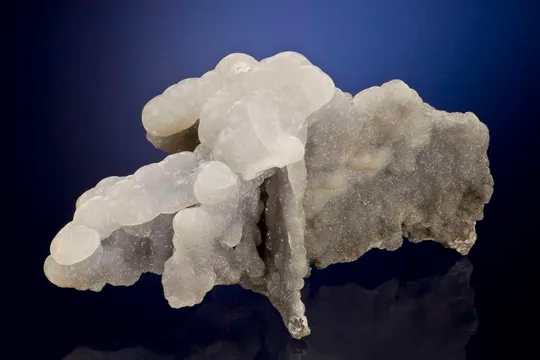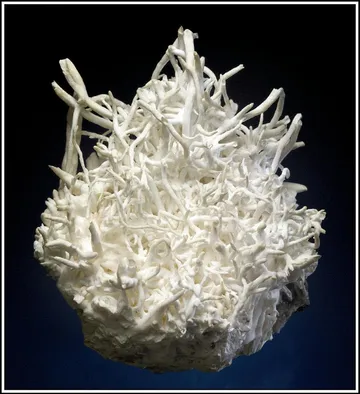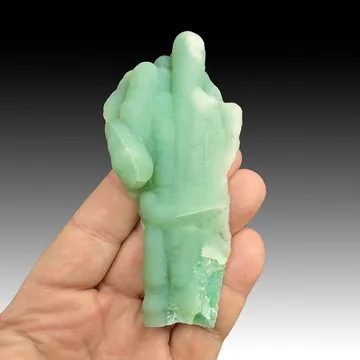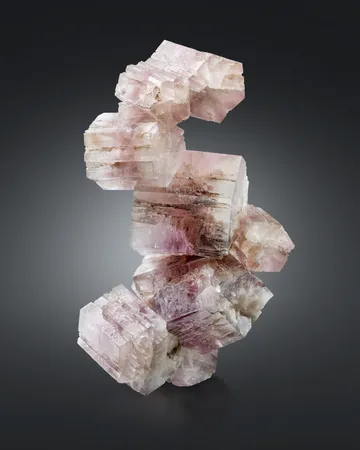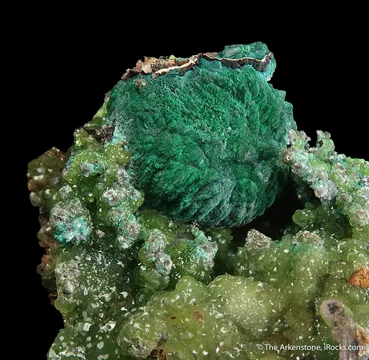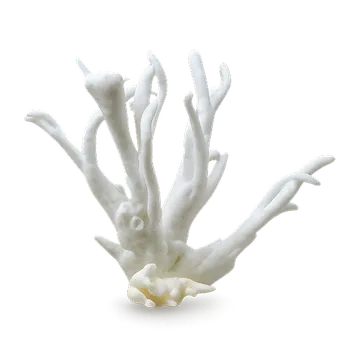
ギリシャ・ラブリオン産アラゴナイト — 薄い青から海藍色のクラスト、繊細な鍾乳石、銅を含む結びつきがあり、特有の産地を際立たせます。
Key facts
Lavrion採掘地区のアラゴナイトは、収集家の世界で最も語られてきた鉱物環境のひとつに属する:古代の Pb-Zn-Cu-Ag鉱山が重なる、南東アティカの地方であり、古典期アテネの銀、現代の産業採掘、そして卓越した酸化帯の鉱物群が重なる場所である。 Lavrionは、単純に豊富で単一種の標本として有名なのではなく、独自のLavrion的ビジュアル言語の一部として現れるアラゴナイトが評価される:淡青から海藍色の外観のクラスト、繊細な鍾乳状の噴出、白と白青の「海の泡」状の集合体、フロス・フェリ(鉄の花)状の分岐、そしてsmithsonite、adamite、conichalcite、azurite、aurichalcite、石膏、鉄染みのゲッサンとの劇的な関連。

地区のアラゴナイトは、コレクターがLavrionの銅を含む二次鉱物環境と結びつける青色および青緑色の色調を示すときに特に魅力的である。いくつかの標本は静かで建築的:滑らかな淡色の帯、繊維状のクラスト、マトリックス上のドリュージュ・アラゴナイト。ほかはより活発である—サンゴ状のフロス・フェリ、薄い鍾乳、“木”状の形態、ミリメートル級のトゲ状成長がほとんど有機的に見える。最良の例は、壊れやすい炭酸塩質の質感と古い鉱山との関連性、そして高度な地点特異性を組み合わせている:カマリザ、ヒラリオン、クリスティアナ、セルピエリ、ソウニオン、ヴィリヤ、アリ、または地区内の名付けられた井戸や坑道のひとつ。

この豊饒さの地質的な理由は、Lavrionの複雑な鉱化史にある。地区はアティック–キクラデス結晶帯に位置し、いくつかの鉱化様式を含む:黄鉄鉱系モリブデン銅(porphyry Mo)、スカルン系Fe-Cu-Bi-Te、炭酸塩置換Pb-Zn-Cu-As-Sb-Ag ± Au-Bi、脈およびブレシア礦(Pb-Zn-Cu-As-Sb-Ag-Au-Ni-Bi)およびFe-およびZnに富むゲッサン。炭酸塩母岩、硫化物鉱物、剥離関連構造、繰り返される酸化と再沈着は、アラゴナイトのような後期の炭酸塩鉱物が空洞を覆い、以前の材料を置換し、あるいはサイナー状の形態として成長するのにぴったりの、化学的に多様な開放空間を生み出した。歴史的に見て、わずかな鉱物産地が重みを持つ。ラヴリオンの銀は古代アテネの力の支えとなり、その地区は1860年代以降に現代の鉱業中心地として再興された。コレクターにとって、その歴史は重要である。優れたラヴリオン方解石は単なる炭酸カルシウム標本ではない。それは、廃棄物山、鉱道、溶鉱炉スラグ、博物館、名のついた鉱山が世代を超えてコレクターや鉱物学者に世界で最も濃密で多様な鉱物記録のひとつを供給してきた地区の標本である。## Featured Specimens
Search for specimens: View all aragonite specimens from Lavrion Mining District, Greece
Lavrion lies in southeastern Attica, roughly 50 km southeast of Athens, around the modern town of Lavrio/Lavrion and the mining areas of Kamariza, Plaka, Agios Konstantinos, Sounion, Villia, Thorikos, Soureza, Elafos, and related subdistricts. Older labels may read Laurium, Laurion, Laurium District Mines, Attika, Attica, Kamariza, Kamareza, St. Constantine, Cato Sounio, or Sounion. For collector labels, “Lavrion Mining District, Lavreotiki, East Attica, Attica, Greece” is the modern standardized form, but preserving an older mine or shaft name is often more valuable than forcing the specimen into a simplified district label.
The primary ore system is polymetallic and structurally complex. In the Kamariza area, carbonate-replacement Pb-Zn-Ag ± Au mineralization formed mantos, chimneys, replacement veins, and breccias, with galena, sphalerite, pyrite, arsenopyrite, chalcopyrite, sulfosalts, fluorite, and carbonate gangue. At Plaka and related areas, granodiorite, skarn, and vein systems add further complexity. Later oxidation converted sulfide ores into gossan, calamine, smithsonite, goethite, hematite, cerussite, hemimorphite, hydrozincite, copper carbonates, arsenates, sulfates, and a long list of rarer secondary species. Aragonite belongs to this late carbonate and cavity-filling story, commonly occupying open spaces created by dissolution, fracturing, oxidation, and carbonate mobility.
Lavrion’s mining history is exceptionally long. Archaeological and geochemical evidence places mining activity in the district as early as the third to fourth millennium BC, with organized exploitation becoming highly important in the Archaic and Classical periods. The silver-rich lead ores reached their greatest ancient importance in the sixth to fourth centuries BC, when the income from the mines helped finance the Athenian fleet and the economic power of Classical Athens. The ancient workings include more than a thousand shafts and extensive underground galleries, with ore washeries and water-management systems still forming part of the district’s archaeological landscape.
After a long period of reduced activity, modern mining began in 1864 with Andreas Kordellas and Giovanni Battista Serpieri, leading to the development of Lavrion as an industrial mining town. The Greek Metal Works Company of Lavrio and the Compagnie Française des Mines du Laurium worked the district into the twentieth century, and modern mining ceased in the late 1970s. The modern period is important to mineral collectors because it opened, exposed, and redistributed large amounts of oxidized ore material and made possible many of the classic specimen recoveries that later entered European and international collections.重要な方解石生産地または方解石を含有する地質地点には、カマリザ鉱山のヒラリオン、クリスティアナ、セルピエリをはじめとする地点、サウニオンを含むサウニオン鉱山第19号(flos ferri)などが挙げられます。ヴィリアを含む有名な「アラゴナイトの鐘」サンター層がNo. 111として記録された坑道、そして現地で緑色のアラゴナイトが写真撮影されたアリ地域も含まれます。博物館や旧収集品にも、ヴィリアNo.132の大きな青いアラゴナイトや、緑色のスミソナイトと白いアラゴナイトを組み合わせた旧ラウリウムの標本が見られます。
採集アクセスは慎重に扱われなければなりません。ラブリオンは歴史的に採掘され、考古学的に微妙な地域で、地元保護地域である旧鉱坑、坑道、不安定な盛土、私有地または制限地、ソーニオン国立公園およびNatura 2000設定域の内外にある地域が含まれます。地域はまた、無秩序な商業標本採取の影響を受けてきました。真剣な収集者は、旧地下工作跡を危険とみなし、アクセス、土地状況、安全条件が明確に確立されている場所でのみ採集すべきです。多くの購入者にとって、最良の方法は、十分に文書化された旧コレクション、信頼できるギリシャおよび欧州のディーラー、または鉱山レベルまでの正確な出自を持つ標本を通じて取得することです。## ラブリオン採掘地区 Greece の menurut aragonite の特徴
Lavrion の aragonite は化学的には単純—CaCO3—だが、視覚的には多様である。 locality の最も強力な素材は通常、無色透明または白色の炭酸塩被覆の普通の色ではなく、青、青緑、リーフグリーン、または淡いターコイズ色の着色を通じて地区の金属豊富な酸化環境を記録する aragonite である。これらの色は、通常、長繊維状、鍾乳石状、珊瑚状、あるいは druzy の集合体に見られ、大きく、シャープに終端した単独結晶にはあまり見られない。
最も recogniz able な形は薄い鍾乳石状、繊細な噴霧状、平ら化または細長いサテン結晶、繊維状の被覆、フロス・フェリ枝、珊瑚様または低木様の集合体である。いくつかの標本はほとんど生物的な構造を示す:分岐する白い「指」、青緑の覆層、またはガッソンから立ち上がる aragonite の「樹木」。他には、ミュージアムの Villia の例のように、白色の結晶表面を伴う広い青色帯を形成するものがある。 Villia の「Aragonite-Bell」は重要で、アラゴナイトを典型的な独立したキャビネット標本ではなく、鉱泉様の洞窟/採掘坑の形成として示している点が特徴的である。
色は白色とクリーム色から、淡い青、青白、ターコイズブルー、リーフグリーンまで幅広い。白いアラゴナイトはしばしばスメルチンサイトと共存し、緑色のスメルチンサイトと白いアラゴナイトの対照は、古きラウリウムの古典的な組み合わせとして知られる。淡い青のアラゴナイト鍾乳石とガラスのような青味を帯びた結晶は、より一般的な白色の炭酸塩材料とは視覚的に異なり、特に評価が高い。緑色のアラゴナイトは Ari 採掘地域からも文献に記録されており、現地の大きな産出物を含む。
標本のサイズは多岐にわたる。多くのコレクター品質の作品は、特にアラゴナイトが細い噴霧、ドローズ、またはガッソン上の分岐小枝として現れる場合には、サムネール〜小キャビネットサイズであることが多い。文献上の例には、地区産の淡青色鍾乳石状の5 x 4 x 3 cm の標本、Christiana の 51 x 36 x 27 mm の青いアラゴナイト、Kamariza の 8.4 x 6.3 x 5.8 cm のガラス状の青味を帯びたアラゴナイト、Hilarion の 17.3 x 15.9 x 14.4 cm の銅成分を含むアラゴナイトで、スプレー状の集合が約 5 cm まで立ち上がる。Villia および Ari 由来の大型の博物館級・現地採取のアラゴナイト標本は大きいものも多いが、強い美学性と最小限の損傷を伴うキャビネット標本はより少ない。
関連する鉱物は品質の大きな要因である。Christiana では、アラゴナイトはアダマイト、銅を含むアダマイト、コニカールサイト、ジンコリベナイト、ジャロサイト、ゲオタイト、オリベナイトと写真ベースの関連データに記録されている。広域の地区全体では、アラゴナイトはスメルトンサイト、カルサイト、アウリカルサイト、石膏、青銅鉱としてのアズライト、マラカイト、コニカールサイト、銅成分のアダマイト、ヘミモルファイト、亜鉛アルミナイト、リモナイト系のガッソンと共に現れることがある。淡いアラゴナイトと Lavrion の二次鉱物である鮮やかな色調—青いアズライト、緑のコニカールサイト、ターコイズのアダマイト、あるいはバトリオイダル状のスメルチンサイト—が結びついた標本は、単独の炭酸塩被覆標本よりもコレクターの魅力が強いことが多い。トップ・エグザンプルは、地方性の精度、色、構造、保存状態で評価されます。優れたラブリオンのアラゴナイトは、開いた未損傷のスプレーや鍾乳石、派手すぎない自然な青色または青緑色のトーン、基材とのクリーンな対比、そして特定の鉱山または区画のラベルを持つべきです。特に重要なのは、旧ラベルで、カマリザ、ヒラリオン、クリスティアナ、セルピエリ、スーニオン、ビリヤ、またはシャフト番号を示すものです。鉱物は壊れやすいため、完全な「360度」アラゴナイト、または乱れのないフロス・フェリ branch(フロス・フェリの分岐)を持つものは、より大きくても擦れたり壊れたりした塊よりもはるかに望ましいです。## Collector Notes
Lavrion aragonite is a collector’s locality mineral rather than a common species acquisition. Aragonite itself is abundant worldwide, but Lavrion examples with strong color, sculptural habit, and precise provenance are much less routine. The most desirable pieces are blue or seafoam cuprian-looking aragonites, delicate flos ferri, old Laurium smithsonite-aragonite associations, and aragonite in combination with the district’s more famous copper and zinc secondary minerals.
The chief condition issue is fragility. Thin stalactites, flos ferri branches, fibrous crusts, and millimetric coral-like crystals are easy to bruise, dust, or snap. Damage may hide in the interior of a branching spray, so specimens should be examined from multiple angles under strong light. On matrix pieces, look for flattened tips, missing branch ends, chalky abrasion, and old glue repairs at the base of aragonite clusters. Dust is a serious problem because fibrous aragonite is difficult to clean without breaking; a covered display case is preferable.
Authenticity concerns are mostly about labeling, color, and identity. “Lavrion” is often used loosely in the market, and older labels may say Laurium, Sounion, Kamariza, Attika, or simply Greece. That is not automatically a problem, but a high-value specimen should preserve the most specific locality information available. Be cautious with vague “Greek blue aragonite” labels that lack a mine, district, or collection history.
No strong collector literature tradition centers on Lavrion-specific fake aragonites, but modern blue carbonate material in the broader mineral market is sometimes dyed, misidentified, or sold under loose trade names. Natural Lavrion blue tends to be pale to medium, often seafoam or turquoise rather than neon. Artificial dye commonly concentrates in cracks, pits, and broken surfaces, and overly even electric-blue color should be treated skeptically. Also separate aragonite from blue calcite, hemimorphite, chrysocolla-rich crusts, aurichalcite aggregates, and other pale blue Lavrion secondaries. A simple acid reaction confirms carbonate but does not distinguish calcite from aragonite; habit, associations, and, for important pieces, Raman or XRD testing are more reliable.市場の入手可能性は不安定です。小さなアラゴナイト含有の結晶群が定期的に現れますが、名高い Lavrion 鉱山からの青く美しい邪魔されないアラゴナイトや大型の銅成アラゴナイトは希少です。最近のオークション記録は、ガラスのように青味を帯びた長く細い結晶を持つ小型キャビネット用の 8.4 cm のカマリザ産アラゴナイトが 2022 年に 160 ドルで落札された一方、海霧色の青い噴霧と旧収集経歴を有する大型の 17.3 cm のヒラリオヌス銅成アラゴナイトが 2025 年に 710 ドルで落札されたことを示しています。51 mm の青い Christiana アラゴナイトはディーラーのリストを通じて販売され、銅成アダマイト、スミソナイト、アラゴナイトを組み合わせた希少な結晶群もオークション市場に現れています。これらの記録は幅広いレンジを示唆しており、小さめまたはあまり劇的でない標本には手頃な価格、色彩豊かで傷がなく provenance が確かな大型標本には競争が激しいという傾向を示しています。## Stories & Field Notes
Lavrion’s aragonite sits inside a mining story much older than the specimen trade. In the ancient landscape between Thorikos and Cape Sounion, miners followed lead-silver ores through narrow galleries and shafts long before mineral collectors cared about blue carbonate sprays. The district’s workings were not a small local enterprise: ancient galleries run for many hundreds of kilometres in aggregate, arranged across multiple levels and linked by shafts. The rock was advanced only a few metres per month with hand tools and, at times, fire. Water was scarce, so the miners built systems to collect and manage it for washing ore. The landscape still carries those engineering traces—shafts, washeries, galleries, and processing remains scattered through the dry Attic hills.
The silver changed history. In the early fifth century BC, the revenues of Lavrion became bound to the naval policy of Themistocles. Instead of distributing the windfall from the mines, Athens invested in ships. That fleet became central to the Greek victory at Salamis in 480 BC. It is one of the rare cases in which a mineral district can be discussed not only as geology, but as a hinge in political and military history. When a collector handles a Lavrion aragonite, the specimen is late, secondary, and chemically modest—but the ground beneath it is the same ground that helped turn ore into coinage, triremes, and Athenian power.
Modern Lavrion has its own origin story. In 1864, Giovanni Battista Serpieri and Andreas Kordellas brought the old district back into industrial life. Lavrion, then a minor settlement, was transformed within a year into a mining town of more than 10,000 residents. The companies built houses, schools, churches, pharmacies, infirmaries, railways, and industrial works. Between 1882 and 1885, the railway line connecting Athens with Lavrion was constructed. Modern mining produced the dump and underground exposures that later generations of collectors would comb for smithsonite, azurite, adamite, serpierite, ktenasite, and, more quietly, aragonite.
Field visitors still encounter that layered history. A 2022 Wendel Minerals trip report describes arriving after four years away, visiting the Temple of Poseidon at Cape Sounion, meeting the Kapellas family, and going to the Mineralogical Museum of Lavrion. In the museum cases, among mixite from Hilarion, glaucocerinite from Serpieri, azurite pseudomorphs after native copper from Christiana Mine No. 132, and light blue-yellow smithsonite from Serpieri, the visitors noted a large specimen of blue aragonite. The same route continued to the old Kordellas smelting plant, the “KM 3” locality famous for annabergite, the Serpieri shaft headframe, an old mining railway tunnel from Kamariza down toward the harbor, and the entrance of the Hilarion mine. It is a modern collector’s itinerary, but it reads like a condensed map of the district’s mineral memory.ヴィリアのアリゴナイト特有の詳しいディテールの中で、最も感情を喚起するものの一つは Villia から来るものです。番号自体が不確定として記録されているアディット No. 111 は、「アラゴナイト・ベル」—通常の意味での携帯標本というよりはセント状の沈殿体として知られています。これは重要です、なぜなら収集家に Lavrion のアラゴナイトが切り出された母石片だけで見つかるわけではないことを思い出させるからです。旧鉱山の湿潤で炭酸塩豊富なマイクロ環境の中で、後期の流体が鉱壁や空洞にアラゴナイトを建築的な形で沈着させたこともあったのです。希少なリン酸塩、硫酸塩、名指しされた種で有名な地区であっても、この単純な炭酸カルシウムは記憶に残る形で結局は残る道を見つけたのです。## 鉱物学的記録と出版物- Mindat — ギリシャ産アラゴナイト、 Lavrion Mining District を含む — ギリシャと Lavrion 地区階層における検証済みアラゴナイトの有用な産地索引。
Mindat — Lavrion Mining District, Lavreotiki, East Attica, Attica, Greece — 地区の鉱山、別名、鉱物リスト、サブローカルティの中心的な産地参照。
Mindat — Adit No. 111(?), Villia mines, Elaiochori — 「アラゴナイト・ベル」沈殿物で有名なアディットを含むアラゴナイト含有鉱道の記録。
Mindat — Flos Ferri from Sounion Mine No. 19 — Sounion Mine No. 19 からのアラゴナイト変種 flos ferri の産地記録、2022年の鉱物同定の公表文献を含む。
Mindat photo 597908 — Lavrion の淡い青色のアラゴナイトの鍾乳石 — 非常に繊細な淡い青色のアラゴナイト鍾乳石を描写した Bill Dameron の写真記録、サイズ 5 x 4 x 3 cm。
Wikimedia Commons — Aragnonit nhmWien.jpg — Villia No. 132, Laurion 由来とラボラリウムにラベル付けされた青いアラゴナイトの博物館写真。
Wikimedia Commons — Smithsonite-Aragonite-57288.jpg — Rob Lavinsky による Laurium の旧 smithsonite と白いアラゴナイトの写真。
Voudouris, P., Melfos, V., Spry, P.G., Bonsall, T.A., Tarkian, M., & Solomos, C. (2008). “Kamariza 地区、 Lavrion, Greece における炭酸塩置換 Pb-Zn-Ag ± Au 鉱化作用:形成の鉱物学と熱化学条件。” Mineralogy and Petrology, 94, 85–106. — Kamariza 炭酸塩置換鉱化作用、鉱体タイプ、及び熱水条件に関する要点論文。
Skarpelis, N., & Argyraki, A. (2009). “Attica, Greece の Lavrion Pb-Ag-Zn 鉱床における超銅鉱の地質と起源。” Resource Geology, 59, 1–14. — Lavrion の超生鉱非硫化鉱石、ゴッサンの発達、二次鉱物沈着の重要研究。
Bonsall, T.A., Spry, P.G., Voudouris, P.C., Tombros, S., Seymour, K.S., & Melfos, V. (2011). “The Geochemistry of Carbonate-Replacement Pb-Zn-Ag Mineralization in the Lavrion District, Attica, Greece: Fluid Inclusion, Stable Isotope, and Rare Earth Element Studies.” Economic Geology, 106(4), 619–651. — Lavrion 탄산염 대체 광상에 대한 자세한 지화학적 연구.
Voudouris, P., et al. (2021). “The Lavrion Mines: A Unique Site of Geological and Mineralogical Heritage.” Minerals, 11, 76. — Lavrion의 포괄적 공개(Open-access) 개관 리뷰。地質学、採鉱の歴史、鉱物の多様性、そして地質遺産の価値。
Rieck, B., Kolitsch, U., Voudouris, P., Giester, G., & Tzeferis, P. (2022). 「ギリシャ・ラブリオン鉱業地区からの新しい同定」 Mineralien-Welt, 33(5), 6–20. — Sounion flos ferri の記録と地区の最近の同定について Mindat により引用。
Schreiber, Fritz 標本記録。 Mindat — Adit No. 111(?), Villia 鉱山 — Villia 掘削地点の赤鉄鉱と方解石の参照として掲載。## Videos & Media
“Τα μεταλλεία άργυρου στο Λαύριο / Lavrion silver mines” — Photodentro Educational Video — ラブリオンの銀鉱山、テミストクレスの海軍政策、アテネの貨幣、そして古代鉱山の国家貸与についての4分間のギリシャ語教育動画。
“Lavrion Trip 2022” — Wendel Minerals — 2022年のコレクター訪問を記録した鉱物博物館と野外での写真が豊富な報告、鉱物学博物館、KM 3、セルピエリ鉱井戸、ヒラリオン鉱山入口、博物館の大きな青い方解石標本を含む。## さらなる読み物と外部リンク
Mindat — Lavrion Mining District — 地区の地名階層、別名、鉱山、鉱物リストの最適な出発点。
Mindat — Aragonite from Greece — Lavrion を含むギリシャのアルゲナイトの発生例の簡易索引。
Mindat — Aragonite from Christiana Mine — Christiana Mine のアルゲナイト、関連鉱物、写真ベースの出現データに有用。
Mindat — Sounion Mine No. 19 flos ferri — 地区の重要な Sounion 鉱山のアルゲナイト変種 flos ferri の特定記録。
Mindat — Adit No. 111(?), Villia mines — Villia の “Aragonite-Bell” アルゲナイト-方解石沈殿地の参照。
The Lavrion Mines: A Unique Site of Geological and Mineralogical Heritage — ラヴリオンの地質、鉱石鉱床、鉱物の多様性、採鉱考古学、地質遺産のオープンアクセス総説。
Geology and origin of the supergene ore at the Lavrion Pb-Ag-Zn deposit — 酸化と二次鉱物形成に関する要点論文の要旨とリポジトリ記録。
Carbonate-replacement Pb-Zn-Ag ± Au mineralization in the Kamariza area — 2008年のカマリザ鉱化論文の参考文献と要旨。
The Geochemistry of Carbonate-Replacement Pb-Zn-Ag Mineralization in the Lavrion District — 2011年の Economic Geology 論文の書誌ページ。
Wendel Minerals — Lavrion Trip 2022 — ラヴリオンのランドマークと鉱物展示を収めた採集者向け野外・博物館写真エッセイ。
Mineral Auctions — Hilarion Mine cuprian aragonite auction record — 2025年の大規模なヒラリオン・アルゲナイト標本の市場参照。
Mineral Auctions — Kamariza aragonite auction record — 2022年に販売された青味を帯びた結晶化ラヴリオン・アルゲナイトの市場参照。
Minfind — Christiana Mine blue aragonite — Christiana Mine 産の51 mm 青アルゲナイトのディーラーアーカイブ。