$315Median
33Sold (12 mo)
$120Last sale
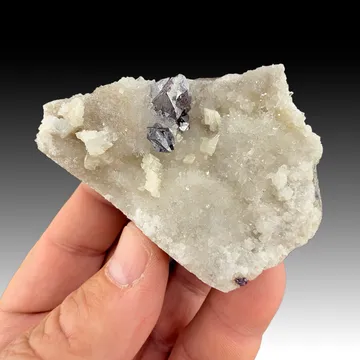
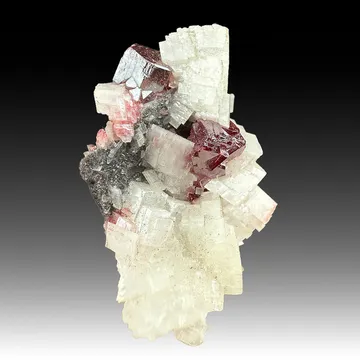
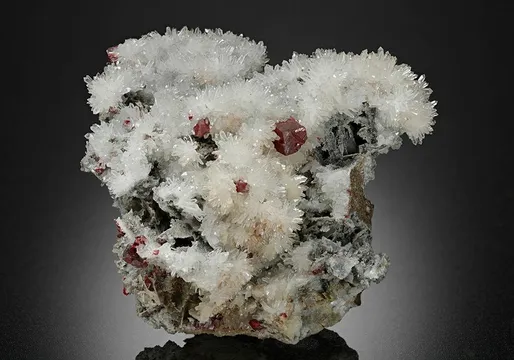
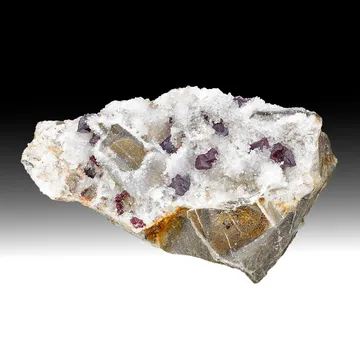
Cinnabar is a rare mineral, but it is in high demand due to its striking appearance, technological applications, and cultural significance. It is sought after both by industry and mineral collectors. The formation of cinnabar strongly depends on redox conditions—it typically requires reduced, carbon-rich sediments to trap mercury, followed by an influx of oxidized fluids to release the mercury from those traps (see my previous cinnabar post). Some cinnabar specimens also feature diverse mineral associations, including calcite, dolomite, and quartz. Among these, specimens containing quartz are particularly rare and highly prized. Quartz is one of the most common minerals on Earth, so why is it uncommonly found with cinnabar deposits?
While cinnabar is found globally, China is renowned for producing both the finest and the largest quantity of specimens. These deposits often occur in limestone or dolostone host rocks, which are typically low in silica. This means that pure SiO₂ (i.e., quartz) is unlikely to form unless the system becomes silica-saturated. More research is needed, but several possible processes may explain. One possibility is the introduction of silica from an external source, such as nearby granite intrusions or sandstone units. Alternatively, silica could be supplied from within the system—perhaps from chert. Another intriguing idea involves supercritical CO₂, which buffers aqueous fCO₂, providing carbonate even from small fluid volumes. In such systems, the accompanying brine acidity may promote silica supersaturation (SiO₂ is more soluble at high pH, and precipitates at low pH). Additionally, a significant drop in temperature can greatly reduce the solubility of SiO₂, leading to quartz precipitation. These are just hypotheses, some or all could be incorrect, but at least provide some thoughts here.
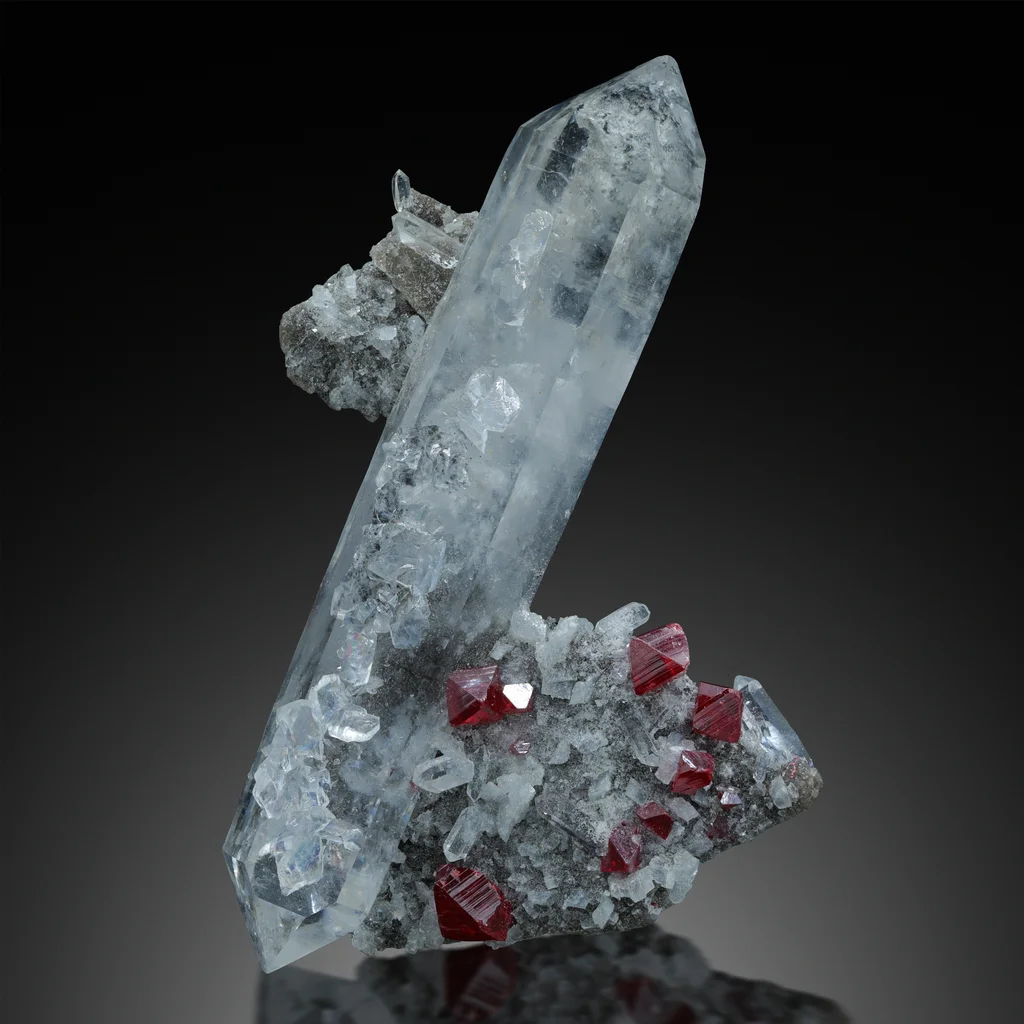
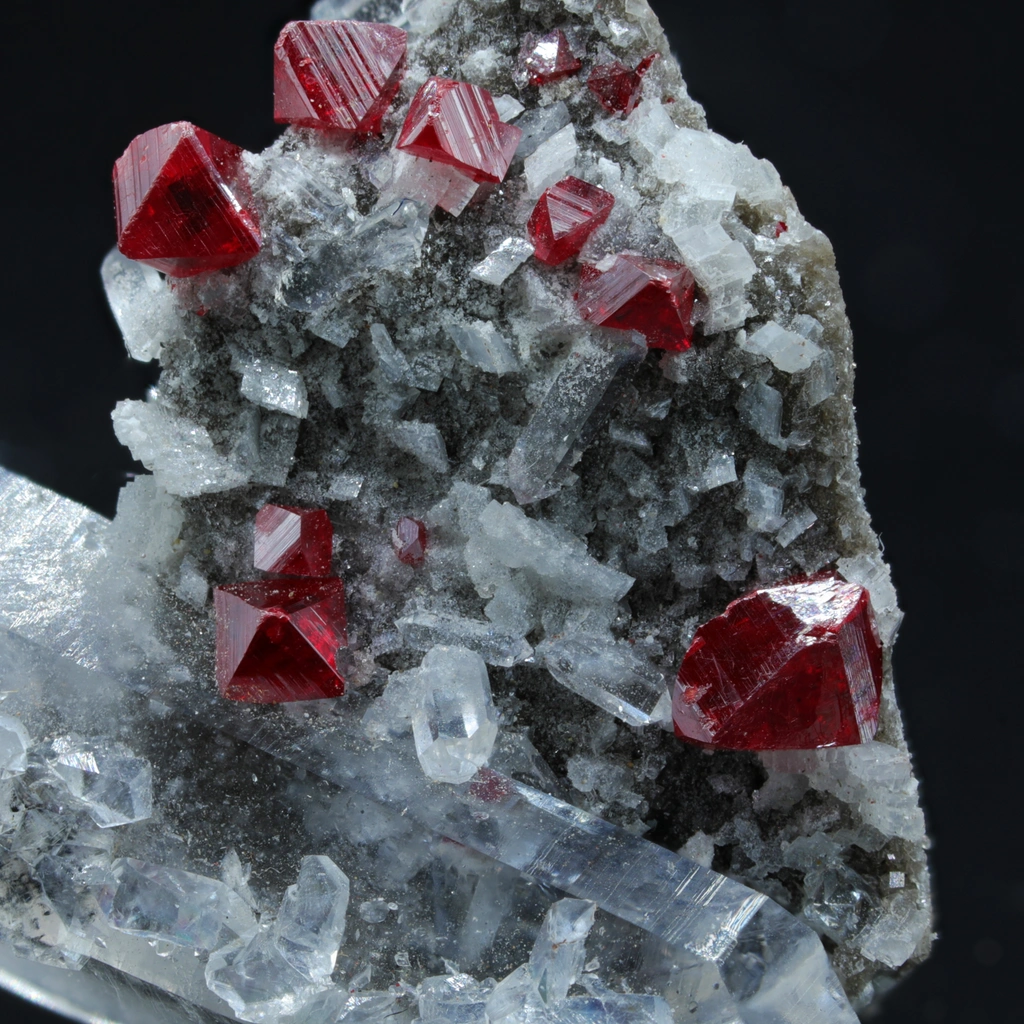
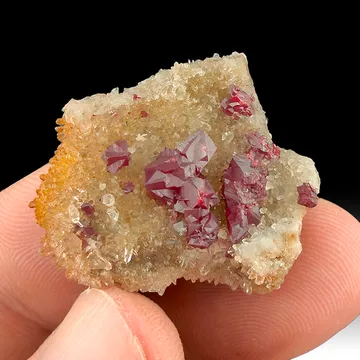
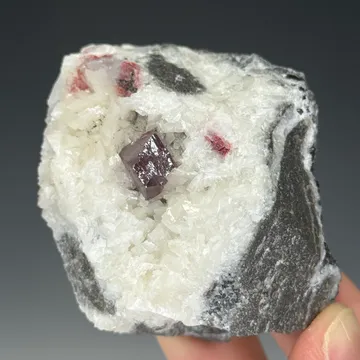
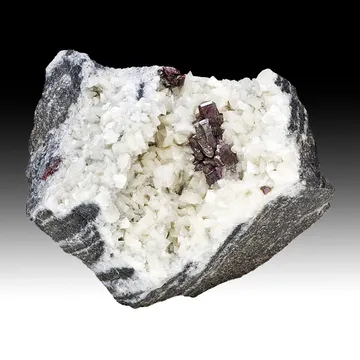
This specimen was found in 1980s, features a doubly terminated quartz accompanied by isolated, highly lustrous pseudo-octahedral cinnabar crystals on a quartz and dolomite matrix.
Cinnabar with Quartz, 3.9cm, Tongren Mine, Bijiang District, Tongren, Guizhou, China
Jingnan (Tom) Zhang Coll & Photo
Comments