
Cinnabar specimens for sale
46 for sale · $120–$5,000 USD
245 in the gallery
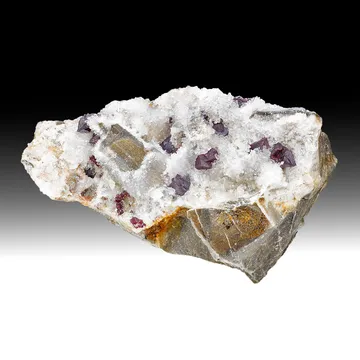
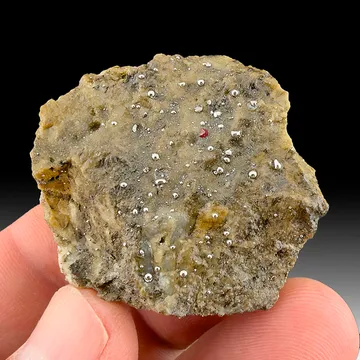
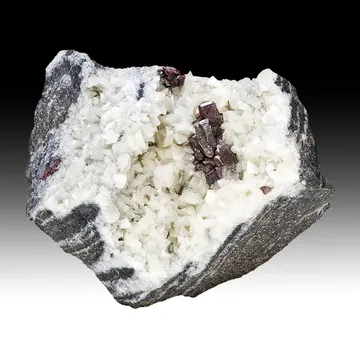
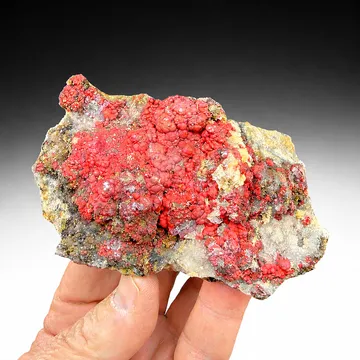
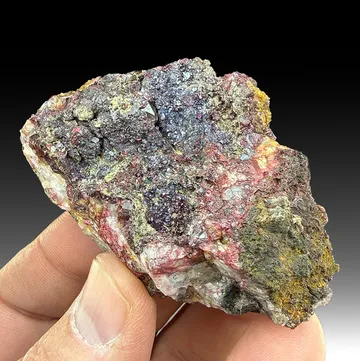
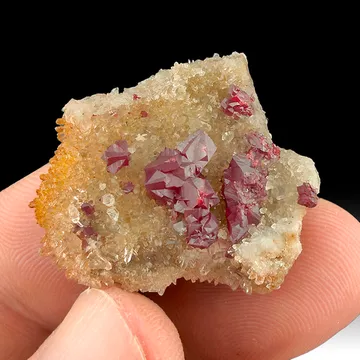
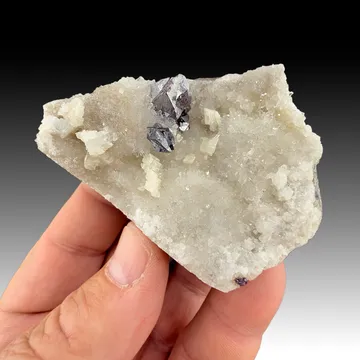
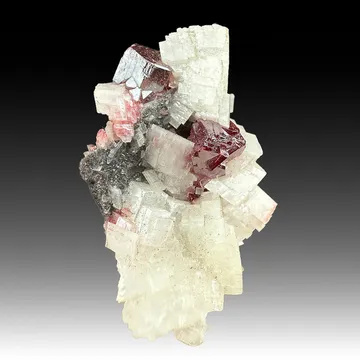
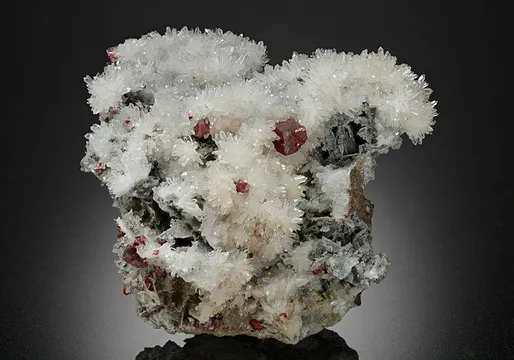
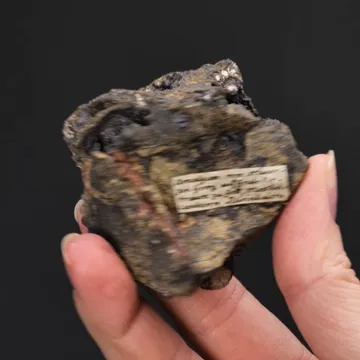
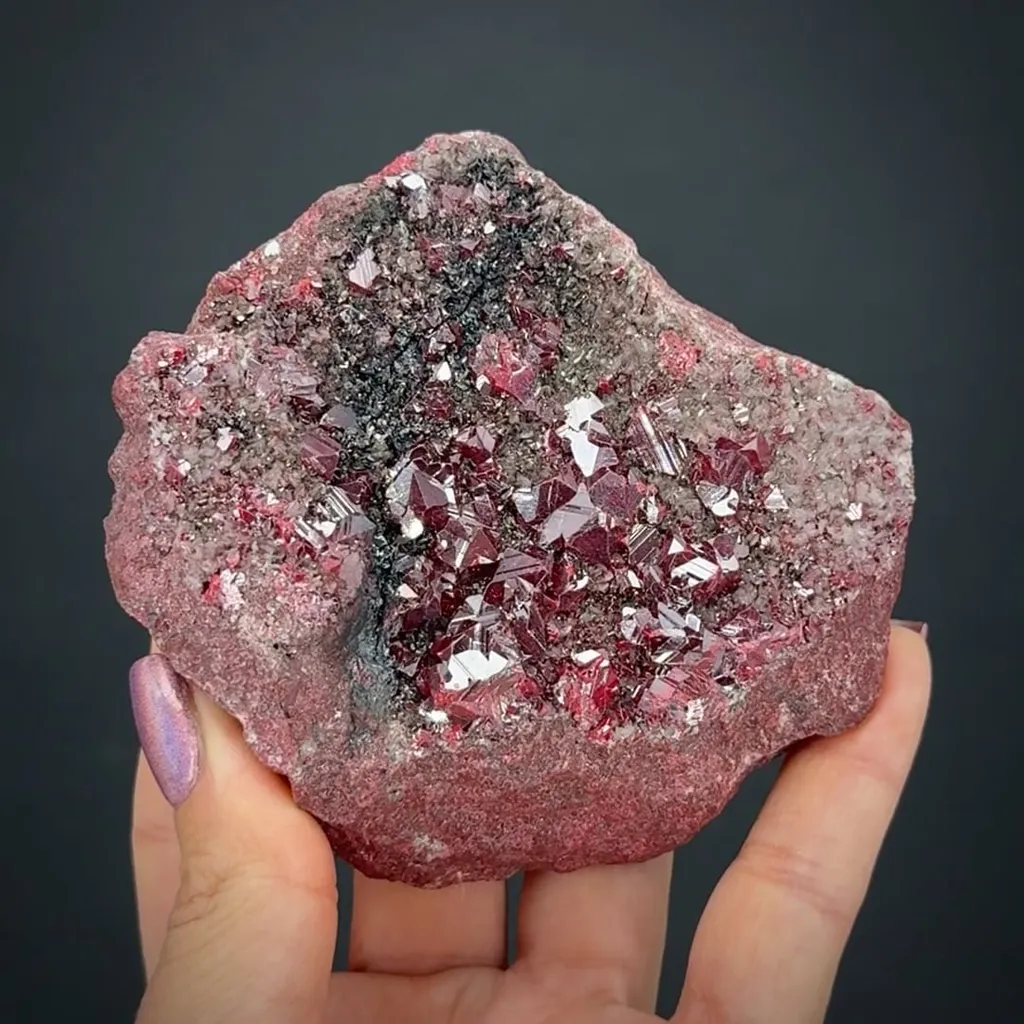
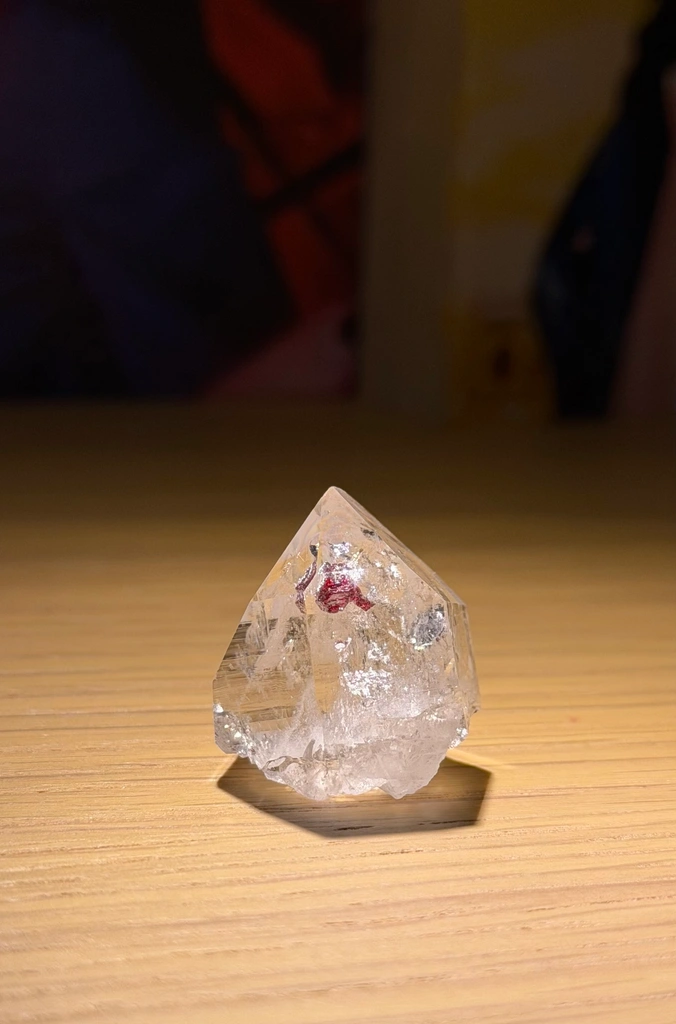
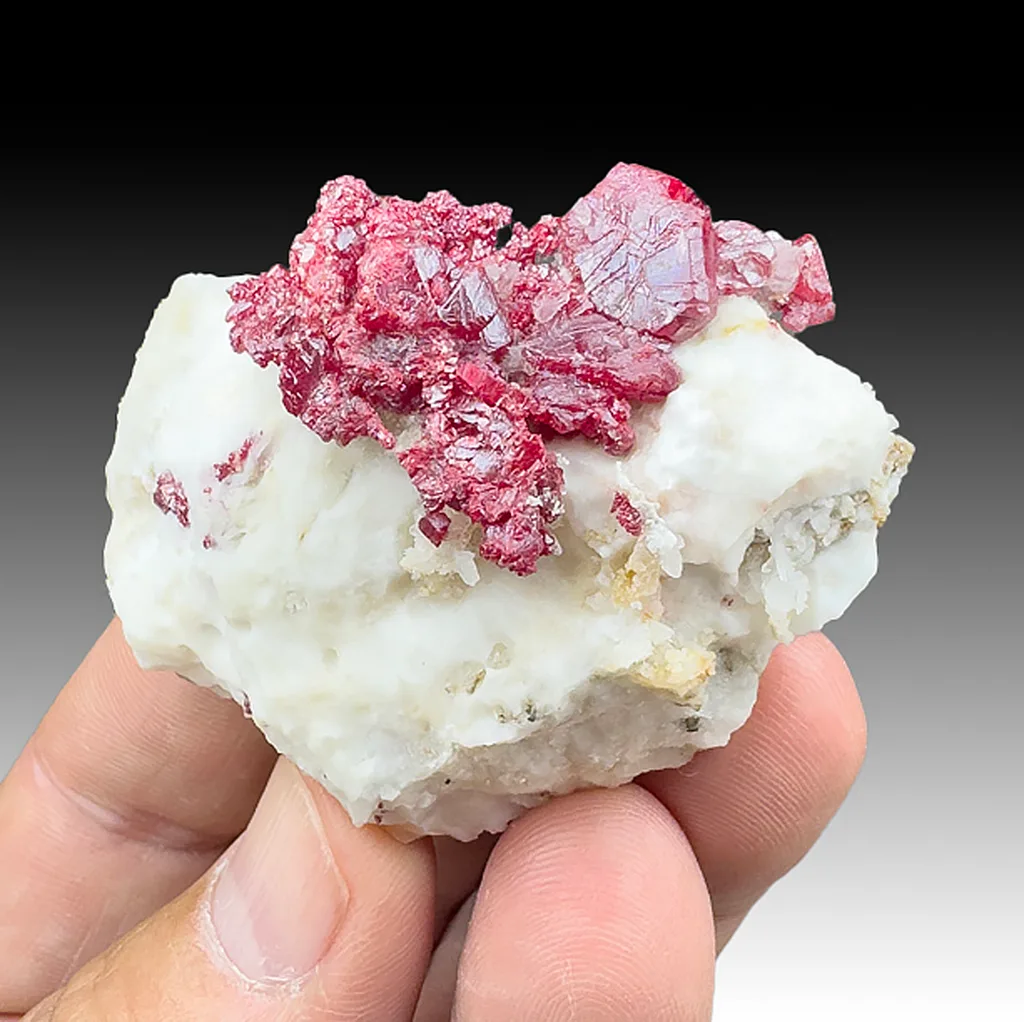
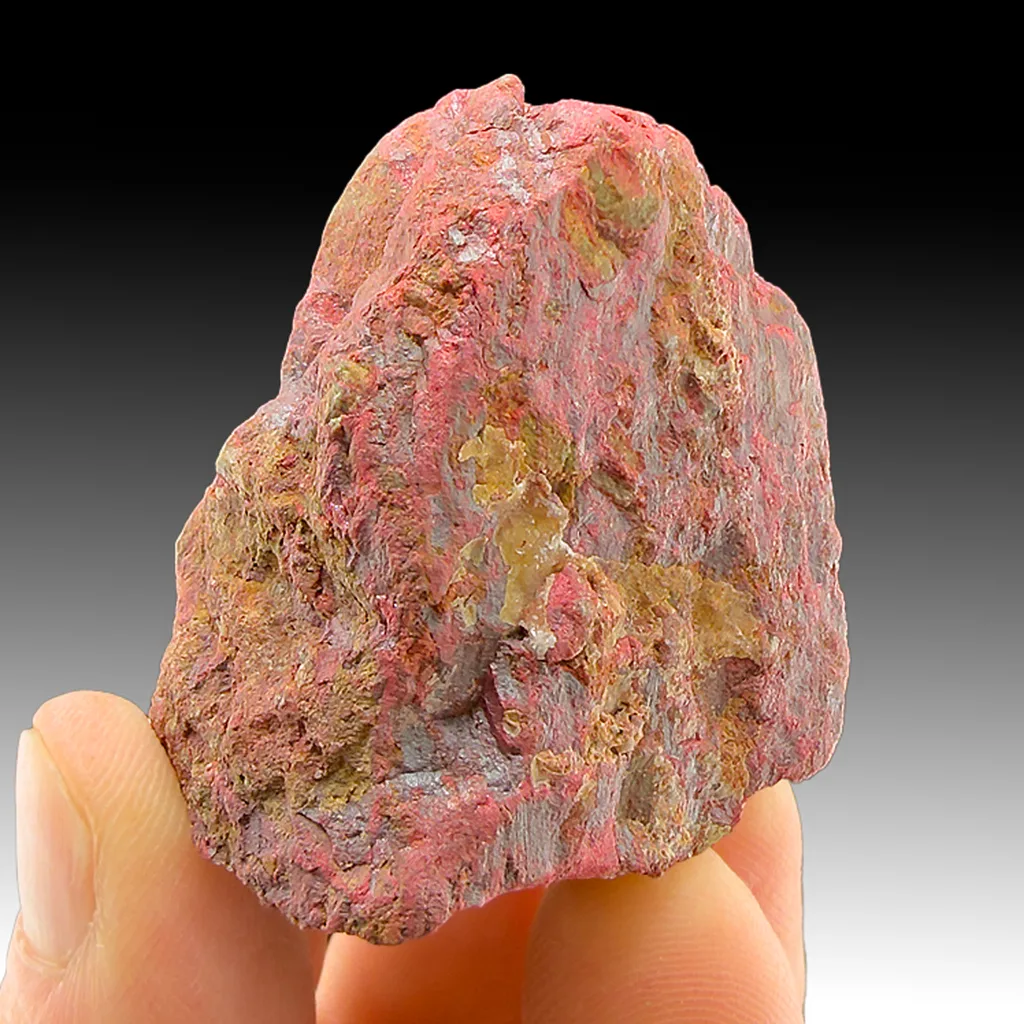
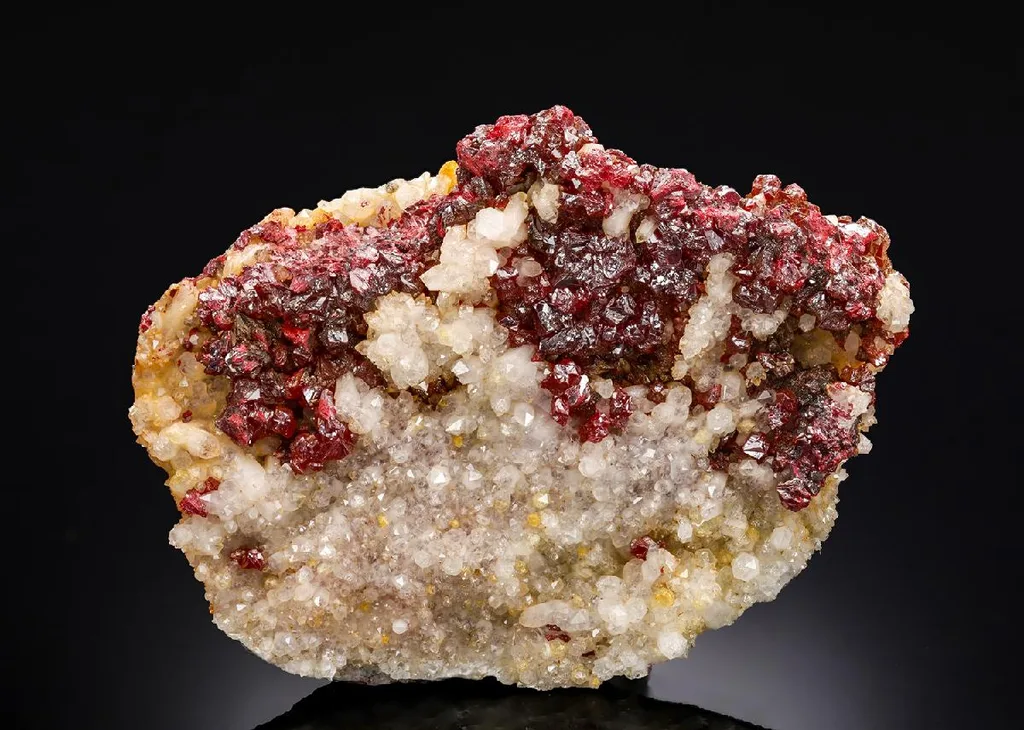
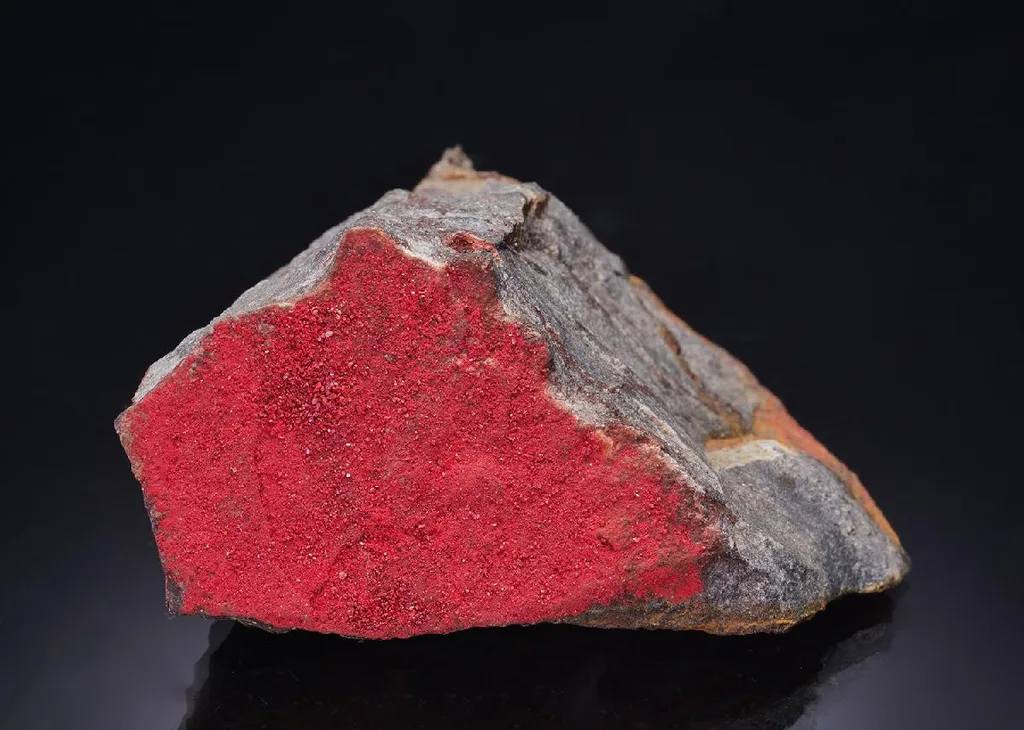
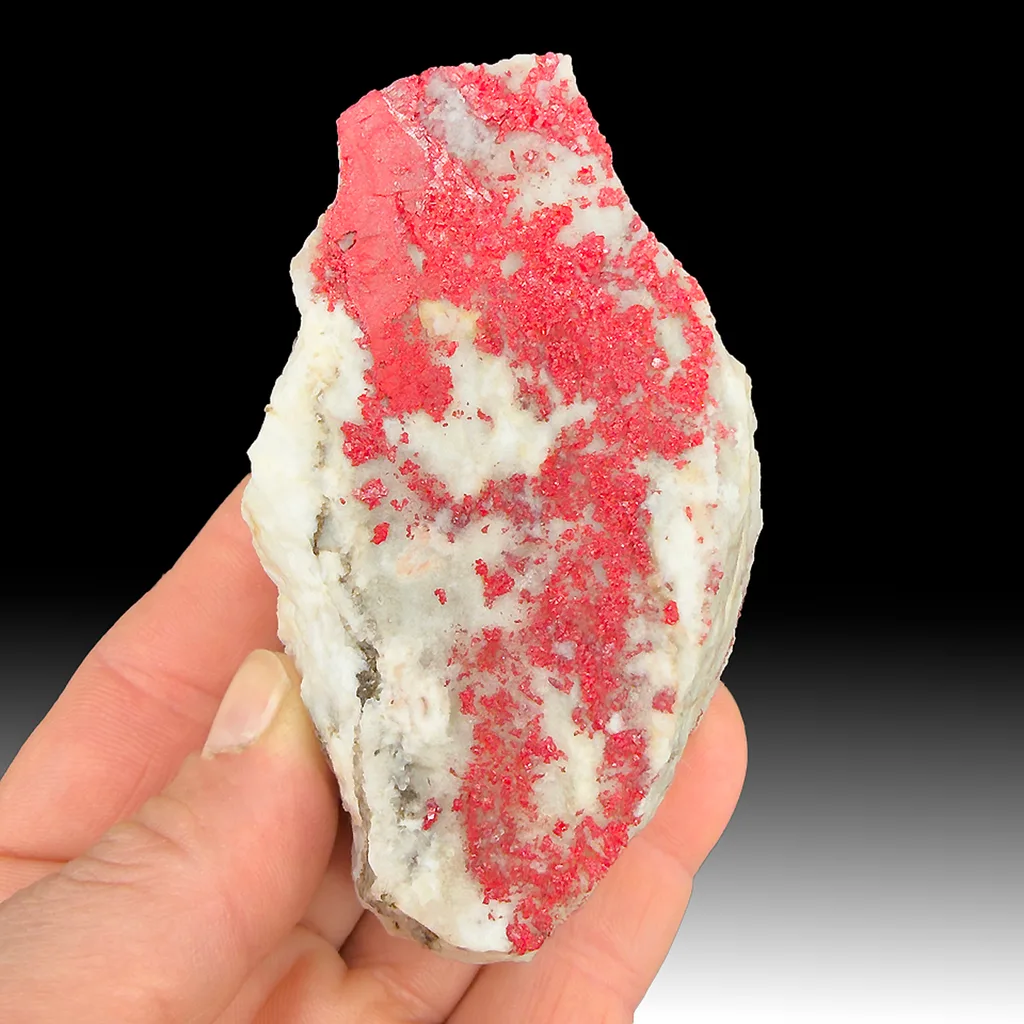
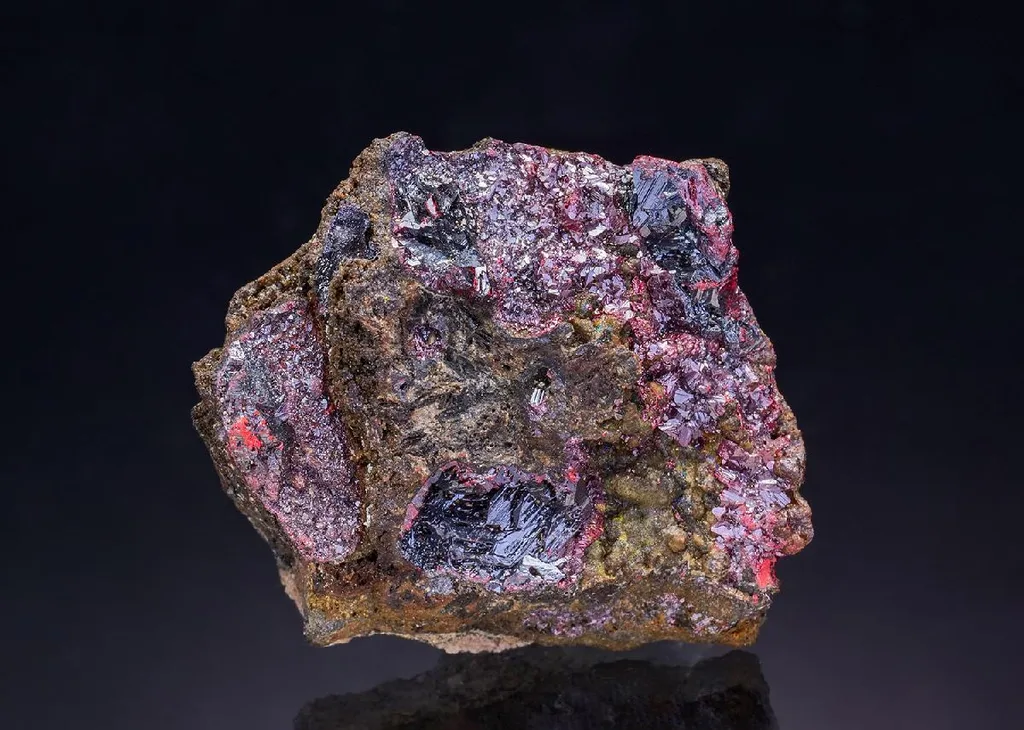
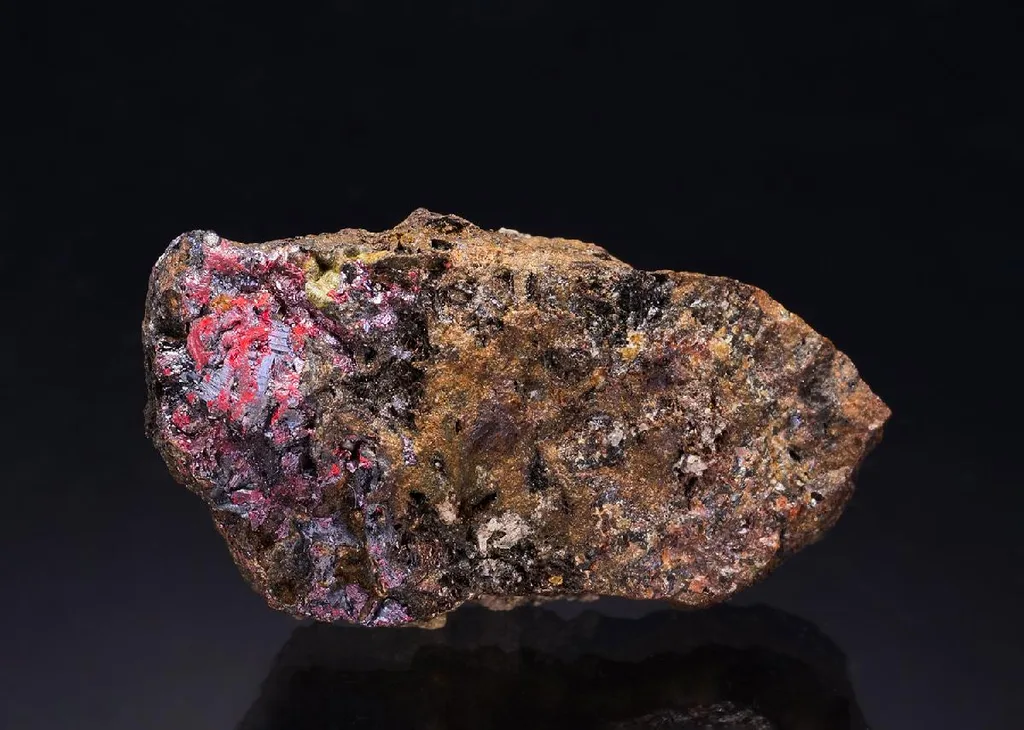
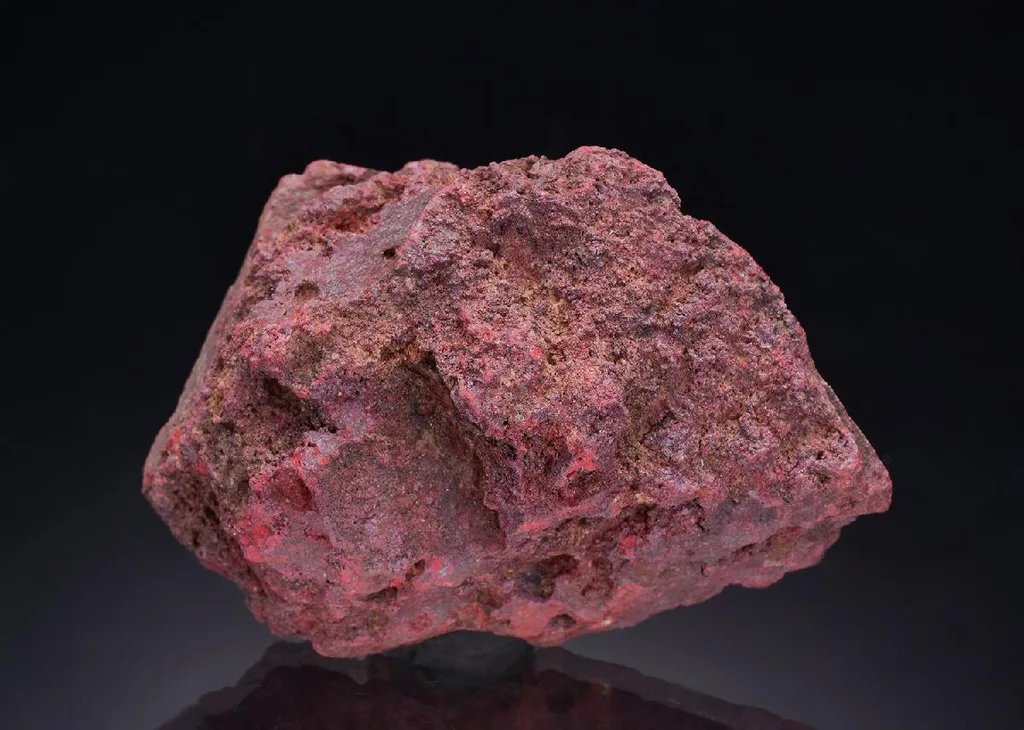
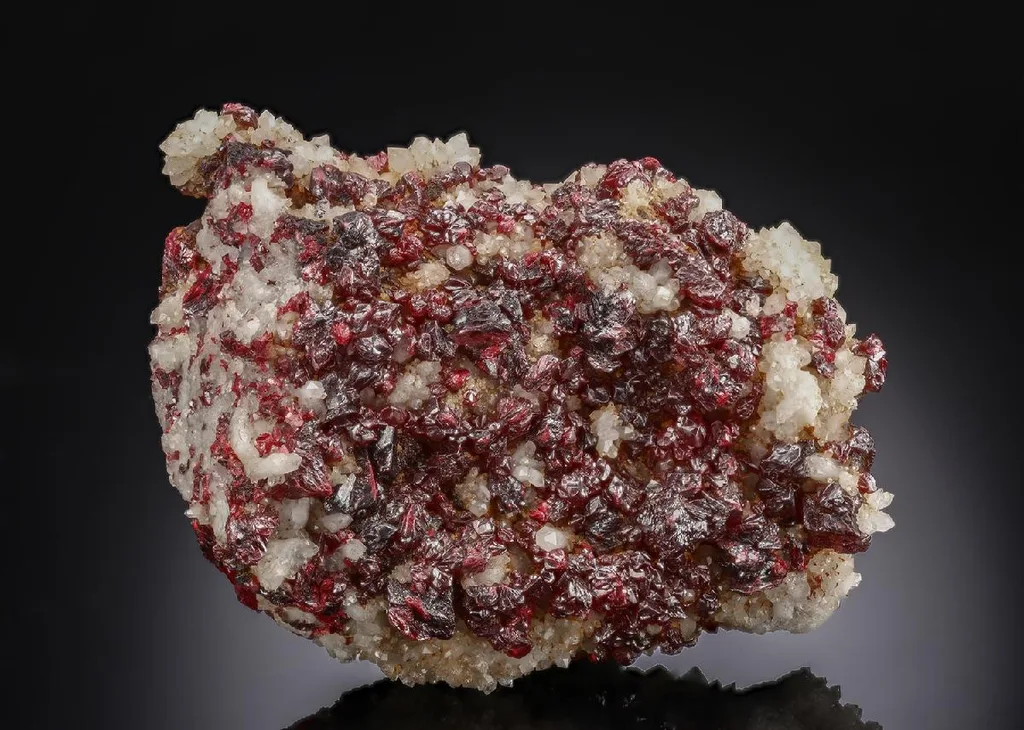
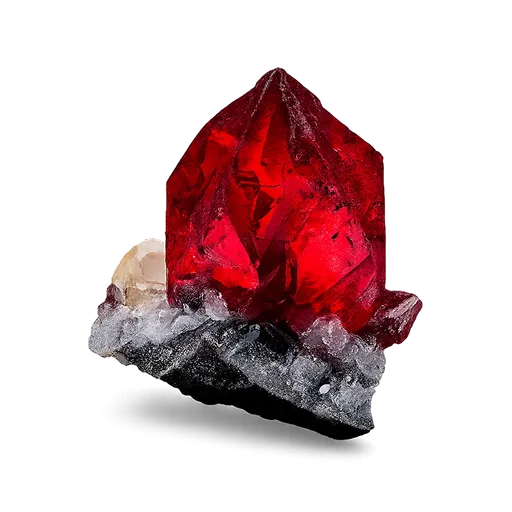
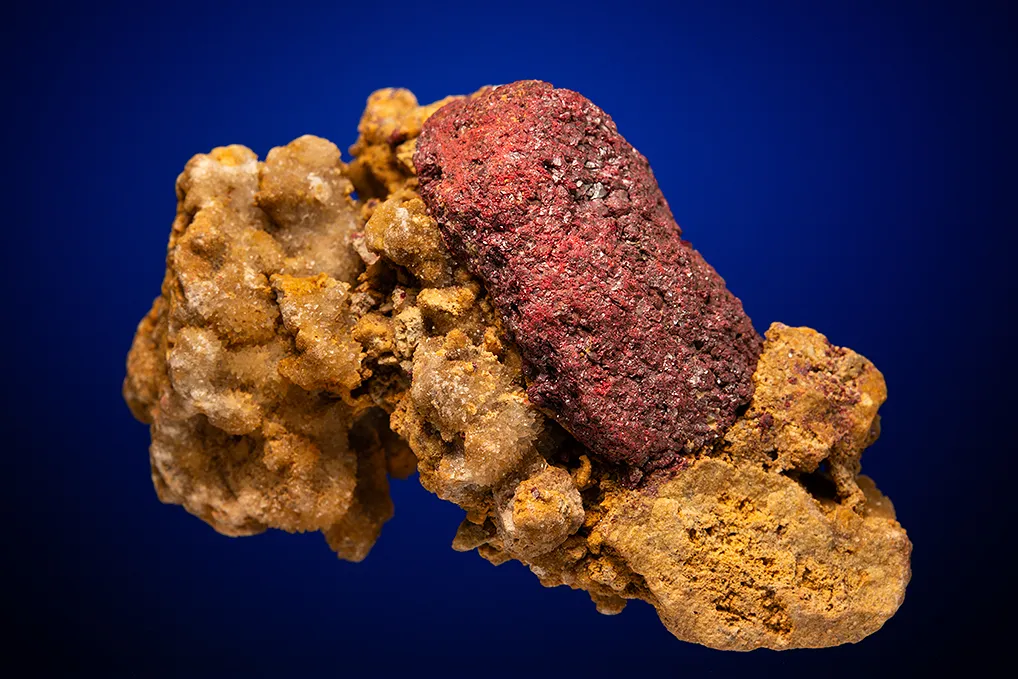
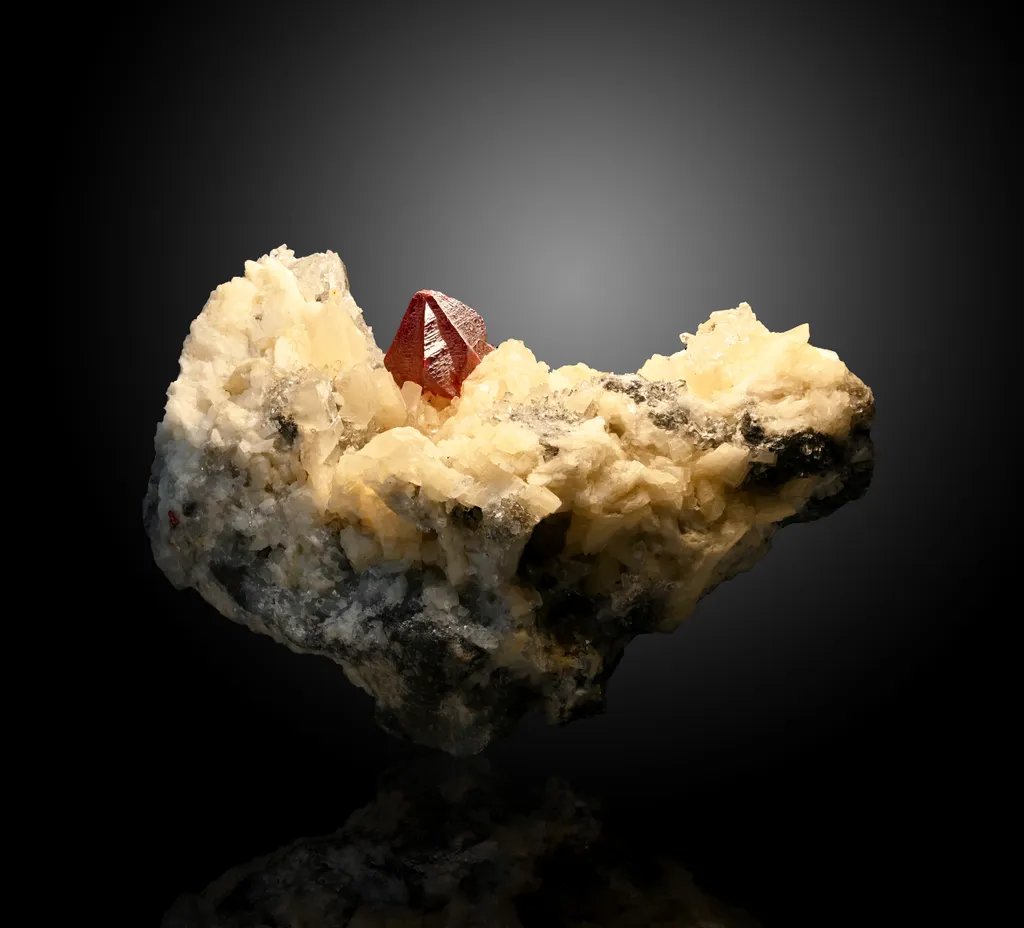
Cinnabar is a mercury sulfide mineral that forms vibrant red to brownish-red crystals and masses. It commonly appears as massive to prismatic aggregates with a resinous to adamantine luster, and rich, saturated red hues that make it instantly recognizable. Fine specimens can come from historic mercury mines and classic localities around the world, including notable occurrences in China, Spain, Germany, Mexico, and the United States, where oxidized zones and hydrothermal settings have produced well-formed crystals and thick crusts.
- Formula
- HgS
- Rarity
- Common
- Stability
- Moderately Stable
- Collector interest
- Very High Interest
- Classification notes
- Sulfide mineral; mercury sulfide (HgS)
Key characteristics
- Crystal system
- trigonal
- Mohs hardness
- 2–2.5
- Specific gravity
- 8–8.2
- Luster
- adamantine, submetallic, dull
- Transparency
- transparent, translucent, opaque
- Color
- red, brown, gray
- Streak
- red, brown
- Cleavage
- perfect
- Fracture
- subconchoidal, uneven
- Crystal habit
- rhombohedral, tabular, prismatic, granular, massive
- Gem mineral
- Light-sensitive
- Classic / historic
Buy Cinnabar specimens
View all 46Where Cinnabar is found
Top localities
- Tongren Mine47 specimens
- Cocineras Mine27 specimens
- Almadén23 specimens
- Almadén Mine16 specimens
- El Entredicho Mine13 specimens
- Mariquita Mine8 specimens
- Charcas7 specimens
- Fenghuang Co.4 specimens
- Hunan4 specimens
- Coldstones Quarry3 specimens
Guides
All guides

Cinnabar from Tongren Mine, Guizhou, China
Cinnabar from Tongren Mine, Guizhou — sharp, lustrous HgS crystals in cherry-red to blood-red tones; backlit interiors glow; contrast on dolomite or quartz.Read guide
Cinnabar from Almadén Mine, Ciudad Real, Spain
Almadén cinnabar - iconic mercury ore from Spain’s Almadén Mine; deep red crystals, historic locality, and strong collecting appeal.Read guideAbout Cinnabar
Collectors value cinnabar for its striking color, dramatic crystal habit, and the historical associations with mercury mining. While the mineral is relatively soft and has limited long-range stability in ambient conditions, good display pieces with sharp, well-formed crystals or pleasing botryoidal masses remain highly sought after by enthusiasts and cabinet collectors alike.