Guide
6 for sale · $60–$5,000 USD
36 in the gallery
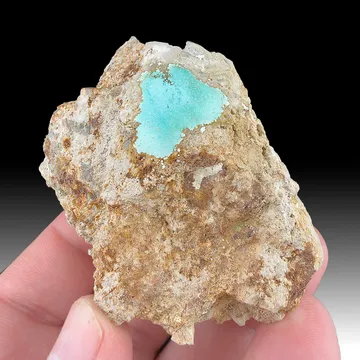
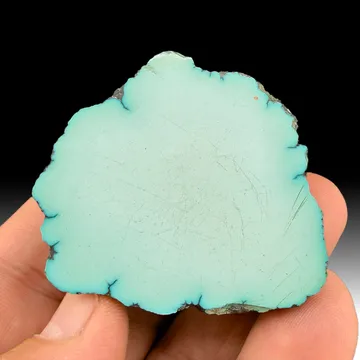
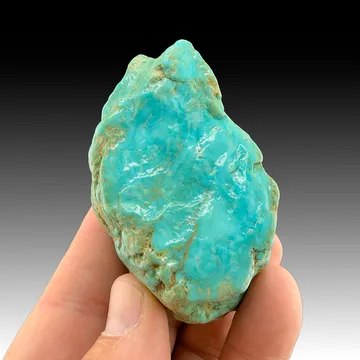
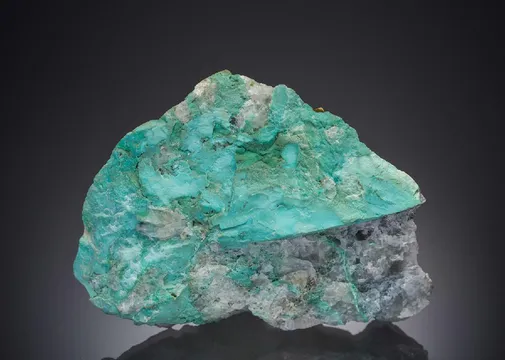
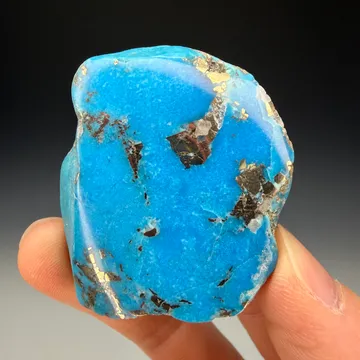
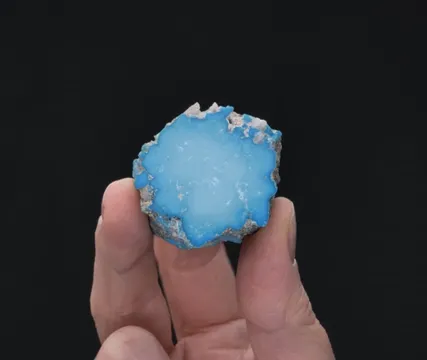
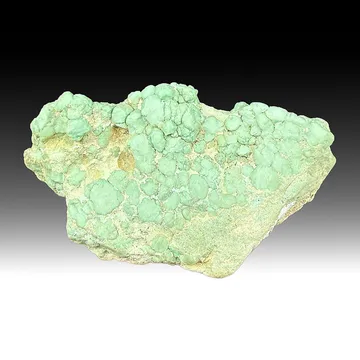
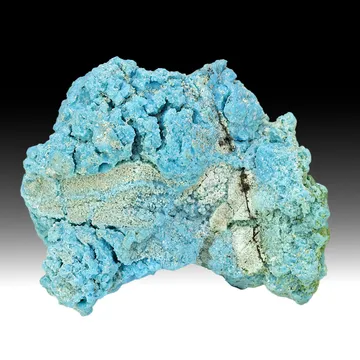
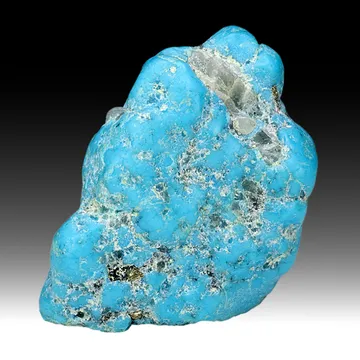
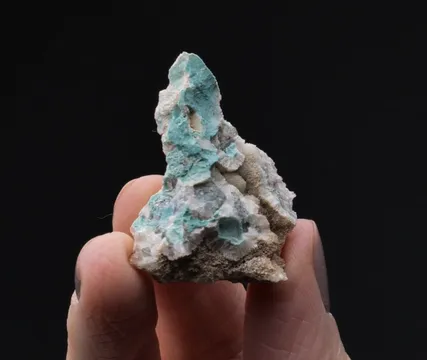
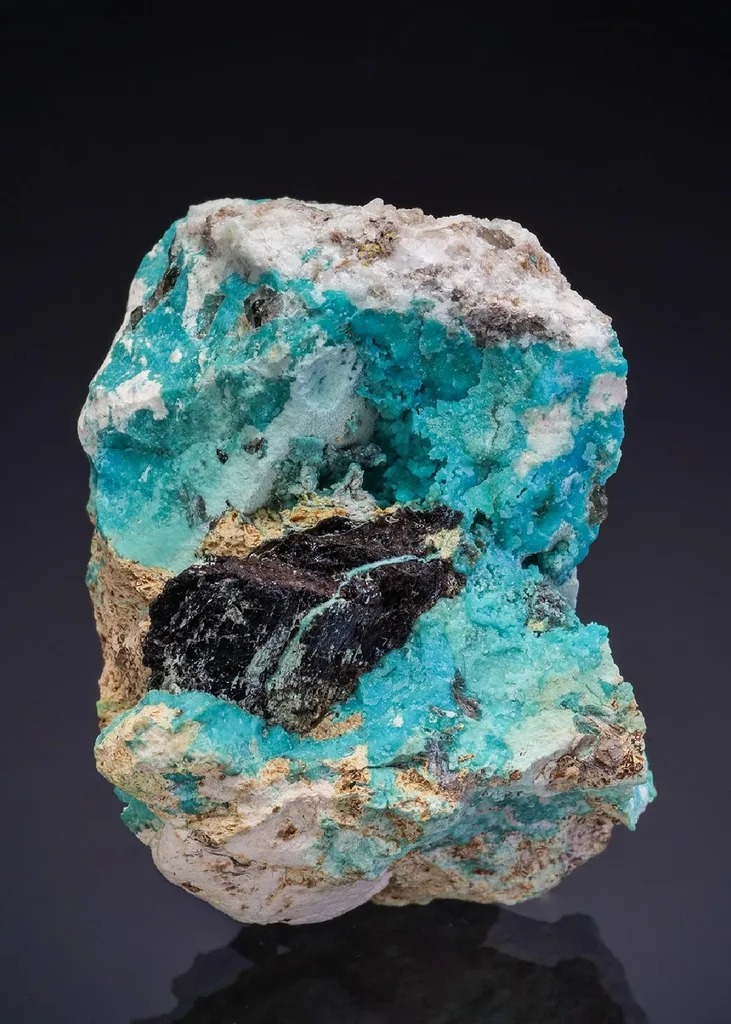
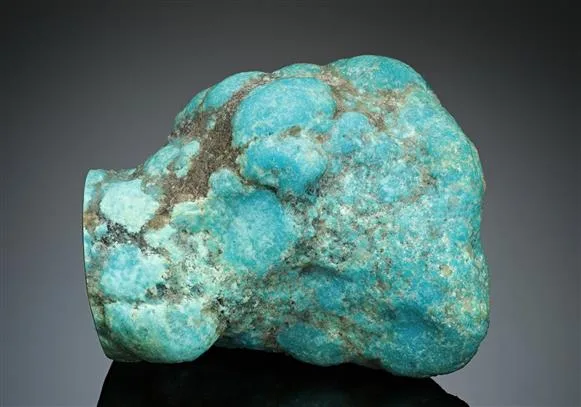
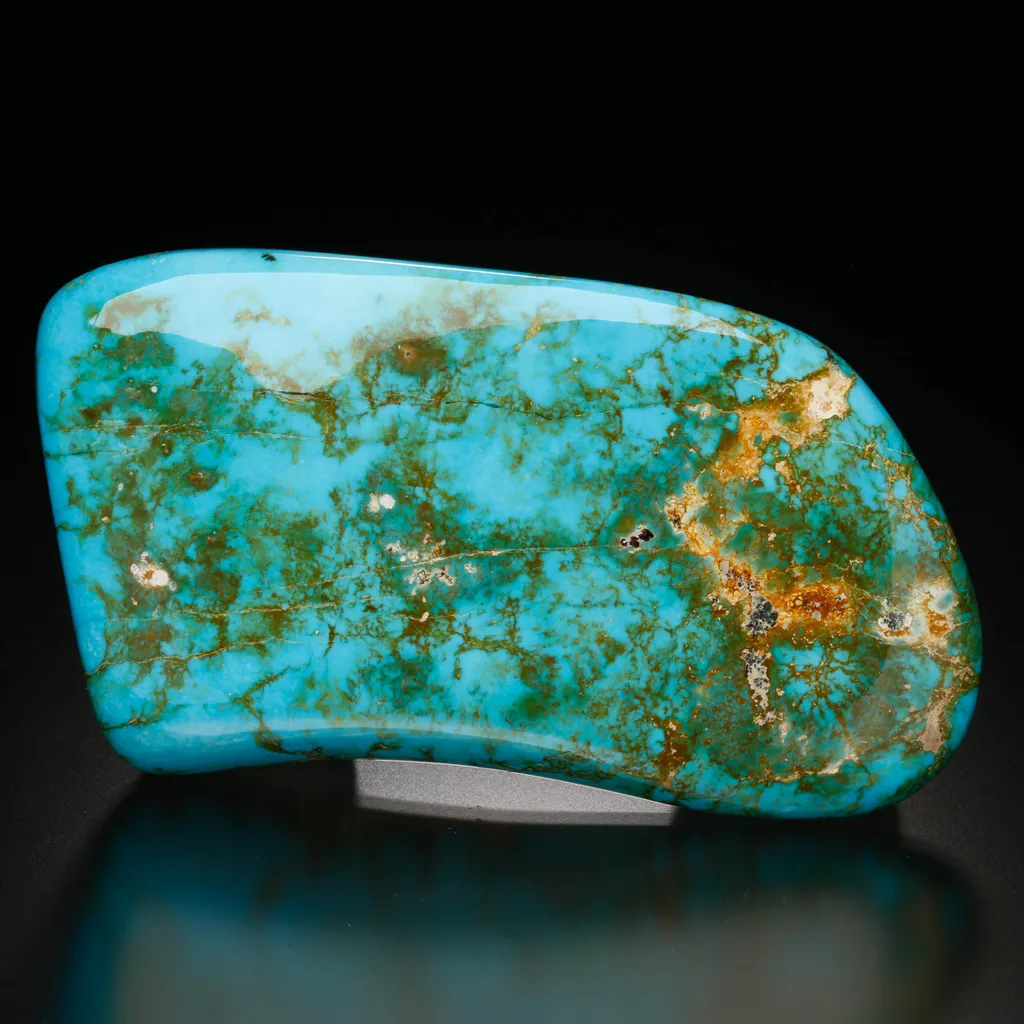
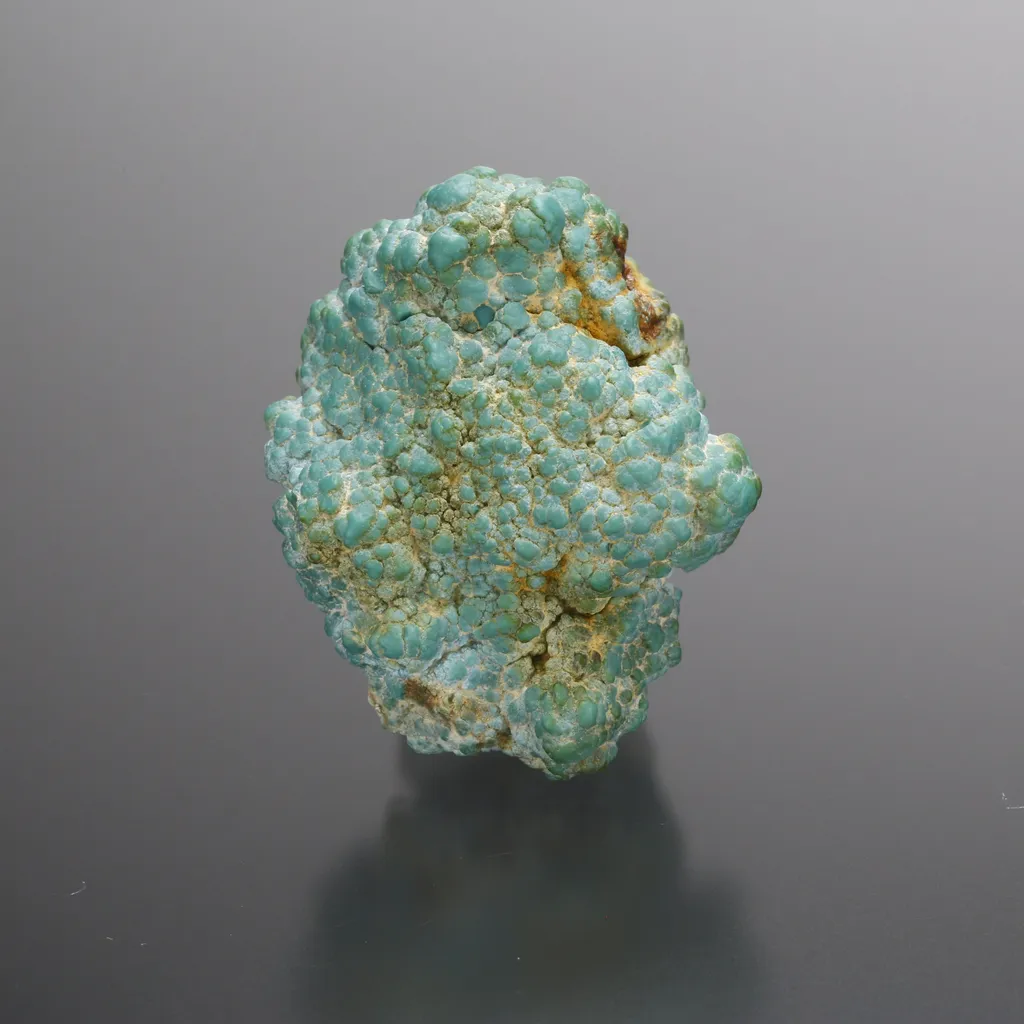
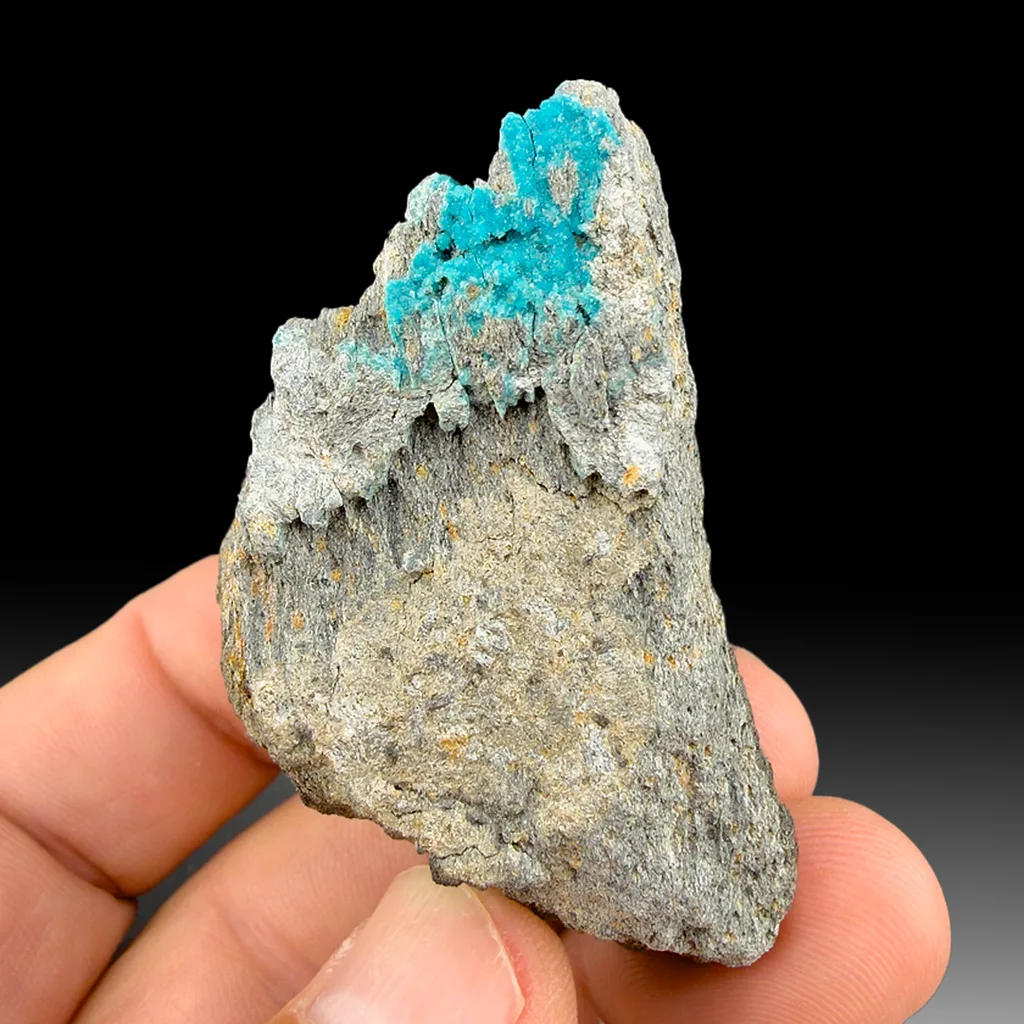
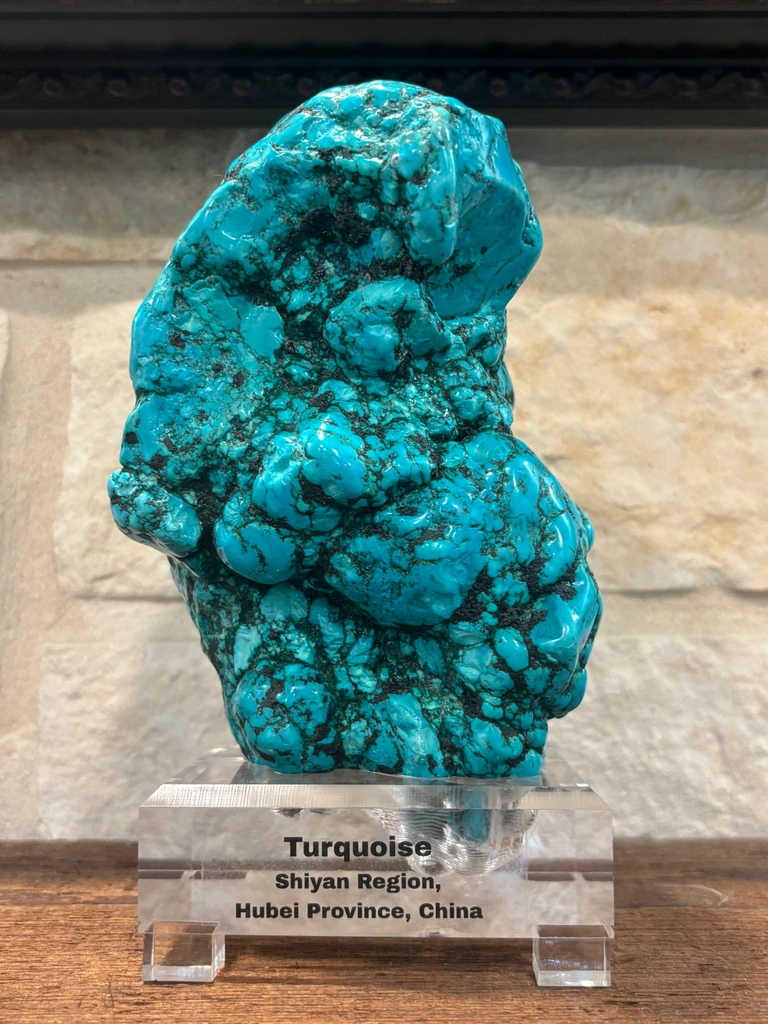
Turquoise is a hydrous copper aluminum phosphate mineral that forms by secondary alteration of copper-bearing rocks. It typically presents a blue to green color, often described as sky-blue to teal, and occurs in compact masses, nodules, or botryoidal aggregates with a waxy to sub-vitreous luster. Classic samples exhibit a solid, opaque appearance with a smooth surface texture, sometimes displaying dark veining or matrix from host rock. The mineral commonly forms in arid or semi-arid environments where circulating copper-rich fluids precipitate turquoise in fractures and voids, particularly in oxidized zones of copper deposits.
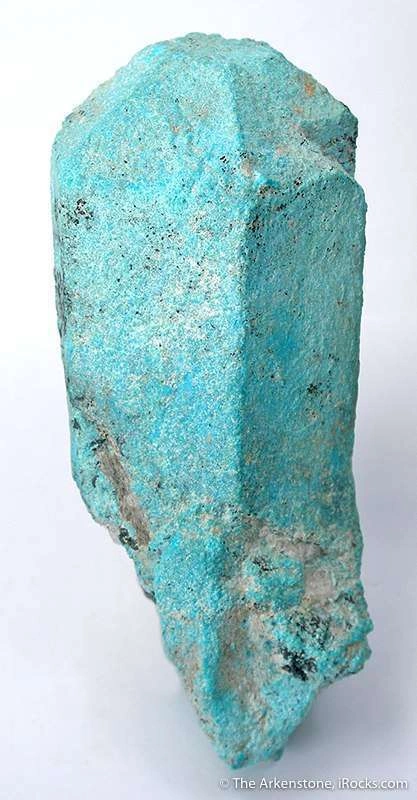
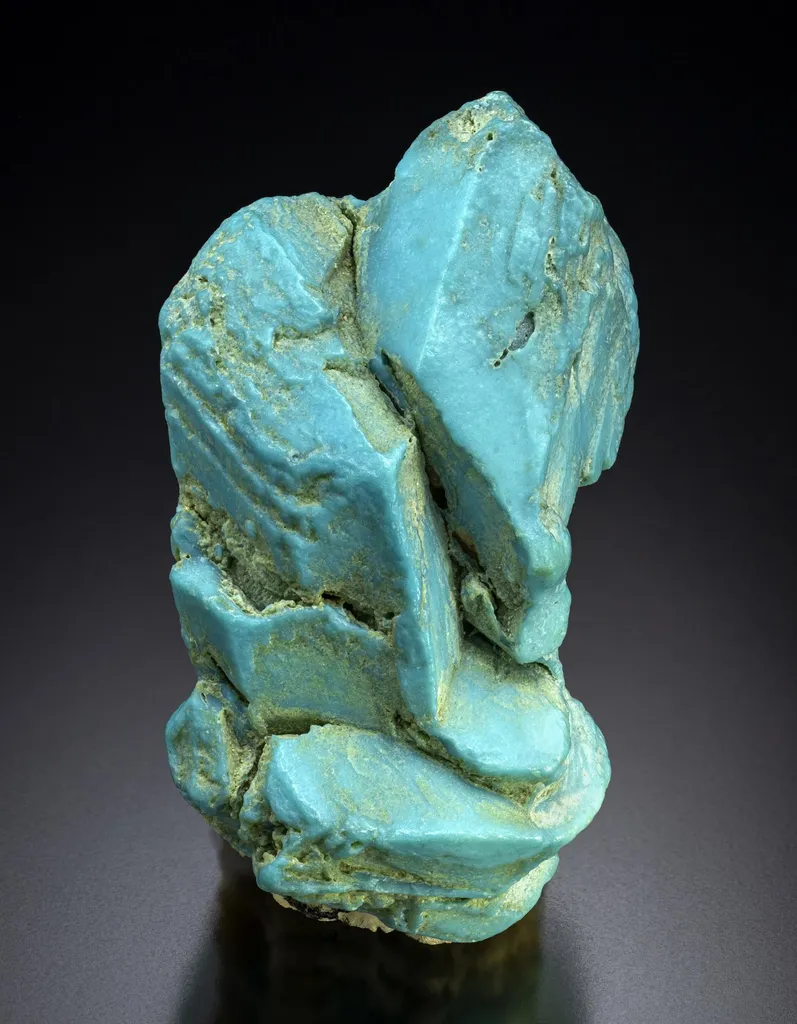
Notable localities include the United States and Mexico, which have produced many well-known turquoise specimens, alongside other regions such as the United Kingdom, Brazil, and Senegal. Collectors value turquoise for its distinctive color range, its historical use in jewelry, and the way it records a unique geochemical history from hydrothermal and secondary alteration processes. Specimens that show even color and a clean, stable matrix are especially sought after, while parageneses that reveal the mineral’s association with copper minerals add extra interest for field collectors and museum-quality displays.