Guide
166 for sale · $40–$277,000 USD
182 in the gallery
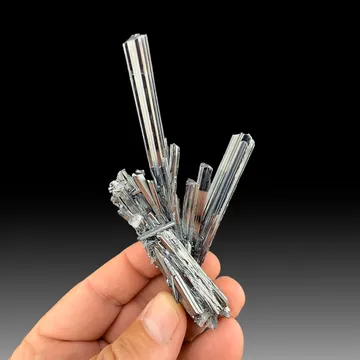
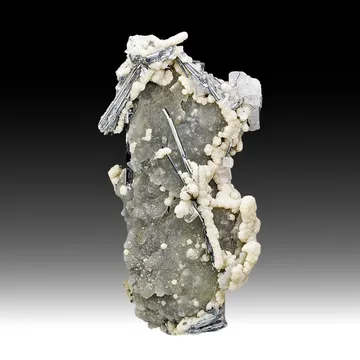
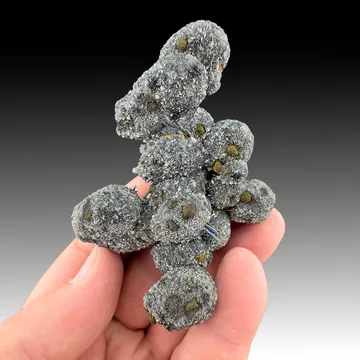
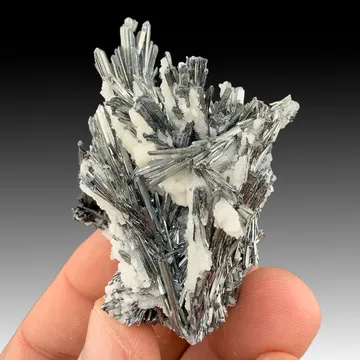
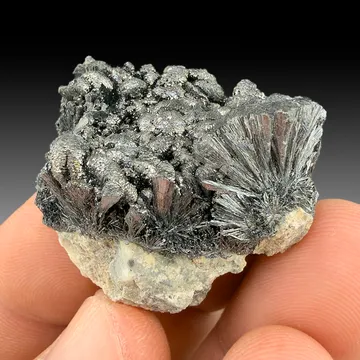
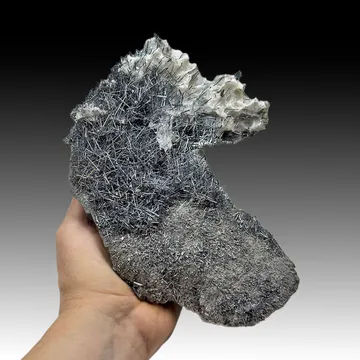
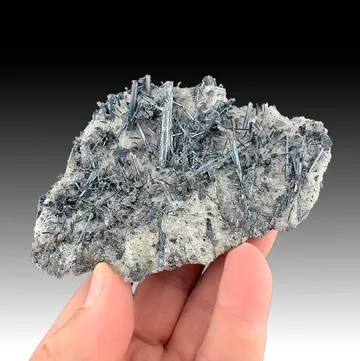
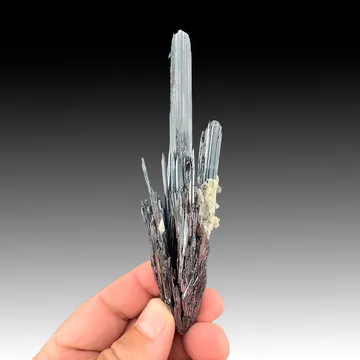
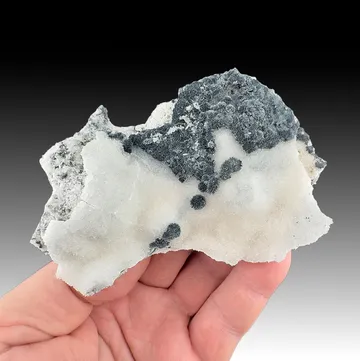
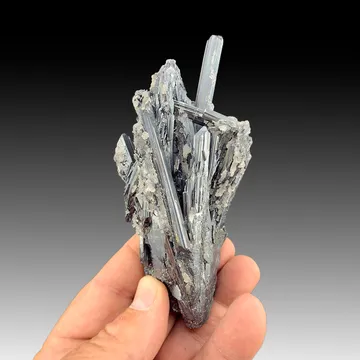
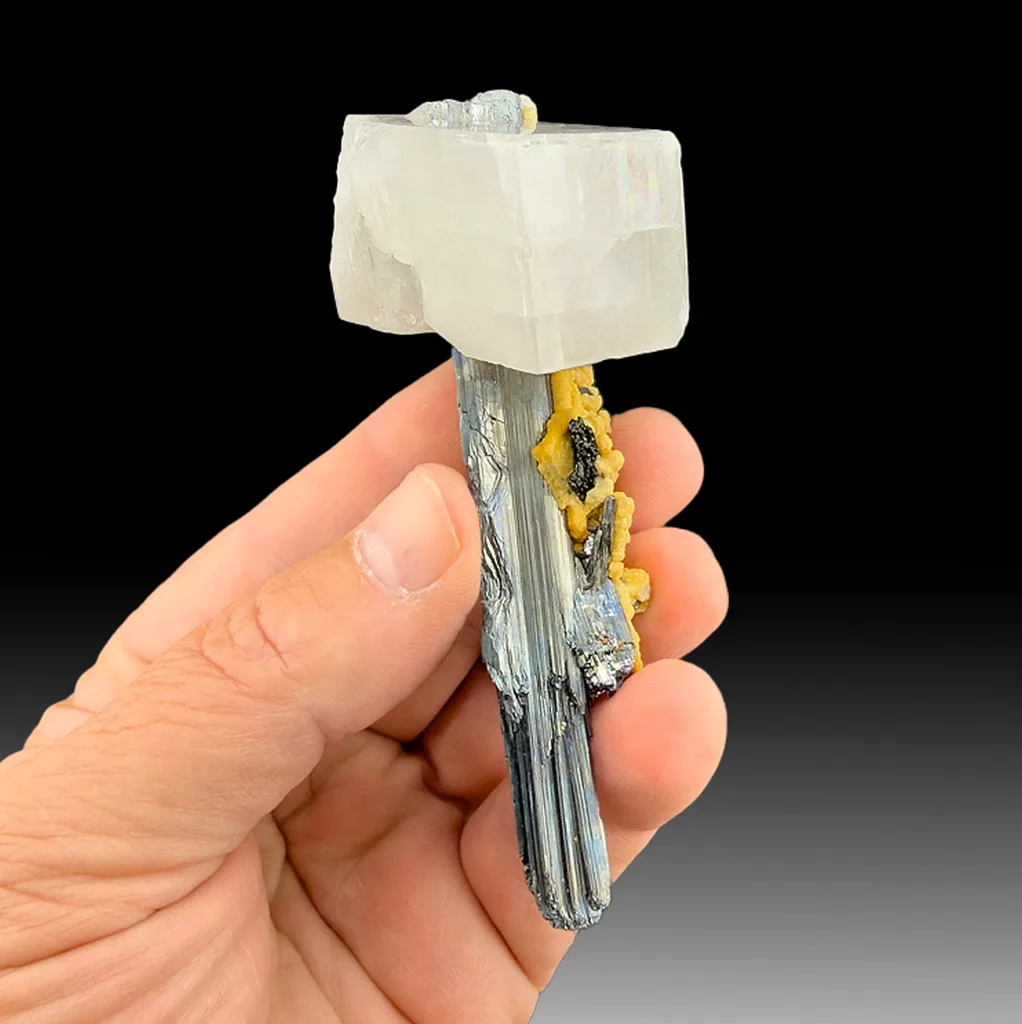
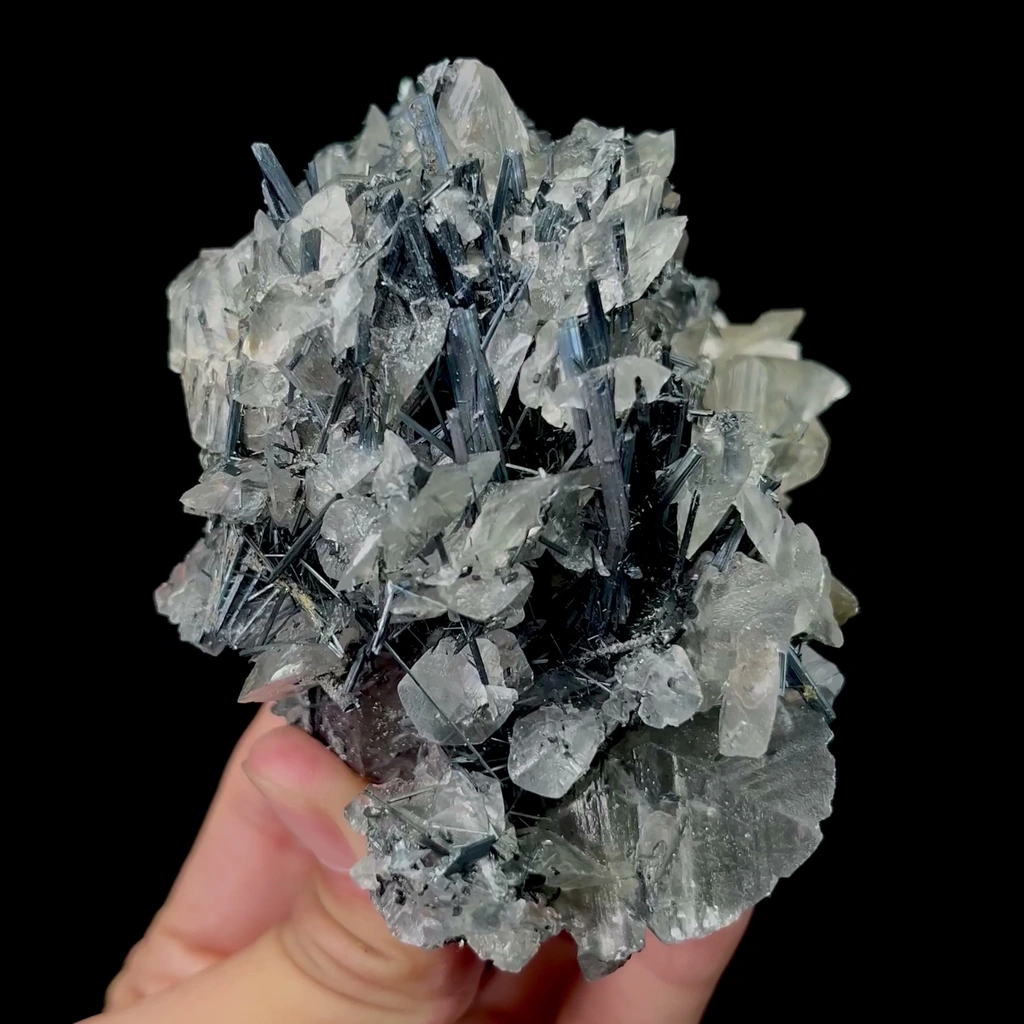
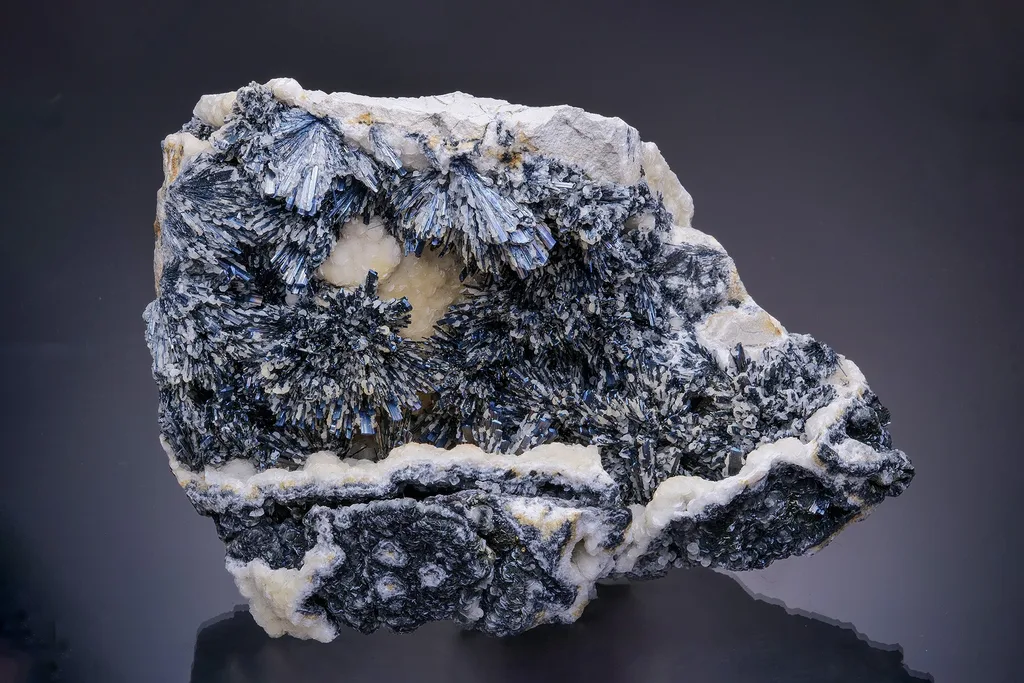
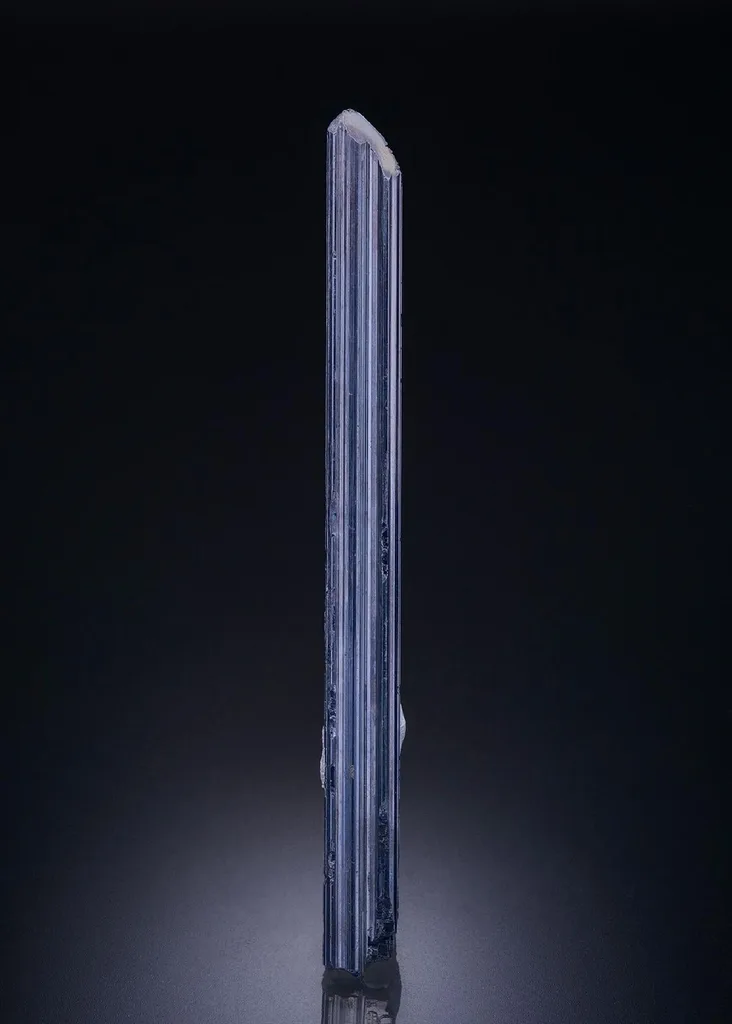
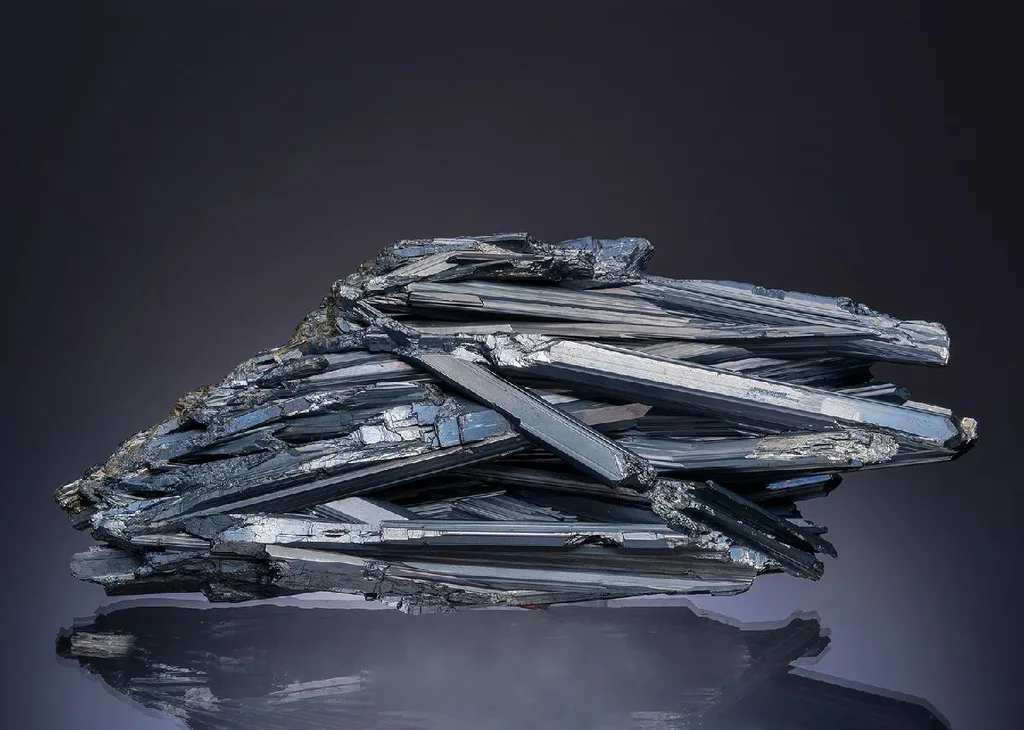
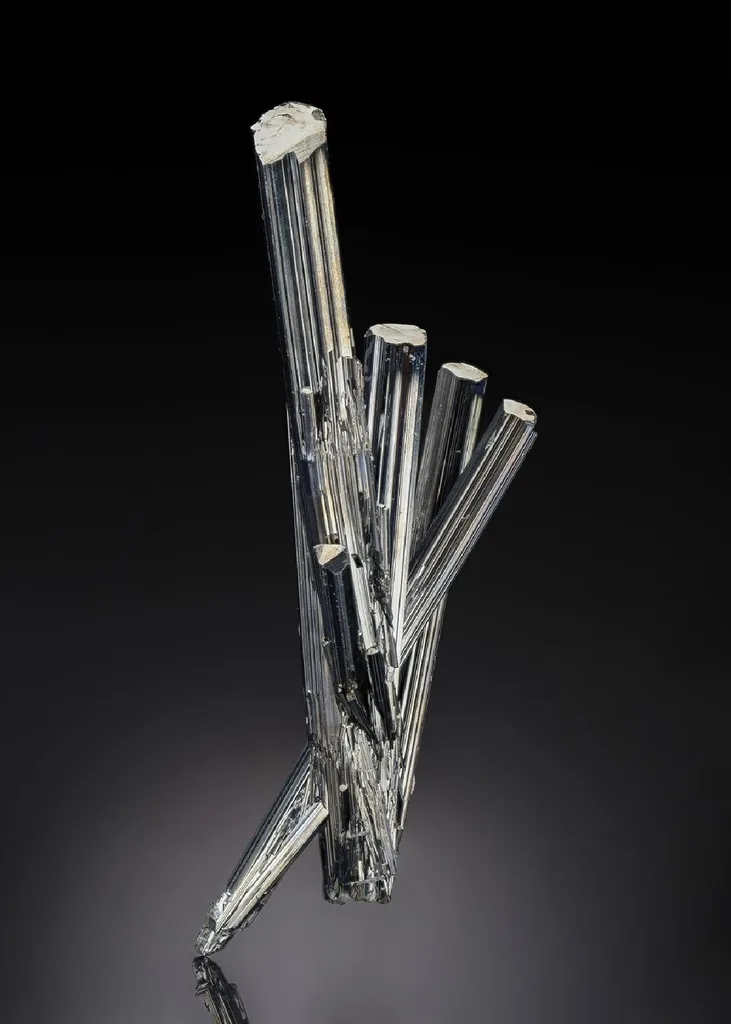
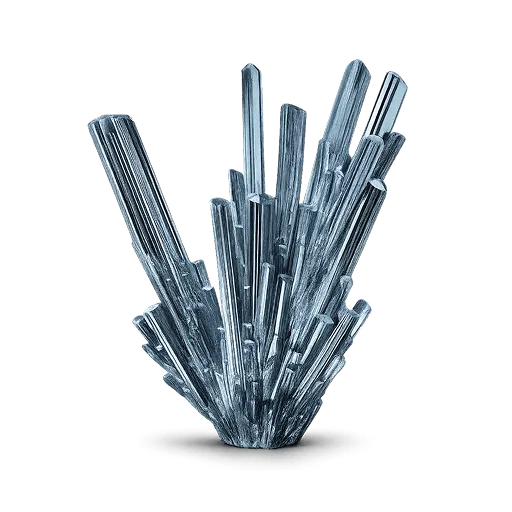
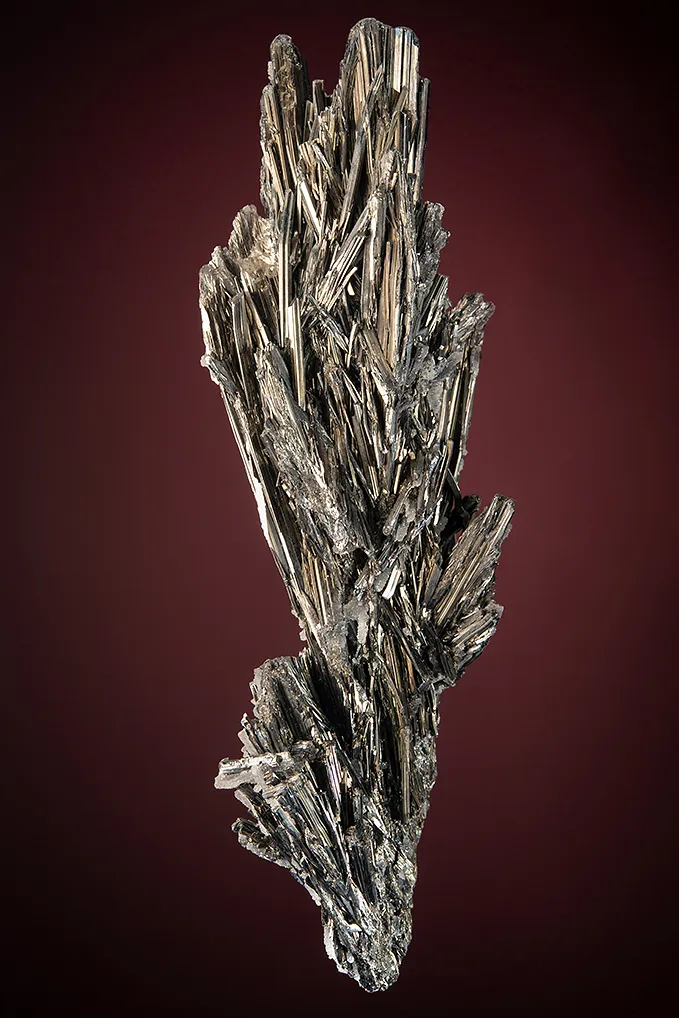
Stibnite is a sulfide mineral composed of antimony and sulfur, typically forming slender, prismatic to acicular crystals that create dramatic, metallic gray to steel-colored displays. Crystals often occur as long, ribbon-like blades or fan-shaped aggregates with a brilliant metallic lustre and a black to dark gray patina when tarnished. The mineral commonly forms in hydrothermal veins and hot springs environments, frequently associated with quartz, realgar, or cinnabar, and it can occur in massive, spheroidal, or radiating habits in sulfide-rich ore deposits. Notable collecting localities include classic European and Asian districts as well as the United States and Mexico, where high-quality, well-formed crystals can be found in primary antimony deposits and hydrothermal vein systems.
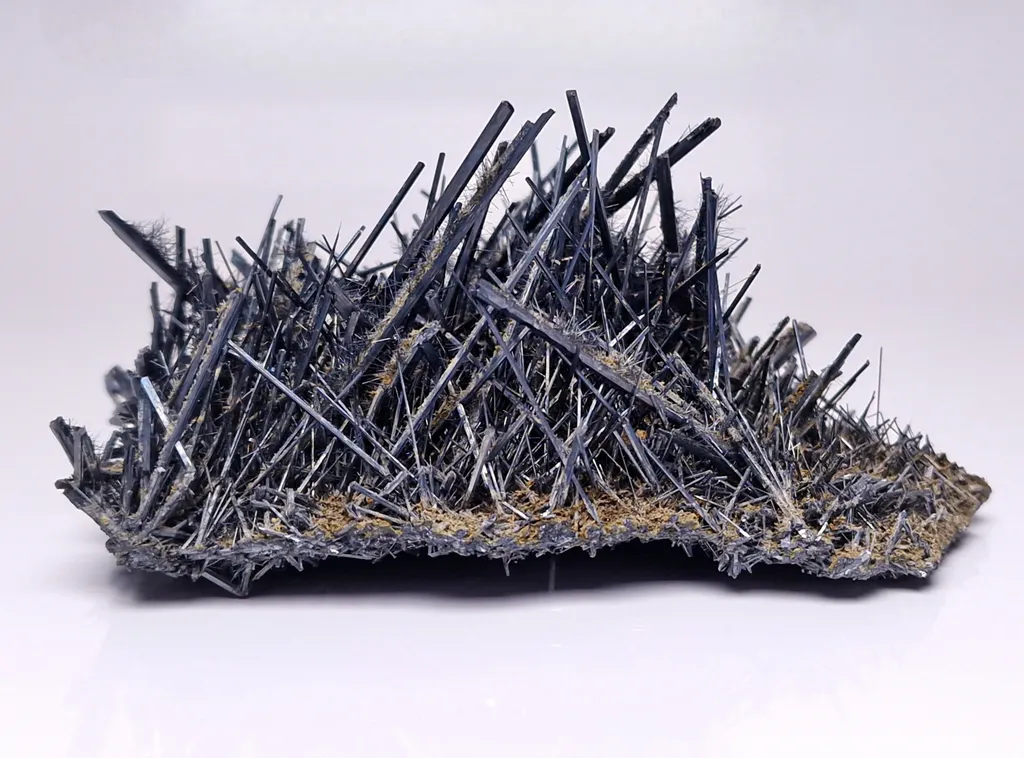
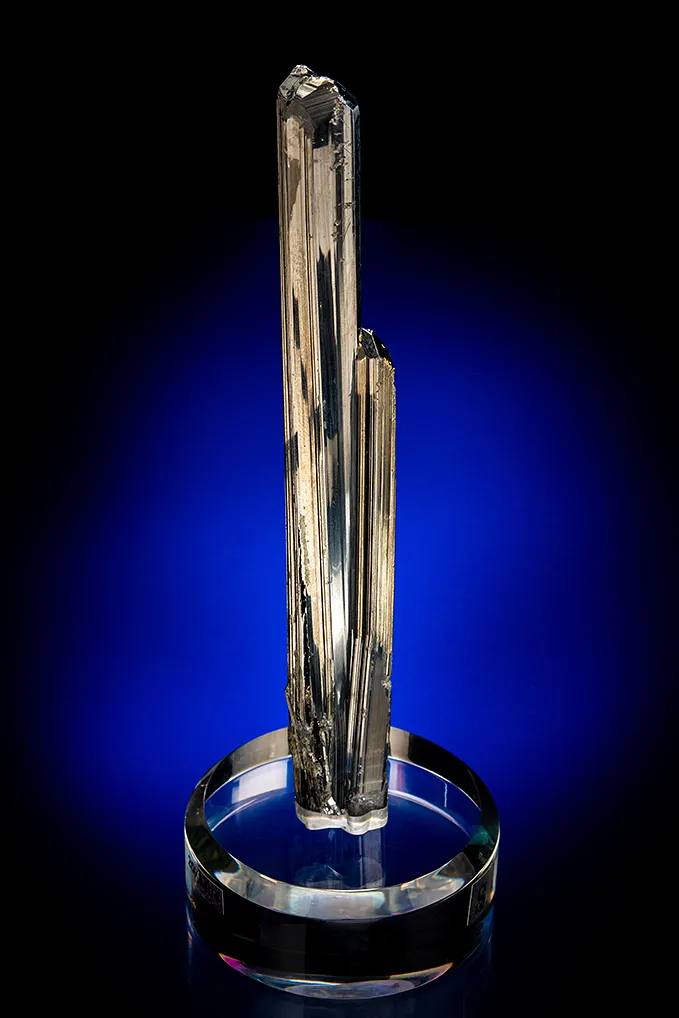
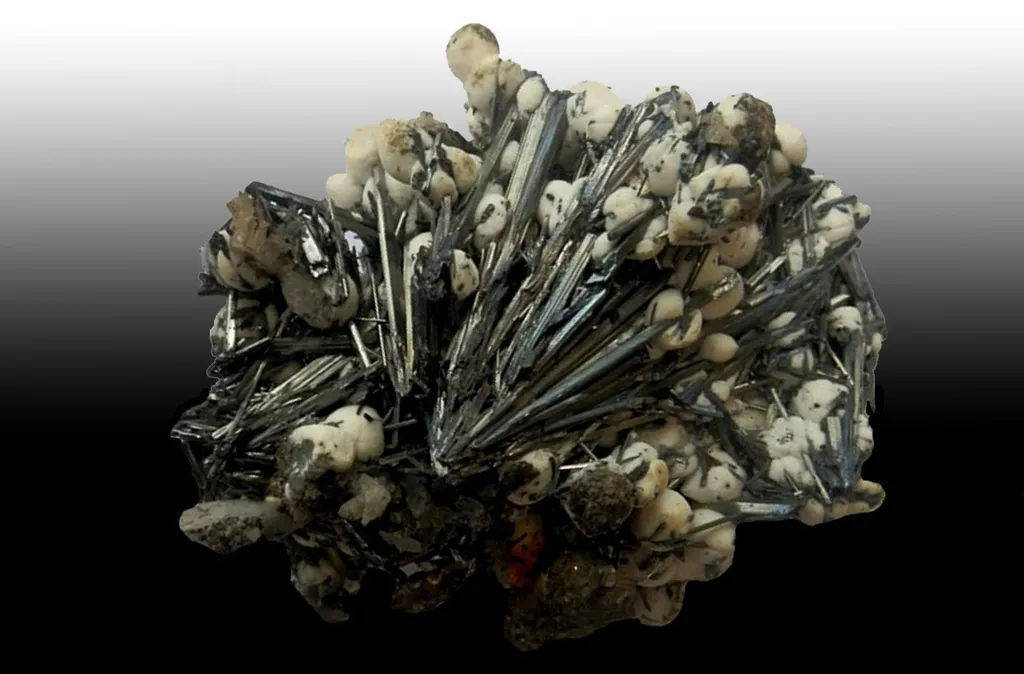
Collectors value stibnite for its striking needle-like crystals that can reach impressive lengths, their sharp terminations, and the contrast of metallic luster against contrasting host minerals. The mineral’s high refractive sheen under reflected light makes it a favorite for display, and specimen quality can range from tapered single blades to complex fan clusters. The association with rich mineral contexts and classic locality specimens adds historical interest for collectors seeking pieces with provenance and distinctive crystalline forms.