
Guide
70 for sale · $35–$7,500 USD
199 in the gallery
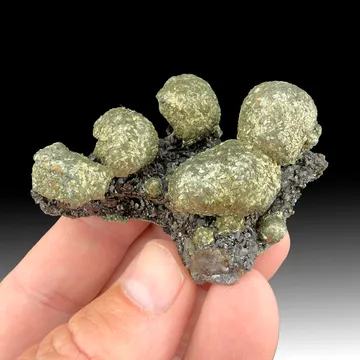
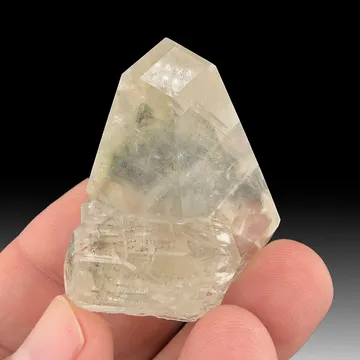
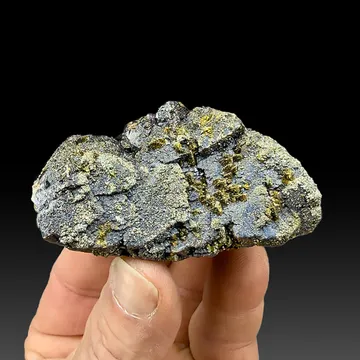
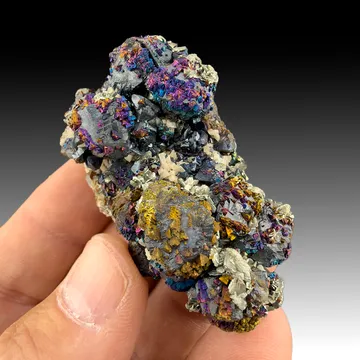
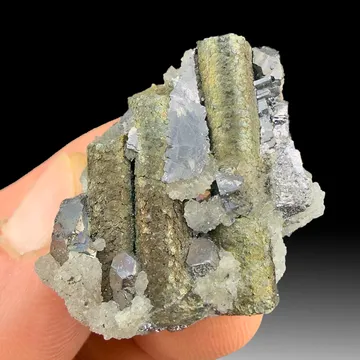
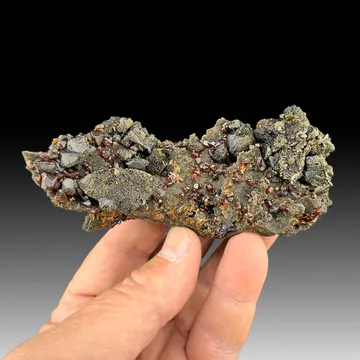
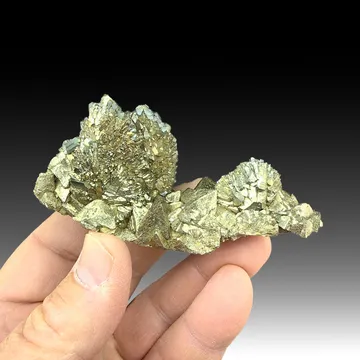
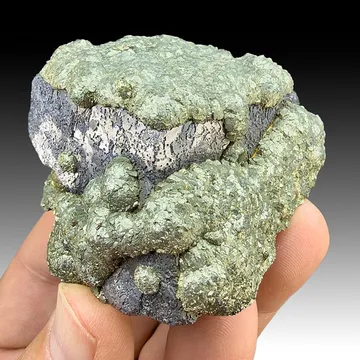
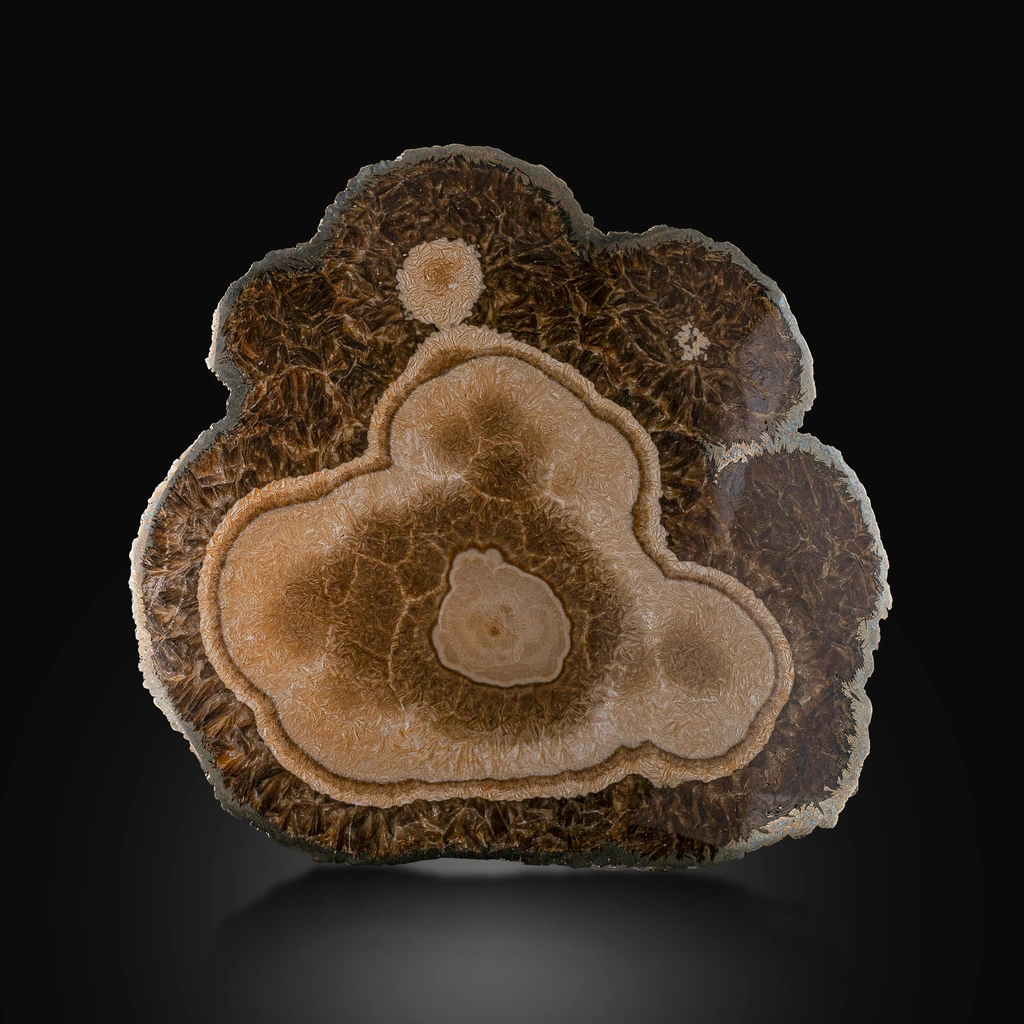
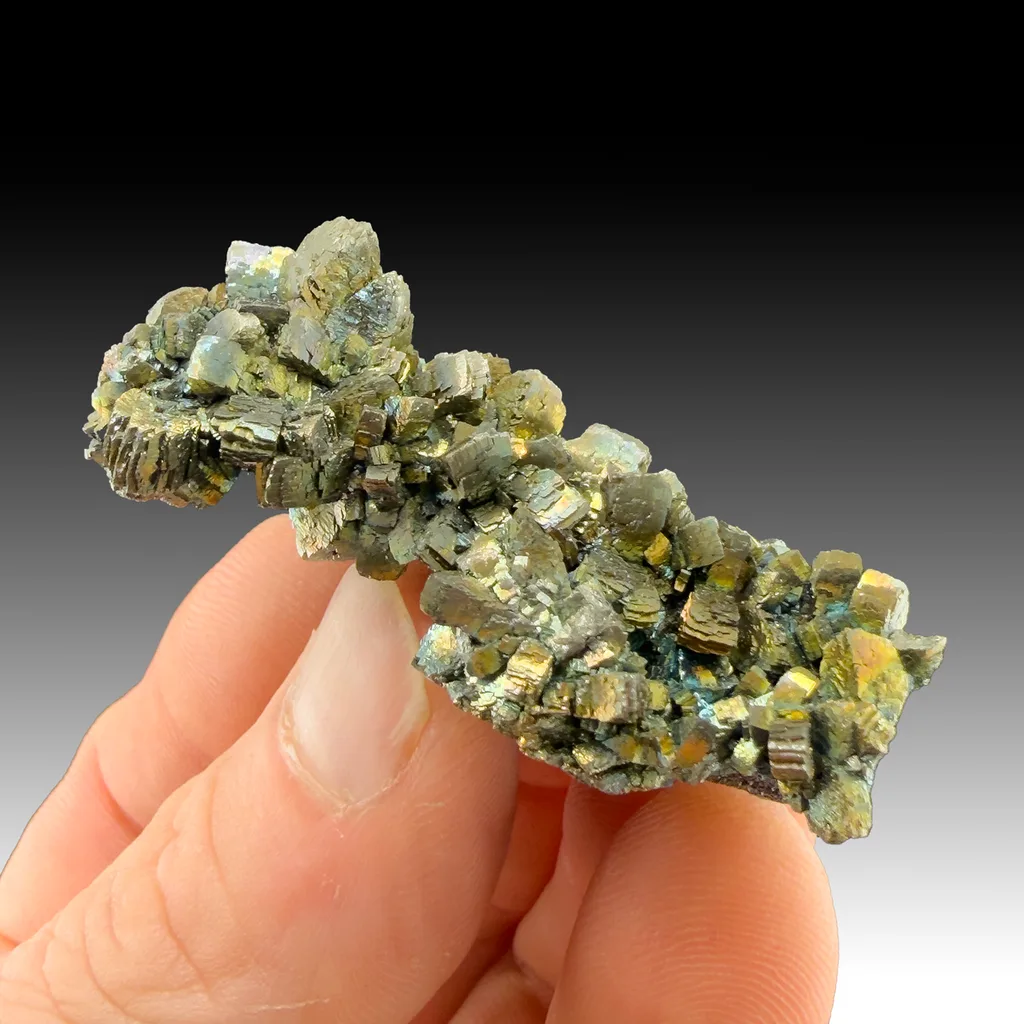
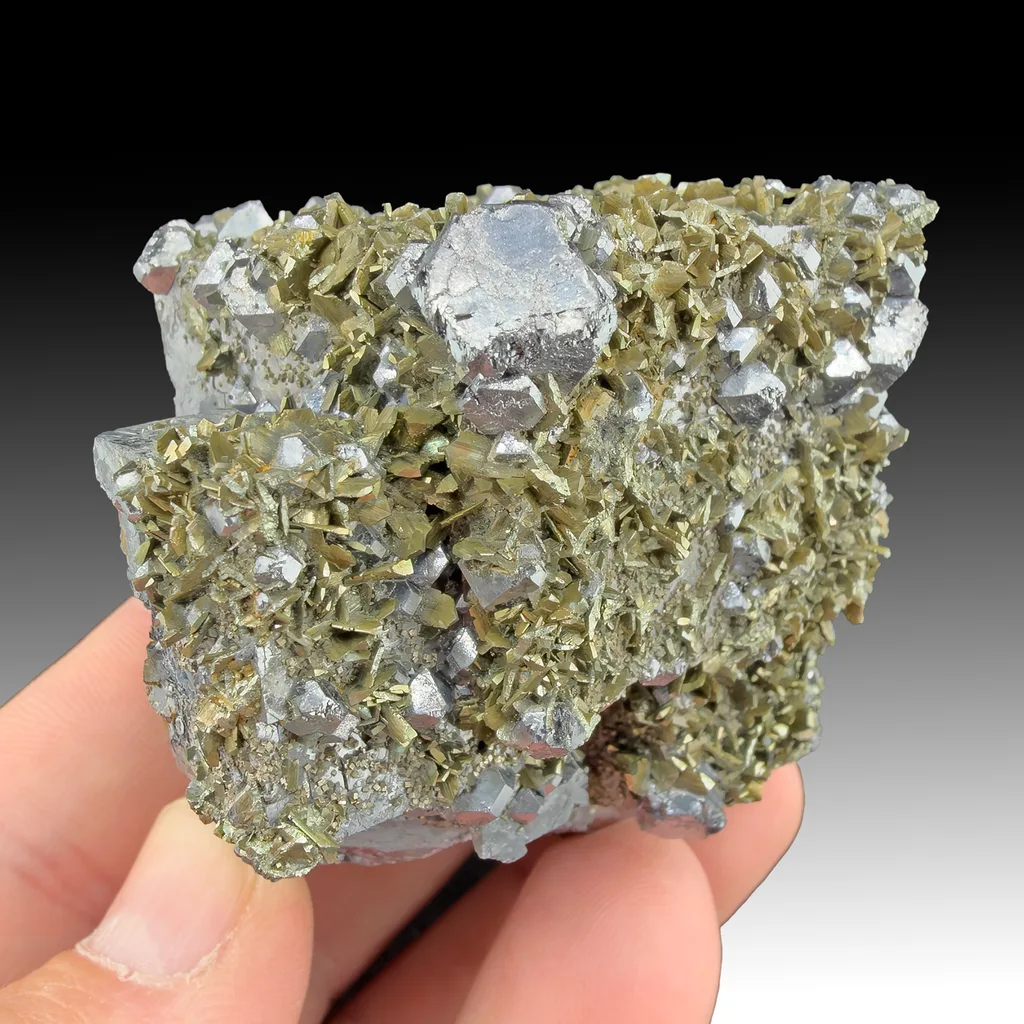
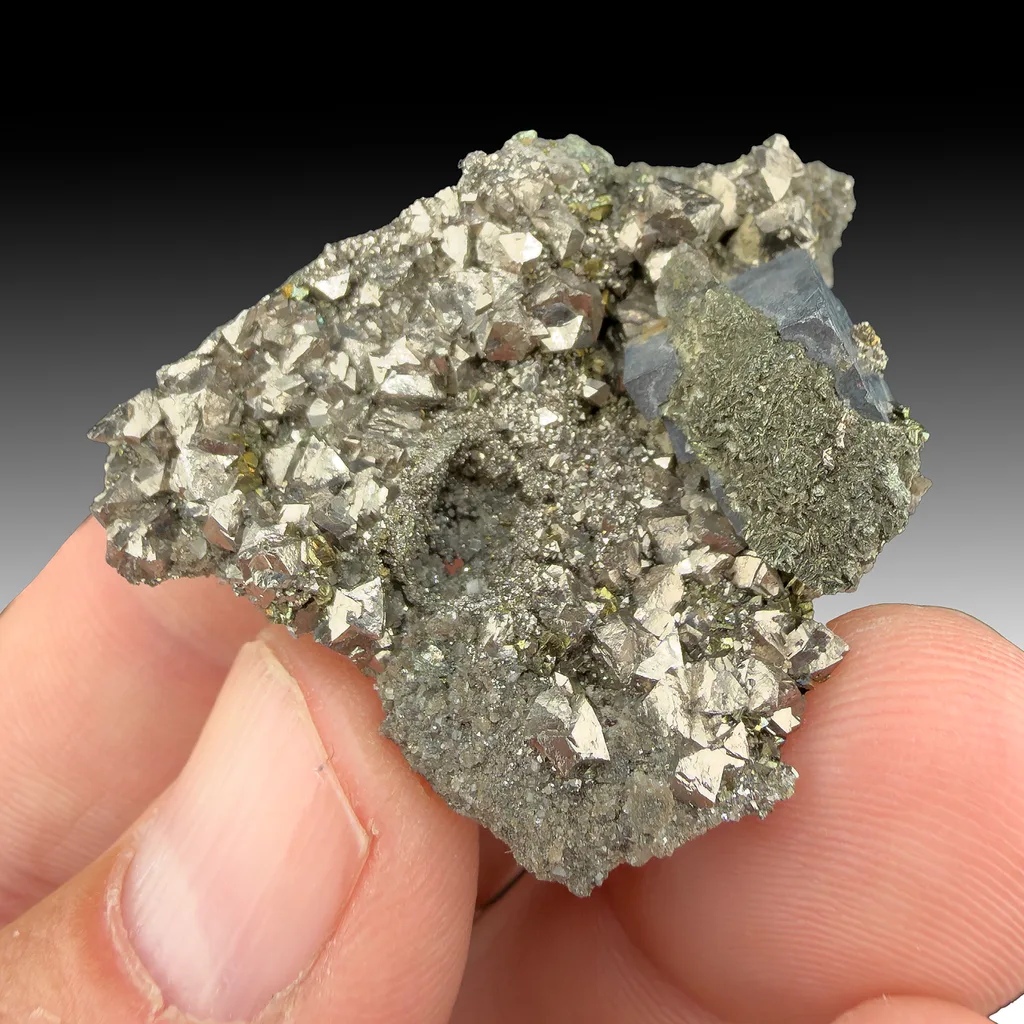
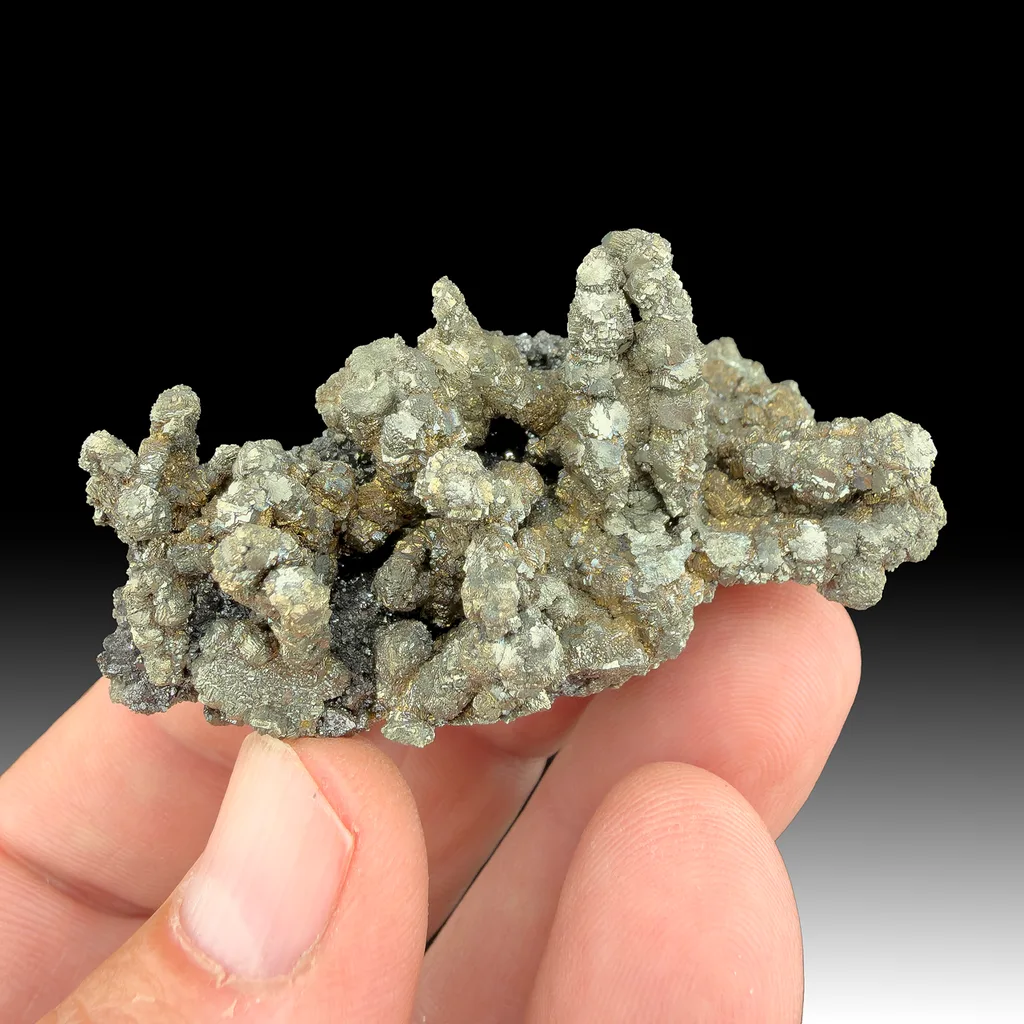
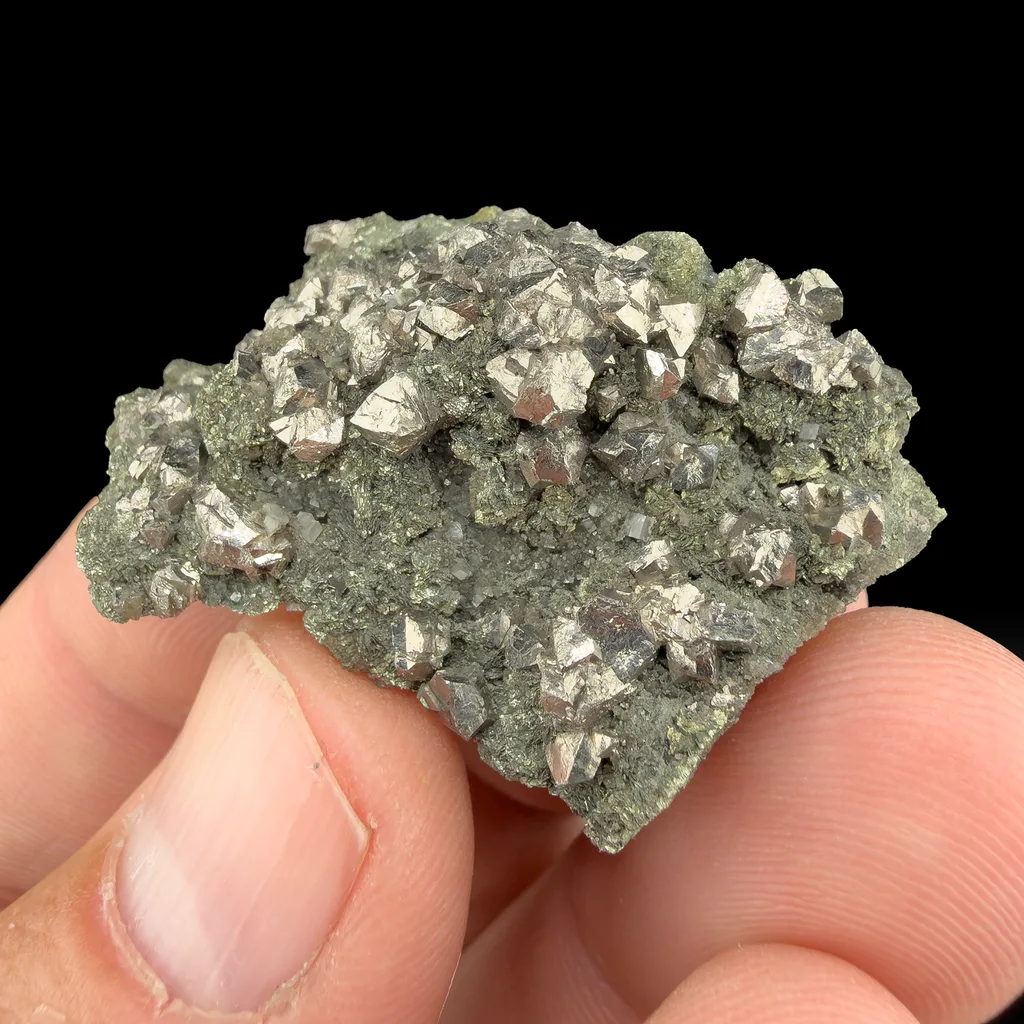
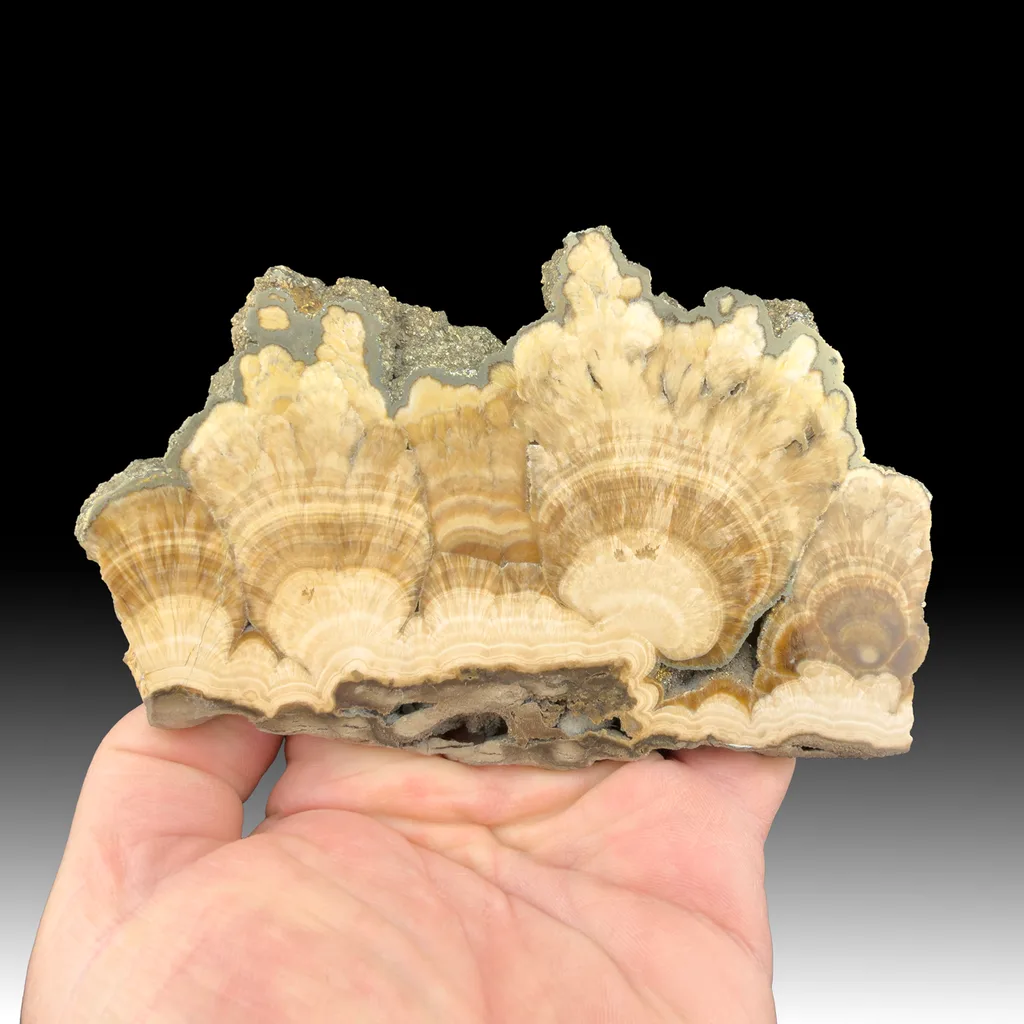
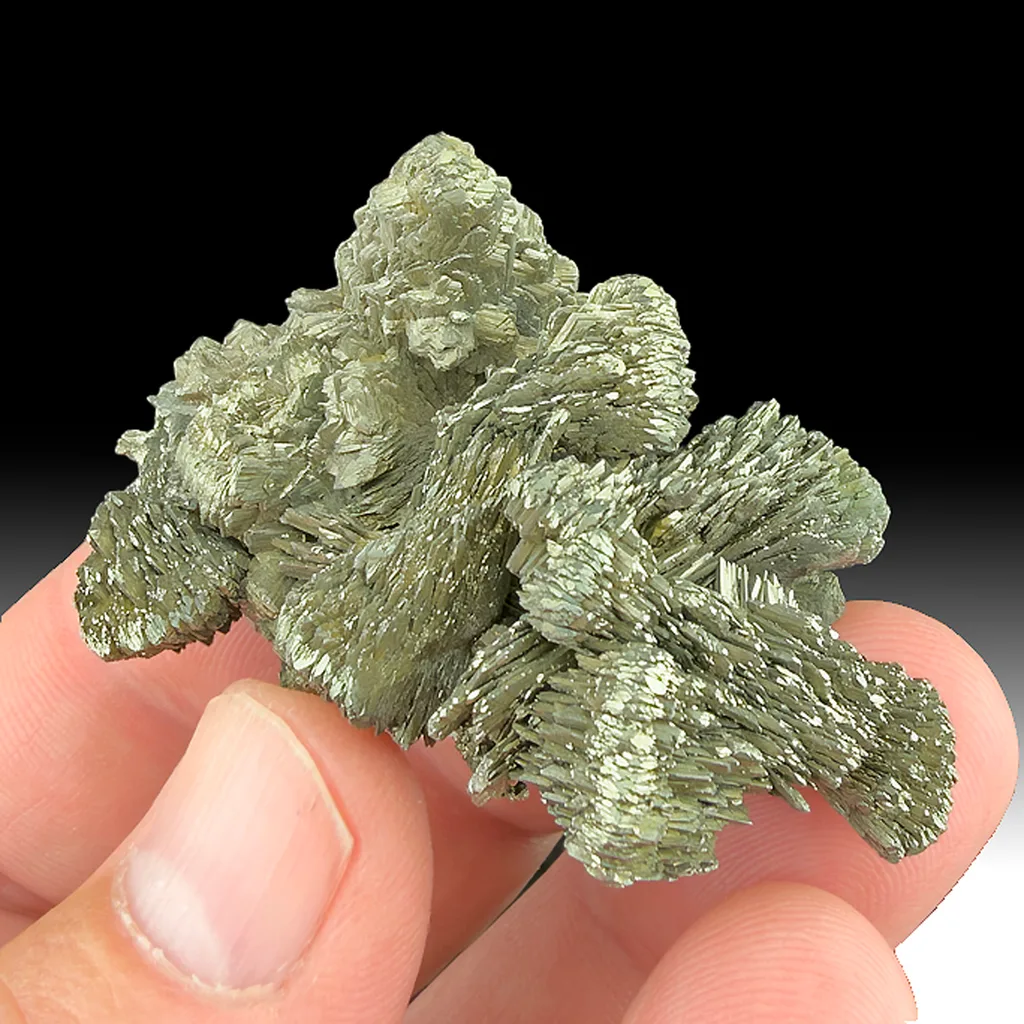
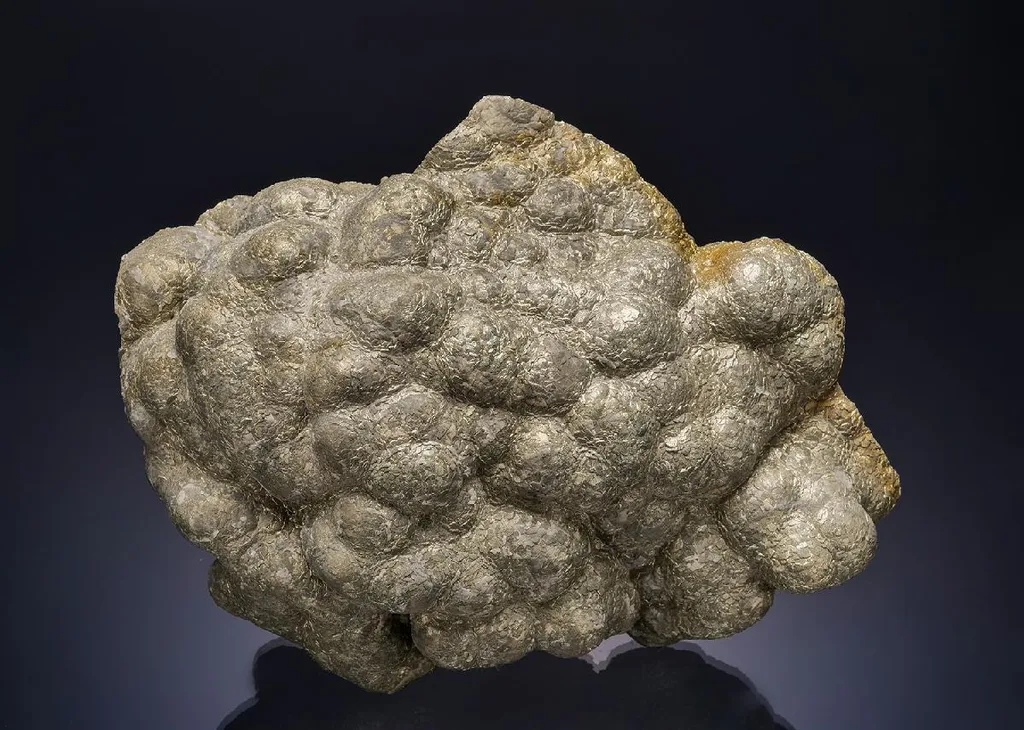
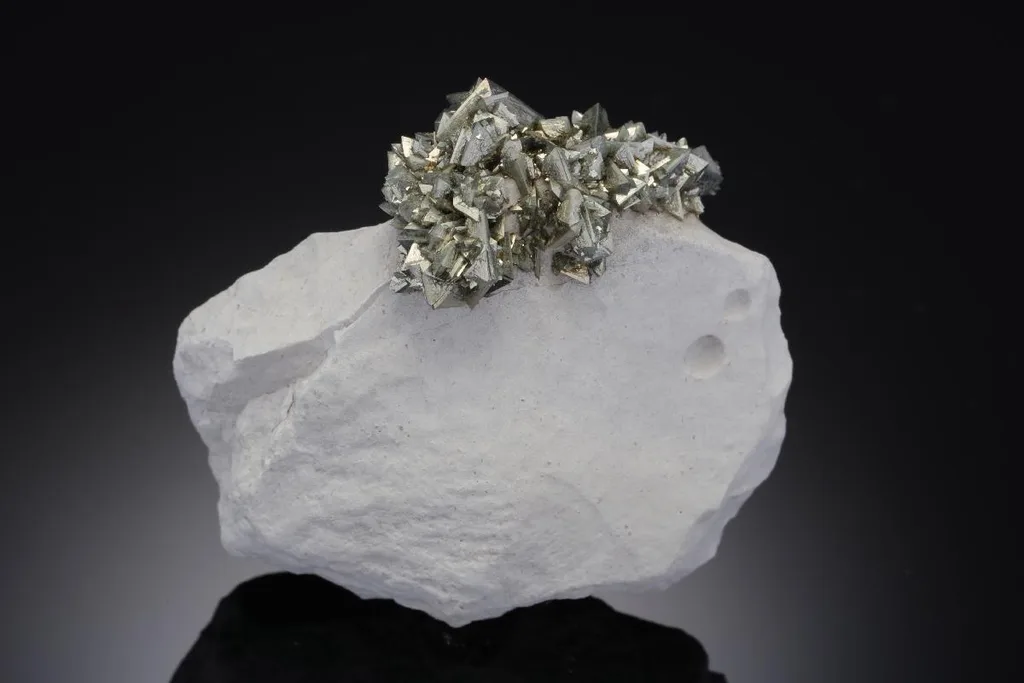
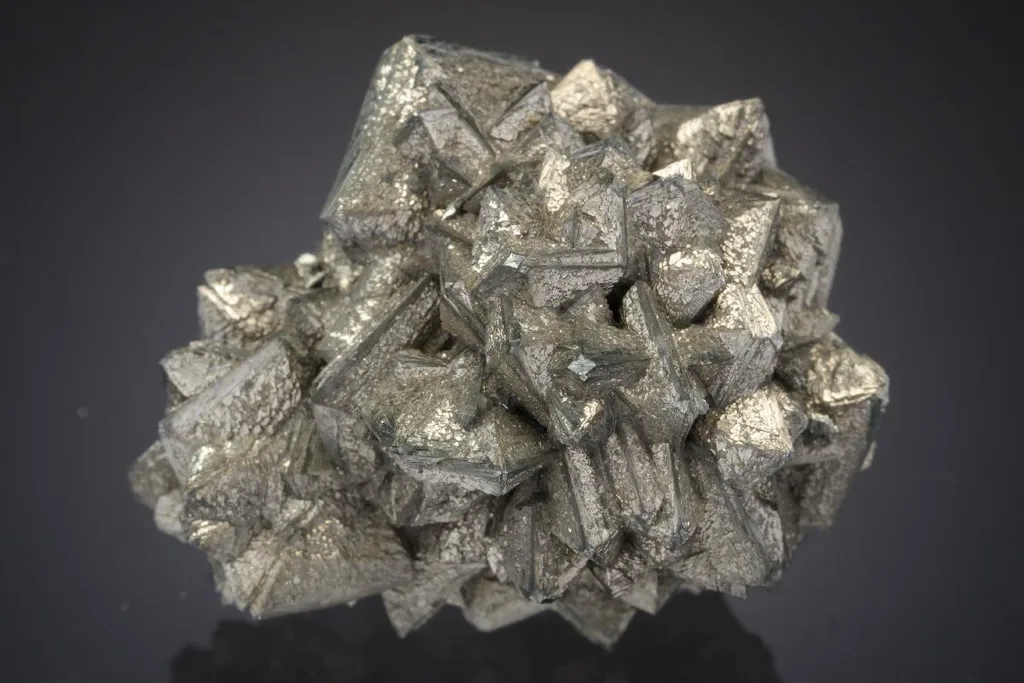
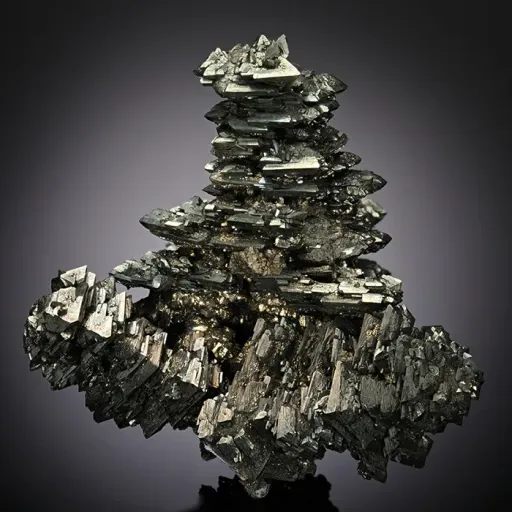
Marcasite is a sulfide mineral with the formula FeS2. It commonly forms tabular and prismatic crystals that can display a metallic to pale-brass luster, often weathering into a brunneous patina. Crystals can occur in clusters, as twinned forms, or as radiating aggregates, and the mineral’s distinctive shine under reflected light makes sharp facets appealing to collectors.
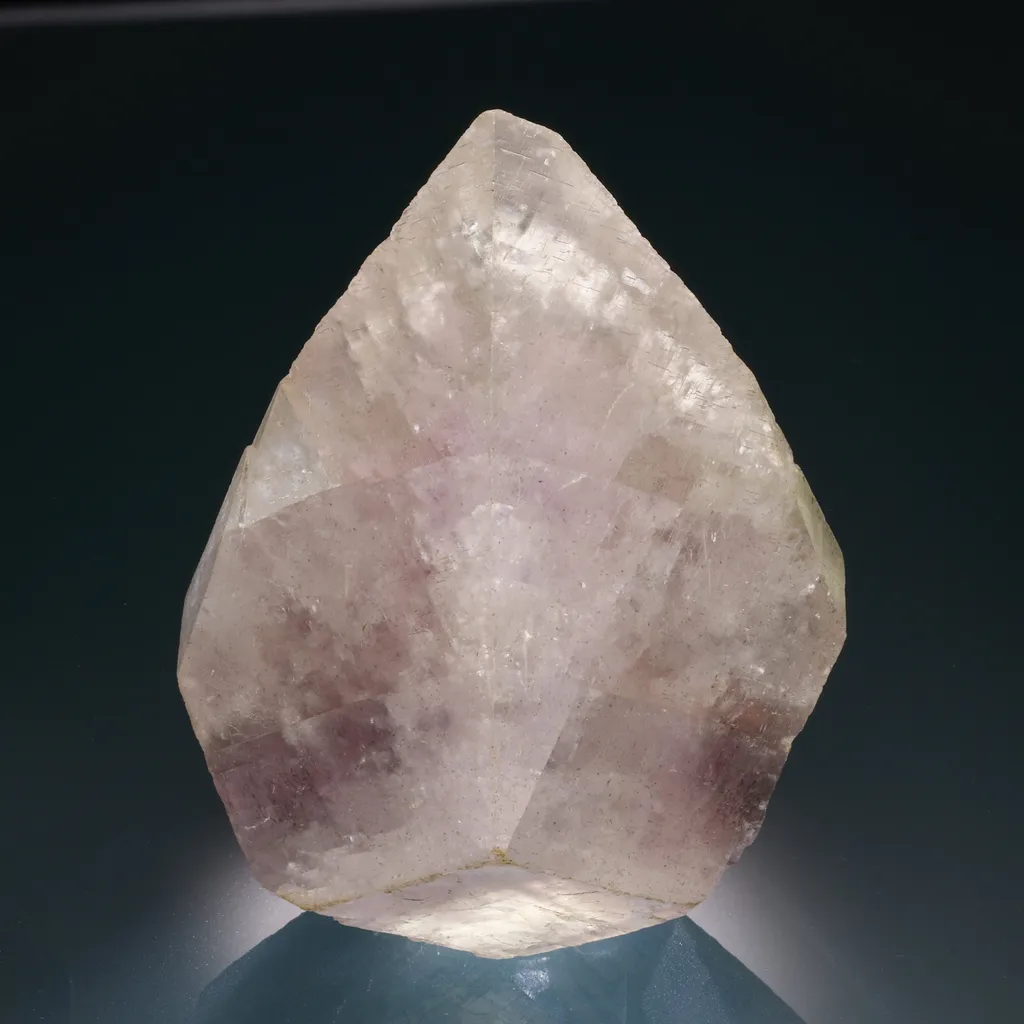
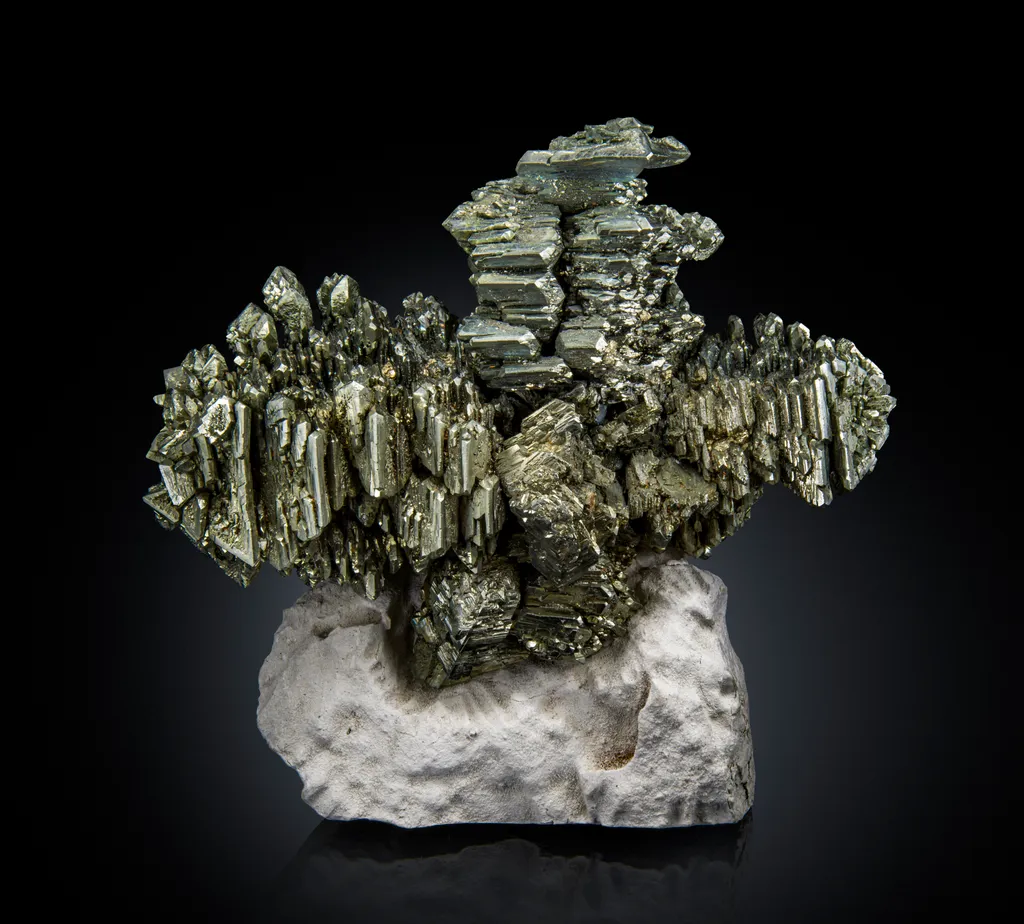
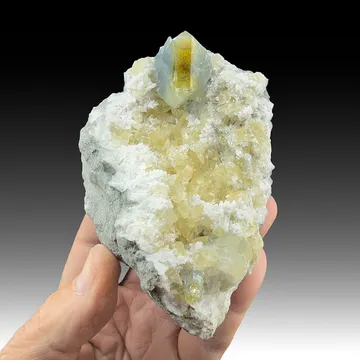
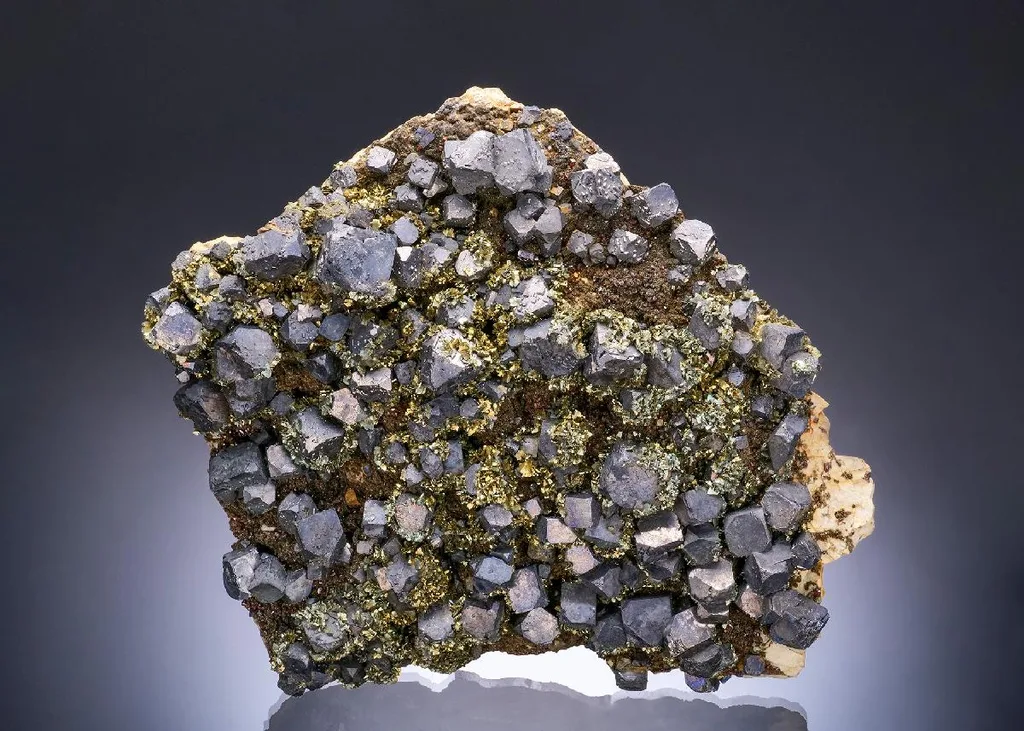
Notable specimens come from classic European locales as well as productive mines in the United States. In these settings marcasite often forms in hydrothermal veins and is frequently found with quartz, calcite, and siderite. While it can occur in oxidized zones, its stability is higher under reducing conditions where granular to compact masses and crystal clusters are preserved. The mineral’s commonly seen cabinet- to display-sized crystals, sometimes intergrown with pyrite, contribute to its frequent appearance in mineral cabinets and museum collections alike.
Collectors value marcasite for its historical significance and its ability to reveal intricate crystal forms. Its metallic luster and sharp edges can create striking contrasts when paired with contrasting host rocks. While not as rare as some sulfides, well-formed crystals from classic localities remain desirable for display and study among mineral enthusiasts.