Guide
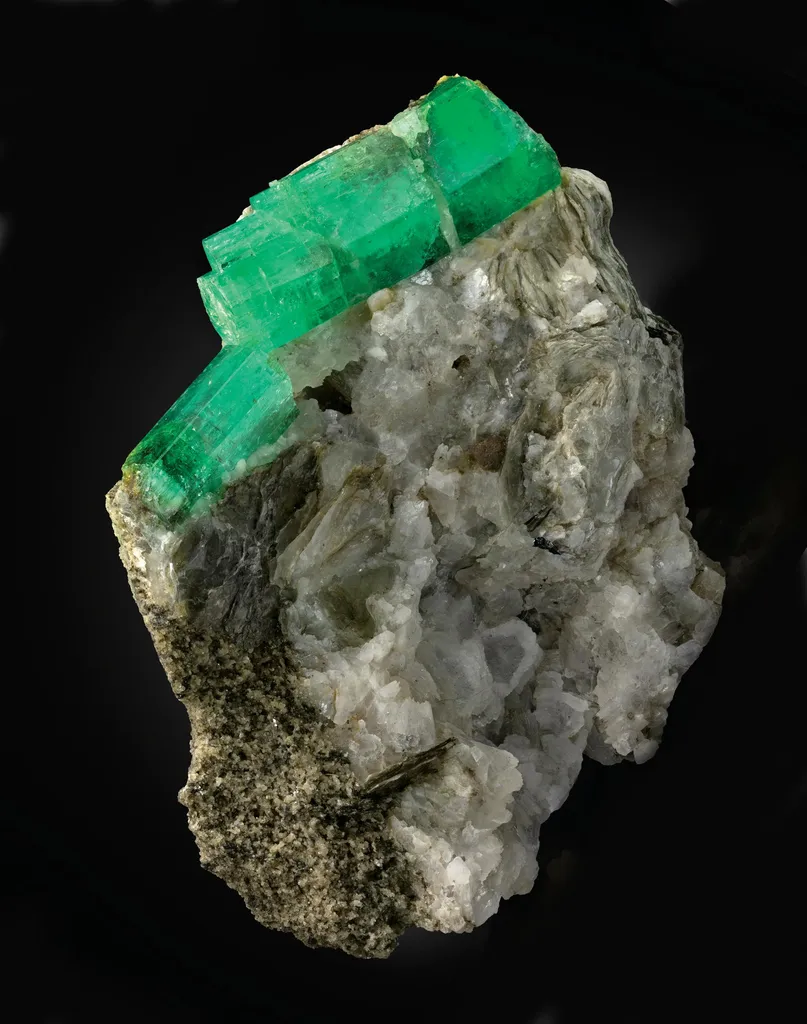
186 for sale · $8–$55,000 USD
211 in the gallery
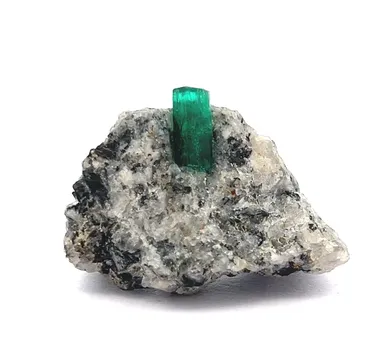
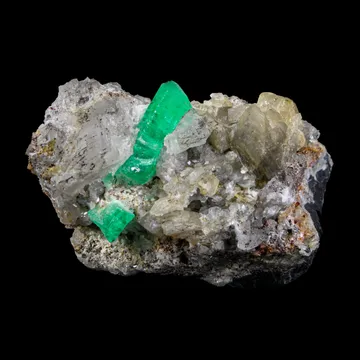
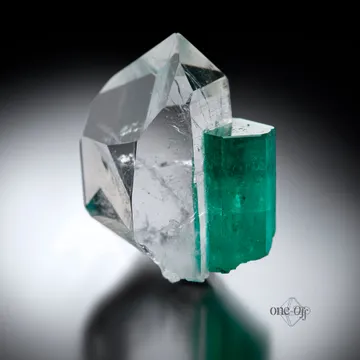
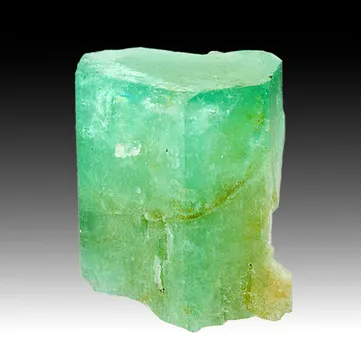
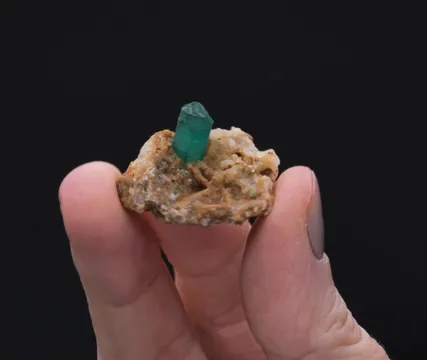
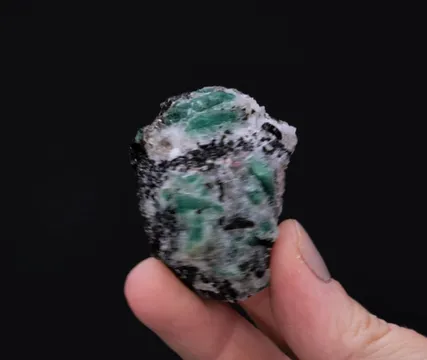
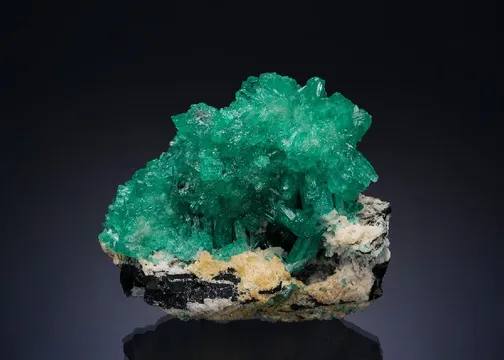
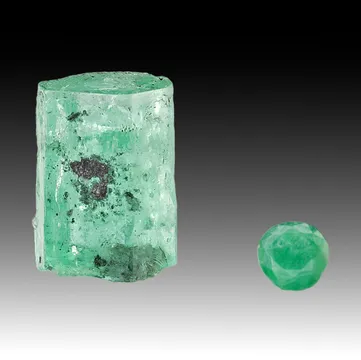
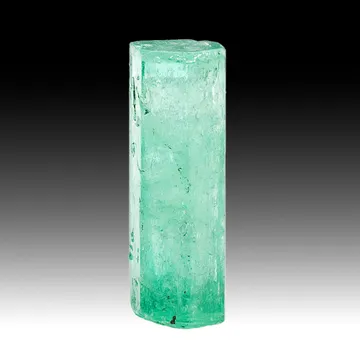
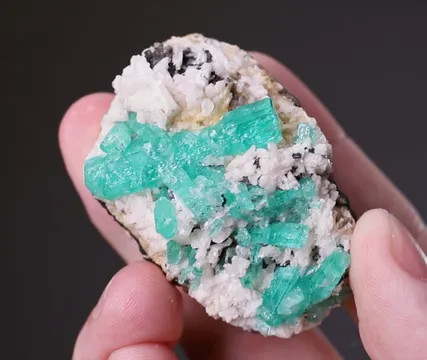
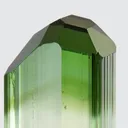
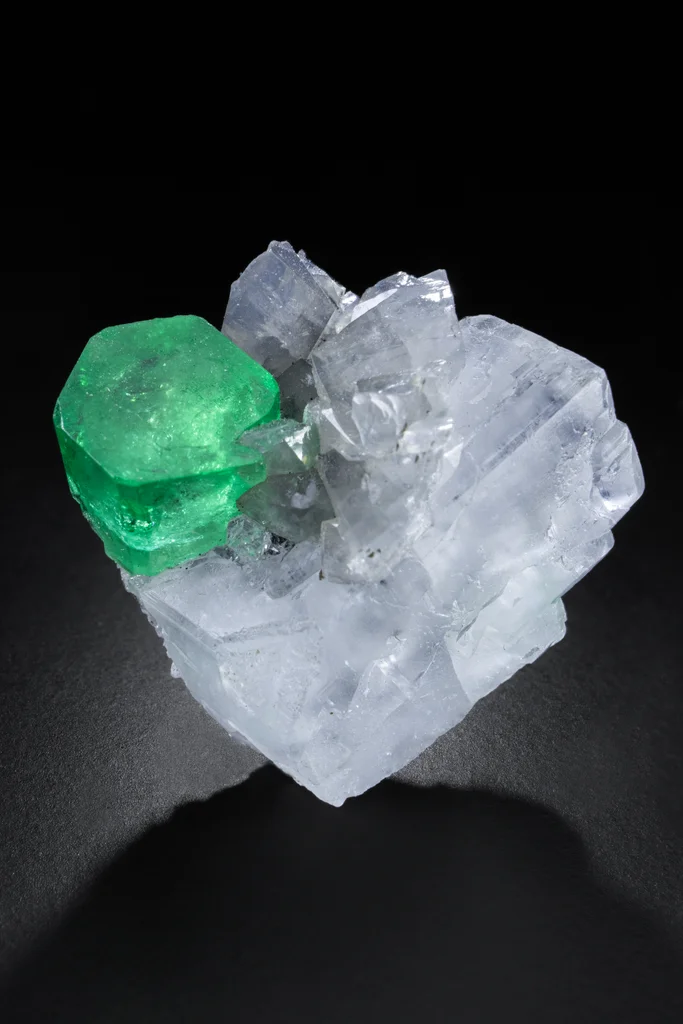
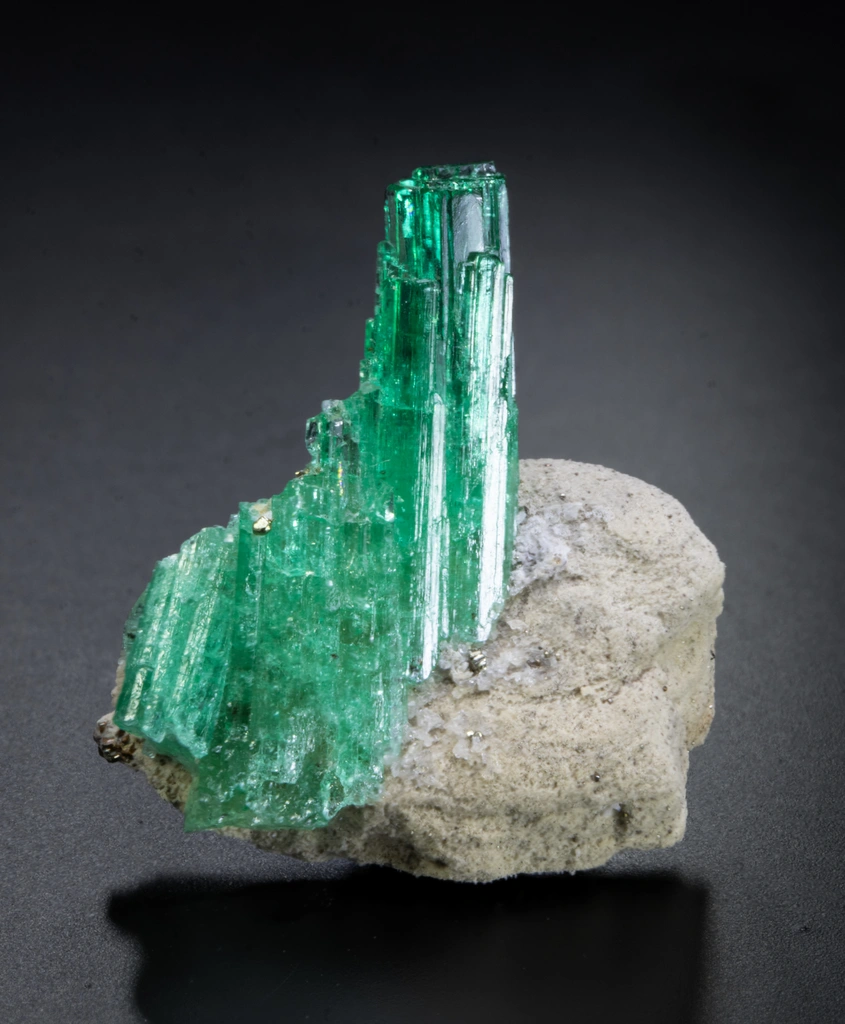
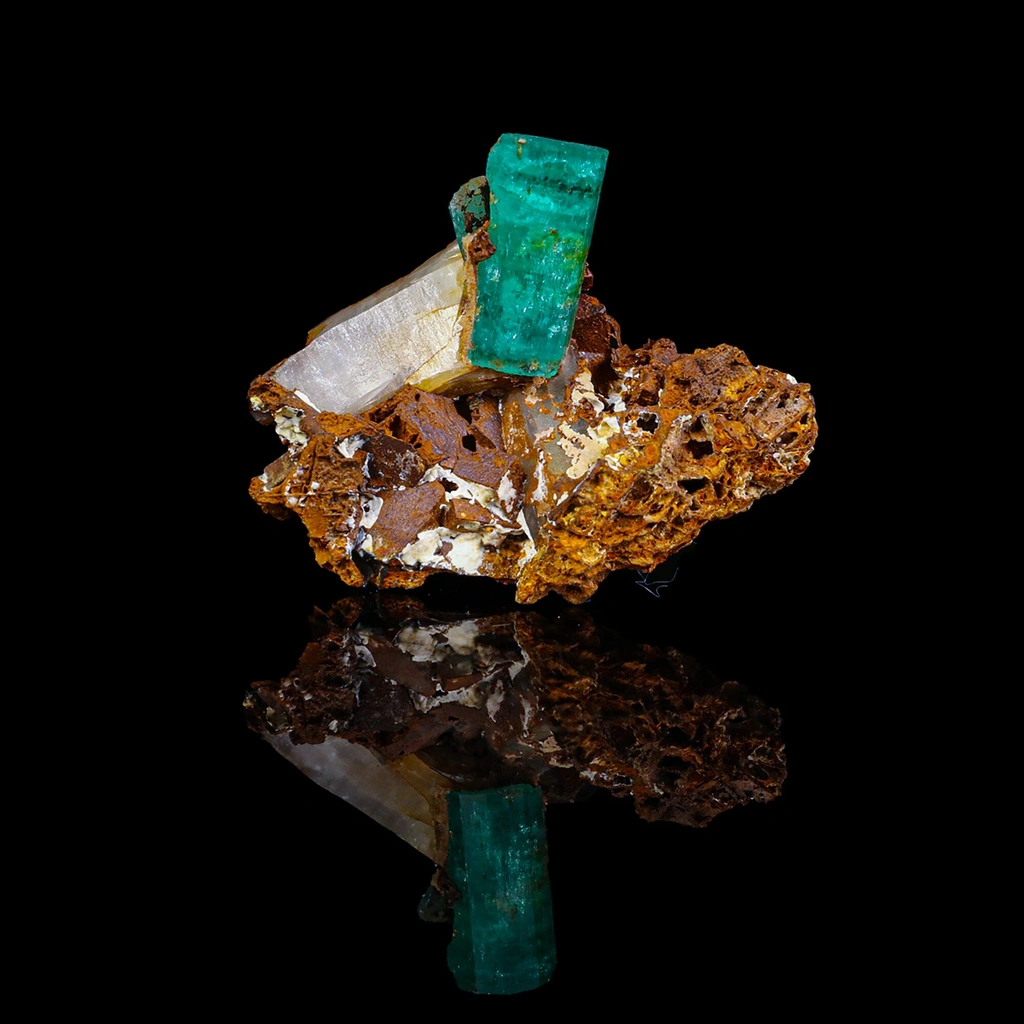
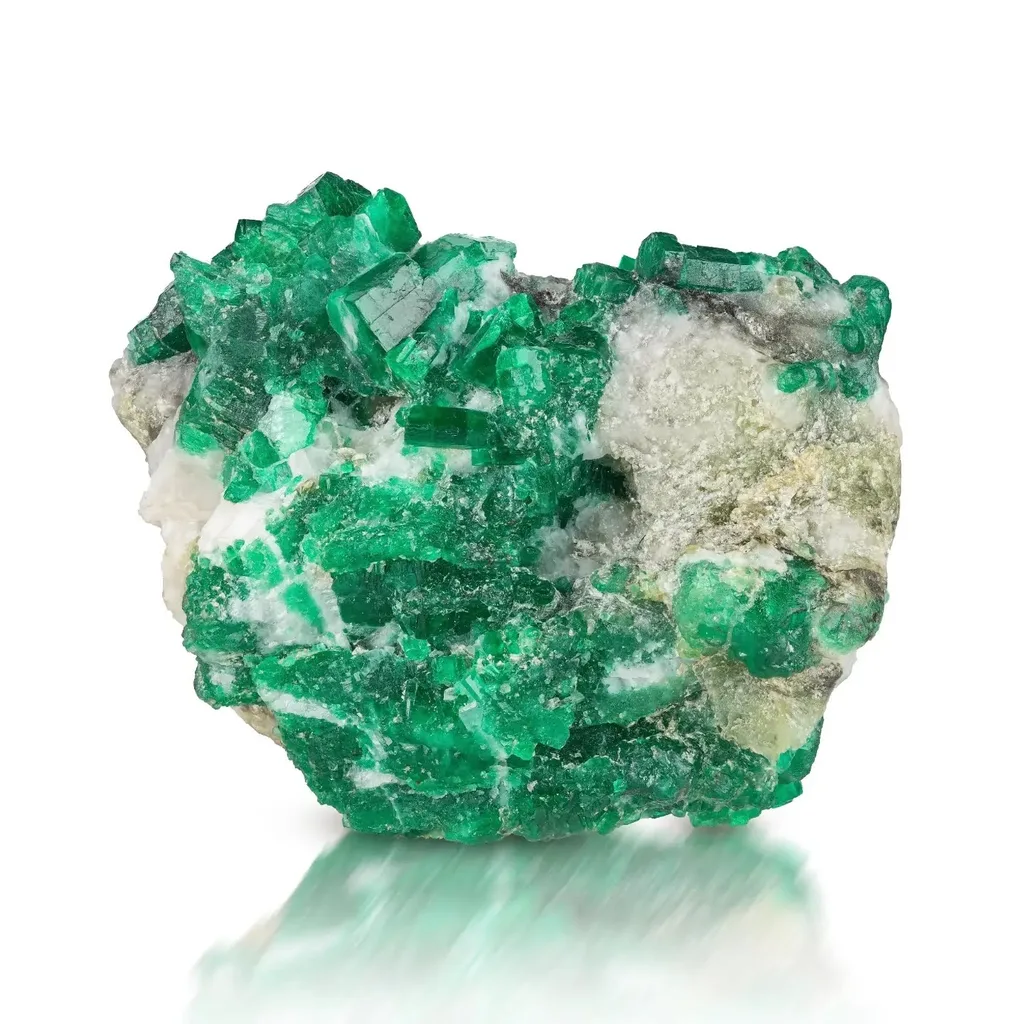
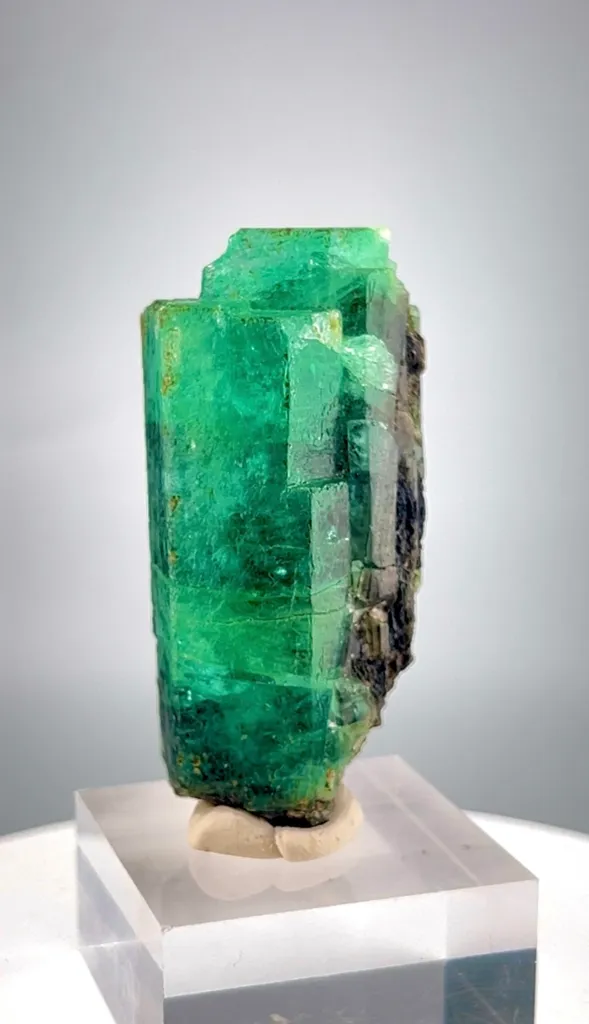
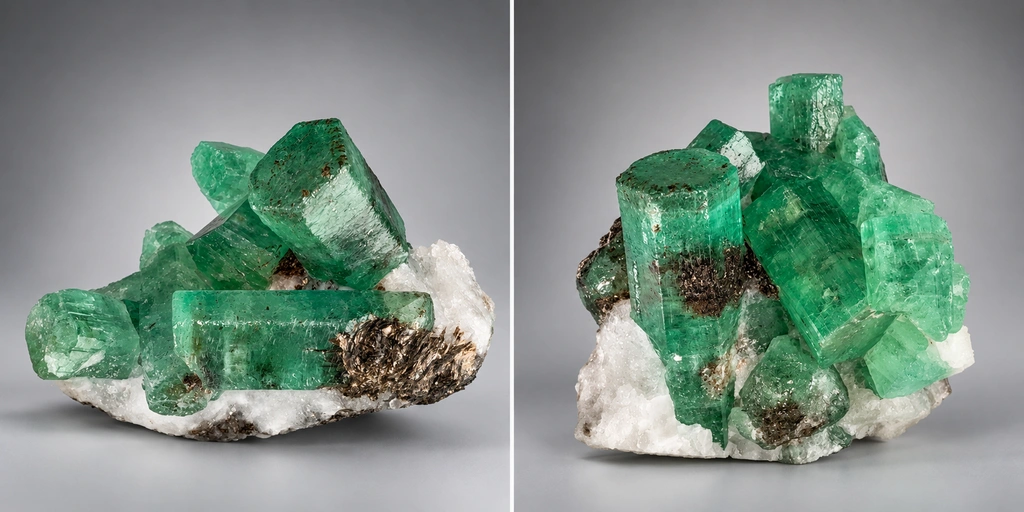
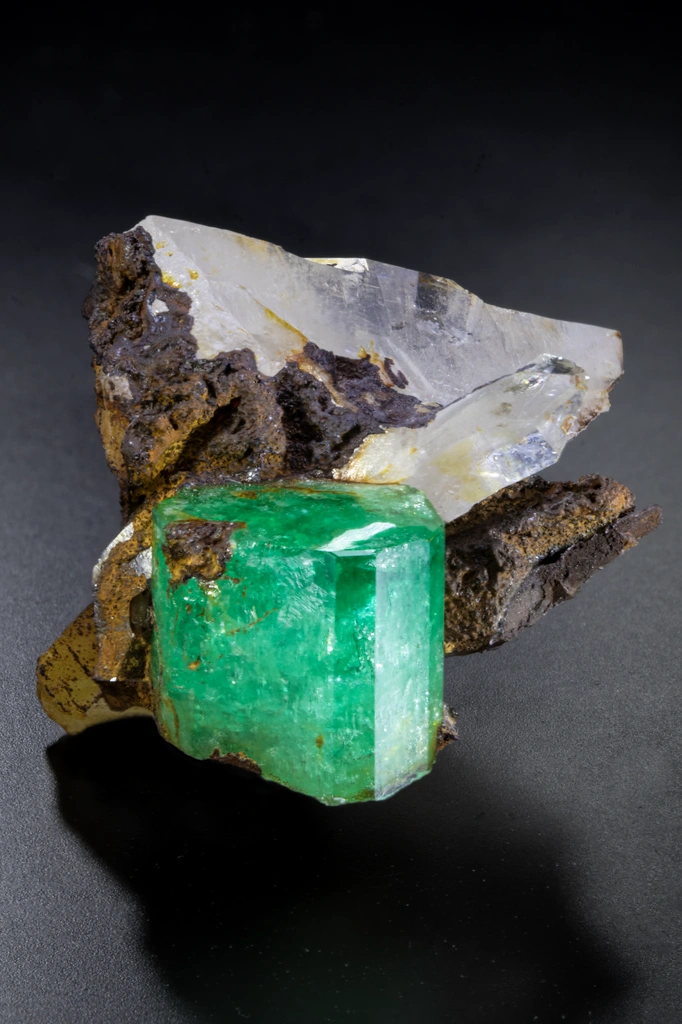
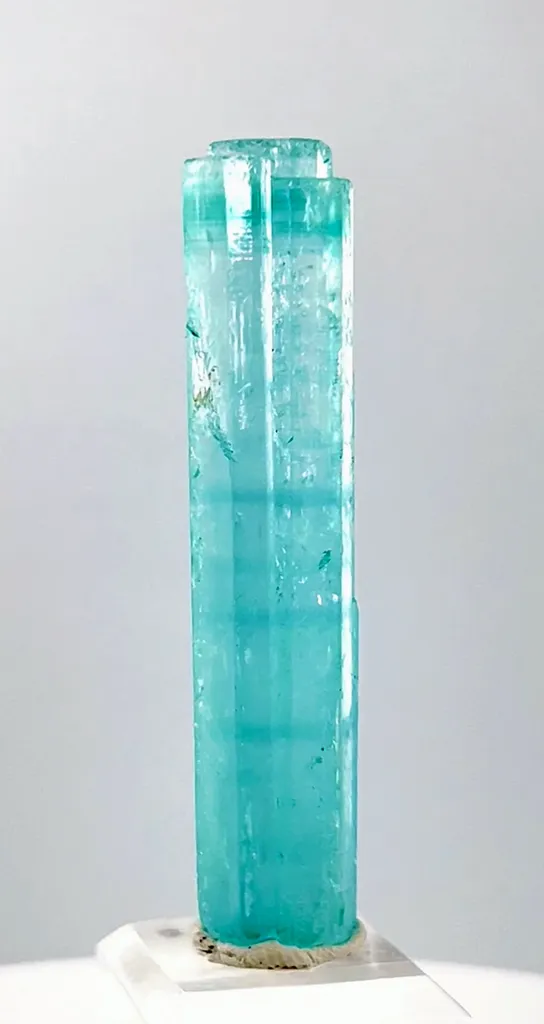
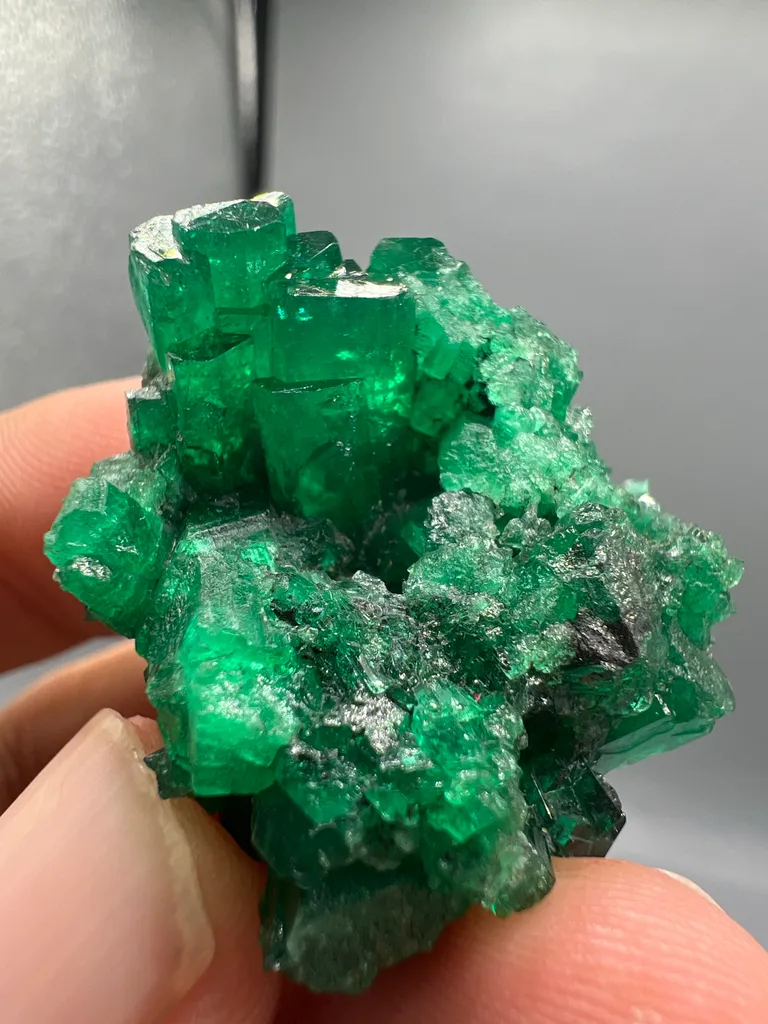
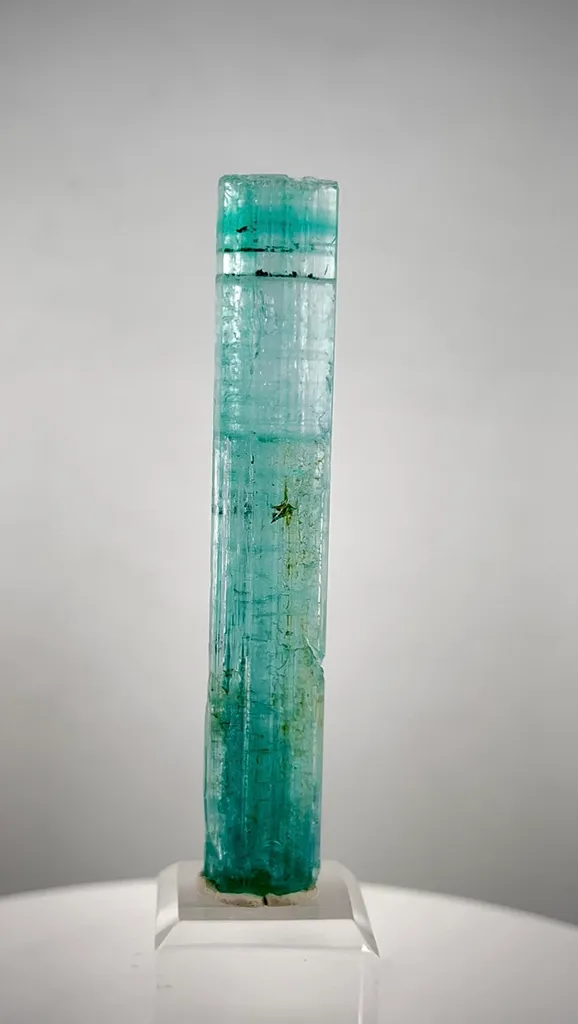
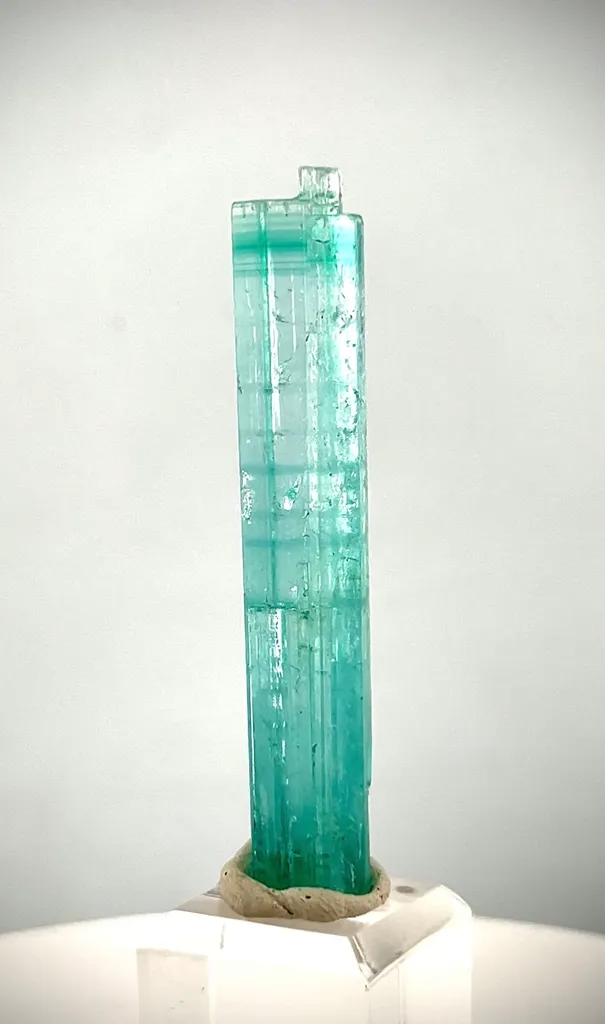
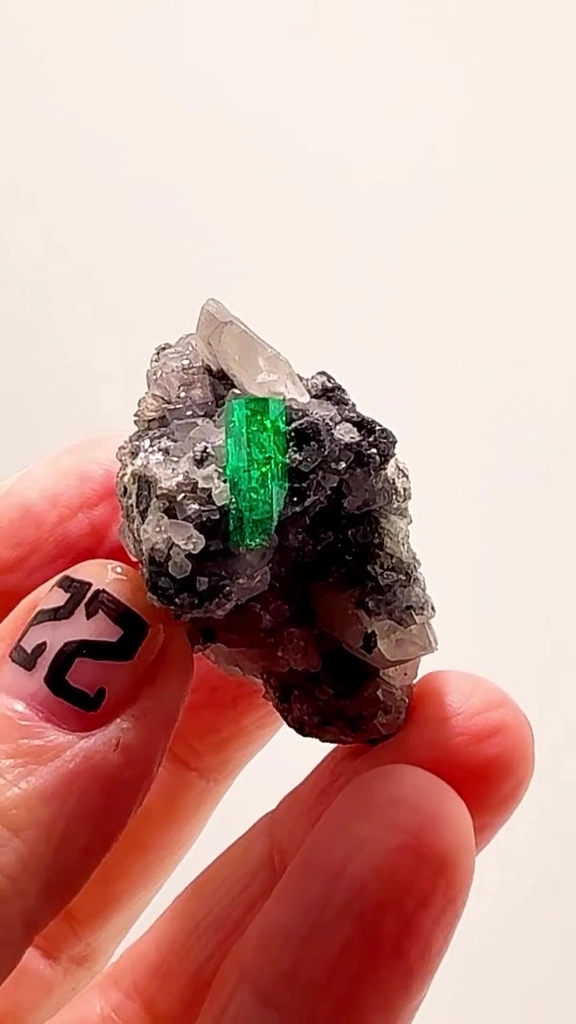
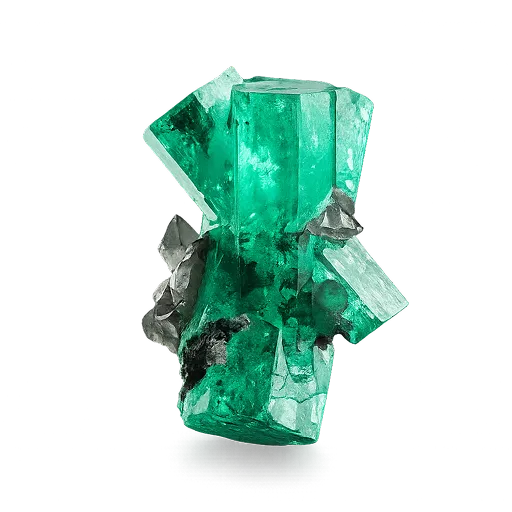
Emerald is a green variety of beryl distinguished by its vivid, often deep green hue due to trace chromium or vanadium. Crystals commonly form in hexagonal prismatic habits with vitreous luster, and are prized when they display clear transparency and well-formed prisms. Notable specimens originate from classic emerald localities such as Colombia and Brazil, with other important sources including Zambia and Zimbabwe, among others. The material can range from translucent to richly emerald-green, and inclusions such as basalt-filling fractures or two-phase assemblages are frequently observed, sometimes contributing to character rather than detracting from value for many collectors.
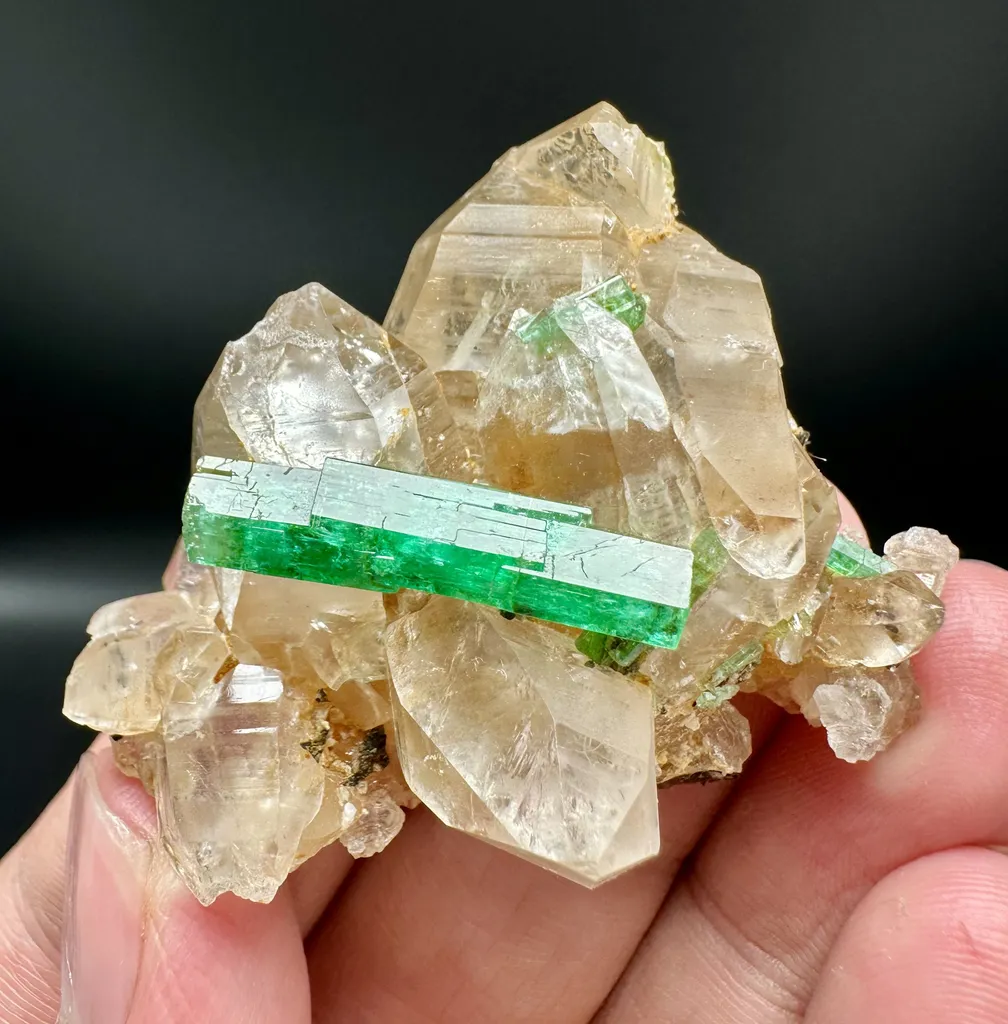
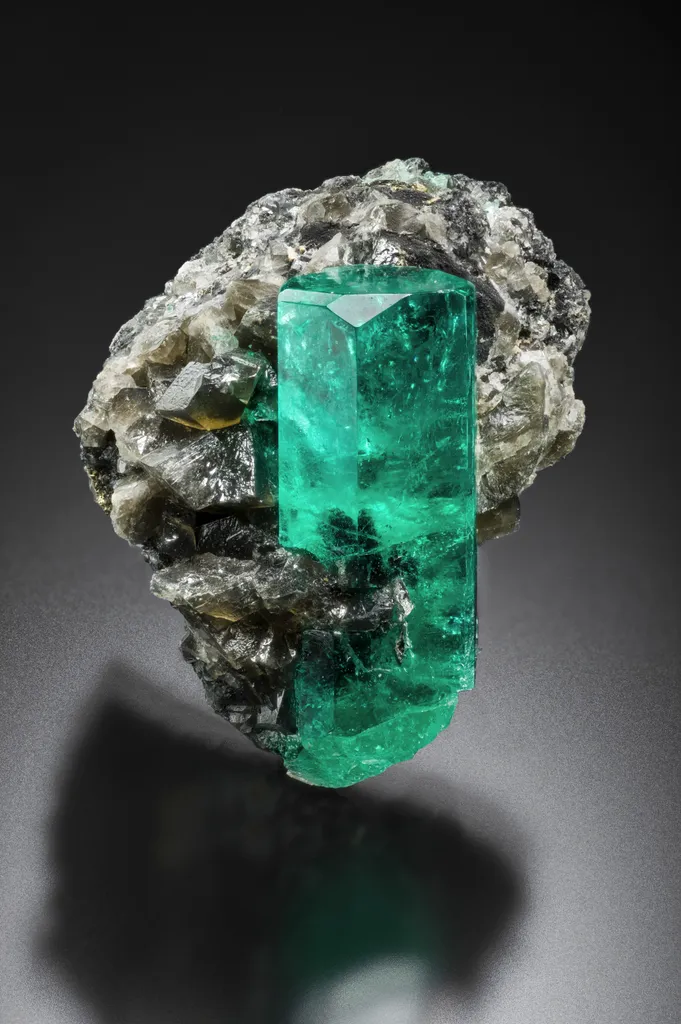
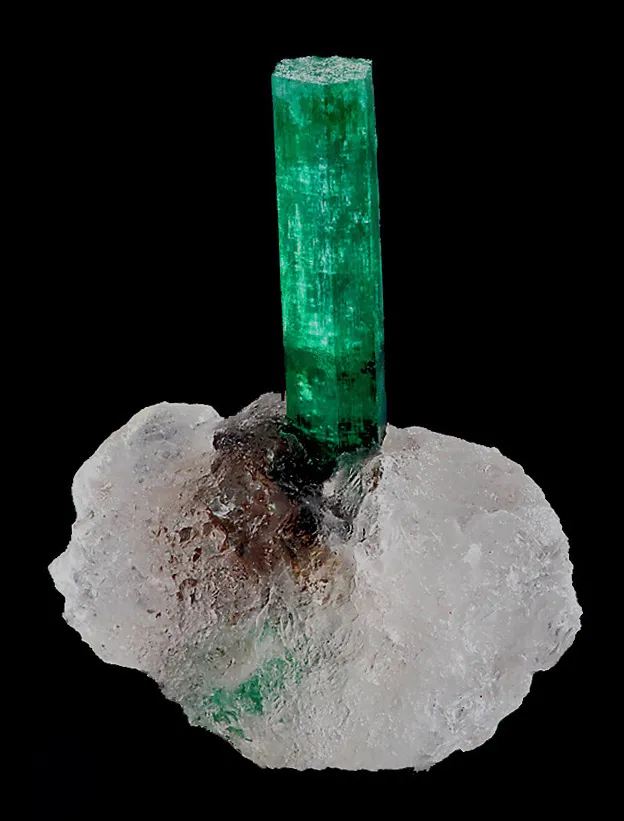
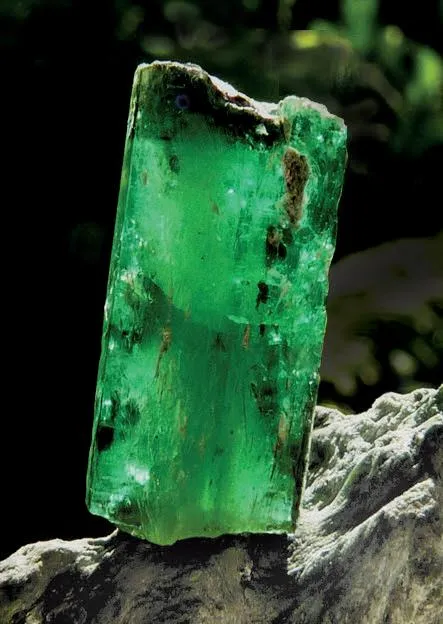
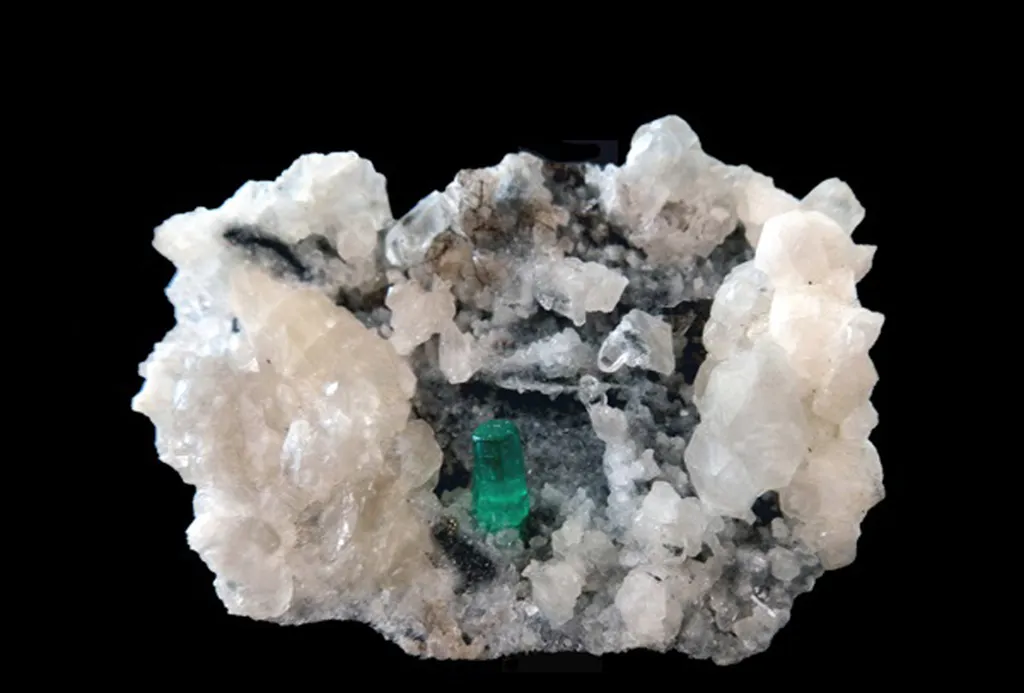
Collectors seek emerald for its color intensity, crystal aesthetics, and locality association. Fine crystals with robust termination, deep color zoning, and minimal gumming or fracture lines are particularly desirable. High-quality emeralds often come from hydrothermal or pegmatitic environments, where emerald-bearing beryl forms in cavities and fractures within metamorphic host rocks. This makes emeralds a favorite for display and study, with the potential to illustrate the diversity of beryl varieties and the geological processes that yield such striking color and form.