
Guide
761 for sale · $20–$35,000 USD
905 in the gallery
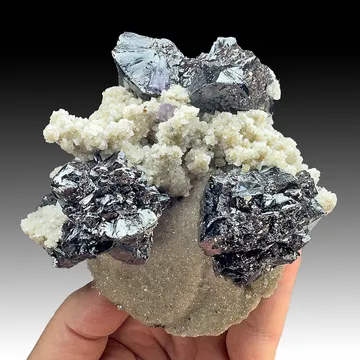
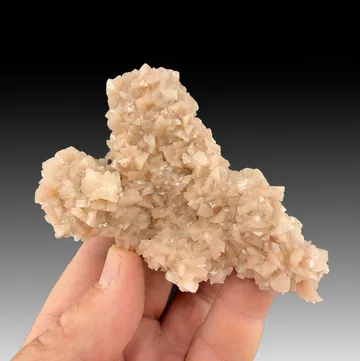
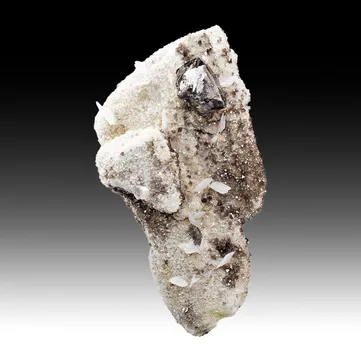
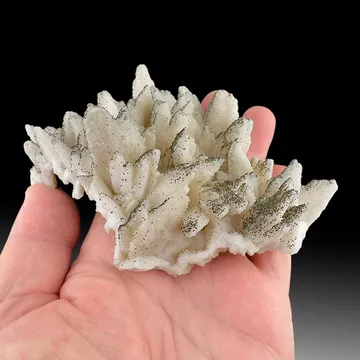
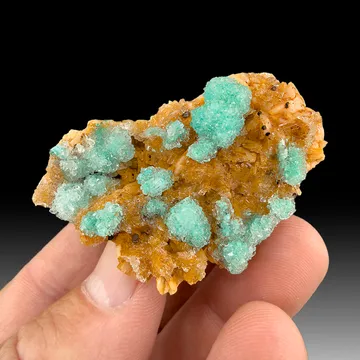
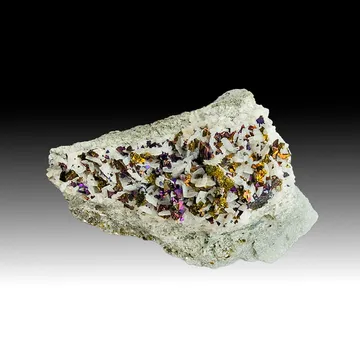
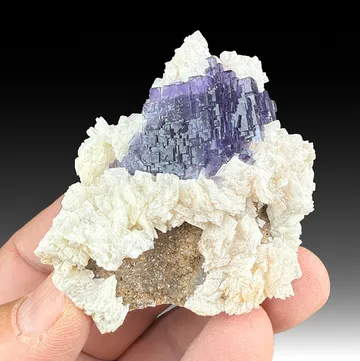
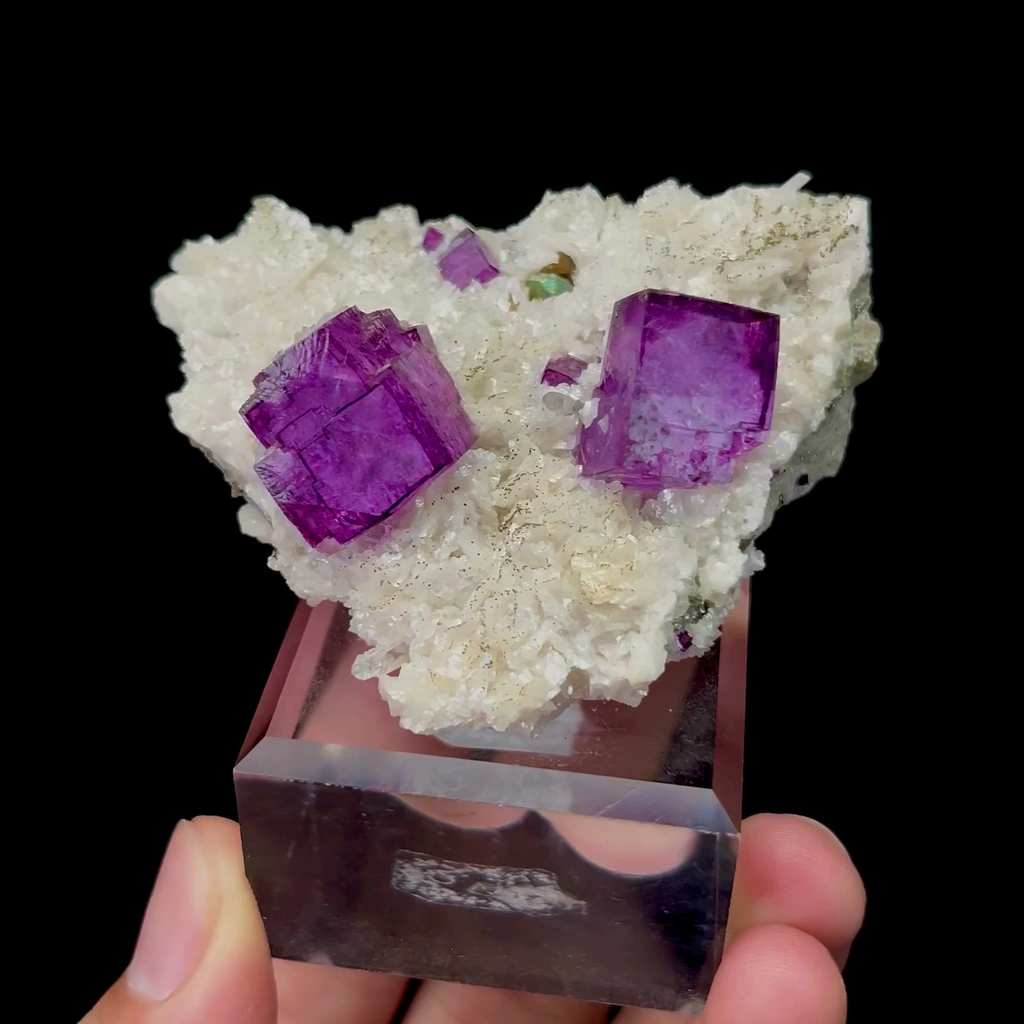
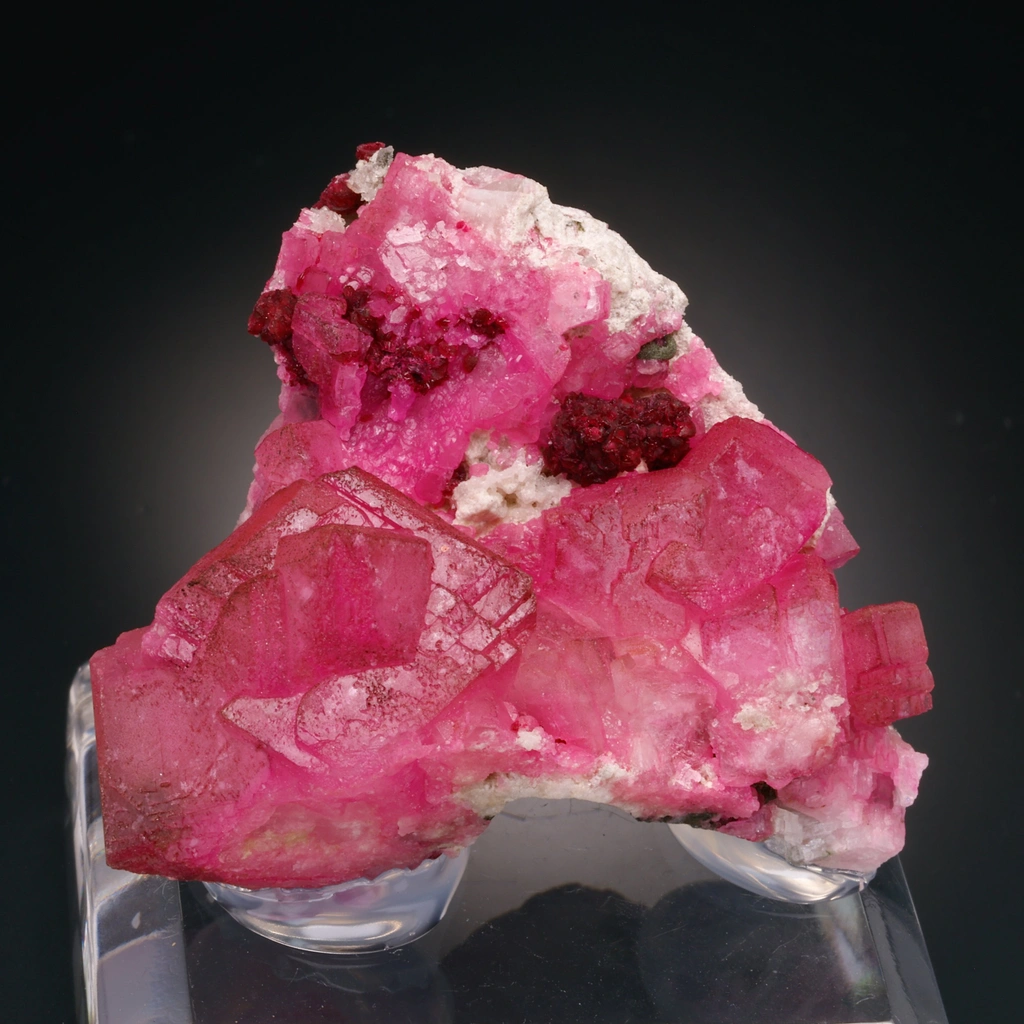
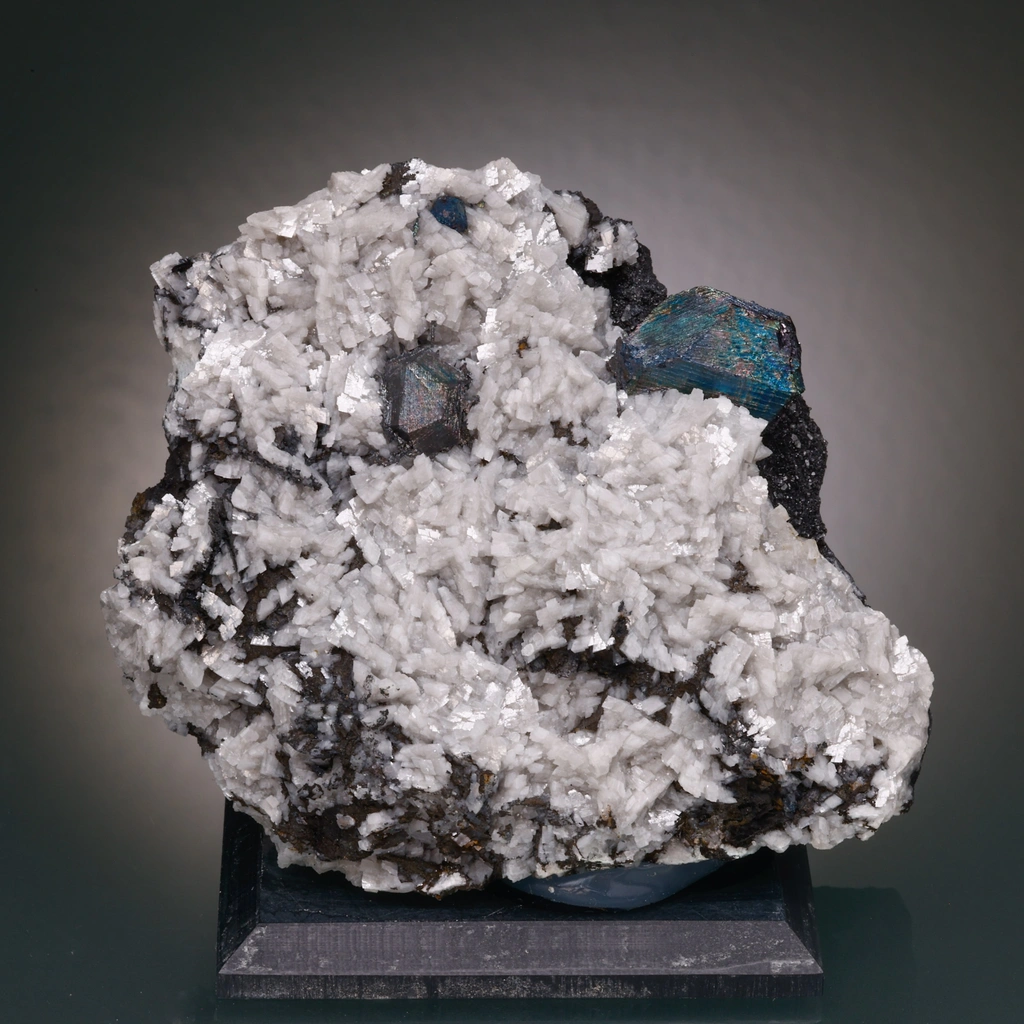
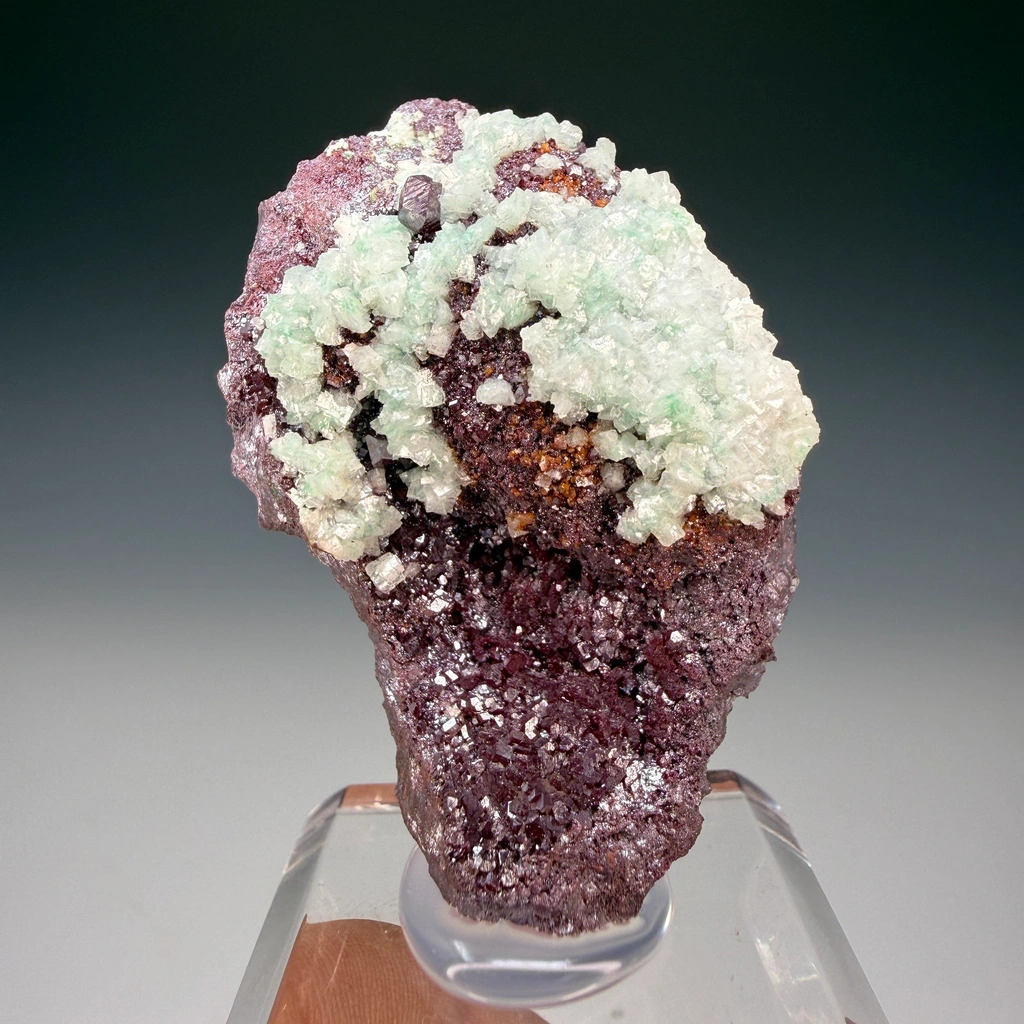
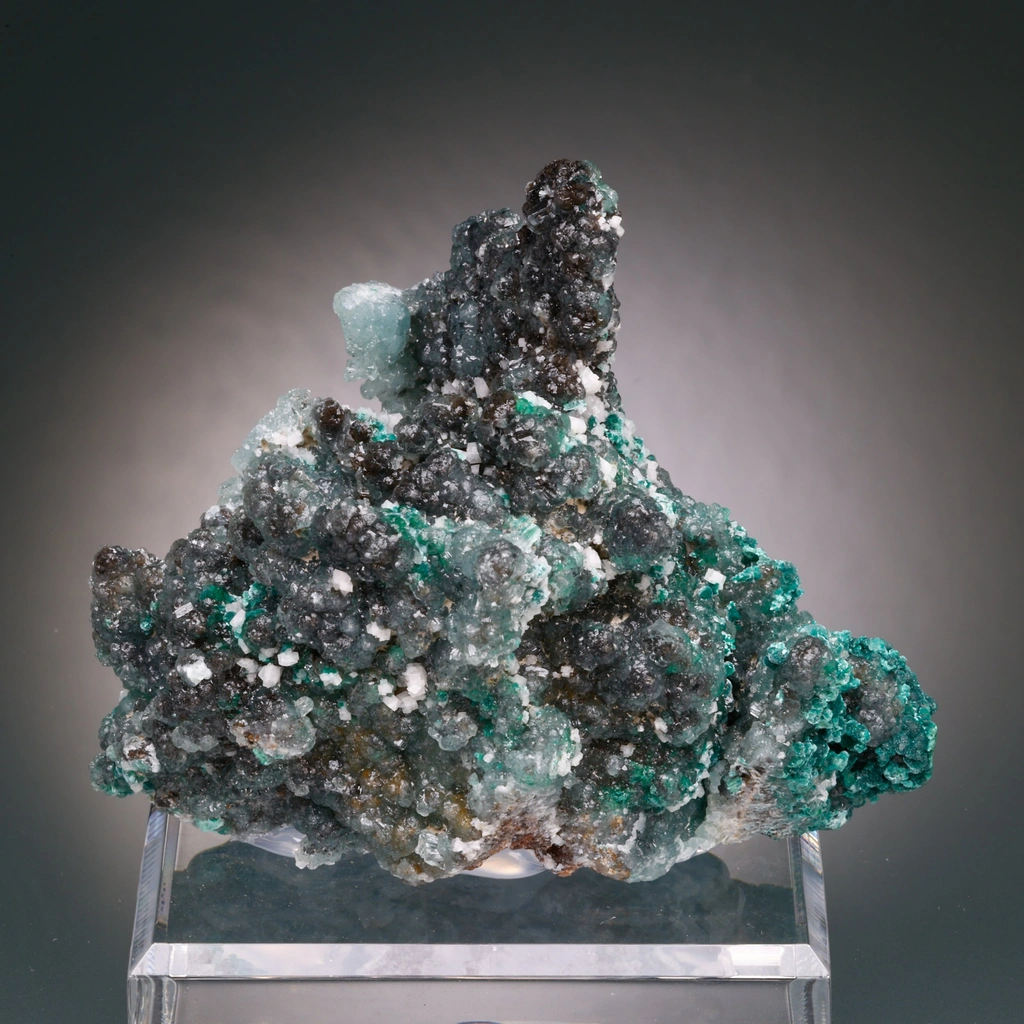
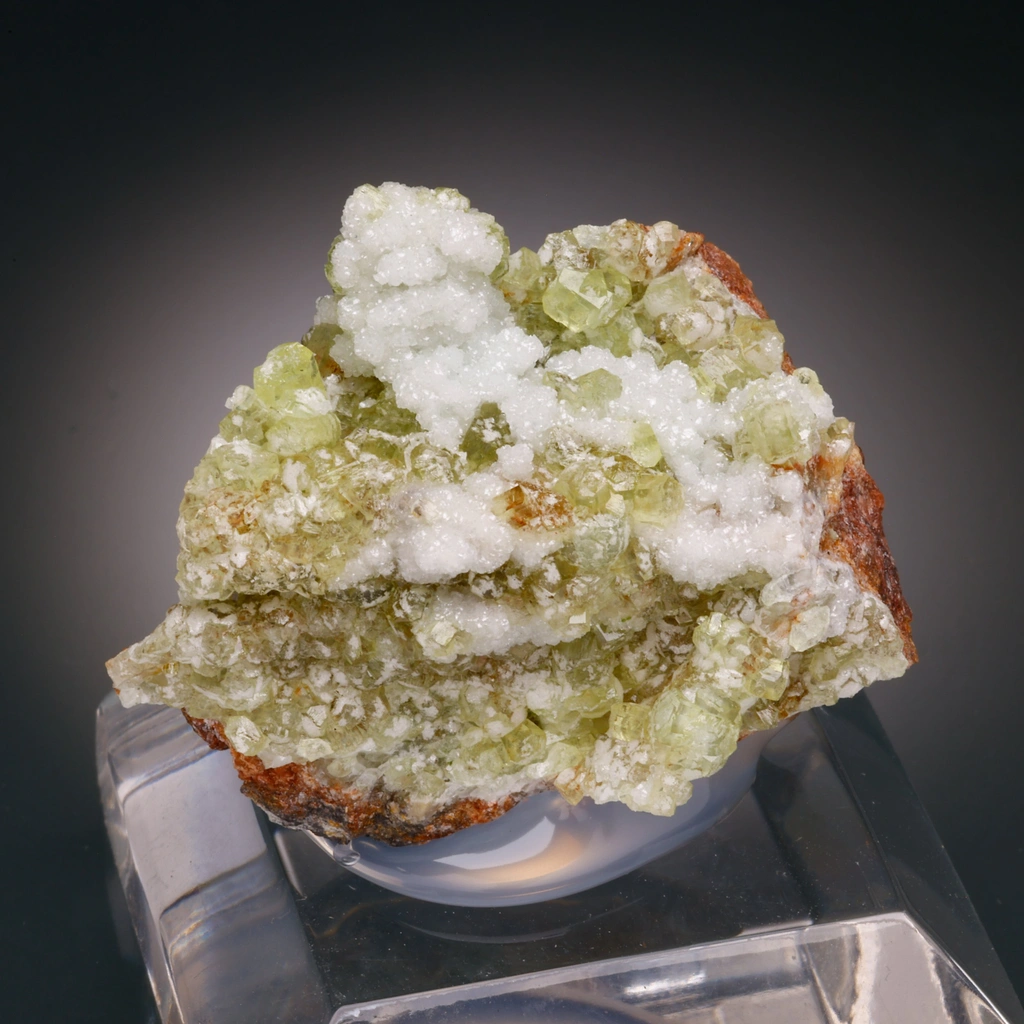
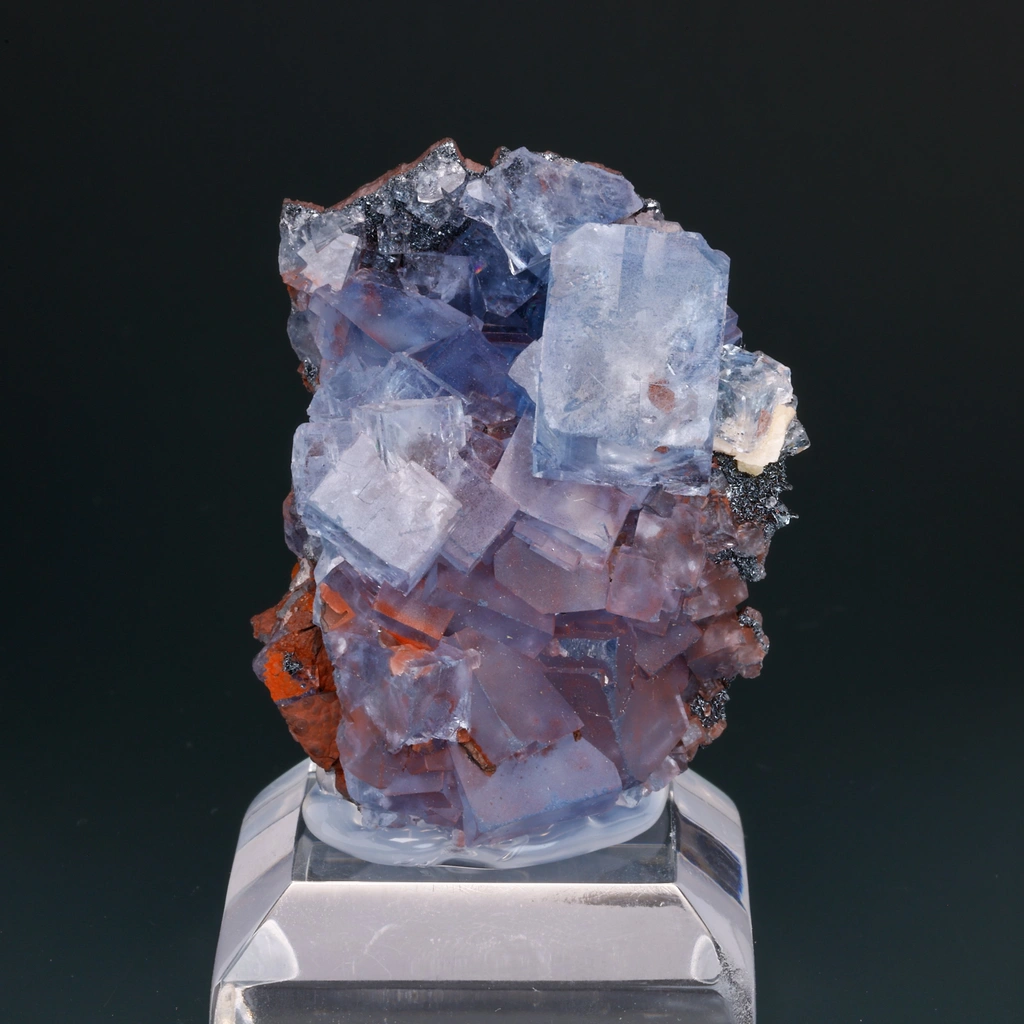
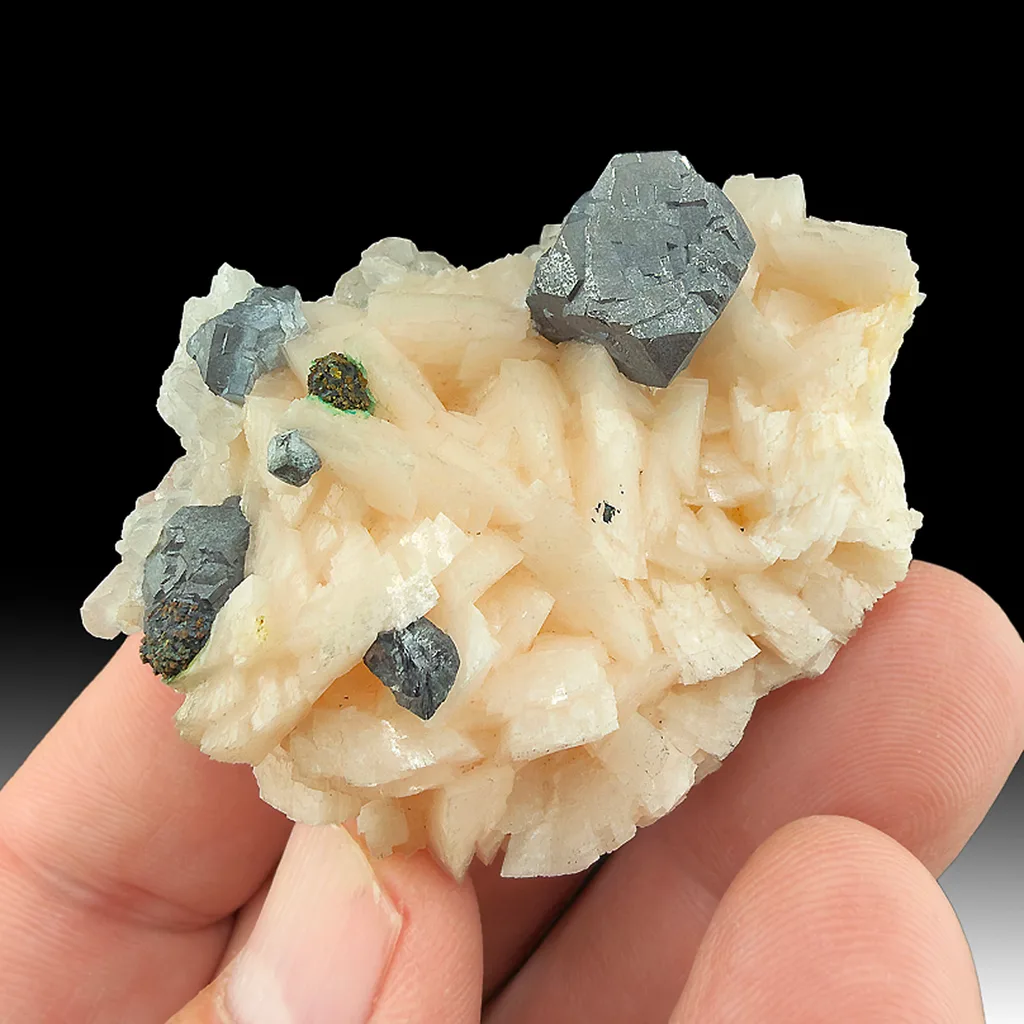
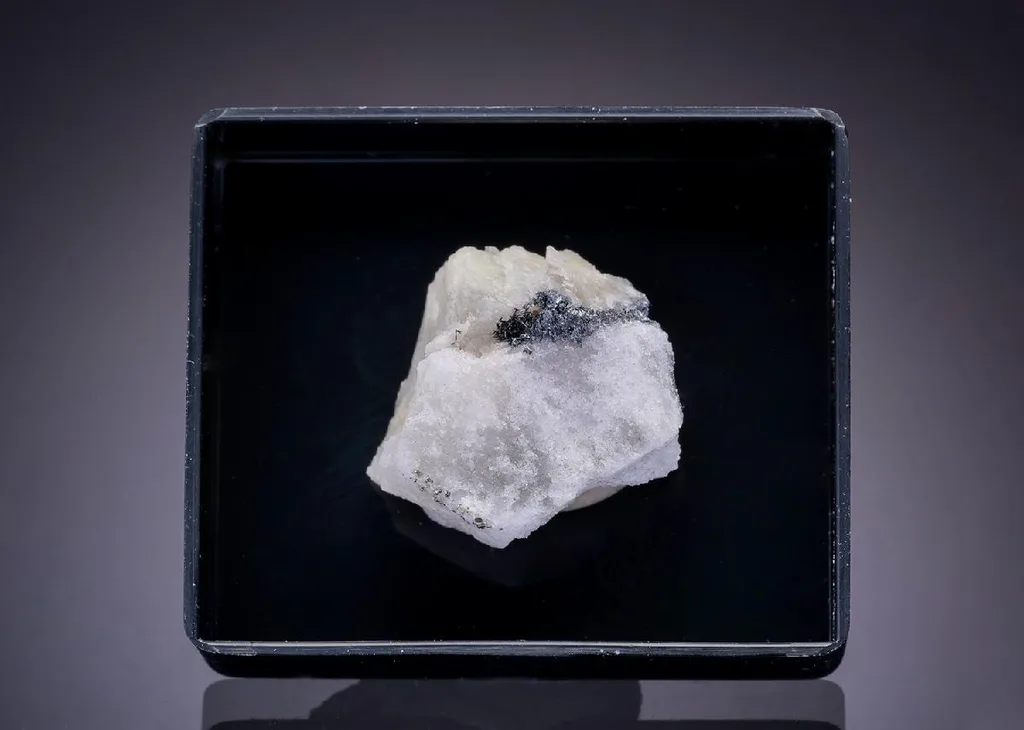
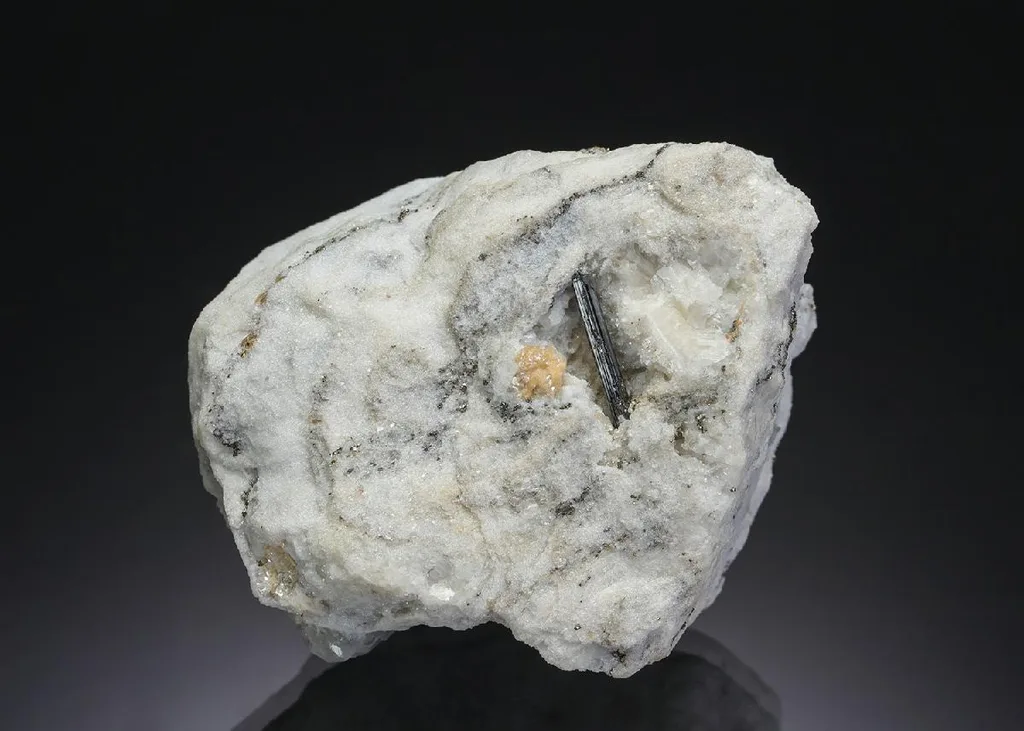
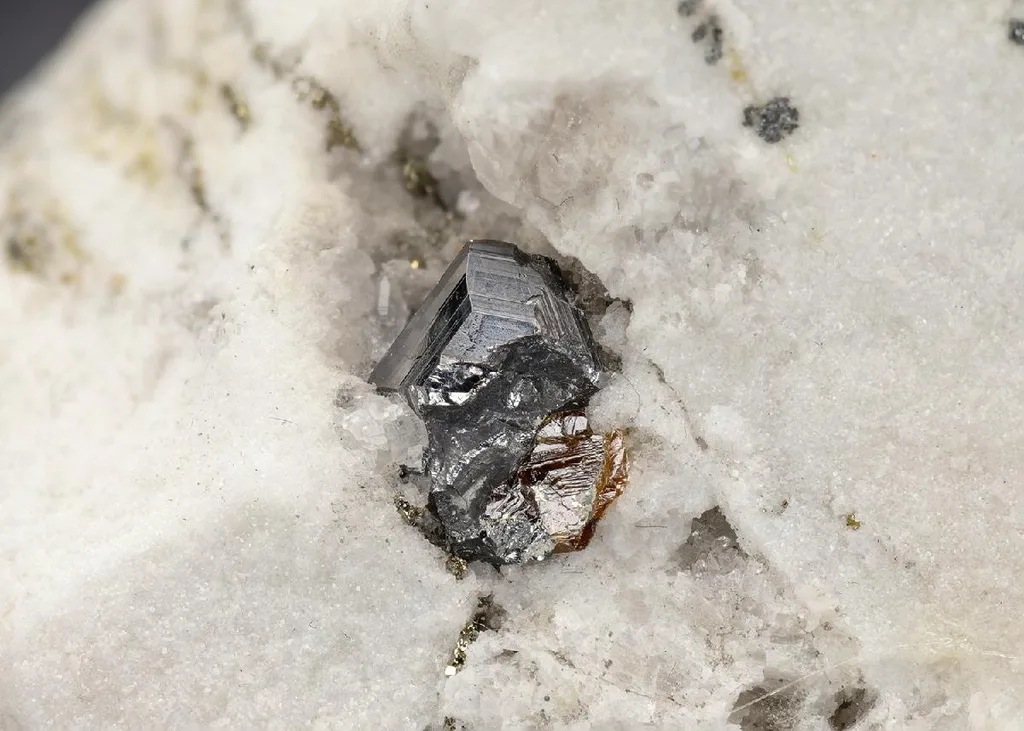
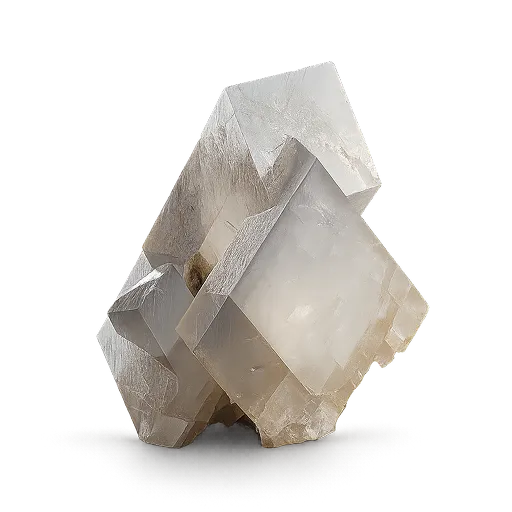
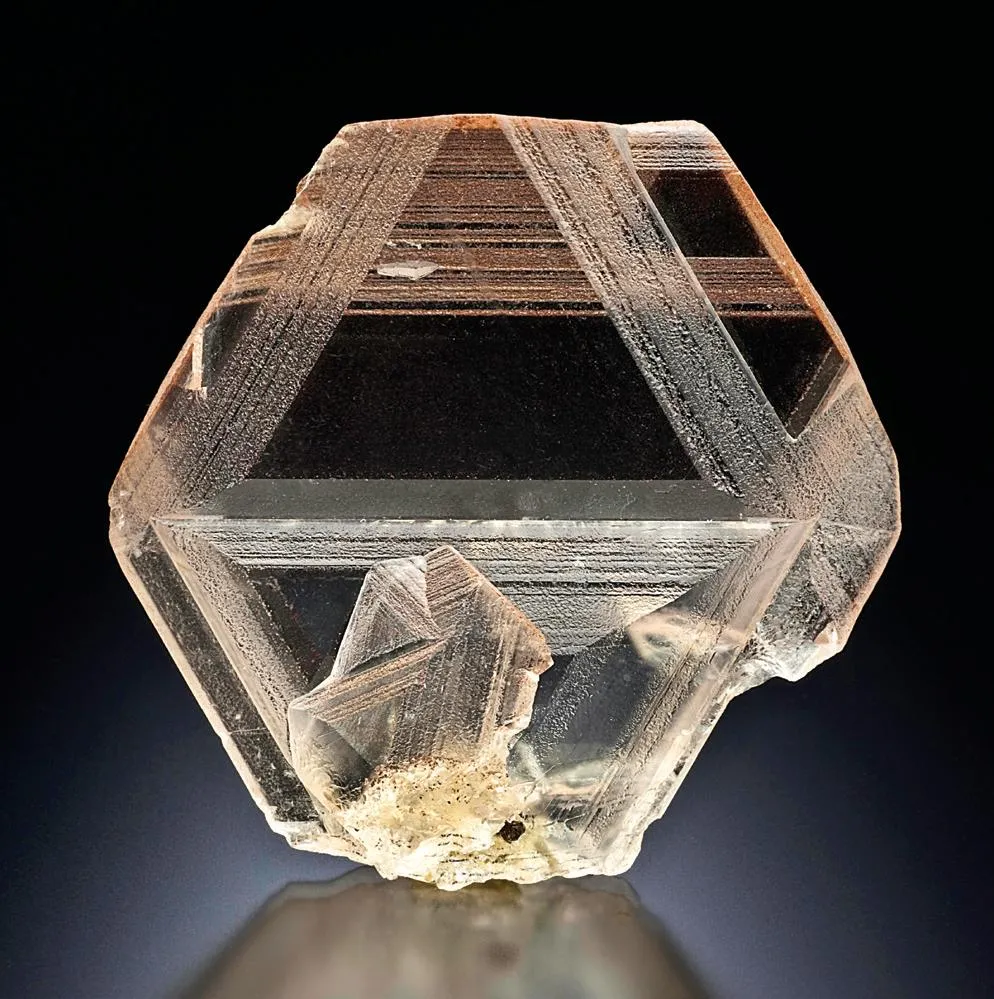
Dolomite is a carbonate mineral composed of calcium magnesium carbonate, often forming rhombohedral crystals and granular masses with a glassy to pearly lustre. It commonly appears in white, pink, or colorless hues and can occur in fibrous or tabular habits, sometimes as coarse aggregates or thin tabular crystals. Notable specimens come from classic carbonate environments in the USA, Namibia, China, the UK, and Spain, where dolomitic rocks and hydrothermal activity have preserved attractive crystal forms and polished surface luster. Collectors value dolomite for its subtle coloration, well-formed rhombohedra, and the way it can display a pleasing internal sheen when cut or polished.
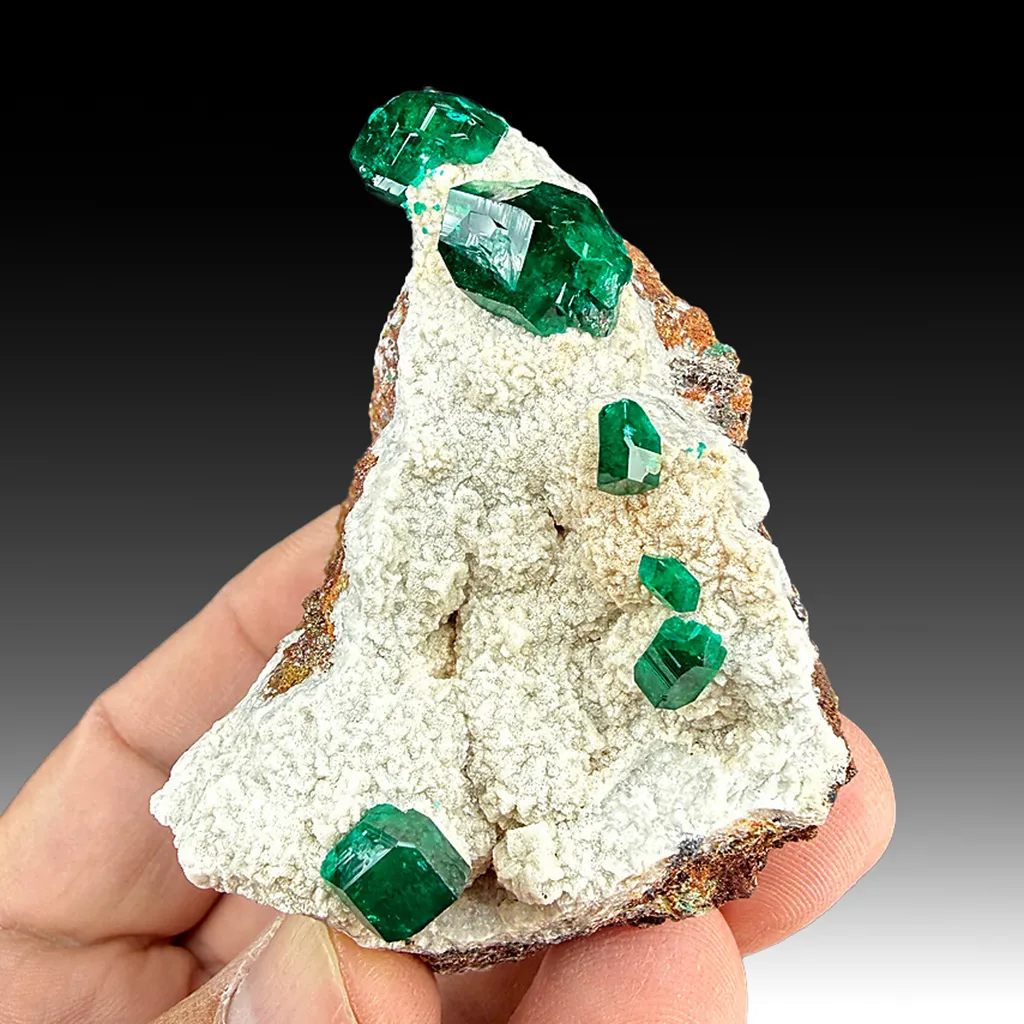
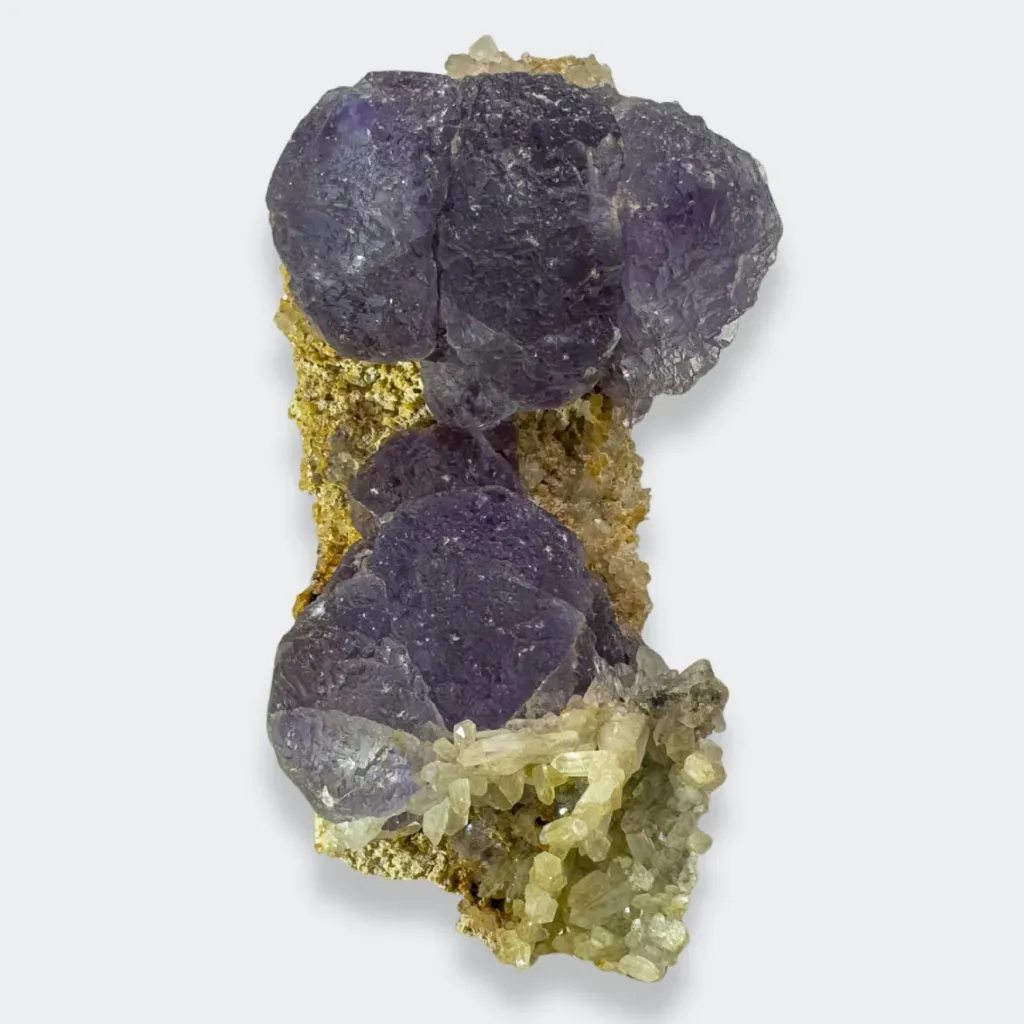
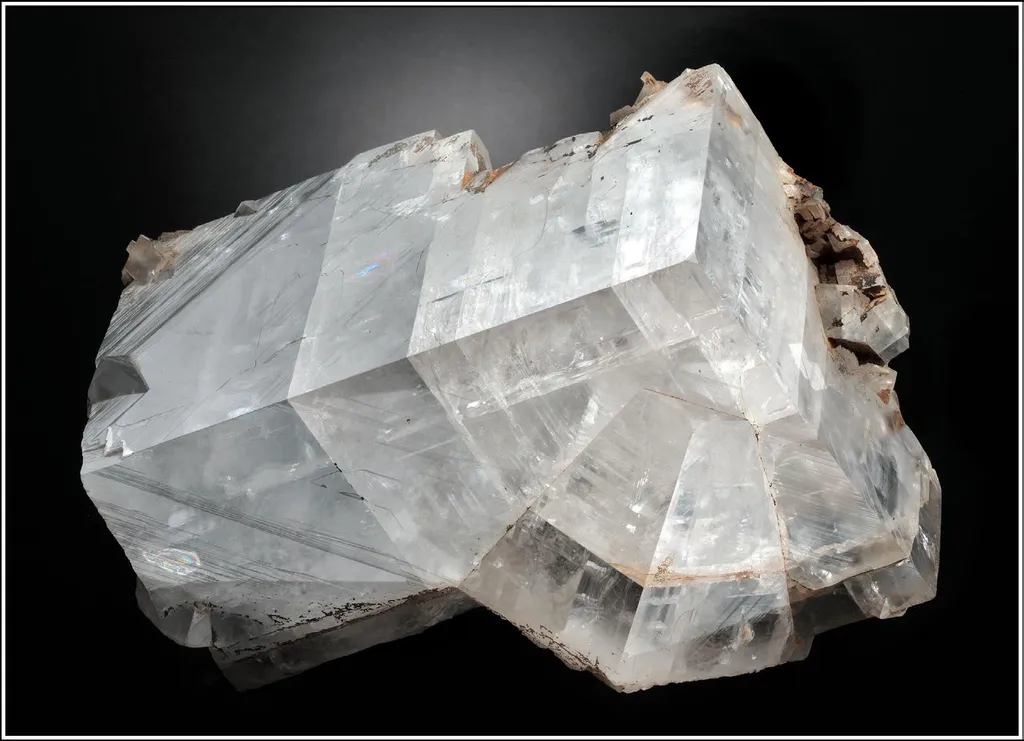
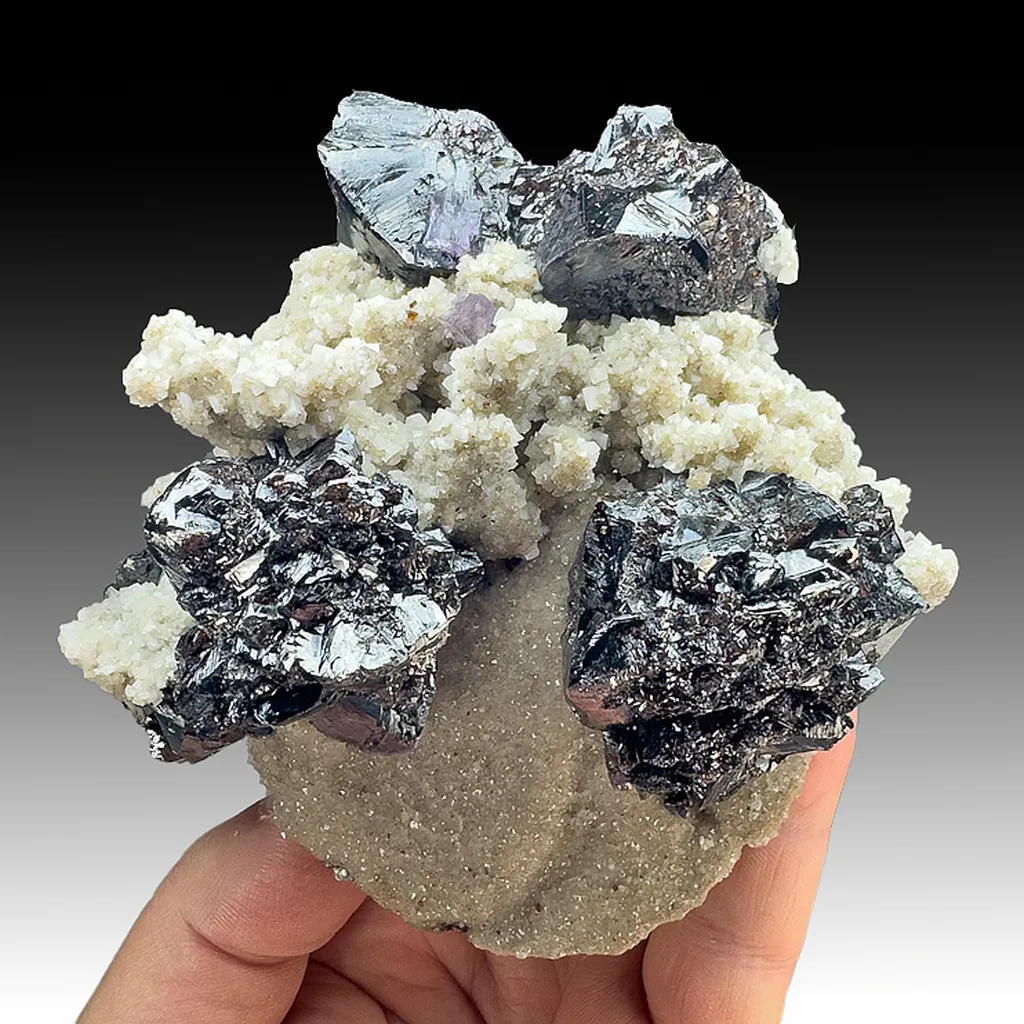
Dolomite often occurs alongside calcite and with serpentine or gypsum in metamorphic and sedimentary contexts, and can form in environments ranging from hydrothermal veins to dolostone beds. High-quality crystals from classic localities exhibit clean cleavage and a distinctive refractive glow that accepts a gentle polish, revealing soft pink or apricot tones in favorable specimens. For collectors, specimens offer a balance of classic mineralogy and approachable aesthetics, with many crystals displaying sharp edges and a pleasing overall form that makes them attractive as cabinet pieces or study material for carbonate mineralogy.