Dolomite - classic carbonate prized for sculptural rhombohedra, luster, and colors from snow-white to pink, including cobaltoan varieties; ideal for cabinets.
Key facts
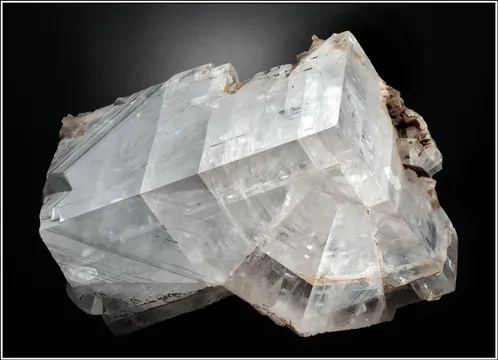
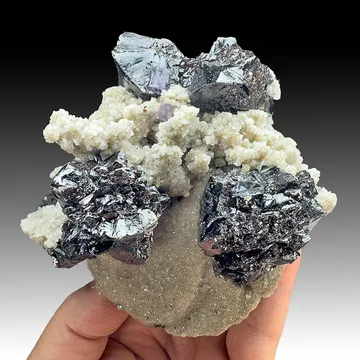
Dolomite (CaMg(CO3)2) is a classic carbonate prized for its sculptural crystal habits, silky-to-glassy luster, and beautiful range of colors from snow-white to honey, tan, gray, and delicate pinks (notably cobalt-rich cobaltoan dolomite). Crystals typically form rhombohedra, often curved or “saddle-shaped,” with faces that can be sharply lustrous or satin-matte depending on locality and growth conditions. Dolomite commonly accompanies lead-zinc mineralization and alpine cleft environments and is frequently associated with fluorite, calcite, quartz, sphalerite, galena, and barite—combinations that yield highly aesthetic display pieces.
Collectible forms range from textbook sharp rhombohedra to sweeping clusters of saddle crystals, sometimes in dramatic sprays. Gemmy honey-toned crystals from Eugui, sculptural creamy-white clusters from Dalnegorsk, pink cobaltoan dolomite from Bou Azzer and Tsumeb, and tan saddles set against purple fluorite from Elmwood are all coveted “looks.” While abundant as a mineral, fine, damage-free, three-dimensional dolomite clusters with top luster and vibrant contrast are far less common and command strong interest.
Dolomite’s popularity endures because it combines variety, beauty, and broad accessibility. Entry-level collectors can enjoy attractive clusters at modest cost, while connoisseurs pursue the exceptional: transparent Eugui rhombohedra; pink cobaltoan dolomite from Bou Azzer or Tsumeb; perfect saddle forms from Elmwood; and elegant Chinese combinations from Shangbao with fluorite. Specimens play a major role in regional “looks” (e.g., Elmwood fluorite-on-dolomite, Dalnegorsk dolomite-quartz-galena) that define classic districts.
Prices vary widely. Common cabinet clusters or matrix pieces may be affordable, but top-tier, undamaged, well-balanced specimens from benchmark localities (especially with great contrast or color) can be expensive. Because dolomite cleaves readily, pristine terminations and undamaged saddles are scarce—driving competition for best-in-pocket pieces. Dolomite is thus both a staple for broad collections and a sophisticated subject for specialists who appreciate subtle differences in habit, luster, and associations.
Eugui (Navarre) produced some of the world’s finest dolomite crystals: sharp, transparent to translucent rhombohedra with delicate honey, beige, or colorless tones, often perched on sparkling matrix with quartz. The hallmark is exceptional clarity and razor-sharp faces—crystals can appear almost glassy, with beveled edges and crisp geometry. Clusters are typically open and airy, displaying superb symmetry and balance. Clean, undamaged single crystals and aesthetically arranged matrix groups are intensely sought; truly top pieces rank among the finest carbonates ever found.
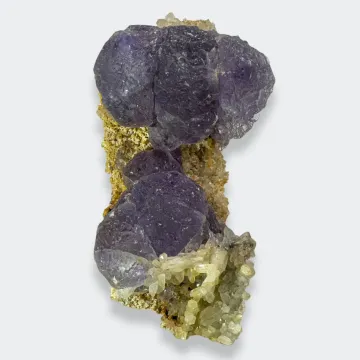
Elmwood is famed for tan to honey saddle-shaped dolomite crystals in striking association with purple fluorite, golden calcite, and barite. The aesthetic “Tennessee look” features undulating dolomite saddles providing perfect contrast and texture under bright case lights. Choice specimens exhibit lustrous, intact saddle tips and architectural arrangements around fluorite cubes. Because saddle crystals are prone to edge nicks and cleavages, pristine examples on matrix stand out and bring strong premiums.
Tsumeb’s dolomites are legendary for variety: from cobaltoan dolomite in saturated pink tones to ornate rhombohedral clusters on limonite or sulfide matrix. The best cobaltoan specimens show vivid, uniform color with sharp faces and strong luster. Classic Tsumeb associations—tenorite, malachite, smithsonite, and sulfides—create display pieces with remarkable historical and mineralogical interest. Top pink clusters are rare, highly contested, and anchors of carbonate suites.
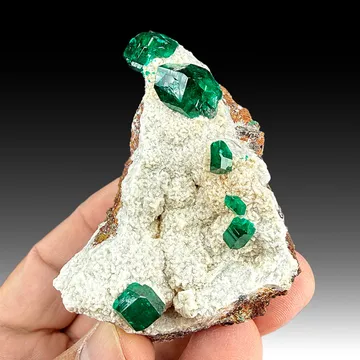
Shangbao is celebrated for fluorite, but superb dolomite often forms attractive, snowy rhombs and saddles that frame green fluorite cubes and quartz. These pieces excel for contrast and composition—white dolomite provides the “stage” for gemmy fluorites. Top specimens combine pristine dolomite with sharp fluorite on an uncluttered matrix, creating highly photogenic displays.
Color and Variety:
Luster and Clarity:
Crystal Form and Aesthetics:
Size vs. Condition:
Matrix and Associations:
Rarity and Provenance:
Repairs:
Surface Alteration and Cleaning:
Dyed or Enhanced Color:
Polishing:
Handling and Display:
Light and Temperature:
Cleaning:
Storage:
By focusing on crisp form, clean luster, strong contrast, and intact condition, you can assemble a dolomite suite that celebrates this versatile carbonate—from elegant Eugui rhombs and classic Elmwood saddles to the irresistible pinks of Bou Azzer and Tsumeb.