
Diamond specimens for sale
22 for sale · $35–$9,500 USD
320 in the gallery
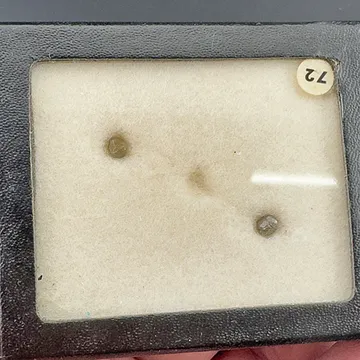
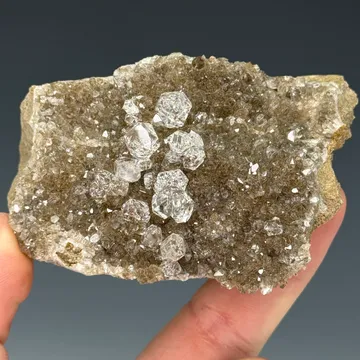
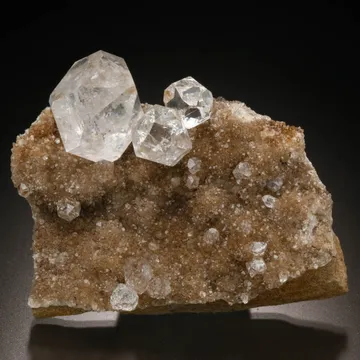
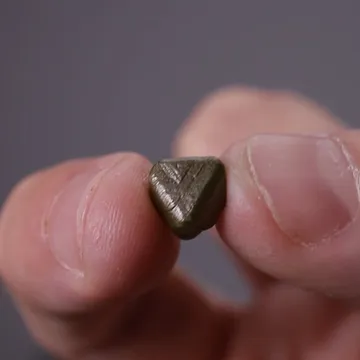
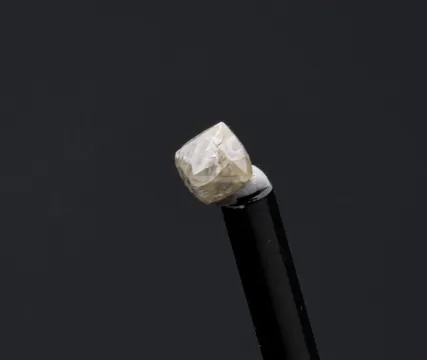
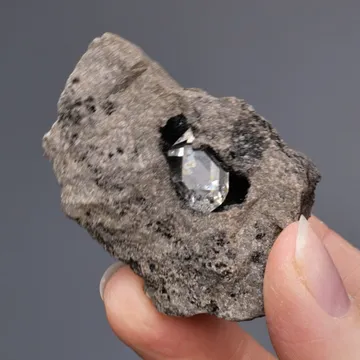
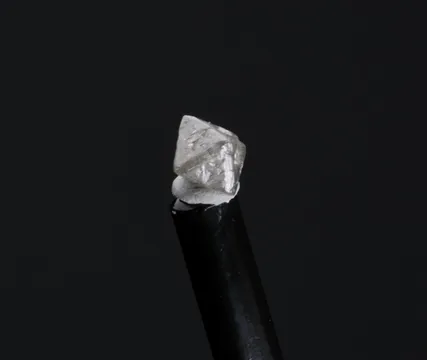
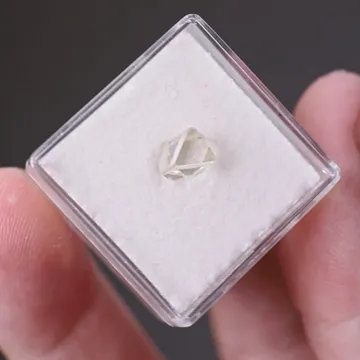
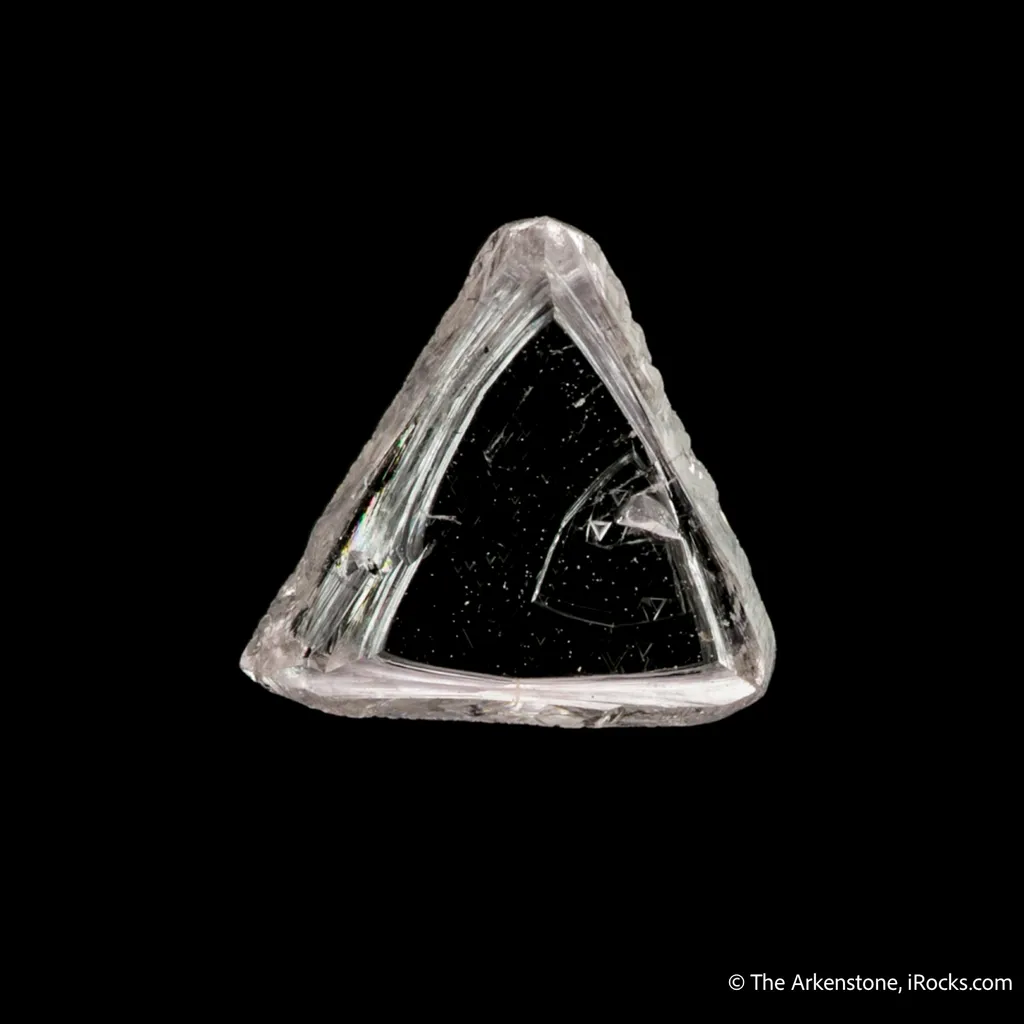
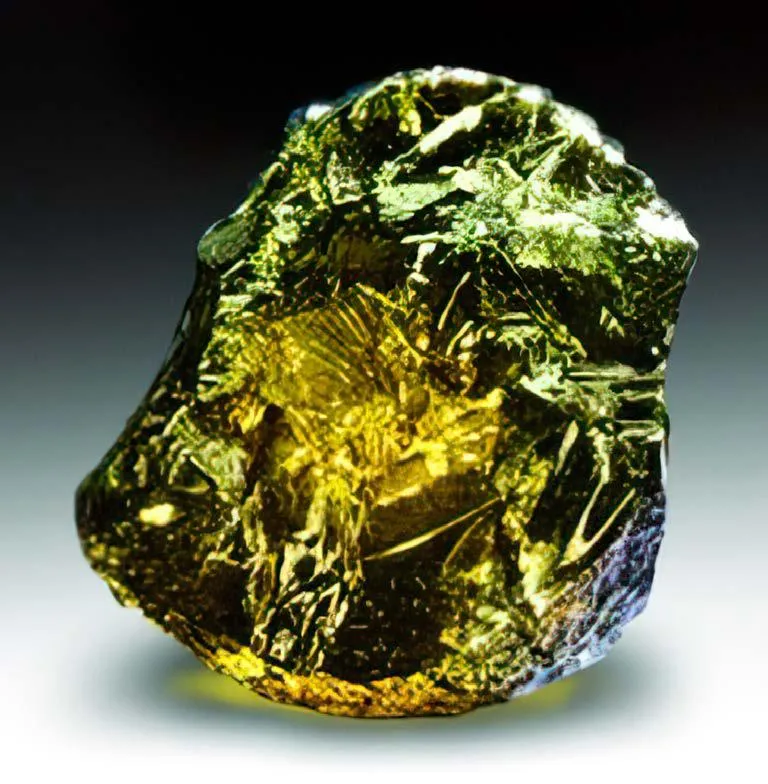
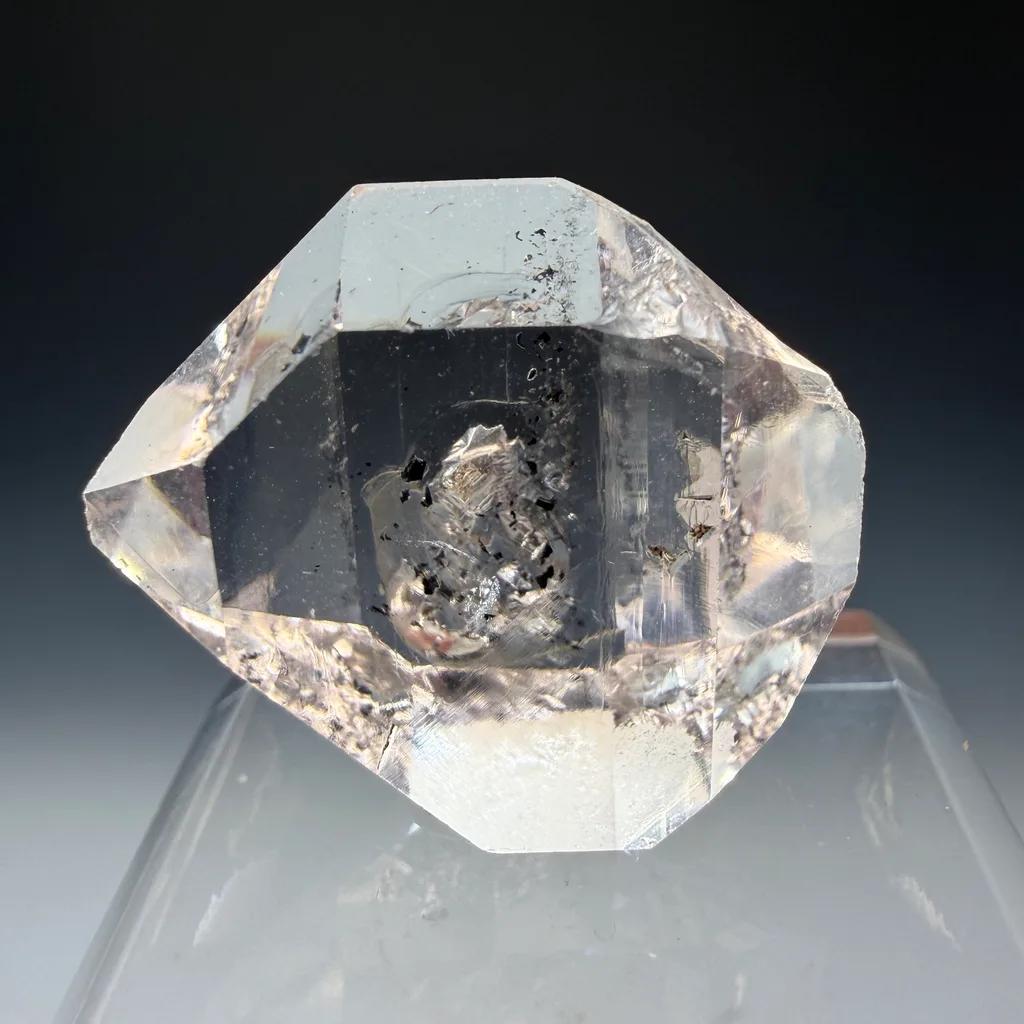
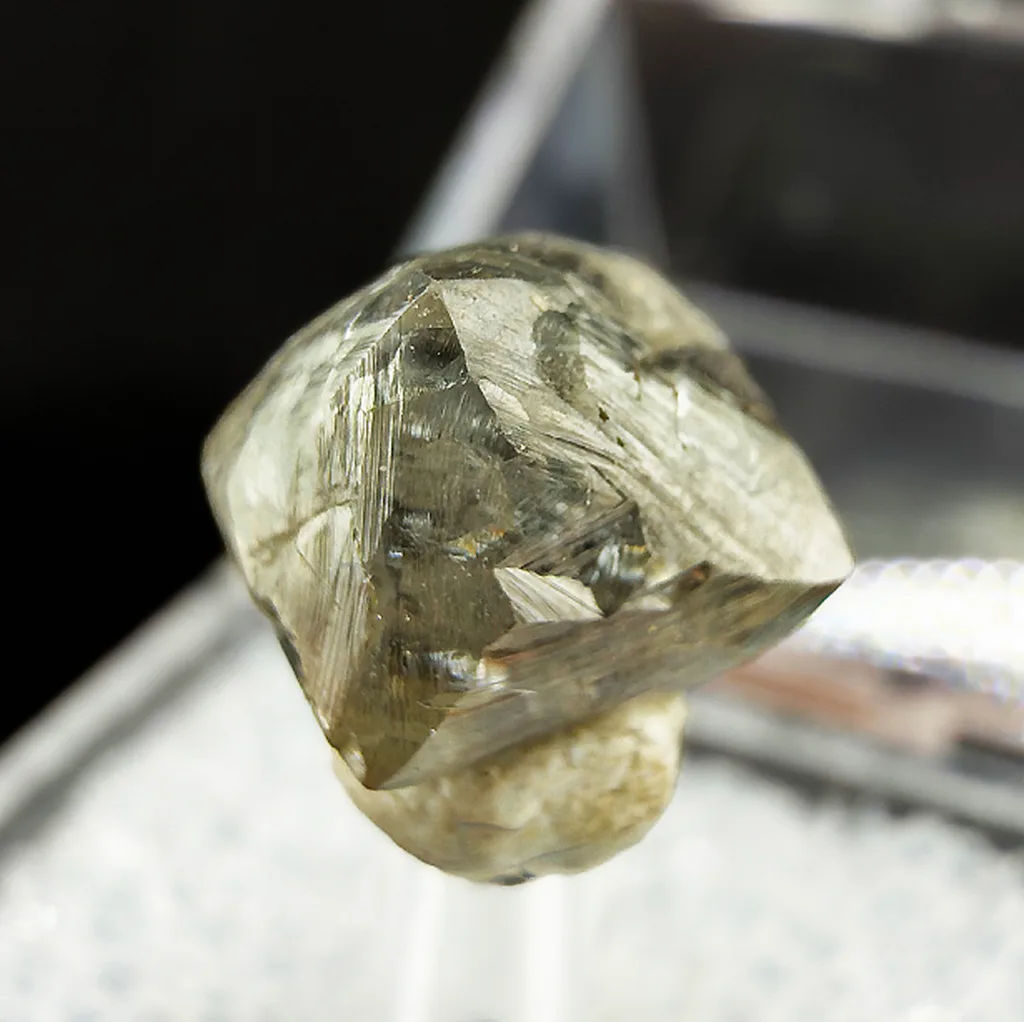
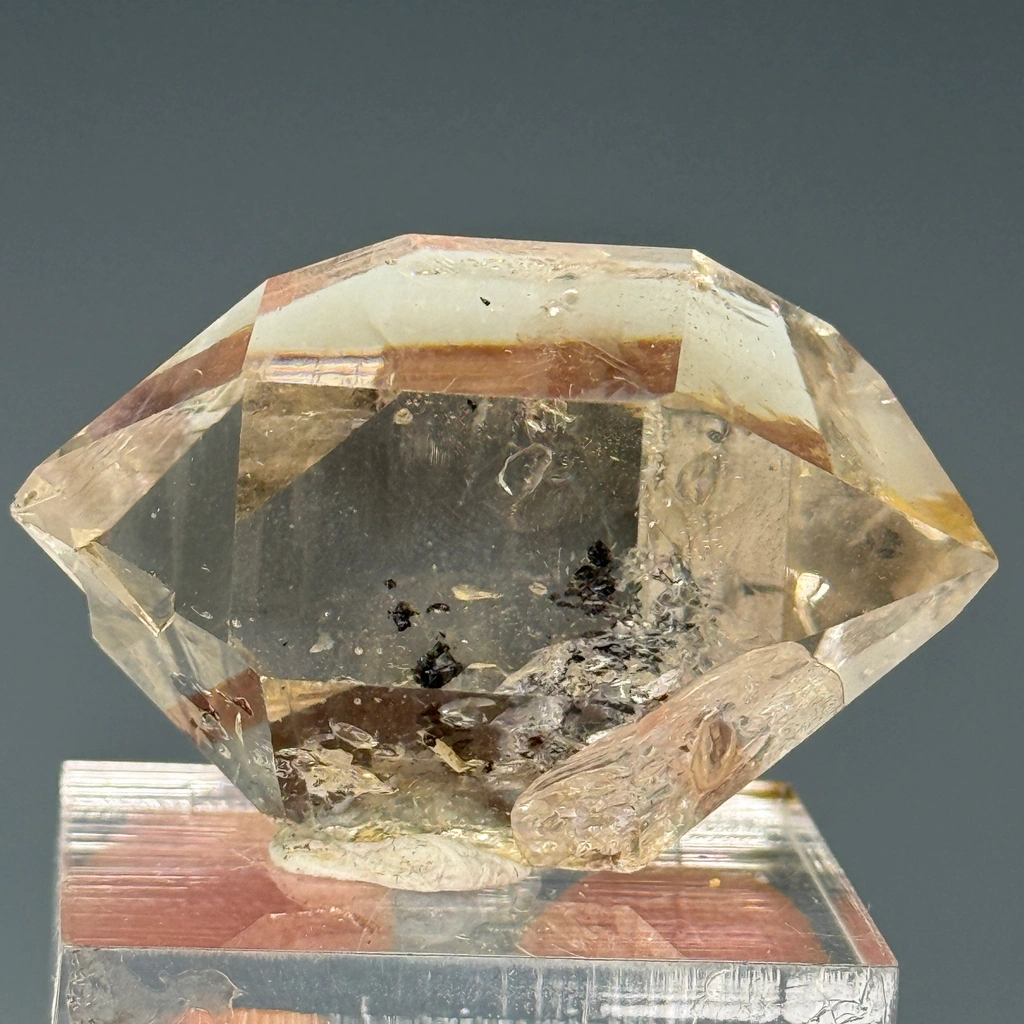
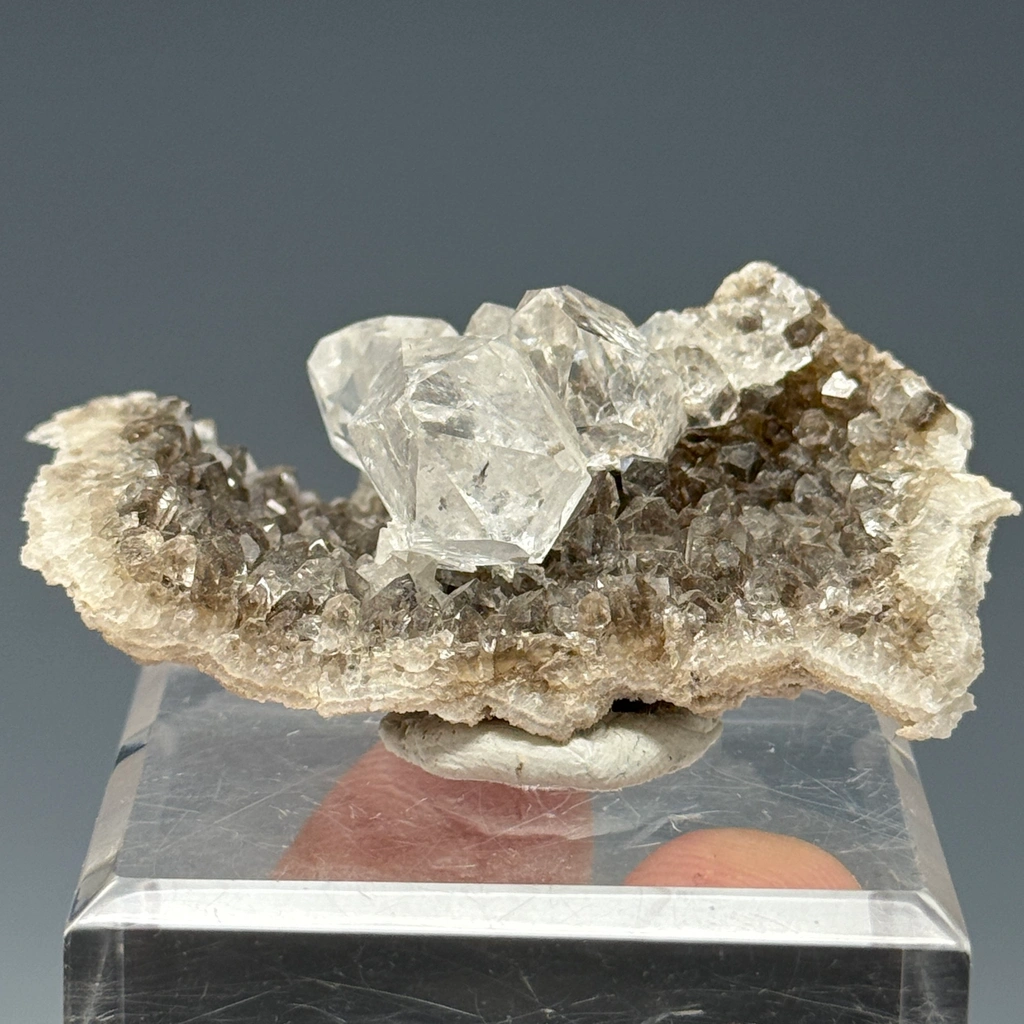
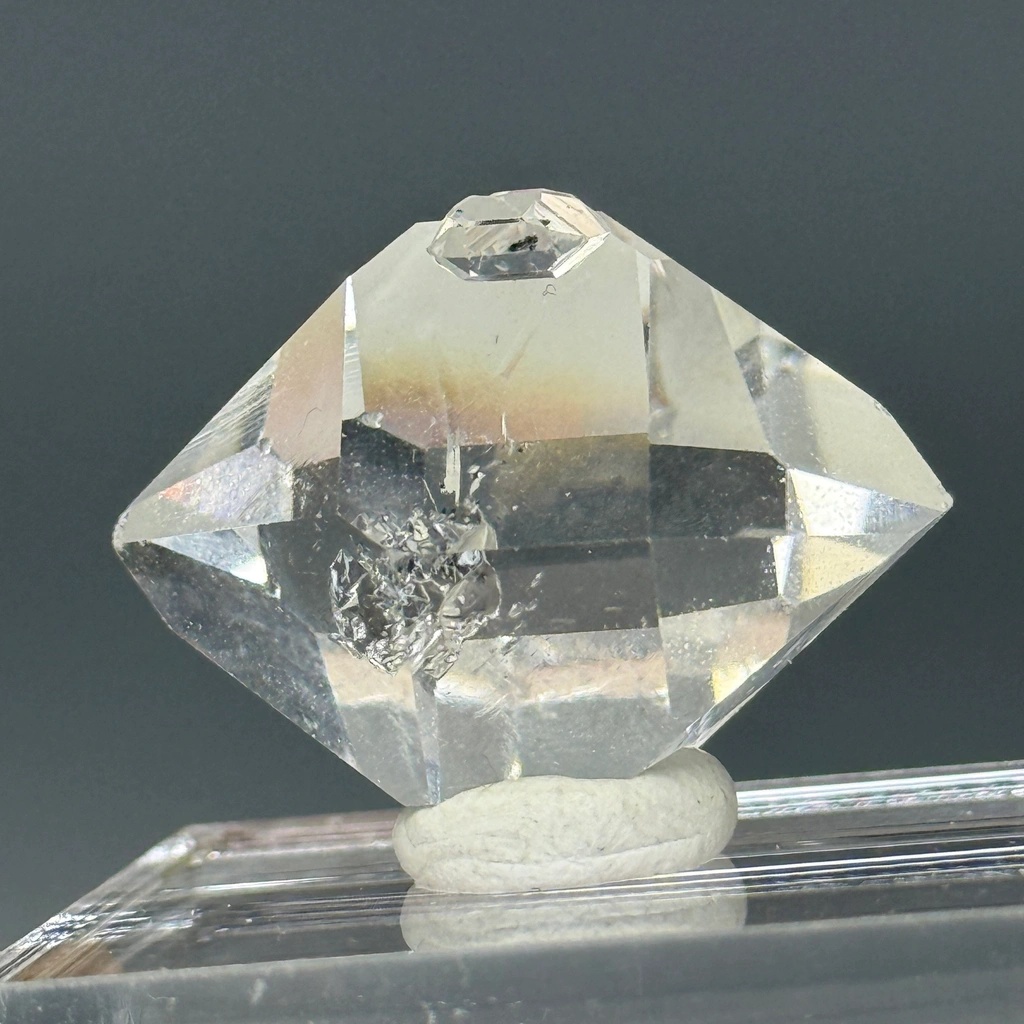
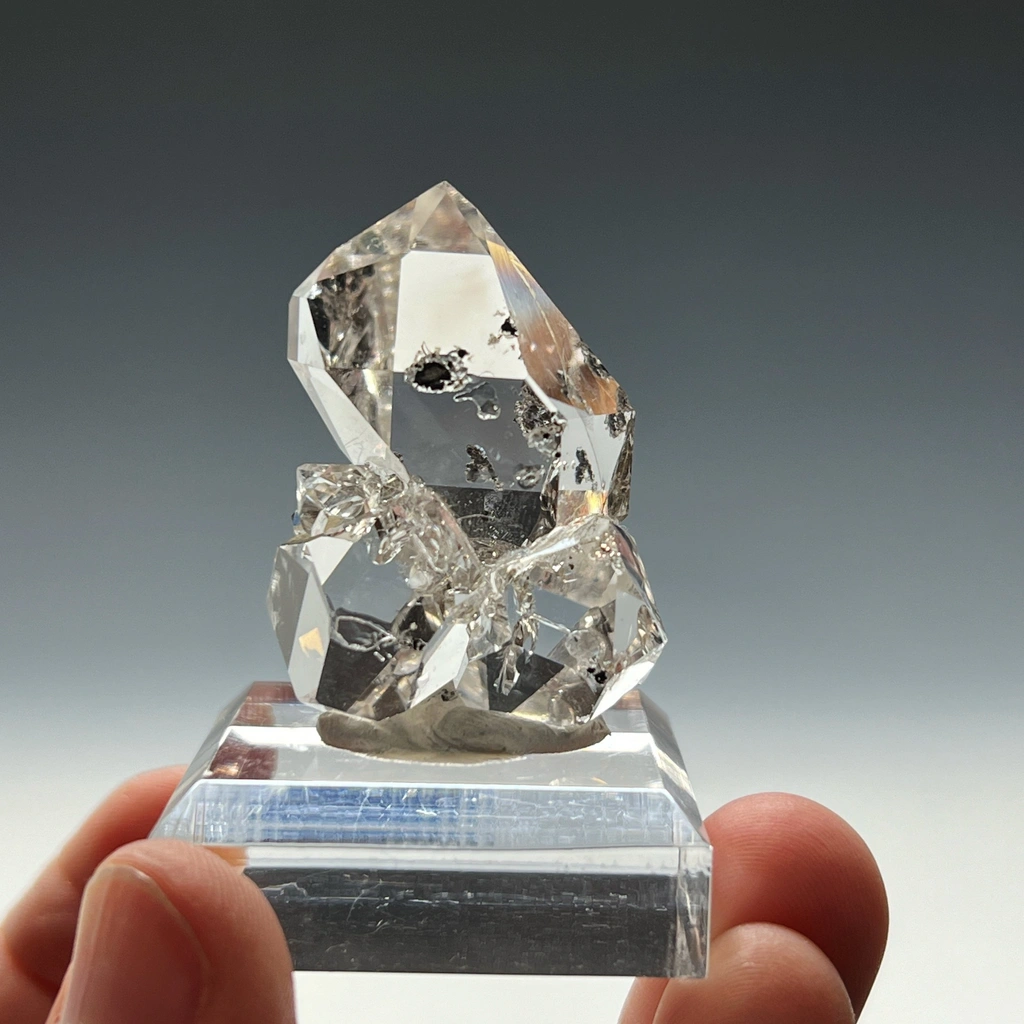
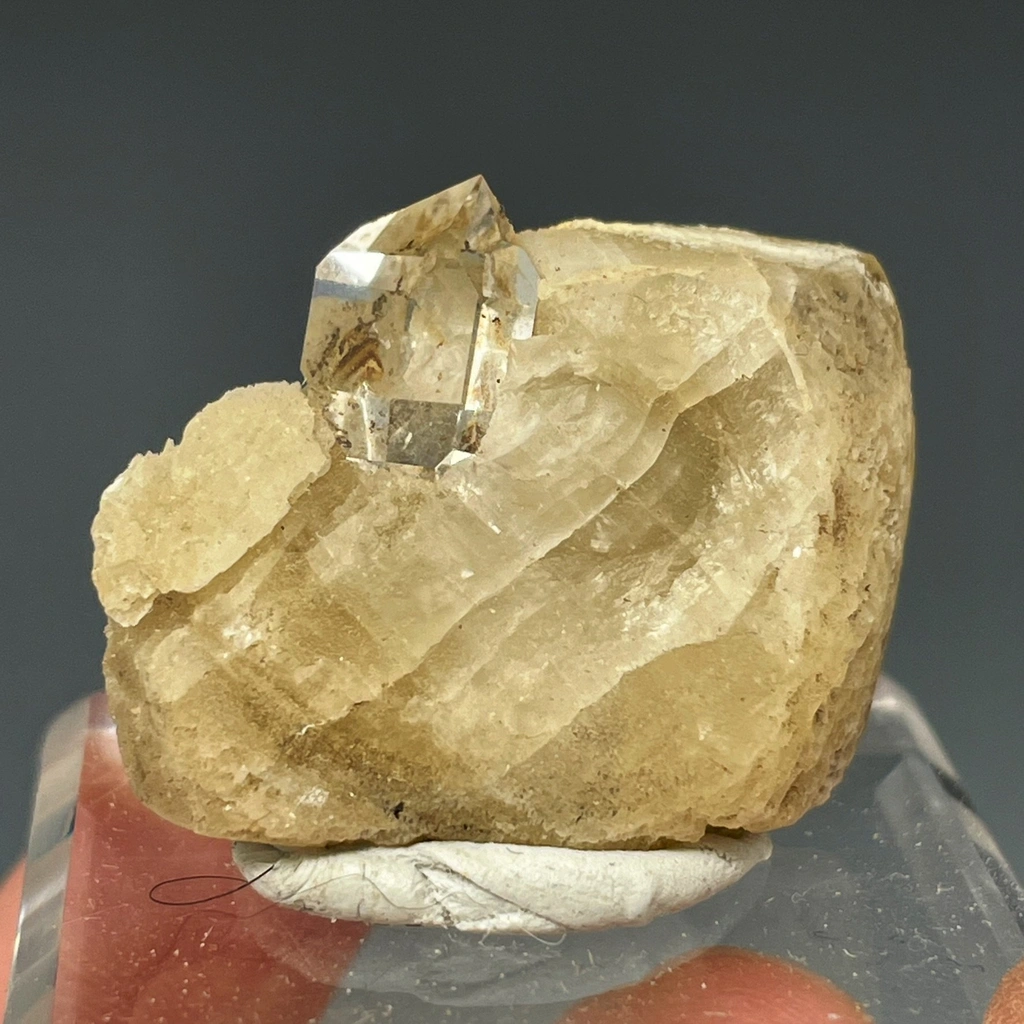
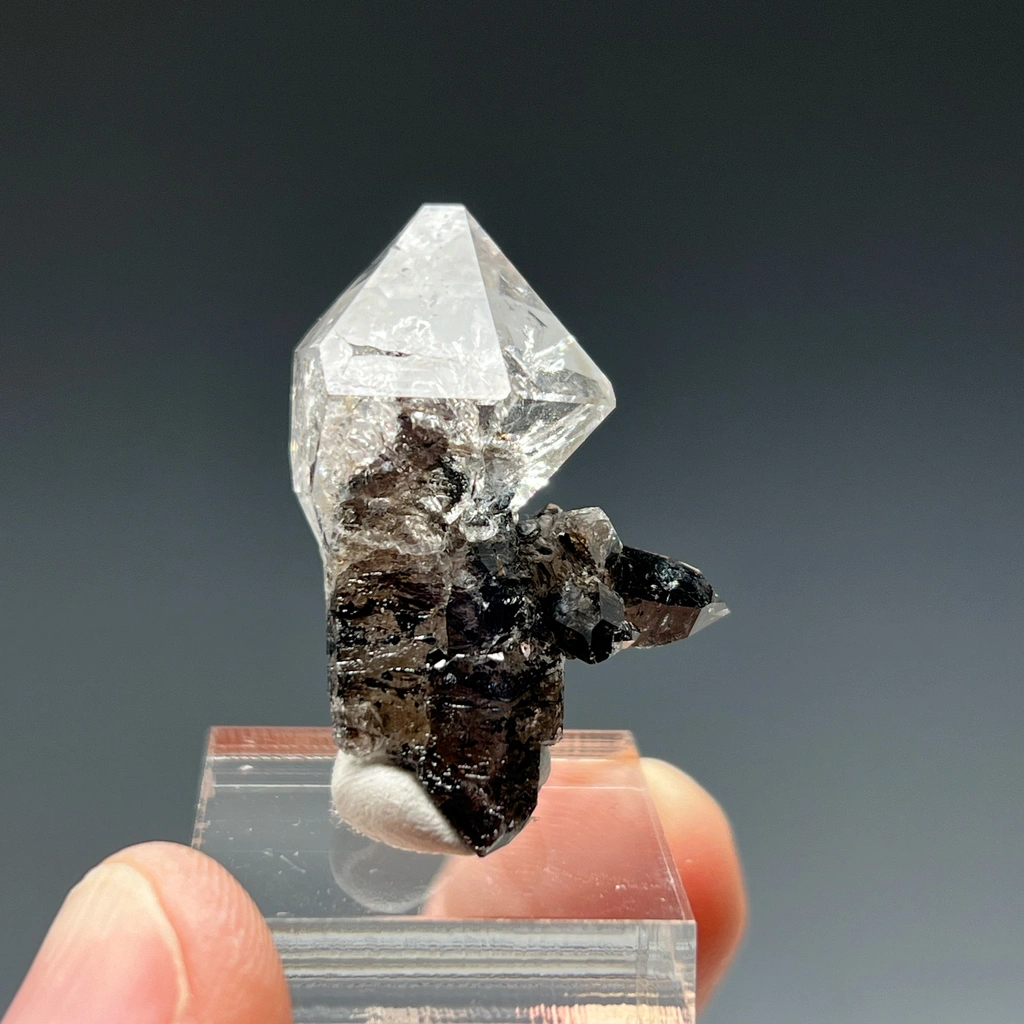
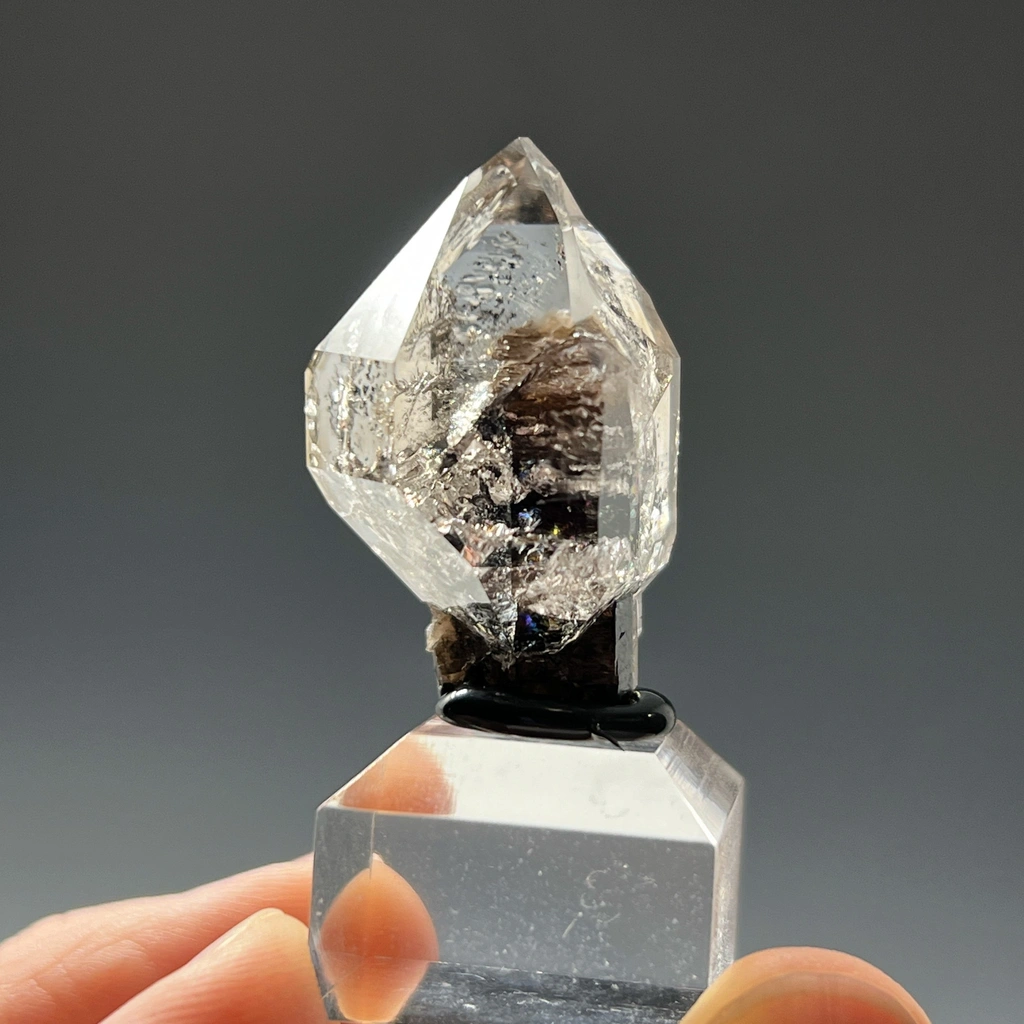
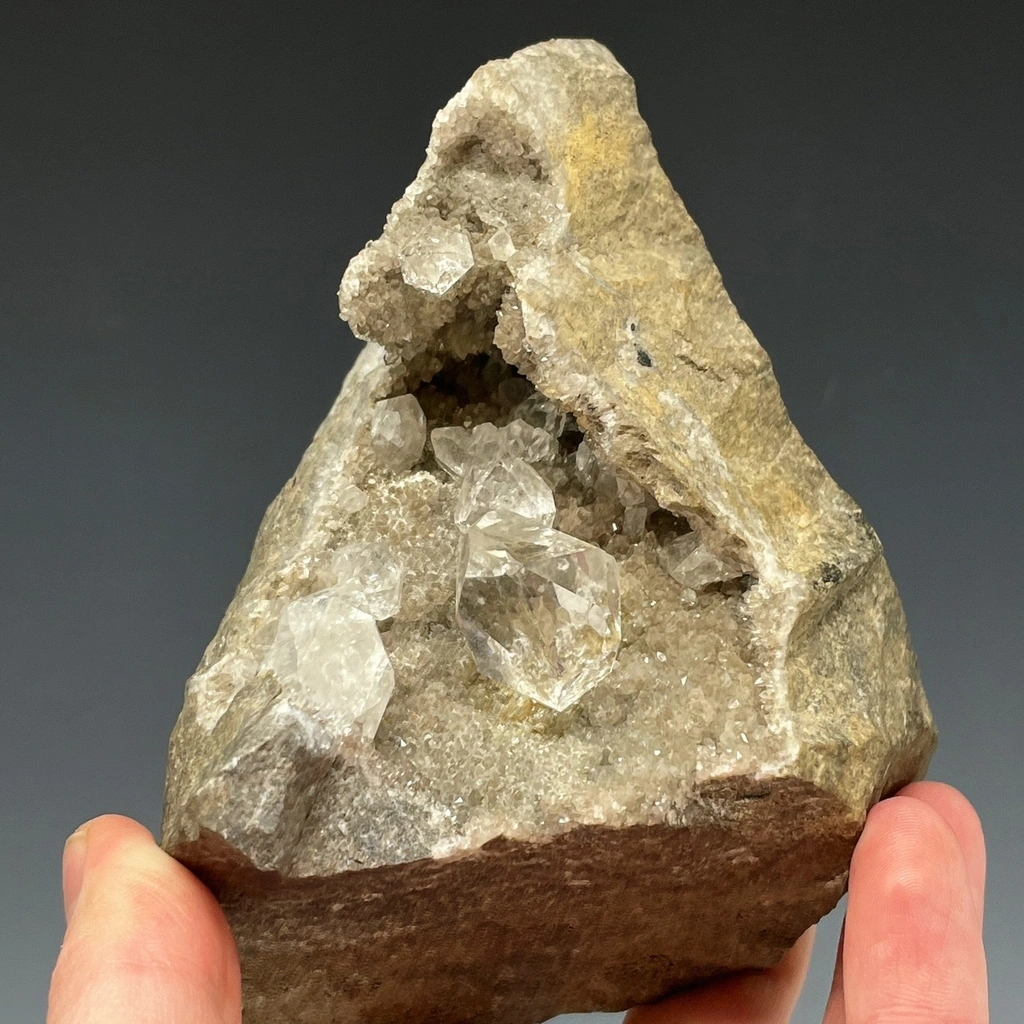
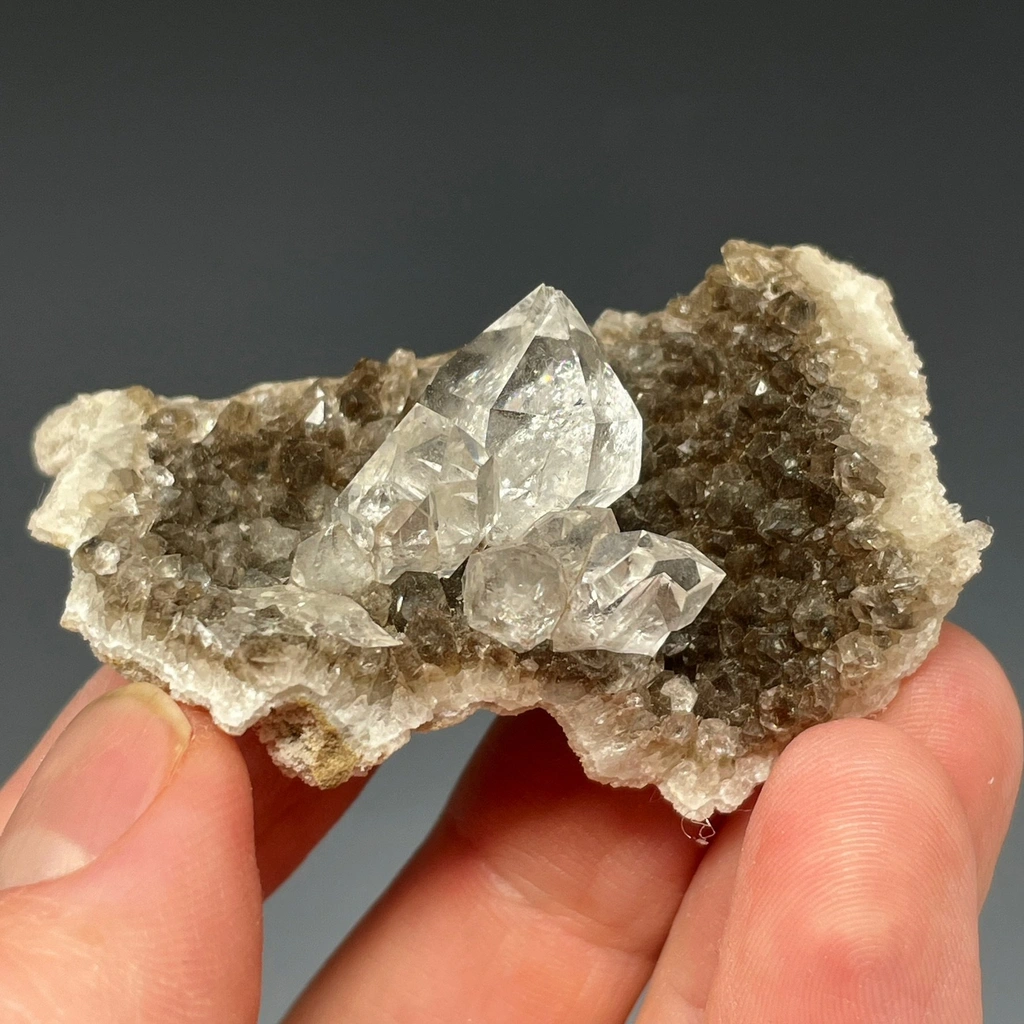
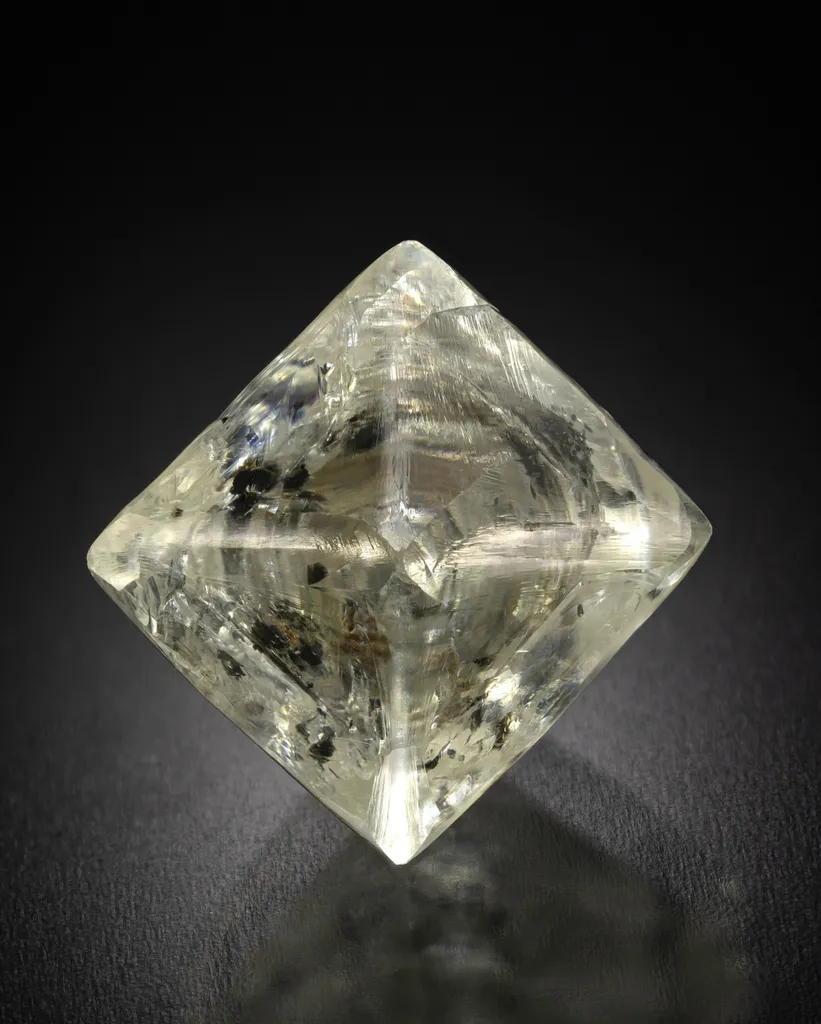
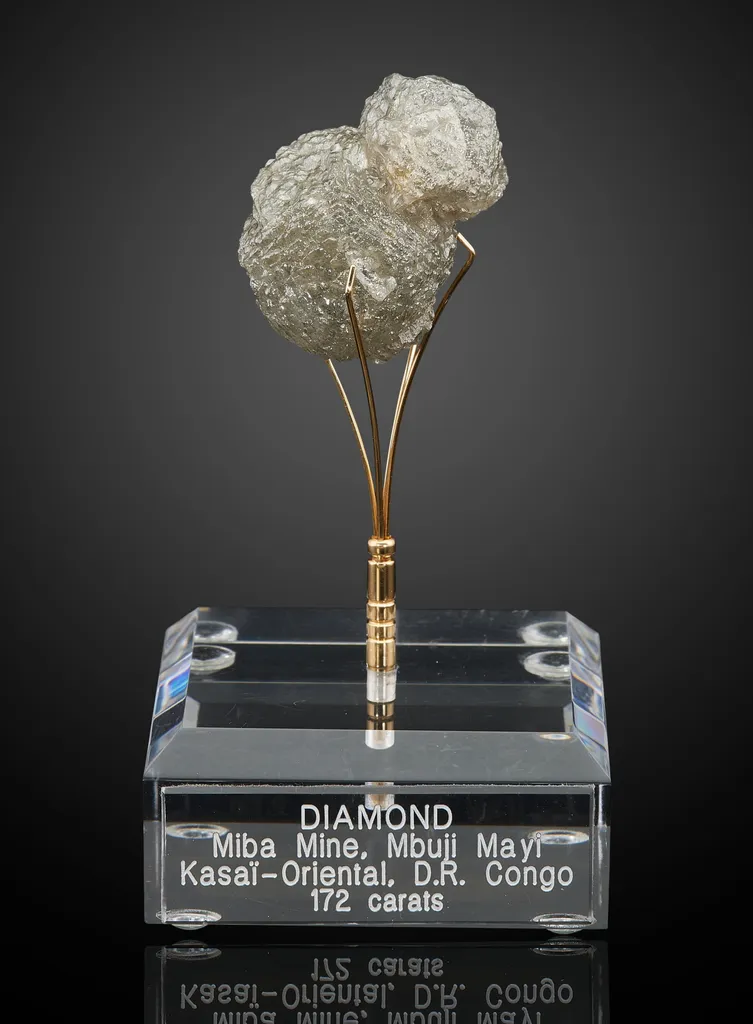
Diamond is a mineral composed of carbon atoms arranged in a crystal lattice, renowned for its extreme hardness and high refractive index. In mineral form it typically crystallizes in the isometric system, most often as octahedra or modified polyhedra, with a classic adamantine lustre that gives brilliant face reflections when cut for gems. Clear to pale yellow stones are common in the rough, and inclusions or color zoning can occur, influencing the final appearance of faceted specimens.
- Formula
- C
- Rarity
- Rare
- Stability
- Stable
- Collector interest
- Very High Interest
- Classification notes
- Native element; carbon group (Strunz 1.CB.10)
Key characteristics
- Crystal system
- isometric
- Mohs hardness
- 10
- Specific gravity
- 3.5–3.53
- Luster
- adamantine, greasy
- Transparency
- transparent, translucent, opaque
- Color
- colorless, white, gray, black, brown, red, orange, yellow, green, blue, violet, pink
- Streak
- white
- Cleavage
- perfect
- Fracture
- conchoidal, uneven
- Crystal habit
- cubic, octahedral, dodecahedral, granular, massive
- Gem mineral
- Fluorescent: blue, yellow, green, orange, red, pink
- Classic / historic
Buy Diamond specimens
View all 22Where Diamond is found
Top localities
- South Africa22 specimens
- Karowe Mine17 specimens
- Ace of Diamonds Mine15 specimens
- Middleville14 specimens
- Diamantina12 specimens
- Herkimer County12 specimens
- Diavik Mine11 specimens
- Ekati Mine9 specimens
- Argyle mine, Lake Argyle area, Kimberley8 specimens
- Treasure Mountain Diamond Mine6 specimens
Guides
All guides

Diamond from Mbuji-Mayi, DR Congo
Mbuji-Mayi diamond — Congo cubes and modified cube crystals, formed in kimberlites with a mantle mineral suite; a crystallographic favorite prized for provenan…Read guide
Diamond from Ekati Mine, Canada
Ekati Diamond Mine, Canada - Lac de Gras locality producing high-value rough diamonds; sharp octahedra, macles, and provenance-driven collector appeal.Read guide
Diamond from Diavik Mine, Canada
Diavik Mine, Canada — renowned diamond locality yielding natural rough with bright octahedra, etched surfaces, coatings, and macles, prized by collectors.Read guide
Diamond from Diamantina, Brazil
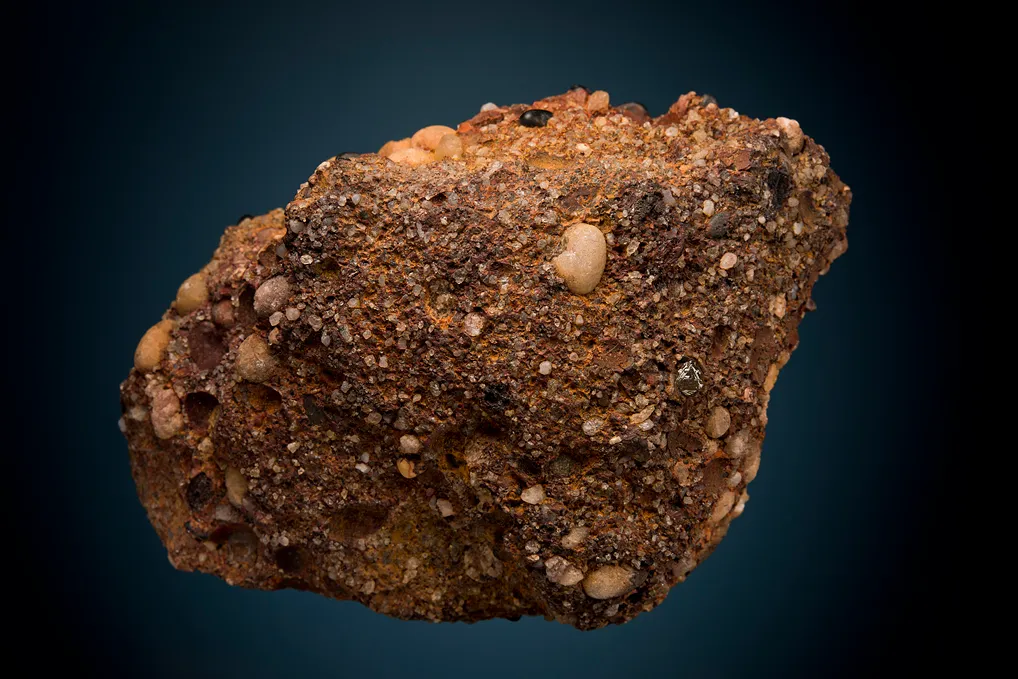
Diamantina, Brazil — famed alluvial diamonds from Proterozoic conglomerates; rounded octahedra to rhombododecahedra and historic subdistricts that collectors s…Read guideAbout Diamond
Notable diamond specimens come from historic and current producing regions such as the United States, Russia, South Africa, Australia, and Canada. In many locales, diamonds form in deep mantle rocks brought to the surface by kimberlite eruptions, yielding crystals of substantial size with sharp edges and well-preserved crystal faces. Collectors prize diamonds for their extraordinary optical properties, durability, and the historical significance of notable mines, as well as the satisfying challenge of identifying typical crystallographic forms and growth features in hand specimens.