
Guide
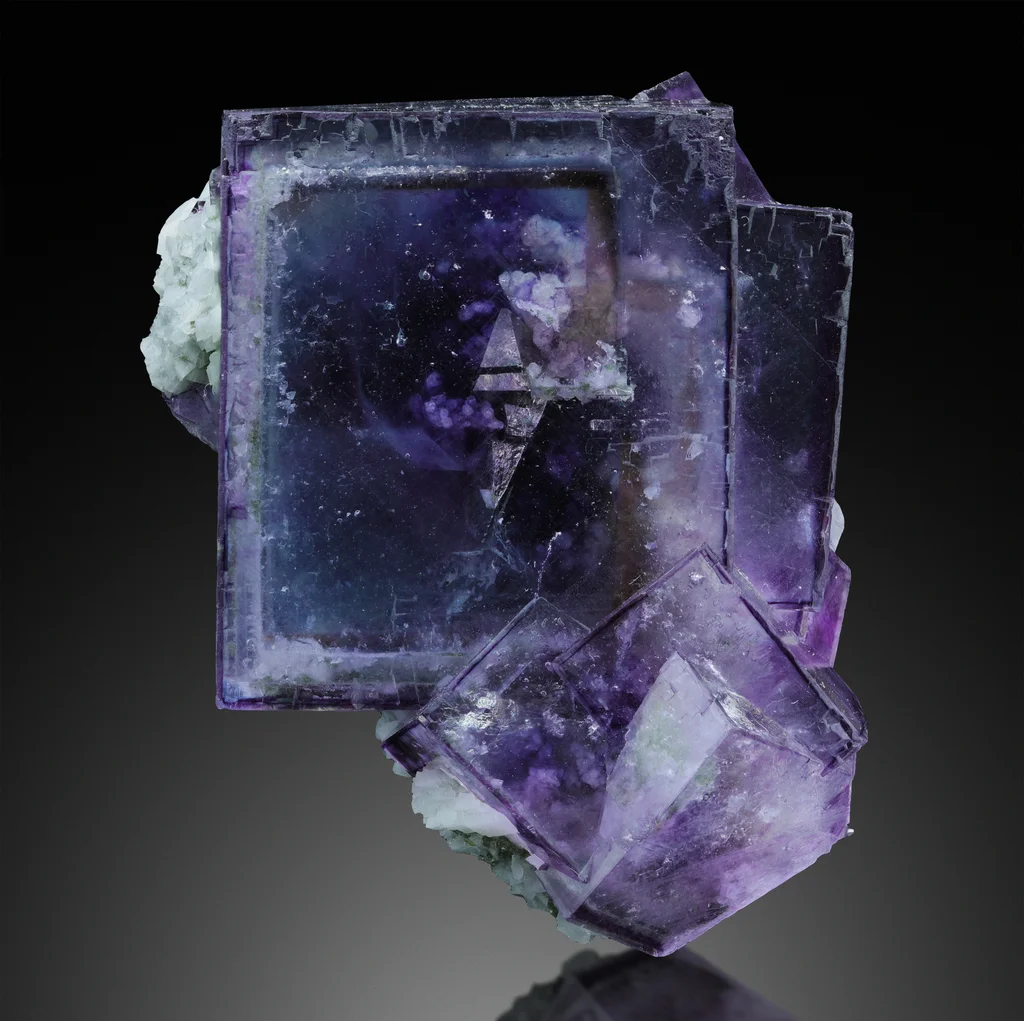
179 for sale · $100–$12,500 USD
249 in the gallery
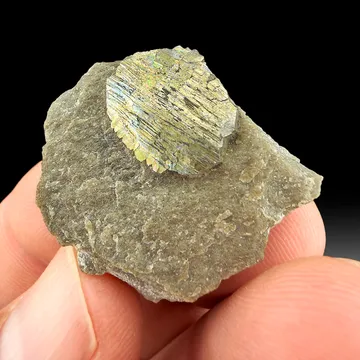
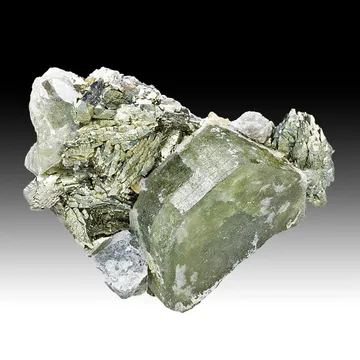
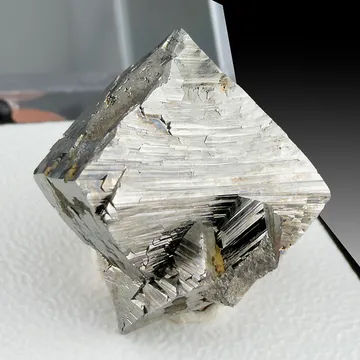
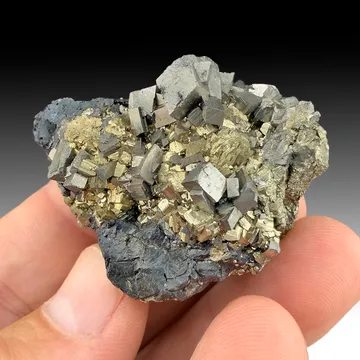
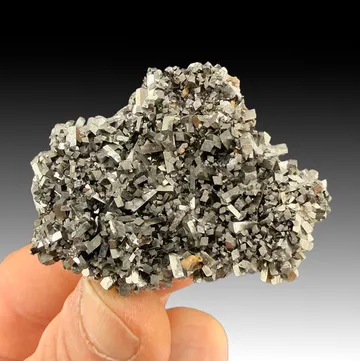
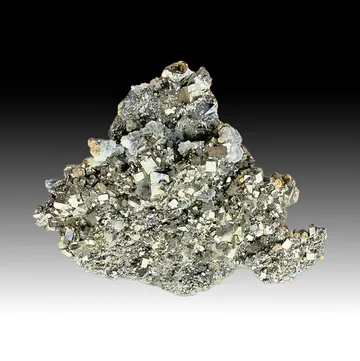
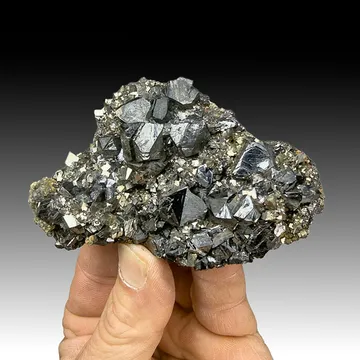
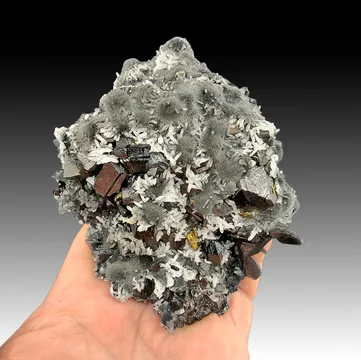
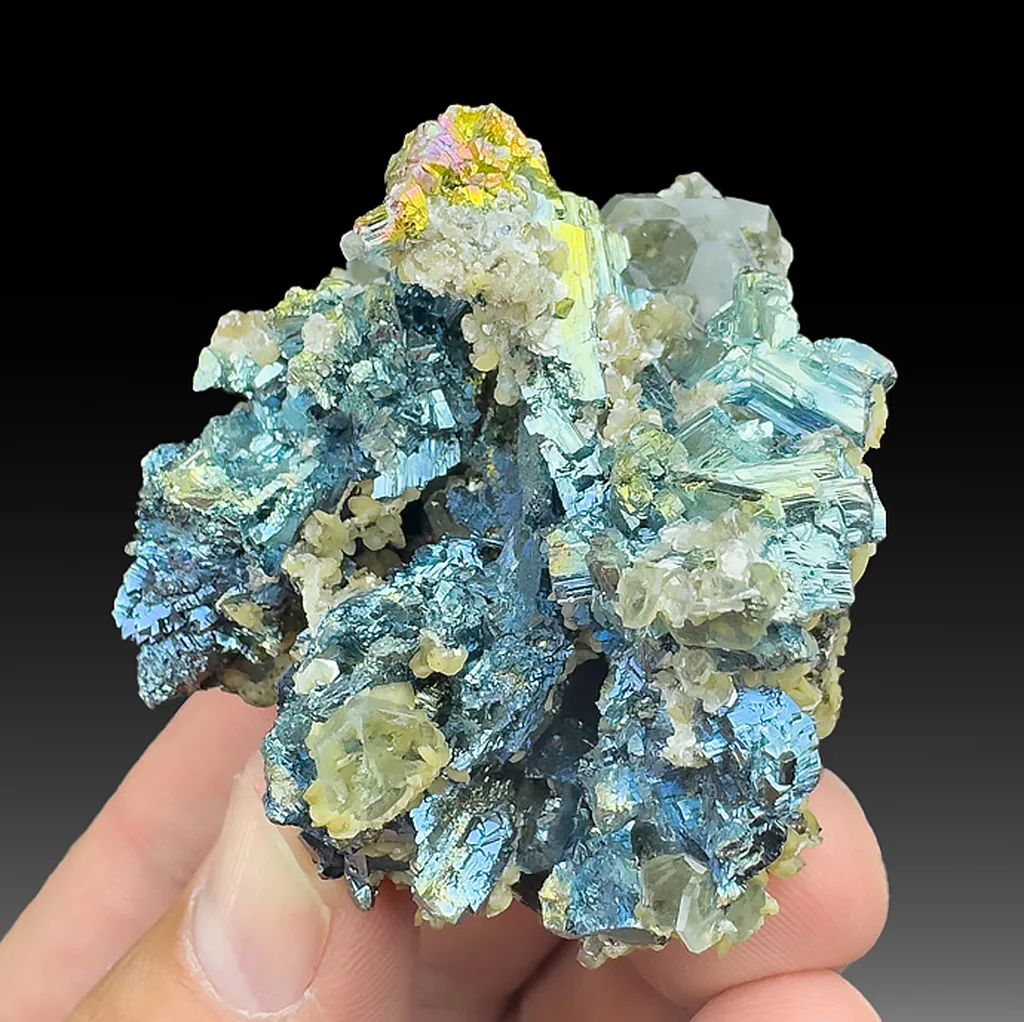
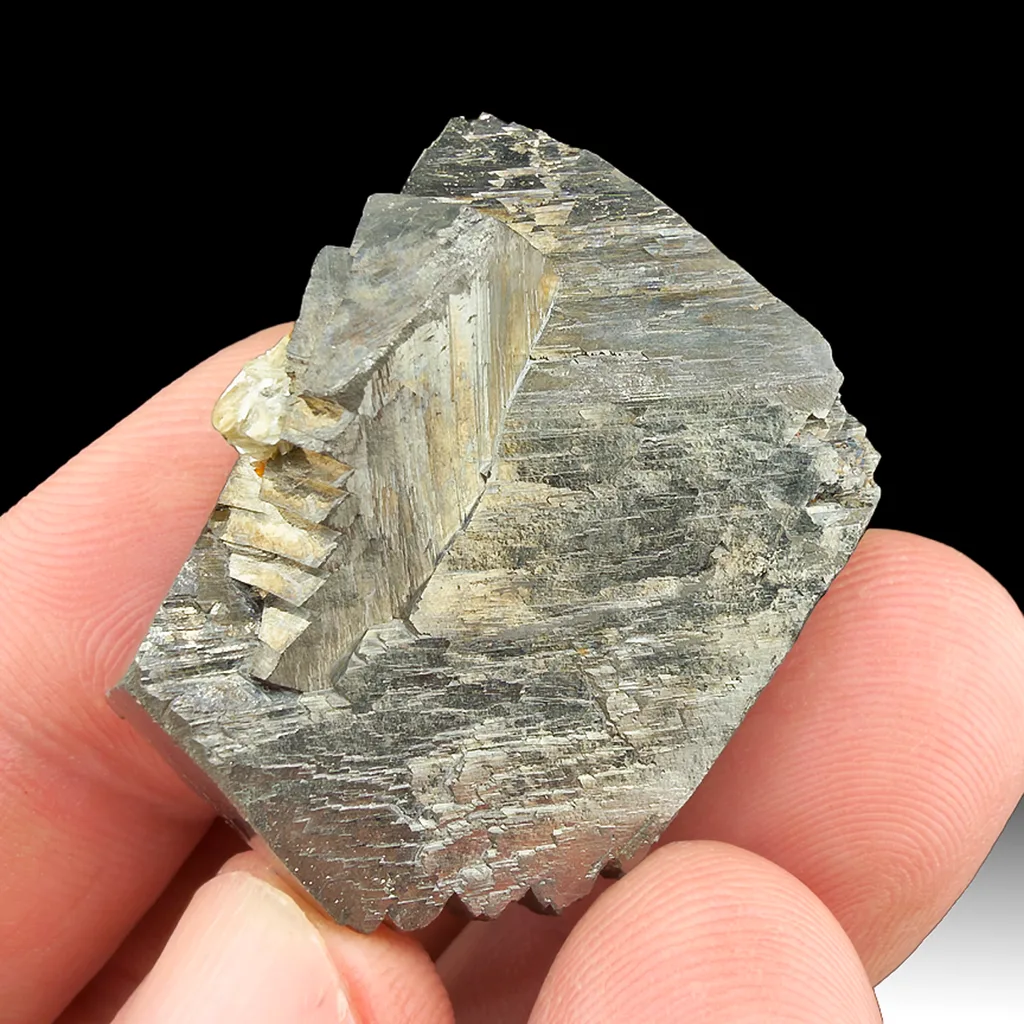
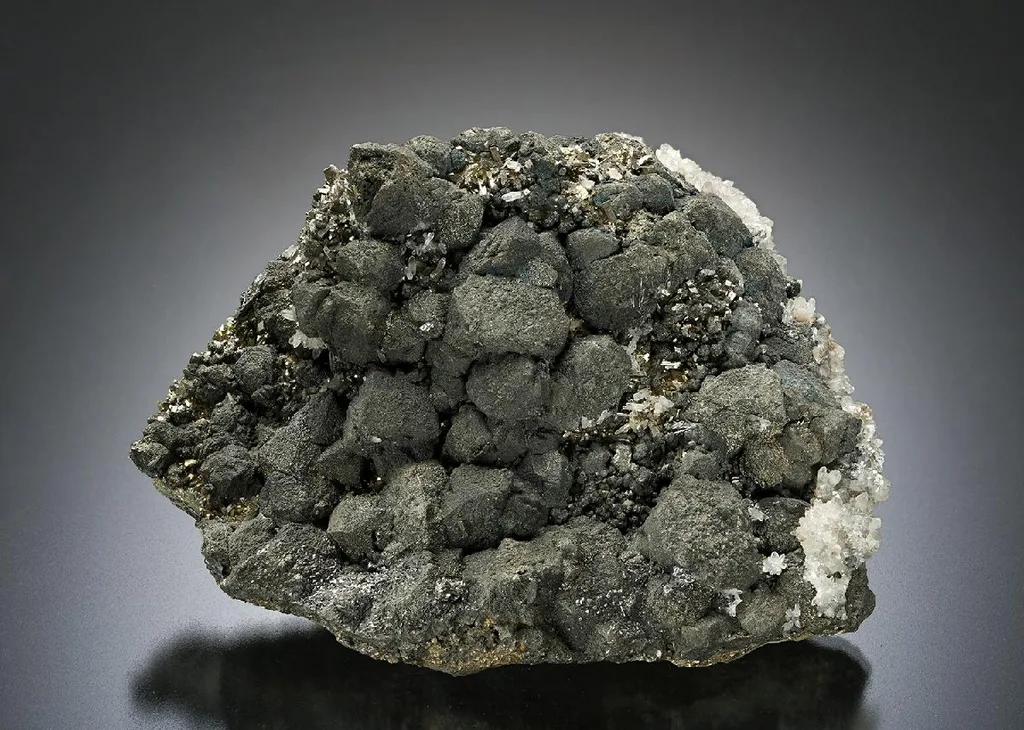
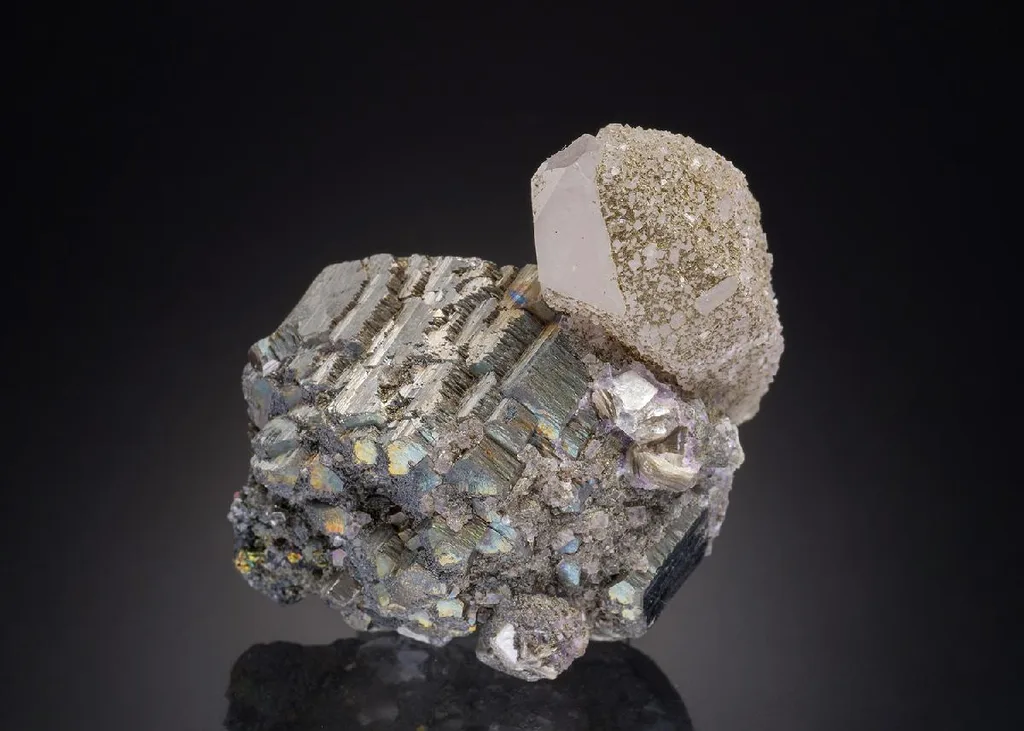
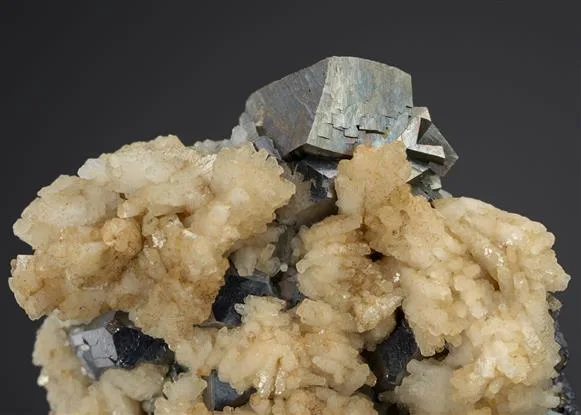
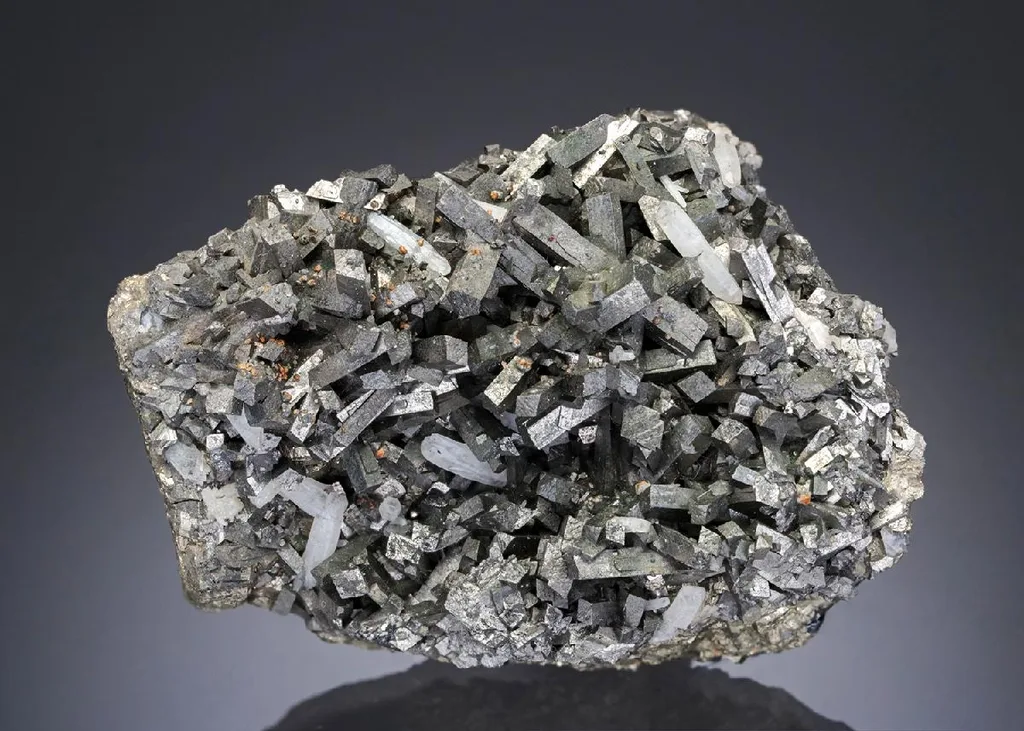
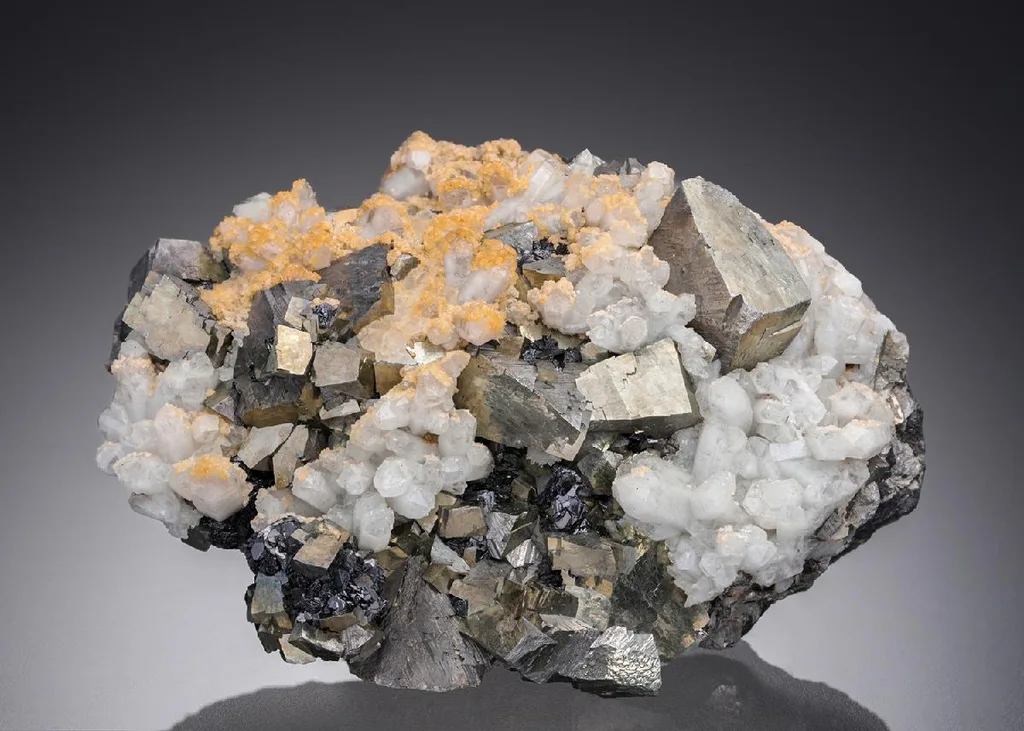
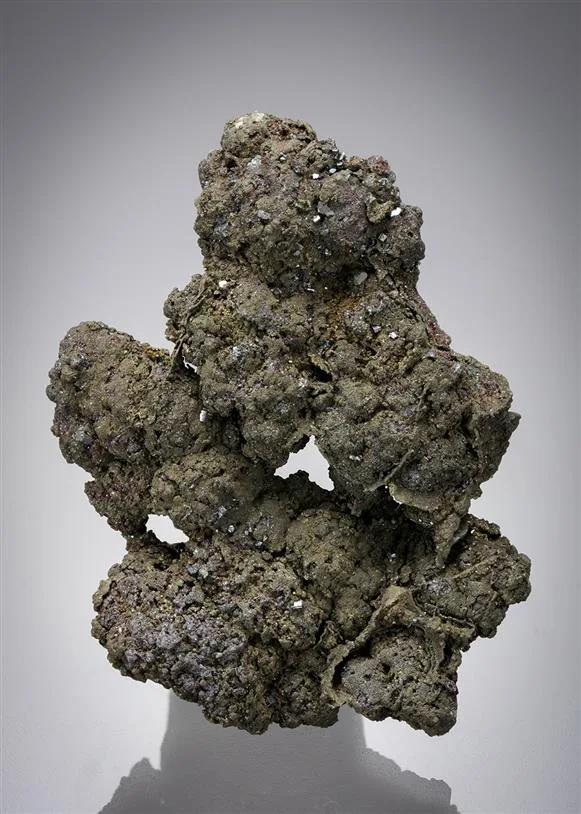
Arsenopyrite is an iron arsenide mineral that forms metallic, silvery-gray to steel-gray crystals with a bright lustre. It commonly occurs in elongated, prismatic crystals and can display a metallic to submetallic finish, sometimes with a slightly tin-white or pewter hue. The mineral often forms in hydrothermal veins and skarns, associated with sulfide mineral assemblages, and its crystal habits range from simple to sharp, well-defined forms when unaltered.
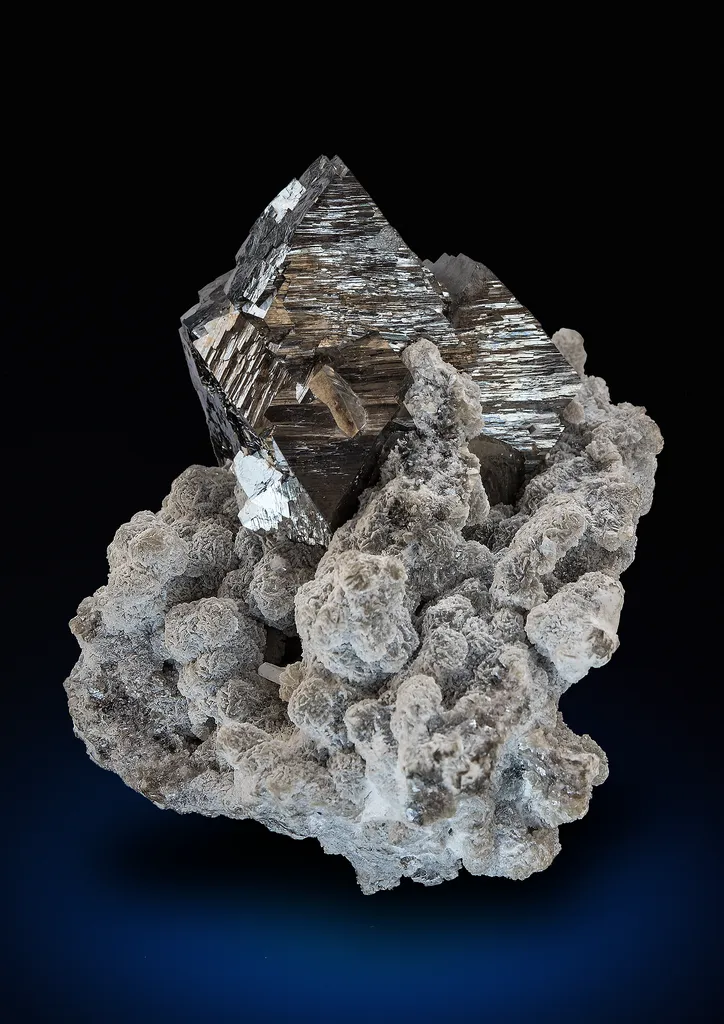
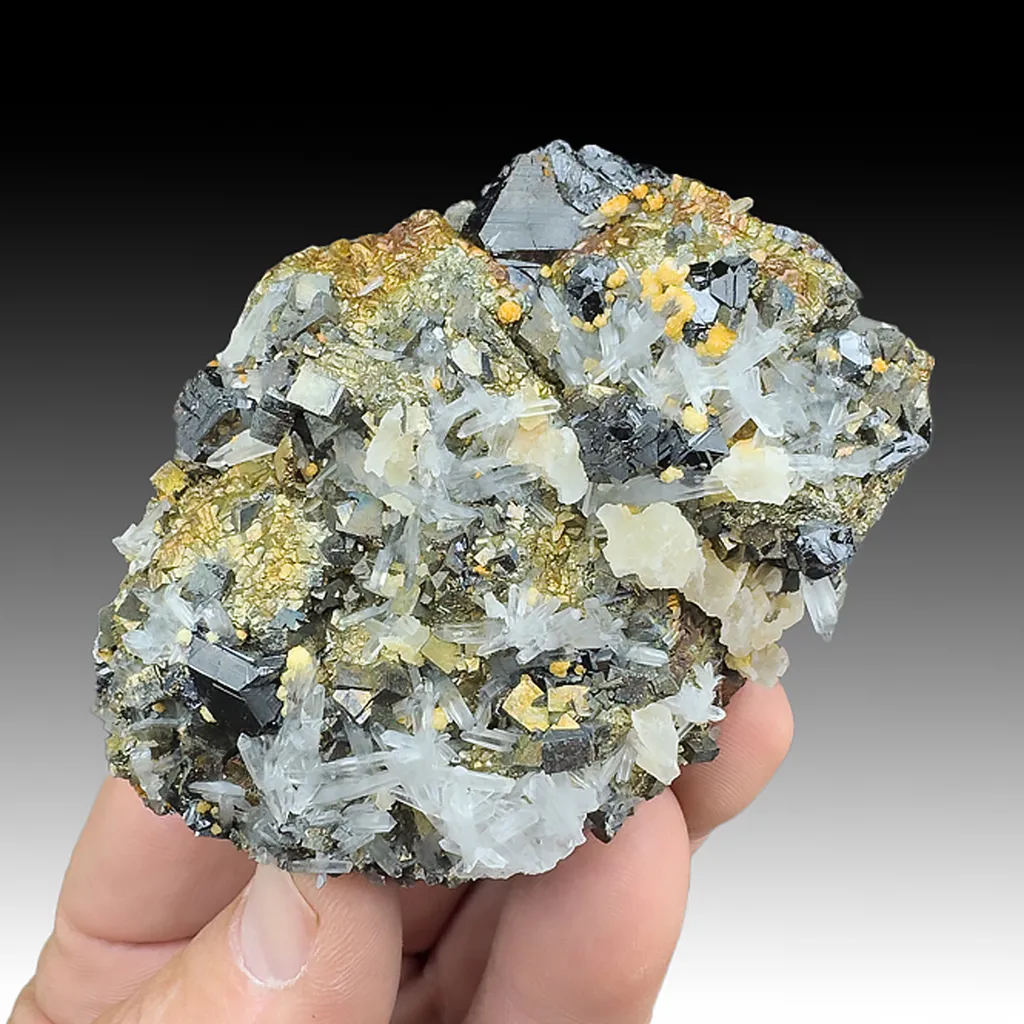
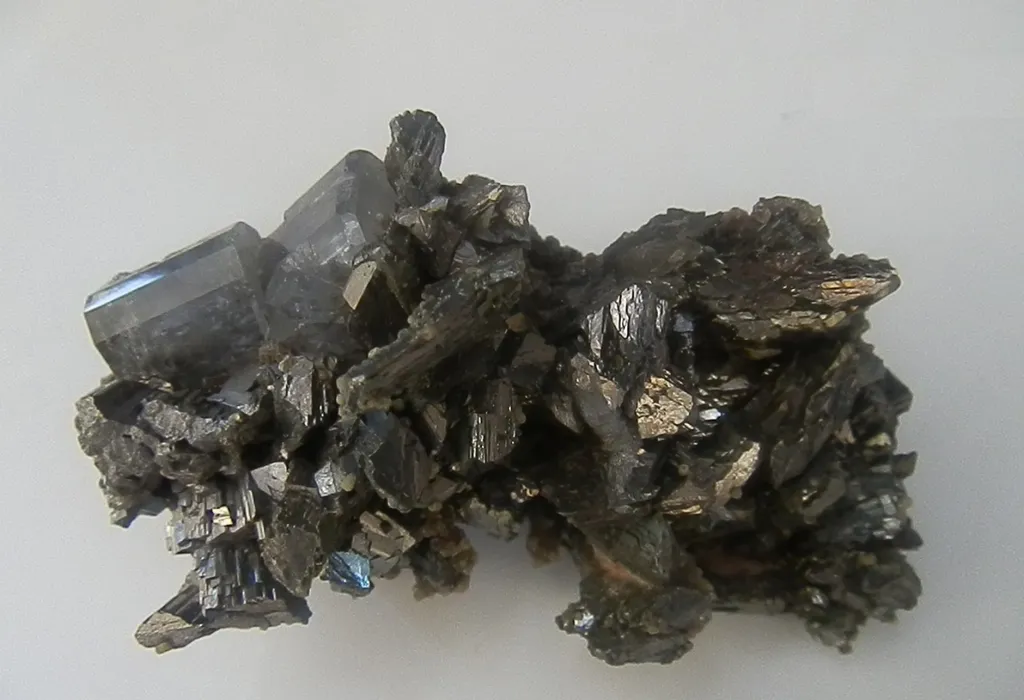
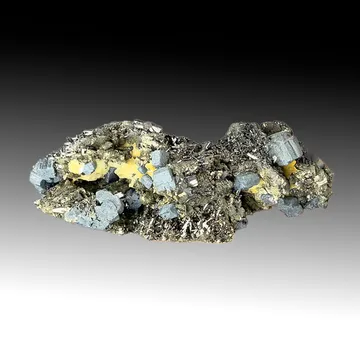
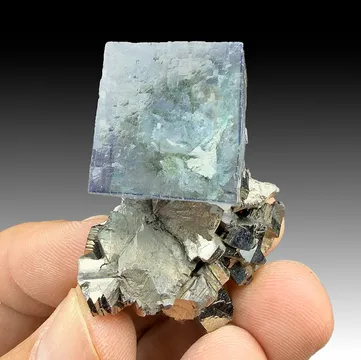
Notable localities include China, Portugal, and Peru, where exquisite specimens have been recovered from hydrothermal ore veins and metamorphic contexts. Arsenopyrite can occur in coarse crystals that catch the eye of collectors, particularly when etched or with associated euhedral minerals that highlight its metallic character. While it is not a rare mineral, well-formed crystals with clean faces and minimal alteration are sought after by collectors for display and study.
Collectors value arsenopyrite for its luster, crystal form, and its place in classic ore-formation environments, as well as its historical use in understanding sulfide mineralization. Properly cleaned specimens reveal a bright, persistent metallic reflex that contrasts with darker host rocks, making it a dependable accent piece in many mineral displays.